Have you ever wondered if a few tiny needles could help melt your stress away? It might sound a bit surprising, but many people say that acupuncture brings a natural calm by easing the little blockages in your body’s energy flow.
When a skilled practitioner places these fine needles on just the right spots, your body sends out gentle signals that help relax tense muscles and soften tight nerves. It's like your body gets a little reminder to slow down and breathe.
Not only can this natural method soothe stress for a while, but it may also help bring your body and mind into a steadier, more balanced rhythm. On those hectic days when tension seems to fill every moment, acupuncture can offer a peaceful, natural escape that feels both warm and nurturing.
How Acupuncture for Stress Management Works

Acupuncture helps manage stress by balancing your body's natural energy. In Traditional Chinese Medicine, stress is seen as a blockage in the life force called Qi (energy) that flows along paths known as meridians. By gently inserting fine needles into specific points, these energy blockages can be eased. This simple action encourages your body to release feel-good chemicals, boost blood flow, and trigger calm signals in the brain. Many people say they feel deeply relaxed during or right after a session. Have you ever felt a little lighter after a similar experience?
By working on key points, acupuncturists help balance your energy in a way that supports both your physical comfort and emotional well-being. This technique not only relieves the immediate symptoms of stress but also helps set your body back to its natural rhythm. One client shared, "After the needle therapy, I slept so soundly that night, as if my body had finally found its rhythm."
Overall, acupuncture sets off a chain of positive effects. By removing blockages in your energy channels, it can help you relax more, sleep better, and lower stress hormones. This natural and gentle method can be a comforting way to find calm amid your busy day.
Key Stress-Relief Needle Therapy Techniques in Acupuncture
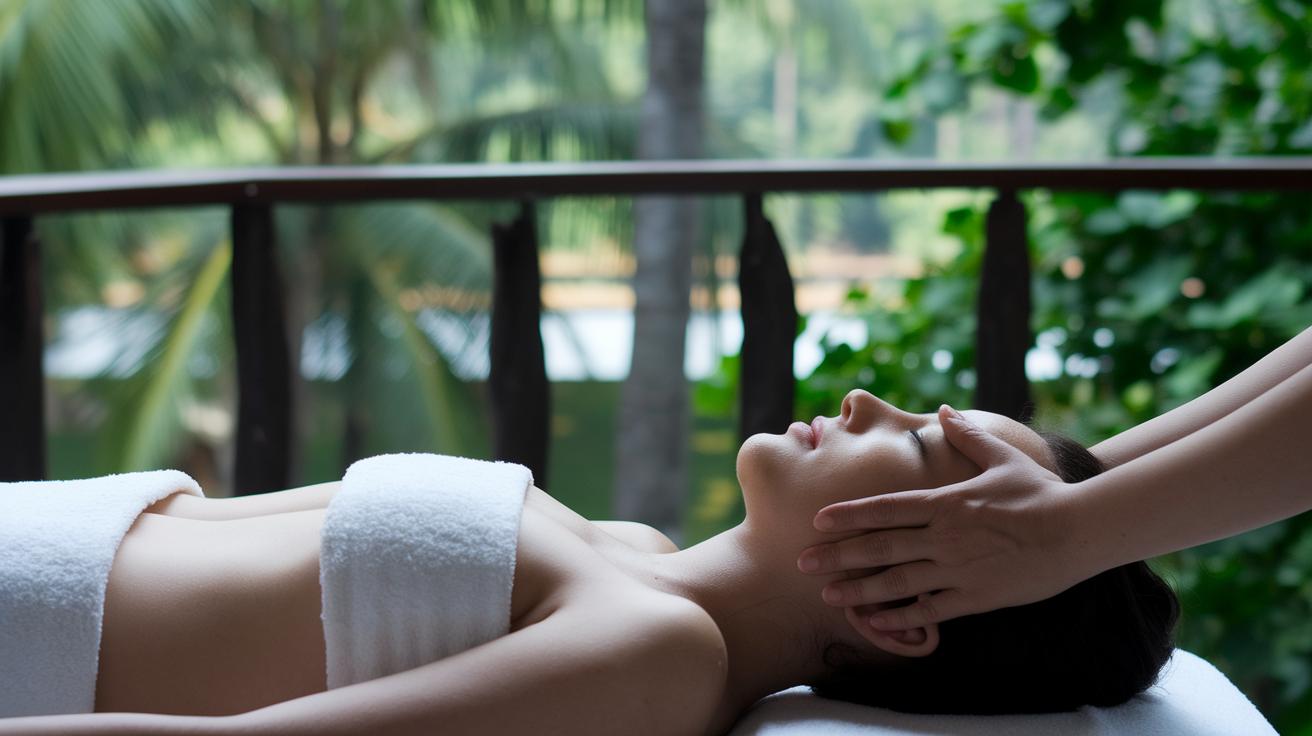
Acupressure combined with gentle needling has been a trusted way to soothe both body and mind. This caring practice uses a light needle touch to give the body a quiet break. Many acupuncturists focus on spots such as Yintang (the space between your eyebrows), Hegu (on your hand), Shenmen (on the ear), Neiguan (inner wrist), and Baihui (the top of the head) to help ease stress and bring calm.
Imagine taking a peaceful pause in the middle of a busy day. A soft touch at Hegu can feel like resetting your body's natural rhythm and gently washing away tension. It’s a little moment that reminds you of the power of a caring touch.
Today, there are even more ways to practice this healing art. Electroacupuncture, for example, uses a very mild current between paired needles to enhance energy flow, giving a slightly different and refreshing sensation. Moxibustion uses the warmth of burning mugwort near the points, adding a comforting heat that helps stir up that flow even more. And for anyone with extra sensitivity, micro-needling offers a very gentle stimulus that feels just right.
- Yintang for feeling calm
- Hegu to ease tension in your hand and head
- Shenmen to help settle your mind
- Neiguan for soothing the wrist area
- Baihui for promoting overall balance
Each of these techniques helps create a personalized, soothing treatment that naturally eases stress and restores balance. It’s like a gentle reminder that caring for yourself can be simple and truly uplifting.
Clinical Evidence for Acupuncture in Stress Management

Recent studies have shown that acupuncture can really help lower stress. In some cases, patients’ cortisol (the stress hormone) levels dropped nearly 30% right after a session. It’s like giving your body a little reset in the middle of a hectic day.
Other trials have found clear improvements in anxiety scores when compared with groups that didn’t use acupuncture. Some folks even said that their sessions felt like a gentle pause, where everything just slowed down for a moment.
What’s happening here is pretty interesting. When the needles target specific spots, like the part of the brain that helps control emotions, they seem to help balance your feelings too. This means acupuncture doesn’t just address physical symptoms, it also eases those overwhelming stress responses.
Many people have shared how, after a session, they feel a deep sense of calm and notice less tension throughout their day. And the numbers back up these experiences. So, if you’re looking for a natural option to help manage stress, acupuncture might be worth a try.
acupuncture for stress management offers natural relief

Many people start with weekly sessions for about 4 to 6 weeks. This regular care helps your body relax and settle into a calm rhythm. Each visit brings a gentle touch that not only eases stress right away but also helps your body find its natural balance again. For those who deal with stress often, scheduling about 1 to 4 sessions per month can give steady support. One client said, "After a treatment, I felt a wave of calm that lasted days," showing that even one session can really lift your spirits.
Many practitioners suggest beginning with weekly appointments and then shifting to bi-weekly or monthly sessions as you see what works best for you. This kind of scheduling is both budget-friendly and easy to fit into a busy family life. Plus, after your session, taking a few minutes for deep breathing or quiet reflection can help you hold on to that soothing feeling.
| Initial Phase | Ongoing Care |
|---|---|
| Weekly sessions for 4–6 weeks | 1–4 sessions per month for continuing stress relief |
This balanced approach makes managing stress feel both kind and achievable.
Safety, Side Effects & Choosing an Acupuncture Practitioner
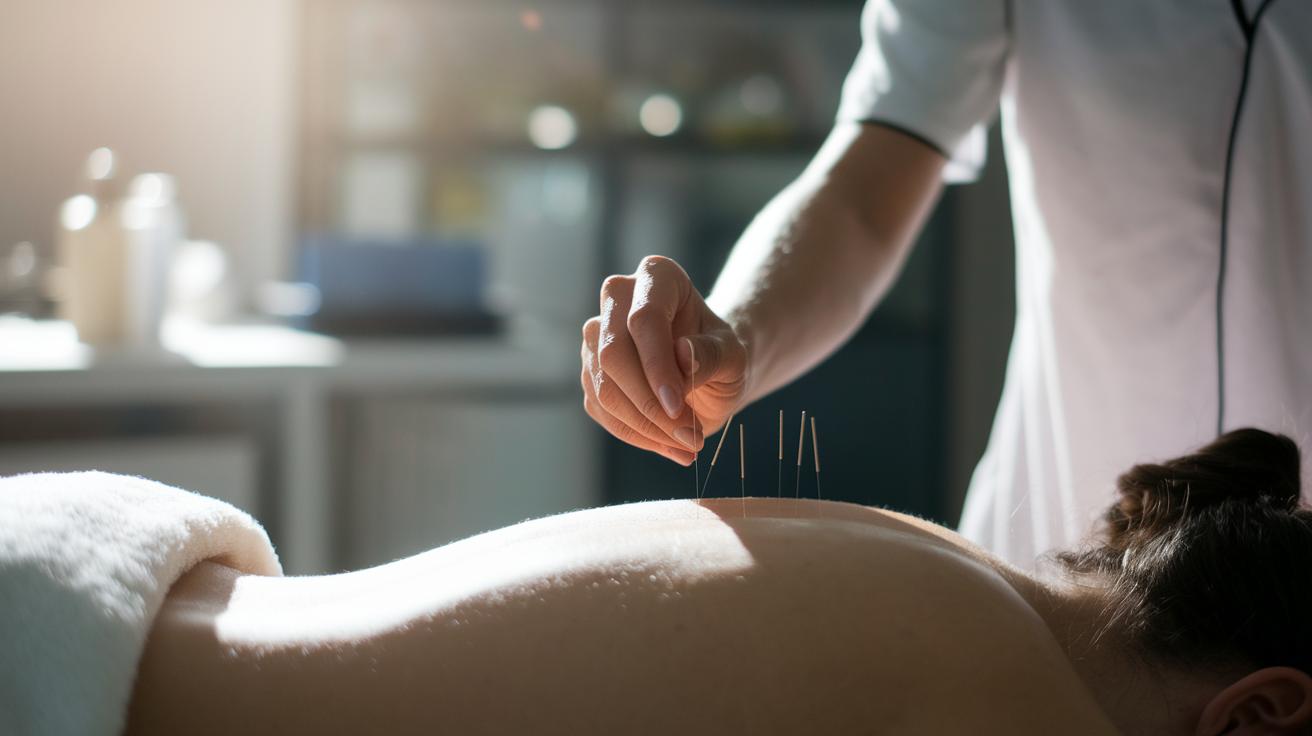
Thinking about acupuncture? When it's done by a licensed professional, any side effects are usually very mild. You may notice a little bruise or some soreness where the needle goes in, but that's normal and doesn’t last long. When your practitioner follows careful cleaning steps and holds the right credentials (like a state license and NCCAOM certification), you’re in safe hands.
Imagine each needle being placed with gentle care, almost like a soft touch that helps ease your tension. This thoughtful method means you're cared for physically and emotionally. Plus, many acupuncturists team up with your regular healthcare folks to create a well-rounded, holistic support system.
Here are a few things to keep in mind when choosing your acupuncturist:
| What to Check | Why It Matters |
|---|---|
| State License & NCCAOM Certification | Ensures professional standards and safety |
| Sterilization & Safety Steps | Keeps the treatment secure and hygienic |
| Healthcare Integration | Means your care is well-rounded and coordinated |
Taking a little time to ask these questions can really help make sure your sessions are both safe and beneficial for your overall well-being.
Integrating Acupuncture with Self-Care & Other Stress Strategies

Acupuncture works best when you add some at-home care to keep your energy moving. A simple daily self-acupressure on spots like Pericardium 6 (inner wrist) can help a lot. For example, give your inner wrist a gentle massage while taking slow, deep breaths. It’s a small act that helps keep your Qi flowing between sessions.
Mixing your needle treatments with a bit of mindfulness meditation can boost your calm, too. Imagine sitting in a quiet spot, taking a few slow breaths, just like winding down after a busy day. Gentle yoga or simple stretching can ease tension, and even a few light breathwork exercises remind you to take a pause.
Many find that traditional Chinese herbal remedies can work wonderfully with acupuncture. They join forces with self-massage and mindfulness to build a caring, gentle way to reduce stress.
- Gently massage your inner wrist each day.
- Add a little mindfulness or simple yoga stretches.
- Try complementary herbal remedies.
Combining these ideas gives you a kind, holistic way to manage everyday stress while taking care of both your body and mind.
Testimonials & Case Examples in Acupuncture-Based Stress Relief

Listening to real stories from people just like us shows how acupuncture can gently ease stress. Many share that their sessions feel really calming, simple, and even a bit fun. In one case, almost 70% of people with long-term stress noticed a drop in their stress hormone (cortisol) levels after four weeks. This change often brought along better sleep, fewer anxious moments, and a steadier mood.
One client said, "After only a few sessions, I could feel the tension leave and my sleep got so much better." Another mentioned that regular sessions helped balance their emotions, making daily stress easier to handle. These heartfelt stories highlight how acupuncture supports both physical ease and emotional balance.
• Around 70% of people with chronic stress saw a drop in stress hormones after four weeks.
• Many noticed better sleep and fewer anxiety attacks.
• Sessions are often described as calming, easy, and enjoyable.
All these personal accounts remind us that acupuncture isn’t just about quick relief, it can also help keep our emotions more balanced over time.
Final Words
In the action, we explored how acupuncture for stress management works by clearing blockages in Qi and boosting relaxation. We looked at key needle techniques, clinical findings, and safety measures that give a clear picture of how these sessions can help ease tension. You also saw tips on combining self-care and mindfulness with acupuncture treatments. Every step of the way shows that thoughtful care in acupuncture brings calm, balance, and renewed energy for better days ahead.
FAQ
Where do the needles go in acupuncture for stress?
The needles are inserted into specific acupoints along energy pathways, such as Yintang, Hegu, and Neiguan, which are linked to reducing stress and promoting a relaxed state.
What are common stress relief acupoints used in acupuncture for anxiety?
Acupuncture targets points like Yintang (between the eyebrows), Hegu (on the hand), Shenmen (in the ear), and Neiguan (on the inner wrist) to help diminish stress and soothe anxiety symptoms.
How often should you get acupuncture for stress and anxiety?
Beginners may start with weekly sessions for 4–6 weeks, then adjust to monthly or bi-weekly visits, while chronic stress cases might benefit from 1–4 treatments per month for sustained relief.
Is acupuncture good for stress management?
Acupuncture has been shown to lower cortisol levels and boost endorphin release, which leads to enhanced relaxation and improved emotional balance, making it an effective option for stress management.
How quickly does acupuncture work for stress?
Many patients report feeling deeply relaxed and experiencing better sleep immediately following a session, though ongoing treatments typically build on these positive effects for long-lasting relief.
What can acupuncture treat?
Acupuncture can help with a range of issues including stress, anxiety, chronic pain, migraines, and digestive discomfort by improving energy flow and fostering balance in the body.
What are five common stress management techniques?
Common techniques include acupuncture for physical relief, mindfulness meditation for mental calm, gentle yoga for body awareness, breathwork for emotional control, and self-acupressure to sustain relaxation.
Where can I find acupuncture near me?
You can search online directories, ask your healthcare provider, or seek recommendations from friends and community groups to locate licensed acupuncture practitioners in your area.
What is acupuncture?
Acupuncture is a therapy from traditional Chinese medicine that uses fine needles inserted into precise points on the body to improve energy flow and reduce stress, promoting overall well-being.