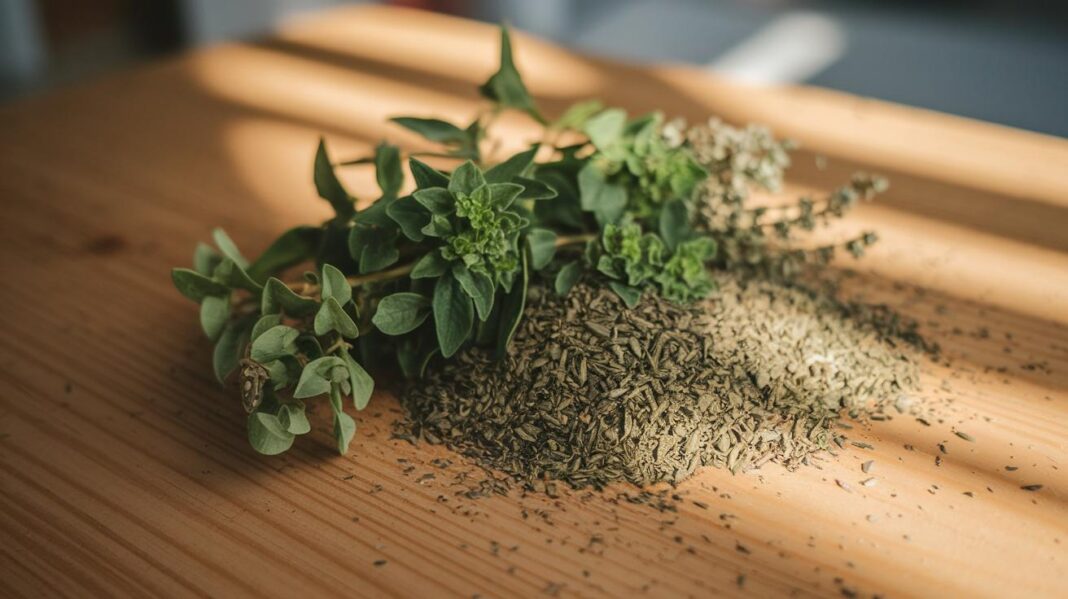
Have you ever wondered if nature might help ease your stress? Radiate Natural Calm brings a gentle remedy that goes a bit deeper than a simple fix. It blends ashwagandha (a helpful herb for stress), passionflower, and chamomile to soothe your busy mind and steady your body.
These herbs work together like a little team, helping to balance those nagging stress hormones and bring back your inner peace. In this article, you'll see how mixing these trusted herbs can create a nurturing ritual that adds a sense of calm to even the busiest days.
Top Herbs for Stress Management: Benefits and Mechanisms
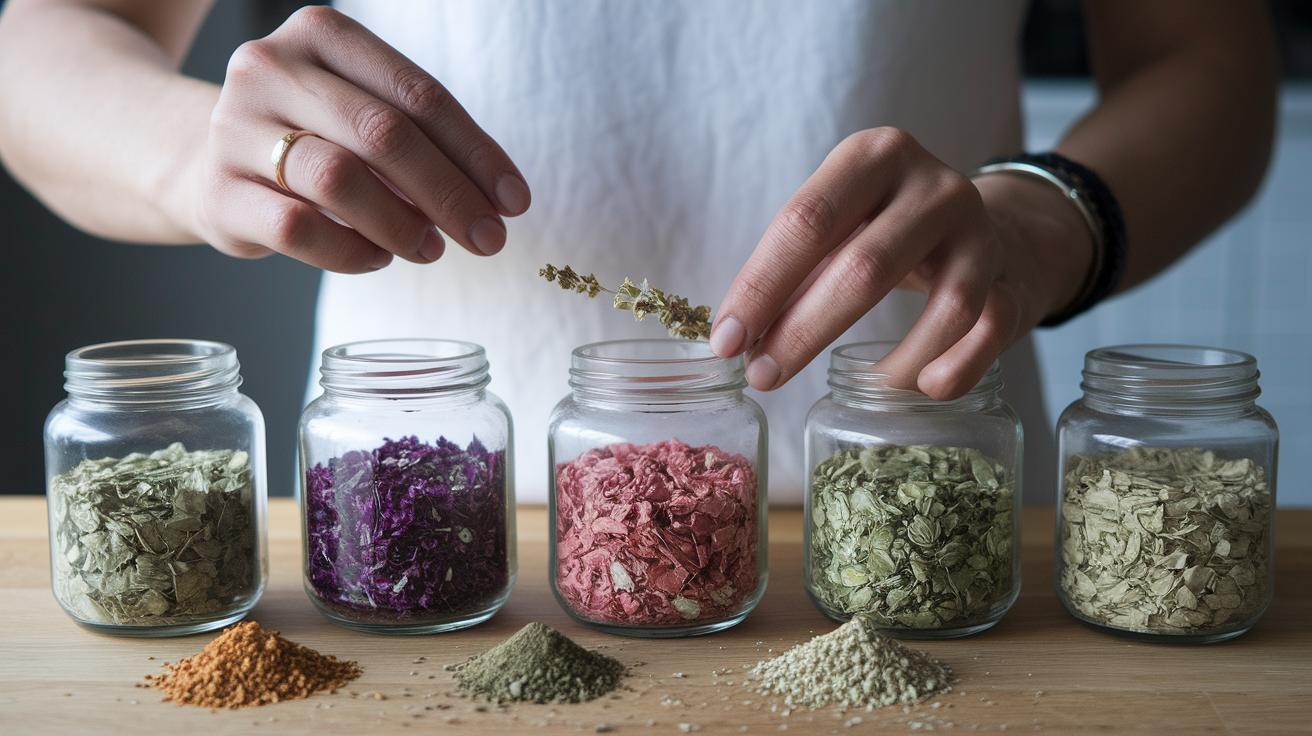
Stress is our body’s natural way of reacting to everyday challenges. When we don’t manage it, stress can really wear us down over time. Sometimes we get a burst of energy from sudden stress, but ongoing stress slowly drains us. Because each of us is different, one herb alone might not do the trick. Blending various herbs is a gentle, smart way to find balance.
Each herb works in its own special way to help our body handle stress and bounce back afterward. Take ashwagandha, for instance, it helps keep cortisol (a stress hormone) in check and can even curb those stress-driven food cravings that sometimes lead us to reach for unhealthy snacks. Passionflower offers a mild calming effect that can bring back a sense of energy when daily pressures feel extra heavy. And lemon balm, a herb used for many years, is cherished for its soothing ability to ease a busy mind.
Chamomile is another long-trusted remedy. Its gentle way of calming nerves also helps settle your tummy, making it a great companion before bedtime. Lavender, well known for its lovely scent in aromatherapy, can turn your space into a calm haven, ushering in peaceful sleep and quiet moments.
Here’s a closer look at these natural helpers:
- Ashwagandha: Helps balance cortisol and builds stress resilience.
- Passionflower: Offers a mild calming effect and boosts vitality.
- Lemon balm: Supports mood balance and soothes the mind.
- Chamomile: Eases nervous tension and supports healthy digestion.
- Lavender: Brings peaceful relaxation through its soothing aroma.
Mixing these herbs can support a variety of stress responses, offering a comprehensive, naturally calming approach that really feels like a gentle hug for your day.
Dosage and Safety Guidelines for Herbs for Stress Management
When you try out herbs for stress, it's best to stick to the suggested doses. If you're just starting, why not use a little bit at first to see how your body reacts? I once mixed a tiny bit of ashwagandha into my morning smoothie and felt noticeably calmer throughout the day.
Mixing natural, plant-based solutions for anxiety can be a gentle process. For instance, try ashwagandha at 300–600 mg each day. But if you're pregnant or on thyroid medications, it’s safer to skip it. Passionflower extract works well at 200–400 mg once or twice daily. Just keep in mind it might not mix well with sedative medications.
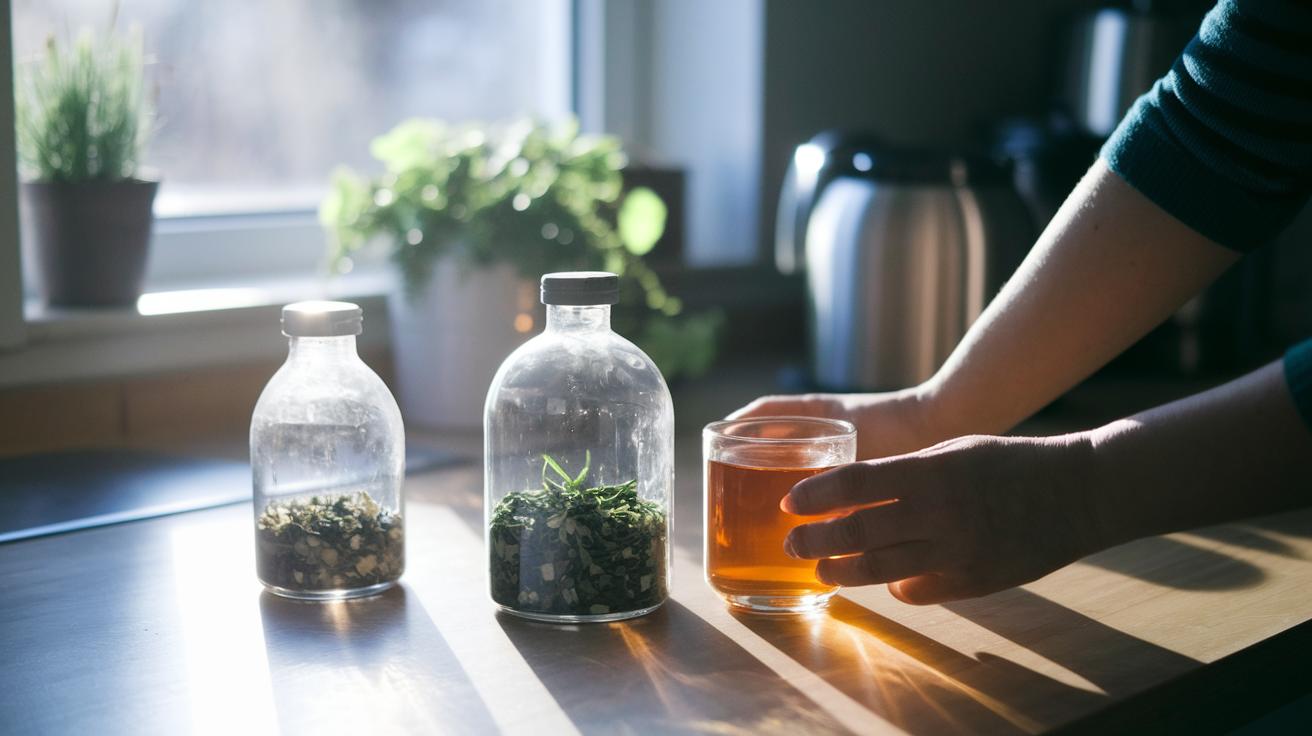
If tea is more your style, then steep lemon balm tea with 1–2 g of dried leaves in hot water for 5–10 minutes. Chamomile tea is best made with 2–3 g of flowers, steeping for about 5 minutes. Enjoy one or two cups before bed for a soothing routine. And hey, if you love lavender, you can add 2–4 drops of its essential oil to a diffuser or use it topically after a 1:4 dilution, just do a quick patch test first to be sure.
| Herb | Typical Dosage | Notes |
|---|---|---|
| Ashwagandha | 300–600 mg daily | Avoid if pregnant or on thyroid meds |
| Passionflower | 200–400 mg once or twice daily | May interact with sedatives |
| Lemon Balm | 1–2 g steeped in tea | Steep 5–10 minutes, up to 3 cups/day |
| Chamomile | 2–3 g steeped in tea | Steep 5 minutes, 1–2 cups before bedtime |
| Lavender | 2–4 drops essential oil | Diffuse or dilute 1:4 for topical use; patch test recommended |
Start with these tips, keep an eye on how you feel, and adjust the dose if you need to. And don’t forget, always check for allergies and reach out to a professional if you have ongoing health concerns.
Scientific Evidence on Adaptogens for Anxiety and Stress Management
Adaptogens are natural botanicals that help your body adjust when stress shows up. They even work to keep your cortisol (a key stress hormone) levels in check. For example, studies show that ashwagandha can lower those cortisol levels by about 27% while also lifting overall stress scores. When stress sticks around too long, it might lead to issues like weight gain, heart problems, and a wobbly immune system, so it really pays to keep stress at bay.
There’s also friendly research backing up other natural herbs. Lemon balm and passionflower have both been noted to ease anxiety over a period of four to six weeks. Chamomile, with its soft, soothing touch, works by connecting with the brain’s GABA receptors, which helps ease both physical and mental tension. Even a breath of lavender essential oil can send a calming signal to your brain’s limbic system, slowing your heart rate and inviting relaxation.
The science tells us that these gentle herbal helpers not only manage the body’s stress response, but also boost overall health and mood. Mixing a bit of adaptogens into your self-care routine might just help balance your emotions and support recovery from the daily pressures of life. Isn't it nice to know that nature offers such caring solutions?
Preparation Methods for Calming Herbal Remedies in Stress Management
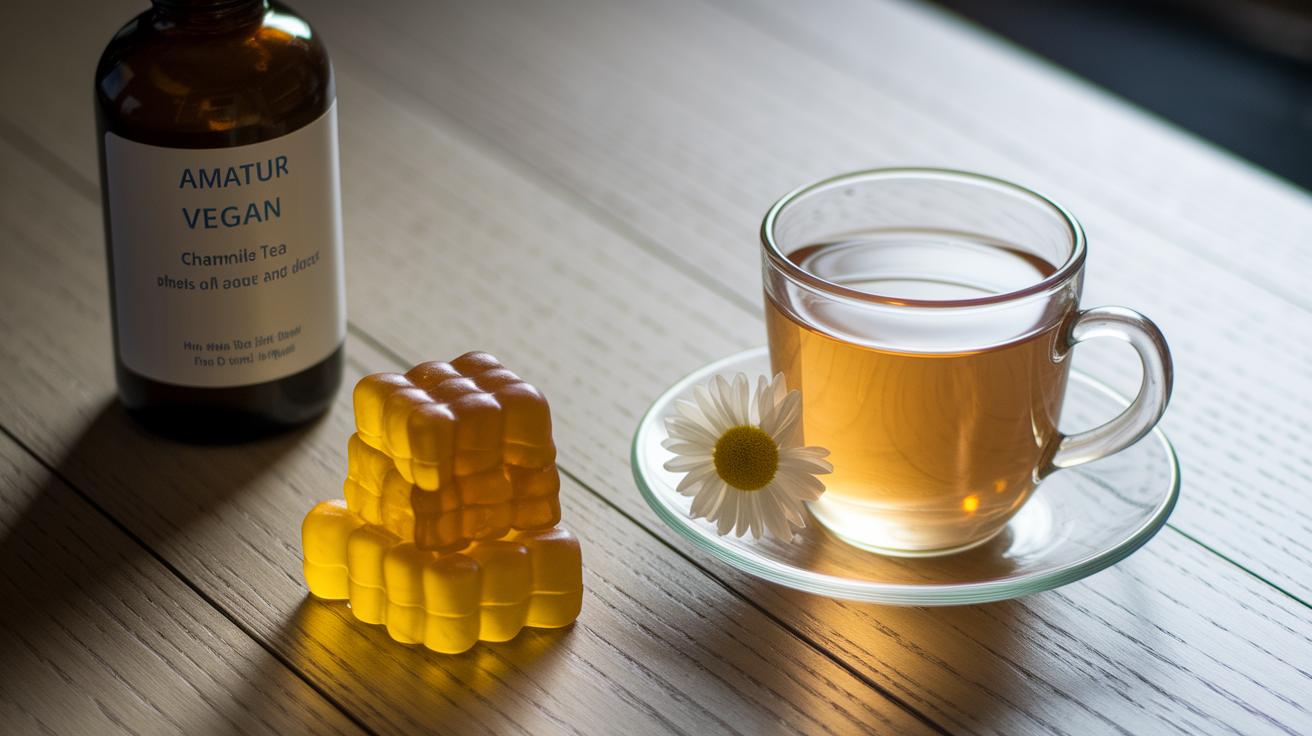
Herbal remedies can be a creative and simple way to ease stress. One idea is to use vegan, non-GMO gummy vitamins. They provide quick relief with a measured dose, making them a handy choice when you need something fast during a busy day. I remember keeping a small pack in my bag and feeling a bit more centered whenever things got hectic.
Another gentle method is making tea infusions. Just steep chamomile or lemon balm for 5 to 10 minutes, and if you like a stronger flavor, feel free to add a few more leaves. Picture yourself winding down with a warm cup of herbal tea after a long day, enjoying its soft aroma and soothing taste as it helps melt your worry away.
Aromatherapy offers another lovely route to relaxation. You can diffuse some lavender oil in your room or apply it (diluted at a 1:4 ratio) to your skin. This calming scent works quickly to create a peaceful vibe around you. If you’re looking for something even more concentrated, you might try a tincture blend. Mixing equal parts ashwagandha, passionflower, and lemon balm and taking a small dose under your tongue can pack a powerful calming punch. And for those who prefer something familiar, capsule formulas that provide 500 mg of powdered adaptogens twice daily with meals are a straightforward way to include these herbs in your daily routine.
- Gummy vitamins: A tasty, convenient option that’s perfect for on-the-go calm.
- Tea infusions: Customizable and warming, ideal for a peaceful pause.
- Aromatherapy: A non-eating method that quickly boosts your mood and can even help with sleep.
Potential Side Effects of Herbs for Stress Management
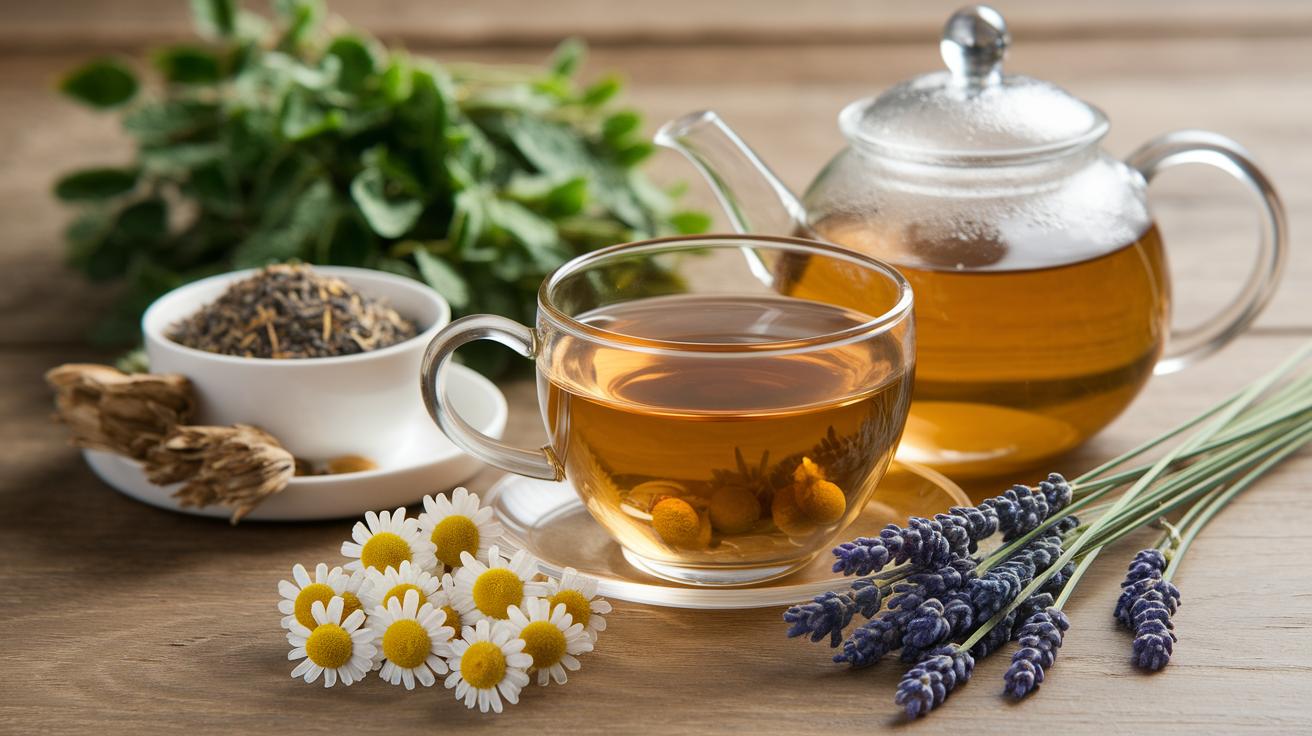
Herbs for stress management can be gentle helpers for many people, though they might come with a few side effects. You might feel a bit sleepy or notice a slight upset tummy after using them. Some people could also have an allergic reaction, especially with chamomile if you're allergic to ragweed, or with lavender when it touches your skin. So, it's important to use these herbal options carefully.
If you’re taking sedative medications, passionflower might not mix well with them. And if you have an autoimmune condition, it’s a good idea to talk to your doctor before trying ashwagandha. Taking too much over a long period can even affect your thyroid or liver enzymes, so keep an eye on how you feel if you use these herbs regularly. Always check to see if any natural sedative doesn't upset you.
For safe stress support with these botanicals, choose standardized extracts from trusted suppliers. And remember, natural remedies can sometimes interact with other medicines, so it’s always smart to consult a professional if you have any health concerns.
Herbs for Stress Management Radiate Natural Calm
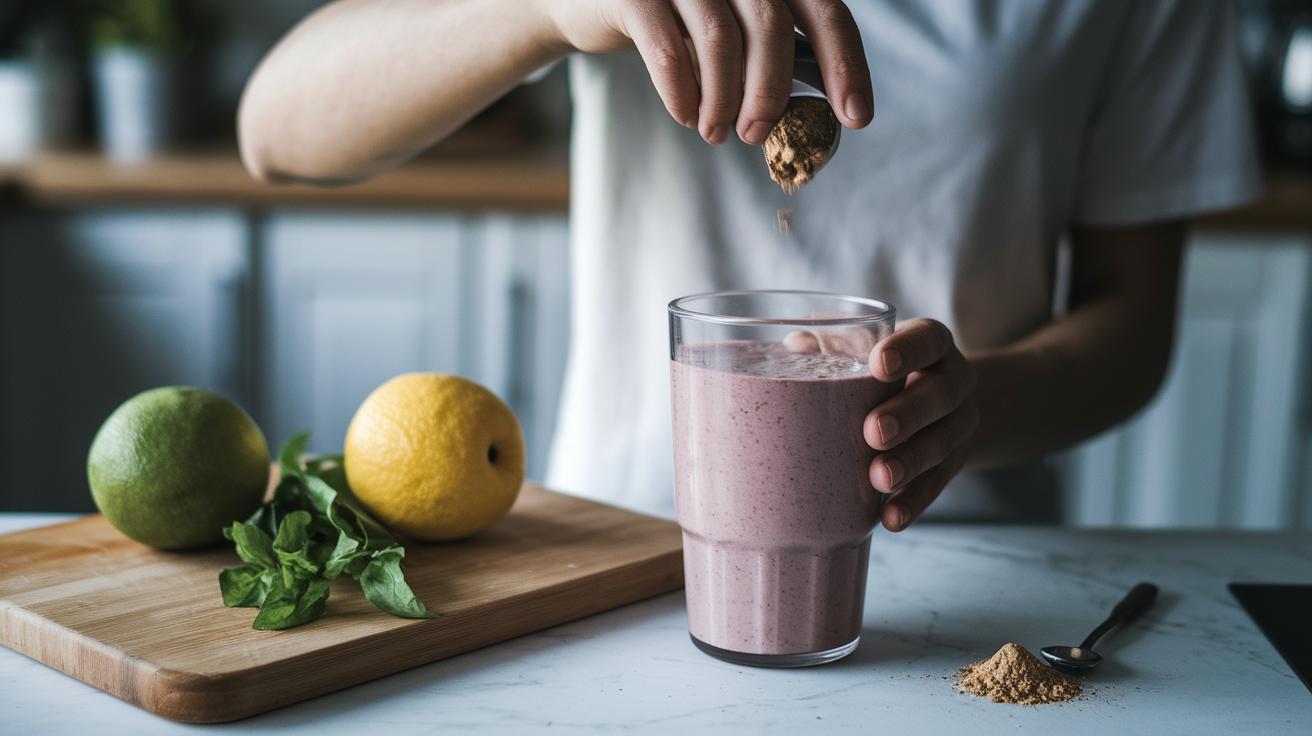
Have you ever tried starting your morning with a little ritual that calms your mind? Try stirring about 300 mg of ashwagandha powder into your favorite smoothie or coffee alternative. It’s a small step that can sharpen your thoughts and gently help your body manage stress.
After lunch, take a few quiet minutes for a lemon balm tea break. That little pause can ease any built-up tension and bring a soft, soothing note to your busy day.
In the evening, think about swapping out those late-night snacks for a warm cup of chamomile or lavender tea. It’s a heartwarming way to wind down before bed.
It can also be really helpful to track how these herbs affect your mood. For two to four weeks, try noting small changes in a journaling app, it might feel like a mini chat with a friend about your day.
You might even mix in a few gentle yoga stretches, mindful moments, or deep breaths. These little practices together can create a constant sense of calm and keep stress at bay.
Every small step helps you feel more at ease and clear-headed. Give it a try and experience how natural calm can brighten your day!
Final Words
In the action of mixing natural approaches with daily routines, we looked at the science, safety, and preparation methods of herbs like ashwagandha, passionflower, and chamomile. Each herb plays its role in easing stress and supporting mental calm. We shared dosage tips, simple tea recipes, and practical safety notes so you can feel more at ease with your daily choices. Embrace these herbs for stress management and step forward with confidence and a calm heart.
FAQ
Q: What are the best herbs for stress, anxiety, and depression?
A: The best herbs in this area include ashwagandha to help balance cortisol, chamomile for gentle calming, lemon balm to ease tension, lavender for a soothing aroma, and passionflower for mild relaxation.
Q: What are the most potent natural herbs for anxiety and panic attacks?
A: The most potent herbs typically include ashwagandha, known to lower cortisol levels, and passionflower, which supports mild sedation and eases panic symptoms naturally.
Q: What natural remedies help with stress and anxiety?
A: Natural remedies combine calming herbs and simple practices; well-known choices like chamomile tea, lemon balm infusions, and lavender aromatherapy can help soothe stress and create a relaxed environment.
Q: Which herb or plant calms anxiety?
A: The herb that calms anxiety most noted is lavender, as its gentle aroma promotes relaxation and helps reduce symptoms linked to stress and anxiety.
Q: What are the best supplements for stress, anxiety, nerves, and muscle relaxation?
A: Supplements featuring standardized herbal extracts such as ashwagandha, chamomile, and passionflower are popular choices that support overall calm, ease muscle tension, and help manage stress naturally.