
Have you ever thought about turning a tough time into a chance to help new families? Becoming a postpartum doula is more than just a job. It means you can offer care, guidance, and understanding during those precious early days (right after a baby is born).
New parents often feel overwhelmed and unsure of what to do next. Your gentle presence can truly ease their worries. By stepping into this role, you create a bright future for yourself while sharing your warmth and wisdom with families who need a little extra support.
Clarifying the Role of a Postpartum Doula
Postpartum doulas are kind helpers who are there for families right after a baby is born. They lend a hand with baby care, offer easy tips to soothe a little one, share warm advice with new parents, and even help out with light chores around the house. Unlike doulas who support during labor, these caring professionals focus on helping families settle into life with their new baby. Did you know that many new parents feel a bit overwhelmed in those early days? A postpartum doula offers both practical support and heartfelt understanding.
Learning about the doula role is a great first step if you’re thinking about a nurturing career. Think of it like a simple roadmap that guides you toward the right training and certification. You can begin by checking out programs that mix engaging online lessons, hands-on practice, and mentorship from experienced doulas.
By picking up skills like baby care routines and ways to give emotional support, you build a solid foundation for your work. Volunteering or shadowing a seasoned doula shows you how these skills come to life. These early experiences not only boost your confidence but also help you form connections within a caring community, setting the stage for your first client engagements.
Mapping the Steps to Becoming a Postpartum Doula
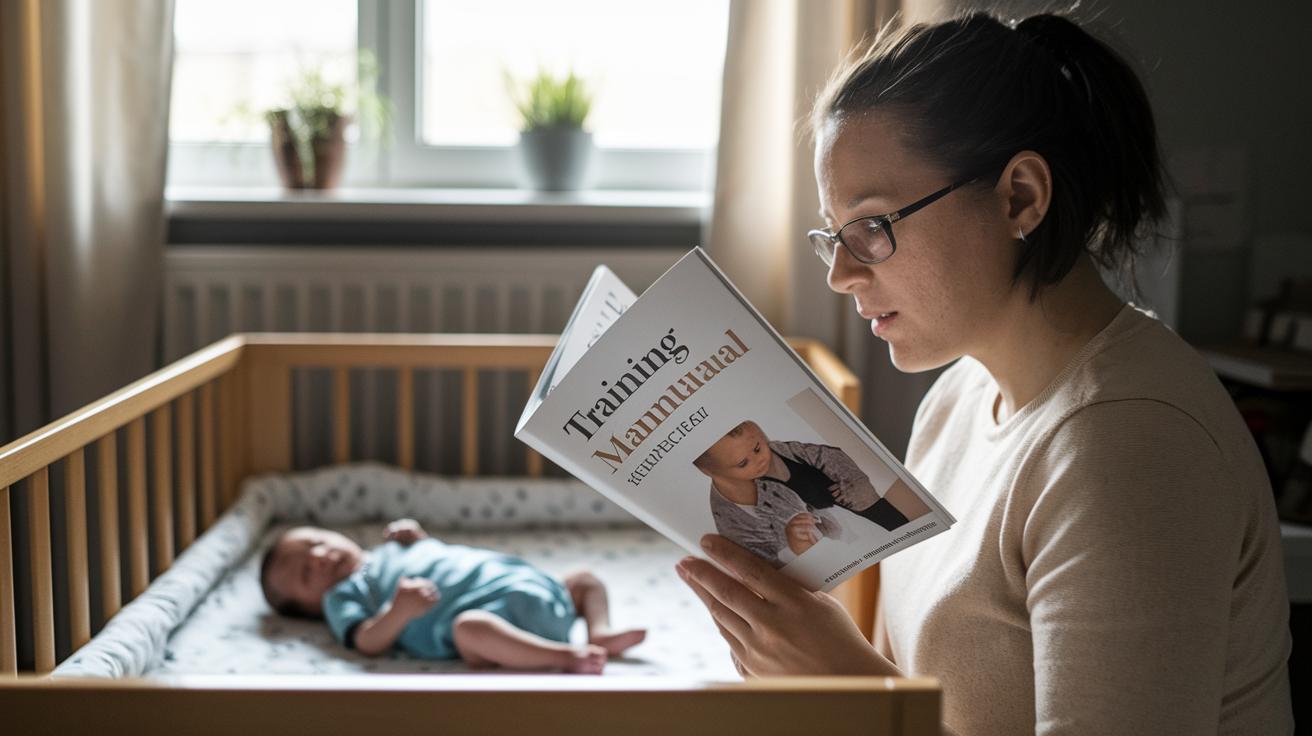
Starting a career as a postpartum doula means you’re choosing a path that helps new families while creating new opportunities for yourself. Here are six friendly steps to guide you into this fulfilling role.
-
Learn what a doula does.
Begin by finding out what being a postpartum doula is all about. You’ll learn tasks like caring for newborns and offering kind advice to new parents. Remember when you first figured out how to calm a crying baby? That natural instinct can grow into a wonderful skill for doula work. -
Look for a training program.
Take some time to research programs that mix online lessons with real-life practice. Many of these courses allow you to learn on your own schedule, so you can balance your training with other parts of your busy life. -
Finish your coursework and think about getting certified.
Work through online assignments and tests at your own pace. Certification might not be required, but it can help build trust with clients and may even make it easier to get insurance support. -
Get hands-on experience.
Volunteer with local community groups or shadow a seasoned doula to see how it works day to day. This practical experience boosts your confidence and gives you a clear picture of what the job is really like. -
Start your own doula service.
Plan out your services, decide on fair pricing, and set up a schedule that works for you. It’s a bit like planning for a friendly visit from a neighbor, you want everything to feel easy and welcoming. -
Tell others about your services.
Share your story with family, friends, and local groups. Use social media or word-of-mouth to reach families who might need your caring support.
Comprehensive Training and Certification for Postpartum Doulas: Options, Timeframes, and Costs
Postpartum doula training is both caring and practical. These programs teach you about the body’s changes after childbirth (postpartum changes), feeding your baby, planning healthy meals, managing light household tasks, and offering emotional support. Many courses are offered online so you can learn at your own pace. They include hands-on assignments, chats with mentors, and friendly forums where you can share ideas. Imagine sitting in a quiet moment at home and learning how to put together a meal plan that feels like a warm hug for a new mom.
The lessons are broken into easy, clear steps. You get to work on assignments and take interactive exams that help you truly learn the material. When you finish the coursework, you earn your certification with no surprise extra fees for things like memberships or extra workshops. Many programs let you choose to pay all at once or break the cost into five monthly payments. Plus, you might even get a 15–25% discount if you enroll in more than one course. Picture picking a payment plan that fits your budget just right, like setting a comforting table for your family.
| Payment Option | Description |
|---|---|
| One-time Payment | Pay everything at once with bundled discounts available |
| Monthly Installments | Spread out the cost over five months with an easy plan |
Certification might not be required by law everywhere, but it really boosts your credibility. It helps families feel confident about choosing your support, and some insurance companies may even help cover your costs. During the training, you learn about important supplies, like putting together a postpartum recovery kit that includes all those little items that make a new mom’s recovery easier. Imagine suggesting a kit full of small comforts that help a new mom feel cared for and ready to embrace her new life.
The time it takes to complete training can vary a lot. Some students finish in a few weeks, while others, juggling busy lives, might take a few months to work at their own pace. Think about the satisfaction of finishing a module during a quiet afternoon at home. And once you’re certified, many programs ask you to update your skills every three or four years so you always have the latest tips and advice for supporting families.
With clear pricing, structured online lessons, and easy-to-follow content, these programs mix solid training with the heartfelt care needed for postpartum support. This way, you’ll feel ready to offer both expertise and a compassionate touch during one of the most important times for any family.
Building Practical Skills and Hands-On Experience as a Postpartum Doula

Trainee programs give you the chance to work with caring mentors who share everyday tips on caring for moms and babies after birth (postpartum care), breastfeeding help, soothing newborns, and even a bit of light household help. A mentor might gently remind you, "When your baby seems fussy, try a soft rocking motion. Sometimes a little movement works wonders." These shared moments truly make your learning feel personal and special.
Volunteering is another great way to gain real-life practice. Whether you’re assisting in community programs or supporting families at home, each session allows you to try out new techniques in a kind and stress-free setting. Think about your first time soothing a crying baby when there was no pressure, it’s little wins like these that boost your confidence and skills.
Mixing in what you learn from your mentors during workshops or practice sessions can really enhance your approach. I remember one trainee telling me about a mentor who explained how a calming cup of tea could set the perfect, nurturing mood for both baby and parent. These real-life tips add genuine value and help ground your training in everyday care.
- Find volunteer opportunities in your local community.
- Choose programs that pair you up with experienced, hands-on mentors.
- Collect little success stories, like calming a fussy baby, to remind you of your progress.
Each of these experiences helps you grow your skills in a way that feels natural and heartwarming.
Becoming a Postpartum Doula: Embrace a Bright Future
Starting your postpartum doula practice is like setting the stage for a future that feels both secure and truly fulfilling. It all begins with a clear menu of services that tells families exactly what you offer, from newborn care and breastfeeding help to gentle house support and a listening ear when emotions run high. It helps to set fair and honest prices that match your skills and local rates, and earning your certification builds trust while even opening up possibilities like insurance reimbursements. I remember a guide once saying, "A clear service menu is like a warm hug inviting families in need."
Having a friendly online presence is also a smart step. A simple website or active social media page can share your story and show off real testimonials and referral links with local health experts. It’s amazing how word-of-mouth and shared success stories can help new families find you. Here are some easy steps to get started:
- Create a service menu that explains exactly what each session offers.
- Set clear and competitive prices that honor your certification and local rates.
- Spend time building an online space where families can see all your services.
- Connect with local clinics, pediatricians, and community centers for referrals.
- Gather and share client stories that show the real difference your care makes.
By following these steps, you'll build a practice that supports new parents and helps you grow your career. Every time a family feels cared for, it boosts your reputation as a kind, certified expert ready to help when it matters most.
Final Words
In the action, we explored the core duties of a postpartum doula and the steps to build your skills and launch a practice. We touched on finding the right training, gaining hands-on experience, and setting up a safe and caring service for families. Each part of the guide offers clear ways to start your path while becoming a postpartum doula. Keep your hope high and your goals in sight. Every small step strengthens your journey toward supporting mothers and babies with care and confidence.