Have you ever thought that a simple test might ease the worries of pregnancy? Imagine getting an early peek at your baby's health, like a warm ray of sunshine on a chilly day.
This screening can spot any early issues so you can plan the best care for both you and your little one. In this chat, we'll look at the benefits of this test and see how taking this small step can help set the stage for a happy start to your motherhood journey.
Key Benefits of Prenatal Screening for Expectant Mothers and Babies

Prenatal tests give you a clear snapshot of both your health and your baby's well-being. They help spot any health issues early on, like birth defects, Down syndrome, or problems with the baby's spine (neural tube defects). Sometimes even a small change in test results can lead to early care that supports your baby’s smooth development. It’s a bit like catching a hint of a rainbow and knowing a storm might pass soon.
These screenings also help ease the worry that many moms feel. When you know the test results early, you can work together with your doctor to set up a care plan that fits your needs. This might include simple lifestyle tweaks or closer monitoring. It feels reassuring to know there’s a plan in place to keep you and your baby as healthy as possible.
The real magic of prenatal screening is that it empowers you to make informed choices during a time that can feel overwhelming. Knowing exactly what’s happening gives you comfort and helps guide you through any extra tests or special treatments that might come up. It’s a gentle way to start this new chapter with confidence and a caring support system by your side.
Common Procedures and Accuracy of Prenatal Screening Tests

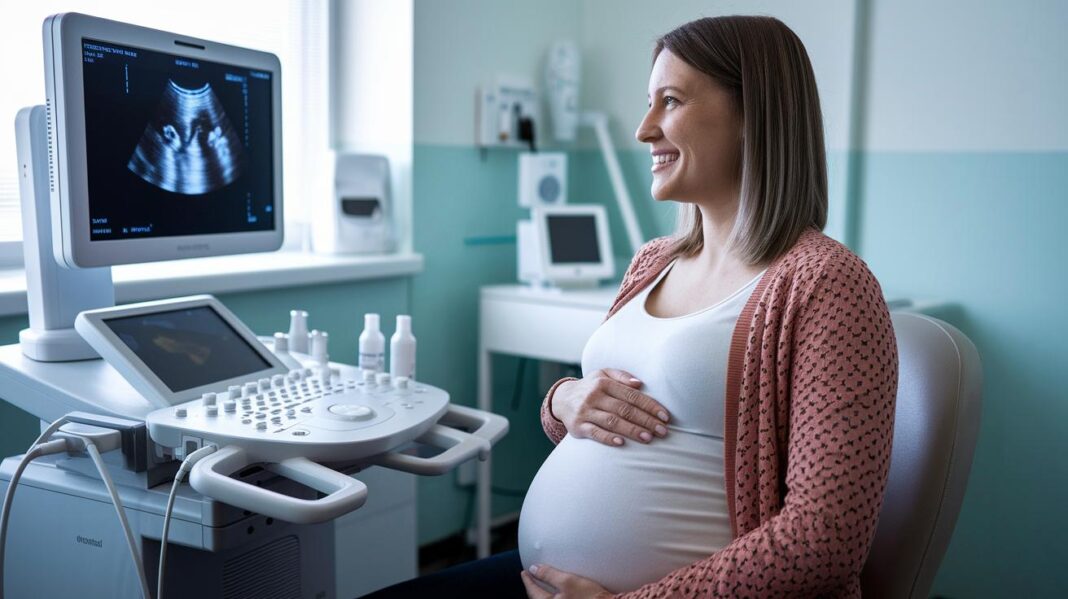
Prenatal screening happens at different times to help keep you and your baby healthy. In the first trimester (around weeks 11 to 13), you usually have an ultrasound along with a blood test. The ultrasound looks for physical signs, and the blood test can hint at risks for chromosomal issues. For example, doctors might measure your baby's neck thickness, a small detail that can provide important clues about potential problems.
In the second and third trimesters, you’ll have more routine check-ups like urine tests and blood pressure monitoring, plus special genetic tests when needed. These tests help watch over both your baby’s development and your overall well-being. They build on the early tests to give a complete picture of what's happening inside your body.
There are also advanced tests that examine tiny pieces of your baby's DNA in your blood. These tests are very accurate, almost like reading a secret letter from your little one. They let you know if everything is on track or if you might need a little extra attention.
Every part of this process helps your healthcare team make the best decisions during your pregnancy. Catching any issues early means you and your baby can have a happier, healthier start.
Early Detection of Genetic and Chromosomal Anomalies Through Prenatal Screening
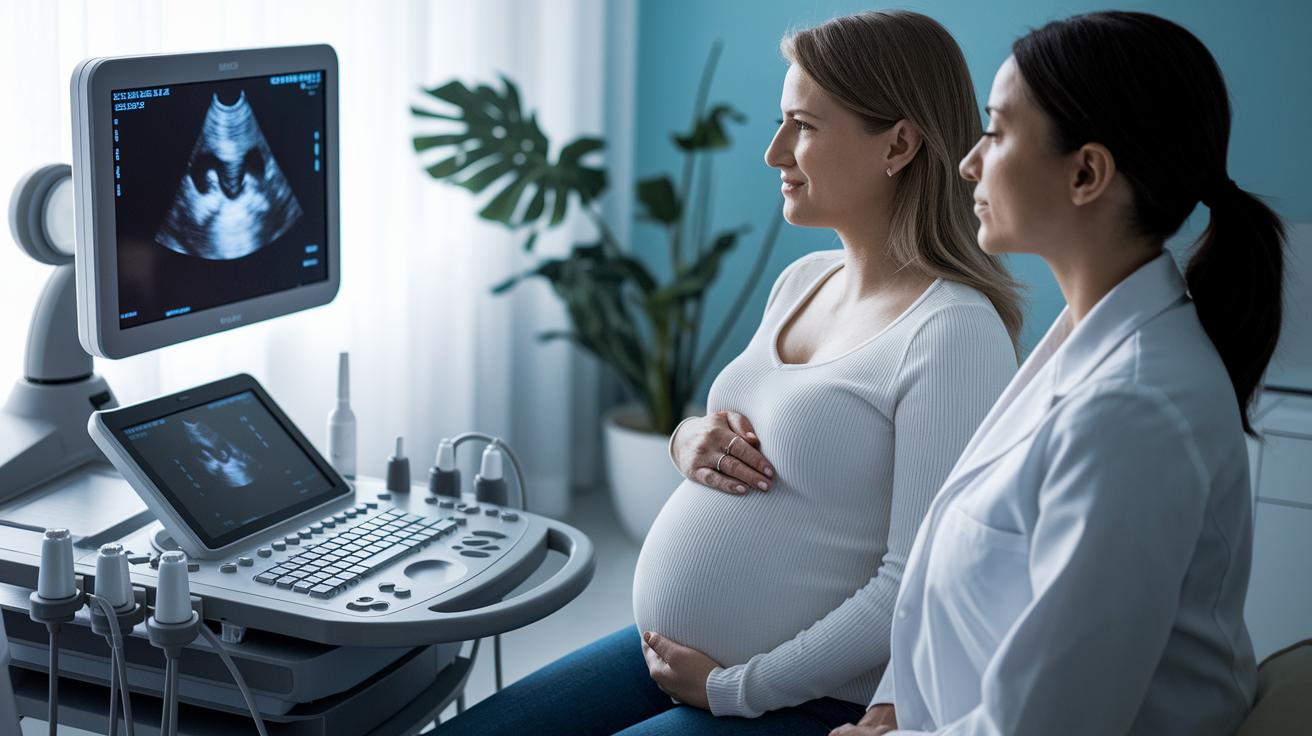
Early checks can give you a heads-up if your baby might have a genetic condition like Down syndrome, spina bifida, or problems with the neural tube (the early part of the baby’s spine). Your healthcare provider uses simple, non-invasive tests that look at the baby's chromosomes, keeping any risks to a bare minimum. Imagine getting a gentle note early on that helps you and your doctor plan the best steps ahead.
These tests mix the careful watch of an ultrasound with a simple blood test to spot any unusual changes in the baby’s chromosomes. And if the first tests hint there might be a higher risk, more detailed checks like amniocentesis or CVS step in to give clear answers. It’s a friendly blend of easy checks and more focused tests that work together to keep you informed.
Early spotting of these conditions not only gives peace of mind but also opens the door for special care if needed. Your doctor can start planning early on, easing worries and making you feel more in charge of your pregnancy journey.
- This method helps catch any warning signs early.
- It makes it easier to check for chromosomal conditions.
- It supports careful planning for both you and your baby.
Gestational Risk Assessment and Care Planning via Prenatal Screening
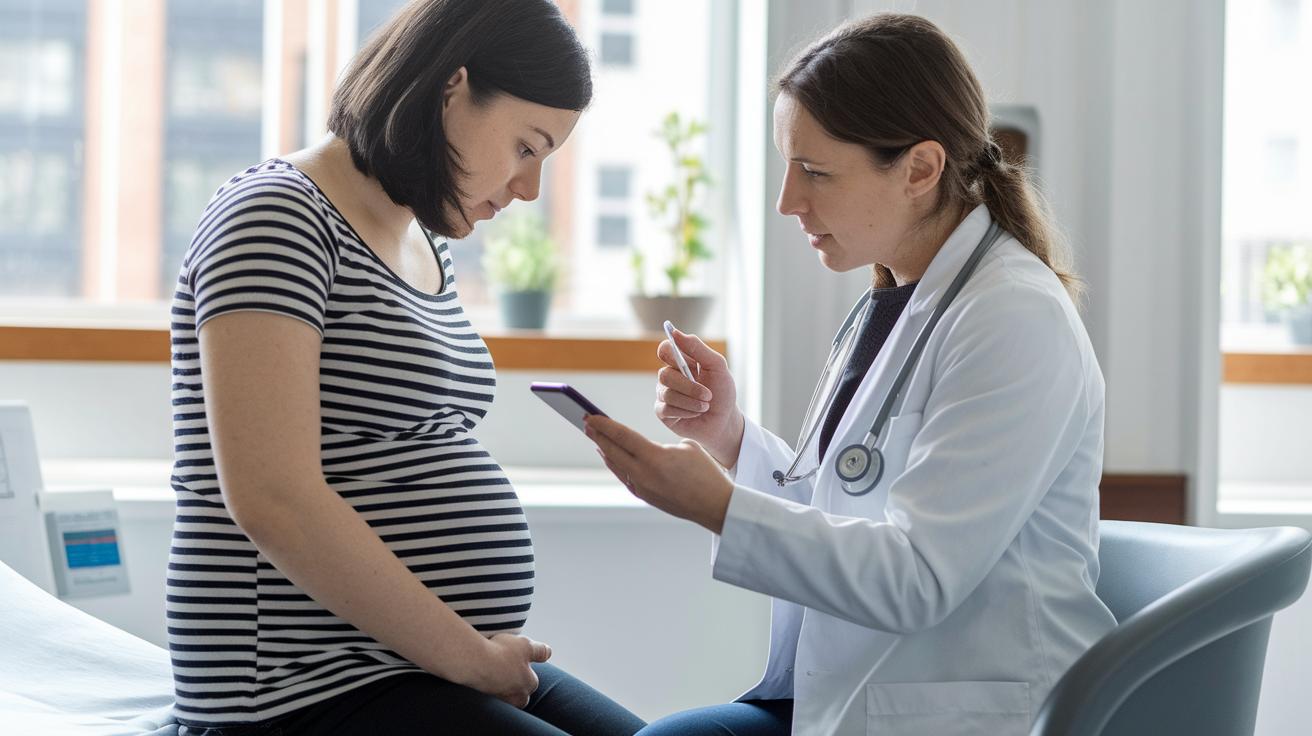
Prenatal screening is more than a look at your baby, it’s also a check on your own health. It helps spot conditions like gestational diabetes and high blood pressure early. Imagine a quick test that notices a small rise in blood pressure, leading to a gentle chat with your doctor about easy lifestyle changes. Early signs like this can help you feel less worried and keep both you and your baby safe.
These tests sort your risks so your care plan can be just right for you. They show if you might need a change in your diet, extra check-ups, or even some medicine. When your doctor understands your risks, they can set up regular visits that guide you step by step through a safer pregnancy.
| Key Benefits |
|---|
| It spots risks early. |
| It makes care fit your needs. |
| It leads to timely support. |
By mixing regular check-ups with these detailed tests, your healthcare team can build a plan that looks after your overall well-being. This process helps you make informed choices so you feel confident and in control of your pregnancy journey. Have you ever noticed how a small step early on can make such a big difference?
Role of Prenatal Screening in Improving Maternal and Fetal Outcomes
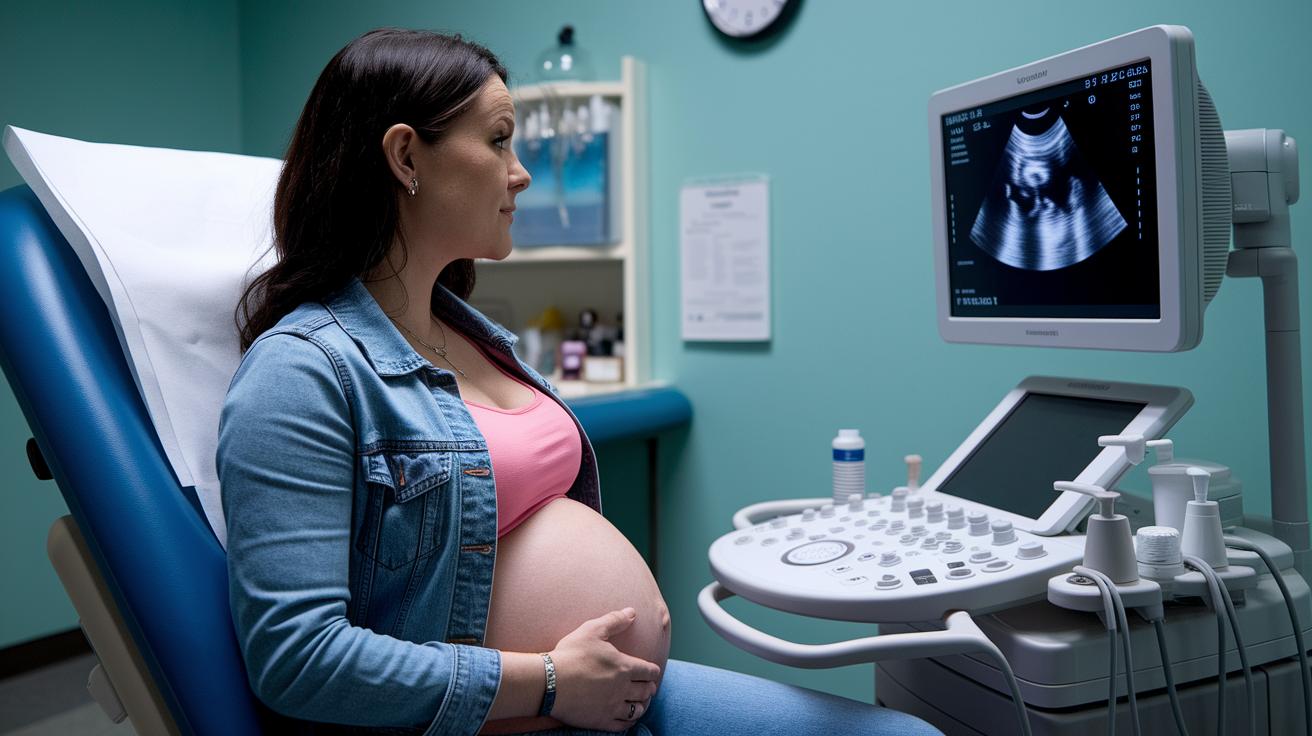
Recent studies show that early tests during pregnancy can really boost the health of babies and moms. A 2022 study found that using these tests early helped cut newborn problems by 25% and increased the ability to spot issues by 30%.
One mom-to-be had her test pick up small, early signs of a problem. Her care team then kept a closer watch on her, and thanks to that early action, she had a smooth delivery with a healthy baby.
| Outcome | Impact with Early Screening |
|---|---|
| Neonatal Complications | 25% reduction |
| Detection Sensitivity | +30% improvement |
| Birth Defects | 15% decrease |
We’re really excited that these simple tests are giving care teams a head start to keep both mom and baby as safe as possible. Have you ever noticed how a little extra care early on can lead to amazing outcomes?
Empowering Informed Decision-Making with Prenatal Screening
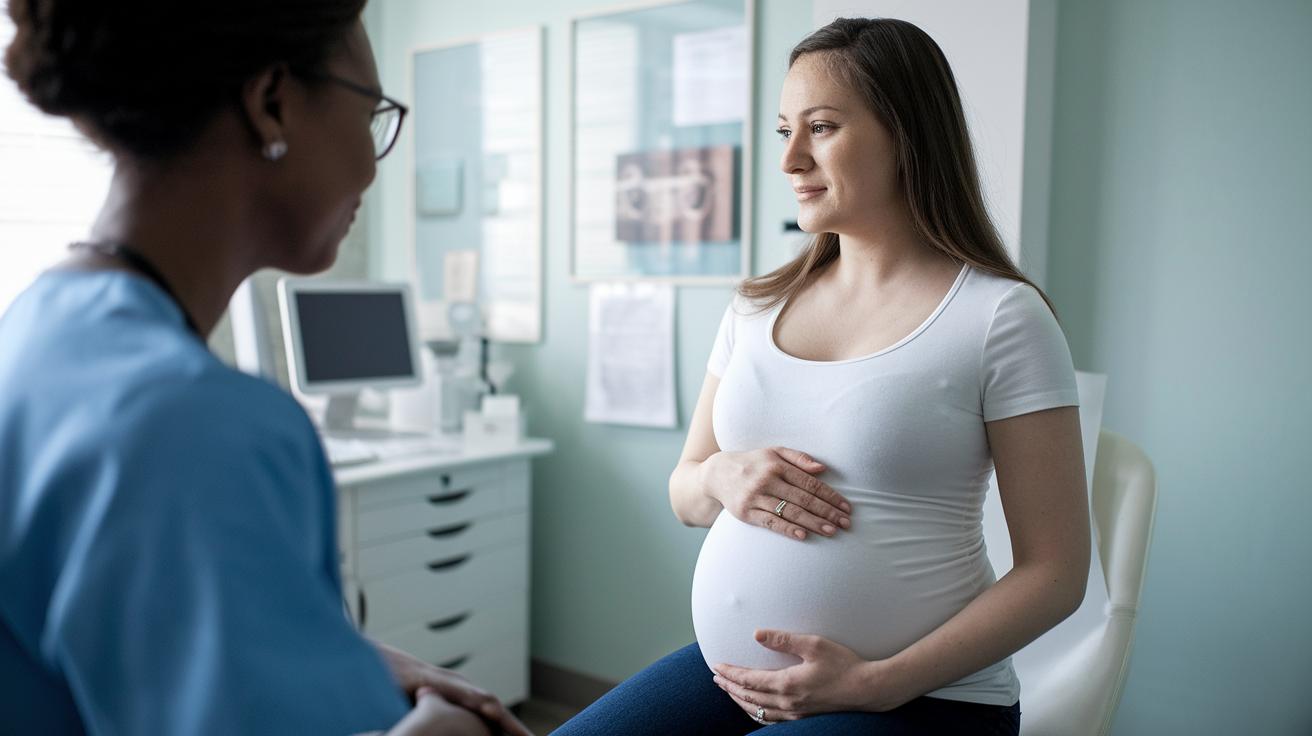
Have you ever noticed how clear, kind guidance can ease your mind? Detailed counseling before and after tests gives you simple, honest steps to follow. This careful approach now shines in our advice for expectant moms and their babies. It even helps catch genetic or chromosomal differences early, so you feel supported and ready for what comes next.
Final Words
In the action, we covered key topics that show how prenatal screening brings peace of mind and concrete steps in care planning. We looked at common procedures, accurate tests, and early identification of potential risks to support healthier outcomes. This post highlights the benefits of prenatal screening by outlining practical approaches for detecting issues early and guiding informed decisions. Every new insight strengthens proactive care. A caring environment means positive beginnings for both mother and baby.
FAQ
Q: What are the pros and cons of prenatal screening and tests?
A: Prenatal screening offers early detection of potential issues, easing anxiety and guiding care plans. Some drawbacks include the possibility of uncertain results, which may lead to further testing for definitive answers.
Q: What does genetic testing during the first trimester reveal?
A: Genetic testing in the first trimester checks for chromosomal and genetic disorders, such as Down syndrome and neural tube defects, helping parents plan for any necessary care early on.
Q: How is prenatal screening performed?
A: Prenatal screening is performed using a combination of ultrasound imaging and blood tests, which together assess the risk of certain conditions for both the mother and the baby.
Q: What types of prenatal testing are available?
A: Prenatal testing includes non-invasive screening tests, such as blood tests and ultrasounds, along with diagnostic tests like amniocentesis when additional confirmation is needed.
Q: What does a prenatal screening blood test check for?
A: A prenatal screening blood test measures specific markers that may indicate genetic or developmental issues, helping healthcare providers recommend early care and follow-up testing if needed.
Q: Which diseases can be detected through genetic testing during pregnancy?
A: Genetic testing can detect conditions like Down syndrome, neural tube defects, and other chromosomal disorders, providing early insights that support timely health decisions and planning.
Q: How accurate is genetic testing during pregnancy?
A: Genetic testing, particularly non-invasive cell-free fetal DNA tests, is highly accurate, offering reliable assessments of chromosomal risks with a strong sensitivity to potential abnormalities.
Q: How do prenatal screening and diagnosis complement each other?
A: Prenatal screening offers early risk assessment, while diagnostic tests provide a definitive answer if a risk is detected. Together, they guide proactive care planning and informed decision making.
Q: What is the importance of prenatal care?
A: Prenatal care monitors both the mother and the baby, supports healthy growth, and helps detect any issues early, ensuring that families feel prepared and supported throughout the pregnancy.
Q: Why is screening important in pregnancy and what are its advantages?
A: Screening is important because it identifies potential health concerns early, reducing anxiety and enabling timely interventions. Its advantages include more informed decision making and better planning for maternal and fetal care.