Have you ever thought about feeling better while still caring for your little one? A lot of moms worry that getting back in shape after a baby is too hard. But even a few small workouts can really help.
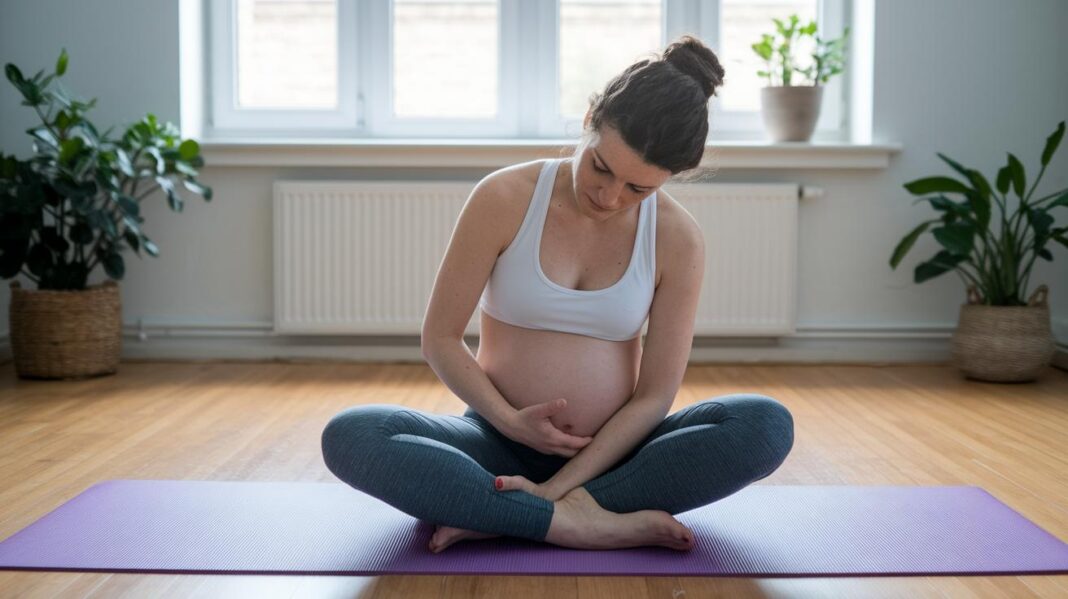
A safe workout plan after birth lets you slowly rebuild strength and balance so you feel comfortable each step of the way. In this post, we'll talk about seven simple ways to start moving again. From easy walks outside to gentle yoga sessions, you can pick what feels best for you.
Every little step you take is a win. It shows that even small progress can lift your spirits and help your body feel strong again.
Planning Your Postpartum Workout Schedule: Safe Start and Progressive Goals
Starting your postpartum workout schedule is all about giving your body the gentle time it needs to heal and slowly build strength. It’s a good idea to chat with your doctor and get the green light for exercise about six weeks after delivery, especially if you had a cesarean or experienced any vaginal tears. This essential step helps create a safe plan just for you. If you’re a first-time mom, you might find extra tips over at our guide on postpartum healing for first-time mothers.
Aim for 20 to 30 minutes of exercise a day, or roughly 150 minutes each week. Breaking up your workout into small 10-minute segments can feel a lot less daunting and even a little fun! Begin with low-impact movements – think gentle walks, light barre sessions, or a short flow of yoga moves. At this stage, it’s less about getting back to how you were before and more about embracing a routine that helps nurture both your mind and your body.
Slowly build your routine by gradually adding a bit more time or a little extra intensity each week. Even tiny improvements can lift your spirits and remind you that every step in your recovery is an achievement. Focus on exercises that build strength, balance, and endurance, and always give yourself a chance to rest when needed. Embrace each moment with patience and self-love. Instead of trying to mimic your pre-pregnancy workouts, see this as a time to care for your new sense of well-being, both physically and mentally.
Phases of a Postnatal Fitness Roadmap in Your Postpartum Workout Schedule
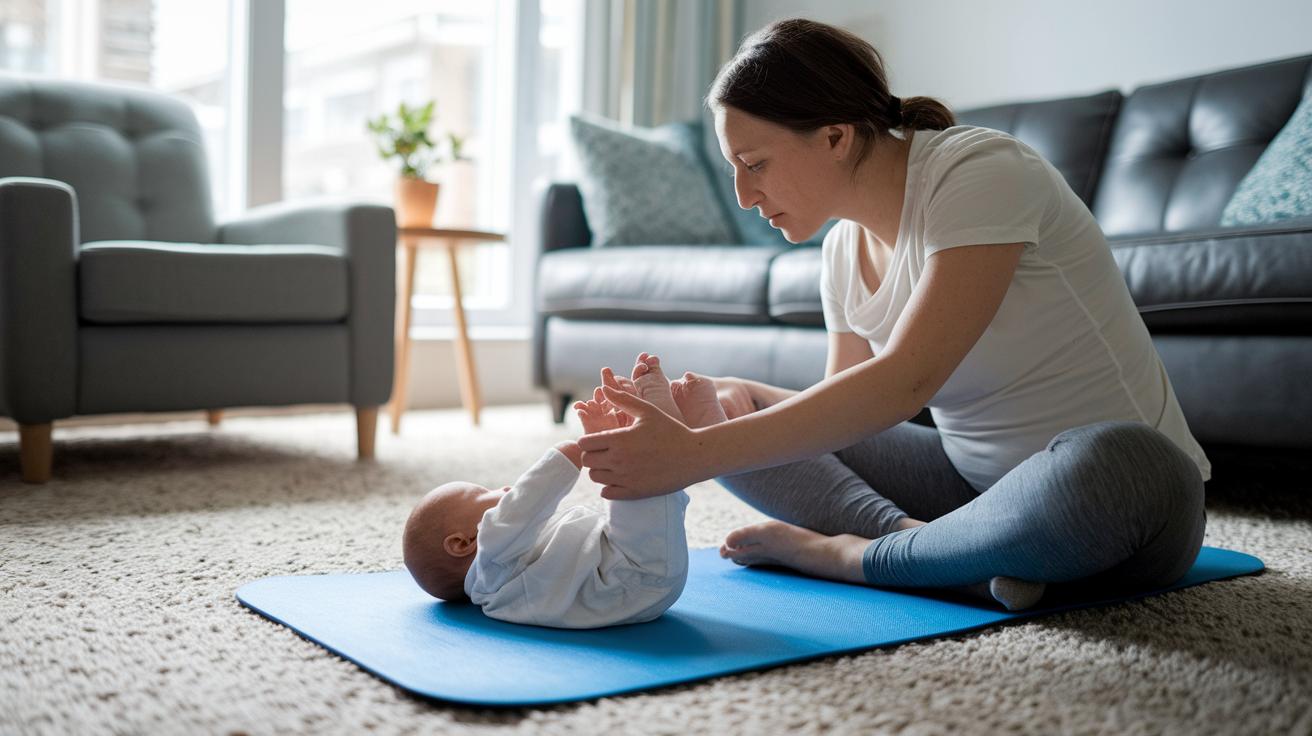
Starting your journey after birth is a gentle process. With a four-week plan, you can slowly add movement back into your life while caring for your body’s healing. In the first week, try 15–20 minutes of easy sessions like walking or a light barre class a few times. It’s like waking up softly in the morning.
In week two, bump up the activity to 20–25 minutes and add a session focused on gentle strength work. These simple exercises help build a solid base, almost like setting the foundation for a sturdy house.
By week three, you're ready for 25–30 minute sessions across four to five workouts. Imagine your body as a sturdy bridge; every session strengthens its main supports. This step-by-step progress, even if it feels small, truly makes a difference.
Come week four, aim for 30–35 minute full-body workouts over four to five sessions. About three-quarters of your routine can be traditional moves, and the rest might include TRX or suspension work for a little extra challenge. And if you’re managing something like diastasis recti (a gap in the abdominal muscles common after childbirth), know that careful progress can help, just be sure to check with your healthcare provider first.
Each step of this plan not only builds your physical strength but also nurtures a positive mindset for your recovery. Remember, every bit of progress is a beautiful step toward lasting well-being.
Sample Weekly Postpartum Workout Schedule for New Moms
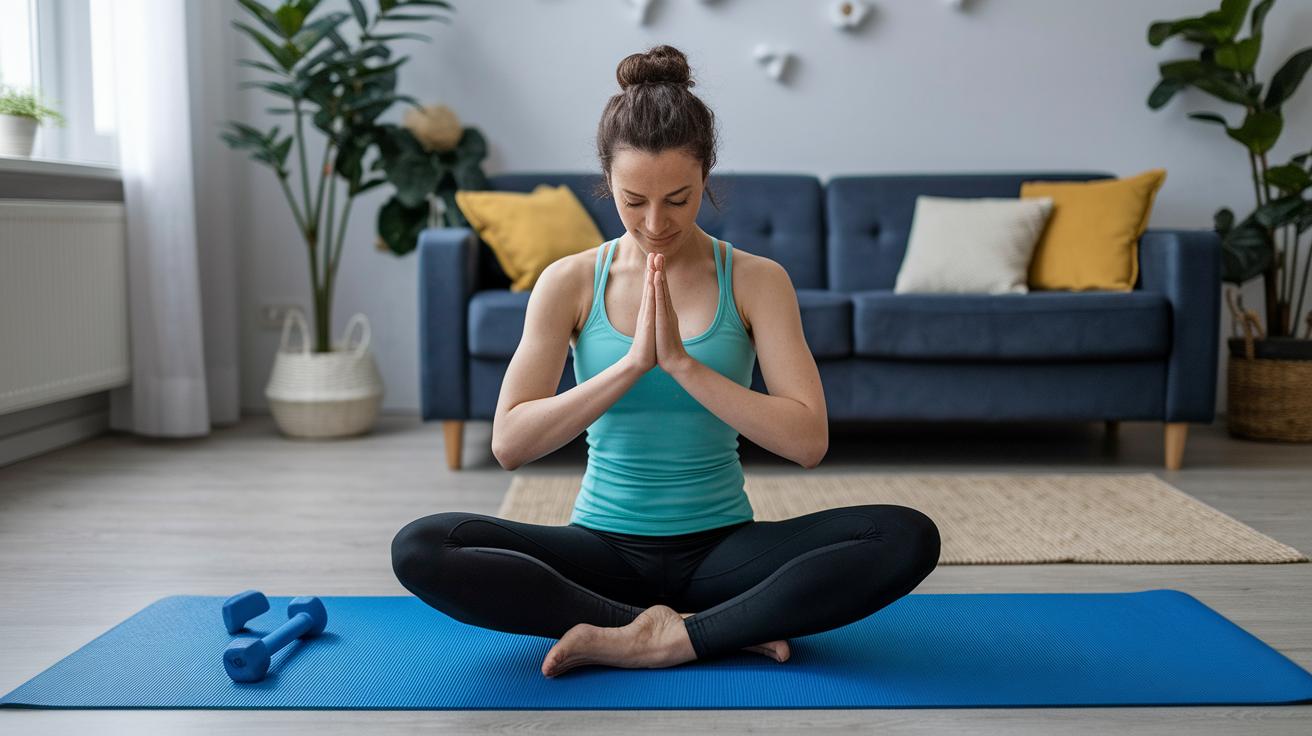
Planning your weekly postpartum workout can feel both uplifting and flexible. This daily exercise guide is here to help you gently build strength and balance, all while honoring your recovery. The plan features five or six active days with one day set aside for rest or a gentle recovery. Some days focus on strength work with light dumbbells (5–10 lb), a yoga mat, or a resistance band, while others offer easy cardio and stretching.
If you're busy, you can switch out a stretch and core workout for a 20–30 minute walk. This way, you follow your body’s needs and move at your own pace. For a downloadable plan made for moms with little time, try the postpartum healing plan for busy moms.
| Day | Activity | Duration & Notes |
|---|---|---|
| Monday | Booty & Core Strength | 20 minutes; use light dumbbells if you like |
| Tuesday | Low-Impact Cardio | 20 minute walk; add some light stretching |
| Wednesday | Bodyweight Strength | 20 minutes; focus on doing each move right |
| Thursday | Pilates & Balance | 25 minutes; move gently |
| Friday | TRX or Resistance Band Session | 20 minutes; work on your core and upper body |
| Saturday | Yoga Flow | 25 minutes; relax, stretch, and breathe |
| Sunday | Active Recovery | 20–30 minutes walk or take it easy |
This workout plan gives you the chance to adjust how hard you work while caring for your mind and body during this special recovery time.
Essential Exercise Categories in Your Postpartum Workout Schedule
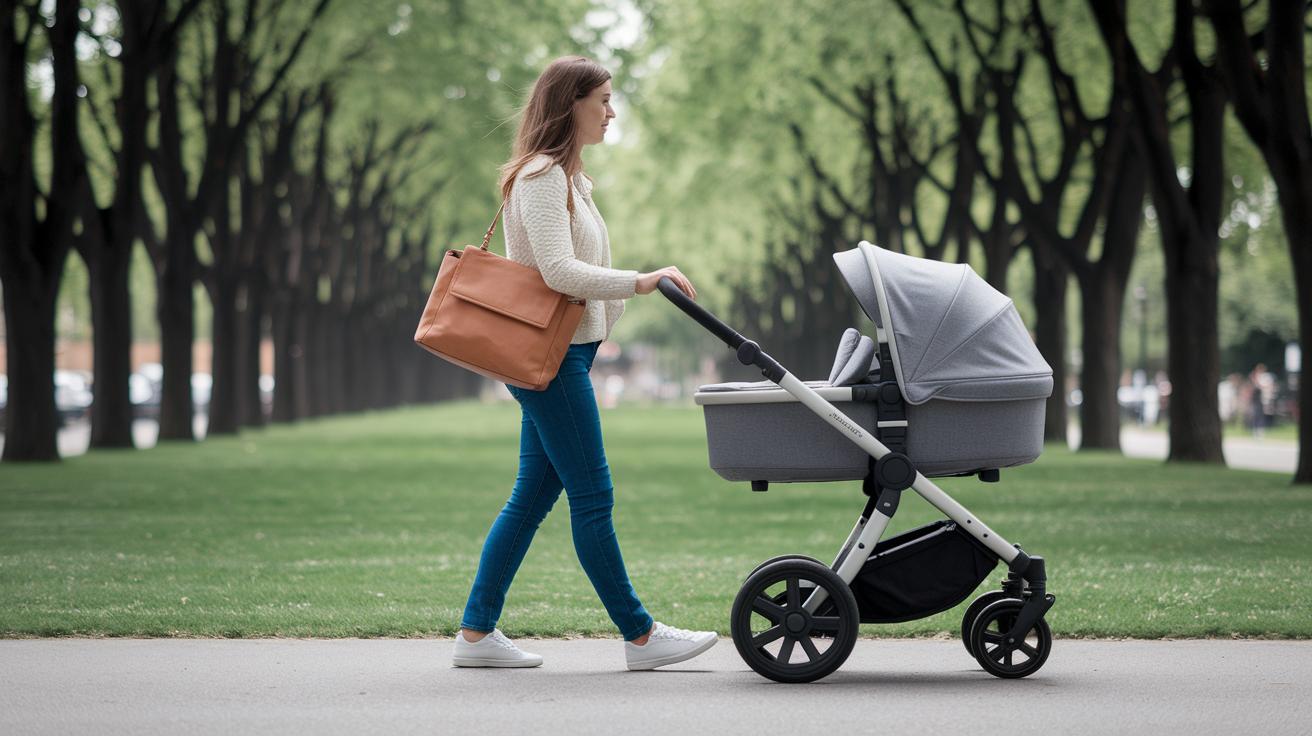
Low-impact cardio is a gentle way to welcome movement back into your day. Whether you enjoy a peaceful walk, a light barre session, or a soothing yoga flow, these activities help keep your blood circulating without pushing your healing body too hard. Many moms find the Peloton postpartum classes, usually 10–20 minutes long, both refreshing and easy to follow. You might start with a simple 10-minute walk and, as you feel ready, gradually extend the time, kind of like giving your body a soft, loving wake-up call.
Strength training is a wonderful tool for rebuilding your muscles through careful and controlled exercises. Think of simple moves like bodyweight squats, lunges, and dumbbell presses using lightweight 5–10 lb dumbbells. Adding TRX rows can offer extra support for your core while keeping things gentle. It’s like slowly reintroducing your muscles to the everyday activities you love; every push and pull helps you regain the strength you need for daily life. Remember, it’s all about small, steady improvements that remind you progress isn’t just about looks, it’s about how you feel.
Core stabilization exercises are key to keeping your back supported and guarding against diastasis recti. Focusing on gentle practices like diaphragmatic breathing, dead bug, bird dog, and a glute bridge (maybe even with a stability ball for extra balance) can make a big difference. These moves work together to fortify your midsection, helping you feel more secure and balanced in everyday activities.
Pelvic floor rehabilitation is an essential part of your overall recovery. Simple, focused exercises like progressive Kegels, quick flicks, and bridge holds with mindful pelvic floor engagement work wonders. Each careful movement helps rebuild strength and prevent issues like incontinence, letting you feel more confident and supported in your recovery journey.
Modifications and Precautions for Your Postpartum Workout Schedule
Your postpartum workouts should match the pace of your healing journey. If you had a cesarean, it’s best to avoid heavy lifting or putting extra strain on your tummy until your doctor confirms that everything is healed. If you had a vaginal delivery, take it slow and gently ease into your routine. Think of it like dipping your toes into a cool stream, start with something light, like a 10-minute walk, to feel out your new rhythm.
Keep an eye on any warning signs while you exercise. If you notice increased bleeding, sharp pain, dizziness, or a bulging tummy, pause immediately. These feelings are your body’s way of asking for a break, much like a gentle reminder to slow down and take care of yourself.
Remember, progress isn’t always a straight line. Some days might call for extra rest, and that’s perfectly okay. When you're ready to try again, you’ll feel more prepared. And if you experience ongoing pelvic pain or incontinence, it could be a good idea to check in with a pelvic health specialist. Listen to your body, adjust your routine as needed, and let your recovery take its natural course. Trust yourself, and know that every little pause can help you heal better.
Resources and Tools to Enhance Your Postpartum Workout Schedule

For many new moms, finding the right support can really make a difference. There are friendly mobile apps that offer tons of classes you can do without any special equipment. Think about a quick 10- to 20-minute session that boosts your core and glutes, perfect for fitting in a workout even on a super busy day.
Then there are downloadable guides that break down post-pregnancy workouts. Picture a free PDF calendar that walks you through daily routines with helpful YouTube links showing each move. It’s like having a mini coach right on your phone, showing you each step as you build strength.
You might also love printable schedules that map out your week at a glance. Many of these tools come with built-in checklists, like simple tests for diastasis recti or ways to measure your progress. And sometimes, they even include ideas for healthy recipes and recovery tips, extra help to keep you feeling supported and strong.
Final Words
In the action, this article walked through setting up a safe and gradual plan for a postpartum workout schedule. We talked about starting with gentle moves, building strength slowly, and following a weekly plan that fits your needs. You learned about key exercise groups, simple modifications, and helpful tools to support your recovery. Taking each step at your own pace helps keep your body and mind well. Stay encouraged as you move forward with care and celebrate each win along the way!
FAQ
What’s a good postpartum workout schedule?
A good postpartum workout schedule includes daily low-impact activities that focus on gentle cardio, strength training, core stabilization, and pelvic floor rehabilitation. It progressively builds intensity and duration as you recover safely.
What is the 5 5 5 rule postpartum?
The 5 5 5 rule postpartum means starting with 5 minutes of warm-up, 5 minutes of targeted exercise, and 5 minutes of cool-down. This method helps new moms ease into exercise gradually while protecting their recovery.
How soon should I start exercising postpartum?
Starting postpartum exercises usually means waiting until you have received clearance from your healthcare provider, typically around 6 weeks after delivery, to ensure your body is ready for activity.
How to lose 20lbs postpartum?
Losing 20lbs postpartum involves a mix of balanced eating, gentle exercise progression, and consistent physical activity. Focusing on a full recovery with gradual workouts helps support healthy weight loss over time.
Where can I find a postpartum workout plan PDF free download?
Free PDF downloads for postpartum workout plans are available online from trusted health resources that offer week-by-week guides and tips to help you follow a safe, effective recovery program at home.
How can I do postpartum workouts at home?
Postpartum workouts at home can be done with simple equipment like dumbbells, a yoga mat, and resistance bands. They feature gentle moves such as walking, bodyweight exercises, and pelvic floor routines designed for gradual recovery.