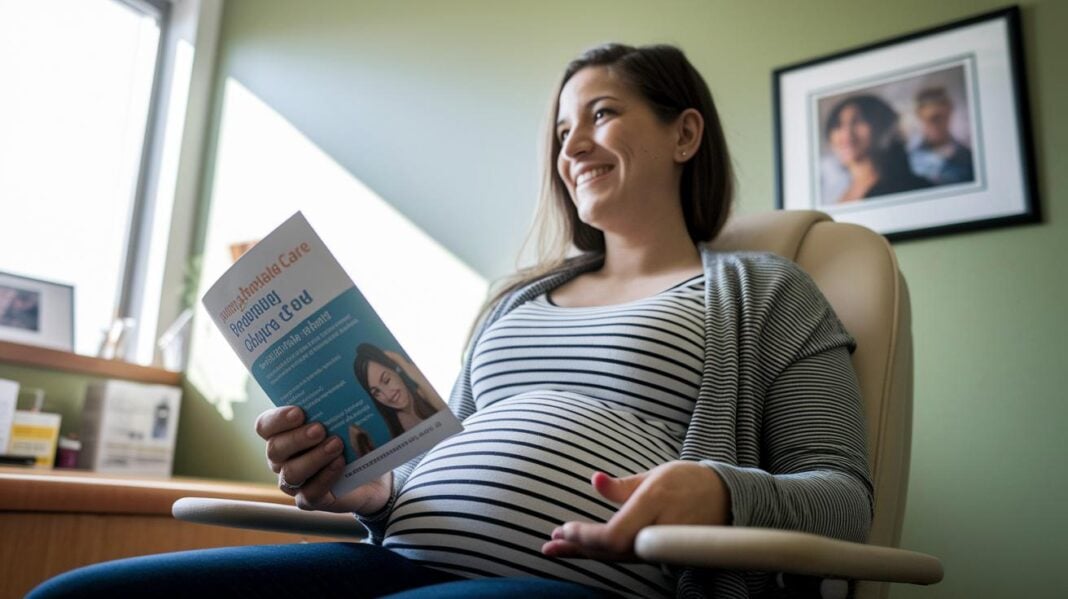
Have you ever been amazed at how quickly you start to feel better after a C-section? Many moms notice small signs along the way. Remember that first magical moment when you held your baby, even if you were a bit sore? This day-by-day guide walks you through the recovery, starting with those warm moments of bonding and moving past a few tough days into gentle steps that help you regain your strength. It’s a practical look at your healing journey, with little reminders that your body really knows how to mend itself.
Your C-Section Recovery Timeline: Detailed Day-by-Day Milestones
Right after your C-section, many moms treasure the moment of holding their baby, sometimes even enjoying skin-to-skin time in the operating room. The first few days in the hospital, usually between 2 and 4 days, set the stage for your healing journey. On surgery day (Day 0), you experience comfort and a special bond with your baby. Then on Day 1, as the anesthesia wears off, you might feel your pain peaking a bit, and your caring team might start IV Toradol to help ease your discomfort and calm inflammation.
By Day 2, the pain often softens a little, even though your incision might still feel tender with some normal tingling or numb spots. As the week goes on, you’ll notice that the internal stitches begin to dissolve, while the Steri-Strips usually stay on for about 10 to 14 days as your body reduces swelling. Around the second week, you typically gain more energy, making it a great time for light walks or gentle yoga. By week 4, you may find that your abdomen feels less sore and any bleeding has decreased. Between weeks 6 to 8, your uterus usually returns to its pre-pregnancy size, but your abdominal muscles might still be on their way to full strength. Most moms feel fully recovered after about two months, though it’s important to check in with your doctor if any lingering symptoms stick around.
Here’s a quick look at the timeline:
| Time | What to Expect |
|---|---|
| Day 0 | Immediate baby bonding in the operating room; hospital stay of 2–4 days |
| Day 1 | Anesthesia wears off, pain peaks, and IV Toradol helps ease discomfort |
| Day 2 | Pain starts easing; the incision remains sensitive, with normal tingling or numb spots |
| Week 1 | Internal stitches begin to dissolve; Steri-Strips stay on for 10–14 days as swelling goes down |
| Week 2 | Energy improves, allowing light walking or gentle yoga |
| Week 4 | Reduced abdominal soreness and lighter bleeding, so you can slowly increase activity |
| Weeks 6–8 | The uterus returns to its pre-pregnancy size, though abdominal muscles are still healing (avoid heavy lifting) |
| 2+ Months | Typically full recovery; check with your doctor if symptoms persist |
Take time to monitor your progress and listen closely to your body. Ease back into activities with gentle movement, and if you ever feel that something isn’t quite right, don’t hesitate to contact your healthcare provider. Remember, each step of your healing journey is uniquely yours.
Pain Management in Your C-Section Recovery Timeline
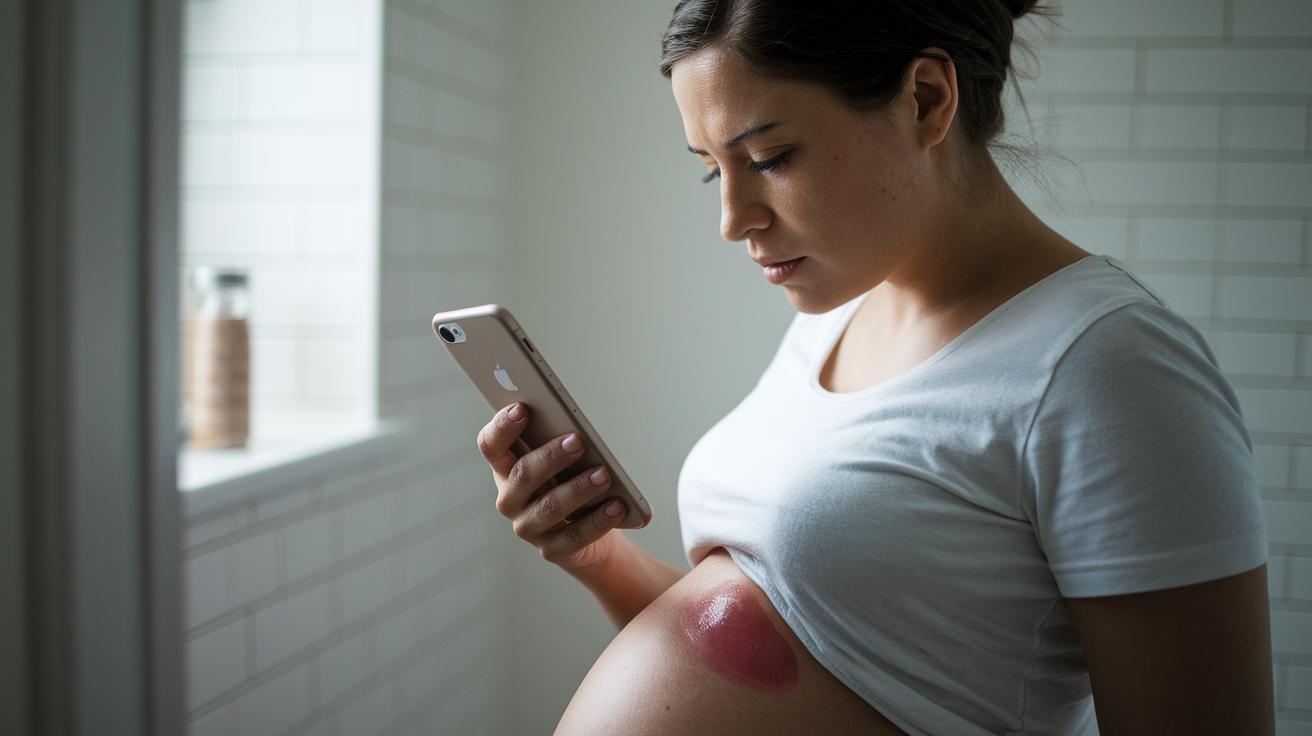
After your C-section, taking care of your pain is really important for feeling better soon. Right after the surgery, the epidural helps keep the pain at bay, but that gentle relief fades after a few hours. Soon, you might feel tenderness around your cut, some gas discomfort, and cramping in your uterus as it begins to bounce back. It can really help to take your pain meds early, even if the ache seems mild, so the pain doesn’t build up from contractions or the usual shifts when you start breastfeeding (hormonal changes).
Here are a few tips to guide you:
- Use IV Toradol during the first 24 to 48 hours to help ease different areas of pain.
- Start taking oral NSAIDs, like ibuprofen, on a set schedule to lower inflammation and manage pain.
- Follow your doctor’s advice on using acetaminophen for extra comfort.
- With your doctor’s approval, you might try using a gentle heat pack on your tummy for muscle relief.
- Check out home pain-relief ideas in Postpartum recovery tips for more ways to care for yourself.
It’s a good idea to keep a close eye on how you’re feeling as you heal. If you notice that the pain starts to get worse or if you see signs like fever, extra redness, or unusual discharge near your cut, please reach out to your healthcare provider right away. This careful watch helps make sure your pain management stays just right for a smoother, more comfortable recovery.
Monitoring Incision Healing in Your C-Section Recovery Timeline
After your C-section, it helps to check your incision each day to see how your healing is going. You might notice a little redness or some fading bruises, which are just signs that your body is busy repairing itself. Keep in mind that internal stitches usually melt away in about one to two weeks, and Steri-Strips typically stay in place for around 10 to 14 days. This timeline offers a gentle guide to help you feel connected to your own healing process.
It’s very important to keep the incision area clean to avoid any irritation. When you shower, take your time and gently wash the area without rubbing too hard. And try to skip soaking in baths or pools so the area stays safe from too much moisture. After you wash, gently pat the incision dry and let it air out a bit. A small routine like this can really help keep your cut free from bacteria or any buildup that might cause trouble.
If you notice any worrisome signs while checking your incision, like redness spreading, more swelling or warmth, or if there’s any discharge with a bad smell or unusual leakage, it’s a good idea to talk with your healthcare provider. These changes could mean there’s an infection that needs some extra care.
Recognizing Complications in Your C-Section Recovery Timeline

After a cesarean section, it’s normal to have a little vaginal bleeding as your body begins to heal and your uterus shrinks. But if you find that your bleeding is so heavy that you need a fresh pad every one to two hours or you see large clots, it’s time to reach out to your healthcare provider right away. This kind of bleeding might mean that your body isn’t healing the way it should, and you might need extra help.
Keep a close eye on your incision for any signs of an infection. A bit of redness or some slight bruising can be part of normal healing. Still, if you see the redness spreading more than one inch around the cut, feel increasing pain, or notice any pus-like discharge, please be cautious. Also, if you develop a fever above 100.4°F, it could be a sign that your body is fighting an infection. For more details on these warning signs, check your Postpartum recovery guide.
Even after the first two weeks, if your pain sticks around or even gets worse, even if you’re taking your pain medicine as directed, this might be a sign of complications like a hematoma or an infection inside your body. In these cases, getting in touch with your doctor as soon as possible can help catch any problems before they become more serious.
Follow-Up Care and Activity Resumption in Your C-Section Recovery Timeline
Think of this timeline as a gentle friend guiding you back to your routine. Start with a short, easy walk in your second week and slowly add more gentle activity as you feel ready. If you notice you’re more tired than usual after a walk, it might be a sign to take it slowly, listen to your body.
| Timeframe | Recommended Activity | Precautions |
|---|---|---|
| Week 2 | Take short, gentle walks | Avoid stairs and heavy lifting |
| Week 4 | Increase your walking and do light household tasks | Don’t push yourself too hard |
| Weeks 6–8 | Return to most normal daily activities | Skip lifting items over 10 lbs |
| 6-week checkup | Your provider will look at your incision and recovery | Follow your provider’s advice for exercise |
| 2+ months | Slowly go back to your full exercise routine and pre-pregnancy activities | Adjust your activities at your own pace |
Keep an eye on how you’re feeling each day. If a day feels tougher, try a shorter walk or another light activity. And remember, it’s always a good idea to stay in touch with your healthcare provider so they can help guide you based on how you’re recovering.
Final Words
In the action from day 0 through gentle weekly progress, your plan walked through key steps like immediate skin-to-skin contact, careful pain management, incision care, and thoughtful activity resumption. Each stage paints a picture of slow but sure healing during your c-section recovery timeline.
Moving forward, listen to your body and keep close to expert advice. Small steps add up, and every day brings you closer to a full recovery and renewed strength.
FAQ
How does a C-section recovery timeline work day by day or week by week?
The timeline guides you from immediate after-surgery care to full healing over 2+ months. It highlights pain management, gradual movement, and step-by-step milestones shared by mothers on discussion sites.
When can I start bending or walking after a C-section?
Many moms can begin gentle bending and short walks by two weeks after surgery. It’s best to follow your doctor’s advice before increasing any activity.
What is the healing time for internal stitches after a C-section?
Internal stitches usually dissolve within one to two weeks as your body heals, marking an early but important stage in your recovery process.
What should I eat after a C-section for fast recovery?
A balanced diet rich in lean proteins, fruits, vegetables, and whole grains can help support healing, giving your body the vitamins and minerals needed during recovery.
What does internal healing after a C-section involve?
Internal healing means that, beyond the surface incision, your body is repairing tissues and organs over several weeks as you gradually build strength and move daily activities.
What are the hardest days after a C-section?
The initial days post-surgery are often the most challenging, with heightened pain and fatigue as anesthesia wears off and your body begins adapting to major changes.
What is the 5 5 5 rule postpartum for a C-section?
The 5 5 5 rule suggests waiting five weeks before strenuous tasks, managing pain for about five days, and easing back into full exercise roughly five months after surgery.
How long does it take for the body to fully heal from a C-section, and how much rest is needed?
Full recovery typically takes around two months. Adequate rest in the first few weeks is essential, gradually increasing activity as you regain strength and comfort.