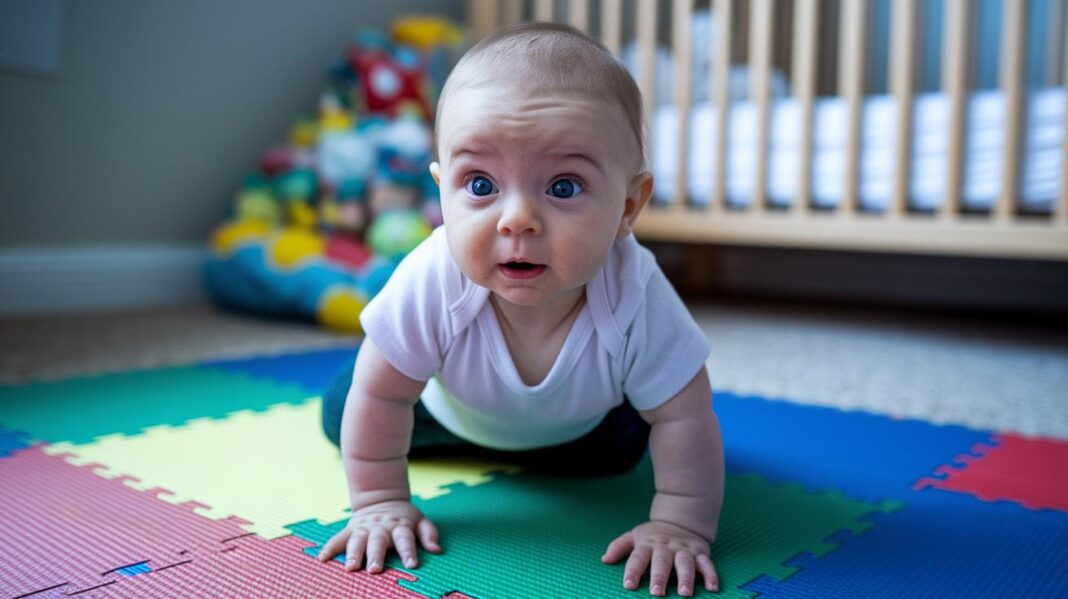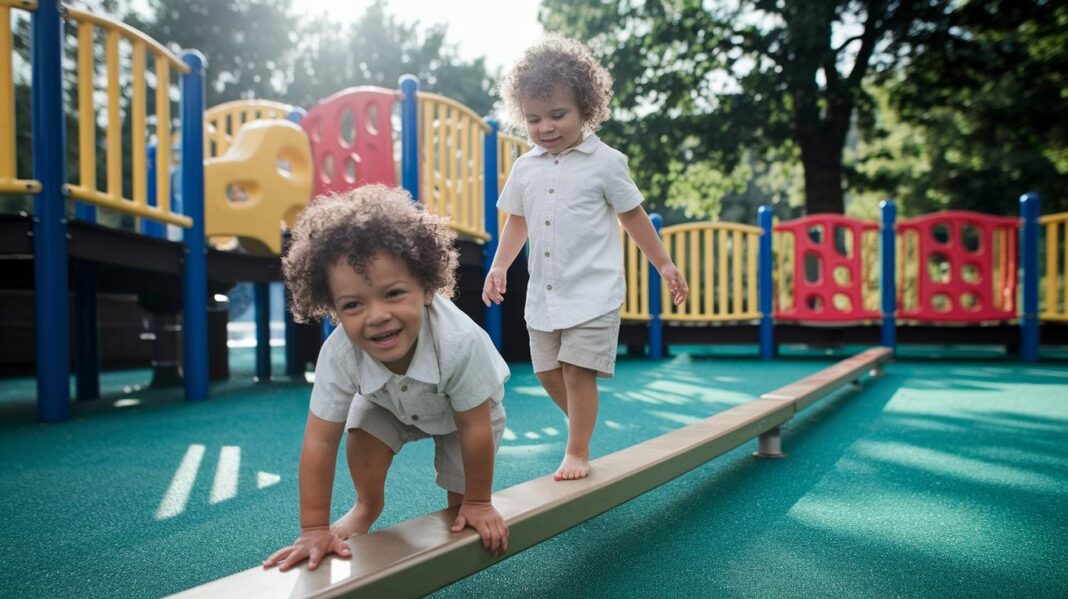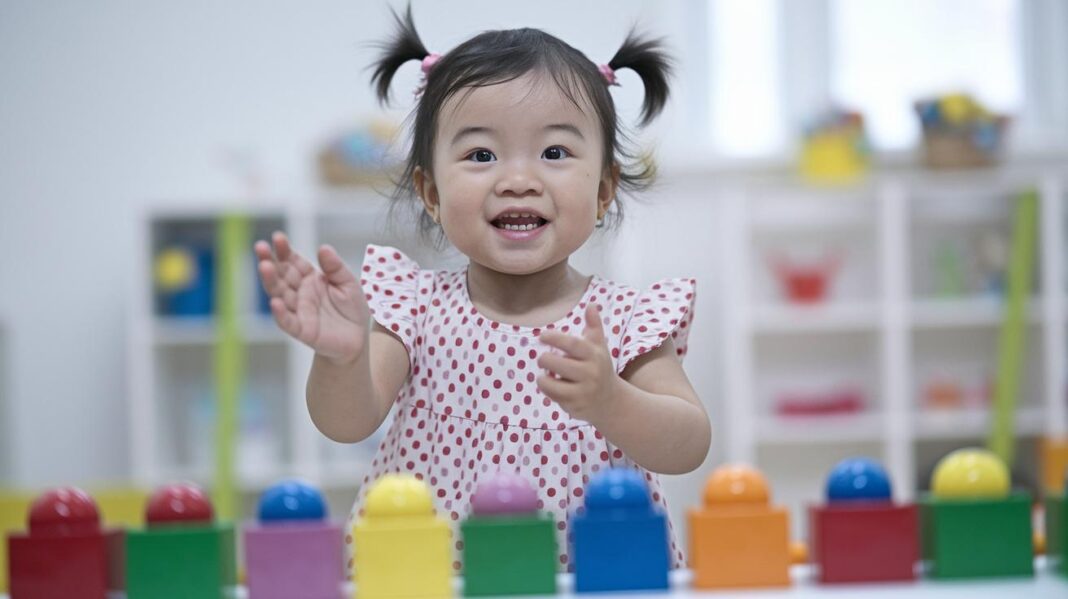
Have you ever noticed how a baby's first little grasp can light the spark for a lifetime of independence? It starts with something as simple as holding a rattle, and soon they're stacking blocks with care. Each tiny win builds their skills, step by step.
Kids learn about the world by touching and exploring. That curious exploration turns natural instincts into real talents. In this post, we're diving into the key moments of fine motor development and showing you how cherishing these early milestones can set the stage for a joyful, growing journey.
Childhood development of fine motor skills: Joyful Growth
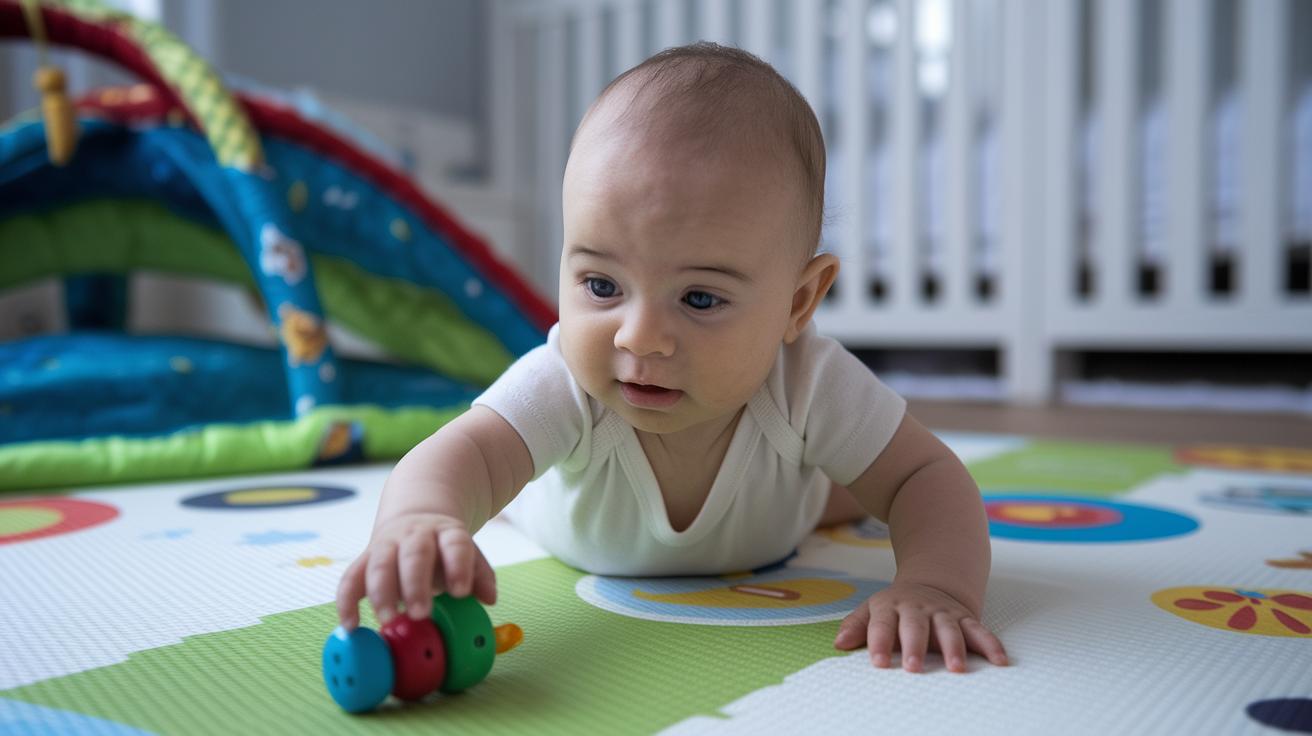
Fine motor skills mean using the small muscles in our hands and fingers to do everyday things like writing, brushing teeth, and buttoning clothes. Even little babies show early signs of these skills by reflexively grabbing objects. For instance, when a baby holds a rattle during tummy time, it’s already practicing that first step in building muscle control.
As babies grow, their natural curiosity leads them to explore the world by touching different objects. In the first six months, a baby’s reflexive grasp slowly changes into intentional reaching. By the time they’re between six and twelve months old, they start to bring objects to their mouth or to their midline, which helps them fine-tune their hand-eye coordination. This early exploration sets the stage for bigger tasks later, like feeding themselves with a spoon or stacking blocks.
When toddlers hit around one to two years old, you might see them stacking three or more blocks. This is a joyful sign that their small muscle skills are growing. Then, as they reach preschool age, they begin to copy simple block designs and take part in activities that encourage both creativity and precise movements. Fun tasks like using crayons or cutting a continuous line not only introduce skills such as tying shoelaces but also prepare them for school and everyday life.
Each little achievement, from a baby’s first grasp to a preschooler’s ability to complete a simple design, builds confidence and helps children grow more independent. It’s all about celebrating every step of their journey and supporting them as they learn and explore the world around them.
Key Milestones Of Fine Motor Development In Childhood
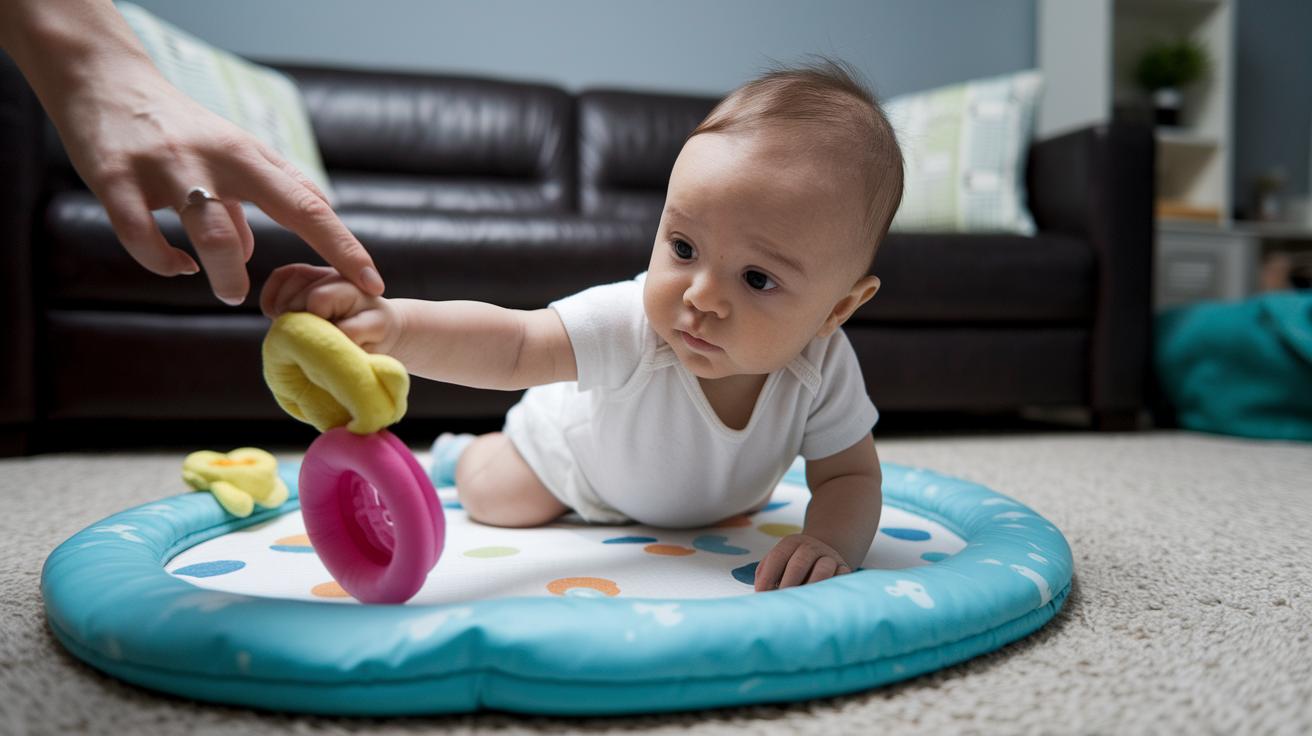
Did you know that even before babies can hold their favorite toy properly, they show a hint of magic with a natural reflex grasp? From the very first months, little ones begin a journey of learning to control their tiny hands. These simple milestones make it easy for moms, dads, and teachers to watch their progress and cheer them on!
| Age Range | Fine Motor Milestones |
|---|---|
| 0-6 months | Uses a natural grasp when something is placed in the hand |
| 6-12 months | Starts to bring objects to the mouth or center of the body, beginning early exploration |
| 1-2 years | Stacks three blocks and practices self-feeding with spoons and forks, with minimal spills |
| 2-3 years | Strings 3-4 beads, showing better eye-hand coordination |
| 3-4 years | Mimics block designs using up to six blocks, a sign of growing spatial skills |
| 4-5 years | Cuts along a continuous line, uses utensils confidently, fastens big buttons, and pulls zippers |
| 5-6 years | Cuts out simple shapes, improving scissor skills and coordination |
| 6-7 years | Forms letters and numbers correctly, setting up a good start for school tasks |
| 7-8 years | Writes neatly, showing ongoing precision and control |
It’s really amazing to see how a child’s little tactile adventures quickly turn into thoughtful, intentional actions. Every single milestone, from stacking blocks to cutting out shapes, shows a joyful growth in hand control. When kids play by stringing beads or feeding themselves, they’re not just having fun; they’re also learning how to solve problems and be independent. Each little step really adds up to big confidence in their everyday activities.
Practical Childhood Activities For Fine Motor Skill Growth
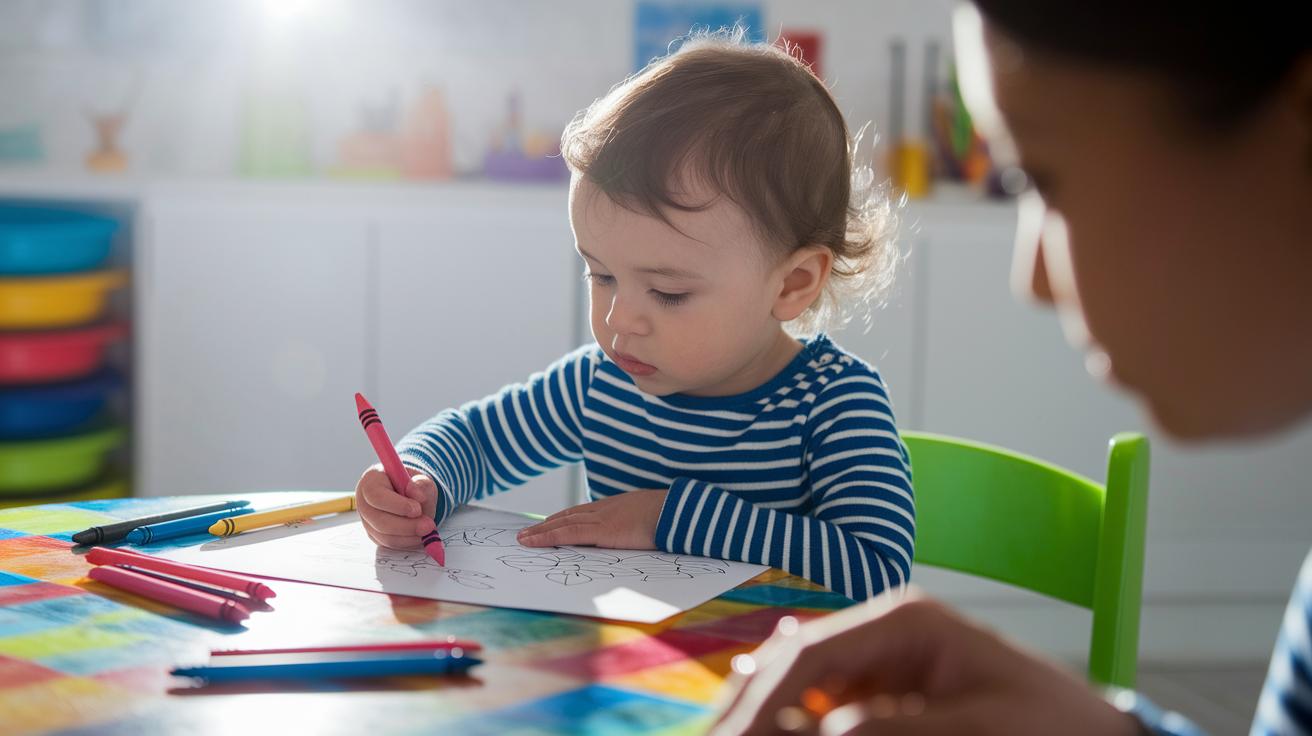
Every day offers chances to help your little one's hands grow stronger and steadier. One fun idea is to set up a coloring station. Let your toddler pick a crayon or washable marker and make some doodles on paper. You could say, “Draw a big sun, just like the one that lights up our morning.” It’s a simple, playful way to boost hand strength and control.
Puzzle games are another wonderful way to nurture hand-eye coordination. Sit together with a simple jigsaw puzzle where each piece fits just right. Watch with delight as your child carefully holds and places each piece, learning gentle control with every move.
A creative project with child-safe scissors can also be a hit. Draw a heart or another favorite shape on paper and invite your child to cut along the drawn line, kind of like tracing a soft curve in the sky. This type of activity helps them practice precision while having fun.
Tactile play is equally important. Offer playdough or clay and let your child press little toys into it, maybe making tiny star impressions with their fingers. These hands-on moments give them a chance to explore textures and sharpen their fine motor skills.
- Coloring and drawing to build grip strength
- Puzzle games to improve hand-eye coordination
- Buttoning practice with small garments
- Playdough fun for creative control
You might also try using tweezers to sort small objects or let your child turn keys in a safe lock toy. These simple, everyday activities transform routine tasks into joyful learning adventures, teaching little hands to master new skills with every small win.
Parents And Educators Tips For Encouraging Fine Motor Development
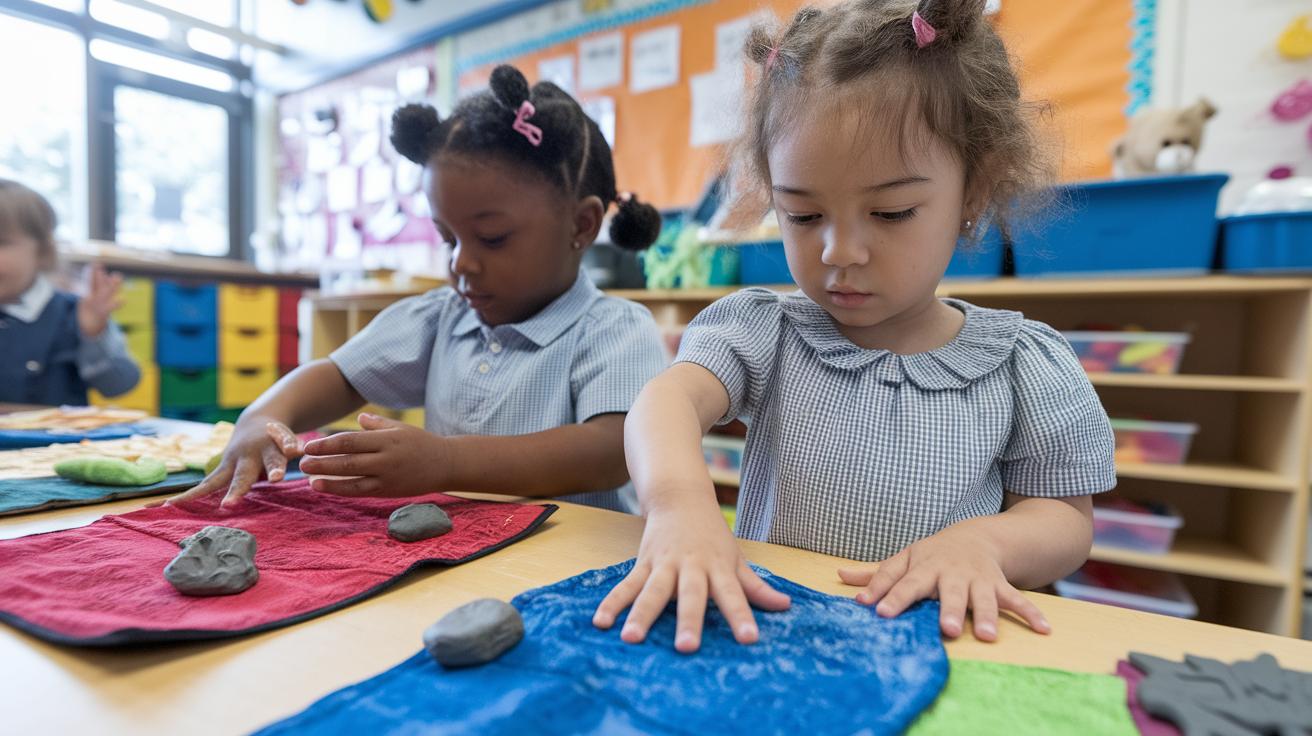
Teachers can try easy activities in class that build strong hand skills. Research shows that when kids rotate through different activity stations, they not only improve their small muscle movements but also have fun with hands-on play. Imagine a station where children explore different textures to strengthen their grip. It's a fun and tested way to boost hand coordination.
Here are some creative ideas that you can try in the classroom:
- Set up sensory stations using materials like water beads, clay, or fabrics with interesting textures.
- Offer art projects like cutting paper or modeling clay that help fine-tune hand movements.
- Plan group tasks where children work together with small objects, such as beads or mini blocks, to build something together.
| Classroom Activity | Skill Focus |
|---|---|
| Textured Sensory Station | Tactile feedback and grip strength |
| Creative Art Corner | Precision in fine motor tasks |
It's a great idea to schedule regular practice during class rotations. Teachers can also check progress along the way and adjust activities as needed, ensuring every child gets just the right support to grow their fine motor skills.
Identifying And Addressing Delays In Childhood Fine Motor Skills
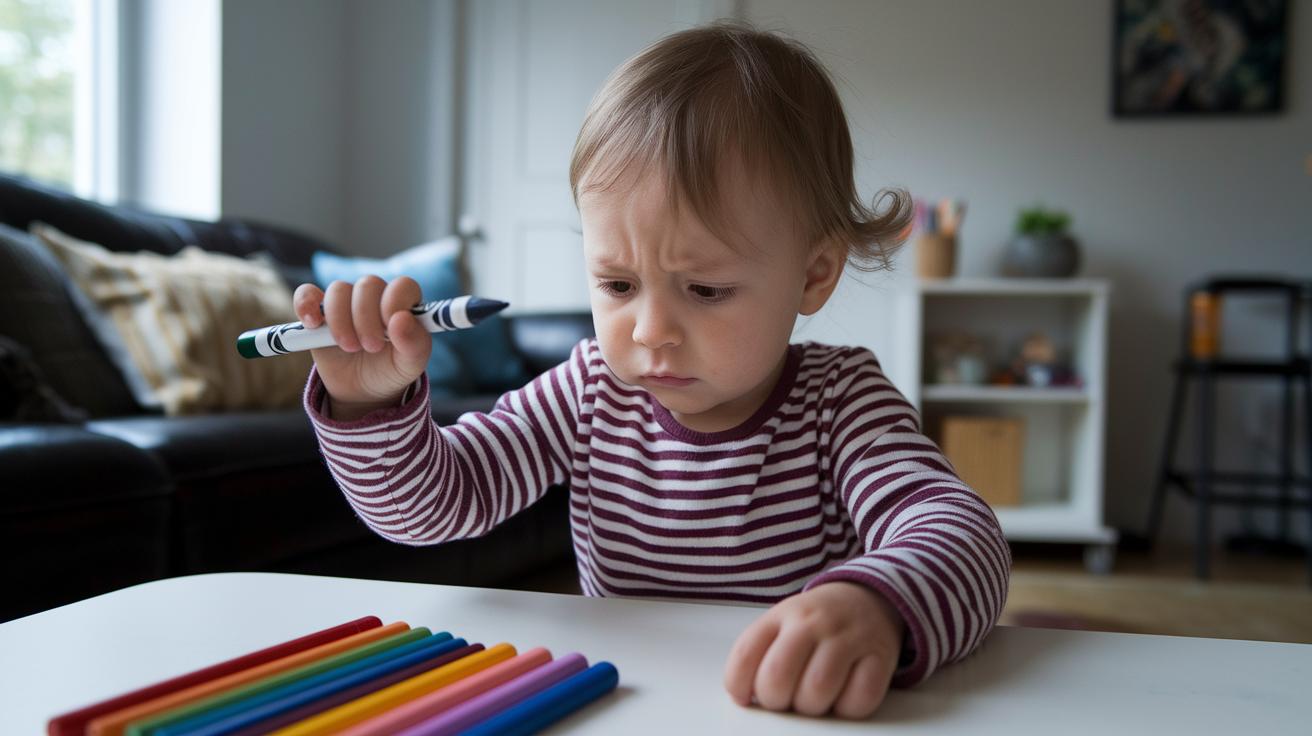
About 10-15% of children might find fine motor skills a bit challenging, which can make everyday tasks like feeding, getting dressed, or starting school a bit tough. If you notice your little one constantly struggling to hold objects, spilling food while they eat, or being a bit clumsy when playing with blocks or using utensils, it might be time to take a closer look.
For example, if your toddler isn’t holding a crayon steadily during drawing time, it could be a sign to watch their hand coordination a bit more carefully. Early help can really make a difference, paving the way for extra support. You might even set up a simple progress chart to track how their hand control develops over time. And of course, having a professional like a pediatrician or an occupational therapist do a hand coordination check can be a big help. They’ll look at your child’s unique strengths and point out where some extra practice might be needed.
Keep an eye out for these clear signs:
- Consistent difficulty in grasping or picking up small items
- Frequent spills during meals
- Clumsy movements during play that seem off for their age
| Observation | Suggested Action |
|---|---|
| Trouble holding small objects | Book a hand coordination check-up |
| Frequent spills during mealtime | Keep a progress chart for tracking hand control |
| Clumsy handling during play | Consider early intervention for improved coordination |
Early detection and a professional review can boost your child’s hand skills and help them feel more confident with everyday tasks.
Professional And Therapeutic Support For Fine Motor Skills In Childhood
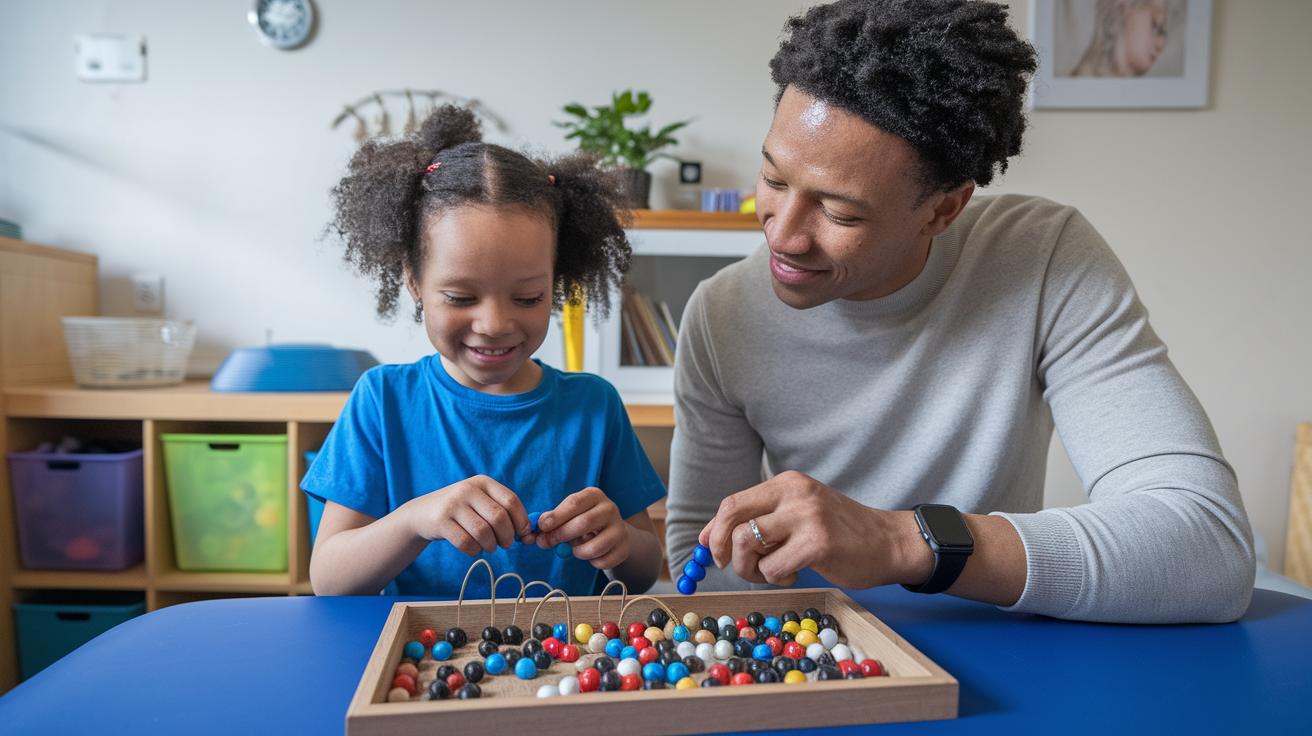
Occupational therapists help children improve how they use their hands by first checking their skills with simple tests and playful activities. They then design fun, personalized exercises like small-object manipulations, tool tasks, and hand coordination drills that feel just right for each child. You might hear a parent say, “When my son tried a new coordination drill, he lit up when he managed to pick up tiny beads without dropping them. It was a little win that meant the world to us.”
Therapists often mix in extra activities such as gentle physical exercises, feeding tasks, and even music games to make progress enjoyable. They also work with parents during support sessions, giving simple home plans, like spending a few minutes each day buttoning a large shirt, to help build strength slowly and steadily. This kind partnership not only improves hand skills but also brings families together as they work on these small, meaningful steps.
Integrating Fine Motor Development Into Everyday Childhood Routines
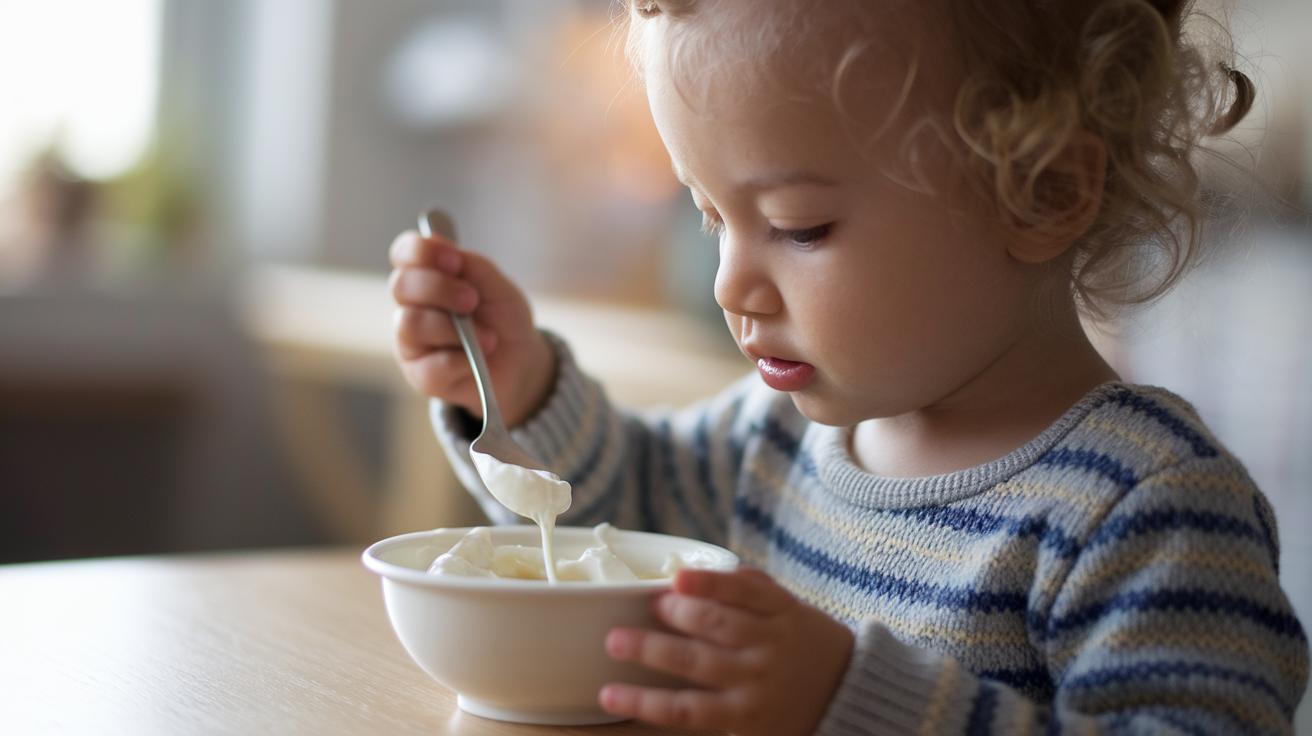
Everyday tasks give preschoolers a fun way to work on their self-care skills. Simple routines like feeding themselves, getting dressed, or fixing a snack help them slowly get better at controlling their hands. When a child uses a spoon for their yogurt or carefully pours water from a small jug, they're not just eating, they’re building a stronger grip and better hand-eye coordination with every little win.
Home chores turn into natural practice sessions without needing extra supplies or special playtime. When parents let their kids try dressing on their own or use smaller utensils at mealtime, it sparks a growing sense of independence. Small things like fastening a button or pulling up a zipper don't just add to their abilities, they also lay the groundwork for writing skills later on.
As kids get older, parents can gently make tasks a bit more challenging by moving from larger buttons to smaller ones or switching to finer cutlery. Everyday actions, whether it's pouring a drink or tying shoelaces, steadily build a child's fine motor skills while boosting their confidence in handling daily challenges.
Final Words
In the action of nurturing little hands, we explored core milestones and playful activities that boost growth. We shared hands-on tips and ways to spot early signals, all woven into everyday routines. Each idea builds confidence and offers a gentle guide through challenges while keeping daily life simple and engaging. Remember, every small step supports the childhood development of fine motor skills, setting the stage for a bright, confident future.
FAQ
What are gross motor skills in child development?
Gross motor skills in child development refer to the large movements such as running, jumping, and climbing that help build strength and overall physical activity.
How does fine motor development occur in infants aged 0–12 months?
Fine motor development in infants begins with reflexive grasping and gradually progresses to reaching for objects, self-feeding, and basic hand control, which set the stage for later skills.
What are some examples of fine motor skills and key skill sets in early childhood?
Fine motor skills include holding crayons, buttoning clothes, cutting with scissors, and manipulating small objects. Key skills also cover pincer grip, hand-eye coordination, and using utensils.
How do fine motor skills develop during childhood?
Fine motor skills develop from early reflexive actions in infancy to improved control in toddler years and advanced tasks in preschool, supporting abilities like writing, dressing, and self-care.
What are the stages or milestones of motor development in childhood?
The stages of motor development begin with simple reflex actions, then evolve into object manipulation in toddlers, and later include more precise tasks in preschool, each marking important milestones.
What tools are available for fine motor skills assessment?
Fine motor skills assessment tools, often available as PDF checklists or standardized tests, help parents and educators track progress and identify areas where a child might need extra support.
What are some common fine motor skills used in early childhood?
Common fine motor skills involve grasping small objects, using a pincer grip, drawing, cutting, and managing everyday tasks like buttoning, which promote independence and confidence.