Ever wonder how a child’s mind blossoms? It might surprise you how little steps in learning can have a big impact. Imagine these growth stages as friendly signs that gently guide us, from the first babbling and playful moments to solving simple puzzles and building clear thoughts.
Both parents and teachers can use this guide to create a warm, secure base for growing, curious minds. In this post, we share each stage in simple, everyday language so you can see how tiny changes pave the way for big achievements in every child’s unique journey.
childhood development stages psychology Sparks Growth
Think of developmental frameworks as simple maps that show how little minds grow. They give us clear markers to see when a child starts learning new skills like talking and solving small problems. This friendly guide helps parents and teachers know just how and when to support each step of your child's growth. You can read more about these stages at stages of childhood development.
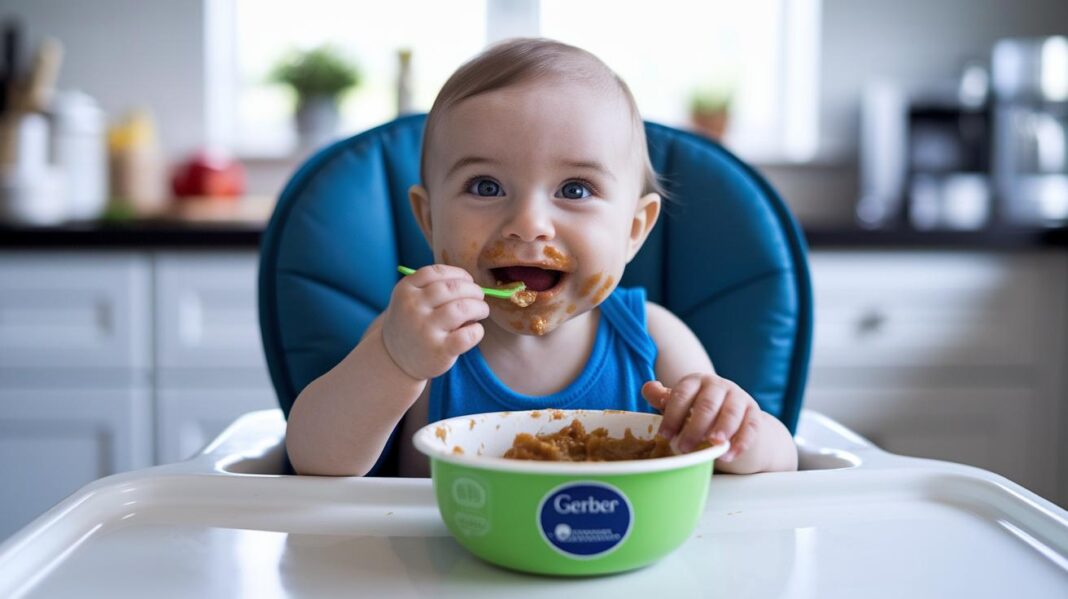
- Sensorimotor (0–2 years): At this stage, babies explore the world by using their senses, touch, taste, sight, and more. They also begin to learn that things still exist even when they can’t see them.
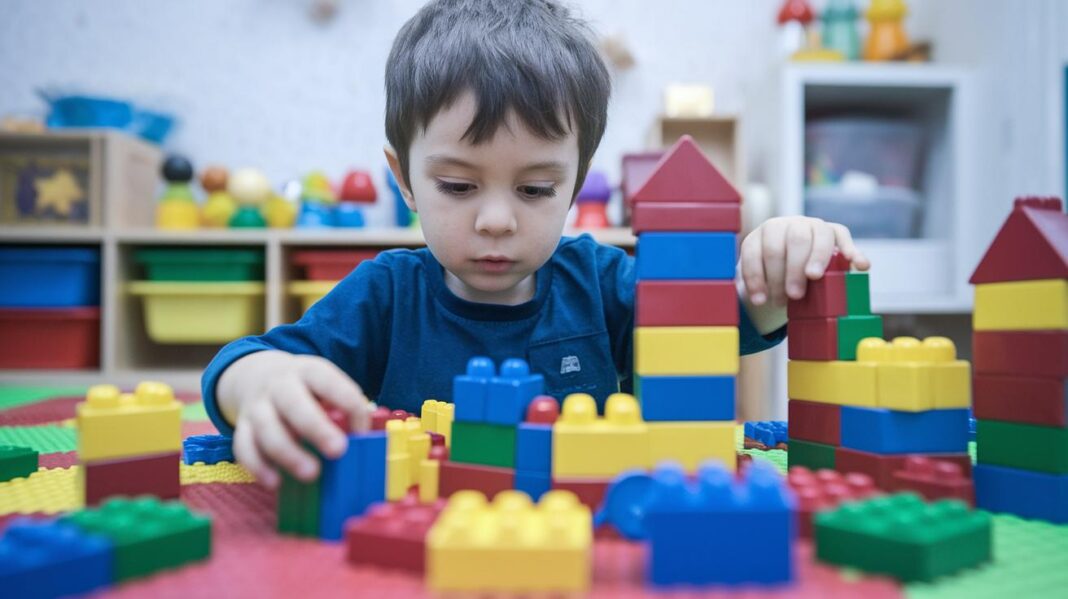
- Preoperational (2–7 years): Here, your child starts to use symbols and words to express ideas. They love imaginative play and picking up language quickly, though logical thinking is still a work in progress.
- Concrete operational (7–11 years): Kids start to use reason and logic more. They learn about consistency and conservation, solving problems based on things they see and experience day by day.
- Formal operational (12+ years): As children become teens, they begin to think deeply about abstract ideas. They’re able to use logical thinking to solve more complex, sometimes even hypothetical, problems.
Every stage builds on the one before it, from simple sensory discoveries to more thoughtful, abstract thinking. When you see your child moving through these steps, it’s like watching a sturdy foundation grow, one perfect brick at a time. This helpful framework guides daily interactions and educational routines, nurturing kids into curious, confident, and caring individuals.
Infancy Behavioral Milestones in Childhood Development Stages Psychology
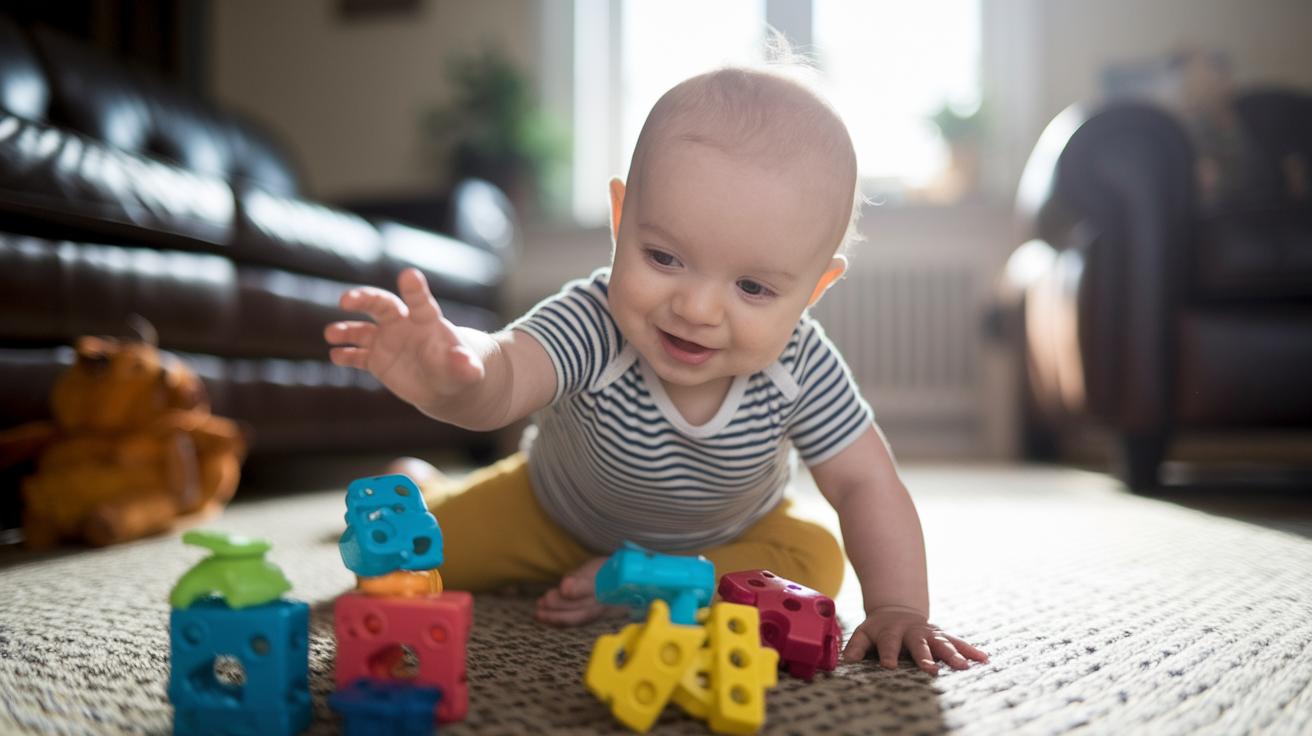
In the early days, a baby learns about the world by touching, looking, and moving around. At first, little ones act by reflex, but soon they start doing things on purpose, exploring with their senses. These simple experiences help them realize that things continue to exist even when they can’t see them and also lay the groundwork for the loving bonds they form. This early exploration shapes how they trust others and learn to comfort themselves.
| Sub-Stage | Age Range | Key Behavior |
|---|---|---|
| Primary Circular Reactions | 1–4 months | Repeating actions linked to their own body |
| Secondary Circular Reactions | 4–8 months | Repeating actions that create interesting effects around them |
| Coordination of Reactions | 8–12 months | Doing actions on purpose to get a specific result |
| Tertiary Circular Reactions | 12–18 months | Trying different actions to see a variety of effects |
| Mental Combinations | 18–24 months | Using simple gestures and words to express ideas |
When caregivers consistently offer love and comfort, it helps shape a baby’s social and emotional skills. These gentle, caring responses build confidence and lay the path for a lifetime of healthy relationships.
Toddler Cognitive Expansion in Childhood Development Stages Psychology
During the preoperational stage (ages 2-7), little ones start creating a rich inner world full of symbols and meanings. They begin to use objects and images to represent real-life ideas, showing that their ability to think abstractly is just starting to bloom. Their language grows quickly as they learn new words and gestures. If you’re curious about when to expect these language milestones, you can take a peek at this link: language development milestones. At this age, kids tend to see things only from their own view and might even give lifelike qualities to things that aren’t alive. They usually focus on one detail at a time, a habit called centration, and sometimes struggle with reversing actions or ideas.
Simple, playful activities work wonders in nurturing their budding minds. When children dive into pretend play, they might turn a stick into a magic wand or a towel into a superhero cape. This type of role-playing helps them practice using symbols and boosts their nonverbal communication skills as they share stories. Chatting about these fun scenarios with questions like “What do you think happens next?” helps parents and caregivers build on the child’s growing ideas. It’s a gentle way to set the stage for more complex thinking down the road.
Concrete Reasoning Phase in Childhood Development Stages Psychology

During the concrete operational stage (ages 7 to 11), kids start showing real logical thinking. They quickly learn that even if things change shape or look different, their true amount stays the same (that’s conservation). They also begin to notice details from different angles and understand that things can flip back to how they were before. This stage is a big step, moving from simple observations to a more thoughtful way of understanding the world around them.
For example, a child might watch water being poured from a tall, thin glass into a short, wide one and see that the amount of water doesn’t change. They love puzzles where they sort items by color, size, or shape. These activities help them learn how to organize things and solve problems using simple rules.
Teachers and child experts often use fun games and easy tests to see how well a child is doing. By watching kids play conservation games or sort objects, they can see how the child’s thinking is growing. This approach helps plan activities that are both fun and helpful for learning, ensuring every child feels supported as they grow.
Formal Abstraction Abilities in Childhood Development Stages Psychology
When kids turn about 12, they start to explore new ways of thinking. They begin to solve tricky "what if" problems, compare ideas, and even reflect on their own thinking. They learn to break down big tasks into bite-sized parts and plan step by step. Their growing skill in watching themselves and solving problems helps them move from seeing things as plain facts to thinking in creative and thoughtful ways.
As these abilities blossom, teens start to build a clearer sense of who they are. Their new brain skills let them look back on their actions, set simple goals, and learn from their experiences, almost like checking a mirror to see their strengths and areas to grow. Have you ever noticed how one new way of thinking can open up a whole new perspective on life?
That’s why when planning lessons for older kids, it’s helpful to include activities that spark abstract thinking. By encouraging a little self-reflection and allowing space for planning on their own, we can help build up confident, creative thinkers ready to take on the world.
Erikson’s Life Crisis Model in Childhood Development Stages Psychology
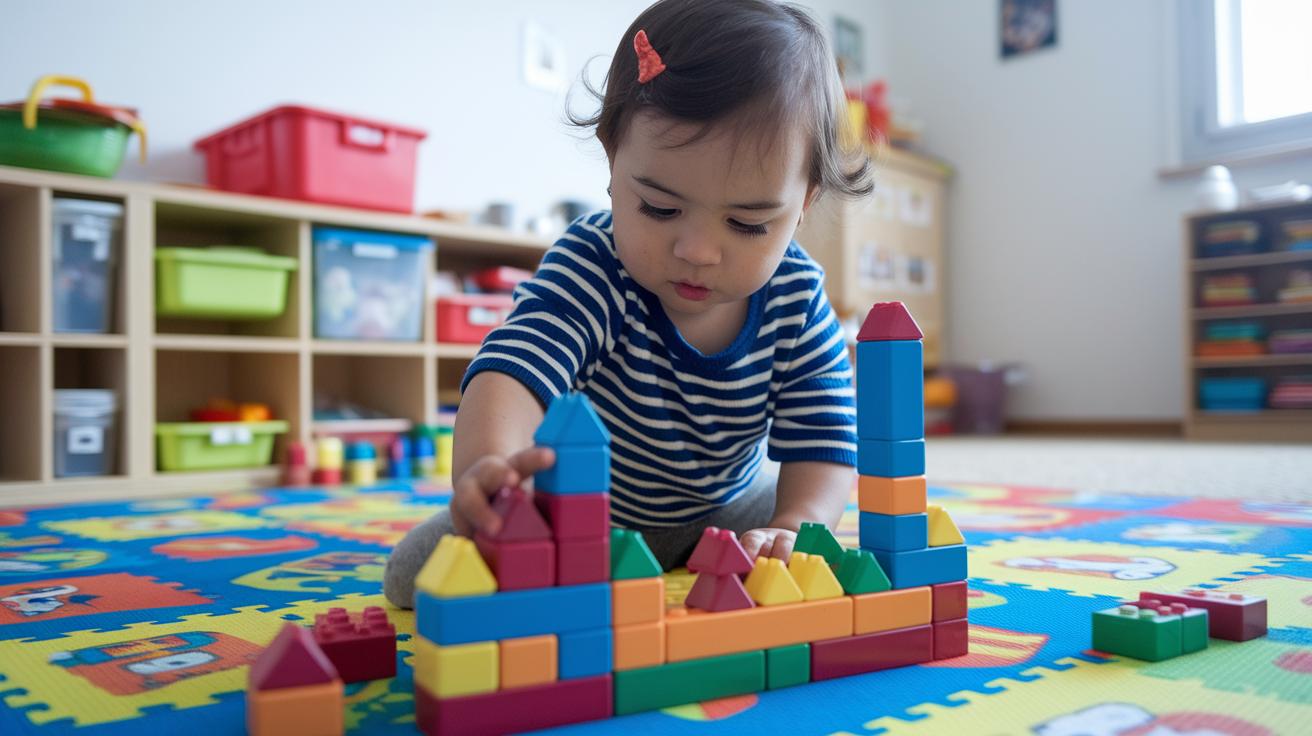
Erikson’s ideas remind us that every phase of growing up comes with its own challenge. When we face these challenges with the right support, they help build strength and confidence. Each part of our journey, from learning to trust to forming our sense of self, connects our feelings with our new ability to think and understand the world.
Trust vs Mistrust
From birth to around one year old, babies start to learn if the world is a safe place. When caring adults give steady love and attention, little ones learn to trust. This feeling of safety lays the groundwork for all the friendships and bonds they’ll build later.
Autonomy vs Shame
Between ages one and three, toddlers begin to explore. They try out simple tasks and learn a bit about making choices. With kind encouragement, they feel proud of doing things on their own. But if they are met with too much criticism, they might start to feel shame instead.
Initiative vs Guilt
From three to six years old, children jump into small tasks and enjoy pretend play. It’s a time for trying out leadership and sharing new ideas. When they’re supported in taking the lead, they build a sense of purpose. However, if they’re often scolded for their efforts, they may start feeling guilty.
Industry vs Inferiority
In middle childhood, about six to twelve years old, kids begin to work on tasks that need teamwork and skill. With help and positive feedback from friends and teachers, these little accomplishments build up their confidence. This steady success helps them shake off any feelings of not being good enough.
Identity vs Role Confusion
From ages twelve to eighteen, teenagers start to explore who they really are. Through trying different roles and experiences, they gradually figure out what matters most to them. This journey builds a strong internal guide that helps steer their decisions as they grow up.
Erikson’s stages show us that as our thinking and feelings grow, we also build a secure sense of ourselves. Each challenge we overcome helps us become better at handling life’s ups and downs.
Comparative Frameworks in Childhood Development Stages Psychology
When we look at different ideas about how kids grow, it feels like comparing recipes for your favorite meal. Each theory brings its own special flavor to the mix, showing us different ways to see a child's journey.
Piaget’s idea is all about how kids learn by doing things themselves. He believed that as children explore and play, they build up little mental toolkits for understanding the world. It’s like watching a toddler figure out a new toy by trying it over and over again.
Erikson, on the other hand, focused on how kids grow by working through feelings and social challenges. He saw each stage of their life as a time to solve puzzles about who they are and how they relate to others. Imagine it as one part of your day when you figure out a tricky problem with your best friend’s help.
Then there’s Vygotsky, who reminds us that kids learn a lot from talking with others and being part of their culture. He believed that shared conversations and family traditions help shape how they think and act. It’s similar to how you and your little one might learn a new song or recipe together.
Finally, studies that look at children from different cultures add even more ideas to the conversation. They show us how traditions and values in different families can guide a child’s growth. These insights help us see that every child’s development is a unique adventure, just like every family’s story.
Practical Applications of Childhood Development Stages Psychology
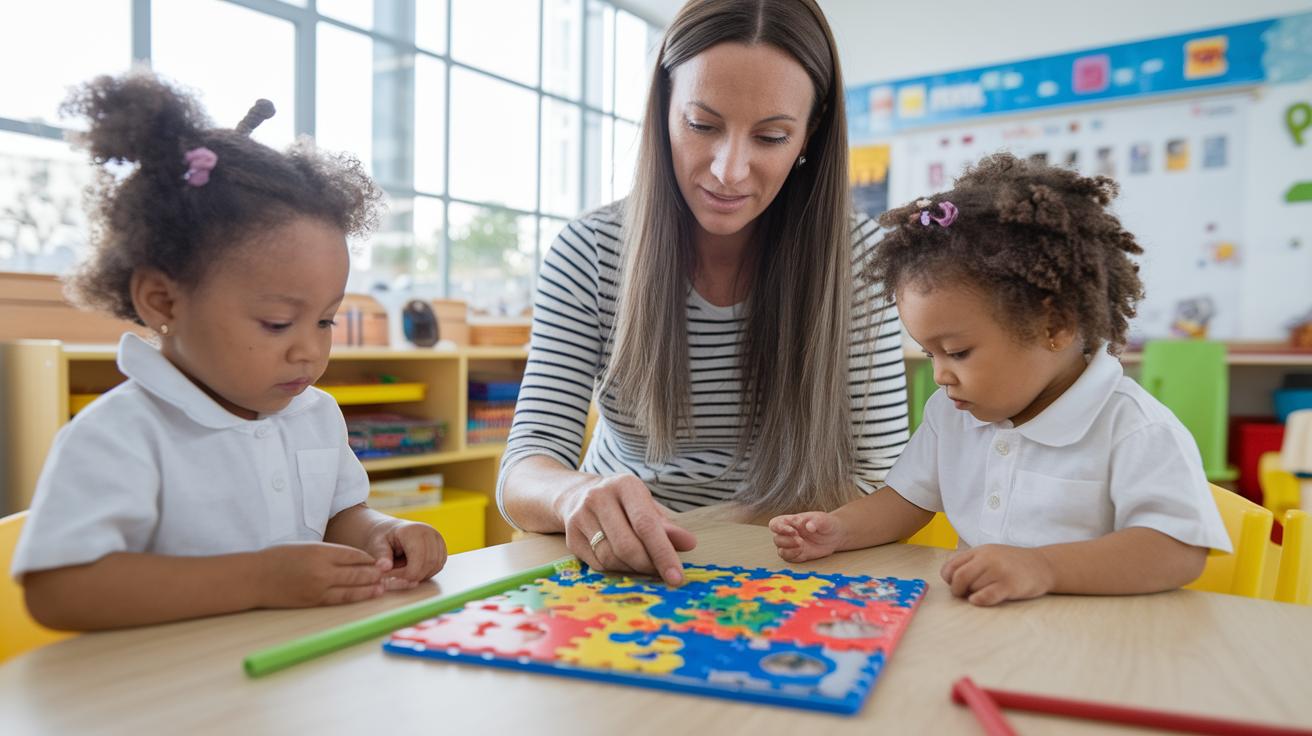
Stage-aligned design means that teachers and caregivers plan activities that match how a child grows. For little ones, fun sensory play is best. Preschool kids light up with playful activities, school-age children love a good puzzle or logical task, and teenagers get involved in debates and projects. This approach helps everyone stay focused while supporting each child's learning.
For example, some activities include tactile and visual play that lets infants explore by touching and looking around. Young children get to enjoy interactive games that keep their minds active, while school-age kids benefit from logical puzzles that challenge them. Teens engage in organized debates and project work, and group discussions help kids share their feelings and ideas. All these activities fit smoothly into a daily routine, giving every child a chance to grow.
Simple tools like checklists and guided observations help teachers notice if a child might be a bit behind. They use these tools to track progress and then adjust their lessons in real time. By weaving lessons about feelings and social skills into activities, it becomes easier to understand each child’s emotions and actions. This early care makes sure every child's needs are at the heart of their learning.
When psychologists, educators, and families work together, these methods get even stronger. They share ideas and adjust teaching strategies, creating a nurturing space where every child can keep learning and growing in a supportive, warm environment.
Final Words
In the action, we reviewed how childhood development stages psychology guides our understanding from early sensory exploration to formal reasoning and identity formation. We touched on Piaget’s sequential stages, Erikson’s social challenges, and key practical strategies for enhancing growth.
Each section showed clear insights that help support small steps of growth and learning. Keep embracing these stages with care, knowing every milestone brings further confidence and joy.
FAQ
What does Piaget’s theory say about childhood development stages?
The Piaget theory explains that childhood development follows four stages—sensorimotor, preoperational, concrete operational, and formal operational—with each phase showcasing unique thinking skills and milestones.
How do Erikson’s stages of development guide psychological growth?
The Erikson model describes eight life stages from infancy through old age, where resolving conflicts like trust versus mistrust and identity versus role confusion helps build lasting personal strengths.
What characterizes the concrete operational stage in Piaget’s theory?
The concrete operational stage, spanning ages 7 to 11, features logical thinking, an understanding of conservation tasks, and skills in classification, which help children solve practical problems.
What defines the preoperational stage in childhood development?
The preoperational stage, typically seen between ages 2 and 7, is marked by symbolic thinking, rapid language growth, and imaginative play, although children still rely on intuitive reasoning.
What is child psychology and the five stages of child development?
Child psychology explores mental and behavioral growth by dividing development into five phases—from infancy to emerging adulthood—each reflecting evolving emotional, social, and cognitive skills.
What are the four stages of development in psychology according to Piaget?
The four Piaget stages—sensorimotor, preoperational, concrete operational, and formal operational—are sequential phases that mark steady progress in a child’s cognitive abilities from birth through adolescence.
What are Erikson’s five stages of development in order for childhood and adolescence?
Erikson’s framework for early life includes trust versus mistrust, autonomy versus shame, initiative versus guilt, industry versus inferiority, and identity versus role confusion, with each stage forming a foundation for later social identity.