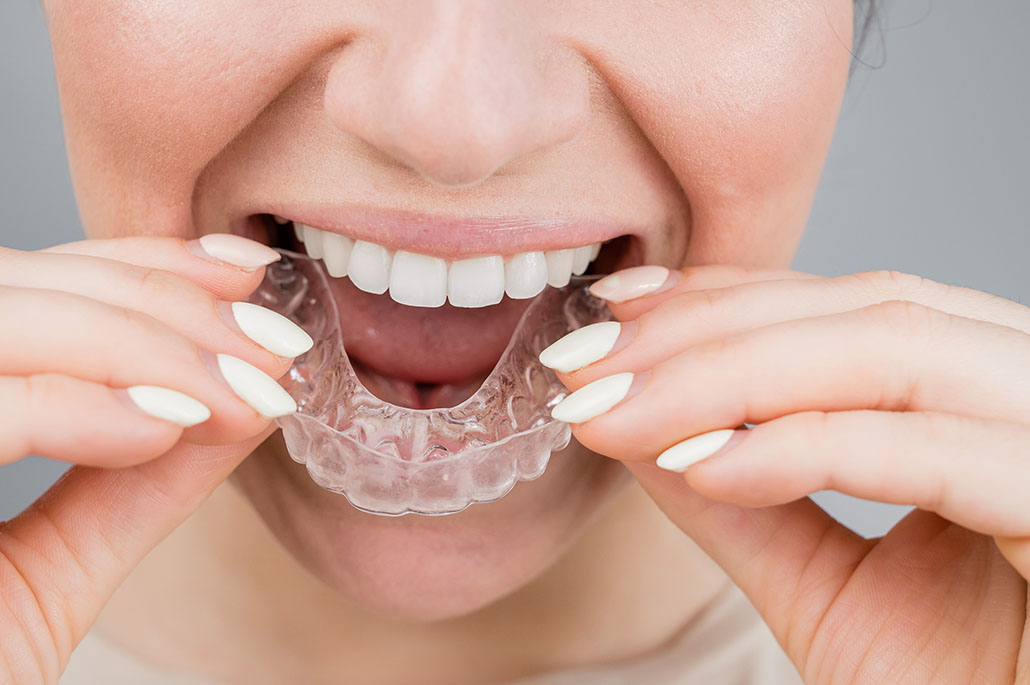
Clear aligners are revolutionizing orthodontics, offering a discreet and comfortable alternative to metal braces. They’re perfect for those looking for a straighter smile without the noticeable gear of traditional orthodontics. Whether you’re a professional, a student, or just someone eager to refine your smile, this comprehensive guide is here to help you understand how clear aligners work, the issues they can address, and their limitations.
What Are Clear Aligners?
Clear aligners are custom-molded, transparent trays designed to fit snugly over your teeth. Unlike traditional braces, they’re nearly invisible and made from durable, flexible plastic. These aligners gradually shift teeth into their desired positions by applying gentle, consistent pressure. The benefits of clear aligners go beyond just aesthetics. They are removable, making them a convenient choice for eating, maintaining oral hygiene, and attending special occasions.
Why Consider Clear Aligners?
Switching to clear aligners is about more than vanity. Here are some of the key benefits:
- Discreet Treatment: Their invisible appearance makes them ideal for professionals and teens alike.
- Removability: You can take them out during meals or while brushing and flossing.
- Ease of Maintenance: Say goodbye to the challenges of cleaning between brackets and wires.
- Comfort: They lack the sharp edges and wires commonly associated with traditional braces.
- Customized Fit: Each pair is tailored to fit your teeth perfectly, ensuring a more comfortable experience.
How Do Clear Aligners Work?
The process of getting started with clear aligners is straightforward:
- Consultation: An orthodontist assesses your teeth to determine if aligners are the best option.
- Digital Impressions: Using state-of-the-art technology, 3D scans of your teeth are captured to create a precise treatment plan.
- Personalized Treatment Plan: Based on your scans, a custom series of aligners is produced, each gradually moving your teeth closer to the desired alignment.
- Wearing Aligners: You’ll wear each set of aligners for about 1-2 weeks, 20-22 hours daily, only removing them to eat, drink, brush, or floss.
- Track Progress: Some providers use apps and software to monitor your progress remotely, reducing the need for frequent in-office visits.
Orthodontic Issues Treated by Clear Aligners
Clear aligners are effective for correcting a variety of orthodontic problems:
- Crooked Teeth: Clear aligners straighten mild-to-moderate misalignments, giving you a more even smile.
- Underbite: They can correct mismatches where the lower teeth overlap the upper teeth, improving both appearance and functionality.
- Overbite: If your upper teeth extend too far forward, aligners can help reduce this gap and restore balance.
- Crossbite: Clear aligners can shift teeth into correct positions when upper teeth fall inside the lower teeth.
- Open Bite: They help align teeth to close gaps between the upper and lower teeth.
- Gaps in Teeth: Aligners can close small gaps, creating a more uniform appearance.
- Crowded Teeth: When teeth overlap due to lack of space, aligners create room and align them properly.
Orthodontic Issues That Clear Aligners May Not Resolve
While clear aligners are highly versatile, there are limitations:
- Severe Misalignments: For extremely rotated or misaligned teeth, traditional braces may be more effective.
- Large Gaps: Aligners can generally close gaps up to 6mm per arch. Larger gaps may require additional treatment.
- Teeth Movement Limitations: Clear aligners have difficulty with vertical movements (raising or lowering teeth) in certain cases.
- Existing Dental Work: Dental crowns, bridges, and veneers can sometimes interfere with how aligners grip or move teeth.
- Complex Jaw Alignment Issues: Significant jaw misalignments may require surgery in addition to orthodontic treatment.
- Short or Round Tooth Shapes: Teeth with unusual shapes may not provide the aligners with enough surface area to create the required pressure.
If your orthodontic needs fall into these categories, don’t worry. Specialists often combine clear aligners with other orthodontic treatments for comprehensive solutions.
Clear Aligners vs Traditional Braces
The choice between clear aligners and traditional braces depends on your dental needs, lifestyle, and preferences. Here’s a quick comparison:
| Feature | Clear Aligners | Traditional Braces |
| Appearance | Virtually invisible | Highly visible |
| Comfort | Smooth plastic trays | Metal brackets and wires |
| Removability | Yes | No |
| Maintenance | Easy to clean | Requires special cleaning |
| Treatment Time | 6-18 months (varies) | 1-3 years (varies) |
Ensuring the Best Results
If you choose clear aligners, consistency is key. Follow these tips for the best results:
- Wear Them as Prescribed: Stick to wearing them for 20-22 hours a day.
- Clean Regularly: Rinse and gently brush your aligners daily to prevent plaque buildup.
- Monitor Your Progress: Regular check-ins with your orthodontist or via a remote app ensure your treatment is on track.
- Avoid Hot Drinks: Remove your aligners before drinking anything hot to avoid warping them.
Are Clear Aligners Right for You?
Clear aligners work best for individuals with mild to moderate orthodontic issues. If you’re unsure whether they’re right for you, consult an orthodontic specialist for an evaluation.
Find Your Perfect Smile Today
Clear aligners are more than just a treatment; they’re a lifestyle upgrade. If you’re ready to start your smile transformation, explore options with trusted providers. Their team of professionals will guide you every step of the way, making your path to a confident smile seamless and effective.
Take the first step today. Your perfect smile is just an aligner away.