
Have you ever wondered why some kids pick up language so easily at bedtime? It all begins during a special time called the critical period (a time when little brains learn words almost effortlessly). It's a bit like a song where every note helps build a beautiful pattern. During this time, children start to enjoy talking and listening, which forms a solid base for growing communication skills. Studies show that early language exposure sparks a real love for speaking and listening, setting the stage for a lifetime of connection and growth. Let's explore how those first words and sounds create the foundation for strong bonds later on.
Defining the Critical Period in Language Development
We call it the critical period when our brains are naturally ready to pick up language. Think of it like your little one soaking in a bedtime story – the brain listens attentively and absorbs every sound and pattern almost effortlessly. This special time starts at birth and goes all the way until puberty, a time when our brain's wiring is growing super fast and ready for learning.
Research tells us that by around age 10, children might not pick up a perfect accent as easily. However, they can still learn grammar well into their teenage years, until about 18. Imagine your child humming a favorite song: while mimicking the exact sounds becomes a bit tougher after age 10, understanding sentence structure stays flexible because the brain is still learning.
This timing is key. When kids hear plenty of language during these years, their brains build a strong foundation for both speaking and understanding. It’s why teachers and therapists plan lessons and activities that match this natural window, helping every child grow their communication skills in a way that feels just right.
Age-Related Milestones Within the Childhood Linguistic Window
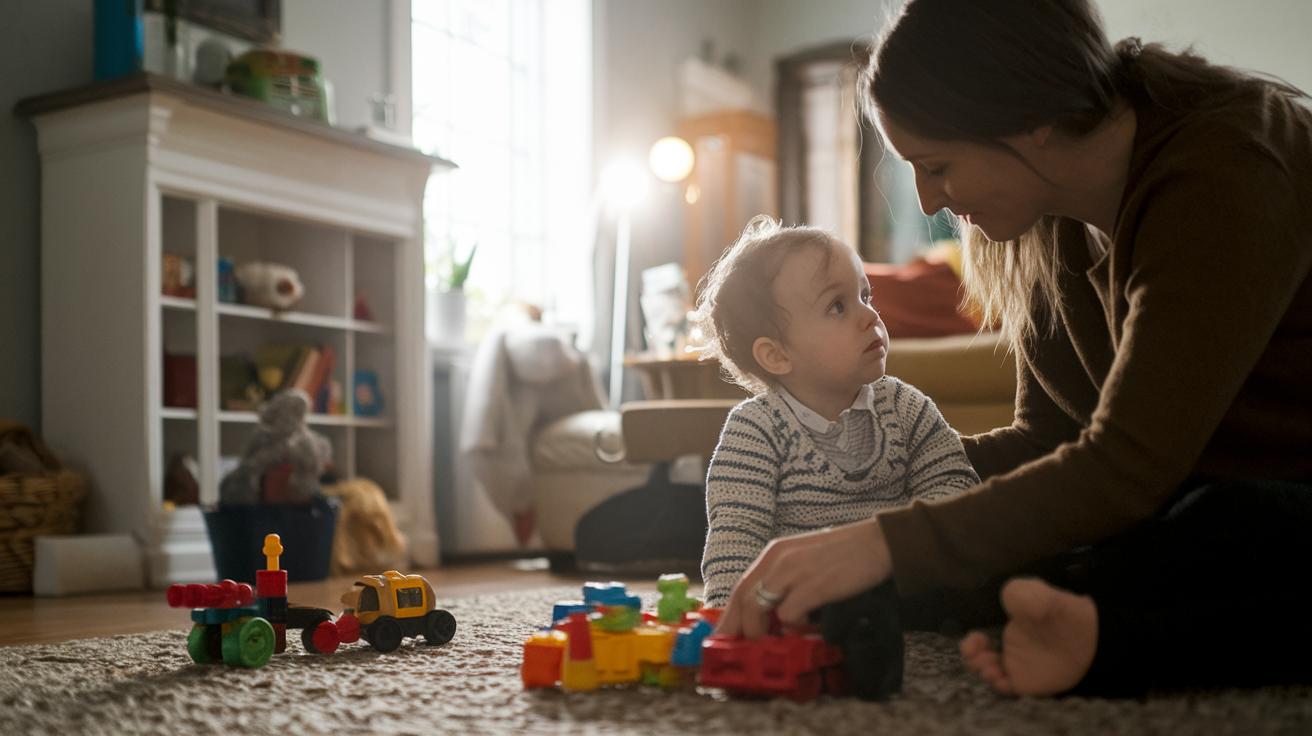
Early childhood is such a magical time for learning words and sounds. Kids really soak up language, almost like magic. Fun stories, cheerful songs, and playful moments help them discover talking without feeling any pressure.
Here are some simple milestones:
- Babbling (6 to 9 months): Babies start playing with sounds, which is the first step toward talking.
- First words (around 12 months): Little words like "mama" or "dada" begin to emerge.
- Two-word phrases (18 to 24 months): They combine words, saying things like "more milk" to ask for what they need.
- Simple sentences (2 to 3 years): Kids start putting words together into short sentences.
- Gestures (2 to 3 years): They use smiles or hand signals to add meaning to what they’re saying.
- Complex sentences (3 to 5 years): Their language grows, and they form longer, more detailed sentences.
- Early storytelling (by 5 years): They begin sharing little stories, connecting ideas in cute, creative ways.
These stepping stones show how naturally language grows during early childhood. It’s really amazing to see how playful interactions help each child build their own way of communicating.
Neurological Foundations of the Critical Period for Speech
Our little brains are amazing at picking up language during early years. It's like we're all born with a natural gift, a time when every little sound and word counts. Genetic cues mix with everyday experiences to open a special window for learning to speak.
Role of Neural Plasticity
Kids' brains are busy making new connections every day; it almost feels magical. This speedy growth, known as synaptic plasticity, helps them learn new words and sounds quickly. As they grow, their brains gently trim away extra connections, making their pathways clearer and more efficient. It’s a process that makes learning easier over time.
Key Brain Regions
Ever wonder how we turn our thoughts into words? Broca’s area helps with that, like a thoughtful translator turning ideas into speech. Meanwhile, Wernicke’s area lets us understand the sounds we hear. In early childhood, both of these areas are incredibly flexible and active, helping kids move from simple babbling to clear speech. Together, these parts of the brain set the stage for a lifetime of communication.
In truth, the combination of brain wiring, genetic guidance, and everyday sounds creates a perfect mix for language growth during those early years.
Evidence from Research on Timing Factors in Verbal Acquisition

Studies show that children who start learning a new language before they turn 10 can pick up native-like accents. It’s like their brains are perfectly tuned, soaking up new sounds as easily as a sponge. Often, early learners find that mimicking pronunciation feels natural, almost as if they’re simply joining in on a familiar conversation.
At the same time, while picking up an accent might slow down after 10, the ability to learn and use grammar stays flexible into the teen years, sometimes until around 18. Researchers have found that early exposure helps with both smooth, everyday speaking and building a strong understanding of grammar. It’s really a reminder that those early years are a special time for developing verbal skills in a way that feels both natural and effective.
Other research shows that the idea of a strict age limit might be a bit too rigid. For instance, a study from 2001 looked at people learning Slovak and found that those who started after 16 only had small hurdles with reading and writing skills. This tells us that while younger learners might have an edge when it comes to accents, older learners can still do well with the right teaching and lots of practice. So, whether you’re a parent or an educator, it’s encouraging to know that creating fun, immersive language experiences can make a big difference, no matter when someone starts.
Implications of the Critical Period for Language Learning and Therapy
When we consider how children and adults learn language, timing really matters. For little ones, language grows best when it’s part of fun and play. Think interactive stories, upbeat songs, and everyday chats that feel like sharing secrets with a friend. These simple activities let kids learn naturally while building a solid base for clear speech.
For grown-ups, learning a new language might take a bit more time, but that doesn’t mean it isn’t possible. With good teaching, steady practice, and environments that immerse you in the language, adults can find their way to fluency, even after the prime learning years. It’s like mixing playful activities with clear, structured lessons so that every learner can move at their own pace.
In the world of speech therapy, starting early is key. Experts know that young brains are super flexible, so they use gentle, targeted activities and lots of practice to help little ones overcome speech delays. Simple tasks, careful repetition, and a lot of patience build confidence and progress. While learning may be trickier for adults, personalized sessions in friendly, engaging settings can nurture better communication skills, one step at a time.
Final Words
In the action, we explored how young children’s speech milestones and brain changes blend into a clear picture of language growth. We saw age markers that shape speech and learned how early experiences support a critical period for language development.
Every part of our discussion reminds us that early, nurturing support can make a world of difference. With a warm focus on practical, understandable insights, we end on an uplifting note, inspiring confidence in every step of language learning.
FAQ
What is the critical period in language development?
The critical period in language development is a key window during childhood when the brain is most receptive to language learning, allowing for native-like accents and grammar skills due to high neural plasticity.
How does the critical period affect second language acquisition and language development in adults?
The critical period creates a time when learning a language is easier, which explains why adults often face challenges reaching native-like fluency despite achieving strong skills with quality instruction and immersive practice.
What is an example of a critical period in development?
An example is the stage from birth to puberty, during which children quickly learn complex grammar and clear pronunciation because of the ready adaptability of brain areas like Broca’s and Wernicke’s.
Where can I find more academic research on the critical period for language development?
Academic studies and research papers in psychology journals offer detailed insights on the critical period, including its impact on developmental milestones and the underlying neural changes.