
Have you ever wondered if a tiny nutrient could make a big difference during pregnancy? DHA offers a practical boost for both mom and baby by supporting a growing brain and clear vision. Imagine it as the spark that helps guide development while keeping your mood steady and your immune system strong. With recommendations of around 200 mg a day, adding DHA to your routine is a smart choice for nurturing a healthy pregnancy and a brighter future for your little one.
Why DHA for Pregnancy Matters for Fetal Brain and Maternal Health

During pregnancy, your baby’s brain and eyes are growing quickly, and DHA, a type of omega-3 fatty acid, helps build those essential parts. It supports the development of the retina and nervous system, which sets the foundation for good thinking and clear vision. Experts suggest that moms and breastfeeding women aim for 200 mg of DHA a day to help both of you thrive.
DHA isn’t just good for your baby; it also helps you feel your best. It can balance your mood and strengthen your immune system, a real boost during the postpartum period. Plus, it works with other important nutrients to create a happy and healthy pregnancy experience.
Here’s what DHA does:
- It builds your baby’s brain and supports eye development.
- It provides the key parts needed for a strong retina and nervous system.
- It helps improve learning and vision for your little one.
- It keeps your immune system strong and helps keep your mood balanced.
- It may lower risks like premature birth, high blood pressure during pregnancy, and baby blues after birth.
Adding DHA to your routine is a simple but important step. Choosing DHA-rich foods or a high-quality supplement like purified fish oil means you’re giving your baby’s brain the support it needs while caring for your own health too. By making DHA a daily priority, you’re helping both yourself and your baby enjoy a brighter, healthier future.
Recommended Prenatal DHA Dosage and Supplementation Guidelines
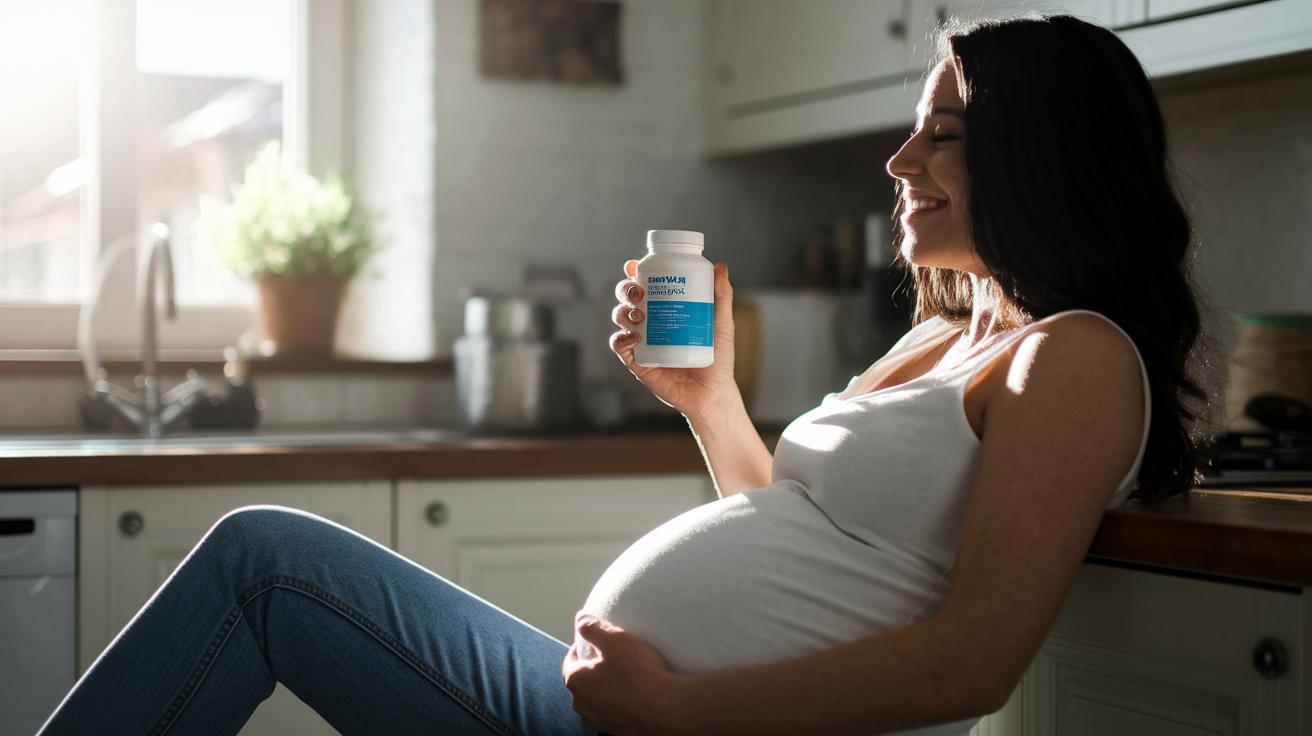
Getting your daily DHA right while you're expecting is so important. It helps support your health and your baby's growing brain and eyes. Knowing the right amount can make your prenatal routine feel secure and warm.
| Authority | Recommended DHA per Day |
|---|---|
| Prenatal Experts | 200-300 mg |
Taking your supplement at the same time every day can really help make it part of your routine. Many moms trust high-quality fish oil because it's carefully cleaned to remove things like mercury. And if you're following a vegetarian or vegan diet, algae oil is a safe choice that gives you both EPA and DHA. Just remember, a little DHA each day goes a long way in meeting your body’s changing needs. So, whether you mix in a bit of fish oil with your prenatal vitamins or choose an algae-based option, keeping that steady routine supports your baby's brain development while keeping you feeling balanced and energized.
Best Sources of DHA for Pregnancy: Whole Foods and Supplements
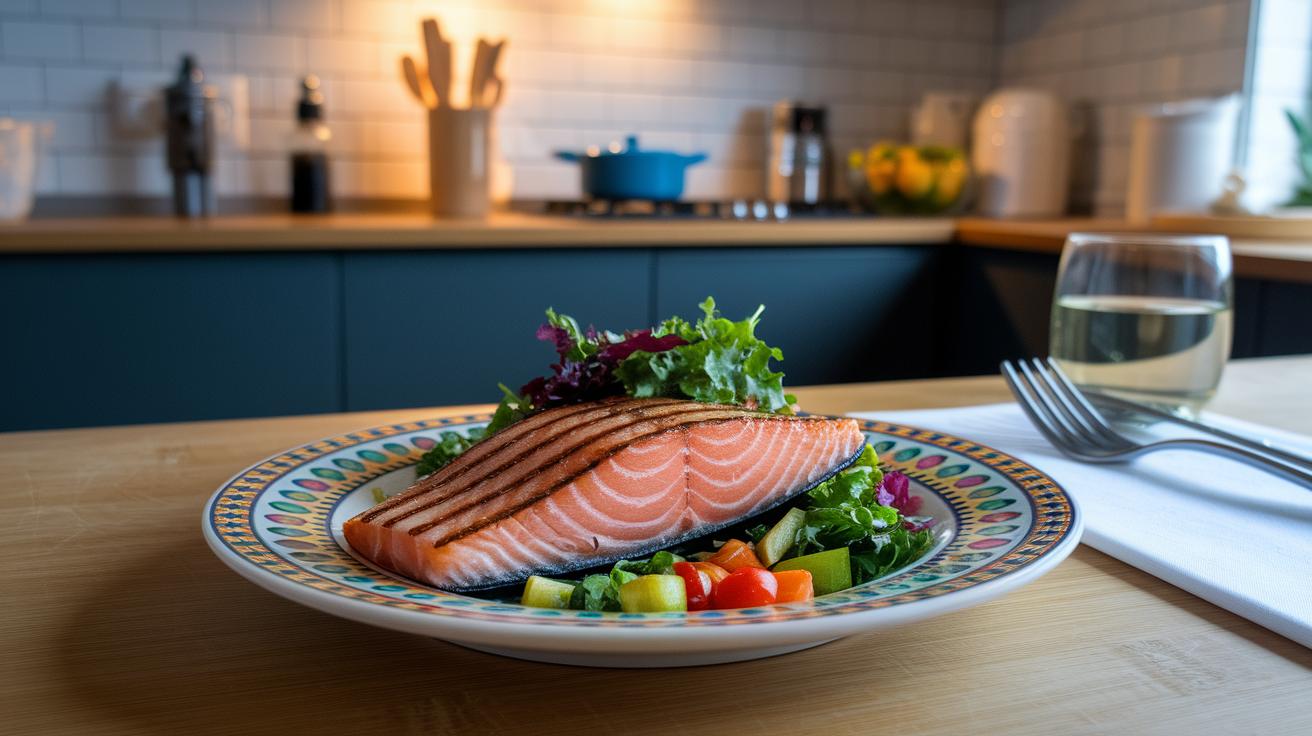
When you're expecting, boosting your DHA can really brighten your day and help keep you and your baby feeling great. The trick is to mix natural foods with high-quality supplements that work for your lifestyle.
Cold-Water Fish
Fish like salmon, tuna, sardines, anchovies, and herring are gentle on the mercury levels and rich in DHA. They’re a smart choice for supporting your baby's brain and eye growth, all while keeping safety in focus.
Animal-Based Foods
Eggs, chicken, and fortified foods also bring in that extra dietary DHA. They add a tasty variety to your meals and help ensure you’re getting the nutrients that nurture both you and your little one.
Algae and Plant-Based Alternatives
If fish isn’t your thing, algae-based omega-3 supplements are a great option because they pack in both EPA and DHA. And while plant sources like walnuts, flaxseed, canola oil, and soybeans are full of ALA (a similar omega-3), remember that conversion to DHA is a bit trickier.
By mixing these options according to what feels best for you, you’re setting up a balanced plan that supports a healthy glow for both mom and baby.
Timing and Integration of DHA Into Your Prenatal Routine

Start boosting your DHA supply even before you begin trying to conceive. Having a good store from the beginning helps your body support early baby growth and gets your pregnancy off to a healthy start.
In the first two trimesters, focus on increasing your DHA to prepare for all the changes ahead. Research shows that starting early with DHA can really help with brain development. And as you move into the third trimester, your baby’s growing brain and blood vessels need about 2.2 grams of these healthy fatty acids every day. This is the time to really absorb every bit of nutrition for both you and your little one.
Mixing DHA with folic acid is a great move, it lets them work together to boost nutrient absorption. This dynamic duo helps nurture your baby’s brain and supports strong, healthy growth overall.
Combining DHA With Prenatal Vitamins
Pair your DHA supplement with your daily prenatal vitamins for a well-rounded, balanced approach. This simple combo makes your prenatal care routine easy and effective, letting you focus on what really matters every day.
Evidence and Clinical Studies on DHA in Pregnancy
Research has shown that using purified fish oil during pregnancy is safe and free of mercury. Safety tests, including ones by independent labs, show that manufacturers pay close attention to quality control. One study shared that some moms were hesitant about adding DHA to their diets at first, but they felt reassured once the science proved it was safe. This growing research helps moms feel more confident about including DHA in their prenatal routine.
Other studies have noticed that when moms get more DHA, their babies tend to have better vision and sharper brain responses. Experts have seen that babies whose moms maintained regular DHA levels might enjoy improved cognitive and visual development. This evidence supports the idea that a good source of DHA can really help nurture a baby's early growth.
Research focused on different stages of pregnancy also shows that a mom’s need for fatty acids increases, especially in the last few months. In the third trimester, a growing baby may need about 2.2 grams of essential fatty acids a day to support brain growth and healthy blood vessels. In truth, this research highlights why it’s so important for prenatal care to include enough DHA to meet both the mom's and baby’s needs.
Addressing DHA Deficiency Risks and Safety Precautions in Pregnancy

If your DHA levels drop too low, both you and your baby might face some risks. Low DHA can sometimes lead to early labor, high blood pressure (preeclampsia), or even postpartum depression. It really is important to keep an eye on your DHA intake during this special time.
Purified fish oil supplements are a wise pick because they are cleaned to remove unwanted substances like mercury. Imagine the peace of mind knowing your supplement has been carefully tested and purified for safety. I often remind myself, "Before trusting any supplement, I always check for third-party test results." This little extra step feels like a warm reassurance that what you're taking is pure and safe.
When the makers of your supplement are open about how it is produced, it helps you feel even more secure. Seeing clear, third-party test results means the product meets strict safety standards. Taking these precautions not only gives your baby a strong start, but it also helps you look after your own well-being.
dha for pregnancy: Radiant Mom & Baby Health

Every day is a new chance to treat yourself and your baby with a little extra care. Adding DHA into your day can be fun, tasty, and a lovely way to nurture both of you.
- Start your morning with a DHA-rich breakfast, imagine fortified eggs with a slice of whole-grain toast to kick off the day.
- At lunchtime, enjoy a serving of baked salmon or a refreshing sardine salad, both packed with the good fats your body loves.
- Give your salad a boost by drizzling it with an algae oil dressing, a great plant-based source of omega.
- Keep it simple by taking your DHA supplement with your prenatal vitamins at the same time every day to form a smooth routine.
- For an extra munch, try snacking on walnuts with a bit of yogurt or sip on a flaxseed smoothie to add another dose of DHA whenever you need it during the day.
Mixing flavorful meals with a steady supplement habit can truly simplify your prenatal care. These little suggestions make it easy to add DHA into your daily routine. Every bit of this care helps support your baby’s growing brain and keeps you feeling great during these special moments. It’s all about a steady plan that fits right into your life, making each day a bit brighter for both you and your little one.
Final Words
Jumping right in, the article shed light on how dha for pregnancy supports fetal brain development and helps maintain maternal well-being. It covered the right dosage, safe food sources, and how to easily work these into your daily routine. Each section mixed expert facts with everyday tips to empower you during this special time. Taking these steps can brighten both your day and your overall prenatal care experience. Keep embracing these simple, caring practices, and feel confident about the healthy choices you’re making every day.
FAQ
When should I start taking DHA during pregnancy?
Starting DHA supplementation early, ideally before conception or in the first trimester, helps build essential maternal stores for supporting early fetal brain and eye development.
How much DHA do I need while pregnant?
Pregnant women typically need at least 200 mg of DHA daily, with some guidance suggesting a supplement providing around 300 mg to meet increased gestational needs.
What are good DHA supplements for pregnancy?
Good DHA supplements are those that are purified to remove contaminants; fish oil or algae oil options work well, with the latter being ideal for vegetarian or vegan diets.
What are the best foods for getting DHA during pregnancy?
The best DHA-rich foods include low-mercury cold-water fish like salmon and sardines, along with fortified eggs and other animal-based options that provide essential fatty acids.
I didn’t take DHA during pregnancy; what should I do now?
Not taking DHA may raise some risks, so it’s best to discuss with your healthcare provider about safely starting supplementation or addressing any nutritional gaps moving forward.
Does DHA intake in pregnancy affect autism risk?
Current research shows no direct link between DHA intake and autism; instead, adequate DHA supports overall brain development and cognitive outcomes in infants.
Is it safe to take too much DHA during pregnancy?
Taking too much DHA is uncommon when stuck to the recommended dosage, as following proper guidelines ensures maternal and fetal safety without adverse effects.