
Have you ever thought about swapping cow’s milk for a plant-based choice to boost your care during pregnancy (that’s the extra care you give when getting ready for your little one)? Many moms are turning to soy, almond, oat, or rice milk to help their baby grow and keep their own health in check. These options still bring you the good stuff like protein and calcium, even if they taste a little different. Our guide walks you through what works best so you can feed both your body and your spirit. Imagine feeling strong and glowing, knowing you’re nurturing yourself and your baby during this special time.
Meeting Maternal Nutrition Requirements with Dairy Alternatives

Cow's milk brings in calcium, vitamin D, and proteins that help build strong bones for your little one and support cell growth. But if you're choosing a plant-based approach during pregnancy or while breastfeeding, dairy alternatives are a great option.
For instance, soy milk gives you about 9 grams of protein in every 8-ounce glass. It’s generally fortified to match cow's milk, though you might wonder about its natural phytates and how they lower calcium absorption a bit. Think of it like a good friend with a tiny quirk.
Almond milk, on the other hand, has just 1 to 2 grams of protein per serving. It naturally includes vitamin A and is usually enriched with calcium and vitamin D. It’s lighter, so if you’re going for a milder taste, it works well, just remember to add another protein source in your meals.
If nut or soy allergies are a concern, rice milk makes a safe choice. It offers around 1 gram of protein per 8 ounces and tends to have more carbs, with vitamins A and D sometimes added in. Oat milk is another option, giving about 2 to 4 grams of protein along with some fiber. Just keep an eye on the labels if you need to avoid gluten.
When you switch to nondairy drinks, it becomes really important to get nutrients from various sources. Moms who are breastfeeding, for example, need extra calcium and vitamin D. Pairing fortified drinks with foods like leafy greens or tofu can help you reach the right amounts. Imagine mixing your daily routine with a variety of foods to keep both you and your baby healthy.
Comparing Plant-based Milks in Gestation: Nutrients and Drawbacks
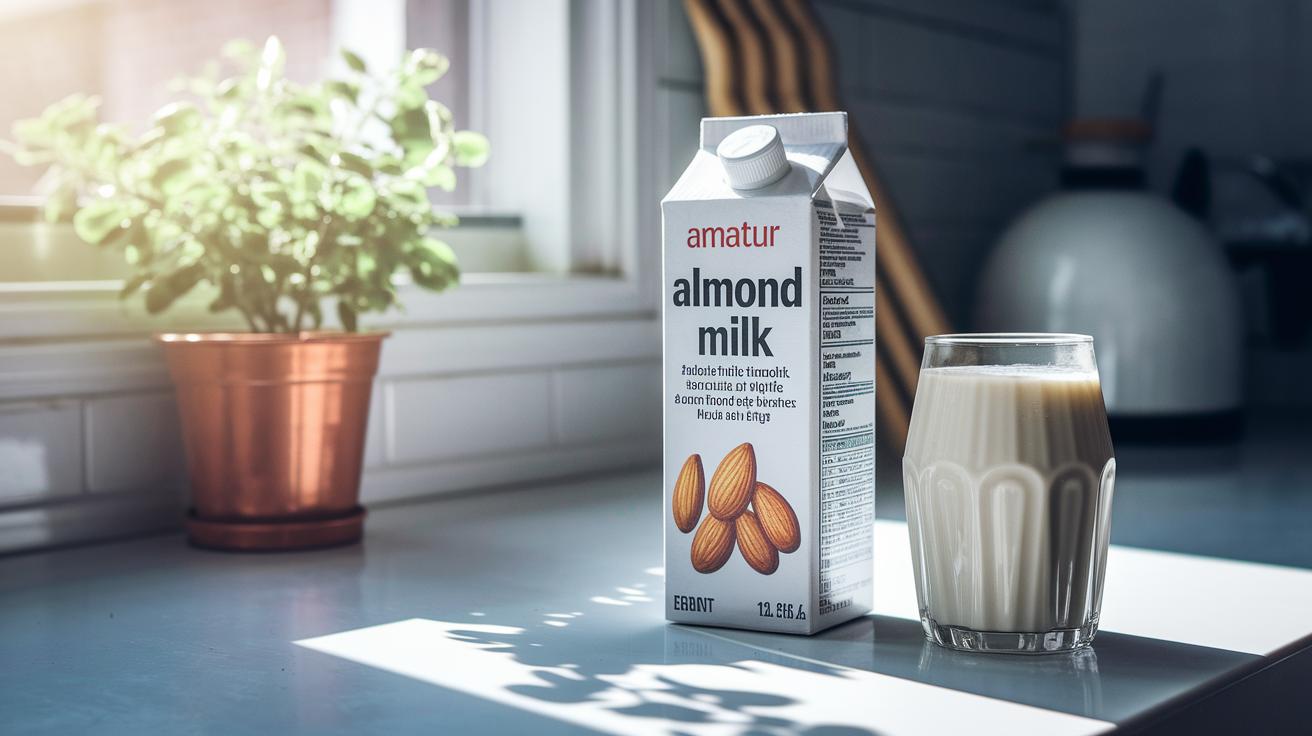
Choosing a plant-based milk while you're pregnant can help you meet your nutritional needs in a simple way. It’s all about finding the right fit for you and your baby.
Take a look at this easy-to-read table comparing soy, almond, oat, and rice milk:
| Milk Type | Protein (g/8 oz) | Key Fortified Nutrients | Potential Drawbacks |
|---|---|---|---|
| Soy | 9 | Calcium, Vitamin D | Has isoflavones and phytates that might lower calcium uptake |
| Almond | 1-2 | Vitamin A, Calcium, Vitamin D | Offers less protein than soy milk |
| Oat | 2-4 | Fiber, Calcium, Vitamin D | May contain gluten; look for gluten-free if you need to avoid it |
| Rice | ~1 | Vitamins A and D | High in carbohydrates and low in protein, which might leave you less satisfied |
Choosing unsweetened and fortified versions is a smart move. They keep added sugars down while giving you those important nutrients. For example, imagine starting your day with unsweetened oat milk, it boosts your fiber intake and packs in fortified calcium, supporting both your own well-being and your baby’s growth.
Essential Micronutrients in Non-Dairy Drinks: Calcium, Vitamin D, and Protein

Fortified plant fluids can be a simple, tasty way to boost your nutrition during pregnancy. Many plant milks add calcium using forms like tricalcium phosphate or calcium carbonate so you can support strong bones. Vitamin D is usually added as D2 (and sometimes a bit of D3 from animal sources), which helps both you and your baby feel your best. And with protein blends from peas, soy, or rice, you’re getting about 7–10 grams per serving to help meet your daily protein needs.
Some drinks also come with extra iron to handle the higher demand in your third trimester, while others add omega-3 fatty acids from flax or algae-derived DHA to support your baby’s brain development. It’s like having a little nutrition helper in your favorite beverage. Have you ever noticed how a small change can make a big difference?
- Calcium from tricalcium phosphate or calcium carbonate – For example, a glass of fortified almond milk can help keep your bones strong.
- Vitamin D (typically as D2) – For example, some soy milk is enriched with vitamin D to support both your health and your baby’s.
- Protein blends from plant sources – Look for milk alternatives with pea or rice protein that offer up to 10 grams per serving.
- Iron-enhanced beverages – Some oat milks are enriched with iron to meet the needs of your third trimester.
- Omega-3 boosted fluids with flax or algae-derived DHA – For example, a flax-infused drink can provide the fatty acids that help with your baby’s brain development.
Choosing fortified, unsweetened non-dairy options is a smart way to complement a balanced, nutrient-rich diet during pregnancy.
Incorporating Dairy Alternatives into Prenatal Meal Planning

Imagine starting your day with a smoothie that not only tastes amazing but also cares for you and your little one. Try blending 1 cup of fortified almond milk, ½ cup of a Greek yogurt alternative, a handful of fresh spinach, and some mixed berries. This delightful drink gives you about 300 mg of calcium, 6–8 g of protein, plus extra fiber and antioxidants. It’s a light, refreshing way to boost your morning nutrition.
If you’re looking for a filling option you can prepare ahead of time, consider making overnight oats. In a jar, mix 1 cup of oat milk with ½ cup of rolled oats, 2 tablespoons of chia seeds, and a sprinkle of your favorite nuts. The chia seeds add roughly 4 g of protein and 10 g of fiber, while the oat milk supplies plant-based calcium and vitamin D. Simply stir it together, let it chill in the fridge overnight, and wake up to a ready-to-eat breakfast that helps keep your energy steady throughout the day.
For a fun twist on dessert, why not try a coconut-infused chia pudding? Combine ½ cup of coconut milk with 3 tablespoons of chia seeds and a dash of vanilla extract. This treat offers around 200 mg of calcium and 5 g of omega-3 ALA. Mix it well, let it sit in the fridge for a few hours (or overnight if you can wait), and top it with some fresh fruit for a creamy, delightful treat.
Finally, to add a savory touch to your meals, you can make a smooth cream sauce using cashew milk. Blend together 1 cup of cashew milk with 2 tablespoons of nutritional yeast, which adds about 4 g of protein along with important B-vitamins. This velvety sauce is perfect for drizzling over steamed veggies or even a light pasta dish, offering a nourishing alternative that’s gentle on your tummy.
Ensuring Safe Consumption of Dairy Alternatives during Pregnancy and Lactation

When you’re picking plant-based drinks during pregnancy or while breastfeeding, it’s good to think about both safety and nutrition. Taking a minute to check labels and follow a few simple tips can help keep you and your little one safe from unwanted additives or allergens. It’s all about making daily choices that lower your risk of bad bacteria and skipping extra sugars or harmful ingredients. And remember, your total fluid intake matters too, try to get around 2.3 liters of liquids each day, including water along with your plant-based milks.
- Pick pasteurized plant-based milks so you lessen exposure to harmful germs.
- Go for unsweetened options to avoid extra sugars that can sneak in 5 to 15 grams per serving.
- Always read labels for any tree nuts, soy, gluten, or warnings about cross-contact if you have allergies.
- Look for options with probiotics (good bacteria) that list at least 1 billion CFU per serving to help your gut.
- Change up your drink choices regularly so you get a mix of good nutrients instead of too much of one thing.
- Keep track of your daily fluids by balancing plant-based drinks with other beverages, aiming for that 2.3-liter mark.
Following these steps can help you choose dairy alternatives that support your wellbeing during this special time.
Expert Guidelines on Cow-free Calcium Intake in Maternal Nutrition
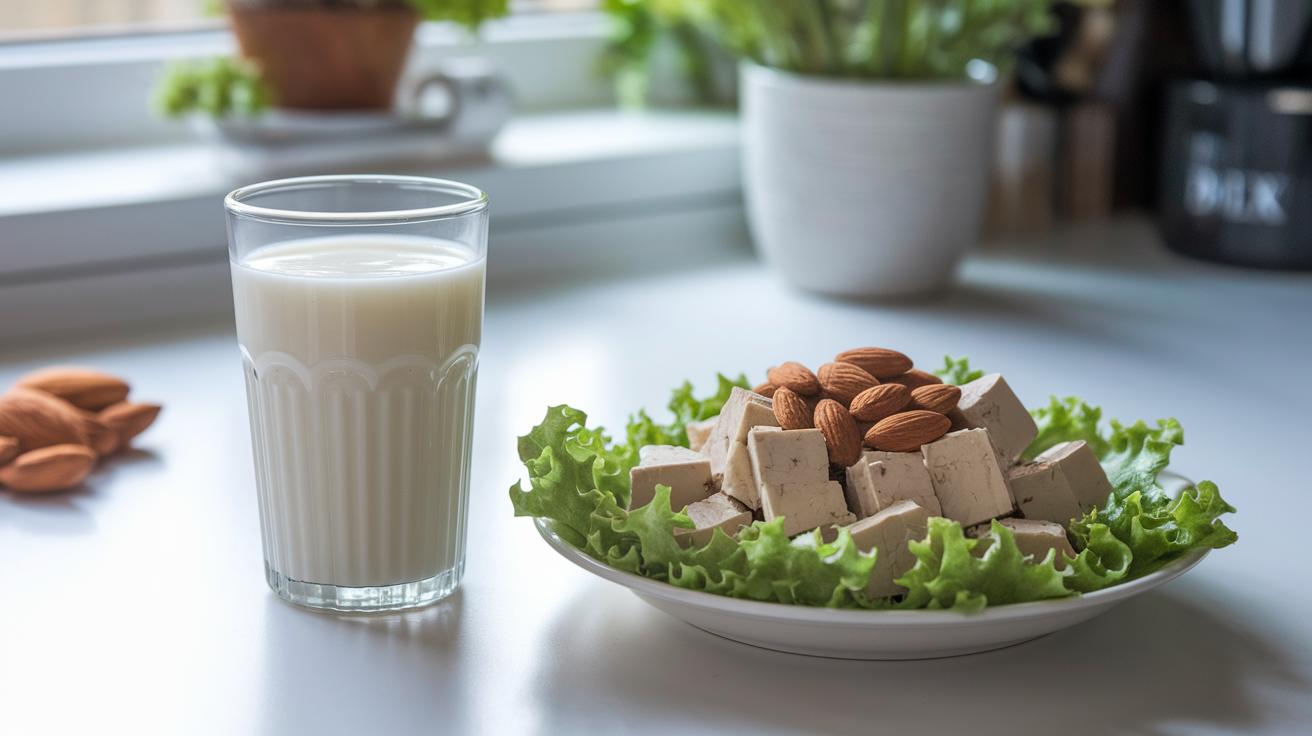
If you’re expecting, aiming for about 1,000 mg of calcium a day can help keep your bones strong and support your overall health. For those of you choosing a cow-free path, mix in calcium-fortified plant drinks with foods packed with calcium like leafy greens, tofu, and almonds. Think of it like adding a burst of fresh, natural goodness to your daily routine.
You might also want to keep your vitamin D up at around 600 IU each day. This nutrient helps your body soak up calcium properly. And hey, if your favorite plant milk isn’t packing enough vitamin D, a supplement with D2 could be just the little boost you need.
If you’re breastfeeding, your calcium goal stays at 1,000 mg a day, along with about 2.7 liters of fluids. It’s like a gentle reminder to keep hydrating while you care for your little one. Picture this: a refreshing glass of fortified almond milk while enjoying a crisp salad topped with tofu and almonds. It’s a simple, delicious way to boost your nutrition without missing a beat.
For more details, you can always check the maternal diet and wellness guidelines. These thoughtful recommendations help you create a balanced, cow-free calcium plan that supports a healthy, vibrant pregnancy every day.
Final Words
In the action, this article walked through how dairy alternatives work for maternal nutrition, focusing on options like soy, almond, oat, and rice milks. We compared nutrient profiles and shared easy meal ideas, label tips, and safety guidelines. Each step aimed to show how non-dairy choices can meet calcium, vitamin D, and protein needs during pregnancy and lactation. With balanced advice and clear suggestions, every reader can feel confident choosing dairy alternatives in maternal nutrition. Keep moving forward with small, nurturing changes.
FAQ
What are dairy alternatives in maternal nutrition and where can I find detailed resources?
Dairy alternatives in maternal nutrition refer to plant-based drinks like soy, almond, oat, or rice milk used to meet critical nutrients. Detailed resources such as PDFs offer comparisons, recipes, and nutrient profiles.
How do non-dairy options support nutritional needs during pregnancy and breastfeeding?
Non-dairy options such as fortified soy and almond milk supply essential calcium, vitamin D, and protein. They provide nutrient-rich support for both pregnancy and lactation while fitting diverse dietary preferences.
What substitutes for cow milk help ensure enough calcium during pregnancy?
Fortified plant-based milks—including soy, almond, oat, and rice—serve as substitutes by supplying calcium and vitamin D, which are important for fetal bone development and maternal health.
What dairy-free alternatives work well for 1-year-olds or those with milk allergies?
For toddlers or children with milk allergies, fortified beverages like soy or almond milk offer a gentle, nutrient-rich substitute that helps meet daily requirements while reducing exposure to allergens.
What do we call a dairy-free diet and what nutritional swaps does it include during pregnancy?
A dairy-free diet focuses on plant-based foods and beverages, incorporating fortified non-dairy milks and supplements to provide the necessary calcium, vitamin D, and protein during pregnancy.