Ever feel your heart race right before a big moment? It’s your body’s way of giving you a nudge, kind of like saying, “Something’s about to happen!” But stress isn’t just a quick thrill. It quietly builds up in your body, too, even when you don’t see any changes at first.
When everyday challenges stack up, you might notice your heart pounding and your breaths feeling a bit shallow. Over time, this stress can slowly wear you down without you even realizing it. Today, we’re chatting about both the quick signs and the longer-lasting effects of stress. Let’s explore some simple ways to bring a little more calm and wellness into our lives.
How Stress Impacts the Body: Immediate vs Long-Term Reactions
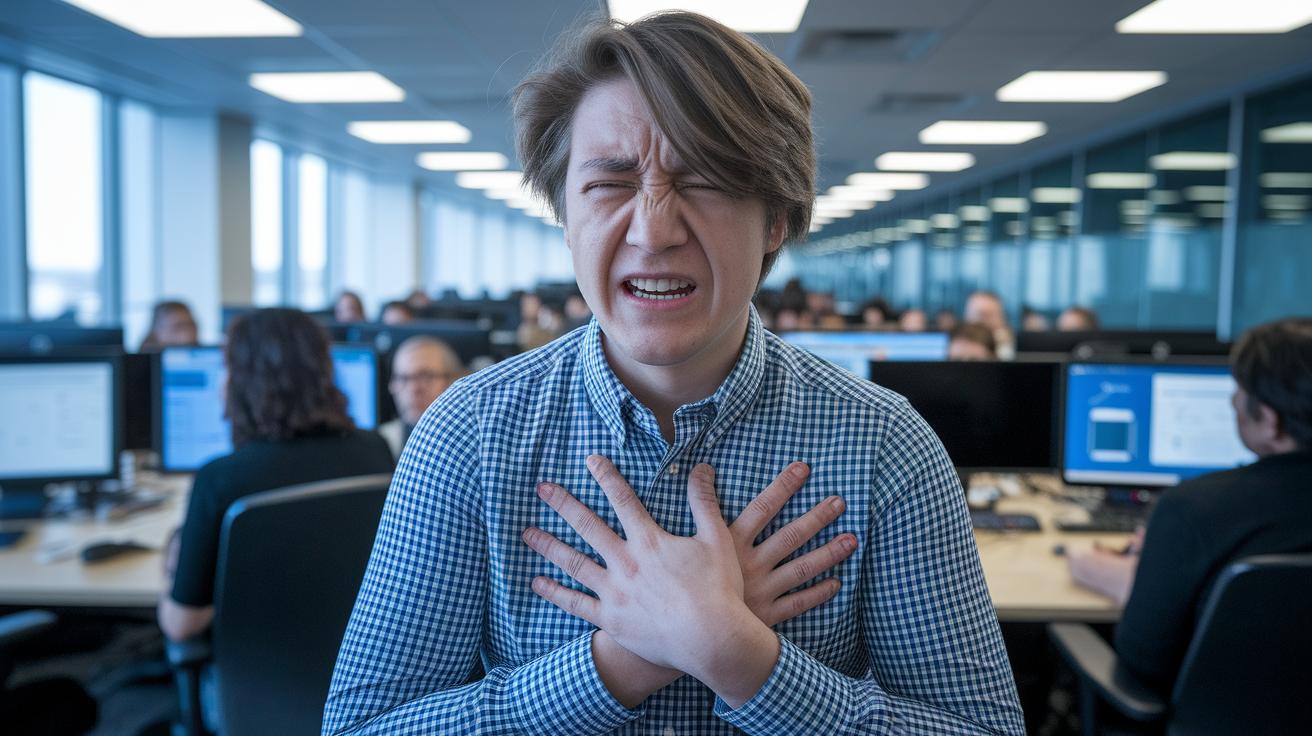
Stress is our body's natural way of reacting when things get tough, like handling both family and work or dealing with a hard life event such as a diagnosis or loss. Even the little everyday tasks can set it off, just like major challenges do. Have you ever felt your heart flutter a bit before an important meeting? That quick feeling is your body switching into alert mode.
When stress pops up out of nowhere, your body jumps into what we call the fight-or-flight mode. This means your heart beats faster and your breathing gets quicker as your body sends out extra fuel (glucose) so you can act fast. That sudden surge of energy can make you feel really alert and ready to face whatever comes next. Picture your heart pounding like a tiny drum, powering every part of you to meet a sudden challenge.
On the other hand, when stress sticks around for too long, it slowly wears your body down. This ongoing pressure can mess with your mood, weaken your immune system, make your digestion feel off, and even strain your heart. Think of it as a weight that gradually stops your body from bouncing back easily. Over time, this constant stress can impact everything, from how energetic you feel to your overall well-being. It’s a gentle reminder that keeping an eye on and managing stress is really important.
Nervous and Hormonal Stress Responses in the Body
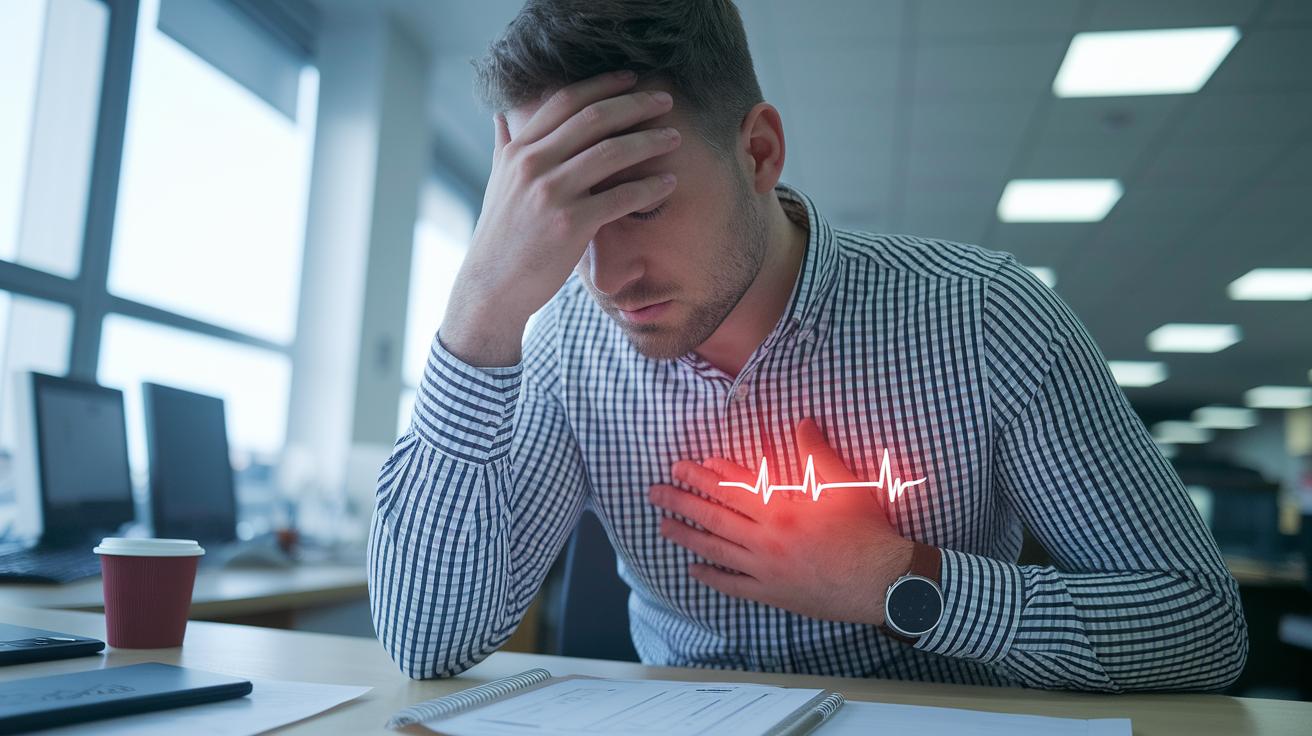
When stress hits, your body quickly sets off two important systems. First, the SAM axis jumps in to release hormones like adrenaline and noradrenaline. These hormones give you a burst of energy, making your heart beat faster and sharpening your senses.
At the same time, the HPA axis starts its work. It tells your adrenal glands to release cortisol, a hormone that helps keep your energy up by raising your blood sugar levels (sugar that fuels your body). This teamwork helps you respond fast and stay ready for what comes next.
| Hormone | Source Gland | Immediate Effect |
|---|---|---|
| Adrenaline | Adrenal glands | Quick energy and faster heartbeat |
| Noradrenaline | Adrenal glands | Increased alertness |
| Cortisol | Adrenal glands | Longer lasting energy boost |
These hormone surges affect many parts of your body. For example, if cortisol stays high for too long, it might lead to extra weight and a weaker immune system. Keeping these responses balanced is key to helping your body feel calm and strong.
Cardiovascular and Respiratory Effects of Stress on the Body
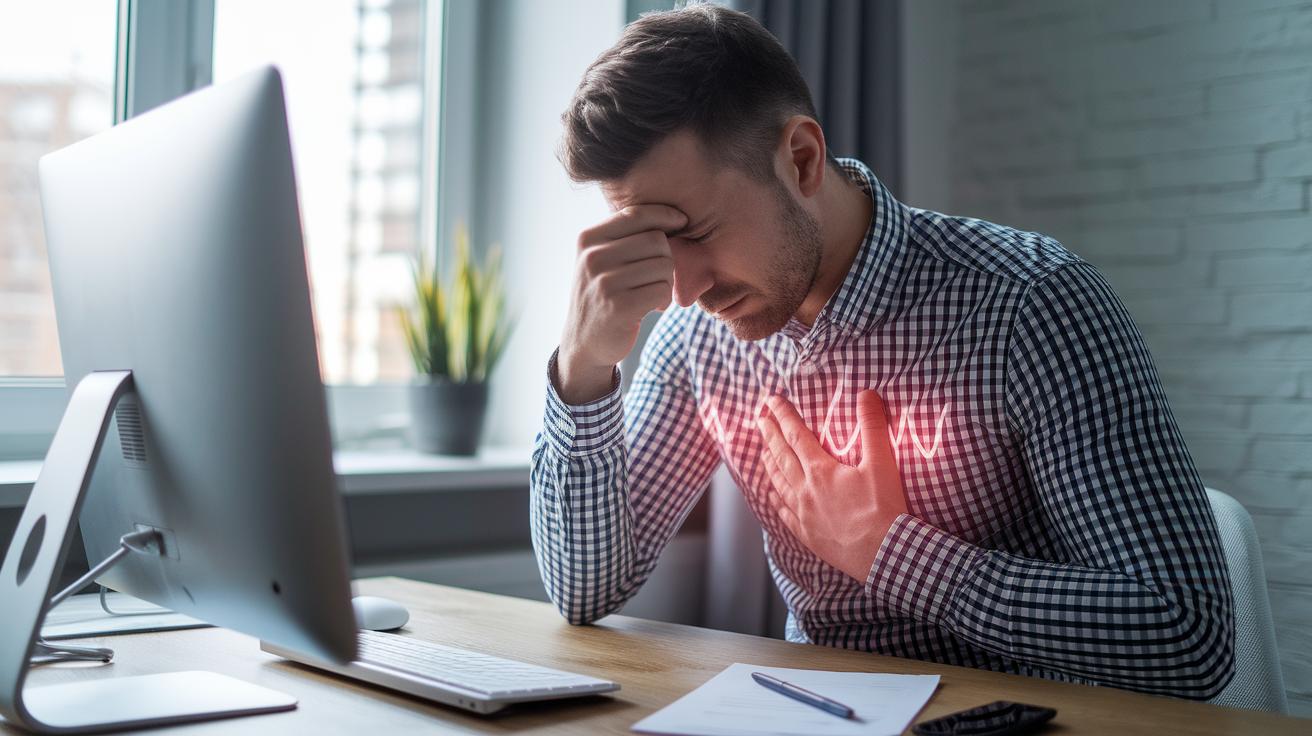
When stress hits, your body starts acting up, especially your heart and lungs. Your heart beats faster and your blood pressure goes up so that extra oxygen can flow through, almost like a car revving its engine to get away from a sudden obstacle. It’s that quick burst of energy that gets you ready to tackle a challenge head-on.
Short-term stress might push your heart into overdrive for a little while, but if it sticks around, things can get tricky. A heart that’s constantly racing can slowly raise your blood pressure and put extra strain on your arteries, like an engine that never really cools down. Over time, this extra workload can increase your risk of high blood pressure or even heart disease, which is definitely something to be mindful of.
On the breathing side, stress makes you breathe faster. Fast breathing can give you a quick shot of extra oxygen, but if your lungs are sensitive, like if you have asthma, it might lead to feelings of lightheadedness or even hyperventilation. That constant rush of rapid breaths can leave you feeling tired, as your body struggles to ease back into a calm, relaxed rhythm after each stressful spike.
Digestive, Metabolic, and Immune Consequences of Stress

When you’re stressed, your body might send extra sugar from your liver into your bloodstream. At first, that extra fuel seems helpful for a quick burst of energy, but if stress lingers, it can make you more likely to develop type 2 diabetes. Stress can also slow down your tummy’s natural rhythm, causing discomfort like that found in irritable bowel syndrome (a condition that makes your belly feel upset) or making your stomach produce too much acid, which might lead to painful ulcers. Imagine your stomach acting up like an engine that isn't running smoothly, turning meal times into something less enjoyable.
Stress also plays a mixed role when it comes to your immune system. In short bursts, it might actually give your body a little boost, helping you fight off minor colds or infections. But if stress hangs around too long, it starts to lower your body's natural defenses. This can lead to a steady, low-grade inflammation that sometimes even makes your immune system mistakenly attack your own cells. Over time, that constant inflammation can leave you feeling worn out, much like trying to run a marathon without enough rest.
Musculoskeletal Tension and Pain from Stress

When you’re feeling stressed, your muscles naturally tighten up, almost like you're bracing for a sudden noise. It’s your body’s way of protecting itself, even when nothing dangerous is around. Your shoulders, neck, and back might feel stiff, like tiny springs that just can’t relax after a long day.
Over time, this constant tightness can turn into everyday aches or even headaches. You might notice your jaw feeling sore or experience migraines that make busy days even harder. Simple tricks like slowly rolling your shoulders or holding a gentle stretch for a minute can help ease that pressure. Sometimes, a little care is all it takes to bring back a sense of comfort.
Cognitive and Emotional Stress Effects on the Body

Sometimes, stress tricks our memory and focus. When cortisol levels rise and small changes happen in parts of the brain like the hippocampus (which helps with memory), you might start to feel a bit forgetful or find it hard to concentrate. It’s like your mind gets wrapped in a soft fog, making simple tasks seem extra tough. Ever had that moment when you just can’t remember your grocery list even though it was right there? That’s stress quietly nudging in.
On the emotional side, stress often shows up as sudden anxiety, irritability, or mood swings. You might react more strongly to little annoyances or feel overwhelmed by everyday tasks. Sometimes, these feelings can deepen, hinting at stress-triggered levels of sadness. Imagine a day when even a small setback feels unusually upsetting, that’s your heart whispering that stress is around.
Over time, ongoing stress can wear down your emotional balance and impact your overall mental well-being. The constant pressure might make it hard to regulate your emotions, leaving you feeling more down or on edge. It’s like being on a roller coaster with very few calm moments, a quiet reminder that stress settles in both your body and your heart.
Behavioral Indicators and Long-Term Health Risks of Stress

When stress builds up, it often shows in little ways we can see every day. You might notice your appetite changing, maybe you’re eating more than usual or sometimes less. Sleep can also take a hit, with restless nights or waking up suddenly in the middle of the night. Sometimes, stress makes you want to spend time alone instead of being with family and friends. And occasionally, you might find yourself leaning on things like alcohol or other habits to cope. These early signs are soft hints that your body is trying to tell you something isn’t quite right.
Over time, if stress sticks around, it can lead to more serious problems. Long-lasting stress has been linked to health issues like heart disease, type 2 diabetes, and some immune system problems. It might bring on aches that just won’t go away or make you feel like you’re aging faster than usual. When these issues start showing, everyday life can feel even more challenging. Noticing these signals early gives you a chance to make simple changes that may help stop these bigger health problems before they take hold.
Stress Management Techniques to Reduce Body Effects

Taking steps to reduce stress is a thoughtful gift for both you and your family. By weaving in small daily habits, you can lower stress hormones, lift your mood, boost your immune system, and even sleep better at night. It’s amazing how quick these little practices can be! Exercise and mindful moments are two proven ways to promote mental well-being (Strategies for mental wellness – https://womensconference.org?p=15687).
You can try things like:
- Exercise as a stress buster (Strategies for mental wellness – https://womensconference.org?p=15687)
- Meditation to quiet your mind (Strategies for mental wellness – https://womensconference.org?p=15687)
- Deep breathing to bring calm
- Simple nutrition tips for stress balance
- Sleep routines that help you rest better
- Relaxing your muscles step-by-step to ease tension
- Better time management to smooth out daily pressures
- Leaning on friends and family for support
- Biofeedback to notice what your body is telling you
- Yoga for gentle movement and self-care
- Guided imagery for a mental escape
- Journaling to sort through your thoughts
Each tip is like a small, caring moment you gift yourself. When you make time for these practices, you help your body shift from constant alertness to a state of quiet strength. It’s like taking a mini-break during a busy day that leaves you feeling more at peace and balanced.
Final Words
In the action, we explored how stress impacts the body, from the immediate fight-or-flight reactions to long-term changes across systems like digestion, muscles, and emotions. We saw how increased heart rate, high cortisol levels, and persistent muscle tension shape our well-being. Small stress-reduction techniques, like mindful breathing or a gentle stretch, can make a big difference. Reflecting on the effects of stress on the body reminds us that caring for ourselves is essential. Let’s embrace these tips and feel more supported and strong every day.
FAQ
Q: What are the long-term effects of stress on the body?
A: The long-term effects of stress on the body include increased risks to heart health, digestion issues, weakened immunity, and mental fatigue due to persistently high cortisol levels and ongoing muscle tension.
Q: What are the symptoms and physical signs of stress?
A: The symptoms and physical signs of stress include rapid heartbeat, muscle tightness, headaches, digestive upset, and fatigue. These signals indicate that the body is reacting to high stress levels.
Q: What can stress do to a woman’s body?
A: Stress can affect a woman’s body by disrupting hormonal balance, elevating blood pressure, causing digestive issues, and increasing feelings of anxiety or mood swings, potentially impacting overall health.
Q: What are the effects of stress on the body and mind?
A: The effects of stress on the body and mind encompass heightened heart rate and blood pressure along with mental challenges like anxiety, concentration difficulties, and mood changes, creating both physical and emotional strain.
Q: What are the psychological effects of stress?
A: The psychological effects of stress include feelings of anxiety, irritability, and mood swings. Over time, these reactions can lead to difficulties with concentration and a higher risk of depressive symptoms.
Q: What are the positive and negative effects of stress?
A: Stress can provide a burst of energy and alertness for short challenges, yet it often leads to negative outcomes such as chronic health issues, mental fatigue, and emotional imbalance when it becomes prolonged.
Q: What are the positive effects of stress?
A: In small amounts, stress can sharpen attention and boost energy, helping you react quickly in emergencies and stay alert during tasks that require immediate focus.
Q: What are the effects of chronic stress?
A: Chronic stress can strain the body by increasing inflammation, raising the risk of heart disease and diabetes, and contributing to continuous mental overwhelm, ultimately eroding both physical and emotional health.
Q: What are five warning signs of stress?
A: Five warning signs of stress are trouble sleeping, changes in appetite, frequent headaches, ongoing muscle tension, and persistent irritability, all of which may signal the body’s need for care and stress management.
Q: What are the five stress levels?
A: The five stress levels include brief acute stress, episodic acute stress, chronic stress, burnout, and overload, each representing a step up in both frequency and impact on your health.
Q: How can you reset after chronic stress?
A: Resetting after chronic stress involves calming techniques like deep breathing, mindfulness, regular sleep, and engaging in activities you enjoy while connecting with supportive people to restore balance.