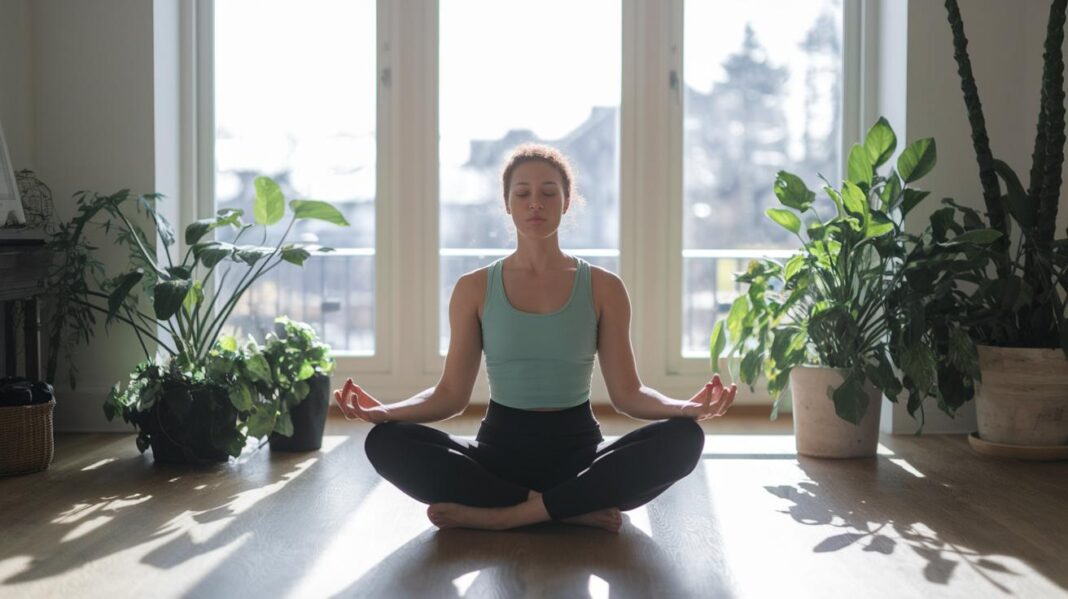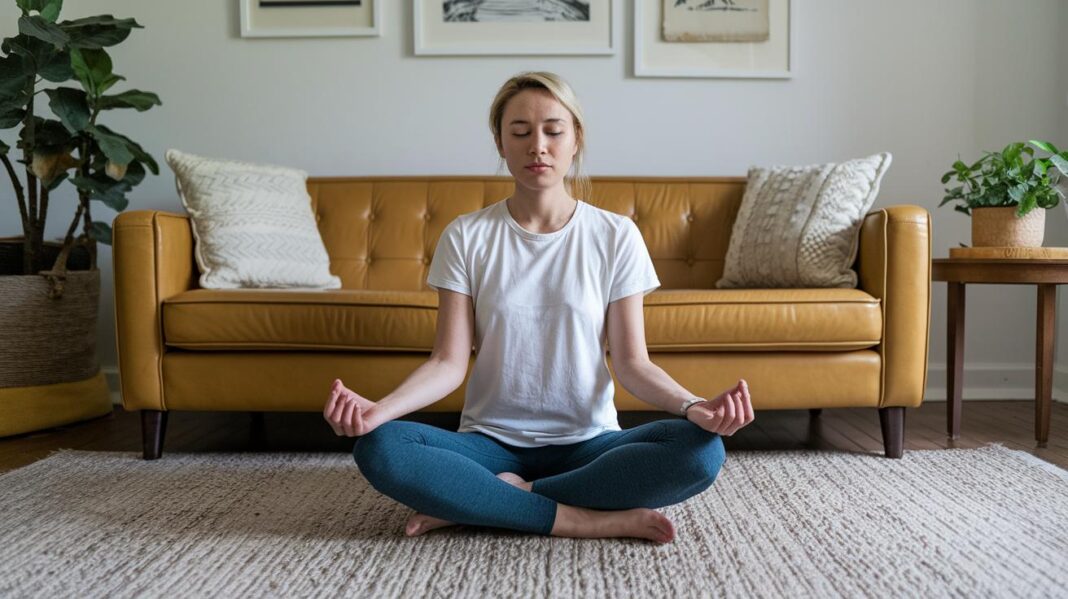
Have you ever thought about how guided meditation can melt away your stress? Picture yourself settling into a cozy spot while a gentle voice walks you through a calm, simple process. When you feel your heart racing or your muscles tightening, this practice can help you relax, almost like a little cloud drifting off in a soft breeze. Today, we’re taking a closer look at an audio meditation that can bring a sense of peace into your everyday life, along with some easy tips you can use right away.
Step-by-Step Audio Guided Meditation for Immediate Stress Relief
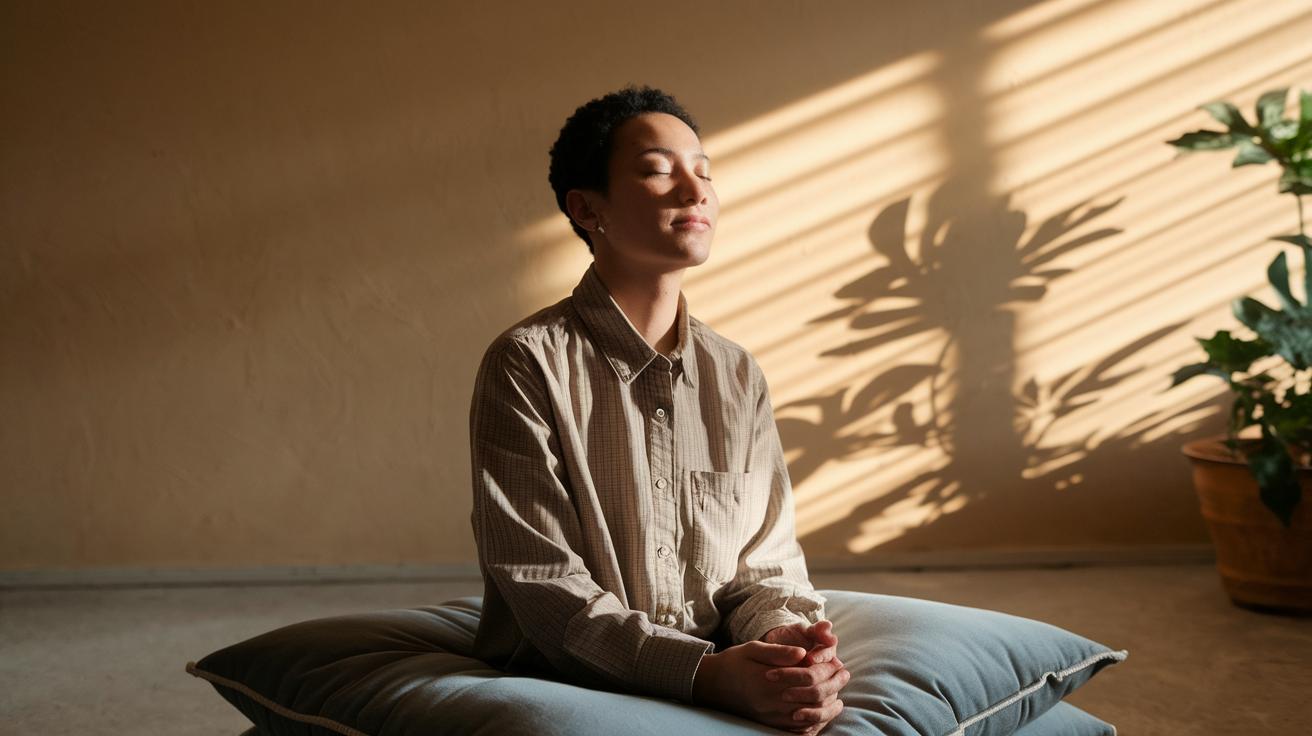
When you notice your heart beating a little too fast or feel your jaw tighten up, try sitting in a comfortable chair or on a soft cushion in a quiet spot. Sit upright yet relaxed, letting go of any tension. Close your eyes and take a few deep breaths. Imagine your stress as a small cloud slowly drifting away with every exhale.
Start by doing a gentle body scan. Begin at your head and gradually move your focus down your body, starting with your face, then your neck, shoulders, arms, torso, legs, and finally your feet. Picture each part softening with every breath. Think of it like your shoulders easing with a soft sigh.
Next, shift your focus to your breathing. Take a slow, deep breath, pause for just a moment, and then let it out slowly. As you do, imagine a warm light glowing at the top of your head. Let that light spread gently down to your toes, soothing your muscles and calming your mind. It’s like feeling a little bit of sunshine fill you up.
Now, try a relaxation countdown. As you exhale, slowly count down from 5 to 1. With each number, feel yourself sinking deeper into calm. When you reach 1, let any remaining tension just melt away.
Finally, gently reconnect with your surroundings. Wiggle your fingers and toes to bring some movement back into your body. Allow your breath to return to its normal, natural rhythm. When you’re ready, slowly open your eyes and notice a feeling of renewed ease and calm, welcoming you back to the present moment.
Advanced Variations and Complementary Meditation Practices
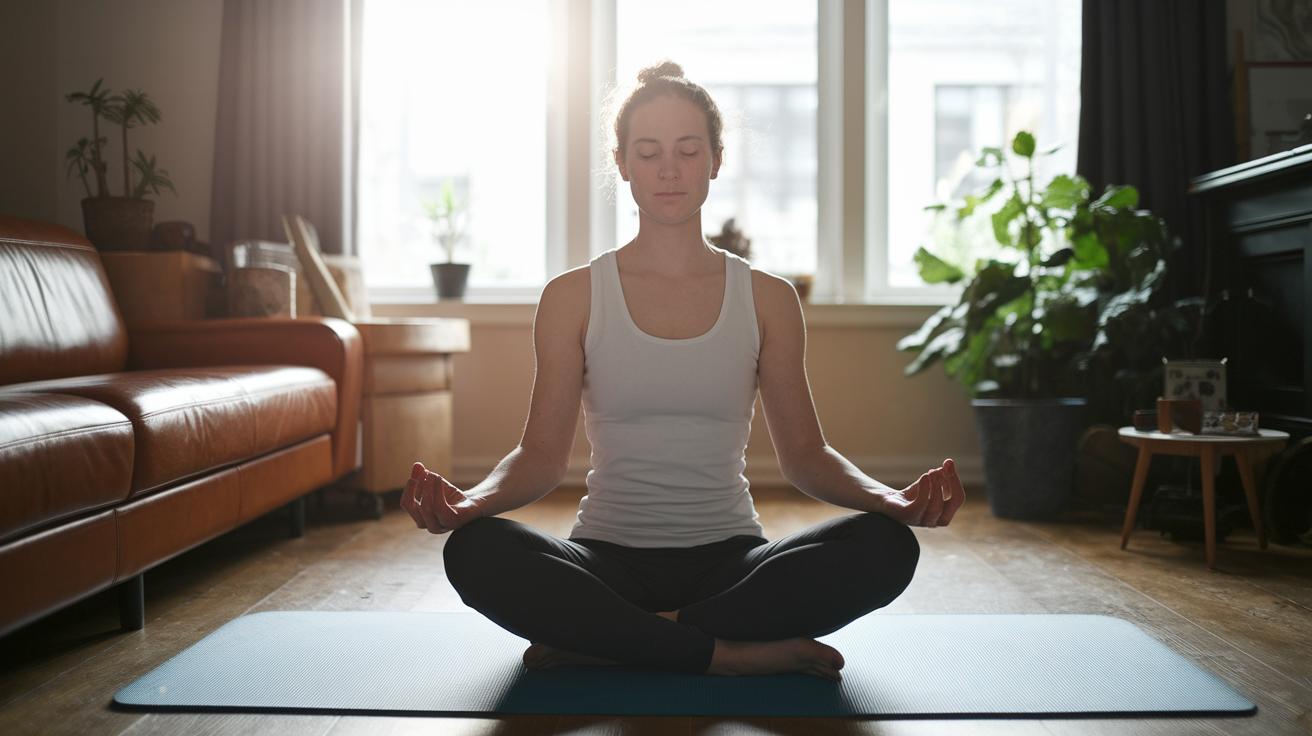
After you've enjoyed the basic guided session, you might want to try some extra techniques that go a bit deeper in easing stress. One gentle way is to use mantra meditation. Think of a simple phrase like "I am calm" as you picture a warm, soft light around you. With each breath out, quietly repeat your special word. It’s a lovely method to quiet busy thoughts and help you feel a steady calm.
Another nurturing option is loving-kindness meditation. Start by focusing on yourself, imagining that warm light flowing slowly from your head all the way to your toes. As you do so, softly say, "May I be at peace." Soon, you can send these kind wishes to someone close, and then, eventually, extend them to people you might not know well. This practice wraps you in self-compassion and helps you feel more connected to those around you.
You might also try pairing your session with calming music. Pick some soft, layered tunes or gentle instrumental sounds that make you feel at home. Let the music mix with your guided imagery as you breathe deeply. It’s a bit like having a quiet lullaby that matches your breath and soothes your mind.
For a change of pace, consider a walking meditation. Choose a quiet spot and pay close attention to each step, notice how your feet touch the ground. This simple practice blends gentle movement with mindfulness and turns a short walk into a peaceful moment of relief.
There’s also an open-awareness practice, where you simply let thoughts drift by like little clouds across a wide, blue sky. Instead of focusing on one image or feeling, watch them come and go without any judgment. Each of these advanced techniques brings its own special gift, whether it’s more focus, a deeper connection with yourself and others, or a sense of calm movement and presence in your meditation.
Benefits of Guided Meditation for Stress Management
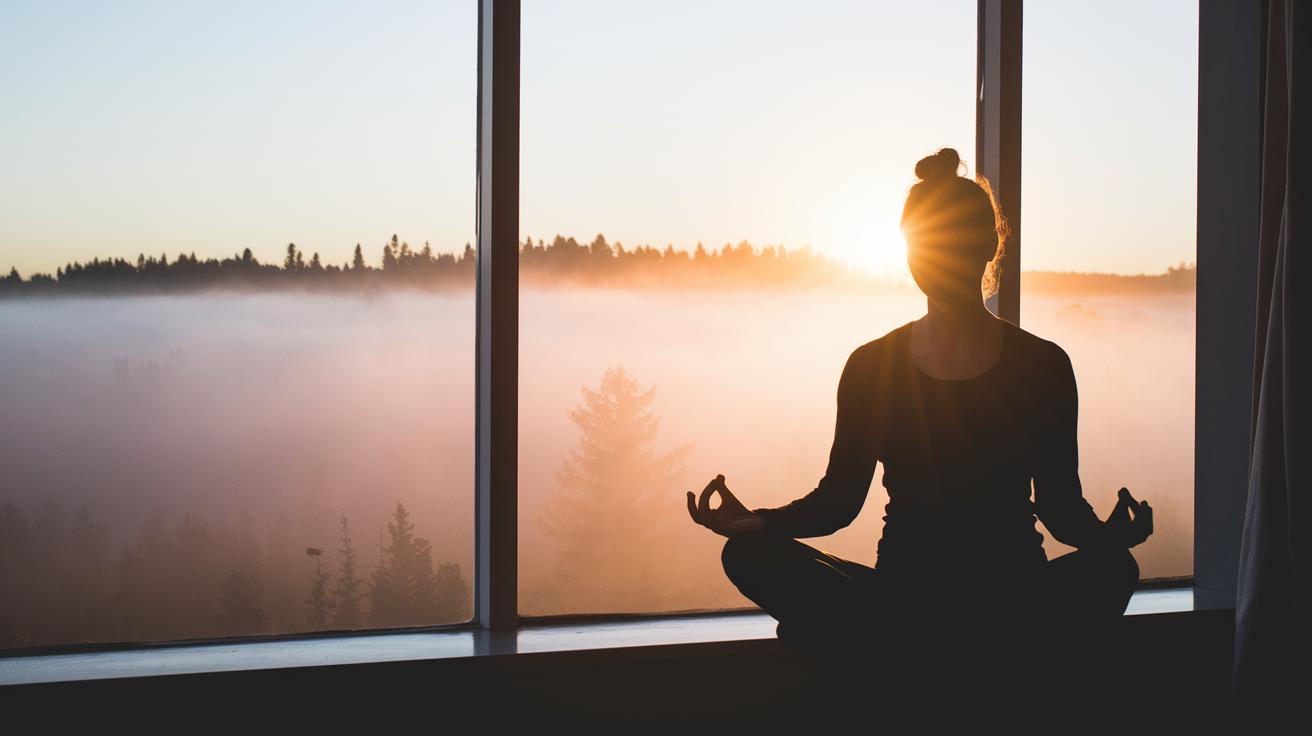
Research shows that practicing meditation every day can actually change the brain. It helps build more gray matter in the parts that deal with stress. Studies have found that regular practice can lower cortisol (the stress hormone) and even improve your sleep. Think of these guided sessions as a gentle remedy for everyday stress, inviting you to stay present and kind to yourself. Imagine finishing a session with a mind as clear as a fog lifting at sunrise, each practice helping you feel a little calmer and more focused.
Every time you try it, you might notice small changes in your day. You could find fewer racing thoughts during busy work hours or feel more ready to tackle unexpected challenges. The friendly, guided approach can be especially comforting for beginners, often showing results quicker than trying to meditate on your own. Just a few minutes a day can help you feel more balanced and less overwhelmed.
In our fast-paced world, guided meditation does more than ease stress. It builds a strong foundation for long-term mental and physical wellness by helping you create a consistent and nurturing routine.
Tips for Beginners Starting Guided Meditation
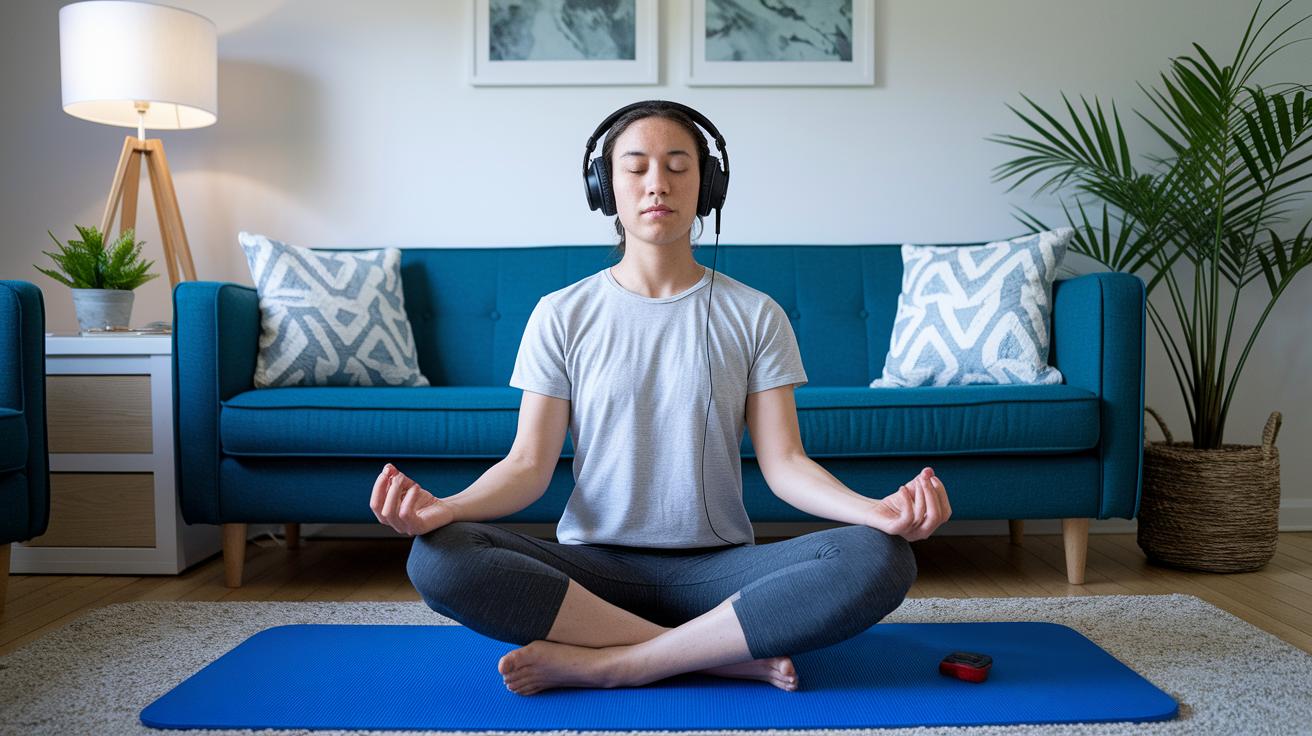
Try starting with just 2–5 minutes each day. Think of it as a quick break to help reduce stress without overwhelming yourself. Once you feel more at ease, slowly increase your time until you reach 20 minutes or so. You might be surprised, just two minutes of guided meditation can bring a calm that stays with you for hours.
Add a little variety to your practice by including some audio adjustments. Simple changes like a soft tone or gentle background sounds can guide you through different parts of your session. It might also help to use a player that lets you adjust the speed, letting you follow along at a pace that feels right for you.
- Start with short sessions of 2–5 minutes
- Gradually extend your practice to 20 minutes or more
- Enjoy subtle audio cues like a change in tone or soft sounds
- Choose a player with adjustable speed so you can set your own pace
And remember, if your anxiety sticks around, it might be a good idea to chat with a professional who can offer some extra guidance.
Integrating Guided Meditation into Daily Mental Wellness Routines
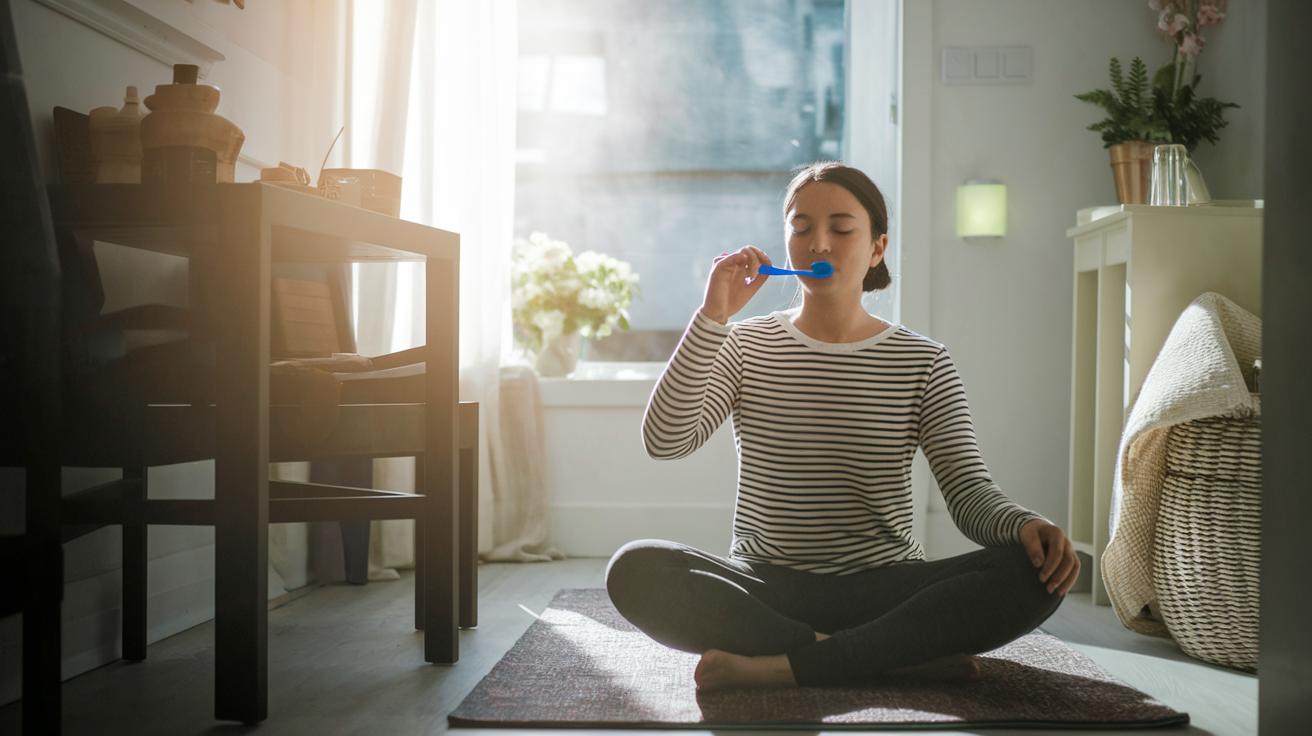
You can start by linking your meditation practice to the little activities you do every day. For instance, after brushing your teeth in the morning, try taking a quiet 3–10-minute break. Imagine sitting in a cozy spot, taking a few deep breaths, and slowly easing into your day. Even a pause after your lunch coffee break can work wonders for calming your mind. Before bed, settling into a short session can remind you to gently let go of the day’s worries.
Pairing your meditation with everyday habits makes it much simpler to build a steady routine. Think about taking a few quiet minutes after a light walk around your neighborhood. It’s like giving your mind a little break to unwind. Over time, these moments of stillness can help clear away stress and bring a calm rhythm back to your day. If you need some guidance, consider checking out a sample routine planner on the daily mental wellness routines guide on WomensConference.org. Even short moments of mindfulness can add up, filling your busy day with peaceful, calming energy.
Audio Tools and Digital Resources for Guided Meditation
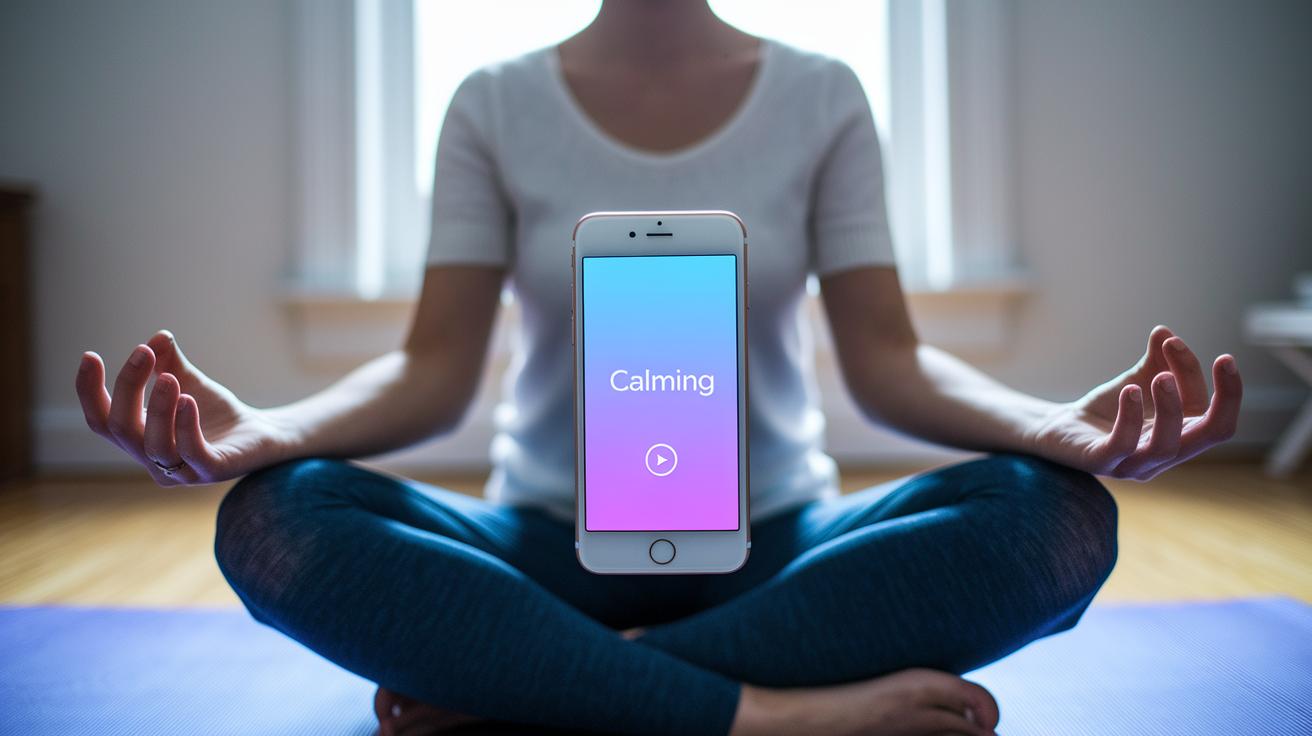
Today there are lots of digital apps that help you find a moment of calm when things feel overwhelming. You might try popular choices like Calm, Headspace, or Insight Timer. These apps offer kind, expert guidance, soft background sounds, and you can adjust the timing to fit your day. Imagine hearing a gentle chime as your session begins, it’s like a quiet voice inviting you to relax.
It helps if you choose sessions made by wellness professionals who bring trusted, science-backed advice. Some meditations even mix in gentle beats and layered sounds to deepen the experience. Many apps also let you download transcripts so you can follow along at your own pace. Picture a digital session showing a peaceful scene and guiding you to notice small changes in tone or rhythm.
- Many platforms provide both free and paid sessions.
- Look for sessions led by experts that let you set the pace and give clear steps.
- Features like gentle beats and curated playlists can make a real difference in your meditation.
If you’re curious about how these tools work with your mind and body, have a look at the mind-body connection and mental wellness resource at https://womensconference.org?p=15716. It’s a great way to learn more and deepen your understanding.
Final Words
In the action of relieving stress, we explored a step-by-step guided meditation that helps calm racing hearts and tight jaws. We moved from body scans to deep breathing, ending with a gentle return to awareness.
The article also shared extra meditation styles and daily practices that fit into your busy schedule. With this guided meditation for stress management, every mom can find a moment of calm to brighten her day. Enjoy the process and take it one soothing breath at a time!
FAQ
What is the best meditation for stress and anxiety?
The best meditation for stress and anxiety uses a guided approach that blends deep breathing, a gentle body scan, and calming visualizations to quickly ease tension.
How does guided meditation help with anxiety and overthinking?
The guided meditation for anxiety and overthinking redirects your focus with measured breath work and a relaxed countdown, helping you ease racing thoughts and regain a clear mind.
What is deep relaxation meditation for stress relief?
Deep relaxation meditation for stress relief guides you through a slow body scan and calming countdown, allowing you to release tension and soothe both your mind and body.
How do 10-minute guided meditations help manage stress and anxiety?
A 10-minute guided meditation offers a short, focused break that uses deep breathing and warm imagery to lower stress and clear distracting thoughts, making it ideal for busy moments.
What are the 5 R’s, 5 A’s, and key stress management techniques?
These frameworks outline steps like recognizing stress cues, responding thoughtfully, and readjusting your focus, alongside techniques such as deep breathing, structured meditation, exercise, and mindful breaks.
What meditation is good for stress?
A good meditation for stress involves guided relaxation that combines mindful breathing, body awareness, and calm visualization to ease pressure and promote a peaceful state.