Have you ever wondered if your everyday meals really cover all your extra needs during pregnancy? Sometimes, our regular diet might miss a few key nutrients. That’s where special supplements can step in to help fill those gaps.
Think of your supplements like a nifty little lunch box, packed with all the right bits to support both you and your baby during this important time. Each prenatal vitamin is made to give you nutrients such as folic acid (a type of vitamin that helps your baby grow) and iron, which together keep you both healthy and energized.
In this article, we’ll chat about how these nutrients work together to keep you strong and help your little one thrive.
Understanding Essential Prenatal Vitamins: Defining Key Nutrients for Pregnancy
Prenatal vitamins are special supplements made to give you extra nutrients that your body needs during pregnancy, nutrients that sometimes are hard to get from your regular meals. When you're expecting, your body asks for more folic acid, iron, calcium, vitamin D, and other important vitamins to help your little one grow, especially in those first few weeks when the baby’s organs are just starting to form.
Today’s supplements are much improved compared to the old days. They pack a full range of nutrients along with some extras made just for pregnancy. This helps cover any gaps that might not be filled by fruits, vegetables, whole grains, and proteins. Many experts suggest that you begin taking these vitamins before you even get pregnant, or right when you find out. And if you’re ever unsure, it’s always a good idea to chat with your healthcare provider or check out reliable sources like the prenatal care vitamins page on WomensConference.org.
Eating a balanced diet is still key to staying healthy during pregnancy, and prenatal vitamins work hand-in-hand with nutrient-rich meals to meet your body’s higher needs. They’re a simple and trusted way to support both you and your baby, reflecting the latest in nutritional science. Adding the right supplements can really help manage those extra demands, so you can feel your best during this special time.
Core Prenatal Vitamins and Essential Minerals in Pregnancy Formulas
Prenatal vitamins help cover the nutrition that sometimes a regular diet might miss during pregnancy, offering extra support for both you and your baby as you grow together. They provide important vitamins and minerals that can help with getting pregnant and keeping you well. With just the right amounts, these supplements help your baby’s organs form properly while boosting your own health week by week. Here’s an easy look at the main ingredients that you might find in many prenatal formulas.
Folic Acid
Folic acid is super important for your baby’s growing brain and spine (the neural tube). Doctors usually suggest taking about 400 micrograms a day before you get pregnant and during the early weeks, and if there’s a history of neural tube issues, the amount might go up to 4,000 micrograms. It really gets your baby’s brain and spinal cord off to a strong start.
Iron
Iron helps build the extra blood your body needs to get oxygen to your baby. Over the whole pregnancy, about 1,000 milligrams of iron is needed, and most supplements offer around 30 mg each day. Even if you eat iron-rich foods, a little extra can help keep things steady for both you and your little one.
Calcium
Calcium is important for your baby’s growing bones, especially later in pregnancy when their skeleton needs plenty of support. Experts suggest aiming for about 1,000 mg a day. Besides supplements, enjoying foods like dairy products and leafy greens can help you reach that goal.
Vitamin D
Vitamin D helps your body use calcium to build strong bones and teeth, and it also supports healthy muscles. About 15 micrograms each day is usually recommended. This vitamin not only boosts bone health but might also help lower some pregnancy risks.
Vitamin A
Vitamin A helps your baby develop eyes, ears, arms, legs, and even a healthy heart. Keeping to a balanced amount of around 750–770 micrograms a day is best, as too much can be unsafe.
Vitamins C & E
Vitamin C, which is usually taken at about 85 mg a day, helps with making collagen for healthy skin and tissues. Meanwhile, about 15 mg of Vitamin E daily supports your immune system and overall well-being during this special time.
Dosage and Timing Guidelines for Taking Essential Prenatal Vitamins

Starting your vitamins early, before you even plan for a baby or right after a positive pregnancy test, can make a big difference for both you and your little one. By around week 6, when your baby’s organs start to form, every bit of nutrition counts. Taking your vitamins with a meal not only helps your body absorb the nutrients better, but it can also ease any tummy troubles. Imagine starting your day with a light breakfast and your vitamins, just like one mom did, and feeling smoother and more energized as a result.
It’s also really important not to take more than you need. Stick with the daily dose your provider recommends. A protein-rich snack later at night might even help keep your blood sugar steady and ease any nausea you might feel. Chat with your doctor to fine-tune your timing so both you and your baby can thrive naturally.
Safety and Side Effects of Essential Prenatal Vitamins: What to Watch For
Prenatal vitamins can sometimes lead to a few side effects that you might notice. For example, the iron in your vitamins can sometimes make you feel a bit nauseous or even cause a little constipation. If that happens, you might try switching to a different kind of iron or splitting your dose up throughout the day. And if you see your urine turning a bright yellow because of high B vitamin levels, don't worry, it's unusual but harmless.
Still, it's important to stick to the recommended amounts. Taking too much, especially with Vitamin A (over 770 mcg daily), can be risky and cause problems. It’s always a smart idea to talk with your healthcare provider about what you're taking, so you feel safe and supported throughout your pregnancy.
Choosing Quality Essential Prenatal Vitamin Brands and Formulas
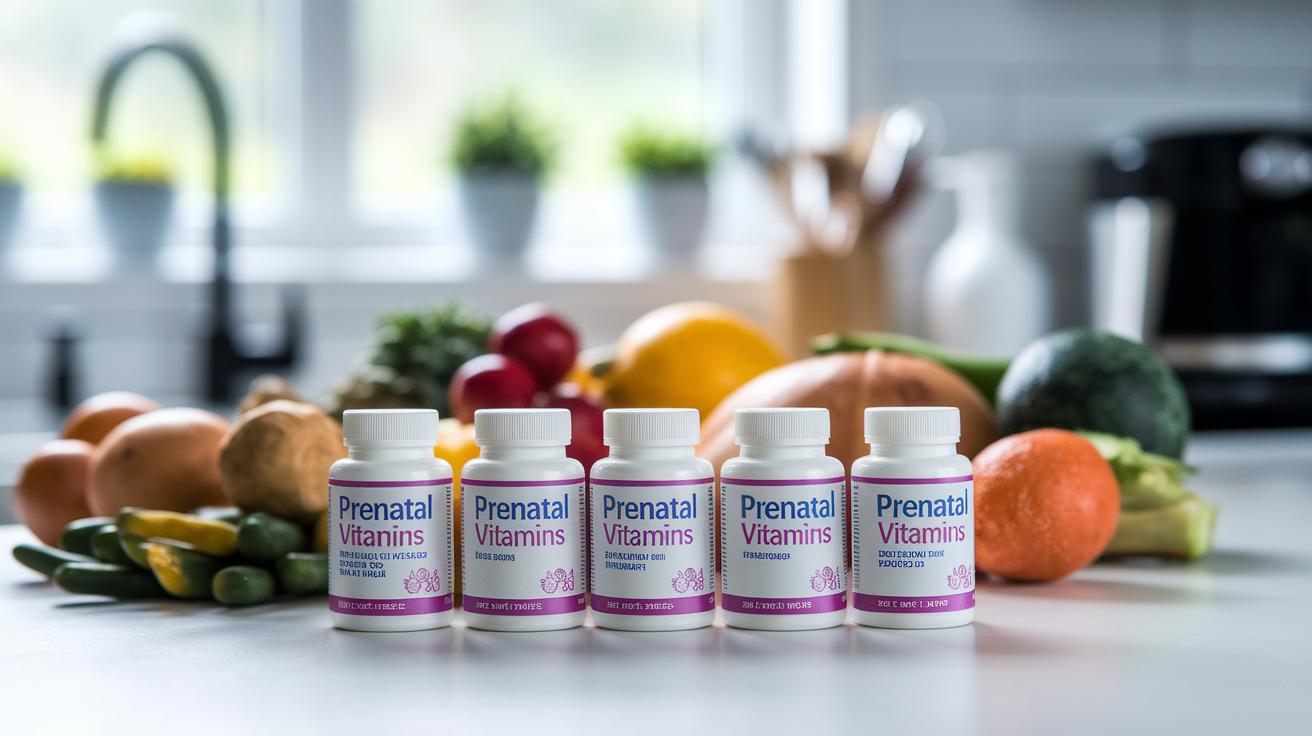
When you're choosing your prenatal vitamins, look for those backed by solid research and made with honest, clear ingredients. Vitamins today have really come a long way since the 1970s, they're designed to give you nutrients that are easy for your body to absorb while keeping extra additives to a minimum.
Trusted names like Sakara The Foundation, Ritual Prenatal Multivitamin, Needed Prenatal Multi Powder, One A Day Prenatal, and Nature Made Prenatal have earned their reputation by being upfront about what they include and by meeting important certification standards. They don’t just offer the basic vitamins and minerals needed during pregnancy; they also add extra nutrients to support both your health and your baby’s growth.
When picking a vitamin, take a moment to consider its key nutrient focus and any quality checks like USP or NSF certifications. It’s always a good idea to compare products side by side, especially when some offer features like powder form for better absorption or modern packaging that mirrors current research. Positive reviews from other moms and advice from healthcare experts can also guide you to the best choice for your lifestyle.
| Brand | Key Nutrient Focus | Unique Feature |
|---|---|---|
| Sakara The Foundation | Comprehensive nutrient spectrum | Modern packaging with research-backed formula |
| Ritual Prenatal Multivitamin | Bioavailable vitamins | Science-driven ingredients and minimal additives |
| Needed Prenatal Multi Powder | Optimal mineral blend | Powder form for enhanced absorption |
| One A Day Prenatal | Essential vitamins | Trusted brand with clear ingredient sourcing |
| Nature Made Prenatal | Transparent nutrient ratio | Third-party tested for potency and purity |
Integrating Essential Prenatal Vitamins with a Balanced Maternal Diet
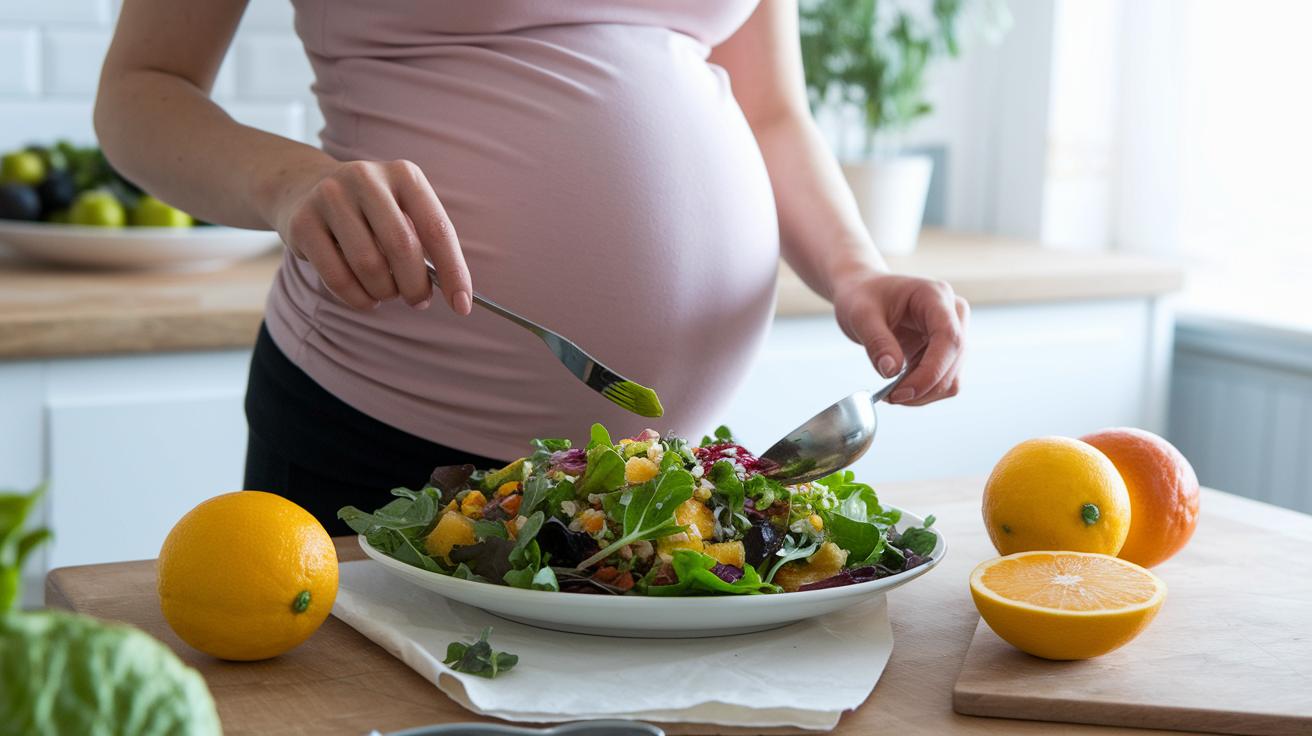
Taking your prenatal vitamins along with a balanced diet is a simple way to care for yourself and your baby. When you mix trusted supplements with a variety of nourishing foods, you give your body a strong boost. Whole foods like fruits, vegetables, whole grains, and lean proteins come packed with antioxidants, fiber, and other good things that work in harmony with your vitamins.
Eating this way helps keep your blood sugar steady and might even ease morning nausea, especially if you include a protein-rich snack before bed. In other words, by combining your daily vitamins with a diverse, healthy diet, you're setting up your body to meet the extra needs of pregnancy.
For more clear ideas on meal planning and nutrient-rich foods, check out the maternal diet and wellness guidelines here: maternal diet and wellness guidelines.
| Food | Nutrient Benefit |
|---|---|
| Leafy greens | Folate |
| Lean red meat | Iron |
| Dairy or fortified alternatives | Calcium and vitamin D |
| Citrus fruits | Vitamin C |
| Nuts and seeds | Vitamin E |
| Whole grains | Fiber and antioxidants |
Final Words
In the action, we explored how essential prenatal vitamins support changing nutrient needs during pregnancy, from boosting folic acid levels to balancing iron and calcium intake. The post broke down safe dosage timing and strategies for easing side effects while suggesting quality brands backed by expert research. We also showed how to pair these vitamins with a nourishing, balanced diet to fill nutritional gaps. Combining thoughtful supplement routines with wholesome meals can help you feel confident and cared for every step of the way.
FAQ
Which prenatal vitamin brands are well-regarded?
The preferred prenatal vitamin brands include Ritual, Nature Made, and Thorne. These brands are known for quality formulations that address key nutrient needs, and reviews help guide which option may suit you best.
What are the essential vitamins included in prenatal supplements?
The essential prenatal vitamins include folic acid for neural support, iron for blood growth, calcium for bones, vitamin D for mineral balance, vitamin A for organ development, and vitamins C and E for collagen and immune health.
Do I really need prenatal vitamins?
Prenatal vitamins are important because they help meet increased nutrient demands during pregnancy and early development, supplementing a balanced diet. It’s best to consult a provider to tailor your supplement needs.
How might prenatal vitamins benefit someone who isn’t pregnant?
While prenatal vitamins are designed for pregnancy and preconception support, they can help balance nutrient intake. If not pregnant, discussing their use with a healthcare professional is the best approach.
What side effects might occur from taking prenatal vitamins or gummies?
Common side effects include nausea, constipation from iron, and bright yellow urine from B vitamins. Adjusting the dosage or formulation may help reduce these symptoms; consult your provider for personalized advice.