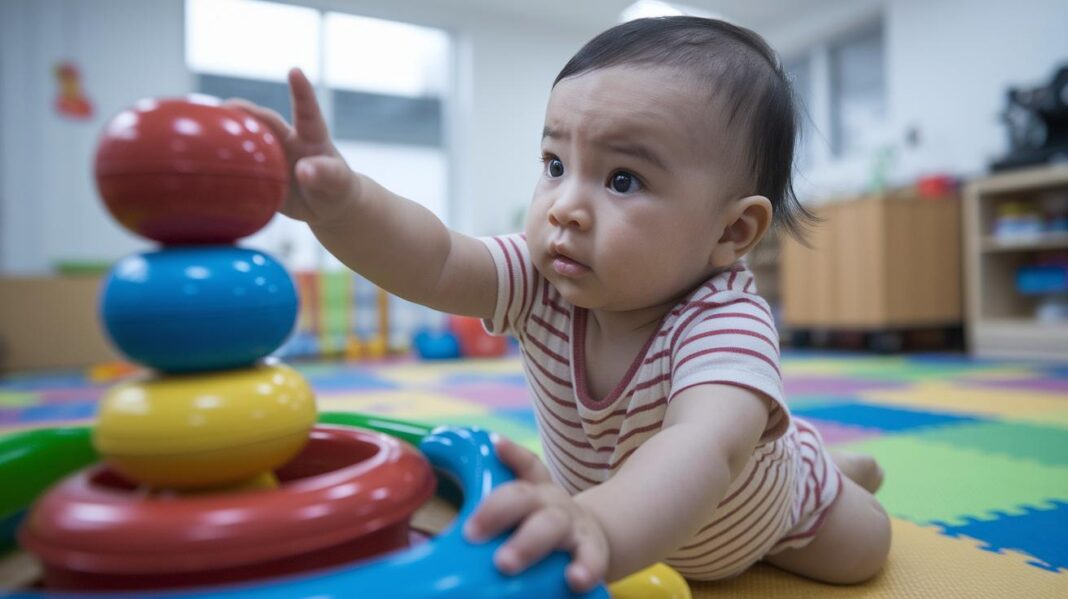
Have you ever watched your baby reach for a toy and thought, "Wow, that's something special"? Every little swipe and clumsy grab isn’t just cute, it’s a step toward learning how to see and touch. Each tiny movement builds a base for better control and skill. And when those early actions turn into clear, purposeful gestures, you're really seeing growth happen. It's like getting a heartwarming peek into their world, where even the smallest steps lead to amazing new skills.
Understanding Infant Hand-Eye Coordination Milestones
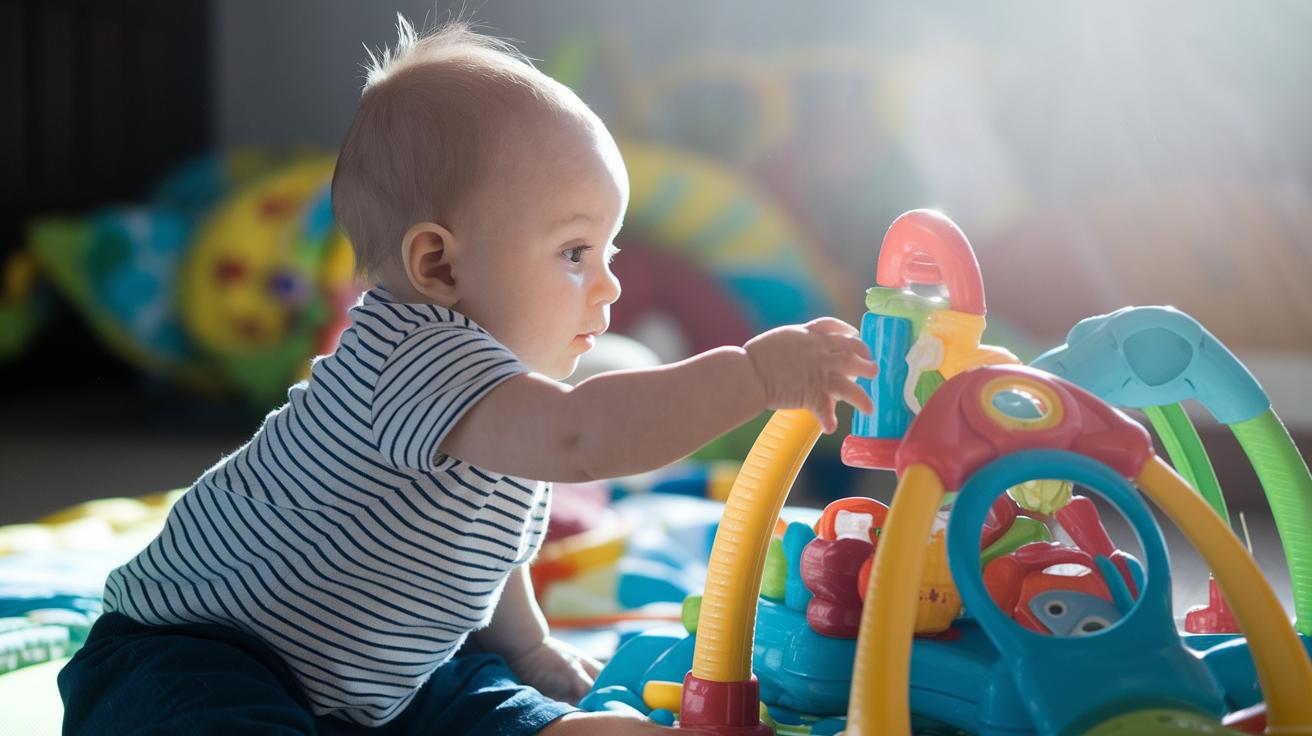
Hand-eye coordination means your baby sees something and then uses their hands to reach for it. It's not something babies are born doing, they learn by playing and exploring. Think about a baby trying to swipe at a bright, colorful toy hanging nearby; that little act is one of their first lessons connecting what they see with how they move.
During the first six months, babies use rough, imprecise movements and watch closely to learn about their surroundings. Even something simple, like stretching for a rattle, helps them figure out how far away things are. Then, between six and twelve months, you might notice they get much better at grabbing things. They move from a clumsy whole-hand grab to a tiny, precise pincer grip. Soon, you may see them gently tapping toys on a table or even holding their own bottle. Every baby grows at their own pace, and that's perfectly normal. Imagine a toddler carefully picking up a small block, it shows they're gaining control and confidence with every little move.
infant hand-eye coordination milestones Spark Growth

Watching your baby explore is like seeing little wonders unfold every day. At the start, your baby uses their eyes to track bright, high-contrast objects and might even swipe at things around them. Soon, you'll notice these swipes turning into purposeful reaches as they start moving from big, clumsy grabs to careful, gentle touches.
Take a look at the table below. It shows how your baby moves through different stages, like switching from a hasty swipe to passing a toy from one hand to the other. Each change is a sign that they're building stronger control and a keen sense of exploration.
| Age Range | Key Milestone | Typical Behavior |
|---|---|---|
| 0–3 Months | Visual Tracking | Follows high-contrast mobile; swipes at objects |
| 3–6 Months | Coordinated Reach | Transfers toy between hands; grabs a rattle |
| 6–9 Months | Refined Grasp | Bangs objects; starts using a raking grasp |
| 9–12 Months | Pincer Grasp | Picks up small pieces; holds a bottle independently |
Remember, every baby grows in their own time. Watching these steps, from whole-hand actions to more skilled, delicate moves, is a lovely look at how your little one gains confidence and control every day.
Interactive Activities to Develop Infant Hand-Eye Coordination
0 to 2 Months
Try offering your little one a pair of playful, high-contrast mittens or a mobile placed close by. These simple items invite gentle swiping while helping your baby focus on bold, clear patterns. Imagine your baby's eyes lighting up as they track a striking black-and-white shape. It’s a sweet first step in connecting what they see with how they move.
3 to 6 Months
Daily tummy time can be a real treat during these months. Spread out a favorite rattle or toy so your baby feels encouraged to lift their head, reach out, and move the object between their hands. Think of it as a warm, little game where every grasp sparks more curiosity and builds strength. It’s a gentle way to help them practice control through fun, repeated play.
6 to 12 Months
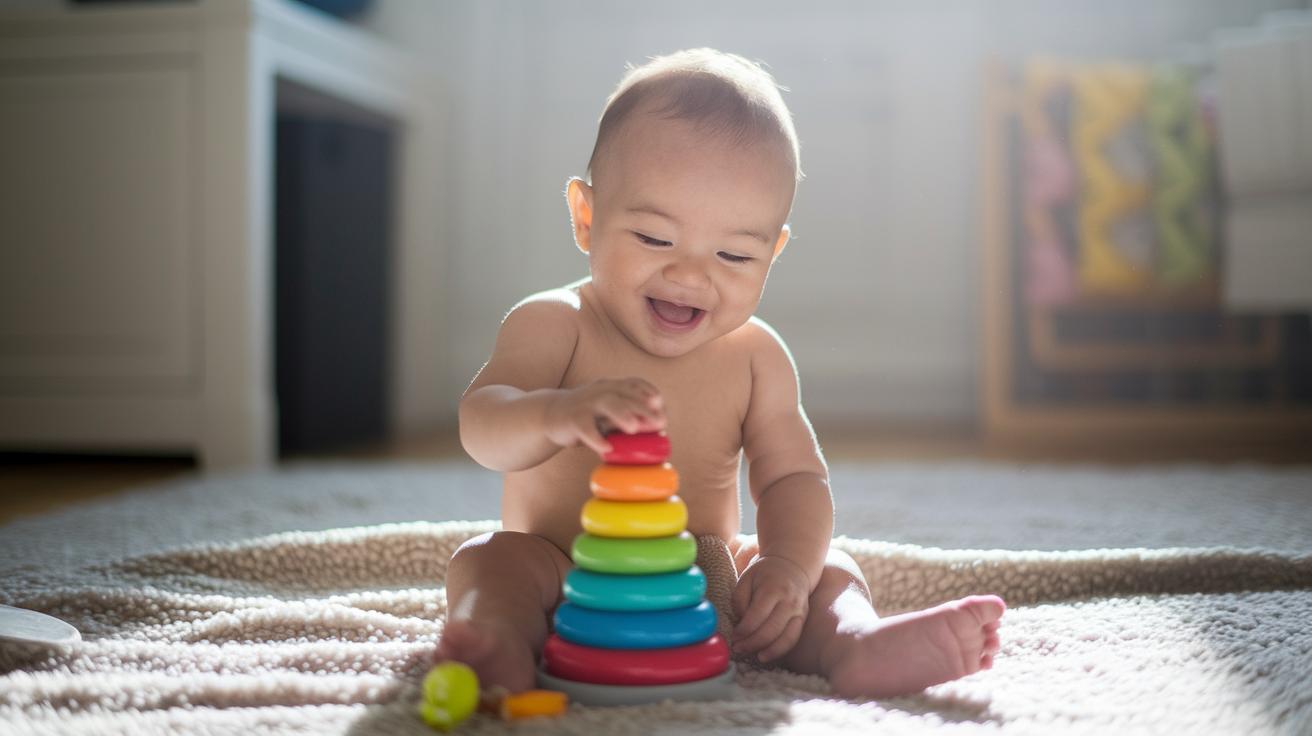
Now that your baby is growing, try rolling a soft ball back and forth. This fun exercise helps them work on timing and following moving objects. You might also offer some stacking rings or let them tap lightly on a tray. Picture your baby carefully stacking rings one by one, just like building a little tower. It’s a playful way to boost their grasp and release skills while supporting overall motor coordination.
Monitoring Infant Hand-Eye Coordination and Identifying Delays
Normal Progress Patterns
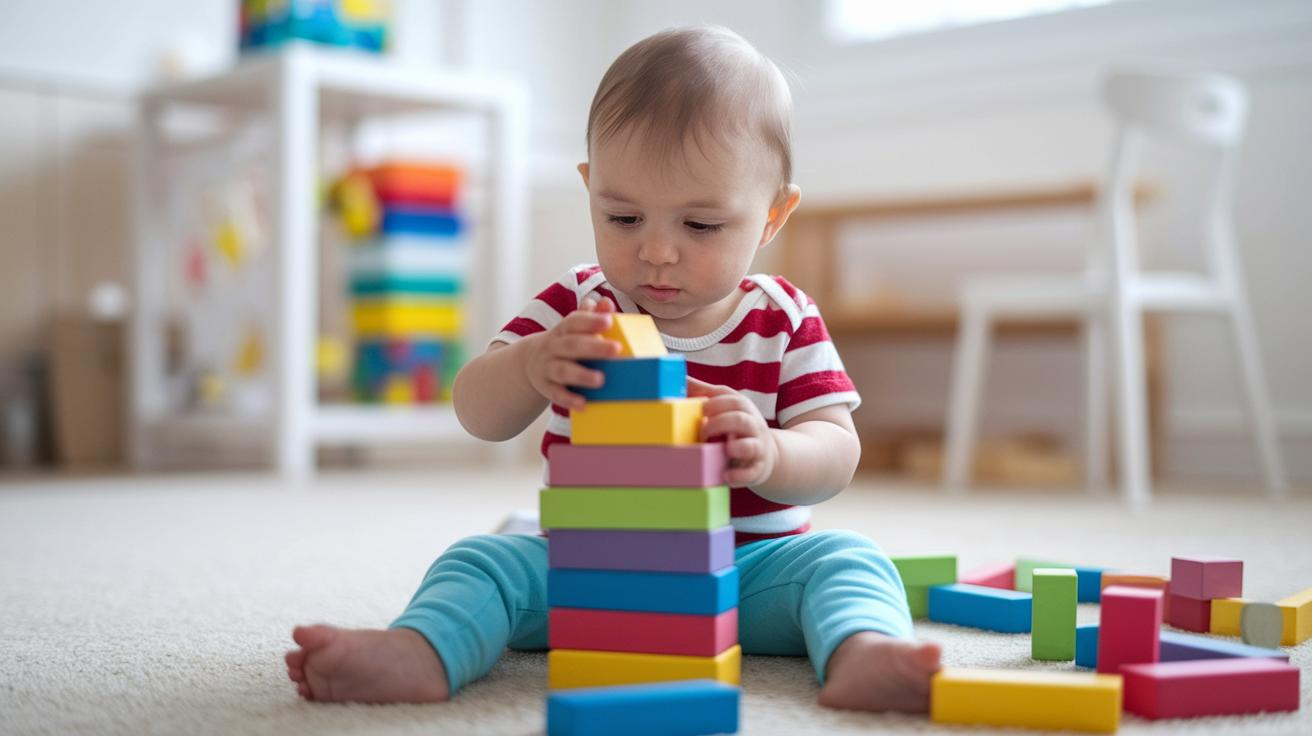
Every baby develops at their own pace. Some little ones quickly move from big, sweeping hand motions to more careful, focused actions, while others might take a bit more time to sync what they see with what they do. It all happens naturally as your child learns through play and daily interactions.
Red Flags
Keep an eye on things if your baby often has trouble moving an object from one hand to the other or still tends to keep their hand open well past their first birthday. Struggling with stacking toys or feeding themselves might also be a sign to watch for. And if your child shows a strong favoring of one hand before around 18 to 24 months, it could be a clue that an extra check might be helpful.
Next Steps
If you notice these signs, consider talking with your pediatrician or scheduling an evaluation with an occupational therapist. A friendly chat with a specialist can help ensure your baby’s motor skills continue to grow in a safe and confident way.
Tracking and Charting Infant Hand-Eye Coordination Milestones
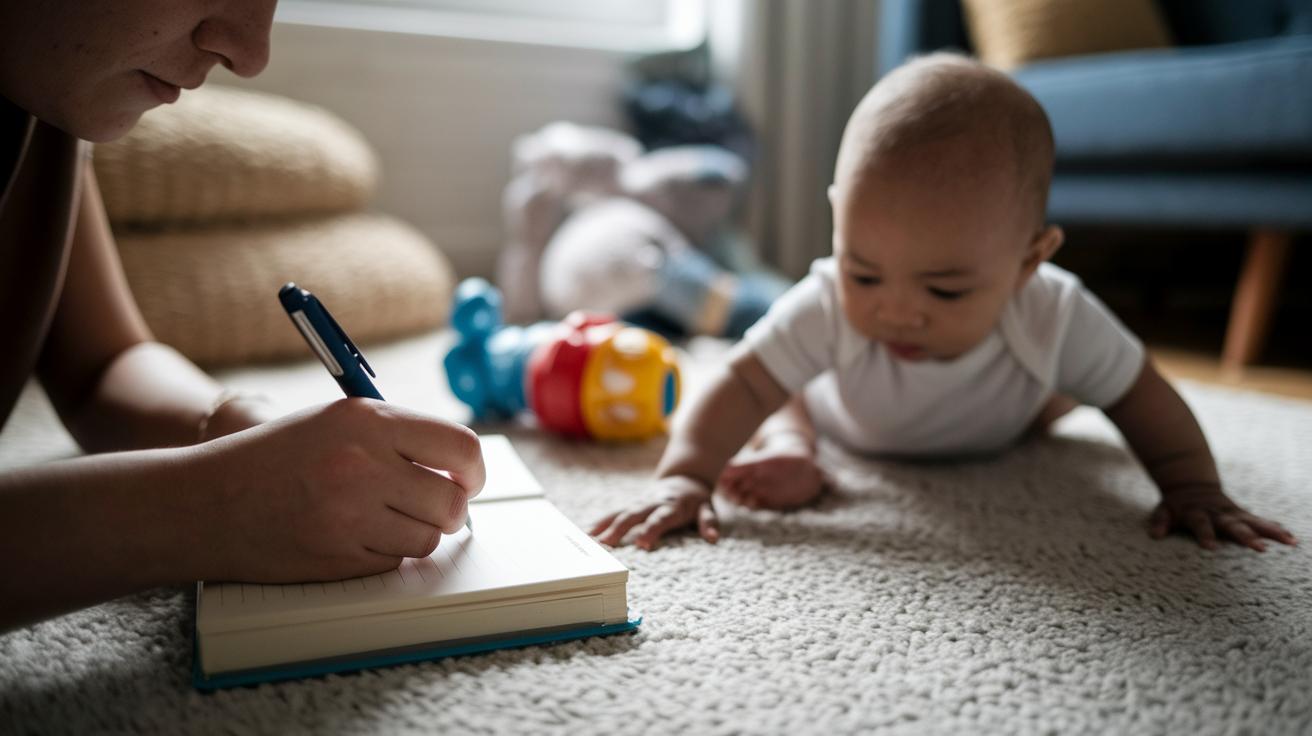
Keeping a little diary can be such a comforting way to record your baby’s first moves. Just jot down the day along with a sweet note on what your baby did, for example, when they first reached for a toy or moved something from one hand to the other. It’s a gentle reminder of how much they’re growing and gives you some lovely details to share with your doctor later. Imagine writing, "On May 2, baby grabbed a rattle with a neat pincer grip," and then watching similar skills appear in the weeks that follow.
If you’re feeling adventurous, try adding charts or even a few photos and short videos to your records. Simple milestone charts, inspired by common developmental steps, can make the whole process fun and easy to follow. A monthly snapshot or quick video clip captures even the tiniest improvements, making it clear how your baby is evolving. You might even use a downloadable template to keep everything neatly organized for your next chat with your pediatrician.
Final Words
In the action, the article explained how infant hand-eye coordination milestones grow through playful exploration, showing the timeline from early swiping to refined pincer grasp. It discussed sensory input guiding movements, charting age-based milestones, and how interactive activities can boost these skills.
We wrapped up with tips on monitoring progress and recording milestones for important pediatric visits. Every bit of progress is a win, and every small change brightens your little one’s development.
FAQ
What developmental milestones should a 5-month-old baby reach?
A 5-month-old baby begins to show improved visual tracking and hand-eye coordination, with imprecise reaching and swiping movements that help them explore objects and start transferring them between hands.
How do gross motor skills develop in infants from 0 to 12 months?
Gross motor skills evolve from simple head lifting and swiping in early months to more coordinated reaching, improved balance, and self-feeding behaviors as infants approach their first birthday, all of which support key developmental progress.
What milestones might a 12-month-old baby achieve?
At 12 months, a baby typically uses a pincer grasp, picks up small objects, may stand or walk with support, and shows improved coordination during play and self-feeding activities.
What are some milestones commonly seen in an 11-month-old baby?
An 11-month-old baby often exhibits refined hand movements, beginning attempts at a pincer grasp, improved object transfers between hands, and increased mobility, which all indicate growing sensorimotor skills.
What red flags could appear in a 10-month-old’s development?
A 10-month-old might show red flags if they consistently struggle with transferring objects or have not begun to develop a raking or pincer grasp, suggesting a need for further discussion with a pediatric professional.
At what age do babies typically begin to develop hand-eye coordination?
Babies start developing hand-eye coordination from birth with basic visual tracking and imprecise swiping, usually refining these skills between six and twelve months as they progress toward precise object manipulation.
How does hand-eye coordination present in autistic babies?
Hand-eye coordination in autistic babies largely varies; some may reach milestones on a typical schedule while others experience differences, so individual progress should be observed and discussed with healthcare providers.
How coordinated should a 4-month-old be?
A 4-month-old generally begins to track objects visually and makes imprecise swiping movements, showing early attempts at reaching, which are natural parts of developing hand-eye coordination.
What fine motor skills are expected in a 6-month-old baby?
By 6 months, a baby usually shows fine motor skills like reaching for objects, transferring items between hands, and starting to use a raking grasp, all of which indicate growing control and coordination.