Have you ever wondered if there's a gentle, effective way to heal after childbirth? New research shows that simple methods can help ease an aching body and a heavy heart.
Imagine sinking into a warm bath or taking a few gentle steps to help bring back your balance. In this post, we'll share easy, practical steps that truly support you as you recover after delivery.
These friendly tips not only ease those lingering aches but also help lift your spirit on your journey back to feeling whole.
Scientific Foundations of Postpartum Healing Techniques
When it comes to bouncing back after having a baby, there are care techniques that really work, backed by solid research and expert advice. One great example is the AfterBirth Plan Workshop by Dr. Alyssa Berlin. This program uses proven methods to help families make a gentle, healthy transition after childbirth. It pairs helpful, practical tips (like easing breast discomfort and soothing a sore perineum) with ways to ease emotional bumps such as mood swings, anxiety, and feeling a bit overwhelmed.
Many studies on these healing steps have inspired free guides, like one-page handouts and quick, easy crash courses. These tools break down the recovery process into simple, clear steps so new moms can feel more in control. They mix ideas for taking care of both the body and the spirit, making sure every part of recovery is covered.
And it’s not just about physical healing. Research also shows us the power of being kind to ourselves and how expert programs can lift the emotional weight after delivery. With the latest findings from March 5, 2025, you can trust these modern, well-tested techniques to support you every step of the way.
Evidence-Based Physical Recovery Practices Postpartum

Studies show that careful recovery steps can really help new moms feel better after delivery. For example, using a peri bottle and taking a sitz bath (a warm water soak for your lower body) can soothe soreness and help keep infections away. Nipple cream can be a lifesaver when your breasts feel sensitive during feeding times, and if you had a cesarean section, supportive pillows can bring extra comfort and help you heal properly. Experts have looked at these methods, and they’re known to be safe and effective.
It’s also a good idea to add gentle pelvic floor exercises to your routine right after delivery. Experts recommend starting these exercises within 24 hours to help you manage bladder control and ease pelvic pain. If you had a cesarean, taking care of your scar is important too. A soft massage and using silicone can help your scar heal, but it’s best to wait 6-8 weeks before doing any heavy work. This thoughtful plan makes sure every part of your recovery is looked after in a safe way.
| Intervention | Purpose | Initiation Timeline | Frequency |
|---|---|---|---|
| Perineal Care (peri bottle, sitz bath) | Soothes and cleans for healing | Immediately post-delivery | Daily as needed |
| Nipple Cream Application | Reduces discomfort and chafing | At first signs of soreness | Before and after feedings |
| Pelvic Floor Rehabilitation | Improves continence and reduces pain | Within 24 hours | Several times daily |
| Cesarean Scar Management | Helps with proper healing | After the incision starts healing | Regular gentle massage |
Sticking with a clear plan like this can make your recovery safer and smoother. When you follow a steady routine, you help your body get stronger, reduce discomfort, and support the whole healing process.
Postpartum Emotional and Mental Wellness Strategies Backed by Research
Research has shown that taking care of your feelings is especially important after giving birth. Many programs led by clinical psychologists use simple techniques like cognitive-behavioral methods to help moms deal with mood swings, stress, and anxiety. These strategies often include acts of self-kindness such as mindful breathing and speaking to yourself in a positive way. For example, one study found that just five minutes of mindful breathing each day helped moms notice a drop in their anxiety. Even small, regular steps in self-care can really boost your emotional balance.
More studies suggest that exercises in self-compassion make a big difference in lowering postpartum anxiety and lifting your mood. When new moms join in guided meditation, journaling, or quiet moments of reflection, they often feel better overall. Researchers have connected these science-backed practices with less stress and a stronger sense of calm. Moms say that keeping up with these simple, practical ideas helps them feel more ready to tackle everyday challenges.
A very practical tip is to ask for support, maybe a postpartum doula or a close friend can help with daily tasks. This kind of support can lighten your emotional load and boost your wellbeing as you adjust to motherhood. Adding regular breaks for self-care, whether through a brief moment of meditation or just a heart-to-heart about your feelings, helps create a caring space for emotional healing during this important, changing time.
Data-Driven Nutritional Support for Postnatal Recovery
Research shows that new moms really benefit from focusing on key nutrients to help them heal. Experts suggest aiming for about 1.1 grams of protein per kilogram each day (this helps fix up tissues). They also recommend around 9 to 10 milligrams of iron and 1000 milligrams of calcium daily to meet the extra needs of breastfeeding. It's a bit like fueling your car with the best quality gas, when you give your body the right fuel, it runs smoother and feels stronger.
Some well-researched supplements can also make a big difference. For example, omega-3 fatty acids might help keep your mood steady, and vitamin D is great for bone health during this important time. Think of these as a little sprinkle of seasoning that brings out the best in your meals, adding a simple but effective boost to your daily routine.
When planning your meals, don’t forget that hydration and balance are key. Try to drink about 2.7 liters of water each day and fill your plate with whole grains, lean proteins, fruits, and veggies. Picture setting up your meal like a cozy family dinner, each part coming together to help you build strength and recover in a gentle, caring way.
Clinical Postnatal Exercise Plans and Rehabilitation Approaches
Starting slow with gentle exercises after having your baby can help lessen tiredness and speed up recovery. Following a step-by-step plan lets you build strength gradually while boosting your mood.
Pelvic Floor Exercises
Right after delivery, try doing Kegels to improve bladder control and ease any pelvic discomfort. Start with small sets of 10 squeezes and slowly add more as you feel stronger. It’s important to be regular and to listen to your body, taking it step by step.
Core Strengthening Movements
Around four weeks postpartum, you can begin gentle core exercises like light planks and pelvic tilts to help bring back your abdominal strength. Pairing these moves with an abdominal binder can offer extra support. If you need more guidance, check out some easy tips on strengthening your core after childbirth.
Cardiovascular and Strength Progression
Starting with soft, gentle walks within 24 to 48 hours after a vaginal birth can help get your circulation going and lift your energy. As you feel ready, you might add activities like stationary cycling or light resistance exercises. Building up slowly like this helps you gain endurance and strength. Clinical advice suggests easing into more active routines around 8 to 12 weeks postpartum.
Considerations for Cesarean Recovery
If you had a cesarean, taking extra care of your incision is very important. Begin with very gentle movements and avoid any heavy lifting until your doctor says it’s safe. Later on, you might try gentle scar massages, but only after a few weeks of rest.
Always check in with your healthcare provider to make sure your plan fits your personal needs. Balancing activity with plenty of rest can help you recover safely and smoothly.
Postpartum Emotional and Mental Wellness Strategies

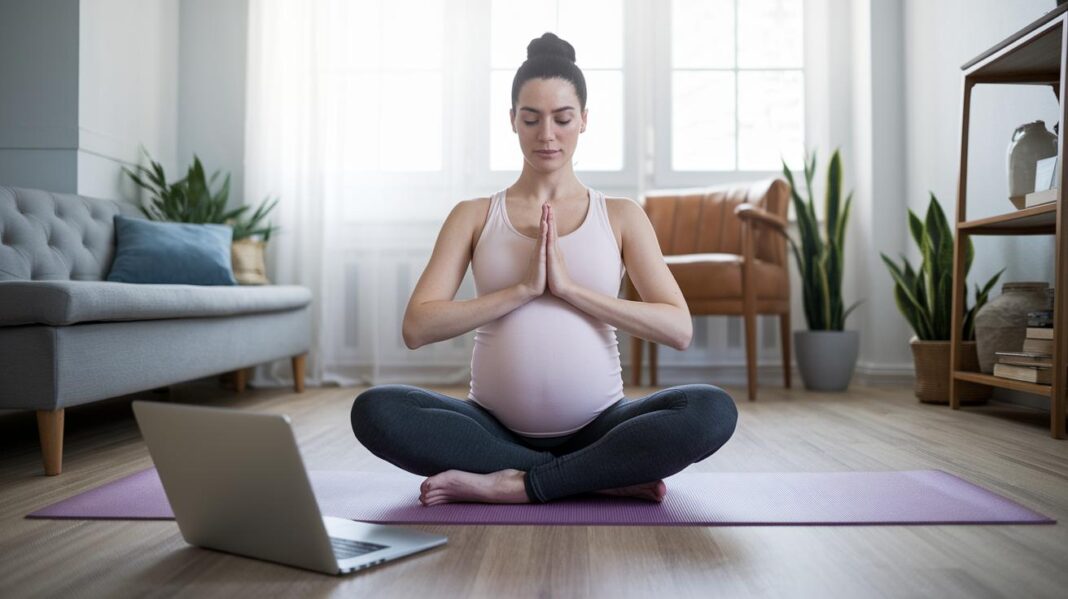
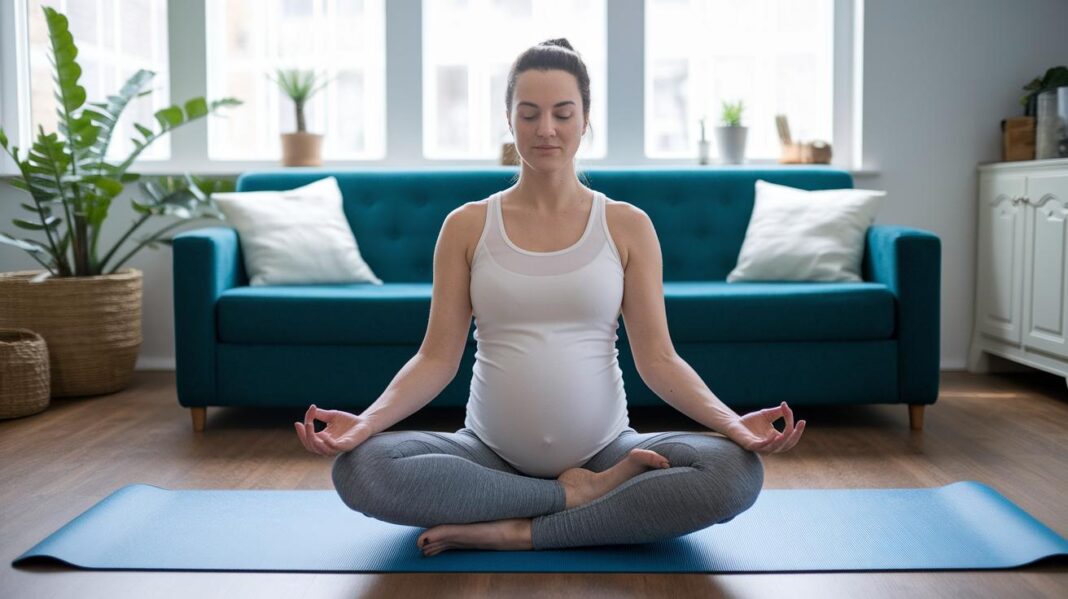
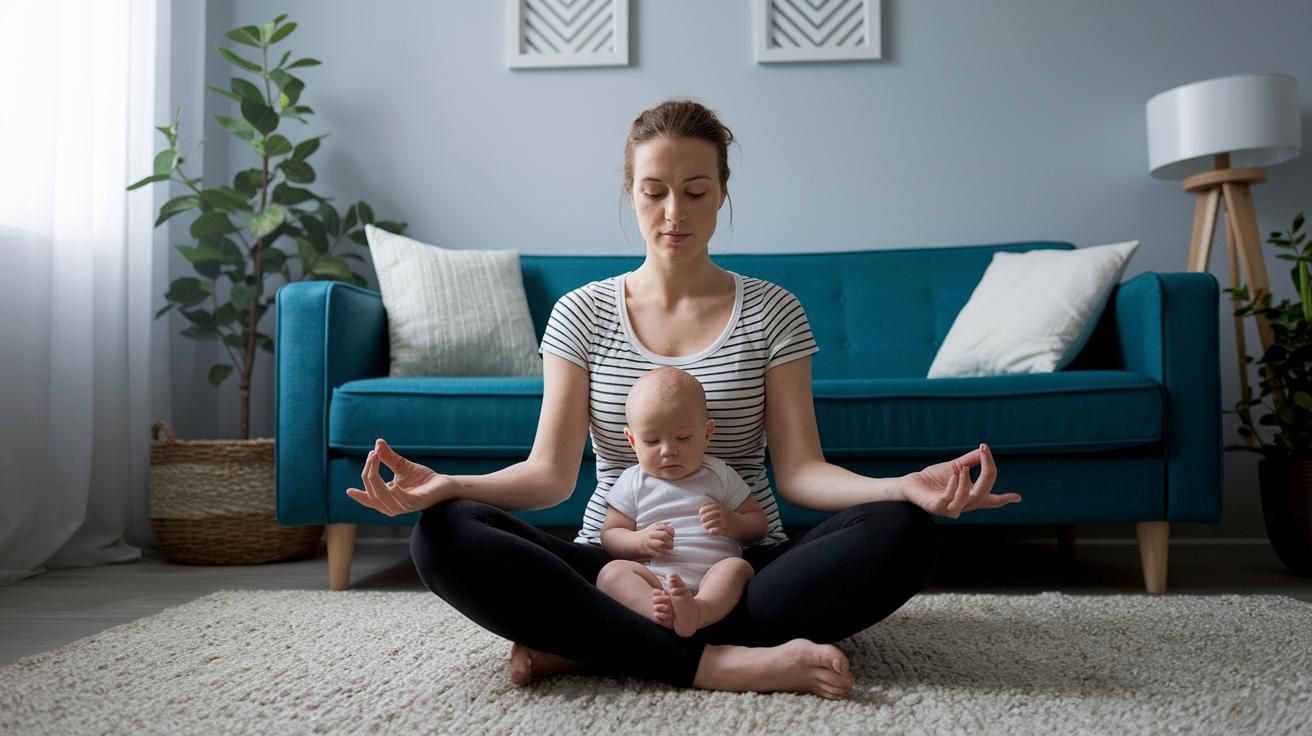
Techniques like guided meditation, deep breathing, and relaxing your muscles can really help calm your mind after giving birth. Imagine closing your eyes, taking slow, steady breaths, and letting the worries drift away. These exercises mix gentle routines with real, research-backed benefits.
Studies show that simple mindfulness practices can ease stress and help improve your sleep during the postpartum phase. Experts have found that sticking with a regular routine helps keep feelings of being overwhelmed at bay and supports more restful sleep.
For everyday use, start with easy exercises, like those one-page guides you might find. Just a few minutes of focused breathing or a short guided session every day can slowly build a soothing habit that supports your recovery.
Evidence-Informed Postpartum Recovery Timeline and Best Practices
Right after birth (0–2 weeks), it’s best to take it slow. Focus on resting, taking care of yourself, and using simple ways to ease post-delivery discomfort. A quick check-in with your clinician can help catch any issues early. This gentle start paves the way for a smoother recovery.
Between 2 and 6 weeks, keep an eye on how you’re healing and gently ease back into light activities. Taking regular rests and asking a friend or family member to help with everyday tasks can really make a difference. Regular visits to your healthcare provider help ensure that things are going as planned and let you adjust your routine as needed. These weeks give you a chance to get used to your new routine.
From 6 to 12 weeks, follow-up care becomes key. At your six-week check-up, your clinician will look at both your physical healing and how you’re feeling emotionally. This is a good time to slowly start adding in some moderate activities. Having help from family, a friend, or a postpartum doula can be a big support as you find your balance.
By 3 to 6 months, the focus shifts to long-term recovery and getting back into your daily routines. Ongoing check-ins help you celebrate recovery milestones and build strong self-care habits. Adjusting your daily routines now can keep you feeling well and strong over the long run.
Final Words
In the action of exploring scientific foundations and hands-on recovery methods, this post breaks down practical steps for nurturing both physical and emotional well-being. It covers clinical recovery tips, tailored exercise routines, and mindful relaxation, guiding you through early, mid, and late postnatal phases.
The article emphasizes evidence-based postpartum healing techniques to help you regain strength and peace after childbirth. Remember, every small step builds confidence in your recovery. Enjoy the supportive embrace of proven, nurturing methods.
FAQ
How do evidence-based postpartum healing technique resources (PDF, ATI, ACOG) support mothers?
Evidence-based resources using formats like PDFs and guidelines from ATI and ACOG offer research-backed practices that help mothers recover physically and emotionally while providing clear, trusted advice for postpartum healing.
How do new guidelines and practices in postpartum care emphasize the importance of postnatal recovery?
New guidelines and evidence-based nursing practices highlight postnatal care by recommending practical routines and detailed follow-up for new mothers, ensuring both physical healing and emotional support during recovery.
What immediate care strategies are recommended for mothers after delivery?
Immediate postpartum care strategies advise early physical attention and gentle emotional support, including steps to manage discomfort and stress, ensuring a smooth transition as mothers begin their healing process.
What do the 5-5-5 rule, the 2-2-2 rule, and the 40-day rule postpartum indicate?
These rules outline time-based protocols for self-care after birth: the 5-5-5 and 2-2-2 rules set specific recovery intervals, while the 40-day rule traditionally supports extended rest and gradual healing.
What defines a holistic approach to postpartum recovery?
A holistic approach to postpartum recovery blends physical rehabilitation, emotional support, and nutritional planning with mindfulness practices, giving new mothers a well-rounded method to nurture every aspect of their healing.