Ever feel like stress just zaps your energy? Sometimes a little movement can turn things around. It’s like sending a friendly message to your body that says, “Hey, let’s clear out the tension and lift your mood!”
Imagine doing a few simple moves, maybe some gentle yoga, a light walk, or even a few strength moves. That small burst of activity can help wash away worries and leave you feeling renewed. It’s a simple, trustworthy way to feel better and get a bit of energy back every day.
How Exercise for Stress Management Works: The Science and Early Effects

When stress hits, our body jumps into action. It quickly releases hormones like adrenaline and cortisol (which is like an emergency signal) through signals from the brain and adrenal glands. A 2022 study in the UK showed that stress, depression, and anxiety can make people miss lots of work, proving how much stress can affect our overall
Top Exercise Categories for Stress Management
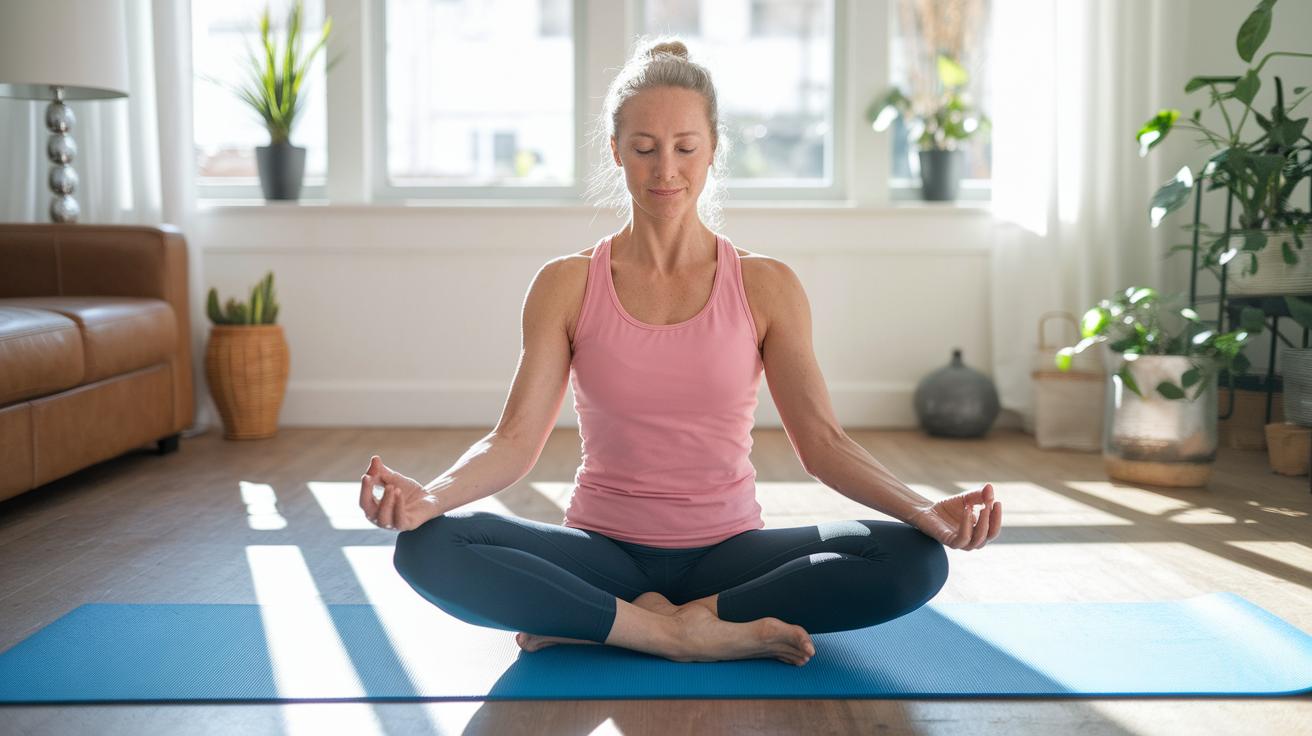
Feeling better starts with the right kind of movement. Try out activities like gentle yoga, steady cardio, some easy strength moves, simple breathing exercises, or even a short meditation with movement. Each one helps lower stress and boosts your whole body.
Yoga and Mindful Stretching
Picture yourself flowing through a gentle yoga routine that lasts about 20–45 minutes. Yoga not only helps lower stress hormones but also boosts your flexibility and focus. One mom shared, "After a yoga session, I feel like I’ve left my worries on the mat." These sessions mix smooth movements with calm breathing to help soothe your mind.
Cardio and Aerobic Drills
Think about going for a quick jog or hopping on a bike ride. When you work at about 50–70% of your best pace, your body releases natural feel-good chemicals that lighten your mood. Imagine every step or pedal stroke taking a bit of your tension away. Even short sessions can lift your spirits and help you feel more relaxed.
Strength Training for Mood Balance
Even simple exercises like a few squats or push-ups can make a big difference. Doing 2–3 sets of 8–12 repetitions helps balance your hormones. Picture yourself gaining a little burst of energy and a sense of pride with each set. And taking short breaks between sets gives your mind a chance to rest too.
Breathing and Movement Meditation
Take a small break, just 5–10 minutes, to focus on your breathing or gently scan your body. This little pause can help your mind feel reset and calm, like hitting a refresh button. It’s a mini-break to help you feel in control and quietly energized.
Crafting Home-Based Exercise Plans for Stress Management
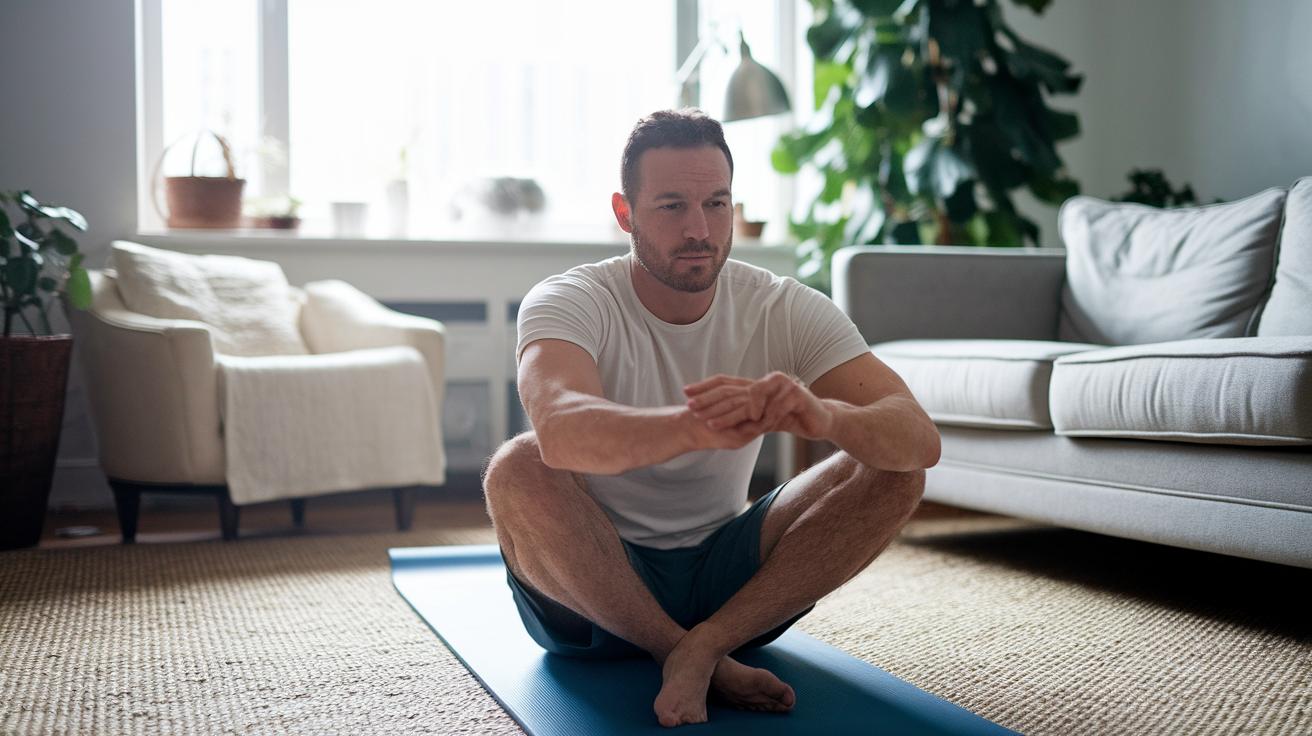
When you work out at home, you have the freedom to create a routine that fits your life. Try to do 3 to 5 sessions each week that mix cardio, strength, and stretching. Starting with just three days of activity can help your body get used to moving without overloading your stress hormones. If you're just starting out or returning to exercise, take it slow for about 4 to 6 weeks. This gentle pace helps both your body and mind to adjust.
Think about how you feel and any advice your doctor might have, especially if you're over 45 or have heart issues. Mixing lively exercises with moments for deep breaths or quiet stretches can help you become more aware of your body and ease tension. Home workouts let you pick the time that works best for you, making it simpler to stick with your routine and feel less stressed.
| Day | Activity | Duration | Intensity |
|---|---|---|---|
| Monday | Brisk Walk | 30 min | Moderate |
| Tuesday | Yoga | 20 min | Gentle |
| Wednesday | Light Strength Training | 25 min | Moderate |
| Thursday | Cardio Dance | 30 min | Moderate |
| Friday | Stretch and Mindful Movement | 20 min | Gentle |
Adjust your plan as you go. If a workout feels too hard or too easy, change how long you do it or how intense it is so it fits your day and energy.
Outdoor Exercise Strategies for Stress Management

Stepping outside for a walk or jog can brighten your day. When you breathe in the fresh air and feel the gentle warmth of the sun, you’re not just exercising; you’re giving yourself a mini escape. Imagine the sound of leaves rustling and the scent of nature surrounding you, it really helps calm your mind and lowers stress.
Working out outdoors is even better when you do it with a friend or group. Joining a group hike or a park workout means you get to share smiles, build new friendships, and feel supported. Those little nods and friendly greetings can turn a simple walk into a heartwarming moment of calm and togetherness.
Making outdoor exercise a part of your daily routine might be just what you need to keep stress at bay and feel more energized every day.
Personalizing Exercise Routines for Stress Management

Take a moment to check in with your body and see how it feels right now. Start by trying some simple tests, like a one-mile walk or a sit-and-reach, to get a sense of your current fitness level. These little tests can help you figure out what’s comfortable and safe for you. And if you haven’t been very active lately, it might be a good idea to get a brief health check just to ease any worries as you begin moving.
Then, choose a mix of exercises that really fits you. Maybe you feel drawn to gentle strength moves or soothing stretches, whatever helps keep your stress under control. It can be really helpful to keep an eye on your heart rate during your workout, so you know you’re working in a zone that feels good and calm.
Also, consider noting down how you feel before and after your workouts. It’s amazing to see the shift in your mood and energy, and these notes can guide you in adjusting how long or hard you work out next time.
Assessing Baseline Fitness
Kick things off with simple tests like a one-mile walk or a sit-and-reach. Even a quick visit to your doctor can make you feel a lot more confident about your exercise plan.
Adjusting Intensity Safely
Slowly build up the challenge by increasing your workout duration or intensity over time. If you notice extra tiredness or any persistent aches, that’s your body’s way of saying to take it a bit easier.
Safety Guidelines for Exercise for Stress Management
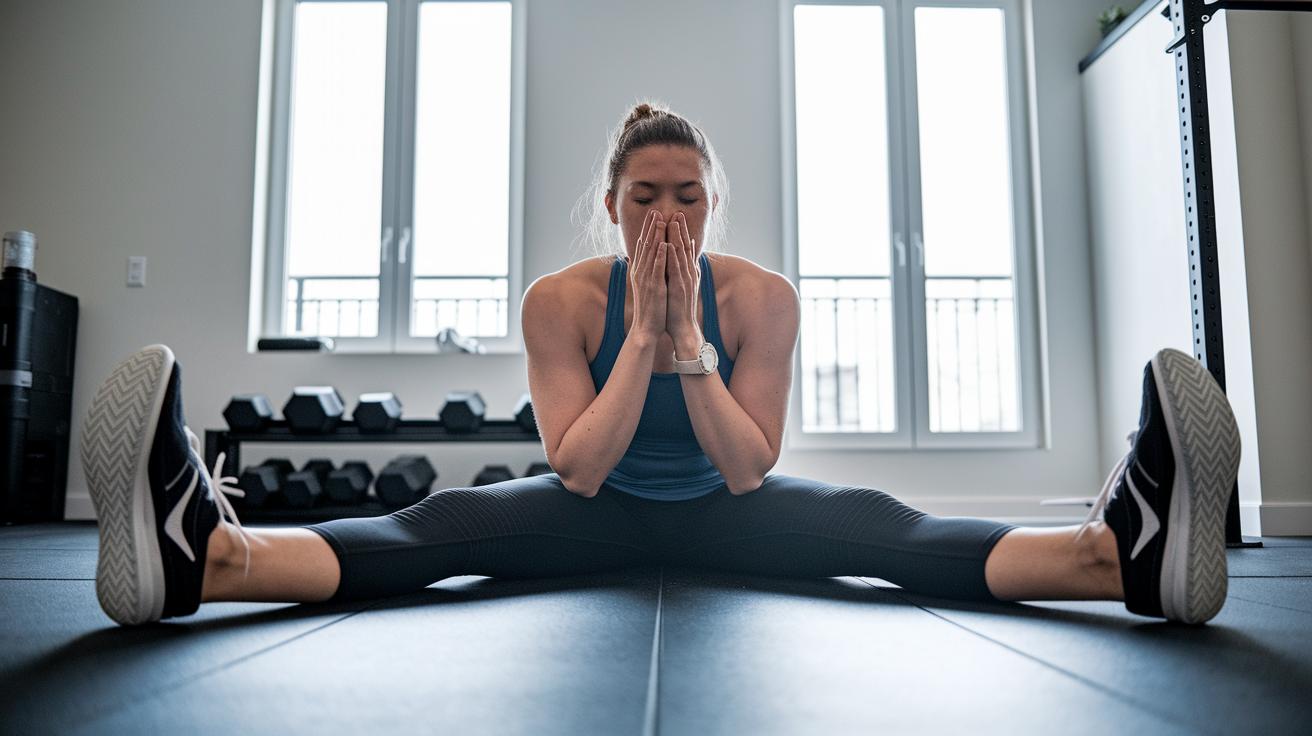
Before you start any workout, take a moment for a proper warm-up and finish with a cool-down. These simple steps help your muscles loosen up and lower your chance of getting hurt. Try taking a few deep, slow breaths to let your body know it’s time to get moving, and repeat a similar pattern when you’re winding down. It also helps to drink water and have a light snack before and after you exercise to keep your energy up and stress down.
Listen closely to what your body is telling you during your workout. If you start feeling really tired or experience any discomfort, consider taking a break. These signs are little hints from your body to slow down a bit or rest. Sometimes, a bit of quiet movement meditation can help you check in with how you feel, making your workout even more beneficial for both your body and mind.
If you notice extra tiredness or more stress than usual, adjust your routine. It’s all about keeping your workout at a pace where you feel safe, strong, and supported.
Final Words
In the action of easing tension, this article shows how our bodies react to stress and how different workouts help reduce stress hormones while boosting feel-good signals. We covered everything from mindful yoga and cardio sessions for calmness to home-based plans and outdoor activities.
Regular exercise for stress management can bring steady relief and improved well-being. Embrace these practical tips and enjoy a calmer, happier day every day.
FAQ
How does exercise reduce stress?
Exercise reduces stress by lowering cortisol and adrenaline while boosting endorphins. It links physical activity with a calmer mental state and supports overall wellbeing.
What exercises relieve stress, anxiety, and depression?
Types like brisk walking, yoga, and cardio workouts help ease anxiety and depression by triggering feel-good chemicals and reducing tension in the body.
What do studies show about exercise and stress relief?
Research shows that regular exercise lowers stress hormones and improves mood. These findings back up the benefits of steady physical activity for mental wellness.
What are some effective home-based stress relief exercises?
Home routines such as gentle yoga, light cardio, and strength training provide easy and accessible ways to ease stress and boost your mood without leaving home.
What are common stress management techniques, including the 4 A’s?
Many find relief using techniques like deep breathing, mindfulness, and regular exercise. The 4 A’s—Assess, Adjust, Act, and Acknowledge—are practical steps to manage and ease stress.
How can I release stress from my body?
Releasing stress involves physical movement and mindful breathing. Simple activities like stretching, short walks, or light workouts help release built-up tension from your body.