
Do you ever feel like the little problems keep stacking up until you can hardly carry on? It can seem like each day adds more to your load and even the smallest task feels extra hard. Today, I’d like to share some simple tips to help ease that weight.
Sometimes, all it takes is a short break to clear your head. Try pausing for just a few minutes and jotting down your thoughts on a piece of paper. This little habit can help you see stress as a quiet signal rather than a heavy burden.
With just a few mindful tweaks, you might find that the pressure of daily life transforms into a gentle boost of calm and balance. Have you ever noticed how even a tiny change can brighten your whole day?
Essential Principles of Stress Management and Coping Strategies

Stress is our body’s way of reacting to daily demands. It can even help us perform better when it’s just a little bit. Think of it like carrying a backpack. At first, a few small items won’t weigh you down at all, but add too much, and it becomes too heavy to bear. It’s like starting with a single book and then gradually packing it with more and more items until it’s nearly impossible to carry.
The 1984 transactional model of stress and coping shows us that stress isn’t just the pressure you face but also how you handle it. When stress sticks around too long, it can make you feel anxious or blue, and even mess up your sleep. Ever have a night where you just can’t settle down after a long, worry-filled day? That’s chronic stress at work.
Good stress management starts with realizing when your backpack is getting too heavy. When you notice the load building up, take a moment to lighten it. Try simple things like taking a short break, doing some deep breathing, or jotting down your thoughts. Even a brief pause can really help ease a heavy day. Small, mindful strategies can turn stress from a heavy burden into something that gently guides you toward balance.
Stress Triggers, Causes, and Impact on Emotional Well-Being

Stress can pop up in many parts of our lives. For teens, things like school tests, big projects, and even conflicts with friends can feel heavy. And for adults, stress might come from work challenges, raising children, or worrying about health. Imagine it like slowly piling weight into a backpack until even simple tasks feel really hard.
Learning to see stress early on is a big help. Sometimes, when stress builds up, you might feel extra tired, get frustrated easily, or have trouble sleeping. Here are a few things that often spark stress:
- Teen stressors: school pressure and conflicts with friends
- Adult stressors: work issues, family demands, and health worries
Recent studies show that constant stress can mess with your cortisol (that’s our body’s stress hormone). When cortisol gets out of balance, it can affect your mood and overall health. It’s like a thermostat that isn’t working right, suddenly, everything feels off. Have you ever noticed how a small change in your day can help restore a bit of calm? By spotting these stress triggers and addressing them, you can create a path toward a more balanced, happier state of mind.
Mindfulness and Relaxation: Key Stress Reduction Methods
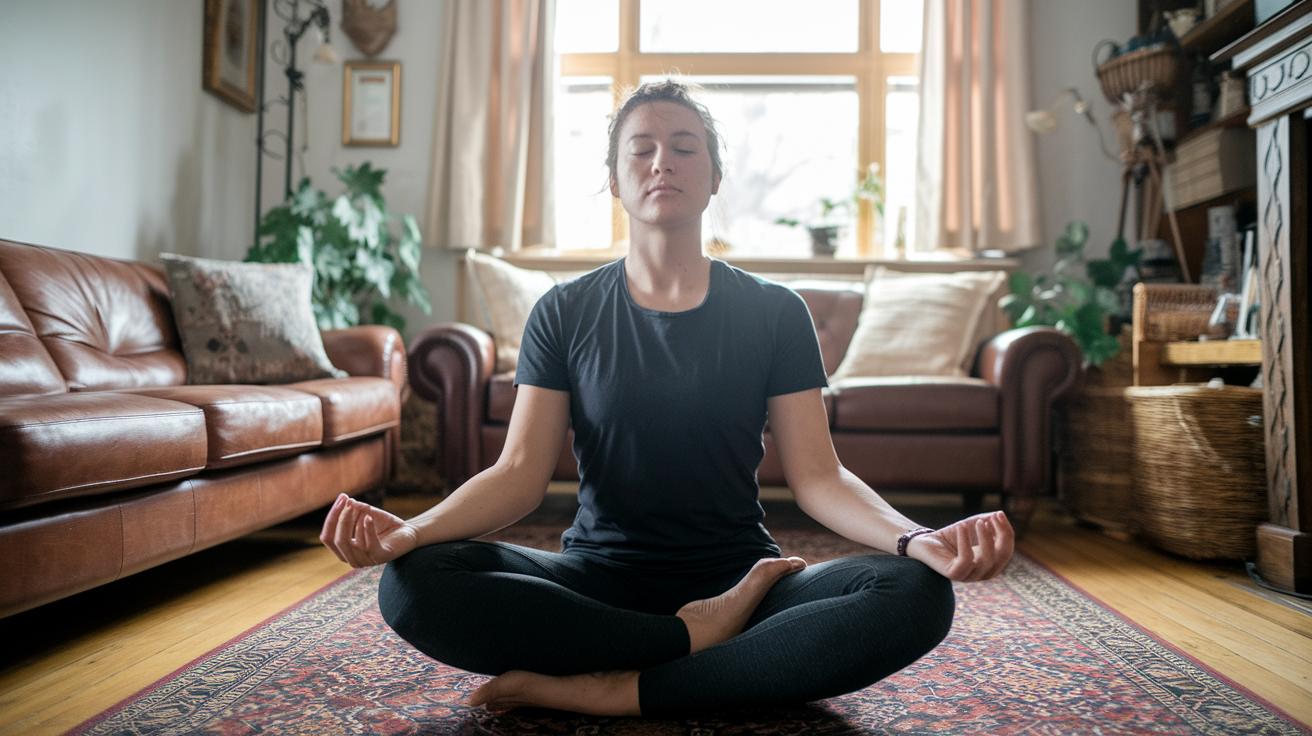
Taking a moment to be mindful is like giving yourself a little break from stress. One easy way to start is with a few slow, thoughtful breaths. Try this: breathe in slowly, feel the calm starting to build up inside, and then breathe out, letting go of all the tension. This simple breathing routine helps lower stress hormones and lift your mood.
Guided meditations are another quick way to calm your mind. Imagine sitting quietly while a gentle voice walks you through a peaceful scene. It’s like having a caring friend help you find calm. This practice not only eases your stress but also helps your mind and body feel more connected. You can learn more about how your mind and body work together by exploring this link: mind-body connection and mental wellness.
Other techniques you might try include a short body scan or progressive muscle relaxation. For a body scan, spend about five minutes noticing where you feel tight or tense, and then gently let those areas relax. For progressive muscle relaxation, you can tense a group of muscles for a few seconds and then slowly release them, one group at a time.
Even simple grounding exercises, like running your fingers over the smooth surface of a stone, can bring you right back to the present moment. These mindful practices give you quick relief from stress while helping build a sense of calm and resilience you can rely on over time.
Exercise and Lifestyle Adjustments for Healthy Stress Relief

Have you ever taken a little time just for a walk, a bike ride, or some gentle yoga? Even a short 20-minute burst of movement can help you feel calmer. Imagine stepping outside for a quick walk around your neighborhood, the fresh breeze and steady steps send happy signals in your brain, lifting your mood and clearing your mind.
Finding balance means making room for rest too. Think of sleep like charging your phone overnight. When you get enough sleep, it’s like refilling your energy tank so you can tackle the day with a smile. Try setting a regular bedtime, softening the lights, or playing some mellow music to let your body know it’s time to settle down.
Good food goes a long way when you're managing stress. Treat your body like a car that runs best on the right fuel. Filling your meals with whole grains, lean proteins, fruits, and veggies not only brightens your plate but also helps you feel less weighed down by stress.
Here are some ideas to try:
- Do a bit of exercise every day
- Enjoy a calming sleep routine
- Choose a balanced, colorful diet
These gentle lifestyle changes can really make a difference, helping you feel more relaxed and building a resilient, healthier day-to-day life. Remember, little steps add up, and taking care of you is always worth the effort!
Stress Management and Coping Strategies: Boost Your Calm
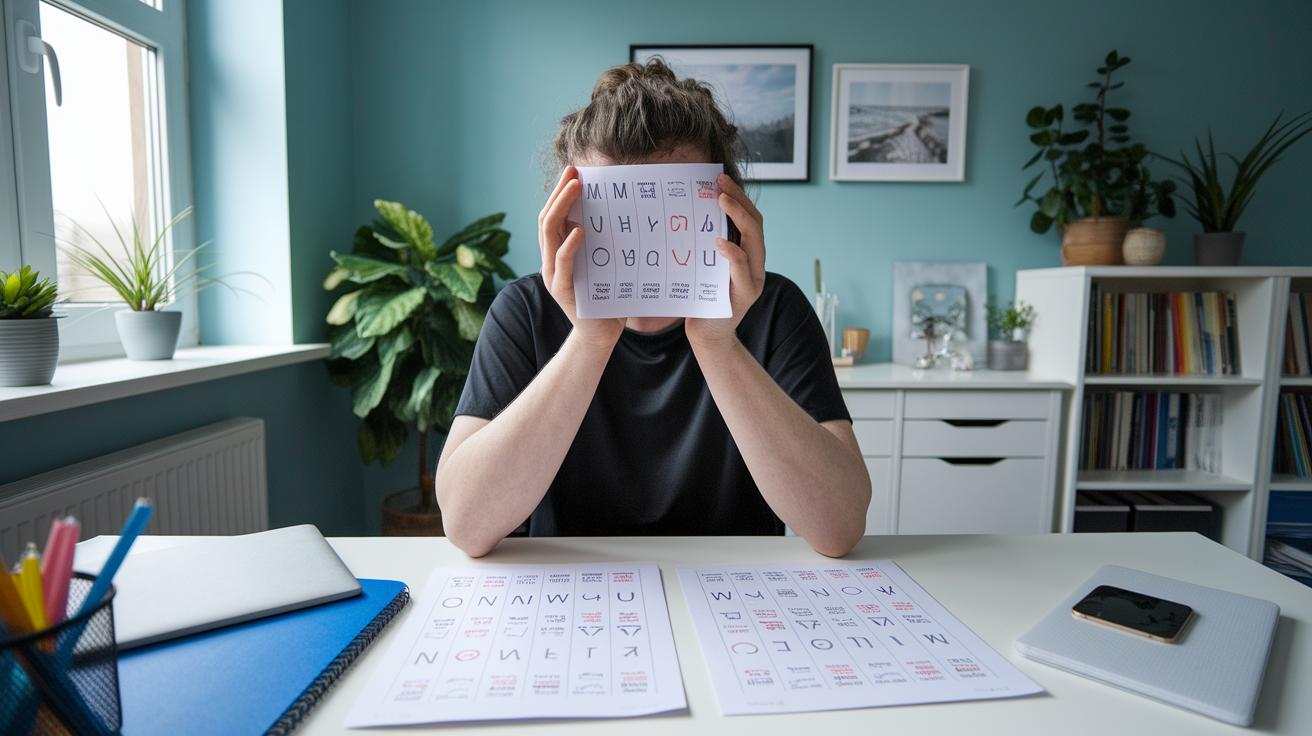
Sometimes stress can feel overwhelming, but using proven tools can help you see it in a new light. For instance, the ABC sheet from Cognitive Behavioral Therapy (a method used to understand and manage thoughts) lets you break down your mood step by step. Picture this: write down what happened, and you might discover that your worry about a small issue made things seem bigger than they really are. This simple exercise gently shifts your focus toward finding solutions.
The Core Values Worksheet is another handy guide. Imagine jotting down what’s most important to you and then measuring those values against the stress in your life. It shows you where to spend your energy and when to step back from things that feel too heavy. A journaling prompt like "List three things that brought you joy today" can turn anxious thoughts into moments of clear, caring reflection.
There’s also a toolkit with over 500 science-based exercises designed to help change your mindset and boost your calm. These practices blend strategies for solving problems with ways to soothe your emotions, which can really help with everyday pressures.
And sometimes, just chatting with others makes a big difference. Joining a group therapy session or a social support group gives you a safe space to share your feelings. This shared conversation can build a sense of community while helping you turn stress into a chance to learn, grow, and feel understood.
Building Daily Habits and Social Support to Enhance Stress Resilience

Recent research shows that linking a new habit with something you already do can really help it stick. Give this friendly, simple guide a try:
• Pick one tiny, clear task. For example, after you brush your teeth, spend 2 minutes taking slow, deep breaths.
• Let finishing brushing your teeth remind you to start your new habit.
• Write down a quick note or record your thoughts on your phone.
• Reward yourself with a little smile or a moment of gratitude.
You can also try this easy hands-on method:
Step 1: Write your reminder and goal on a sticky note.
Step 2: Immediately follow the reminder with your new habit.
Step 3: Note how it made you feel in a journal.
One mom started doing a short mindfulness exercise right after making breakfast. Over time, she found she handled stressful moments much more calmly. Later, she added a weekly check-in with a friend to share her progress and swap ideas. This combo of personal care and friendly support helped her grow and feel more connected.
Another great trick is to schedule regular, short chats with someone you trust. For example, set aside 10 minutes each week for a relaxed conversation. This little catch-up time turns regular chats into a steady source of support.
| Time of Day | Habit Cue | Action |
|---|---|---|
| Morning | After brushing teeth | 2 minutes of mindful breathing |
| Evening | Before dinner | Quick reflection on the day |
| Weekly | Same day each week | 10-minute supportive chat with a friend |
Final Words
In the action of mastering stress management and coping strategies, the insight shared here shows how simple mindfulness practices, effective exercise, and thoughtful daily routines can ease worries. You learned how stress triggers can be managed with gentle self-care and expert-backed techniques, building resilience step by step. Remember, taking small moments to breathe and connect with loved ones can make a big difference every day. Keep using these practical steps to promote comfort and balance in your life.
FAQ
What is stress management and coping?
Stress management and coping mean using practical techniques like mindful breathing, exercise, and social support to reduce tension and improve overall well-being.
What are five stress management strategies?
Five common strategies include mindful breathing, physical activity, journaling, problem-solving techniques, and connecting with supportive people to help ease daily stress.
What are 10 ways to cope with stress?
Ten healthy practices to cope include relaxation exercises, regular walks, guided meditation, short mindfulness sessions, journaling, balanced meals, quality sleep, building social networks, professional support, and personal self-care routines.
What are the 5 C’s of stress management?
The 5 C’s refer to clarity, calm, confidence, connection, and commitment—each helping guide steps to reduce stress and build lasting resilience.
What is stress management therapy?
Stress management therapy uses techniques like relaxation exercises, cognitive tools, and support groups to ease anxiety, improve sleep, and boost overall emotional resilience.
Where can students find stress management articles?
Students can find friendly, practical articles that explain simple techniques like mindfulness, exercise, and structured routines to help balance academic and personal challenges.
What do coping strategies PDFs or PPTs typically include?
Coping strategy PDFs or PPTs often offer easy-to-follow, step-by-step guides that outline stress reduction tools such as breathing exercises, journaling prompts, and physical activity plans.