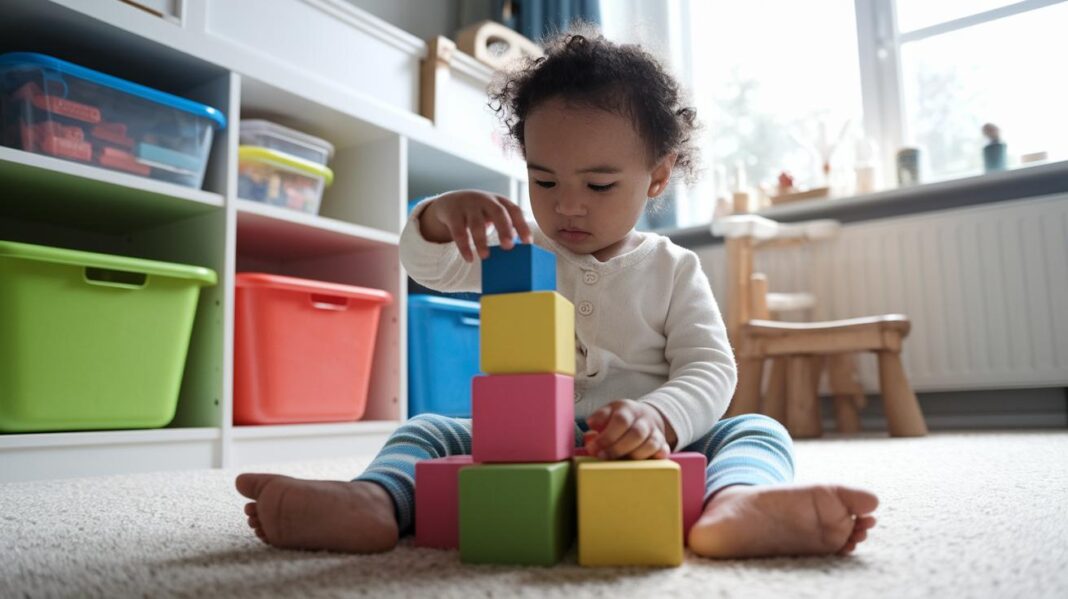
Have you ever wondered if a simple game could help your child become more independent? Little movements, like when tiny hands learn to hold, grab, and explore, really pave the way for everyday success. Quick activities not only add fun to the day but also help your child learn to control and coordinate both hands. And it’s more than just playtime, it sets a solid foundation for confident learning. In this article, I’m excited to share some joyful exercises that make growing and learning feel natural and easy for your little one.
fine motor skills development activities for joyful growth
Fine motor skills involve the small, careful movements of the hands, fingers, and wrists. These movements help your little one hold a crayon or pick up tiny items, supporting everyday tasks like writing, dressing, and self-feeding so they can become more independent.
Playing with these skills through fun activities not only builds pinch strength and helps each finger move on its own but also teaches both hands to work together. It’s a sweet way to balance screen time and encourage natural growth in hand control.
Here are some lighthearted ideas:
- Stacking blocks – Build little towers to practice a firm grip and balance.
- Tracing shapes – Use a crayon and some paper to trace circles and squares, which helps improve hand precision.
- Button fastening – Let your child practice with a shirt or a piece of fabric to fine-tune small movements.
- Sticker placement – Peel off stickers and stick them on paper for a fun way to boost finger dexterity.
- Clothespin pinches – Clip clothespins onto a board to work on that pinch grip.
- Pegboard play – Have your child place pegs into a board, which is excellent for hand-eye coordination.
- Thread lacing – Thread a shoelace through holes in cardboard to strengthen control of the fingers.
- Peg puzzles – Fit puzzle pieces together to encourage using both hands smoothly.
- Cloth tearing collage – Tear paper into small pieces and create a collage, a playful love note to hand strength.
- Finger painting precision – Use fingertips to spread paint, allowing a sensory exploration of textures.
Try to keep these activities fun and short, about 5 to 10 minutes every day. This way, the practice stays enjoyable and can easily grow with your child’s skills.
Age-Appropriate Infant and Toddler Hand Coordination Exercises
From six months to two years, little ones are busy learning to use their hands better. Around 9 to 12 months, many children start using a thumb-and-index pinch, and by 18 to 24 months, you can see more finger independence thanks to playful exploration.
Try a fun cereal transfer game with child-safe tweezers. Start by placing some cereal in a shallow tray. Then, invite your child to pick up and move the cereal pieces with the tweezers. It’s a playful way to boost grasp strength.
Another idea is to build a simple block tower. Offer a few single blocks on a low table and watch as your child carefully stacks one on top of the other. This playful task helps with precision and balance.
You might also enjoy a finger puppet peek-a-boo. Place a small, soft finger puppet on your child’s hand. Then, encourage gentle movements to reveal or hide the puppet. It’s a delightful way to enhance finger coordination.
Try a retrieval game next. Fill a container with small, safe objects and cut side holes in it. Invite your child to reach in and grab the items. This activity improves fine grasping skills, step by step.
Another engaging activity is the clothespin pinch. Attach a few clothespins to a sturdy cardboard board. Let your child practice pinching them, which helps strengthen that pinch grip.
Finally, consider a peg insertion game. Provide a foam board with pre-cut peg holes and some small pegs. Guide your child as they insert the pegs, boosting their hand-eye coordination in a fun, hands-on way.
Keep each play session to about five minutes so it stays fun and focused. Always keep a close eye on your child and, if they’re left-handed, gently mirror the activities to suit their style. Enjoy these playful moments, and treasure each step of their growing skills!
Playdough, Scissor, and Bead Threading Techniques for Grip Strength
These fun activities use playdough, child-safe scissors, beads, and string to help boost your child’s hand strength and coordination. They’re simple to set up and full of playful learning moments!
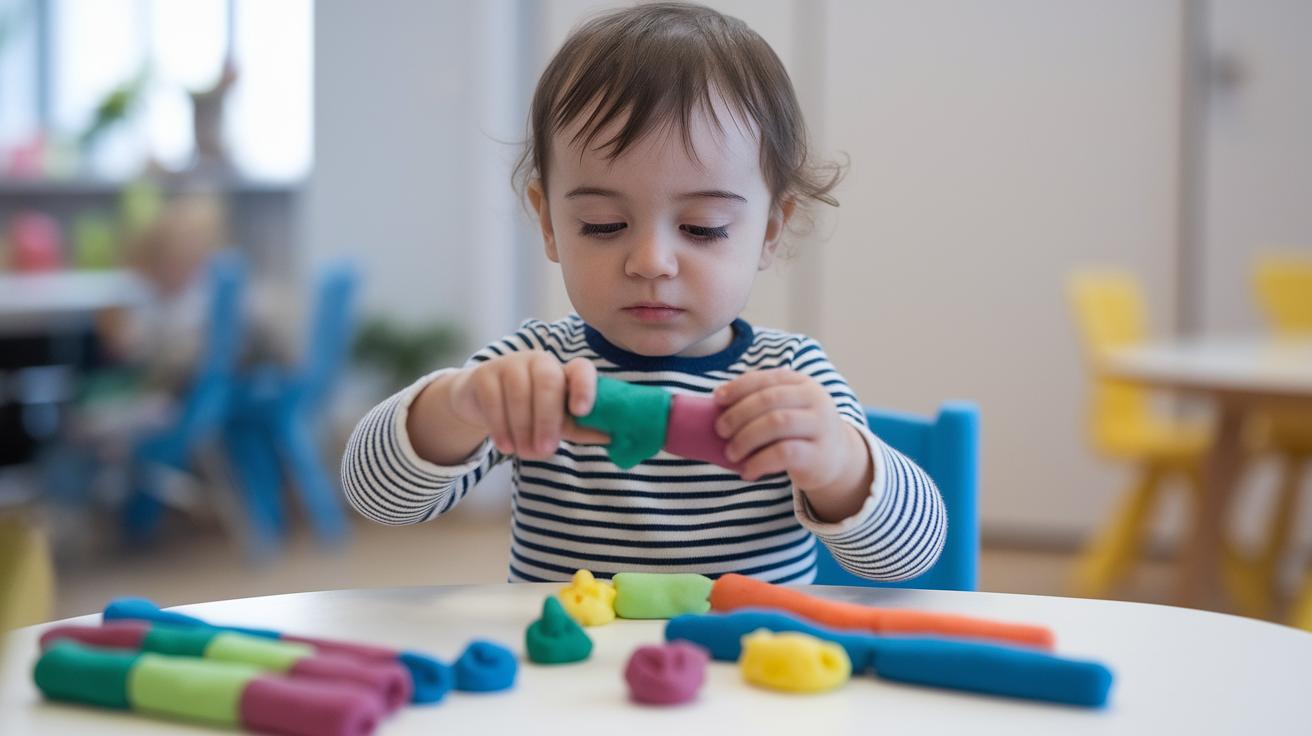
Playdough Pinch and Roll Drills
Play with playdough to strengthen your little one’s pinching and rolling skills. Here are a few easy drills:
- Roll “snakes” using the thumb and fingertips. This helps your child learn to control each movement.
- Pinch small balls to work on finger isolation and build a firmer grip.
- Flatten shapes (like a star) with a thumb-index pinch to encourage careful, precise movements.
Scissor Cutting Practice
Child-safe scissors can make cutting practice really fun while improving coordination. Try these ideas:
- Snip along a drawn line so your child learns to follow a path carefully.
- Cut out simple shapes to build concentration and control.
- Practice making small, even cuts, almost like creating a fringe.
- Enjoy collage cutting by trimming different kinds of paper, it adds a creative twist that feels fun and spontaneous.
Bead Threading Sessions
Bead threading is a delightful way to boost fine motor skills and eye-hand coordination. Give these a try:
- Start with large-holed beads that are easy to thread so your child feels confident.
- Use pipe cleaners for a change in texture and a bit of extra flexibility.
- Experiment with projects using patterned string, which can inspire matching beads to fun designs.
Keep these simple tools close during playtime, and always ensure an adult is nearby to keep things safe. Check the materials regularly to be sure they remain clean and safe, and feel free to adjust the challenges as your child’s skills grow. Enjoy the fun and watch those little hands grow stronger every day!
Creative Art Projects and Handwriting Readiness Routines
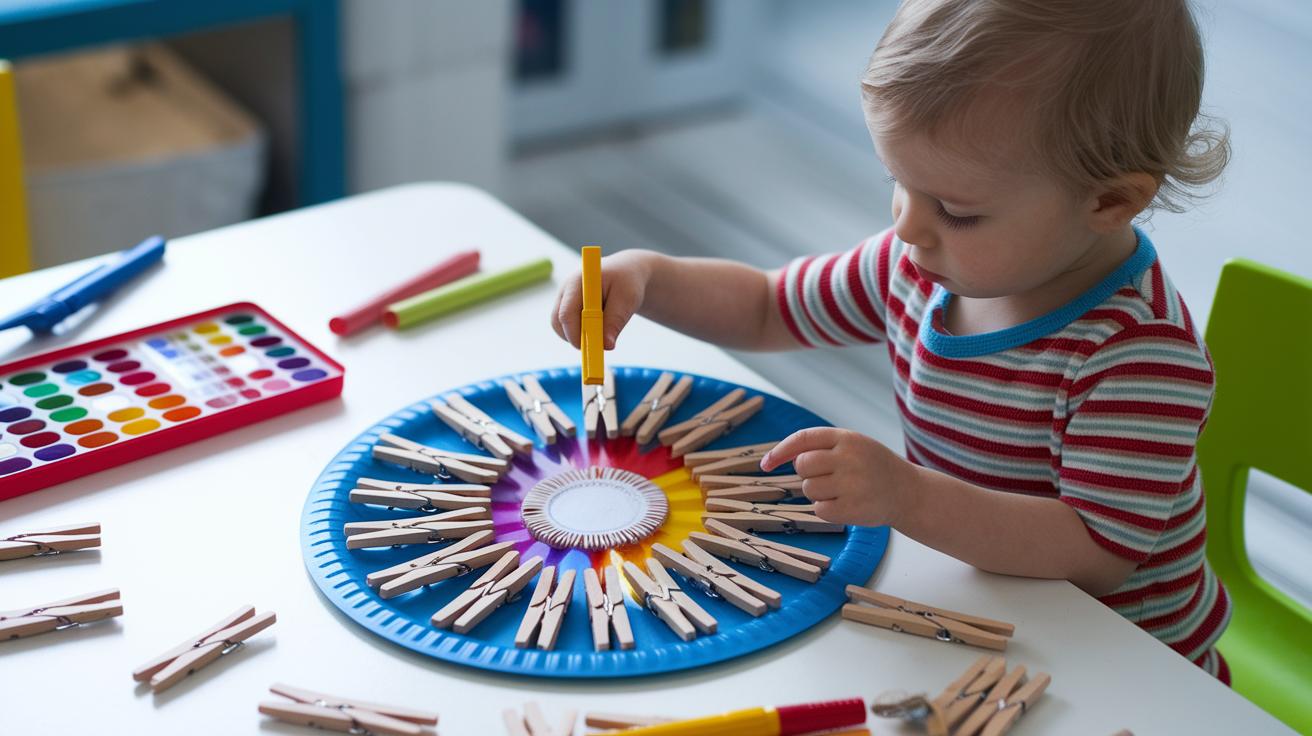
Art projects are a fun way to let kids' creativity shine while also helping their little hands get stronger for writing. Let's explore some unique activities and special exercises designed to boost their handwriting skills.
| Activity | Materials | Target Skill |
|---|---|---|
| Clothespin mandala frames | Clothespins, paper plate | Pinch strength |
| Pom-pom sorting collage | Pom-poms, glue, tray | Grip & release |
| Pipe cleaner sculptures | Pipe cleaners | Finger flexion |
Give these pencil grip tricks a try. Squeezing a rubber band feels like a little workout for tiny muscles, building up the finger strength they need. Another fun exercise is using a triangle holder to help guide the hand into the perfect writing position. And when kids trace dot-to-dot pictures, it boosts their coordination so writing becomes smoother.
If your child is left-handed, simply flip the setup to make it more comfortable. Adjust the desk or seating so their hand can rest naturally. For example, during the triangle holder exercise, turn the paper around so the pencil fits just right for a left-handed grip.
Sensory-Motor Play Routines and Progress Tracking for Fine Motor Mastery
Sensory activities are a playful way to help your child build fine motor skills by exploring different textures. Using everyday materials can make learning fun and help your little one feel more confident as they plan their movements.
One great activity is sand-tray pinching. Fill a shallow tray with clean sand and let your child pick up little objects using their fingers to pinch them. This simple task helps strengthen precise finger movements and teaches them how to use just the right amount of pressure.
Another fun exercise is rice bin scooping. Fill a container with rice and give your child a spoon or a small cup. Encourage them to scoop the rice and move it from one container to another. It’s like a mini treasure hunt that also boosts their coordination and sense of space.
You can also try a fabric exploration board. Attach different pieces of fabric, soft ones, rough ones, and even bumpy ones, to a board. Let your child run their fingers over each piece. It’s a gentle way to learn about textures while enjoying a tactile adventure.
Textured putty is another engaging option. Allow your child to squish, mold, and shape the putty. This not only feels fun, it also helps improve their grip and flexibility as they explore making different shapes.
At home, keep a simple motor-development log as you try these fun activities. Write down the date, the activity, how long it lasted, and a few notes about how your child reacted. Taking a moment to jot down these details can be a nice way to see their progress over time.
Every month, look back at your log and see what might need a little extra challenge or a simpler twist to keep your child excited. It’s all about making sure each day feels a bit more playful and achievable.
Final Words
In the action, the article explored playful ways to build strength and precision in little hands. We shared simple techniques, from stacking blocks to creative art projects, that nurture daily skills like writing and self-feeding.
Each section offered helpful tips on timing, safety, and small adjustments. Regular practice with fine motor skills development activities can set the stage for continued progress.
Keep trying these activities and enjoy watching everyday tasks become fun, supportive moments of growth!
FAQ
Q: What are fine motor skills activities for young children like 1–2-year-olds and preschoolers?
A: Fine motor skills activities for these ages include simple tasks such as picking up small objects, finger painting, and buttoning. They help build early hand strength and coordination for daily tasks.
Q: What fine motor skills activities work well for 3–4-year-olds and 7-year-olds?
A: For 3–4-year-olds, activities like stacking blocks and tracing shapes boost hand control. For 7-year-olds, more detailed crafts and puzzles further refine precision and manual dexterity.
Q: What gross motor skills activities help with physical development?
A: Gross motor activities involve large movements such as dancing, running, or climbing. They strengthen major muscle groups and improve overall body coordination, which benefits everyday play.
Q: What activities promote fine motor skills?
A: Activities that promote fine motor skills include manual tasks like lacing beads, sticker placements, and clothespin pinching. These exercises refine hand-eye coordination and improve finger isolation.
Q: What are five examples of fine motor skills activities that foster hand coordination?
A: Five examples include stacking blocks, tracing shapes, button practice, bead threading, and sticker placement. Each task encourages precise hand movements, building strength and coordination essential for everyday tasks.