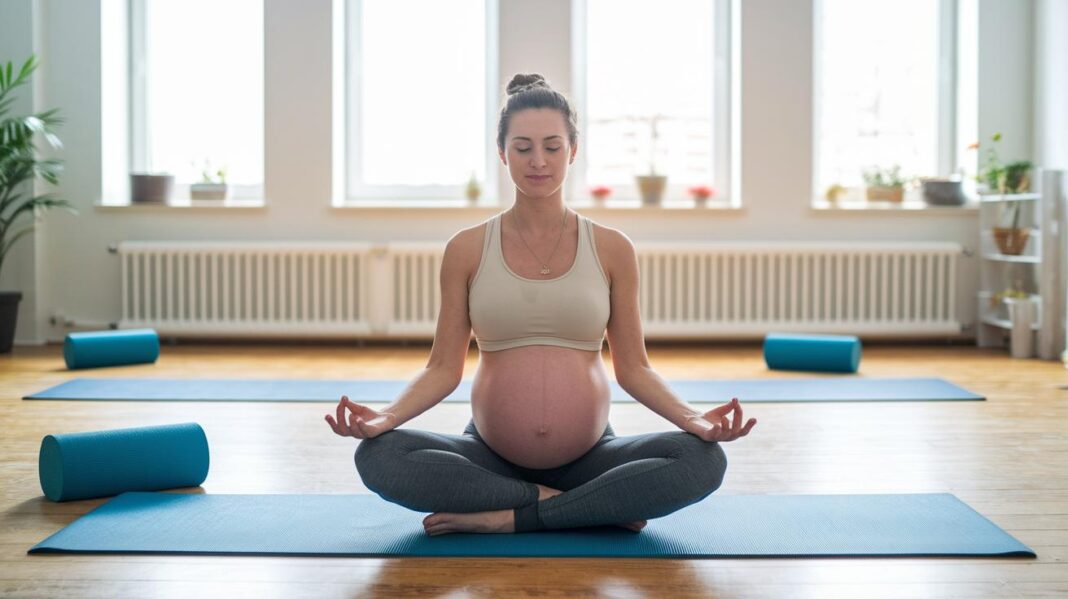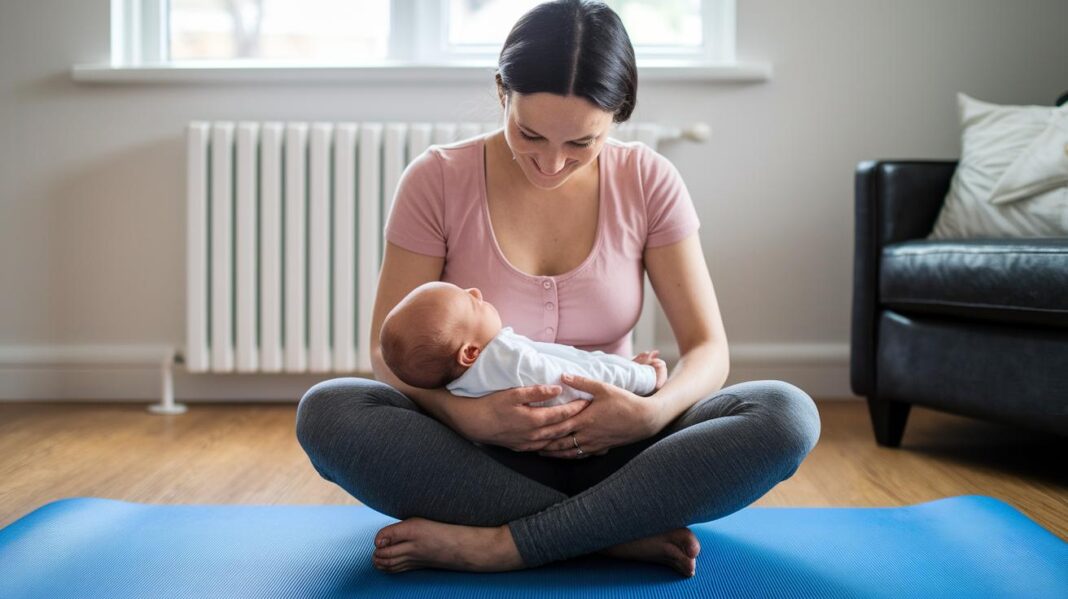
Have you ever wondered if your belly muscles can fix themselves after having your baby? Healing diastasis recti is more than just closing a gap, it's about gently building up your strength from within.
Your body is pretty amazing. It can recover a bit like your favorite t-shirt that gets mended with a lot of care. In this guide, we share gentle breathing techniques and soft core exercises that help your muscles reconnect. Plus, they support a smoother recovery so you can feel confident every step of the way.
Key Strategies for Healing Diastasis Recti Postpartum

Diastasis recti happens when the two sides of your belly muscle separate during pregnancy. It’s a natural part of making room for your baby, so there’s no need to worry. Our bodies are pretty amazing, they can heal over time, much like a small tear in your favorite sweater can mend with a little care. I once heard about Sarah, who was amazed to see her midsection getting stronger gradually with gentle practice.
The path to recovery really centers on two things: mindful breathing and gentle core exercises. When you breathe, try taking a slow, deep breath in through your nose and exhale with a soft “ahh,” while gently engaging your lower belly. Imagine it like catching a cool, refreshing breeze on a crisp morning. Then, mix in simple exercises that work on your deep core muscles, like heel slides or soft contractions, to build strength without any strain. Every movement should feel slow, letting your muscles work in harmony with your breath.
Take your time with these steps. Start with very light movements and minimal resistance, only adding more when everything feels smooth and pain-free. By practicing regularly and with care, you give your body the chance to heal naturally, gradually building up a stronger, flatter midsection. Remember, healing diastasis recti is a gentle journey that unfolds slowly, so be kind to yourself as you progress.
Understanding Postpartum Diastasis Recti: Definition, Causes and Self-Assessment
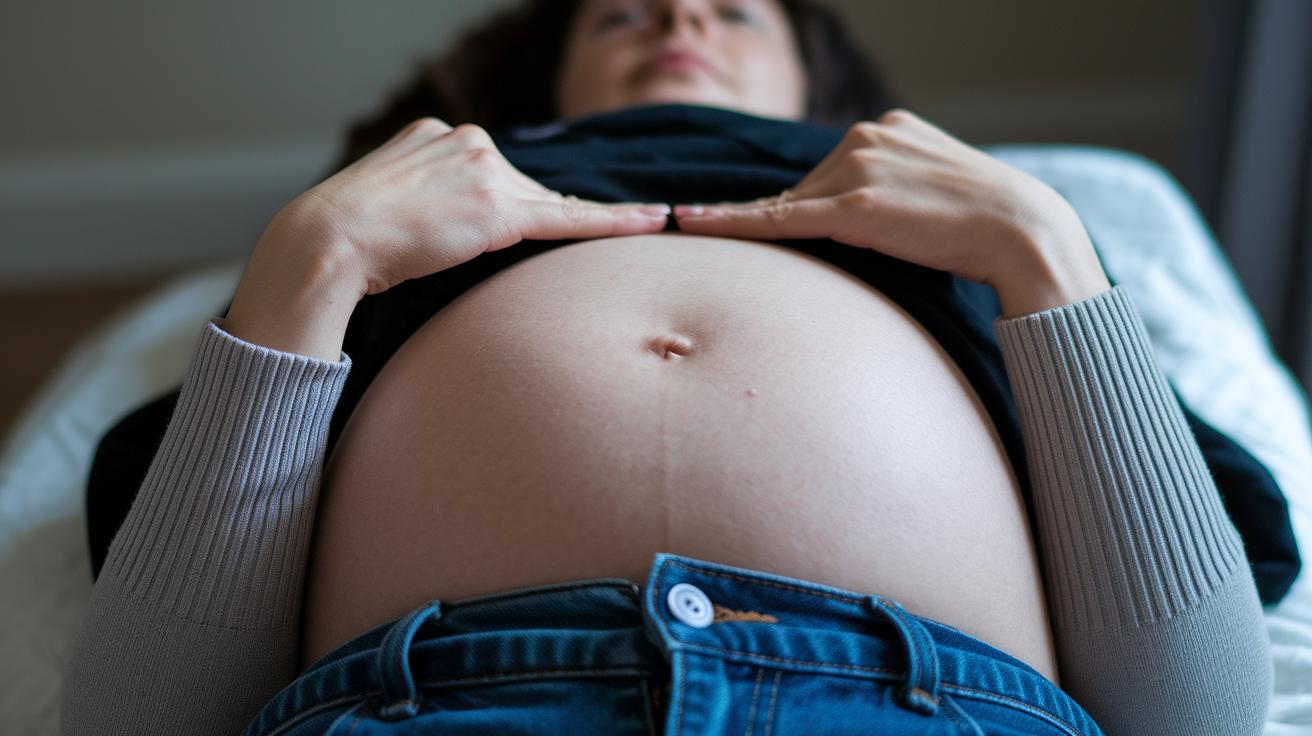
Diastasis recti is a normal change where your abdominal muscles split down the middle. When you’re pregnant, your body produces hormones that soften your tissues, and your growing uterus gently stretches your belly. This widening helps create room for your little one. After your baby is born, you might notice a soft bulge or a slight gap when you press along the center of your tummy. Knowing that a little separation is normal can boost your confidence as you heal, because your body is built to recover with time.
You can try a simple test at home to see how you’re healing. Here’s how:
- Lie on your back comfortably.
- Gently place your fingers just above your belly button.
- Then, slide your fingers just below it.
- Lift your head slightly while still lying down.
- Feel for a soft gap or slight bulge along your middle.
- If you notice about a two-finger gap, that might mean there’s some separation.
This gentle check isn’t meant to replace a visit to your doctor, it’s just a way to help you monitor your progress. Pairing this with gentle core exercises and mindful breathing can slowly build up a firmer, more stable tummy over time. Remember, every little step counts, and it’s okay to go at your own pace while you take care of yourself.
Top At-Home Exercises for Postnatal Core Restoration
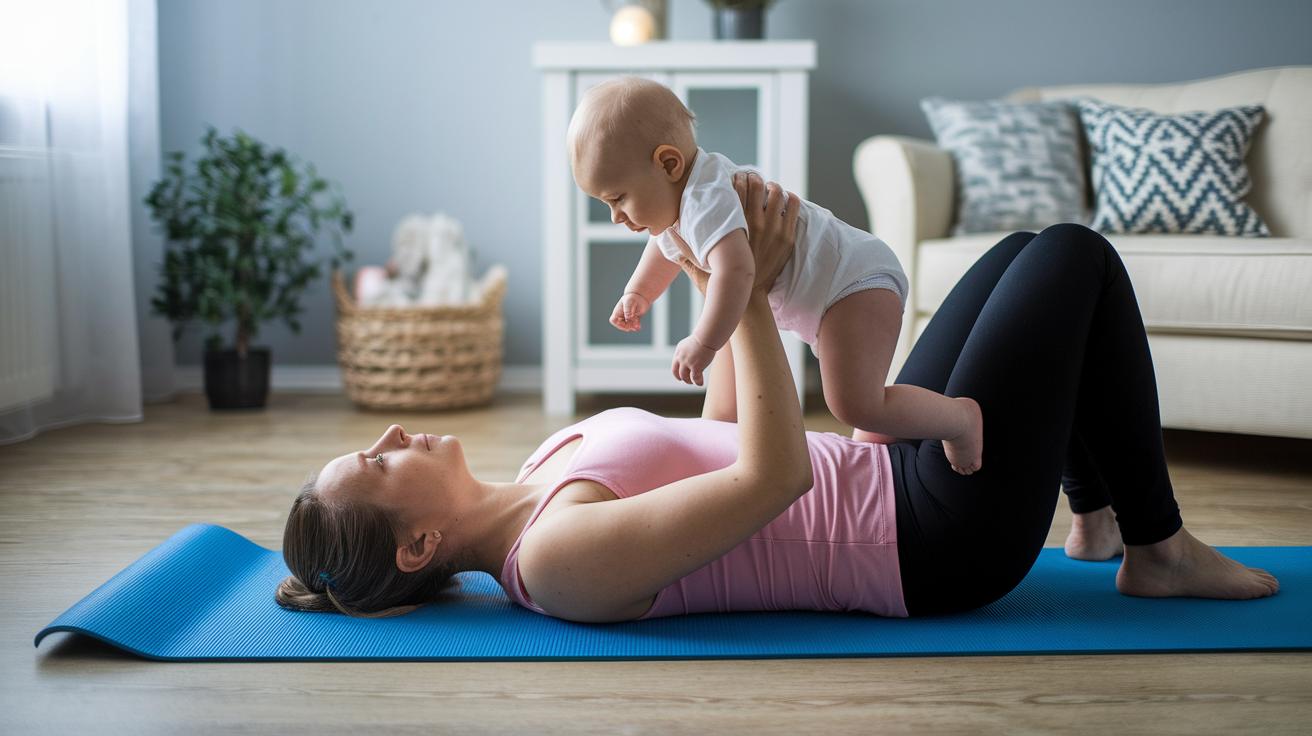
Getting back into exercise after having a baby can feel a bit daunting, so take it slow and listen to your body. Begin each move gently, letting your core engage lightly as you ease into it. Always pay attention to how you feel, each step should feel smooth and free of any discomfort.
-
Transverse Abdominis Activation: Lie on your back with your knees bent and feet flat. Imagine you’re bracing for a soft tap on your tummy. Gently pull your lower belly in and hold for a few seconds as you breathe calmly. Only try holding it a bit longer once it feels really natural.
-
Brace Heel Slides: While resting comfortably on your back with your knees bent, lightly tighten your tummy. Slowly slide one heel out to the side, extending your leg without arching your back. Bring it back gently and switch to the other leg. As you grow stronger, you can gradually allow the heel to slide a bit further.
-
Brace Marching: Keep that gentle core engagement as you lift one foot off the floor in a calm, alternating rhythm. Think of it as a soft, comforting march that helps keep your lower back safe and your core feeling supported.
-
Brace Single Knee Extension: With your feet flat and your knees comfortably bent, engage your core and lift one knee to slightly straighten your leg. Carefully lower it back down and repeat on the other side. Aim for smooth, coordinated moves that build strength without any strain.
Try doing these exercises three or four times a week. Start with just a few repetitions and gradually increase them as your confidence grows. A slow and steady approach can make a big difference in your journey to a safe, gentle recovery.
Progression and Timeline for Healing Diastasis Recti Postpartum
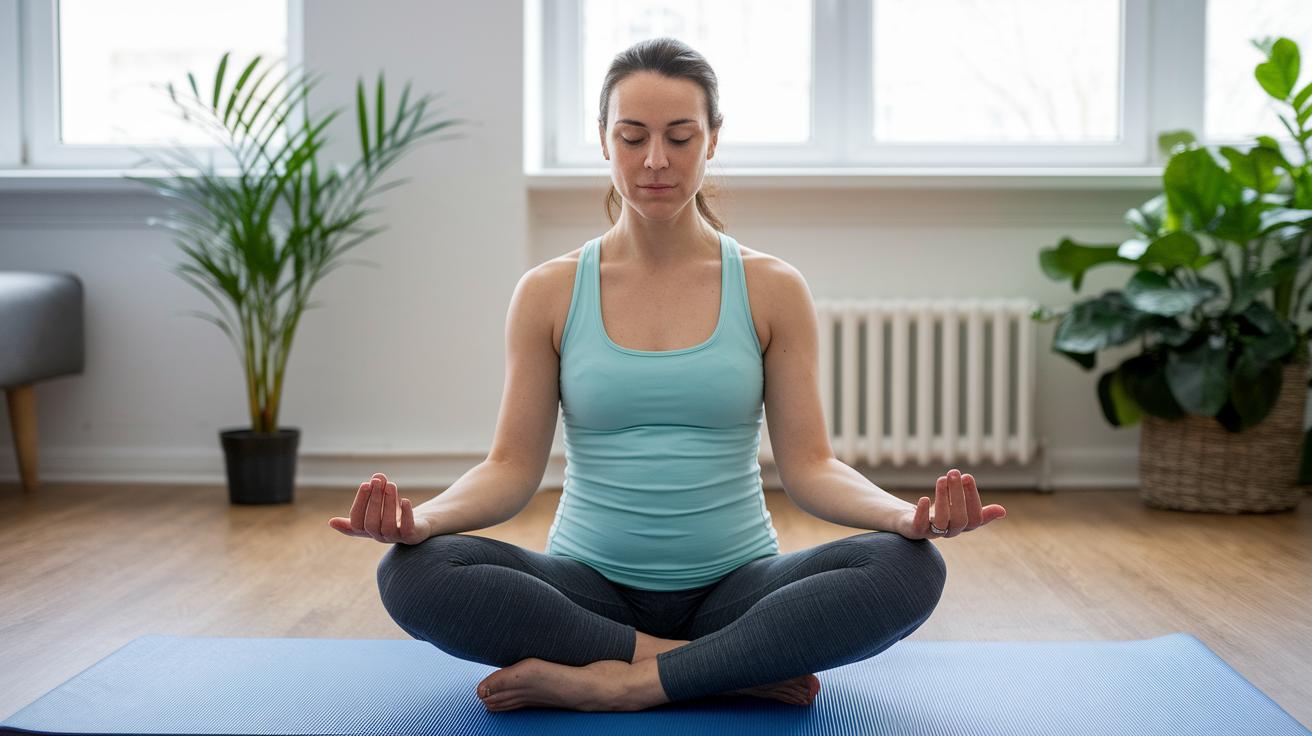
In the first 1–8 weeks after your baby arrives, focus on gentle movements and mindful breathing. Each exercise should feel soft and free of pain since your body is working hard to repair and stabilize itself. Think of it like easing into a warm bath after a long day, each slow, controlled breath is a little victory on your path to recovery.
Between months 3 and 6, you might notice some clear milestones. This is a sign that your body is ready for a slight increase in activity. You can carefully add a few more repetitions or hold a gentle contraction a bit longer, always making sure the movements stay comfortable. It’s a bit like adjusting the volume on your favorite song, gradually raising it until it sounds just right without being too loud. Every step builds your confidence and helps you feel stronger.
Even after these early months, keeping up a regular, gentle exercise routine is key. Your body’s connective tissue can continue to change and strengthen for up to three years after birth. Each mindful practice, no matter how small, supports your journey toward a firmer and more resilient midsection. Keep celebrating those small wins, they truly add up!
Lifestyle and Nutrition to Support Core Recovery After Birth

Every day, you can make little changes that help your body heal after birth. Try adding some gentle breathing exercises and be mindful of how you use your tummy muscles. When you're lifting or bending, let your core relax so it doesn't work too hard. And don’t forget about your posture, the way you sit with a straight back or stand during your chores matters. Picture yourself taking slow, calming breaths and feeling your core softly support you like a warm, cushioned hug. These mindful steps go a long way in easing you into recovery.
Good nutrition is just as important for healing. Eating enough protein, vitamin C, and collagen-rich foods (these help repair your tissues) can really boost your recovery. Drinking plenty of water also helps your muscles mend and keeps your digestion smooth. You might even try a few easy meal ideas from a postpartum nutrition guide. This kind of balanced eating not only supports your body but also gives you the strength and confidence to step into each new day.
When to Seek Professional Help for Diastasis Recti Postpartum

If you're experiencing sharp pain, noticing a stubborn bulge, or feeling like something's pushing out in your tummy, these might be warning signs. Sometimes, what seems like a simple postpartum change can turn into a more serious issue, such as a hernia (when organs push through), which might lead to tissue damage. And if the discomfort sticks around or the gap appears to grow despite your gentle care, it could be more than just a normal part of recovery. Trust your body and see these signals as clear reminders to get expert advice quickly.
So, why not give your OB-GYN a call for an evaluation? They can check things out and let you know if additional care is needed. In many cases, your doctor might even refer you to a specialist who focuses on post-delivery physical therapy or physiotherapy to help with gap repair. These experts can create a personalized recovery plan just for you. And if you’re curious for more support, there are plenty of postpartum strategies out there built just for new moms.
Inspirational Success Stories and Real-Life Testimonials of Postnatal Gap Repair
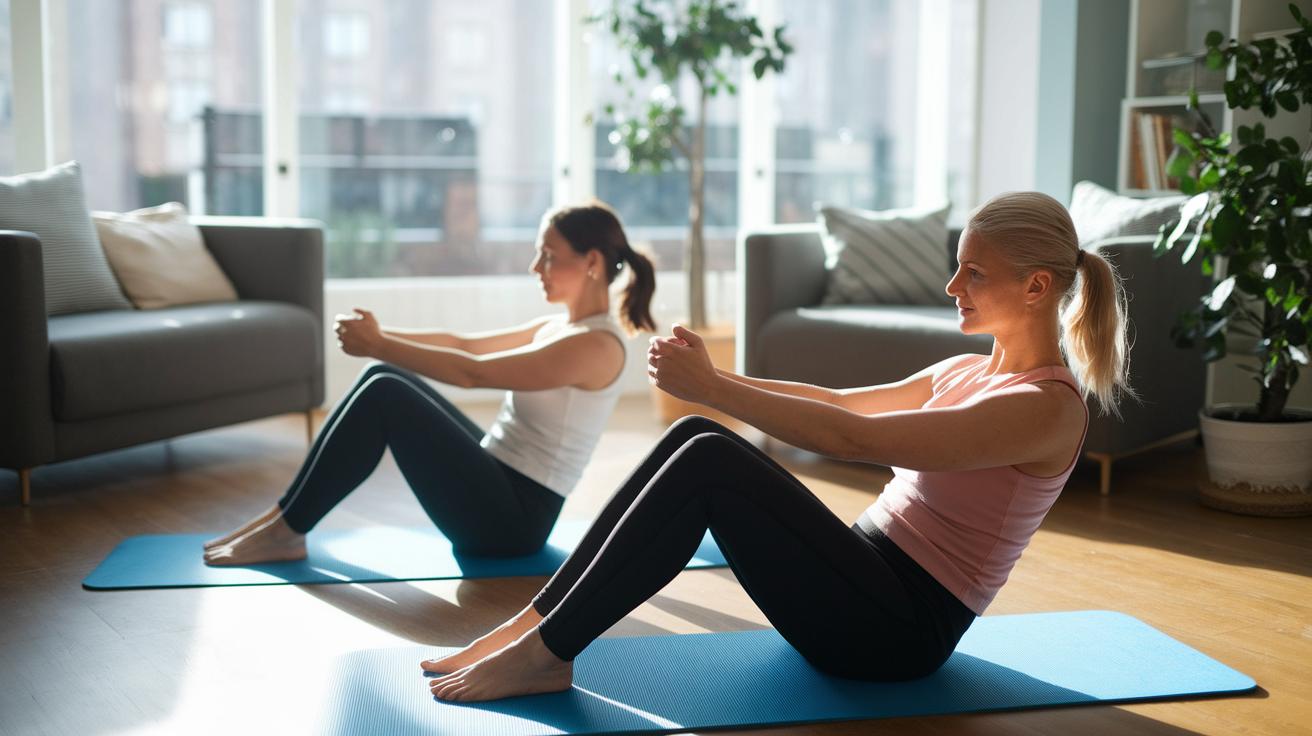
Emily, one mom, found that gentle, guided exercises helped her midsection change in a way she hadn’t expected. “In just three months, I felt my core tighten and grew more confident playing with my little one,” she shared with a warm smile.
Lisa experienced her own small victories along the way. By sticking with simple breathwork and core routines, she watched her strength build slowly but surely. “I remember when I first noticed my belly looking smoother. It felt like I was slowly finding my strength again,” she recalled.
Then there's Sarah, who started her core healing journey three years after giving birth. She was amazed to discover that her core was even stronger than before her pregnancy. Imagine feeling empowered every day, like a fuzzy photo coming into clear view little by little.
These true stories remind us that with some patience and regular practice, feeling healthy and strong is totally within reach.
Final Words
In the action of embracing postpartum recovery, this piece walked you through natural healing and gentle core engagement. You learned about simple self-assessments, safe exercises, and the importance of balanced nutrition to support abdominal recovery. The guide also touched on recognizing when to reach out for professional advice, with uplifting testimonials reminding you that progress is possible at your own pace. Stay motivated on your path, and keep focusing on healing diastasis recti postpartum so that each step brings renewed strength and comfort.