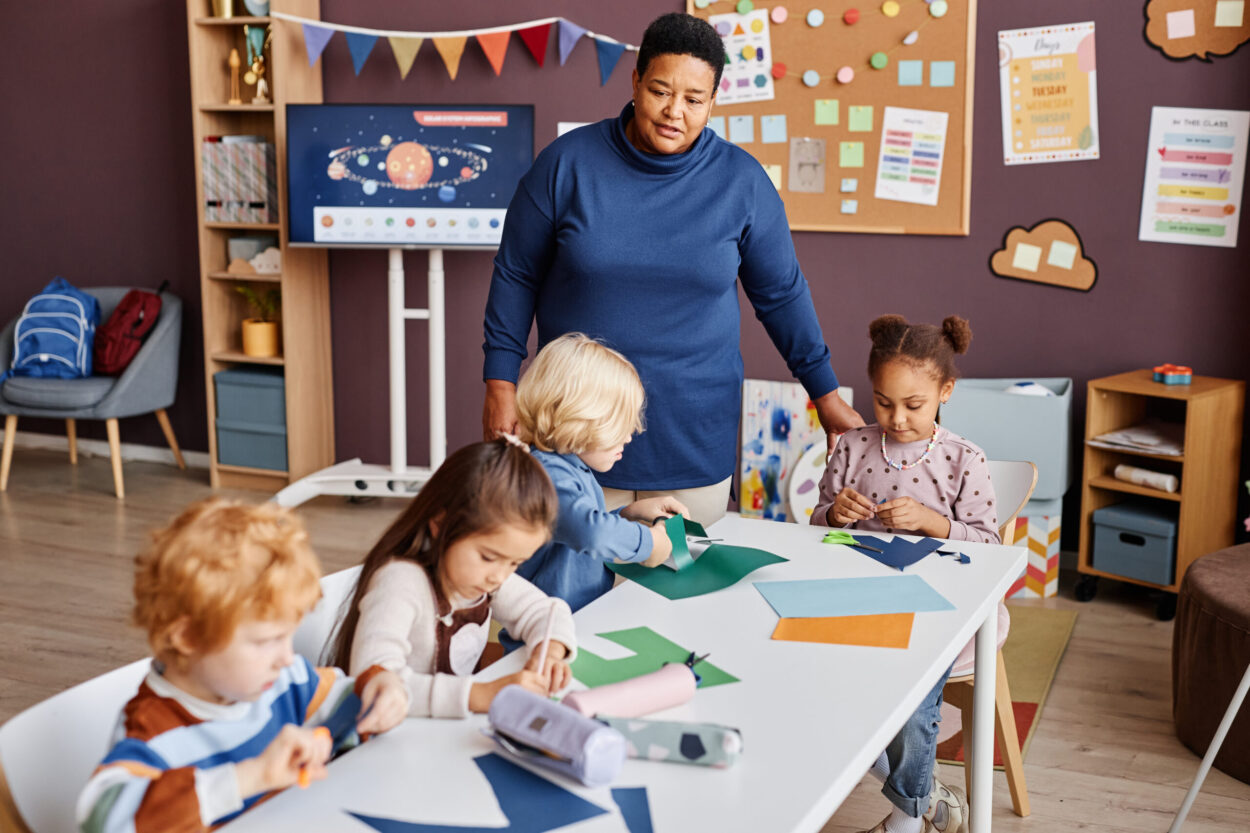
Education is a foundational pillar that shapes the future of children. However, setting the stage for academic success begins long before kindergarten. Pre-kindergarten programs have become an essential stepping stone, bridging early childhood learning and formal education. Let’s take a look at how these programs can prepare your child for school, equipping them with the skills and confidence needed to thrive.
Developing Early Literacy and Numeracy Skills
Pre-kindergarten programs play a crucial role in developing early literacy and numeracy skills. These foundational skills are essential for academic success in later years. Through interactive activities, storytelling, and games, children learn to recognize letters, sounds, and numbers.
Practical Tip:
Encourage your child to participate in reading circles and counting games at home. Studies show that children exposed to books and reading at an early age are more likely to perform better in school.
Fostering Social and Emotional Development
One of the most significant benefits of pre-kindergarten programs is the emphasis on social and emotional development. Children learn to interact with their peers, share, take turns, and express their feelings in a healthy manner. These skills are vital for creating positive relationships and adapting to a structured school environment.
Data Insight:
According to the National Institute for Early Education Research (NIEER), children who attend high-quality pre-kindergarten programs exhibit stronger social skills compared to those who do not.
Encouraging Independence and Self-Confidence
Pre-kindergarten environments encourage children to become more independent and self-confident. Activities such as choosing their own tasks, completing simple projects, and following routines help children develop a sense of autonomy and responsibility.
Example:
When children successfully complete a task or project on their own, they experience a boost in self-esteem. This newfound confidence can ease the transition into the more structured and demanding environment of kindergarten.
Enhancing Motor Skills
Fine and gross motor skills are another critical area of development in pre-kindergarten programs. Activities like drawing, cutting with scissors, playing with building blocks, and outdoor play help children improve their coordination and physical abilities.
Statistic:
A study published in the Journal of Early Childhood Research found that children who engage in regular physical activities in preschool tend to have better motor skills and overall physical health.
Cultivating a Love for Learning
Pre-kindergarten programs create a fun and engaging learning environment that fosters a love for learning. By making education enjoyable, children develop a positive attitude towards school, which can lead to lifelong learning habits.
Practical Tip:
At home, reinforce this love for learning by incorporating educational toys, puzzles, and interactive apps that make learning feel like play.
Building Cognitive Skills
Cognitive development is a key focus in pre-kindergarten programs. Activities designed to stimulate critical thinking, problem-solving, and memory enhance cognitive skills that are essential for academic success.
Example:
Simple activities like matching games, puzzles, and sorting exercises can significantly improve a child’s cognitive abilities. Encouraging your child to engage in these activities at home can further reinforce their learning.
Providing Exposure to Diversity
Pre-kindergarten programs often bring together children from diverse backgrounds. This exposure helps children understand and appreciate different cultures, languages, and perspectives, fostering inclusivity and empathy.
Data Insight:
A report by the American Psychological Association suggests that early exposure to diversity can lead to more inclusive attitudes and behaviors later in life.
Preparing for Routine and Structure
Pre-kindergarten programs introduce children to the concept of routine and structure. Following a daily schedule, understanding classroom rules, and participating in group activities prepare children for the structured environment they will encounter in kindergarten.
Practical Tip:
Create a consistent daily routine at home that mimics the structure of a pre-kindergarten program. This will help your child adapt more easily to the school environment.
Conclusion
The benefits of pre-kindergarten programs extend far beyond just the academic realm. These programs lay a solid foundation for a child’s overall development, making the transition to kindergarten smoother and more successful. If you’re considering enrolling your child in a pre-kindergarten program, know that you’re investing in their future success and well-being.