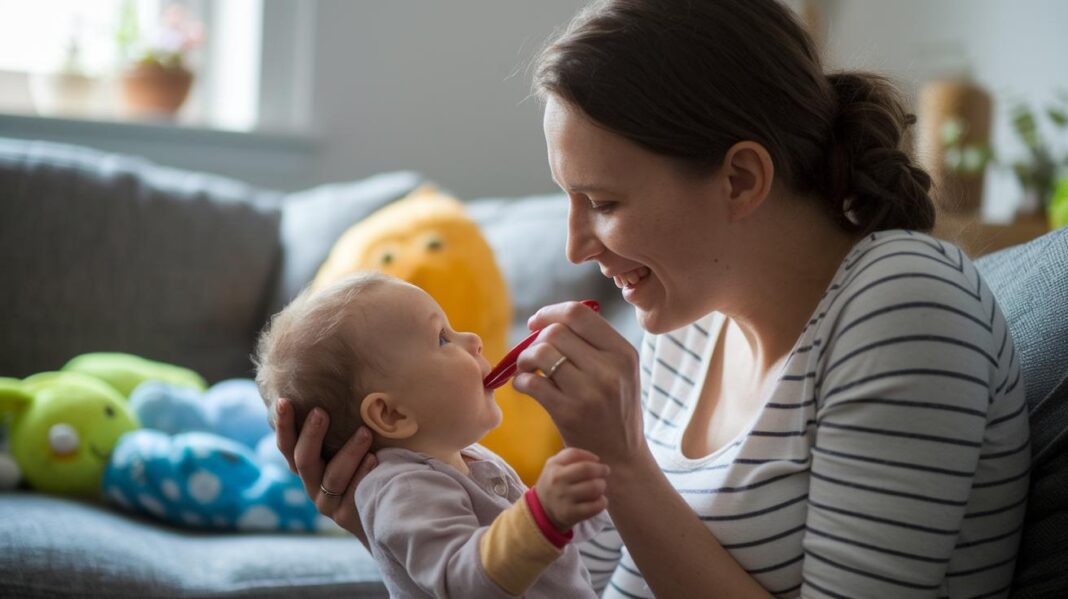
Have you ever wondered if the way your baby eats early on can shape habits for life? It might feel a little overwhelming to keep track of all these feeding milestones, but each small step helps your little one grow a bit more independent.
In this chat, we explore your baby’s journey, from the natural comfort of suckling to when they start grabbing little finger foods on their own. You’ll get easy-to-follow tips that match your child’s growth with little changes to their diet.
By following this simple timeline, you can feel more confident in supporting your baby's nutrition and celebrate every new step along the way. It’s like watching your baby discover the world, one bite at a time.
Comprehensive Timeline of Infant Feeding Milestones
This timeline gives you a simple look at your baby's eating journey during their first year. It shows what changes you can expect so you can feel confident as your little one grows.
The guide walks you through your baby's move from natural reflexes to more independent eating. You'll see when it's a good time to start offering solids, gradually shifting from milk to self-feeding.
• 0–3 months: Newborns usually feed on demand. They rely on natural suck-and-swallow actions and typically eat about 8–12 times a day. Around 1.5 to 3 months, you might notice them sucking more actively on their own.
• 1.5–3 months: During this time, your baby starts taking charge of their feeding. Instead of just relying on reflexes, they begin to suck voluntarily as they gain more control.
• Around 6 months: As your baby nears 6 months, they may show signs of being ready for solid foods. Milk feedings might drop a bit, and you might see an increase in how much they eat at each meal.
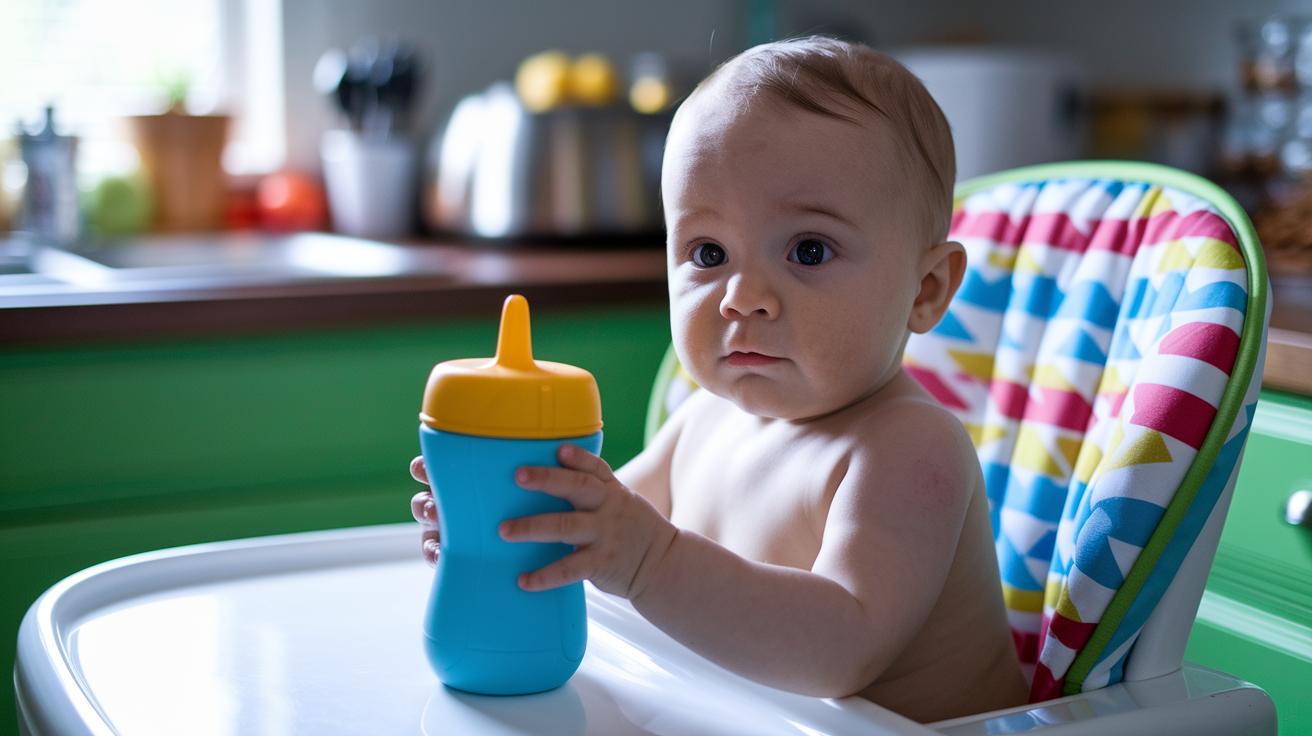
• 6–9 months: Introducing a sippy cup at this stage can be a big help. It eases the transition from bottle to cup, giving your baby a chance to learn how to drink on their own.
• 8–12 months: When your baby develops the pincer grasp, they can start picking up finger foods by themselves. This period is marked by a growing interest in solids and more self-feeding opportunities.
• 10–12 months: Around this time, your little one often begins joining family meals. Pureed foods give way to foods with more texture as milk feedings become less frequent.
Following this timeline can help you support your baby's nutritional journey. Watching these changes not only reassures you but also gives you ideas on how to adjust feeding strategies to match your child's growing needs.
Breastfeeding and Bottle-Feeding Milestones in Early Infancy

At birth, your baby uses natural feeding instincts. The simple act of rooting and the suck-and-swallow reflex help them get milk, whether it’s from the breast or a bottle. Think of a newborn that naturally reaches out for nourishment, it’s the very start of growing strong.
Between 1.5 and 3 months, feeding goes from being automatic to more purposeful. Babies begin to show better control with a stronger latch and a firmer seal during feeds. Breastfed infants find their perfect rhythm to draw milk, while bottle-fed babies start to manage the flow of formula. Imagine it like a gentle game where each sip is a new step toward better coordination.
By 4 to 6 months, as babies develop more strength and sit up with better support, feeding becomes even smoother. Bottle-fed infants often take in about 4–6 oz per feed as their sucking muscles grow stronger. This change shows that they’re getting ready for a few new nutritional challenges. Picture a little one sitting more steadily, a quiet sign that they’re ready to explore a bit more, including the gradual introduction of solids.
Readiness Signals and Introduction to Solids Milestones
Around 6 months, many parents notice gentle hints that their baby might be ready to explore new tastes. It can feel like a soft nudge from your little one, an invitation to expand beyond just milk. These signals show that baby’s muscles are growing stronger and that they’re ready to move on to smooth, pureed foods.
Imagine watching your baby as they start to show these little signs:
- They hold their head steadily now, a skill usually seen by 5 to 6 months.
- Their tongue doesn’t push food out anymore, making it easier to accept pureed meals.
- They’re curious about what you’re eating, sometimes reaching toward a spoon.
- They can sit briefly, even if just for 5 to 10 seconds, showing more control of their body.
- They open their mouth when a spoon comes near, a clear sign they’re ready to try a bite.
Once you notice these cues, it might be a good moment to think about adding some complementary foods. Experts, like those at the American Academy of Pediatrics, say these signals help ensure that your baby’s shift to solids is safe and supports healthy growth. As you introduce new foods, you can help your child develop a balanced and varied diet at their own pace.
Oral Motor Progression: From Purees to Textured Feeding
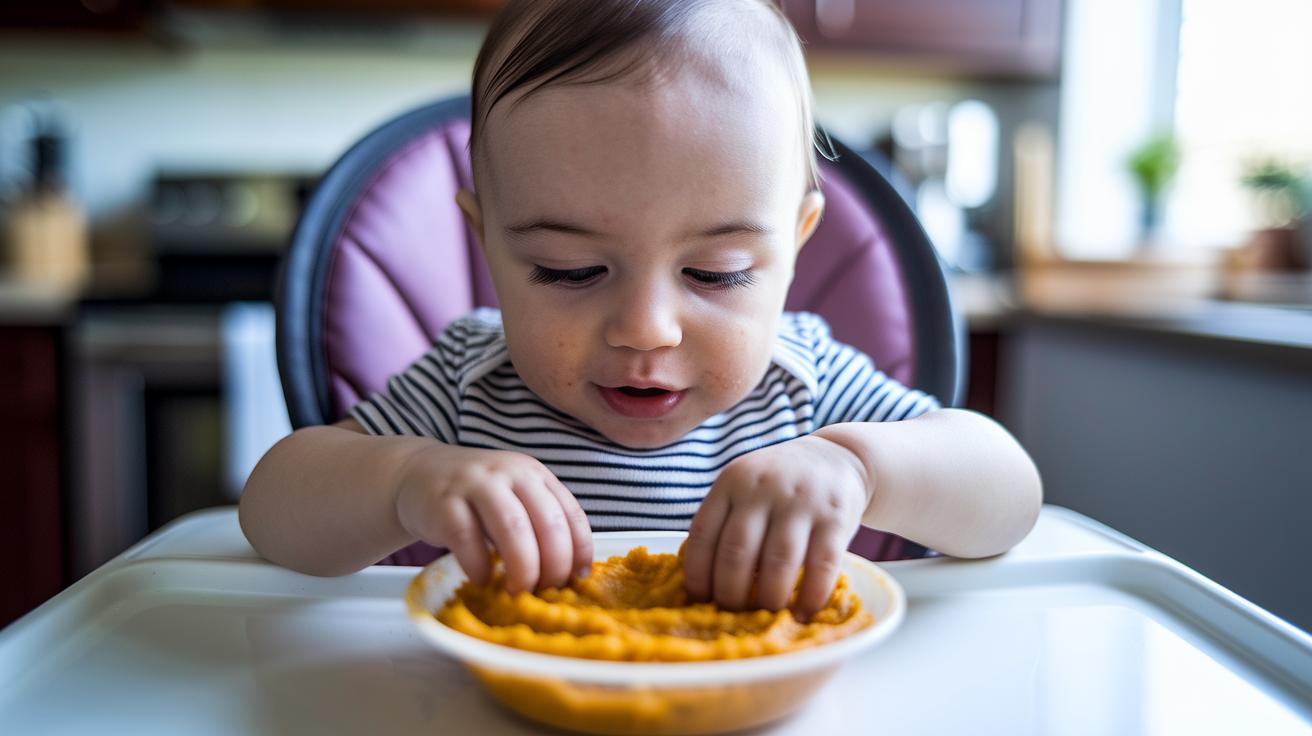
When your baby starts exploring new food textures, it’s like a little adventure for their mouth. Beginning with smooth purees, they slowly learn to move food around using their tongue and jaw in a way that builds the skills they need for chewing. It’s best to make small, gentle changes and watch for signs that your baby is ready for something a bit different. Have you ever noticed how they might push a spoonful of puree around with their tongue? That’s a sweet hint they’re curious and ready to try new textures.
| Texture Stage | Age Range | Oral Motor Skill |
|---|---|---|
| Smooth Purees | 6–7 months | Tongue protrusion to move food from spoon |
| Lumpy Textures | 7–8 months | Up-and-down jaw movement |
| Minced/Chopped Foods | 8–10 months | Circular jaw motions for chewing |
| Soft Finger Foods | 9–12 months | Tongue gathers pieces for swallowing |
Introducing one new texture at a time and keeping an eye on how your baby manages can really help them adjust at their own pace. Sometimes, these small steps lead to big improvements in eating skills and make mealtimes even more enjoyable.
Self-Feeding and Utensil Use Milestones in Infancy
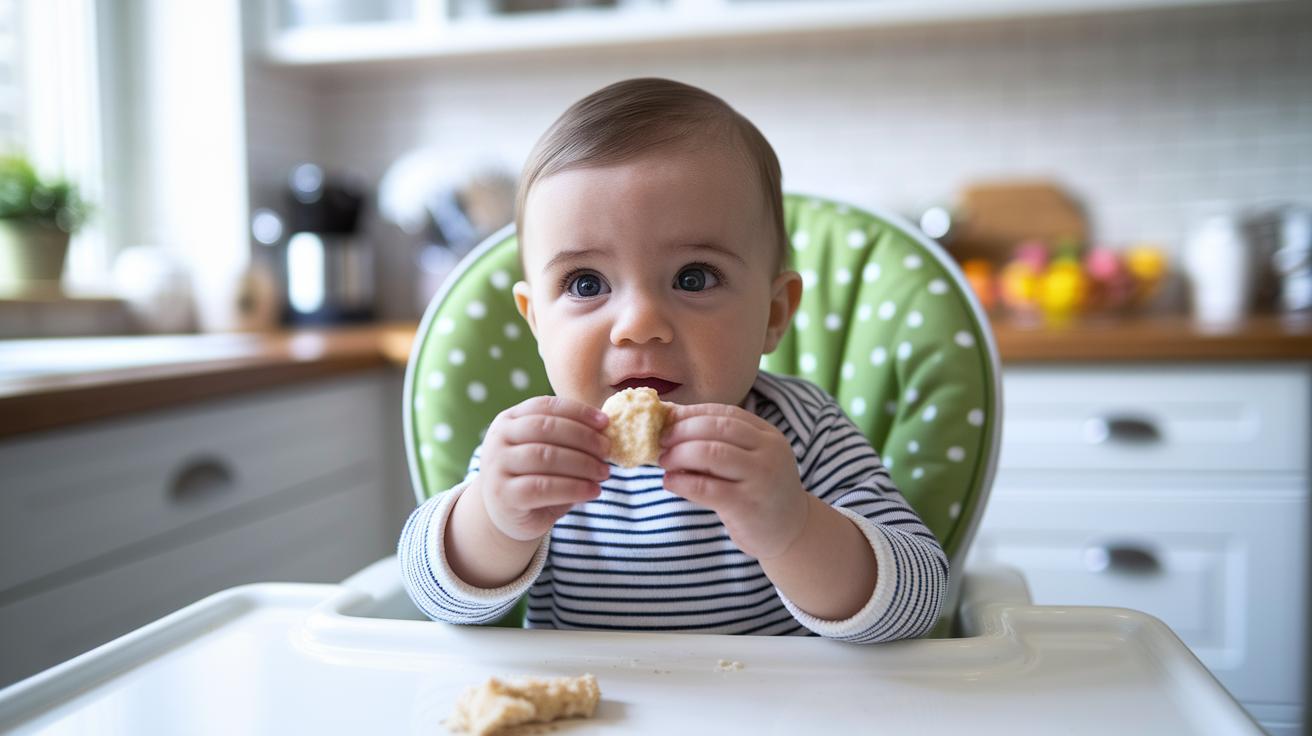
In the first months, babies quickly learn how to feed themselves. Their little hands discover the fun of holding soft foods and move from clumsy grasps to a tiny pincer grip. It’s a busy time full of little breakthroughs as they match what they see on their plate with their hand movements, getting ready for more independent eating.
- 8–9 months: Your baby starts to use a basic pincer grasp to hold soft finger foods.
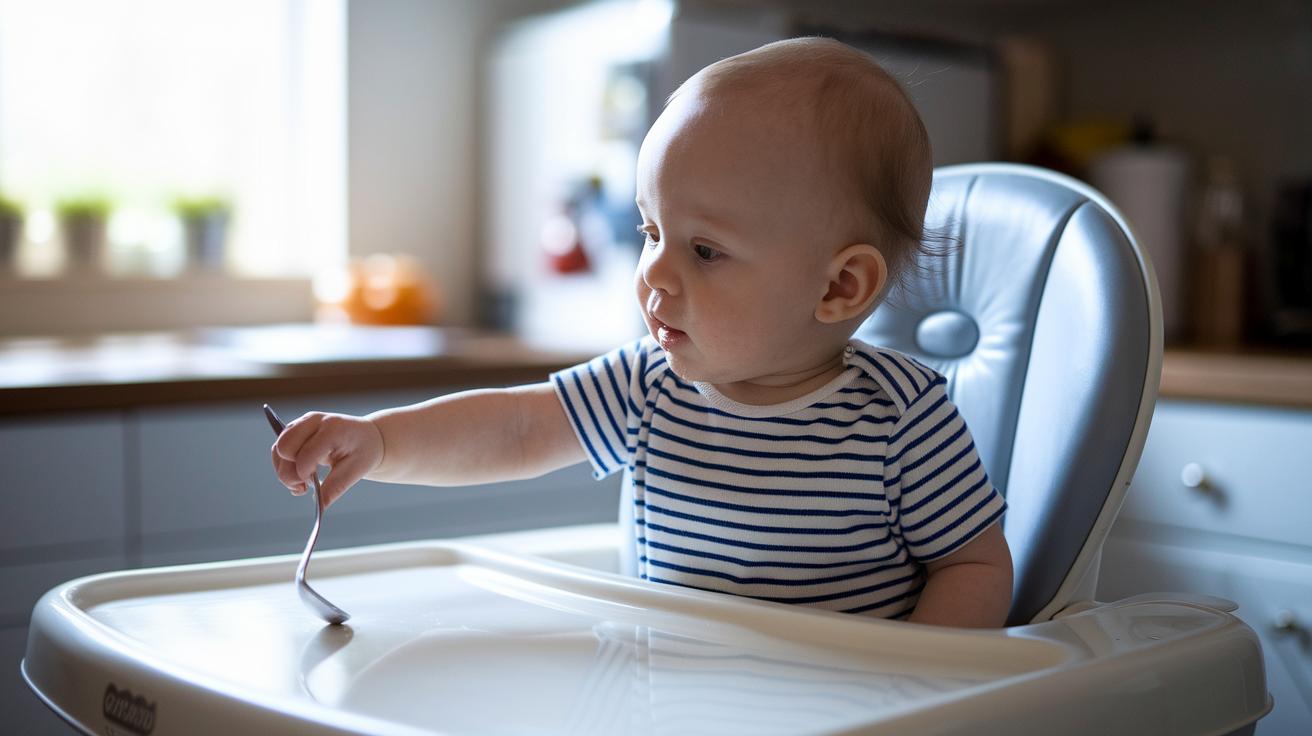
- 9–10 months: They try holding a small spoon and work on bringing it to their mouth, even if there’s a bit of a mess.
- 10–12 months: They begin using the rim of a sippy cup or straw cup, with a little help from you.
- 11–12 months: Better hand-eye coordination lets them dip the spoon into food and aim it correctly at their mouth.
- 12 months: Your baby starts to join family meals, eating more on their own and exploring new tastes.
Every one of these steps helps build your baby’s confidence. Don’t you just love how each bite brings them closer to being a tiny, independent eater?
Identifying Challenges and Red Flags in Infant Feeding Milestones

Sometimes, feeding doesn’t go as smoothly as you hoped, and you might notice little signals that something isn’t quite right. It’s like when you're making your favorite recipe and suddenly something feels off, you trust your instincts as a mom. If you see any of these signs, it might mean your baby needs a little extra help during mealtimes.
- Your baby still pushes food out with their tongue or doesn’t seem to take a spoon by 7 months.
- Your little one struggles to hold their head or body steady enough for safe feeding.
- They often choke, gag, or refuse different textures even when other signs suggest they’re ready.
- Their diet isn’t expanding beyond purees even after 9 months.
- They aren’t gaining enough weight, or mealtimes continue to be a battle.
- Feeding difficulties that just don’t seem to get better might be a reason to have a chat with a doctor or feeding expert.
If you notice these challenges happening again and again, it’s a good idea to talk with your pediatrician or a feeding specialist. They can offer advice that’s just right for your baby’s needs. Trust your heart, your instincts are a strong guide in making sure your baby grows well and feels safe during meals.
Tracking Infant Feeding Milestones: Tips and Tools for Parents

Starting a daily feeding log can really help you out. It lets you note little details like how much milk your baby drinks, the textures they enjoy, and even when they try new flavors. It’s almost like keeping a diary of your baby’s tastes and growing skills, and you get to celebrate each small win every day!
Not only does tracking these milestones make you feel proud, it can be really handy during doctor visits too. When you share your notes and compare them with growth charts and weight-for-age numbers, you can see that your baby’s eating habits are right where they should be. And hey, have you ever tried using a mobile app for this? It makes recording feeding times and amounts super easy so you can keep up with your baby’s hunger and fullness cues.
- Use a daily feeding log to write down milk amounts, textures, and new tastes.
- Bring your log to check-ups to compare with growth charts and weight numbers.
- Try a baby-feeding tracker app to easily mark feeding times and amounts.
- Watch for your baby’s hunger and fullness signals to decide what to serve next.
- Rotate fruits, vegetables, and proteins to see how your baby responds to new tastes.
These simple steps can support you on your baby’s nutritional journey while giving you the peace of mind you deserve as you watch them grow.
Final Words
In the action, we’ve highlighted every stage from newborn milk feeds to self-feeding wins and even spotting challenges early on. We talked about how tastes change and oral skills grow, offering practical tips to track progress. This guide helps you see clear infant feeding milestones that matter every day. Trust that each small progress is a win. Keep enjoying these precious moments as you support your baby's nourishment and well-being with care and confidence.