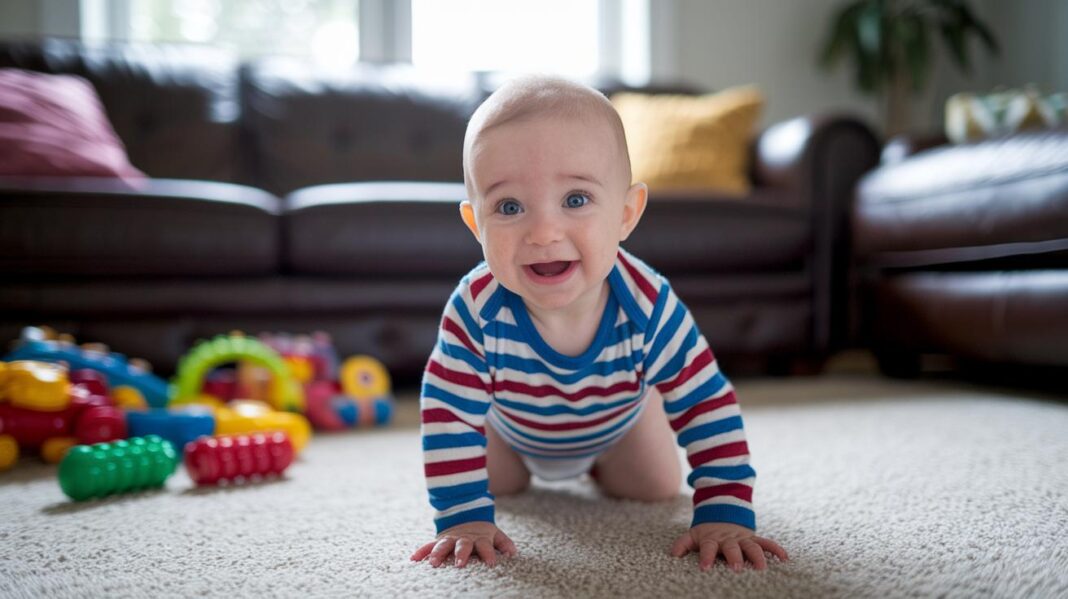
Have you noticed your little one taking big steps in everyday moments? At 10 months, many babies pull themselves up to stand while they crawl with purpose. They even start playing simple games, like making a toy vanish just to see what happens.
Every babble and little step shows their growing confidence and strength. In this post, we’ll chat about how these sweet moves create a happy, sturdy foundation for all the fun and new adventures waiting ahead.
infant milestones 10 months: Joyful Growth Ahead
At 10 months, your little one is discovering new ways to move, think, and share their feelings. It’s such an exciting time as they start crawling more confidently and even pull themselves up to stand. These physical steps tell the story of a growing body ready for more adventures.
Their thinking skills are also coming into play. For instance, your baby might show they understand that even when a toy disappears from sight, it’s still there, just like a fun little game of hide-and-seek. And there are sweet social clues too. That genuine smile or the gentle wave can mean they’re learning how to connect with those around them.
Every new skill is a reason to smile. Each moment, from a wobbly step to that joyful babble, shows how much they’re growing. Take a closer look below to learn how these simple acts help build a strong and happy foundation.
Related Resource: stages of childhood development
Motor Skill Advancement: Gross and Fine Milestones at 10 Months
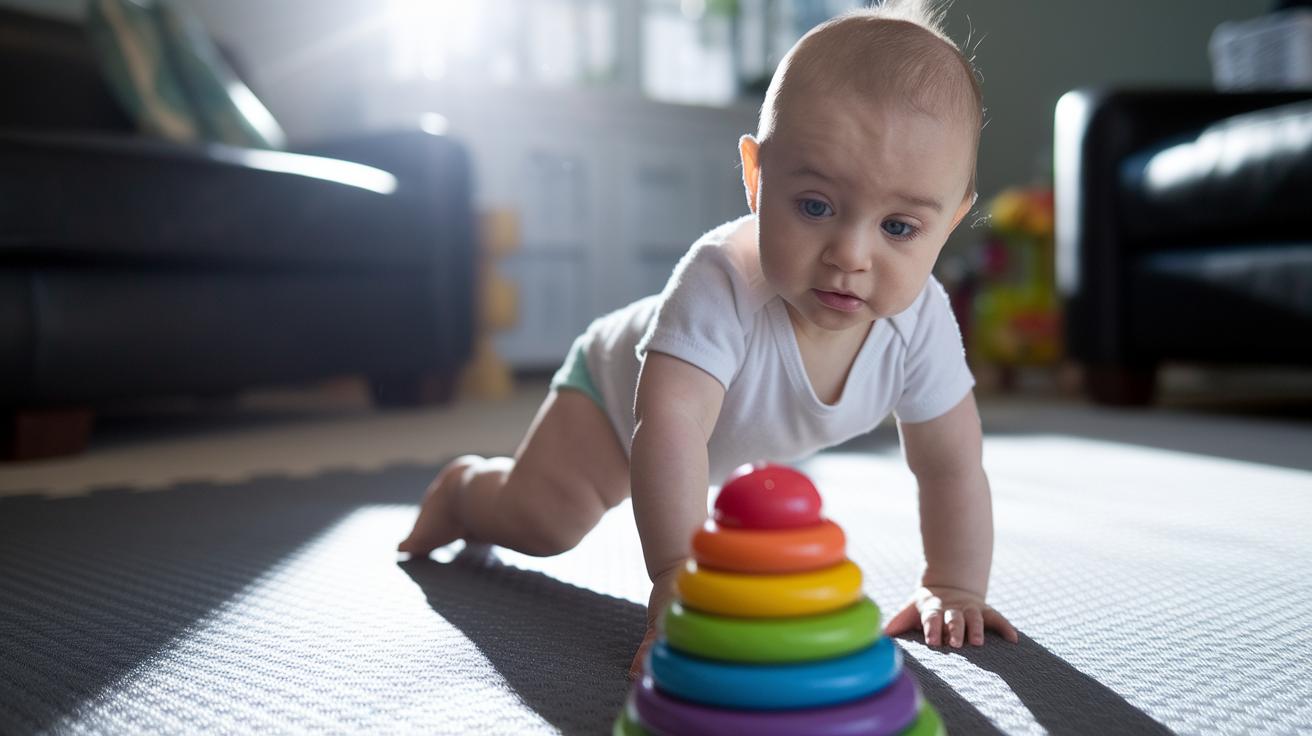
At 10 months, your baby’s movement and hand skills are getting a lot stronger. They’re working on crawling, pulling themselves up to stand, and even taking their first steps. These big body moves go hand in hand with little hand skills, like picking up objects carefully or passing them from one hand to the other. It’s a fun time of discovery where safe exploration feels exciting and secure.
| Milestone Type | Typical Age Range | Key Behaviors |
|---|---|---|
| Crawling | 6-10 months | Improved crawling with a purpose |
| Pull-to-stand | 6-10 months | Pulling up to stand on their own |
| Cruising | 9-10 months | Moving along furniture for support |
| Pincer Grasp | 8-10 months | Pinching small objects with precision |
| Object Transfer | 8-10 months | Handing items from one hand to the other |
| Self-feeding Gestures | 9-10 months | Showing interest in food and grasping it |
You can support your little one by creating a safe, open space for movement and play. Offering different textured toys or small objects gives them a chance to practice these new skills. Keeping a close eye on your baby while they explore, and joining in with simple games, makes the learning process both fun and reassuring. Have you ever noticed how a little encouragement can spark a big smile? Enjoy these moments of progress together!
Cognitive Growth Signs at 10 Months: Language, Exploration, and Problem-Solving
At 10 months old, your baby is exploring a world full of sounds and ideas. It’s like their mind is buzzing with excitement as they test out new noises, expressions, and little gestures while they learn to understand language, explore their surroundings, and solve small puzzles.
Early Language and Communication
Around this time, you'll notice your baby babbling with a mix of fun sounds and even trying to copy a few simple words. They use gestures like pointing or waving to let you know what they need or to share something they find interesting. It’s such a joyful moment when you hear a cheerful coo in response to your favorite word, showing that they are beginning to connect with you through early language.
Exploration and Problem-Solving
Your little one starts to grasp that things still exist, even when they’re hidden. You might see them searching carefully under a cloth or behind furniture for a toy they love. They also enjoy a bit of trial and error, like stacking rings or reaching for a toy that’s just out of reach. Whether they are mouthing, banging, or shaking their favorite toy, each action is a delightful step in understanding how things work together.
Interactive play is not only a fun time for your baby but also a gentle way of learning how actions lead to results. Watching them explore with determined gestures and soft babbles really highlights how their world is slowly unfolding before your eyes.
Social and Emotional Milestones at 10 Months: Bonding and Interaction Cues
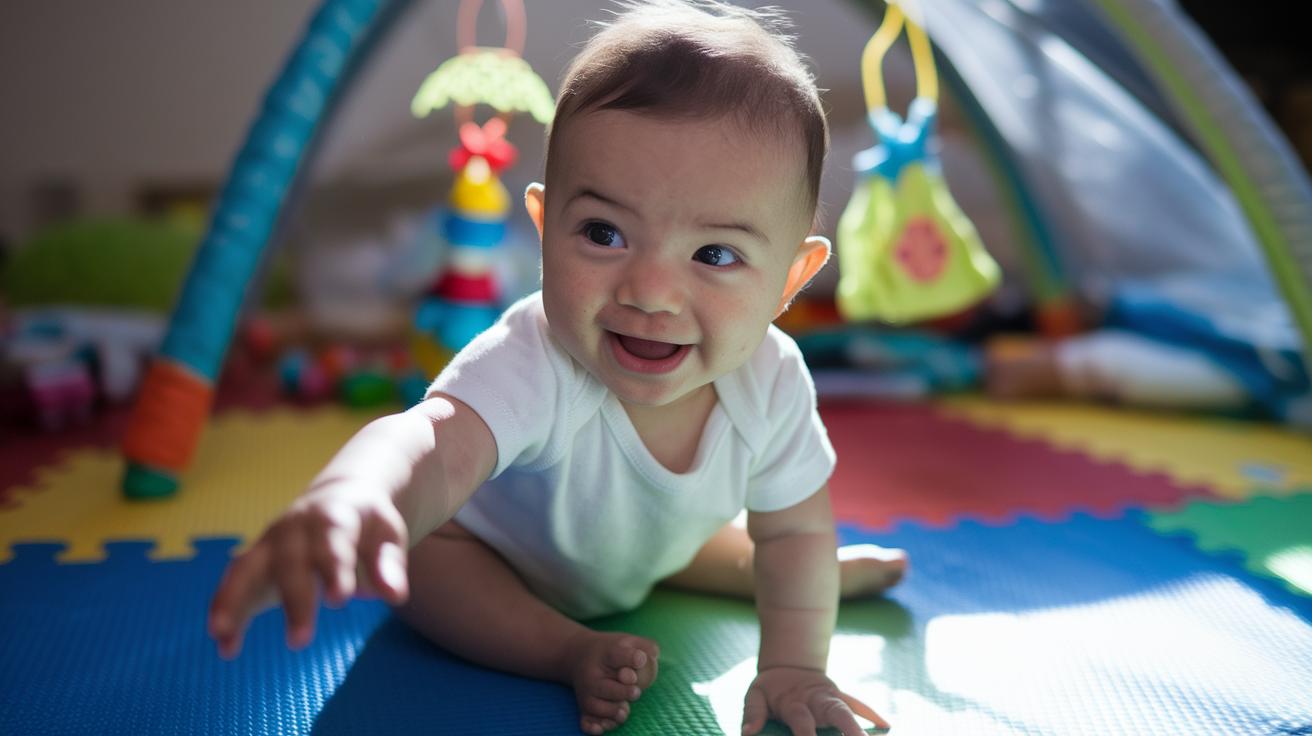
At 10 months old, your little one is showing more social skills every day. They light up and smile during their favorite games, and sometimes they might seem a bit unsure when meeting someone new. It’s clear from their happy expressions and gentle gestures that they are starting to understand the world around them.
At this age, you may notice your baby reaching out for a cuddle or a comforting touch. They might give you a little wave or tap your hand when they’re excited. Those soft smiles and bright eyes say it all, they trust you deeply and feel safe in your care.
Interactive play is a fun way for your baby to share their likes and feelings. They explore different textures and sounds, and may even clap or wave to join in a game. Whether it’s a playful tickle session or a moment with a favorite toy, these interactions invite you to join in with warmth and patience.
Every day, your gentle hugs, kind words, and attentive care help build a secure bond with your baby. Each smile and tender moment strengthens that loving connection, making your home a safe and warm space where your little one can happily grow.
Monitoring Progress at 10 Months: Red Flags and When to Seek Professional Guidance
It can feel a little worrying when you’re watching your baby grow, but noticing changes early on can really help. Keeping track of your little one’s play and movement might show if things are a bit off or need extra attention.
Key things to watch for include not crawling or trying to pull themselves up, not using a pincer grasp (that’s when they pick up small objects with their thumb and finger), not babbling much or making gestures, and not smiling or making eye contact. These signs might mean that your baby could use some extra help with moving, talking, or socializing.
If you notice these signs, it’s a good idea to mention them during your baby’s check-ups. Your doctor might use some screening tools and could even suggest an early look for autism signs or refer you to a specialist like an occupational therapist. This early review helps you take the right steps quickly.
Keeping a little journal of what you see and doing regular checkups creates a clear picture of your baby’s progress. It’s a comforting way to work together with your healthcare provider to decide if any extra evaluation is needed.
Final Words
In the action, this article has walked through infant milestones 10 months by exploring physical, cognitive, and social-emotional progress. We highlighted key signs like crawling, early babbling, and sweet social smiles. You read about motor achievements and gentle cues for language and bonding, along with advice on spotting signs that call for professional input. Every piece of insight is shared to help you feel supported and informed as you watch your baby grow. Keep celebrating these precious moments and enjoy every step of this amazing phase.
FAQ
What should babies be doing at 10 months?
At 10 months, babies typically crawl, pull to stand, and may start cruising along furniture. They often babble, show object permanence, and use simple gestures like waving or reaching for familiar people.
What are common infant milestones for 0-12 months?
Milestone charts for infants cover progress each month—from crawling and pulling to stand in early months, to babbling, simple word use, and social smiling as they approach one year—providing a helpful guide for parents.
What are developmental red flags at 10 months?
Developmental red flags at 10 months include not crawling or pulling to stand, limited babbling or use of gestures, and little social smiling or eye contact. These signs may suggest the need for a pediatric checkup.
How many words should a 10-month-old say?
At 10 months, babies usually babble with varied sounds and might use one or two simple words. They also rely on gestures to communicate, showing growing language skills through expressive sounds more than clear words.
What are the CDC guidelines for infant milestones at 10 months?
CDC guidelines note that most 10-month-olds crawl well, pull to stand, and cruise. They also emphasize cognitive skills like object permanence and varied babbling, along with social cues like mutual smiling and basic gestures.
What should I do if I notice red flags at 10 months?
If you notice delays such as a lack of crawling, absent babbling, or minimal social smiling, it is best to consult your pediatrician. Professional guidance can help assess your baby’s developmental progress.
What are typical milestones for 11 and 12 months?
By 11 and 12 months, babies may stand confidently, take a few steps, and start using simple words along with gestures. These milestones build on the skills seen at 10 months and mark exciting progress in development.
Related Resource: Learn more in our article on stages of childhood development.