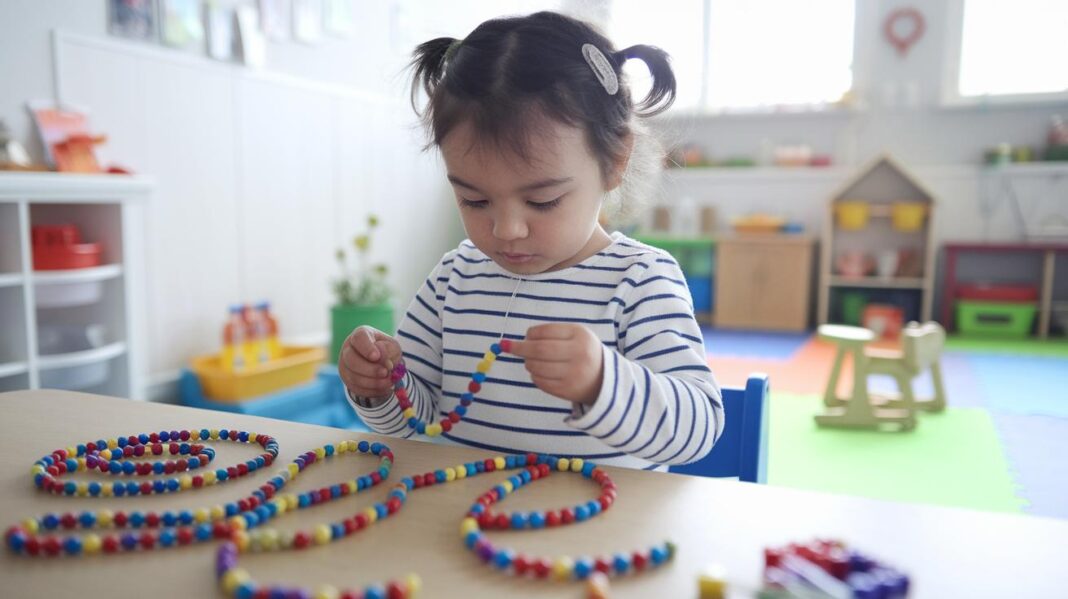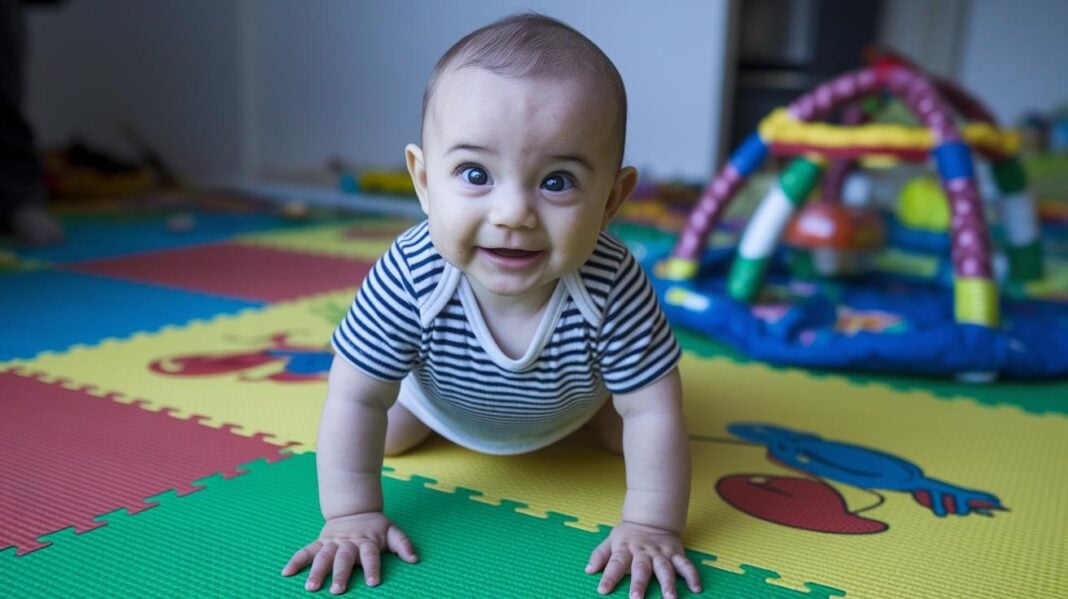
Have you ever watched your baby roll over and thought how that small move feels like a giant leap toward independence? Even the tiniest muscle wiggle can light up a room with smiles. It’s amazing to see your little one go from just lifting their head to taking those first steps, each move is a little celebration of growth. In this post, we chat about how these motor skills develop and why cheering on every small effort can brighten your day while supporting healthy development.
infant motor development milestones Spark Joyful Growth
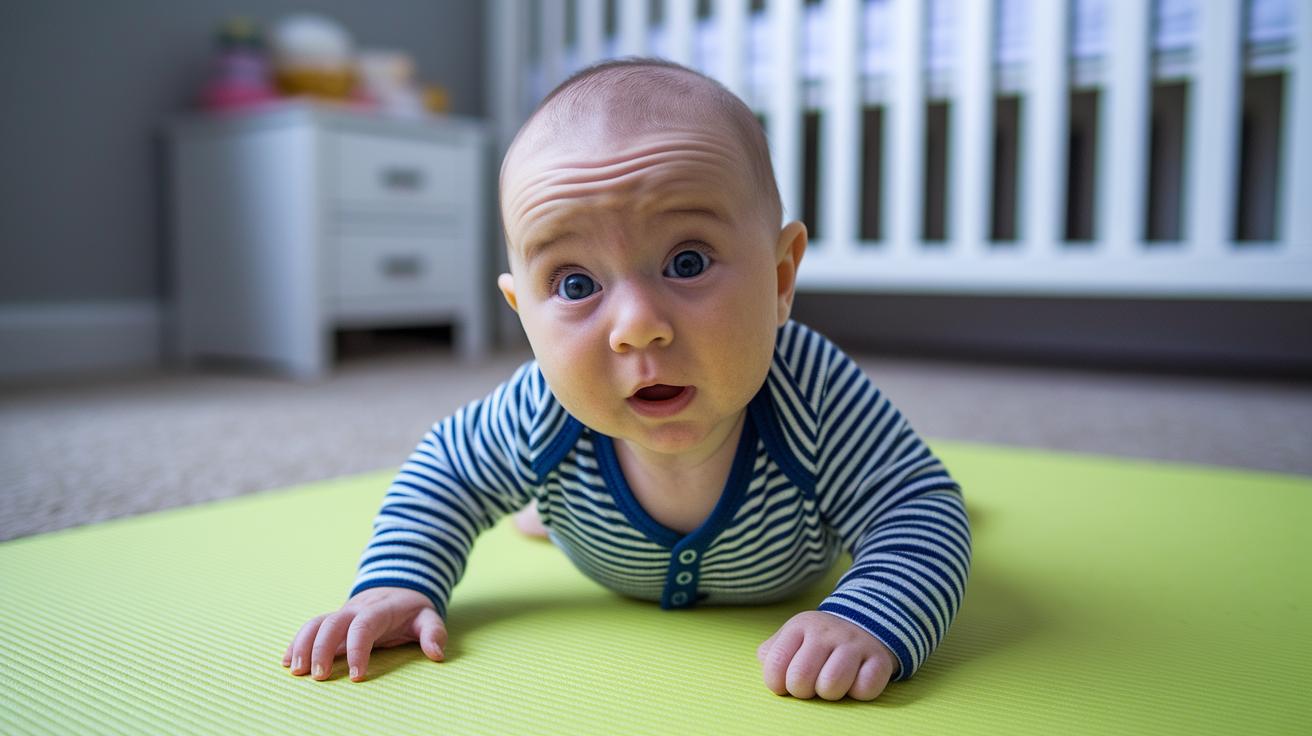
Gross motor skills are all about using big muscles in areas like the arms, legs, and neck. In the first few months, your baby starts with simple head control and natural reflex moves. Soon, these little actions grow into fun activities like rolling, sitting up, crawling, standing, and taking those first steps. It's truly heartwarming to watch your baby slowly discover how to move and explore.
Every baby develops at their own pace, so these milestones are just gentle guidelines. Often, babies begin lifting their head during tummy time by one or two months, start rolling over by three to four months, and are able to sit on their own by six months. Around seven to eight months, many start crawling, and by about 10 months, you might see them standing with a little help. By the time they are 12 to 14 months old, many take their very first confident steps!
| Age Range | Typical Milestone |
|---|---|
| 1-2 Months | Starts to lift the head during tummy time |
| 3-4 Months | Begins to roll over and further improves head control |
| 6 Months | Sits up independently |
| 7-8 Months | Crawls, often shifting to hands-and-knees crawling |
| 10-14 Months | Stands, cruises around, and eventually walks without support |
Just keep in mind that every infant is unique and grows at their own pace. Celebrating even the tiniest improvement can turn every day into a joyful adventure for you and your little one.
Major Infant Gross Motor Milestones and Timeline

Gross motor skills help little ones discover and play in their world. These milestones build strength, balance, and spark curiosity in every baby. Below is a simple timeline with a table and friendly notes on how each step nurtures your child's growth.
| Age Range | Milestone & How It Helps |
|---|---|
| Newborn to 2 Months | During tummy time, babies gently lift their heads using a forearm push, which starts building sturdy neck muscles. |
| 3 to 5 Months | Better head control and a stronger forearm push help babies extend their arms, improving balance and the ability to reach. |
| 6 to 8 Months | Rolling over, sitting up on their own, and starting to crawl boost coordination and spark a sense of adventure. |
| 9 to 11 Months | Cruising along furniture and taking early steps build balance and pave the way for exploring on their own. |
| 12 to 14 Months | Walking without help and trying small stairs boost confidence and coordination, setting the stage for new adventures. |
When your baby is just a few weeks old, tummy time becomes a gentle workout. Each little lift of the head, even if brief, is a warm, early sign of growing strength, as if a tiny blossom is slowly unfolding in the morning light.
As they move into the 3 to 5-month stage, you'll notice improved head control. They push up a bit more and stretch their arms with intention, like reaching for a favorite toy. It’s a delightful sign of balance coming into place.
Between 6 and 8 months, things get more exciting! Rolling over, sitting on their own, and even beginning to crawl are all steps that sharpen their coordination. Each movement feels like flipping to a colorful new page of a story.
By the time they are 9 to 11 months old, many little ones love cruising along the furniture and taking those early, wobbly steps. Each careful step builds not just their balance but also a sense of bravery and independence.
At 12 to 14 months, your baby may start walking freely and even try a few small stairs. It’s like watching a tiny explorer stepping boldly into a new world, each step filled with wonder and growing confidence.
Key Infant Fine Motor Milestones in the First Year
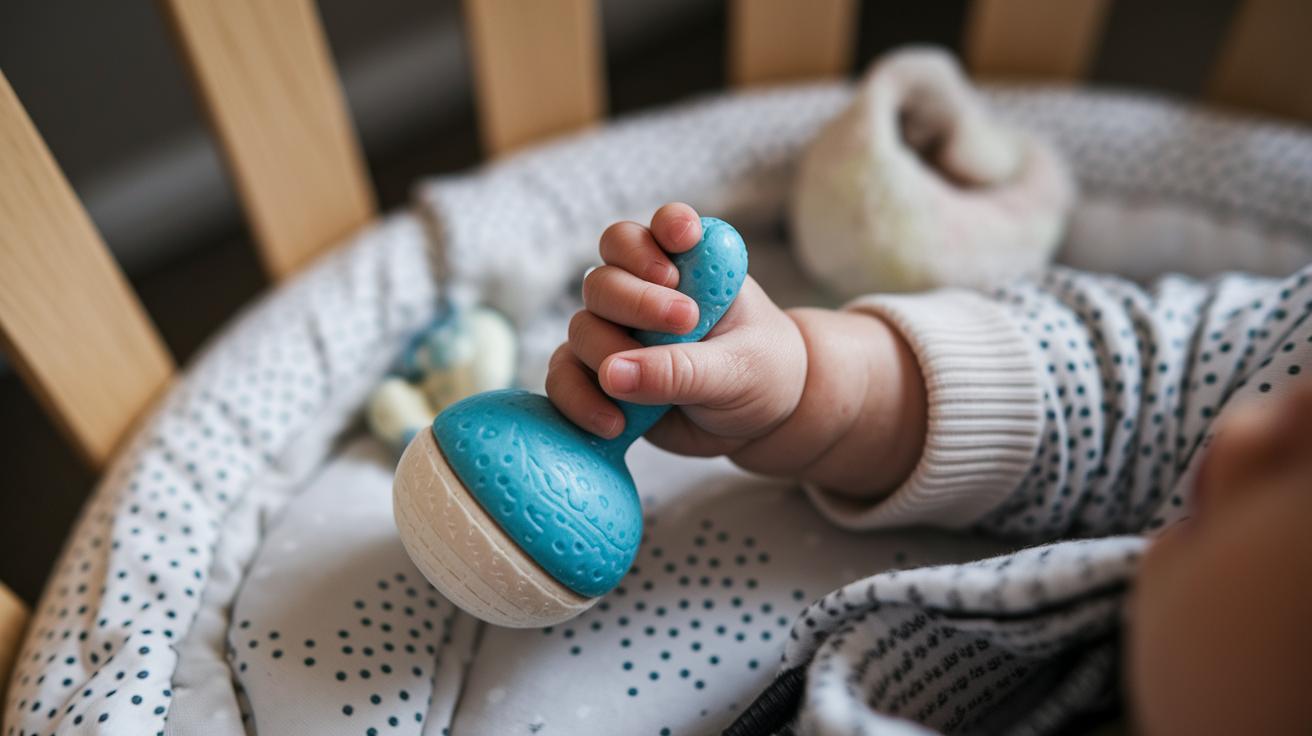
Watching your baby use their hands is like seeing a little explorer discover a world of wonder. Every tiny movement, from those first automatic reflexes to more careful, purposeful actions, tells the story of how their curiosity and independence grow. Let’s take a friendly look at how these skills emerge over the first year.
Newborn to 2 Months
During these first few weeks, your baby naturally curls their fingers whenever something touches their hand. You'll notice them holding a soft rattle for a brief moment, and they often bring their hands to their mouth. These early actions set the stage for better hand-eye coordination later on.
3 to 5 Months
At this point, your baby moves from simple reflexes to more deliberate actions. They start reaching out for objects like a string or a small block and hold these items with more strength. Their fingers begin to wrap around toys, turning random movements into little adventures in new exploration.
6 to 9 Months
This is a lively time when your baby gets even more confident. They might bang objects together, pass items from one hand to the other, and use a raking grasp to pick up small pieces. Every bit of playful experimenting shows their growing control, and you can't help but smile at their exciting progress.
12 to 14 Months
In the last part of the first year, your little one really fine-tunes those skills. They master the pincer grasp to pick up tiny items and enjoy turning the pages of a board book, one at a time. They even start self-feeding with a spoon. These steps are not just cute moments, they signal a big leap towards independence.
Activities to Support Infant Motor Development
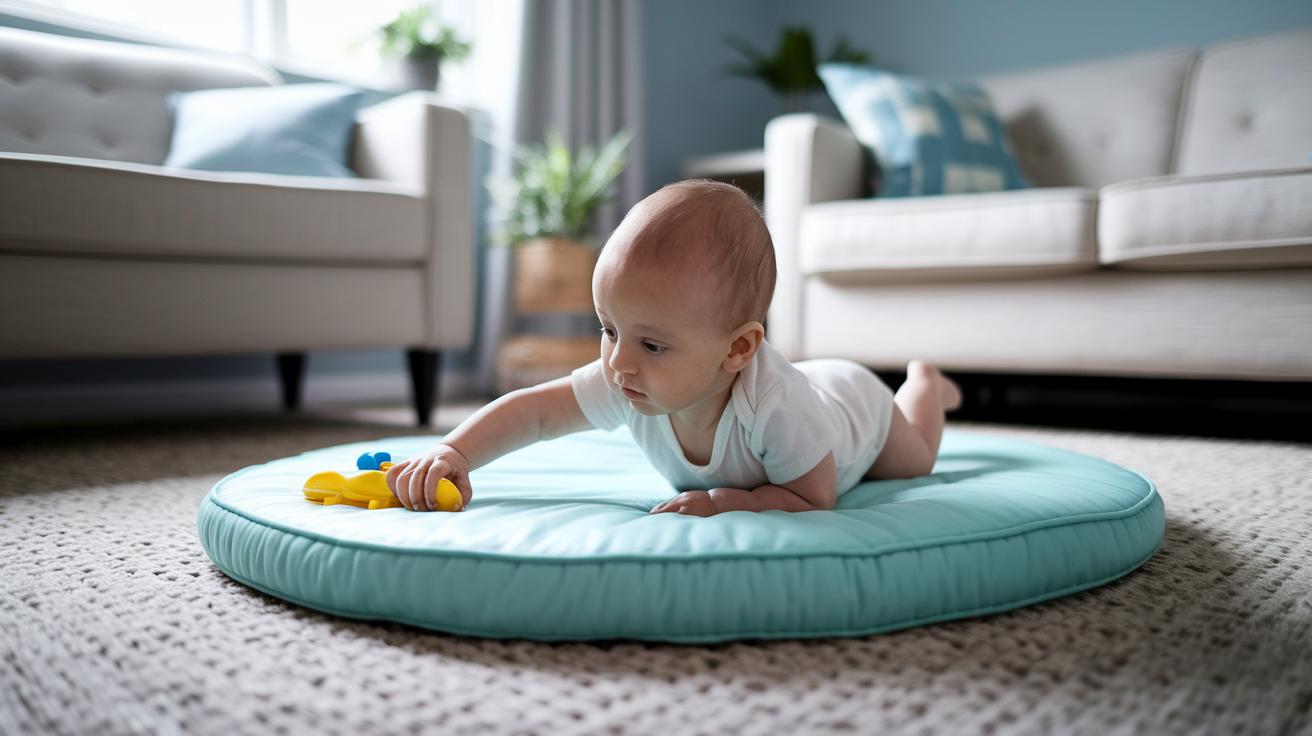
Tummy time is really important for building your baby's motor skills. It helps strengthen their neck and upper body while encouraging them to lift their head and push up on their forearms. Why not try laying a soft mat on the floor and placing your little one on their tummy during playtime? This simple move sets the stage for better balance and overall movement.
Reaching and grasping activities are another fun way to boost your baby’s hand-eye coordination. Around three months old, your baby might begin to reach for a string or hold a small block safely. For example, you can hang a bright toy just within their arms' reach to invite them to grab it. This playful activity naturally helps them learn how to handle objects.
Mixing sensory play with movement can also benefit both your baby’s big and small muscles. You can set up a little play area with items that feel different and show various colors. Imagine laying out soft fabrics, crinkly paper, and textured toys on a mat so your baby can enjoy exploring each one. This blend of sensory and motor play makes time together both fun and great for development.
Monitoring Infant Motor Development Milestones and Professional Support
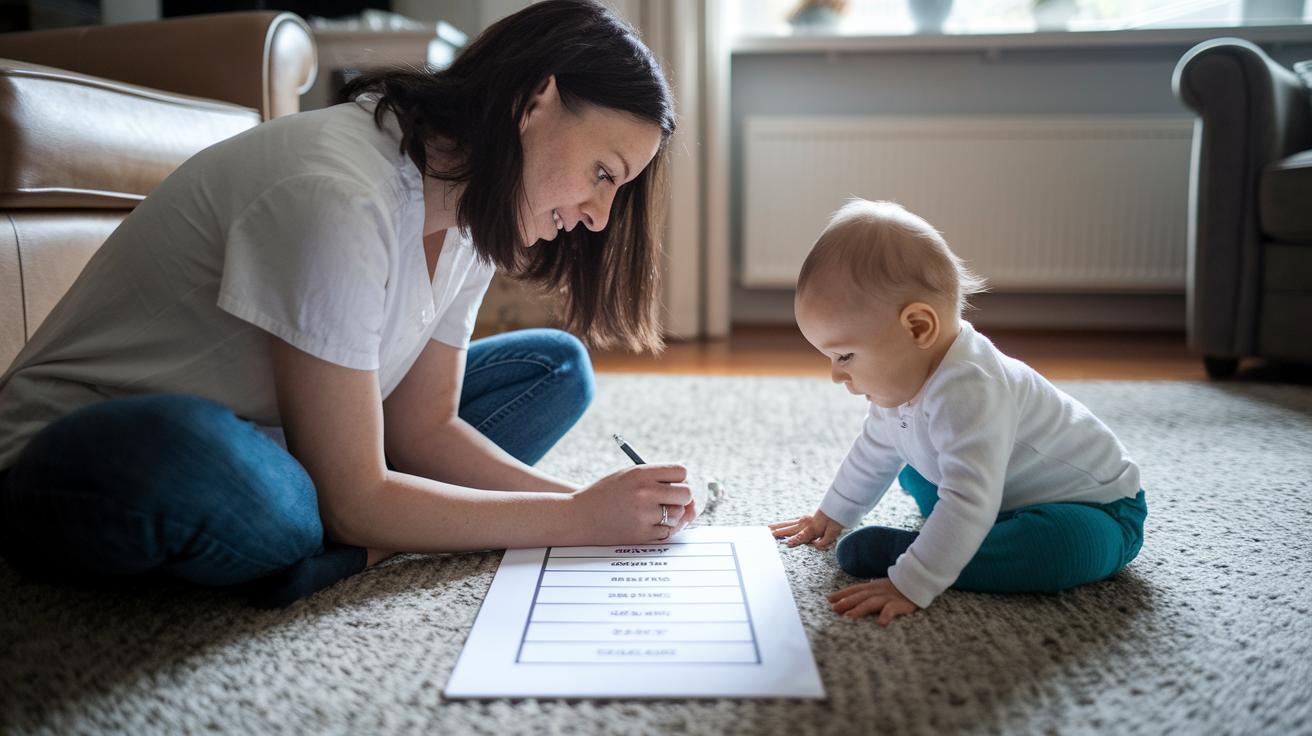
Watching your baby grow is such a heartwarming journey, and keeping track of those special moments can really boost your peace of mind. Notice things like when your little one starts holding their head steady, usually around 3 months, or when they begin to crawl by about 9 months. You might find it helpful to jot these milestones down in a simple journal or checklist at home. Sometimes, babies take a bit longer than others, which is okay, but if you see a big delay, it might be a good idea to chat with a healthcare professional.
At your regular check-ups, your doctor will look over these milestones using a checklist to make sure everything is on track. This little routine helps confirm that your baby’s motor skills are developing just as they should. If there seems to be an ongoing delay, they might suggest early intervention to give your child extra support. By keeping a close eye on your baby’s progress and discussing any worries with your pediatrician, you'll feel more confident knowing that your baby is on the right path.
Final Words
In the action, the blog outlined infant motor development milestones by highlighting key gross and fine motor skills from head control to walking and refining hand control. It offered practical activities like tummy time and interactive play to support these stages. Parents learned how to track progress and when to seek professional advice. Remember, every baby grows uniquely, and these milestones serve as a helpful guide for understanding their development. Enjoy watching your little one explore the world with wonder and joy!
FAQ
What are gross motor development milestones for infants 0–12 months?
Gross motor development milestones for infants 0–12 months cover skills like head control, rolling over, sitting, crawling, standing, and walking. These achievements help track your little one’s growing strength and movement.
What are fine motor skills and milestones in infant development?
Fine motor skills involve using small muscles in the hands and fingers. Milestones include reflexive grasping in early months and later more deliberate reaching, picking up objects, and using a pincer grasp as your baby grows.
How can a developmental milestones PDF help track my baby’s progress?
A developmental milestones PDF offers a clear guide to track both gross and fine motor skills. It lists key age ranges and skills, making it easier to see how your baby is growing and where they are in their progress.
What are the stages of motor development in childhood, including the 4 stages?
Motor development in childhood is often broken into stages, starting with early reflexes and progressing to head control, sitting, crawling, and walking. These stages give a simple framework to understand your baby’s movement growth.
What information do gross and fine motor milestones PDFs provide?
These PDFs lay out expected age ranges and key abilities for both gross and fine motor skills. They offer a ready-to-use reference to help you track your baby’s progress and celebrate each new achievement.