
Have you ever wondered if one test is really enough to capture your baby's early health? There’s a way to get a fuller picture by mixing tests together. First, you have a blood test and an ultrasound in early pregnancy, then another blood test later on. This combo gives you a little extra insight into conditions like Down syndrome, kind of like getting a trusted second opinion. Keep reading to see how using these tests together can offer parents more clarity and gentle reassurance during this very special time.
How the integrated prenatal screening approach delivers comprehensive risk assessment
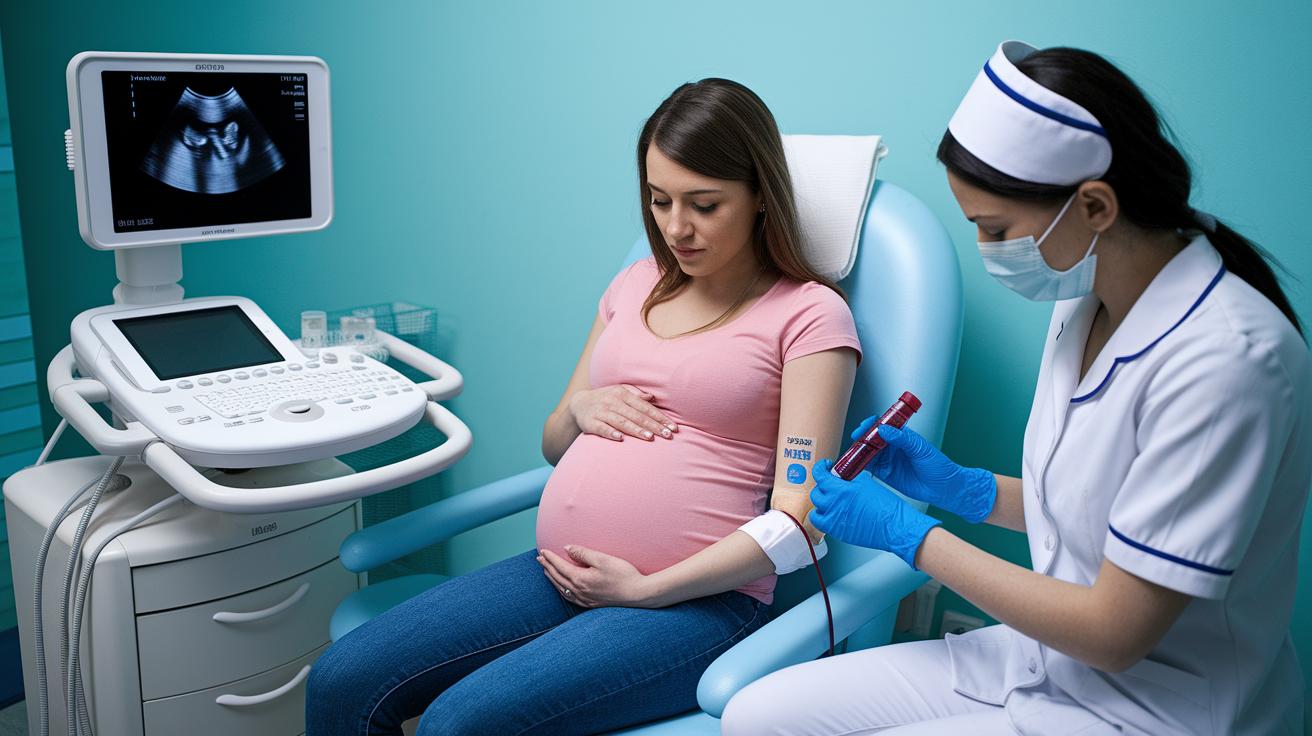
This integrated method uses two blood draws and one ultrasound to give moms a clearer view of their baby’s health. In the first trimester, a blood sample checks for markers like PAPP-A and an ultrasound looks at the nuchal translucency (the small fluid-filled space at the back of the baby’s neck) between 11 and nearly 14 weeks. Then in the second trimester, another blood draw measures markers such as AFP, hCG, uE3, and Inhibin A, which help spot risks for conditions like Down syndrome, Trisomy 18, and open neural tube defects.
By blending these tests, the overall check-up gets even better. It picks up more details of the baby’s development, cuts down on false alarms compared to doing just one type of test, and gives early hints of any potential issues. This means moms and their doctors can plan for extra checks if needed.
Imagine hearing that your first-trimester blood test and ultrasound are teamed up with a trusted second-trimester blood test. It might feel a lot like getting a friendly second opinion at a doctor’s visit.
Doctors use this combined approach to offer balanced, clear advice during pregnancy. It’s all about using every bit of available information to support moms in making informed decisions for their baby’s health.
Key components of the integrated prenatal screening approach: First and second trimester assessments
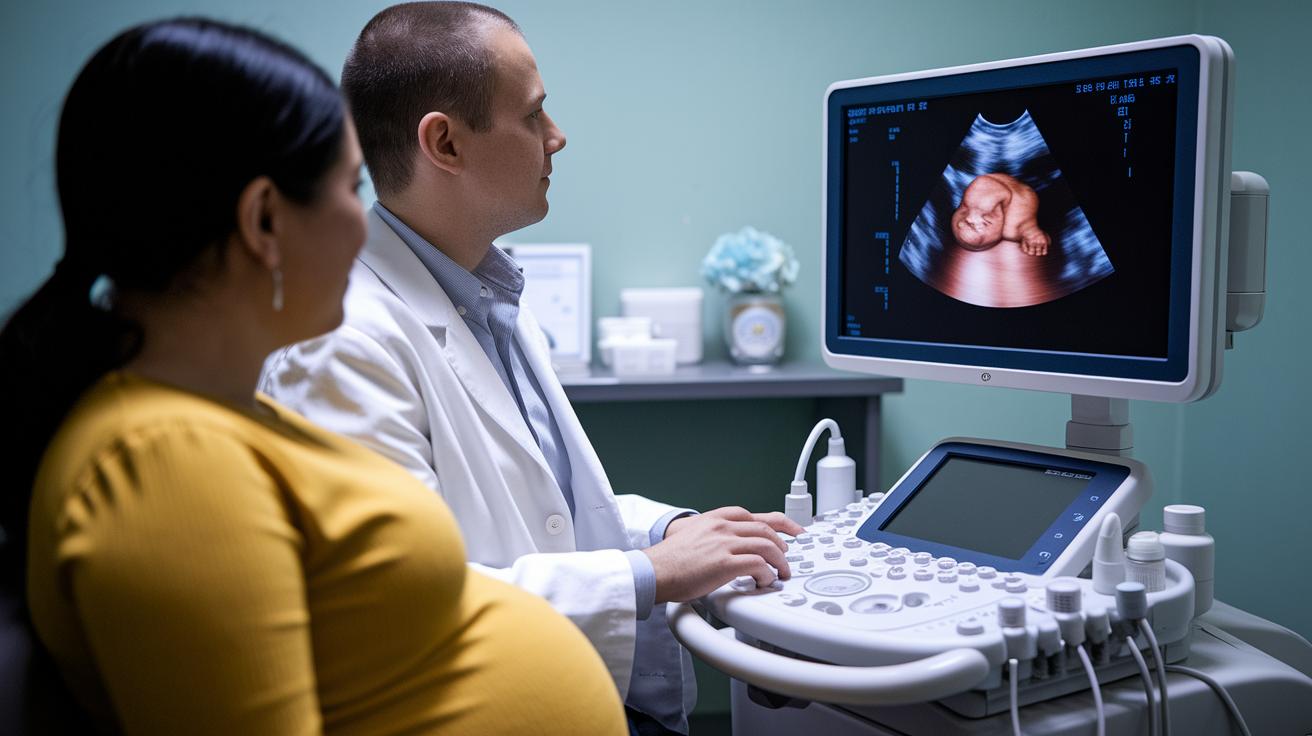
In the first trimester, between weeks 11+0 and 13+6, doctors gently check your baby’s early development. They look at the nuchal translucency (a small fluid-filled area in the neck) and measure PAPP-A levels. This simple screening catches about 86% of Down syndrome cases while keeping false positives low at around 5%. Imagine it as a little snapshot, offering you a brief peek into your baby’s early growth.
Then, between 15 and 20 weeks, the second trimester brings another look using the QUAD Test. Here, four blood markers, AFP, hCG, uE3, and Inhibin A, are measured to check on your baby’s progress. This test finds roughly 82% of Down syndrome cases, again with about a 5% chance of a false positive. Confirming your baby’s gestational age with an ultrasound helps ensure that the timing is just right. Think of it like an artist mixing colors; each marker adds a bit of detail to create a clearer overall picture of your baby’s health.
Together, these two assessments blend imaging with blood test details to give you a more balanced, complete view of your baby’s well-being.
Comparing integrated prenatal screening approach tests: Full, Serum and Sequential methods

When you think about prenatal screening, it means using different tests to help you understand your baby's growth and well-being. The Full Integrated Screening test mixes a first trimester blood test (which looks at a protein called PAPP-A) and a simple ultrasound that checks the thickness at the back of the baby’s neck (nuchal translucency) with a second trimester blood test called the QUAD test. This method finds about 87% of Down syndrome cases and gives a false alarm around 1% of the time.
The Serum Integrated Screening skips the ultrasound and relies only on blood tests taken in both the first and second trimesters. It catches about 85% of Down syndrome cases, although it might mistakenly flag about 3.6% of results. Meanwhile, the Sequential Integrated Screening kicks off in the first trimester and finds around 60% of cases early on. By the end, it detects about 86% overall, with fewer false positives compared to the standalone QUAD test, which shows 82% detection along with 5% false positives. The Standalone First Trimester test also gives an 86% detection rate with 5% false positives.
Each test offers its own mix of early warning and accuracy. Often, healthcare providers think about both the timing and your comfort with the testing process when suggesting the best method for you. By combining tests, you get a clearer picture of your baby’s health and can make well-informed choices about any extra checks that might be needed.
| Method | Detection Rate (%) | False Positive Rate (%) |
|---|---|---|
| Full Integrated Screening | 87 | ~1 |
| Serum Integrated Screening | 85 | 3.6 |
| Sequential Integrated Screening | 86 | <5 |
| Standalone First Trimester | 86 | 5 |
| Standalone QUAD Test | 82 | 5 |
Diagnostic accuracy and limitations of the integrated prenatal screening approach
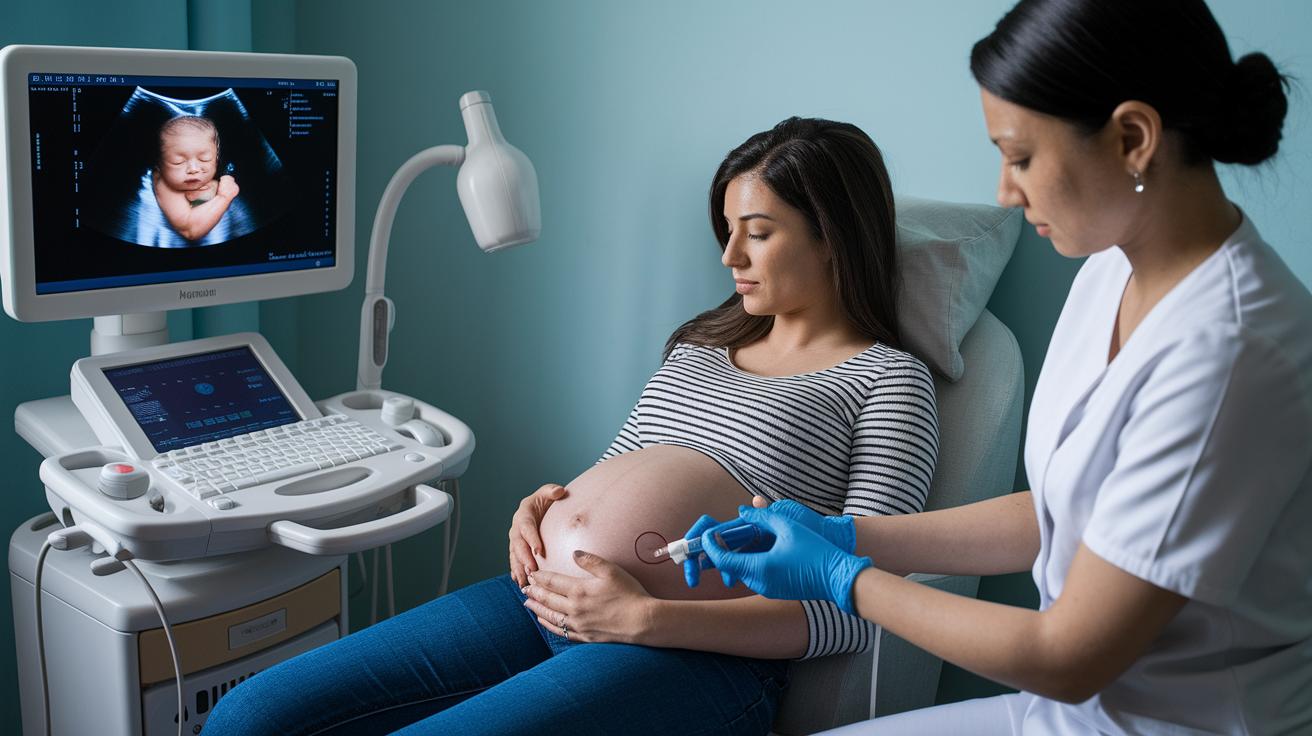
All of these prenatal screening tests are designed to show a risk instead of giving a definite answer. They mix simple blood tests, ultrasound checks, and a test of the mother's blood for pieces of the baby’s DNA. Even though these tests are very good at spotting potential issues, they don’t confirm if there is a problem on their own.
When a test shows a high risk or a positive result, it means further, more precise testing is needed. Tests like amniocentesis or chorionic villus sampling are then used to give a clear answer. NIPT, which looks at cell-free DNA in a noninvasive way, is a helpful tool for early screening. But remember, it is still just a screening test and needs follow-up when results are positive.
Using several types of tests together makes it easier to catch concerns early, even though not every test is perfect. Think of it as using a wide net to gather possible issues, which are then looked at more closely through additional tests. This way, moms and their doctors can see a clearer picture of the baby's health and decide the best next steps together.
Clinical guidelines and multidisciplinary protocols for the integrated prenatal screening approach
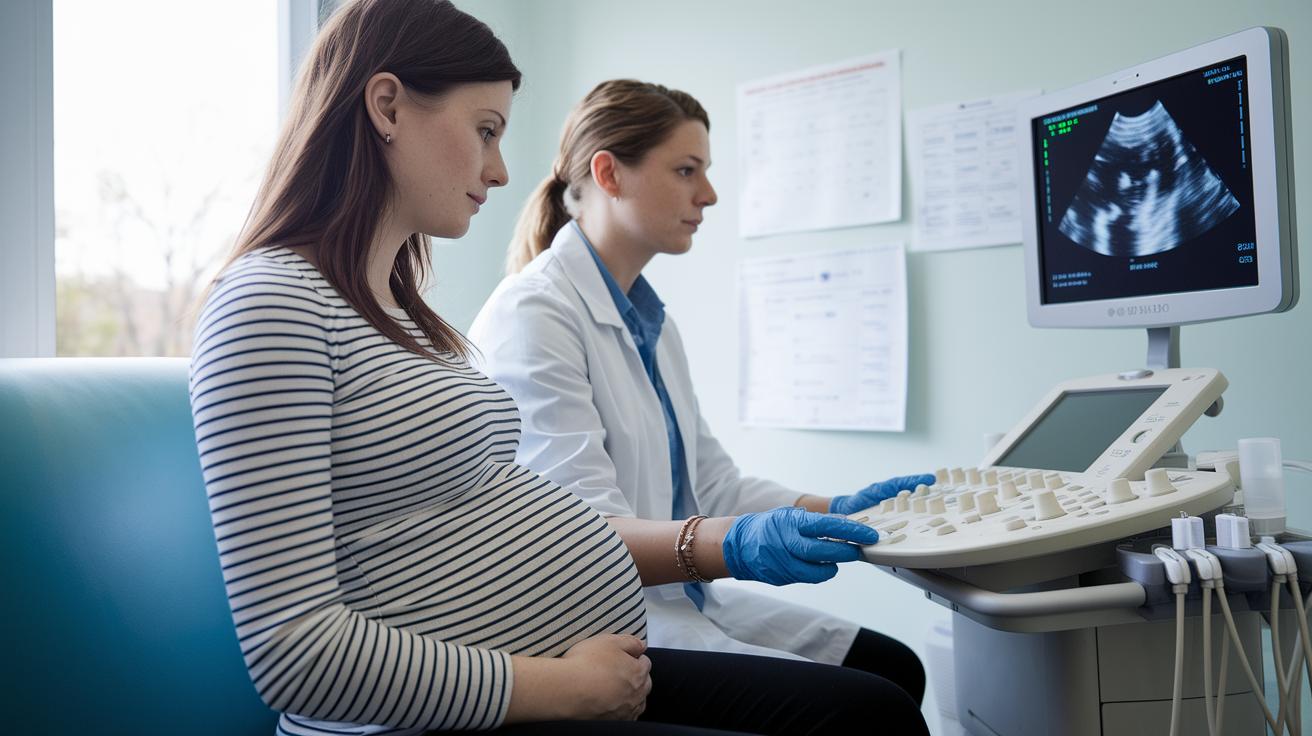
Many expert groups suggest offering a combined screening to every expectant mom. They explain that getting clear, simple information about both the early and later tests helps moms feel supported and informed. It lets you see the baby’s development clearly and makes every step of the decision process honest and open.
Guidelines tell us it’s important to look at both early blood marker data and ultrasound results together. This blend of information gives a much better picture of the baby’s health in a way that feels fair and caring. For instance, a care provider might say, "Before you decide, think about how mixing information from different tests can really clear things up," showing how useful this careful approach can be.
Teams made up of many kinds of experts are key to this process. Obstetricians, genetic counselors, sonographers, and lab specialists all work closely together. They rely on proven screening guidelines and local rules so that every mom receives the best help. Each expert adds their unique view, making sure every decision is based on real, trusted advice.
Counseling is another big part of this care. These sessions walk moms through what the tests cover, the benefits of combining the information, and how all the details work together to flag any concerns. This caring conversation is designed to make sure that every test result is clear and that you can trust the process completely.
Patient counseling and informed consent in the integrated prenatal screening approach

It all begins with a warm, caring conversation. Counseling is a key part of our integrated prenatal screening process, it helps moms understand what to expect from start to finish. Before any tests are done, we chat about why each test is important, when it happens, and what it measures. We explain things like how often the tests spot issues and even mention that false positives can happen. And remember, a positive result doesn’t mean you have a condition; it just suggests that more tests might be needed. Every mom is welcome to decline screening if it doesn’t feel right.
Our health team uses gentle, clear counseling methods that guide you through your options. They talk about what the tests can and cannot tell you and review extra testing if needed. This friendly check on risks helps you see your own situation clearly, making the entire plan honest and simple.
A caring session often covers these essential points:
- Why the test is done and how it works
- When each screening is scheduled
- The chances of detecting issues and possible false positive results
- What the test cannot show and the need for extra tests
- Your options if you decide not to continue with the screening
This open conversation makes the process easier to understand and supports you as you make choices that feel right for you.
Future trends and technological advancements in the integrated prenatal screening approach
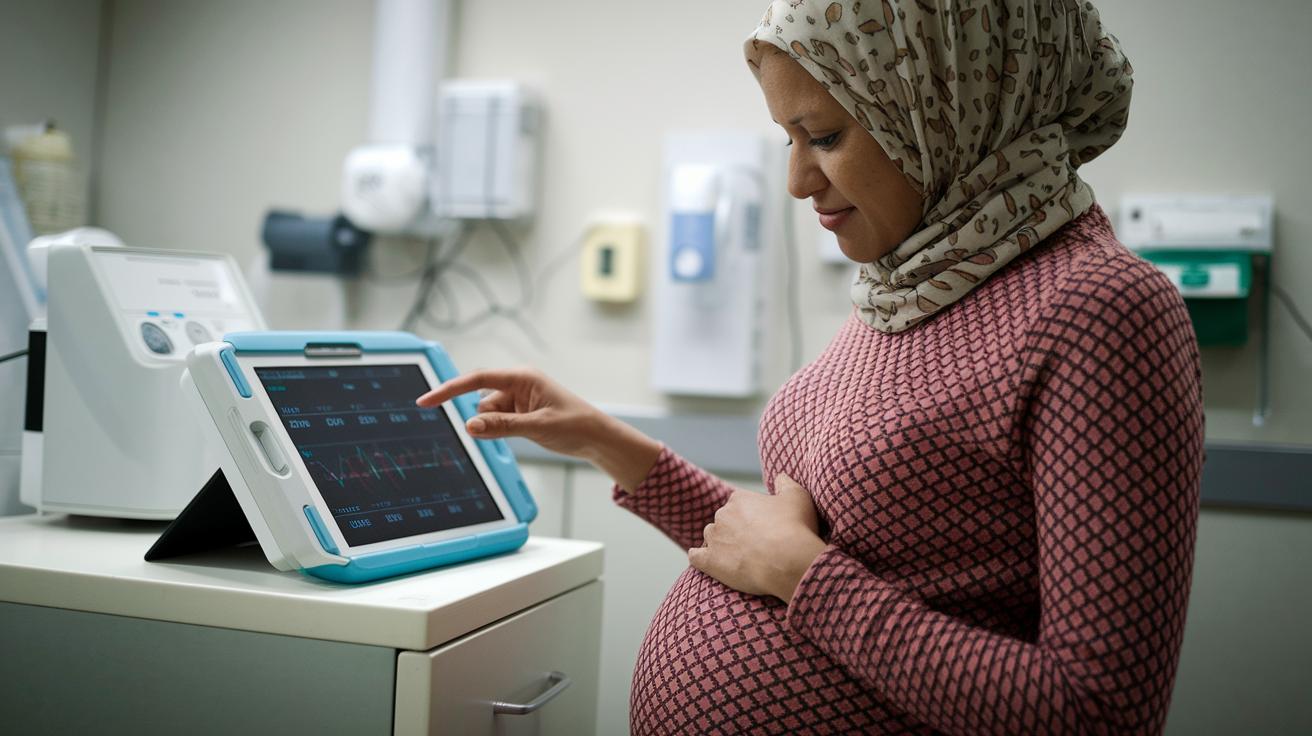
Recent studies are opening up amazing new ways to keep an eye on baby health during pregnancy. Researchers are trying out friendly computer methods, simple algorithms that help us spot early risks, almost like feeling a gentle breeze before a storm. One team even shared a surprising fact: an innovative algorithm can now flag potential issues much sooner, picking up on tiny signals from early blood tests and ultrasounds.
In another promising area, work on cell-free DNA (cfDNA, meaning DNA floating in the blood) screening is really moving forward. Thanks to smart improvements, these tests are set to be much clearer and more accurate. This means moms could soon enjoy fewer mixed-up results and more confidence in knowing how their baby is developing.
Plus, fresh imaging techniques paired with clever, computer-driven checks are making it easier for healthcare providers to notice early signs of risk and tailor care just for you. With these advances, you might soon get very personal updates about your pregnancy, a step forward that makes important care choices feel both informed and reassuring.
Final Words
The article dives right into how the integrated prenatal screening approach combines first- and second-trimester data to create a clearer picture of fetal health. It explains the roles of biomarkers and ultrasound, compares screening methods, and talks about patient counseling and clinical guidelines.
Each section shows that careful screening and informed decisions create a foundation for positive pregnancy experiences. Everything works together to give moms and families practical, evidence-based insights that inspire trust and hope.
FAQ
Q: What is integrated screening in pregnancy?
A: Integrated screening in pregnancy combines first- and second-trimester blood tests with an early ultrasound measurement to assess risks for conditions like Down syndrome, Trisomy 18, and neural tube defects with greater accuracy.
Q: How does sequential screening differ from integrated screening?
A: Sequential screening differs by using first-trimester results followed by second-trimester tests separately, while integrated screening combines all test results for a more comprehensive risk evaluation with lower false positives.
Q: What is the difference between NIPT and integrated prenatal screening?
A: The difference is that NIPT focuses on analyzing fetal cell-free DNA from maternal blood, providing high sensitivity, while integrated screening merges multiple trimester markers and ultrasound findings to assess risk more broadly.
Q: What does the combined test in pregnancy include?
A: The combined test in pregnancy includes a first-trimester ultrasound measuring nuchal translucency paired with a blood test for markers like PAPP-A, offering early risk assessment for chromosomal conditions.
Q: What are the two main prenatal screening techniques?
A: The two main prenatal screening techniques involve a first-trimester combined ultrasound and blood test, and a second-trimester quadruple test, each contributing important markers that, when combined, enhance overall screening accuracy.
Q: What is free-cell DNA prenatal testing?
A: Free-cell DNA prenatal testing evaluates fetal genetic material circulating in maternal blood, providing a noninvasive method to screen for chromosomal abnormalities with high sensitivity, though it remains a screening tool.