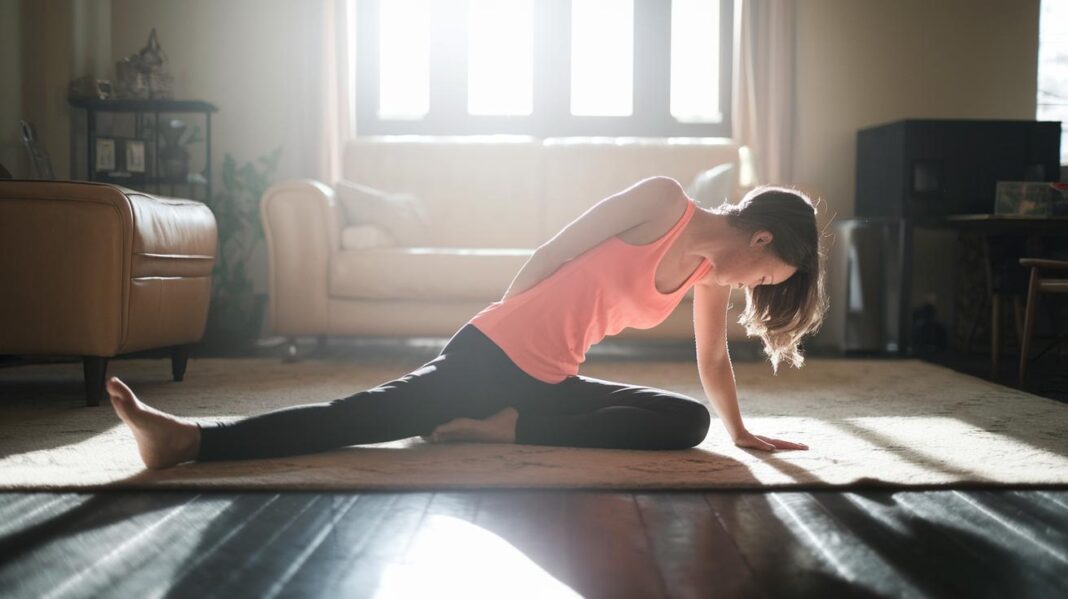
Have you ever thought that a little stretching after giving birth (postpartum) might help you feel bright and strong? Many moms are pleasantly surprised by how quickly a short, daily stretch can make a difference. When your doctor says it’s okay, try spending just 15 to 30 minutes each day to help relax your muscles and build strength. It’s not just good for your body, it also lifts your spirit as you begin this new chapter of motherhood.
postpartum stretching routine: Feel Radiant & Strong
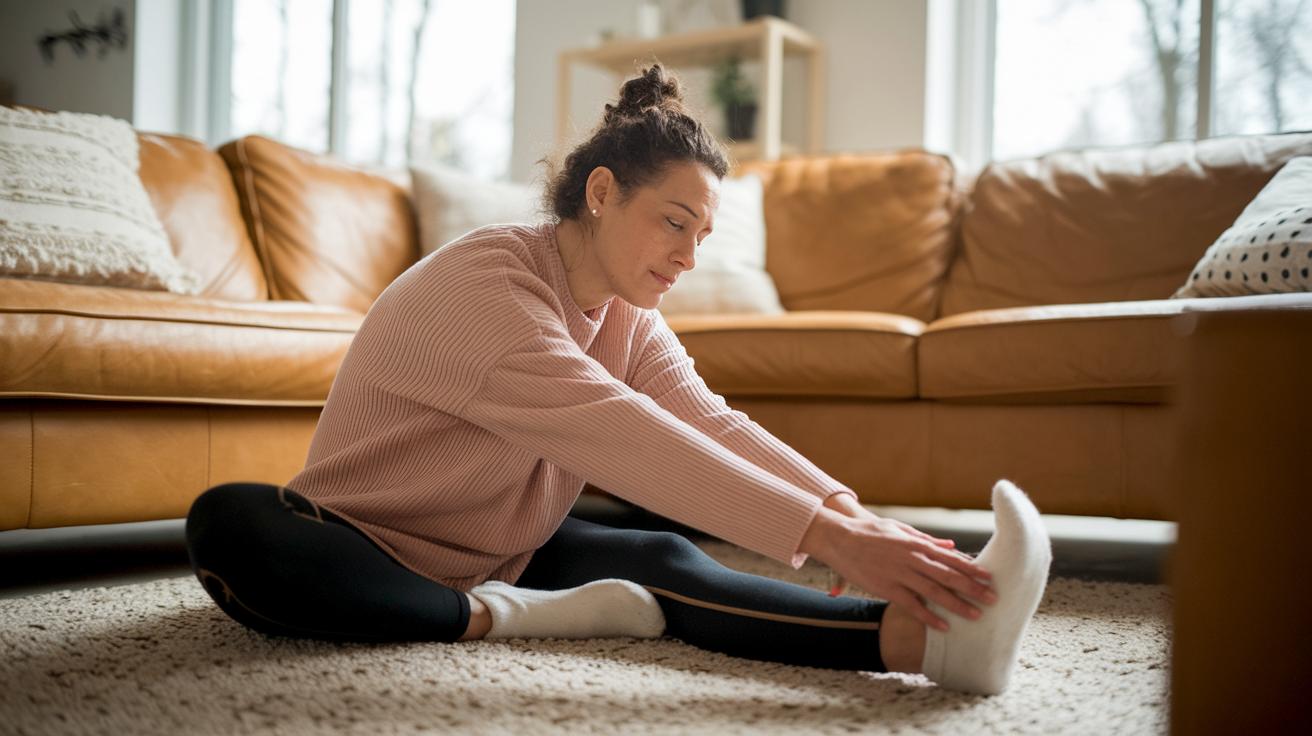
Begin when your doctor or midwife says it’s okay, usually around 6 weeks after giving birth. Try doing this routine for 15–30 minutes a day, about 5 or 6 days a week, to gently rebuild your strength.
First, warm up by moving your body gently. March in place or take a soft walk for about 3 minutes. Imagine taking a light stroll around your living room to wake up your muscles.
After warming up, move into your main stretches. Start with gentle stretches that open your hips and ease your back. Think of it as getting a warm hug from a loved one. Roll your shoulders slowly, then stretch your arms up towards the ceiling before lowering them to relax your spine. This helps your pelvic floor, core, and whole body feel supported.
Next, add a few moves that strengthen your core. A simple pelvic tilt while lying on your back can do wonders for your tummy muscles. Picture a calm, 10-minute exercise that comforts your belly and eases lower back tension.
Finally, take a moment to cool down. Slow your pace with deep, mindful breathing and do a few soft stretches to let your muscles relax. Think about a calming 5-minute walk or some seated stretches that clear away any lingering tension.
Every part of this routine is designed to help you feel both radiant and strong as you journey safely through your postpartum recovery.
Essential Postnatal Stretches to Incorporate

Pelvic tilts are a really gentle way to start. Lie on your back with your knees bent and feet flat on the floor. Slowly press your lower back toward the ground as you lift your pelvis just a little. Hold that cozy position for about 20–30 seconds, then rest and do it again for 2–3 reps. If you're managing diastasis recti (a separation in your abdominal muscles), try to keep your back from arching too much, imagine smoothing out a crumpled bedsheet, each tiny movement brings you relief.
Next up is the cat-cow stretch. Get on all fours with your hands right under your shoulders and your knees below your hips. For the cow part, let your belly sink down toward the mat as you gently lift your head and tailbone. Then, transition into the cat by softly curving your back and tucking your chin toward your chest. Try holding each position for 20–30 seconds and cycle through 2–3 times. Think of it like a gentle wave rolling along your spine, easing away tension.
Child’s pose is another lovely way to relax. Sit back on your heels, extend your arms in front of you, and let your forehead rest on the floor. Keep this calming pose for 20–30 seconds, and repeat it a few times. It’s like giving yourself a tender little reset, a moment to breathe deeply and let go of stress.
For opening up your hips, try the hip flexor stretch. Step one foot forward into a light lunge position, making sure your back stays straight. Slowly lower your hips until you feel a soft stretch at the front of your hip. Hold for 20–30 seconds, then switch sides. It’s a simple move that opens your hips gently, much like stretching out a favorite old blanket.
The seated spinal twist comes next. Sit on the floor with your legs stretched out. Cross one leg over the other, then softly twist your upper body, placing the opposite elbow on the outside of your bent knee. Keep the twist for 20–30 seconds on each side, and repeat this 2–3 times. This helps to unwind your back and add a little extra comfort.
Finally, finish off with some gentle neck rolls. Sit comfortably and slowly circle your head, allowing each movement to ease away any tightness in your shoulders. Roll in both directions for 2–3 reps, and just let your neck relax.
Safety Considerations and Modifications in Your Postpartum Stretching Routine
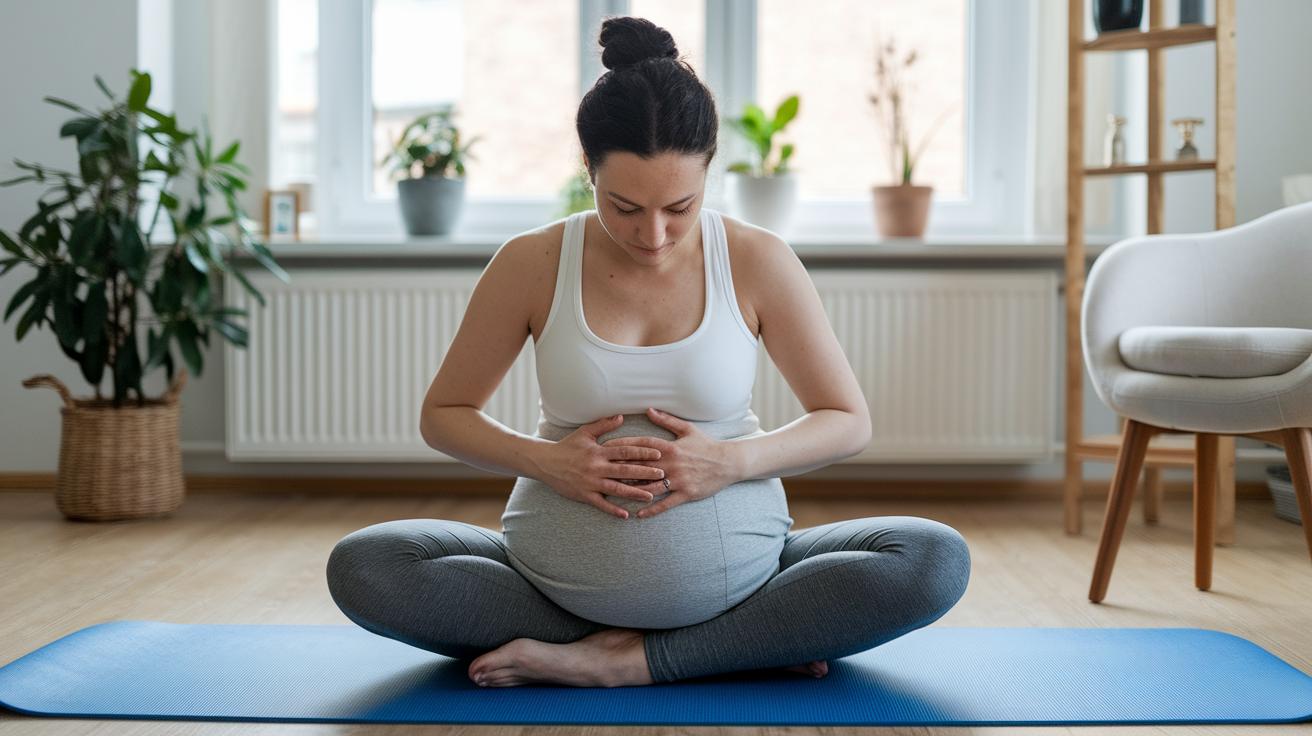
Before you start any stretching, it’s a good idea to check in with your doctor or midwife, usually around 6 weeks after your baby’s birth. If you had a vaginal birth, try to be extra gentle with moves that work your pelvic muscles and the area between your legs. For example, if you’re healing from a vaginal birth, steer clear of deep pelvic lifts or hard twists until you really feel ready. Listen to your body; if a stretch starts to hurt or feels more than just a light pull, take a break and try a softer approach.
Keep your stretching sessions calm and slow. Using a cushion or a rolled-up towel under your belly or hips can offer extra support and help ease any strain. This gentle method not only comforts you but also helps your healing tissues while you regain strength. And if you’re still healing from incisions or other sensitive spots, adding more padding or tweaking the stretch is perfectly okay. Feel free to dial down the intensity or do fewer repetitions if your body is telling you to take it slow.
Remember, every body is different. Taking a careful, patient approach right now can help you avoid setbacks and bring you back to feeling strong and comfortable.
Progress Your Postpartum Stretching Routine by Recovery Stage
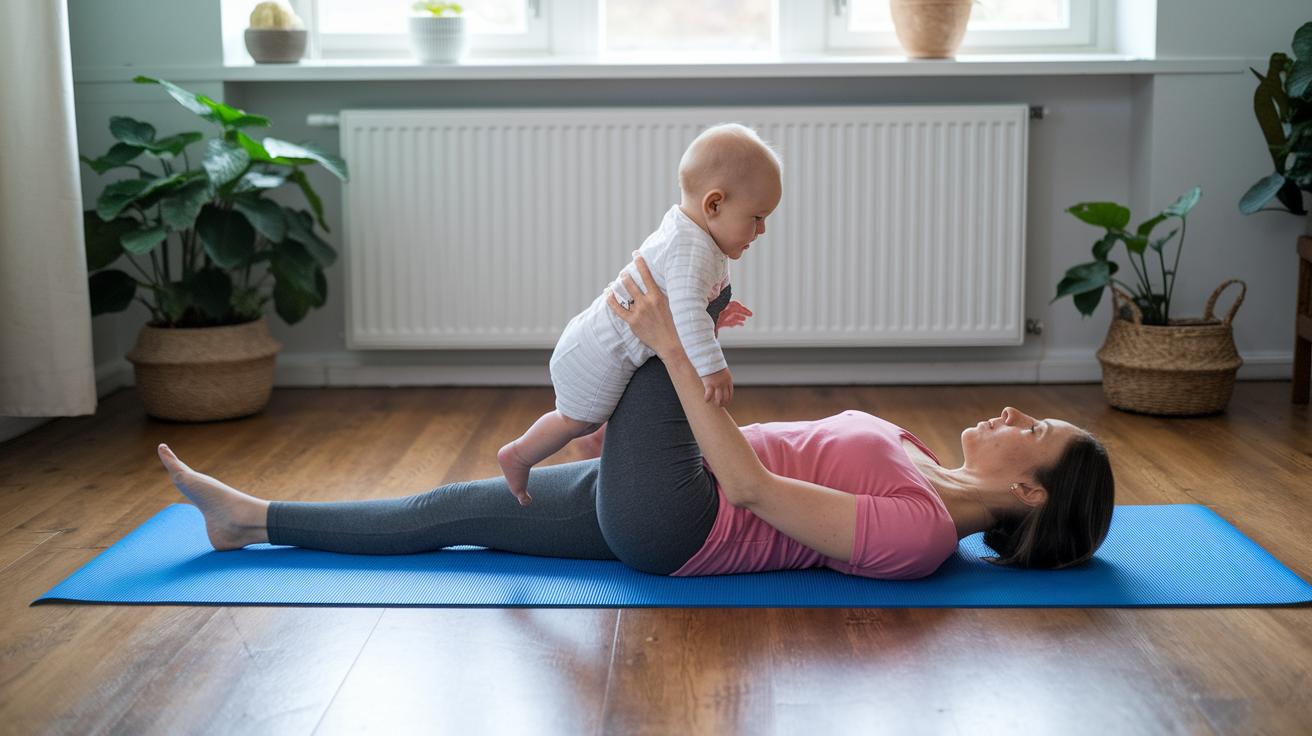
Weeks 0–6 Postpartum
In those first few weeks after birth, take it slow with gentle moves. Start with belly breathing to help relax and strengthen your core, then try simple pelvic tilts while lying on your back. A gentle cat-cow stretch can help open up your spine safely. Think of it like smoothing out wrinkled fabric, each slow, careful move soothes your body and calms your mind. Listen to your body's cues and keep things light and controlled.
Weeks 6–12 Postpartum
Between six and twelve weeks, you might feel ready for stretches that open your hips a bit more. Try seated twists and soft side bends to ease any tension in your back and hips. Imagine turning the pages of your favorite book with every twist, a reminder that change happens slowly and naturally. These moves help boost your flexibility while keeping your recovery gentle and mindful.
Month 3+ Postpartum
After three months, you can start adding moves that gently challenge your joints and core. Slowly extend the time you hold each stretch as you notice your range of motion improving. Picture this stage as painting a picture of progress, each extra second and deliberate move adds a layer of strength and confidence. Keep building on your foundation at a pace that feels right for you, always letting your body lead the way.
Key Benefits of a Dedicated Postpartum Stretching Routine
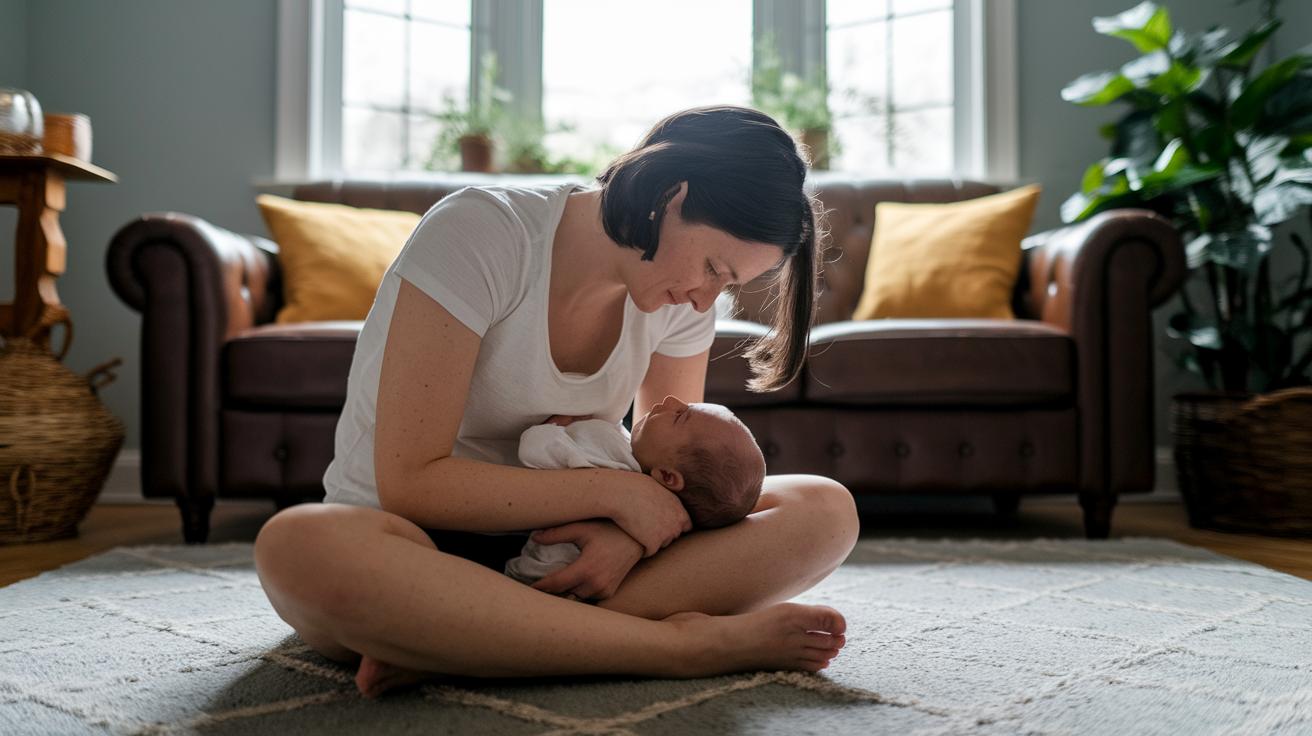
Regular postpartum stretches can help ease muscle tension by about 30% while keeping your spine and pelvis in good alignment. Imagine gently releasing each muscle as if you were untangling a cozy knot. Every stretch boosts blood flow to your pelvic floor and soothes that nagging lower back discomfort, bringing a light sense of ease to your day.
Taking a few moments for mindful movement is like giving your body a gentle, healing hug. Studies show that moving early on might speed up your recovery by one or two weeks. Picture wrapping yourself in a warm embrace; each breath you take while stretching deepens the link between your mind and body, gently pushing away tension.
This simple routine not only soothes your muscles but also helps cut down stress. When you coordinate your stretches with mindful breathing, inhale as you lift and exhale as you relax, it acts as a small reset button for your mood. This calming practice can help balance stress hormones, leaving you feeling refreshed and supported throughout your day.
Integrating Visual Guides and Expert Insights into Your Postpartum Stretching Routine
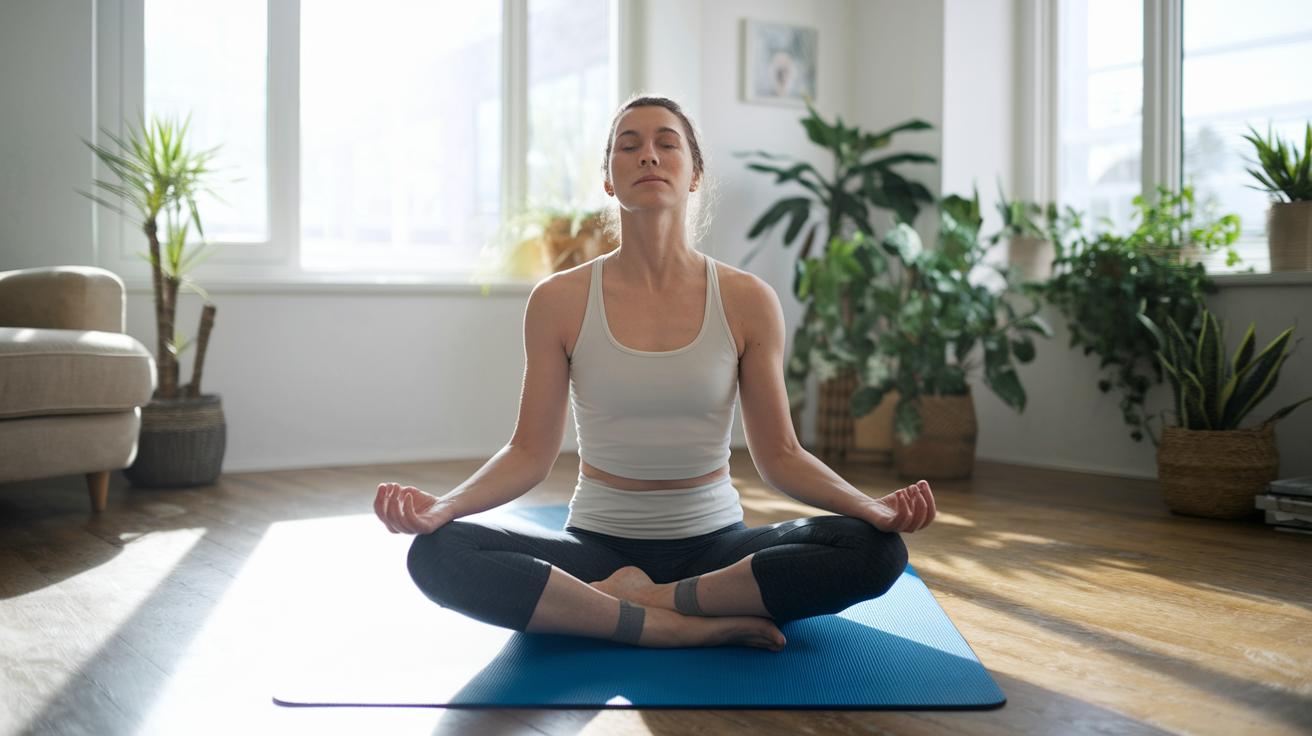
Step-by-step photos or quick tutorial videos can really become your best buddy when it comes to stretching. They show you each move in a simple way, so you can keep the right form and lower your chances of getting hurt. Imagine watching a short video that gently leads you through a hip opener, breathe in slowly as you stretch out and exhale calmly as you relax into the move. I once learned that before I was a seasoned fitness trainer, these video guides really boosted my confidence each time I used them.
Experts also say it helps a lot to match your stretches with slow, steady breathing. When you breathe deeply and evenly, every stretch feels fuller and more natural. It’s almost like sharing a quiet moment with an old friend. Many routines also suggest using easy props like blocks or a rolled towel to give that extra bit of support, making every session a warm, hands-on experience.
And remember, it’s just as important to take rest days. You might want to check out a few tips on postpartum healing and rest ideas at https://womensconference.org?p=14930. These visual helpers make sure you move safely, turning your stretching routine into a calm, mindful, and caring practice.
Final Words
In the action, this article walked us through a step-by-step postpartum stretching routine, from gentle warm-ups and essential movements to safe modifications and stage-friendly progressions. It covered core-strengthening ideas and shared smart tips on using visual guides and expert insights. These practical tips can help mothers feel more confident and supported as they rebuild strength and find balance in early motherhood. Embrace your postpartum stretching routine and step forward with ease and renewed energy.
FAQ
How does a week-by-week postpartum stretching routine work?
A week-by-week postpartum stretching routine guides you through gentle movements that gradually become more dynamic, matching your recovery stages and helping rebuild strength safely over time.
What are 1 week postpartum stretches?
One week postpartum stretches are mild, focused on breathing and light pelvic tilts, designed to help relax tender muscles and start your recovery with minimal strain, once you have your doctor’s OK.
How do postpartum stretches help with back pain?
Postpartum stretches for back pain include gentle moves like cat-cow and seated spinal twists that ease muscle tension and promote better alignment, offering relief as your body heals.
What should postpartum stretches after a C-section include?
Postpartum stretches after a C-section emphasize gentle, modified movements away from the incision area, focusing on breathing and pelvic tilts until your doctor confirms you’re ready for more activity.
How do postpartum exercises for the tummy work?
Postpartum exercises for the tummy focus on rebuilding core strength safely by using moves such as pelvic tilts and gentle abdominal stabilization, tailored to your recovery progress and medical guidance.
What is recommended for exercise 2 weeks postpartum?
Two weeks postpartum exercise involves very gentle activities like deep breathing and light pelvic tilts, keeping movements minimal while checking in with your doctor about what’s safe for your healing process.
What does a postpartum core exercises PDF typically provide?
A postpartum core exercises PDF offers clear, step-by-step instructions for safe core strengthening, including modifications for diastasis recti and stress-free abdominal routines, so you can follow at your own pace.
How can postpartum stretch marks be addressed?
Information on postpartum stretch marks often includes skin care tips along with gentle stretching techniques that may help improve skin elasticity while supporting your overall recovery after childbirth.
What is the 5 5 5 rule postpartum?
The 5 5 5 rule postpartum is a simple guideline recommending 5 minutes of stretching, 5 minutes of core work, and 5 minutes of mindful breathing, offering a balanced approach to start your recovery routine.
How soon can I stretch after giving birth?
Stretching after giving birth usually begins once you’re cleared by your doctor, often around 6 weeks postpartum, with very gentle movements to ensure your body is ready for exercise.
Is stretching beneficial during postpartum recovery?
Stretching is beneficial postpartum as it helps reduce muscle tension, improve alignment, and gradually rebuild strength, making it a supportive component of your overall recovery routine.
What are common mistakes in postpartum exercise?
Common postpartum mistakes include overdoing exercises before healing, ignoring proper form, skipping medical guidance, and pushing into pain instead of choosing gentle, mindful movements that support recovery.