
Have you ever felt like your words just vanish when you need them the most? It can be really tough trying to share your thoughts if the right words are missing. Sometimes, language challenges make it hard to connect with others. Imagine trying to explain a simple idea only to feel stuck, as if your story got lost along the way.
About one in 14 people face these challenges every day, and it can affect everything, school, work, and even home life. In this post, we’ll chat about ways to help your words flow more clearly and boost your confidence. We’ve gathered down-to-earth tips for families, teachers, and friends alike.
Let’s take the first step together toward brighter, easier conversations.
Overview of Language Development Disorders: Definitions, Prevalence, and Impact

Language development disorders, often called DLD, affect roughly 1 in 14 people in the U.S. That's a lot more common than hearing loss or autism. It means having a hard time putting thoughts into words and understanding what others say. Imagine a little one trying to share a favorite story but getting tangled in words, or an adult missing a key detail at work. DLD usually starts in early childhood and sticks with you for life, with no clear reason like an injury or hearing problem, so it can be tricky to spot.
Everyday life can feel challenging with these communication struggles. Kids might find it tough to join in classroom discussions, and adults could have a hard time speaking up in meetings or connecting with friends. Even basic tasks, like following directions or expressing feelings, can become hurdles. These difficulties not only affect school or work but also a person's self-confidence and relationships. Paying attention early on can make a big difference, giving families the chance to try out supportive ways that help everyone communicate more clearly.
Recognizing Symptoms of Language Development Disorders: Expressive and Receptive Challenges
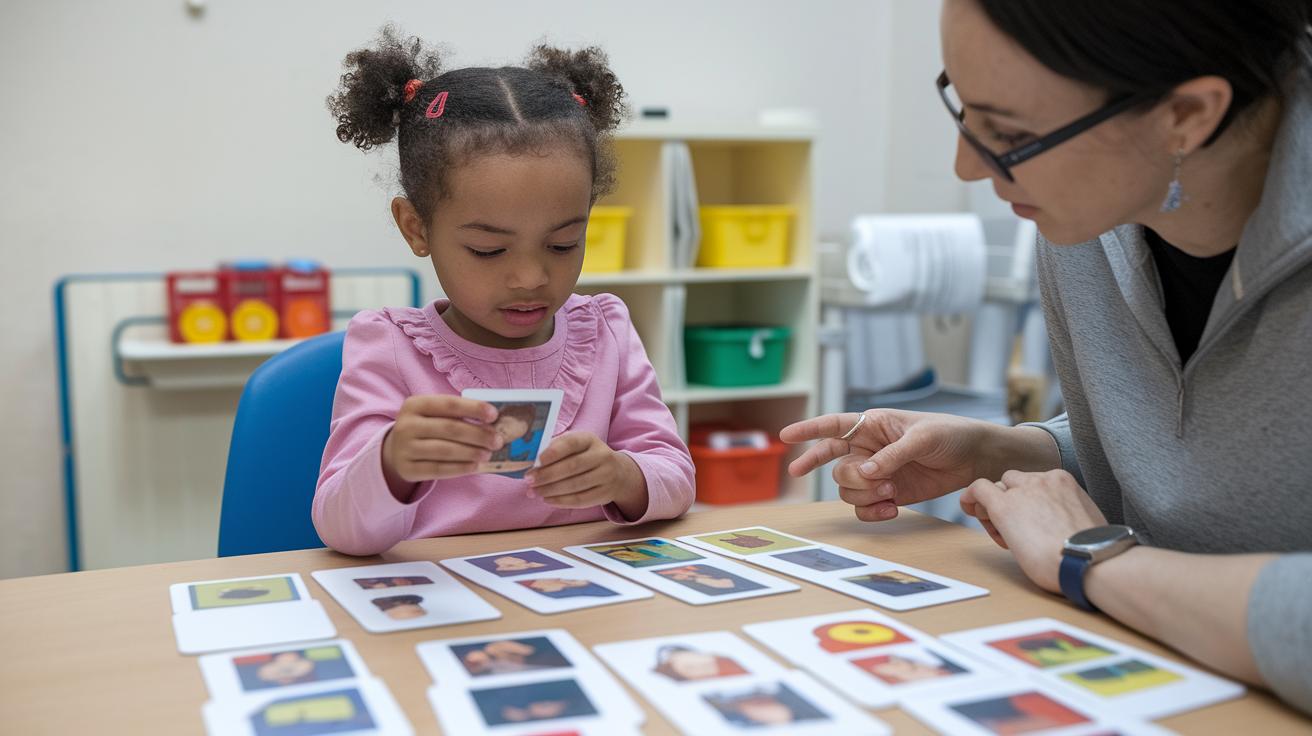
Catching language delays early on can really make a difference. When you notice these signs, it gives families and teachers a chance to work together and find simple, helpful ways to improve everyday communication at home, school, or work. It also helps plan support before things get too challenging.
- Has trouble putting words together into complete sentences
- Finds it hard to follow instructions that are a bit more complex
- Uses fewer words compared to friends or classmates
- Mixes up word order or sentences in a way that sounds jumbled
- Repeats words or phrases more often than usual
- Struggles with understanding directions that come in several steps
- Has difficulty answering questions clearly
- Shows language milestones later than expected (like when a baby first understands simple words)
- Finds it tricky to express feelings or share thoughts
- Seems to develop language skills more slowly over time
If these challenges stick around, it might be a good idea to see a professional. When a child or adult often has trouble expressing their thoughts or understanding others, a friendly speech-language pathologist can help. They’ll listen, review your experiences, and even do some tests. With regular check-ins and timely support, everyday conversations can become easier and more joyful for everyone.
Diagnostic Criteria and Assessment Procedures for Language Development Disorders

Trained speech experts work closely with families, teachers, and kids to figure out any communication issues. They start by reviewing the child's history, gathering details about milestones, language exposure, and family background. Next, they watch how the child uses language in everyday settings. They also do formal tests to see how well the child speaks and understands language. For kids under 5, experts might call it a "language delay" until they see more changes in the child's skills. In a typical grade-1 classroom of about 30 students, roughly 2 kids (7.5%) might face these challenges. Back in 2017, experts agreed to call it "DLD" instead of "SLI" in many English-speaking countries to keep things consistent.
When it comes to evaluating speech, professionals mix different methods to tell the difference between a delay and a disorder. There aren’t any blood tests or scans here; the diagnosis comes from careful observations, behavior assessments, and standardized tests. This process helps them figure out the right kind of support for each child. They don’t just rely on test scores, they also look at how the child communicates in school, with friends, and later at work. By putting all these methods together, speech experts get a clear picture of a child’s strengths and challenges, which helps them plan support strategies that work over the long term.
| Assessment Method | Purpose | Age Group |
|---|---|---|
| Case History Review | Gather developmental background | All ages |
| Observational Assessment | Evaluate real-world language use | All ages |
| Standardized Tests | Measure expressive & receptive skills | 5+ years |
| Interim Labels | Identify at-risk under age 5 | <5 years |
Getting a diagnosis early and right is really important to ease communication struggles over time. When you know exactly what your child needs, families and experts can set clear goals and create helpful plans, making everyday communication smoother and more enjoyable.
language development disorders: Empower Clear Communication

Language development disorders often begin with small differences in how a child's brain develops. There isn’t always a clear reason like an injury or infection. Studies tell us that genetics can sometimes make it harder for kids to communicate well, both when they speak and when they listen. You might notice that some children struggle to put their thoughts into sentences or follow several steps in a task. It’s really about those underlying brain factors that shape how they communicate.
The environment we grow up in also plays a role in building language skills, even though it isn’t the main cause of these disorders. Research shows that kids in homes or classrooms where there’s less talking or fewer stories to share might face delays, even if they have the same genetic challenges as others. A warm, language-rich setting can help a lot when a child has these brain differences. New studies keep showing us how nature and everyday experiences work together to shape a child’s language journey.
Intervention and Treatment Strategies for Language Development Disorders

Speech pathologists team up with families to craft therapy plans that truly help day-to-day communication. They use proven methods to set clear, easy-to-follow goals that lift everyday life and boost long-term progress. Imagine a fun session where a child practices putting words together or following a simple set of steps. The professional guidance mixes with home activities, giving kids plenty of chances to grow their confidence both in therapy and at home.
Schools also play an important role by adding special classroom strategies. Teachers work closely with speech experts to weave extra support into everyday lessons. Think of it like having extra time to answer questions, using colorful visual aids, or enjoying small group chats that make language practice feel natural. This kind of environment lets children build their talking skills while making friends and having fun.
Therapy isn’t just for little ones either. Older children and adults can also get the benefits of speech therapy. Many communities offer programs that focus on practical routines to help with speech in daily activities, whether at work or in social situations. By joining professional advice with easy exercises and at-home drills, these programs help bridge the gap, making communication smoother at school, work, and home.
Support Networks and Resources for Families and Professionals

Families and professionals can find a lot of supportive networks to help with communication challenges. There are many groups led by parents and advocacy organizations that gently raise awareness and share practical tips for dealing with language development issues. These groups connect parents and caregivers who understand each other's struggles and provide helpful, real-life support and mentoring.
National and international organizations also host friendly events like conferences, seminars, and webinars. At these gatherings, experts, parents, and educators come together to share the best ideas and fresh strategies. Some even offer regular workshops where families can learn simple ways to boost communication at home, almost like setting up a little family team.
Professional help is important too. Therapists and educators can join special training programs that give them hands-on tools for speech intervention. Schools and community centers often organize sessions to share the latest research and trusted techniques for language support. And it’s wonderful when parents join these sessions along with professionals; it builds a strong and caring team to meet communication needs. For a handy guide on spotting early signs of communication delays, check out the resource called "what to do if infant milestones are missed" on the next-step guide page.
Case Studies and Research Insights on Language Development Disorders

Grant’s story shows just how everyday life can be affected by language struggles. He had a hard time joining in classroom discussions and group activities. With focused speech therapy, his speaking and listening started to improve. It’s amazing how getting the right help at the right time can make everyday talk so much easier.
Paula, a caring parent, noticed her child facing language challenges that didn’t have a clear cause. When her child began a special, tailored speech program, the improvement was visible. Paula recalled, “It felt like watching my child rediscover his voice,” showing how steady support can bring about real change.
Long-term studies have followed kids with language issues and found that experiences vary in school, emotions, and social life. Researchers now use the term Developmental Language Disorder (DLD) to better explain these challenges. The latest data show that early, regular speech therapy boosts not only academic skills but also helps build stronger friendships and self-esteem. This really reminds us how important ongoing care and support are for those facing language development disorders.
Final Words
In the action, our discussion shed light on the intricate details of language development disorders. We explored what these challenges mean for both expressive and receptive skills, looked at how experts assess and identify symptoms, and shared practical intervention ideas.
We also highlighted support networks that empower families and professionals alike. Every step of our exploration adds to the shared wisdom in nurturing healthy development, helping parents move forward with hope and confidence.
FAQ
Q: What are the types of language disorders?
A: The types of language disorders include expressive, receptive, and mixed varieties. They cover difficulties in speaking, understanding, and processing language in daily settings.
Q: What are examples and common symptoms of developmental language disorders?
A: Developmental language disorders show symptoms like trouble forming sentences, following instructions, and understanding words. These signs help caregivers spot when expert evaluation is needed.
Q: What is expressive language disorder?
A: Expressive language disorder affects a person’s ability to speak clearly and form words, even when comprehension is relatively stronger. This can impact school performance and social interactions.
Q: How is developmental language disorder defined according to DSM-5 and ASHA?
A: DSM-5 and ASHA define the disorder as challenges with using and understanding language without a clear cause, emphasizing the need for expert speech assessments in young children.
Q: What treatment options exist for developmental language disorders?
A: Treatment options include personalized speech therapy, effective school-based support, and home practice strategies to build communication skills and improve everyday functioning.
Q: What characterizes a language processing disorder?
A: A language processing disorder affects how the brain interprets spoken or written words, leading to difficulties in processing language quickly and accurately during conversations or learning.
Q: Which language disorder is most common?
A: Developmental language disorder is the most common, impacting both expressive and receptive skills and occurring more frequently than other conditions like hearing impairments or autism.