Have you ever noticed how a little app can bring calm and brighten a busy day? Mental wellness apps are gently changing the way moms and families take care of their mental health.
They work just like a simple self-care kit. With features like mood journaling, guided meditations, and quick check-ins, these apps help lift your spirit and make you feel supported.
In this piece, we explore the special features that make these digital tools feel like a caring friend, always ready to help turn stress into scenes of quiet strength.
Key Features to Seek in Mental Wellness Apps

Imagine picking a mental wellness app is like putting together a special self-care kit just for you. For busy moms and families, having the right mix of tools can help create a routine that lifts your mood and builds inner strength. An app with daily mood tracking, quick check-ins to see how you're feeling, and bite-sized courses based on simple therapy ideas can keep you connected to your emotions all day long.
There's a big variety of apps out there, from those focused on mindfulness to ones that offer stress relief techniques. It really comes down to finding what fits best with your own self-care journey and daily life.
Here are some key features to look for:
- mood journaling
- self-assessments
- helpful therapy modules
- meditation guides
- gentle stress-relief exercises
- personalized insights
- strong security and privacy measures
- easy-to-use design
Finding the perfect app might mean making a few choices. Some of us might enjoy guided meditations or fun relaxation games to unwind after a hectic day, while others might prefer science-based tools that give deeper insights into our feelings. With over 11.5 million Breeze users praising its simple design, an app should feel like a natural extension of your everyday routine, helping you face daily challenges with ease and confidence.
Next time you’re choosing an app, remember to look for one that not only meets your practical needs but also feels like a trusted friend along the way.
Reviewing Evidence-Based Mental Wellness Apps
When we talk about mental health tech that truly helps, trust is everything. Take the Breeze app, for example. With over 11.5 million users, many of them young adults, it shows that lots of people find real value in digital behavioral therapy. Real-life testimonials and expert endorsements help moms and families feel good about choosing these tools for their mental health.
One of the best parts of these apps is their CBT-based courses, mood tests, and guided sessions. They’re designed like mini therapy sessions, usually just 8 to 10 minutes long, to help you spot stress triggers and boost your mood. It’s a little like fitting a short, refreshing break into your busy day, offering just the right amount of care when you need it.
Privacy is also a big deal with these platforms. Developers work hard to keep your personal details safe while still letting you do detailed self-checks and give feedback. They use this info for research and improvements, which means you get a tool that keeps getting better and stays secure.
We love hearing from users who say that the simple design and helpful features make all the difference. Parents and young users share stories of how regular mood tracking and interactive sessions help them notice mood patterns and feel more in control. Isn’t it nice to know there’s a tool out there that mixes tech with classic mental health support?
It really feels like these apps bring a touch of genuine care into our daily routines, making mental wellness something that fits right into our lives.
Pricing Models in Mental Wellness Apps Explained
Many mental wellness apps provide both free and premium options to match your daily needs. You can start with the free version and explore essential tools like self-care helpers, daily mood checks, and a sneak peek of guided sessions. This lets you get comfortable with the app without feeling pressured to commit immediately. And if you decide to upgrade, you'll unlock extra courses, more self-assessments, and a broader set of tools to support your mental wellness journey.
Payments are kept simple so that everyone feels at ease. Most apps allow you to pay with a Credit Card, PayPal, Apple Pay, or Google Pay. This makes it easy to choose the method that works best for you. Plus, if you ever want to cancel, many apps let you do that right from within the app. This straightforward approach means you can focus on your wellness without worrying about tricky billing issues.
Before you settle on an app, take a moment to check any trial periods and read the details carefully. Some apps might limit premium features after the trial ends, so it’s good to know what to expect. Doing a little homework upfront can help you find an app that fits your budget and truly supports your mental wellness needs.
How to Choose the Best Mental Wellness App for You

Start by thinking about why you need the app. Do you want help with stress, a way to track your mood, or extra support alongside your regular therapy? Knowing what you need makes it easier to find an app that fits into your everyday life. Imagine jotting down your thoughts in a cozy journal for just 15 to 20 minutes each day. It’s a simple goal that can kick-start your self-care routine.
Next, take a look at what each app offers. Some come with short courses based on everyday ideas, meditation guides to help soothe your mind, and even sections where you can connect with others. Think of it as picking out the best ingredients for your favorite soup, choose the tools, like CBT-based exercises or guided journaling prompts, that feel right for you.
Also, listen to what other users are saying. Reading reviews and ratings can give you a real sense of how the app works in daily life. And don’t forget to check that the app protects your personal details with clear security measures. It’s a bit like reading reviews for a secret family recipe, real words from real people can help you decide if it’s trustworthy.
Finally, see how the app fits with your budget, your device, and your need for support. Consider how much it costs, how easy it is to use on your smartphone, and if technical help is available when you need it. These small details can truly make a big difference in feeling supported every step of the way.
Mental Wellness Apps for Adults, Teens, and Kids

When we think about mental wellness, it’s clear that everyone, adults, teens, and kids, needs different kinds of support. Adults often search for ways to relax and cut through the stress of daily life. Teens might look for a secure spot to express themselves without fear, and kids enjoy apps that turn learning about feelings into a fun game. Let’s explore some friendly suggestions to help every family member find the right resource.
Adult Mental Wellness Apps
Adults can really benefit from apps that offer calming exercises and mood tracking. Many of us appreciate options like Calm, Moodfit, DBT Coach, PTSD Coach, and Shine. These apps guide you through meditations, share tips for a good night’s sleep, offer journaling ideas, and even provide simple cognitive behavioral techniques to ease everyday stress. They’re built to be easy to use, even on your busiest days, whether you’re at work or need a little extra help with postpartum mental wellness.
Teen Mental Wellness Apps
Teens need safe, caring tools for their emotional journey. Apps such as Sanvello, Calm Harm, MeeToo, Feeling Good Teens, and MindShift offer private spaces where they can check in with their moods and try guided exercises. The anonymous support and moderated chat features let teens feel secure while sharing their feelings. These modern, teen-friendly platforms can be just the thing for managing stress and building emotional strength.
Kids Mental Wellness Apps
For kids, learning about emotions should be as fun as playtime. Apps like Breathe, Think, Do!, Cosmic Kids, Mind Moose, eQuoo, and Positive Penguins use playful activities and charming visuals to introduce simple self-care ideas. With interactive games and friendly characters, these apps help little ones understand and express their feelings, turning mental wellness into an enjoyable part of everyday life.
| User Group | Top Apps | Primary Features |
|---|---|---|
| Adults | Calm, Moodfit, DBT Coach, PTSD Coach, Shine | Guided meditations, CBT exercises, journaling tools |
| Teens | Sanvello, Calm Harm, MeeToo, Feeling Good Teens, MindShift | Anonymous support, mood tracking, coping strategies |
| Kids | Breathe, Think, Do!, Cosmic Kids, Mind Moose, eQuoo, Positive Penguins | Gamified activities, simple interfaces, interactive play |
Integrating Mental Wellness Apps with Therapy and Community Support
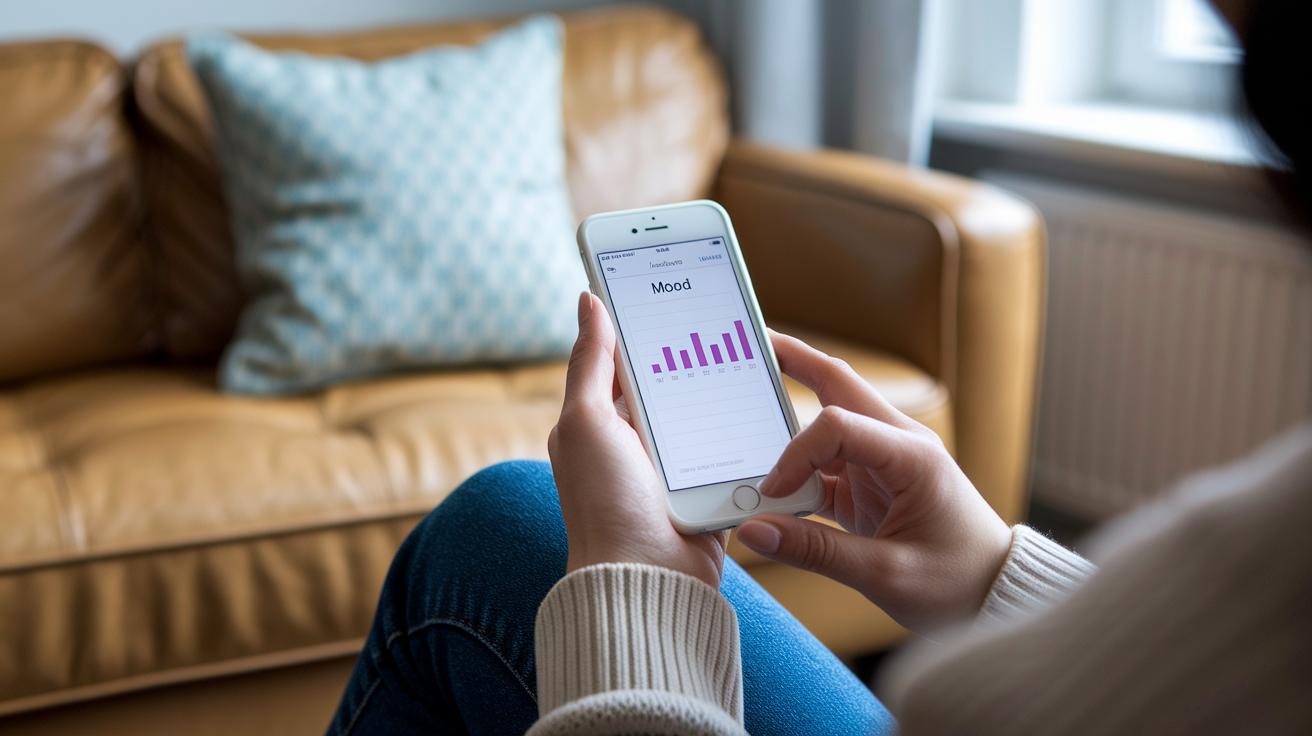
Using mental wellness apps along with your therapy can give you a clearer picture of your emotional health. Apps like Breeze provide simple daily exercises, mood tracking, and guided practices to help you between sessions. They work with your regular counseling, helping you make steady progress without replacing the care you get from your therapist.
Sharing what you see in the app with your clinician can really boost your treatment. You might show them your mood charts or quick self-check results, which give a peek into your everyday feelings. It’s a bit like helping your therapist understand your day-to-day, so they can fine-tune your treatment for the best results.
Many moms find comfort in joining community support forums or feeling a part of moderated peer groups. These safe online spaces let you share victories and tough moments with people who truly understand. And if you’re ever in need of extra emotional support, check out this helpful resource: emotional support.
Emerging Trends in Mental Wellness App Technology
Technology is changing the way we care for our minds. Today’s apps use friendly, AI chat helpers that offer support whenever you need it. Some even let you step into a peaceful, digital space where a gentle virtual guide helps you unwind. It’s like having a modern support system built on ideas from telehealth that started back in the late 1950s.
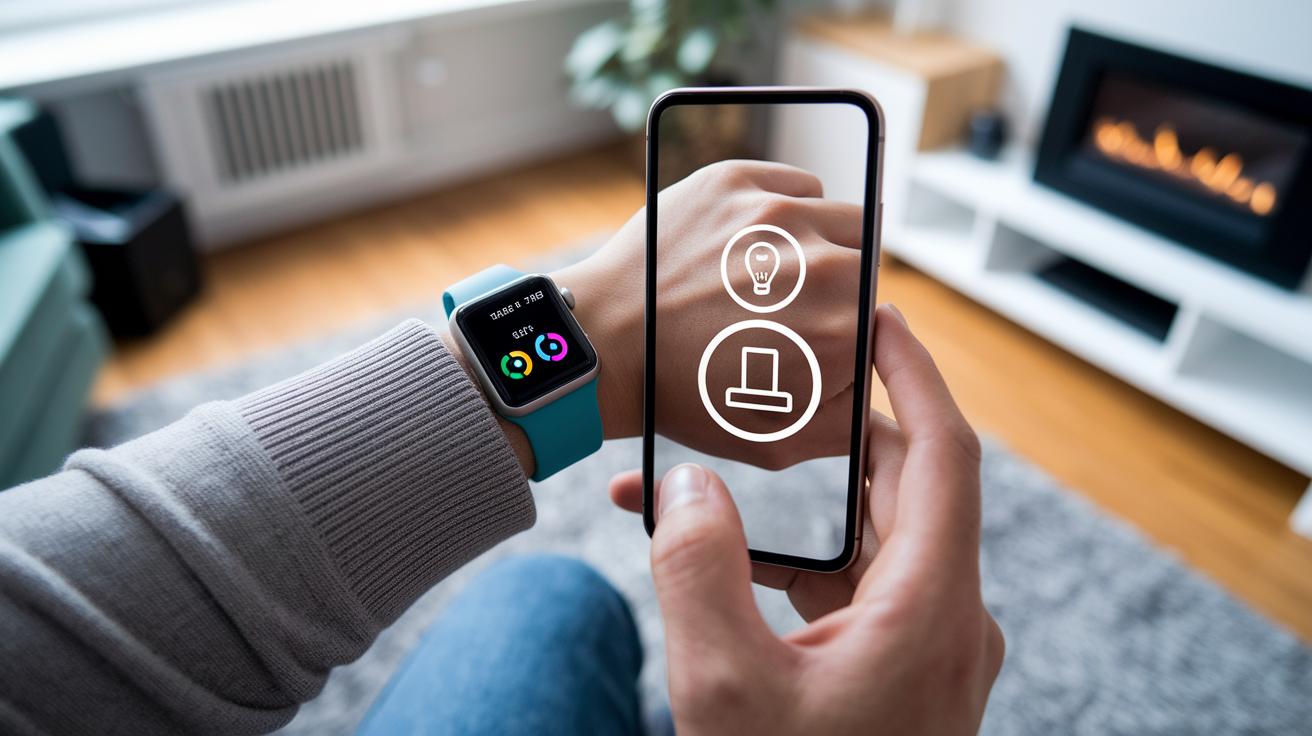
Another cool trend is wearable integration. Many of these apps now work with devices that monitor your heart rate and sleep, giving you easy-to-read insights into your overall well-being. It’s practical and fun, making self-care feel more connected with your day-to-day life.
There are still important talks about making sure these tools are safe and ethical. Developers are working hard to stick to research-backed methods while keeping your data private and secure. As these clever tools continue to grow, the goal remains to mix the latest technology with trusted, caring support.
Final Words
In the action, we explored what makes a great mental wellness app. We talked about key features like mood journaling, self-assessments, CBT modules, and guided meditations. We also looked at pricing, real user feedback, and ways these tools work alongside therapy and community support.
This discussion shows that finding a mental wellness app tailored to your daily needs can boost your overall well-being. Keep exploring and let your choice brighten your day!
FAQ
What are the best mental wellness apps?
The best mental wellness apps combine mood journaling, guided meditation, quick self-check tests, and CBT modules. They offer free and paid features that support adults, students, and teens with science-backed tools.
What free mental wellness apps are available?
Free mental wellness apps let you track your mood, practice meditation, and engage in stress relief exercises without needing a subscription. They are ideal for students and adults seeking accessible digital care.
What is a mental wellness app?
A mental wellness app is a digital tool that helps you monitor emotions, practice relaxation, and use evidence-based exercises. It typically offers guided meditations, mood tracking, and self-assessment tests.
Do mental health apps actually work?
Mental health apps work by offering practical exercises, self-check tests, and guided sessions that boost emotional well-being. They complement professional therapy using simple, science-based techniques.
Is the Calm app effective for mental wellness?
The Calm app is recognized for its guided meditations and sleep support. Its intuitive design and user-friendly exercises help reduce stress and improve sleep quality, making it a popular digital care option.