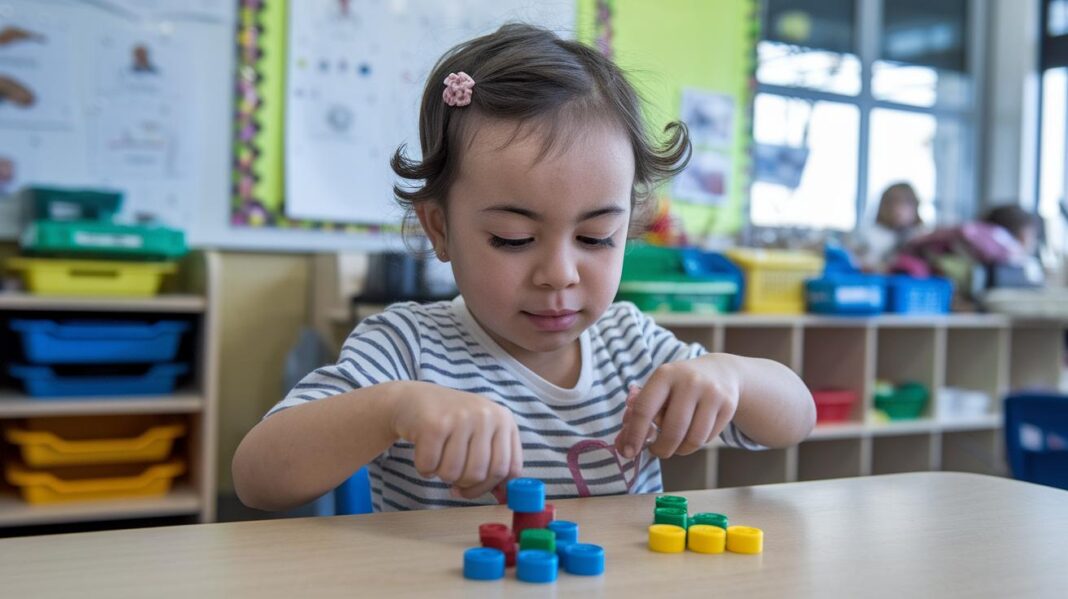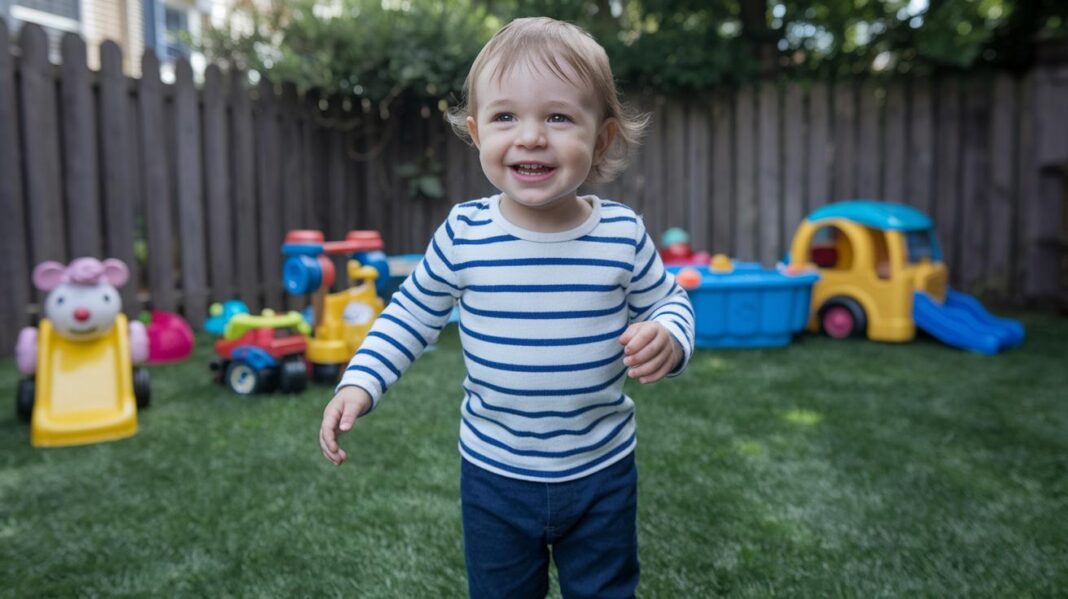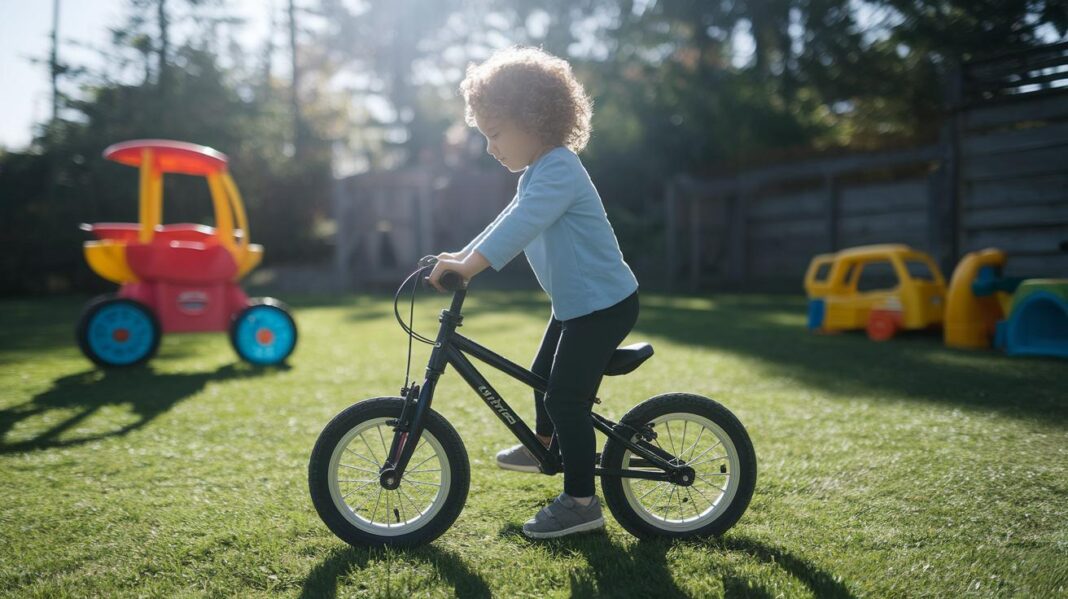
Ever wondered how a little grab turns into a brave step? It’s not just about muscles growing; it’s a series of small moves that help our children become more independent.
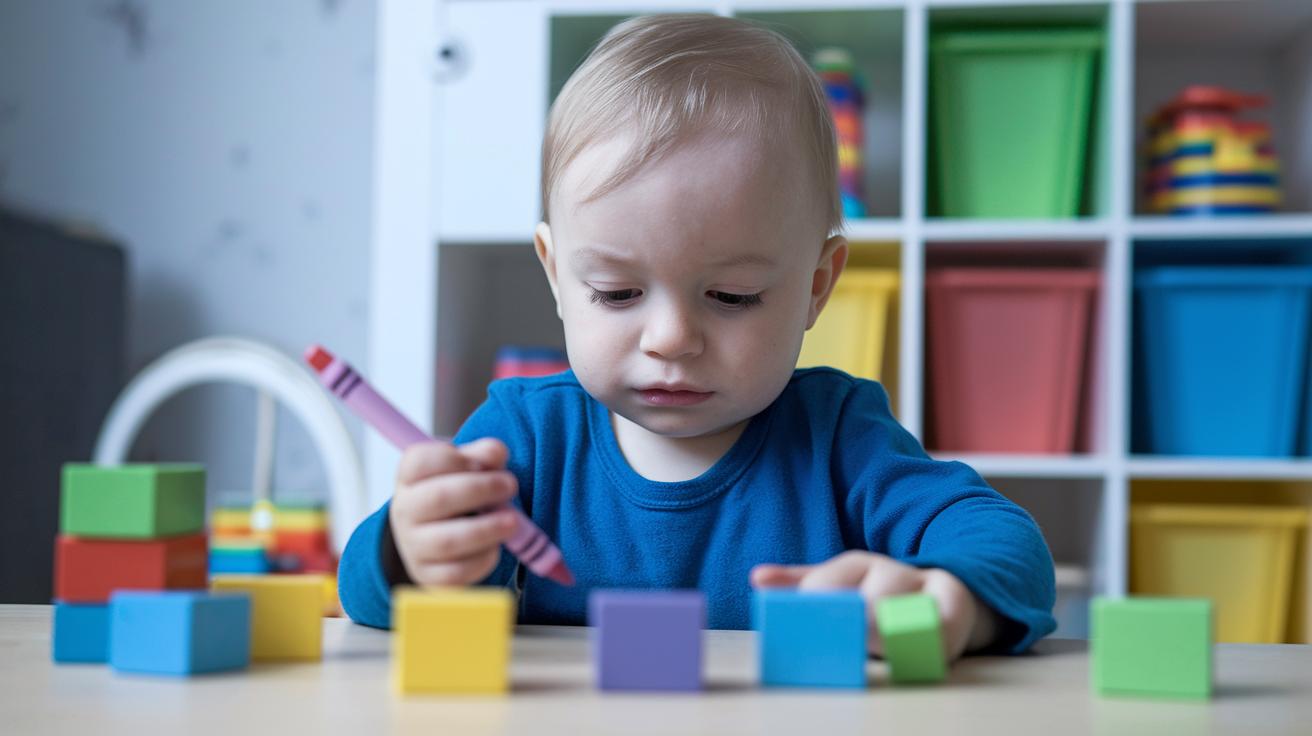
Think about your baby: one moment they’re reaching for a crayon and the next they’re taking a wobbly step. Each movement is a sign of progress and a step toward exploring the world on their own.
This guide shows how early reflexes turn into actions that spark creativity and build both small (fine) and big (gross) motor skills. Let’s take a look at these little milestones that gently shape our children’s futures.
Understanding Motor Development: A Framework for Skill Progression
Motor skills are the ways our muscles help us with everyday tasks. They start with simple, automatic actions when babies are born and slowly become careful, intentional moves. We usually talk about two kinds of motor skills: fine motor skills and gross motor skills.
Fine motor skills use the small muscles in our hands and wrists. These skills allow children to pick up small objects, hold spoons, or stack blocks. Imagine your child holding a crayon for the very first time, it’s a small grasp that opens up a world of creativity. These early skills pave the way for more detailed tasks like writing or drawing later on.
Gross motor skills involve the larger muscles in the arms, legs, and torso. With these skills, kids learn to roll over, sit up, crawl, stand, and eventually walk. Think about your toddler taking those first wobbly steps, it’s the start of a journey towards independence and fun adventures.
At the heart of all this is neuromuscular control. What begins as simple reflexes in a newborn slowly turns into smooth, controlled movement as they grow. Often, developmental charts are used to keep track of these changes, ensuring that every little step is supported with care and understanding.
Motor Development: Inspiring Growth in Skills
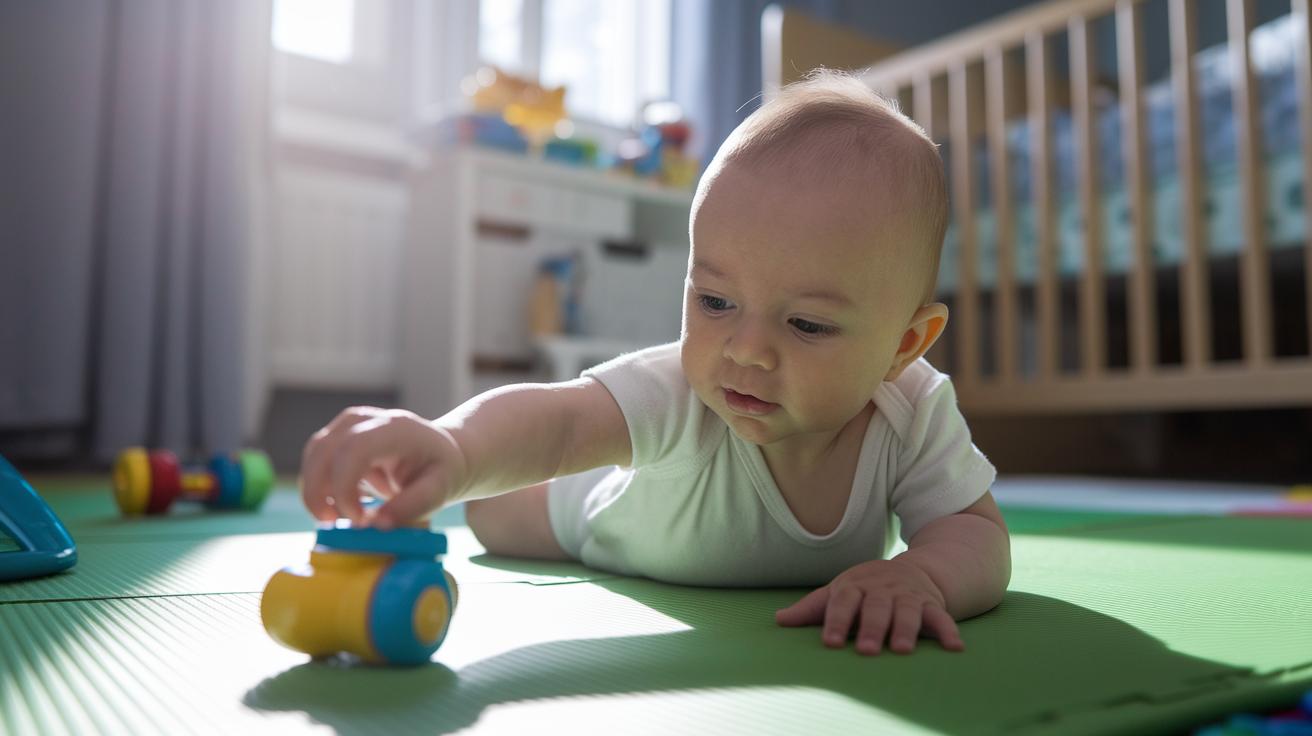
Here’s a friendly guide to all those little milestones your baby reaches as they grow. This chart walks you through those moments, from early reflexes to intentional movements that show off your child's growing strength and coordination.
| Age Range | Milestones |
|---|---|
| Newborn–2 months | Lifts head during tummy time; exhibits tight grasp reflex |
| 3–5 months | Holds head up steadily; reaches for toys; grasps blocks |
| 6–8 months | Rolls supine and prone; sits unsupported; crawls belly to back; pulls to stand |
| 9–11 months | Cruises along furniture; stands briefly on own; takes initial steps independently |
| 12–14 months | Bear crawls; transitions from sitting to standing; begins to walk solo; develops pincer grasp |
| 15–18 months | Climbs stairs with assistance; runs short distances; stacks 2–3 cubes |
| 19–24 months | Runs steadily; uses step-to stair pattern; stacks 4–6 cubes; scribbles |
| 2–3 years | Balances on one foot; alternates stair steps; draws circles; strings beads |
| 3–4 years | Hops on one foot; kicks a ball; cuts straight lines |
| 4–5 years | Skips; balances for longer periods; draws squares; uses scissors safely |
Imagine your baby lying on a soft blanket during tummy time, their little head lifting just a bit, it's a small win that sparks curiosity about reaching for toys. Each new skill marks a gentle step up in strength and coordination, making every day a new adventure.
Some toddlers, by age 2, might already be balancing on one foot, turning an ordinary moment into an exciting exploration of their body’s capabilities! These early victories lay the groundwork for later skills like drawing with a crayon or handling scissors safely.
Every age group here gives you clear goals, making it easier to see how far your child has come, whether at home or in a clinical setting. Enjoy these moments, they’re simple, beautiful signs of growing up, and they make parenthood truly magical.
Strategies to Enhance Fine and Gross Motor Skills
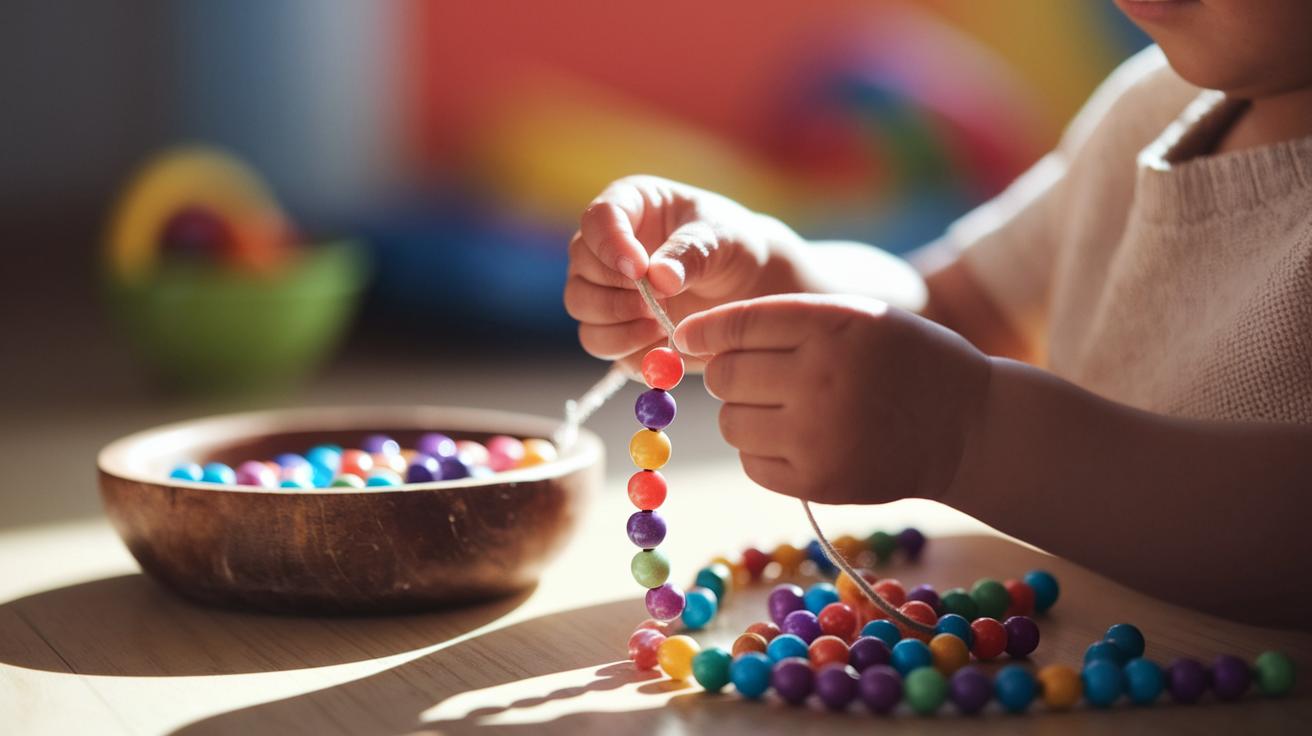
Fine motor skills help little ones get a handle on activities that require careful hand-eye coordination. They’re all about those small, precise movements that turn everyday tasks into playful learning moments. For instance, you might fill a small bowl with colorful beads and invite your child to thread them onto a string. It turns playtime into a joyful skill-building adventure.
Here are six friendly ideas to support fine motor growth:
- Encourage a tiny pincer grasp by letting your child pick up small bits like dried pasta or cereal.
- Use a shoelace and some beads to create a simple threading game that boosts hand-eye coordination.
- Turn snack time into a mini exercise by letting your child use a spoon.
- Build little towers with blocks to help them develop both strength and precision.
- Try out pegboard activities, which gently refine small muscle skills.
- Invite them to play with clay, letting their fingers press, shape, and explore textures.
Gross motor skills are about using big muscles in the arms, legs, and core. They grow stronger through fun, active play in a spacious area. Imagine setting up a cozy home obstacle course where cushions become stepping stones, and the living room transforms into an exciting playground of movement!
Below are six playful ways to boost gross motor development:
- Create a safe, active challenge at home with a simple obstacle course using everyday items.
- Spark joy with a friendly ball-kicking game to enhance coordination.
- Enjoy guided jumping activities like hopscotch that invite a gentle leap and a laugh.
- Lay down a taped line as a balance beam for a bit of safe practice.
- Encourage crawling games or a few gentle steps on stairs.
- Dance together with playful moves and rhythmic steps to keep energy high.
Happy exploring and playing, each small move makes a big difference in your child’s growth!
Tools and Methods for Assessing Motor Progress
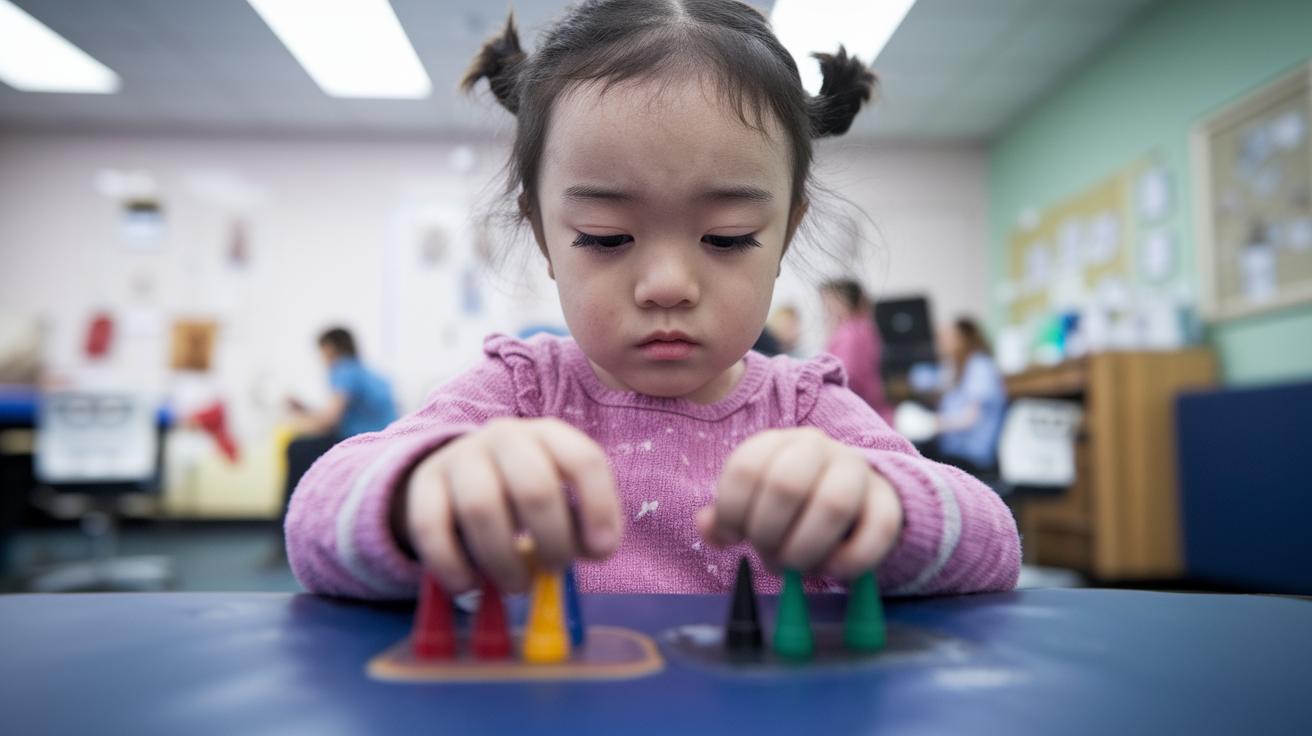
We can use tools like the Peabody Developmental Motor Scales (PDMS-2) and the Bruininks-Oseretsky Test of Motor Proficiency (BOT-2) to see how a child is moving and growing. Parents also play a big part by filling out Ages & Stages Questionnaires to share what they notice in their child’s daily routines. This mix of expert tests and parent observations helps us understand a child’s motor skills from a very young age.
Doctors and therapists also pay close attention during regular check-ups. They look at things like muscle tone, how reflexes work, and the overall smoothness of a child’s movement. They use simple checklists to see if a child is meeting the usual milestones for their age. Regular screenings not only show us how a child is doing now but also help catch any delays early on.
All this information helps decide if a child might need a visit with a physical or occupational therapist for extra help. Combining expert tests with hands-on observations gives families a clear picture of their child’s movement skills and offers practical tips and reassurance along the way.
Recognizing Red Flags and Starting Early Interventions
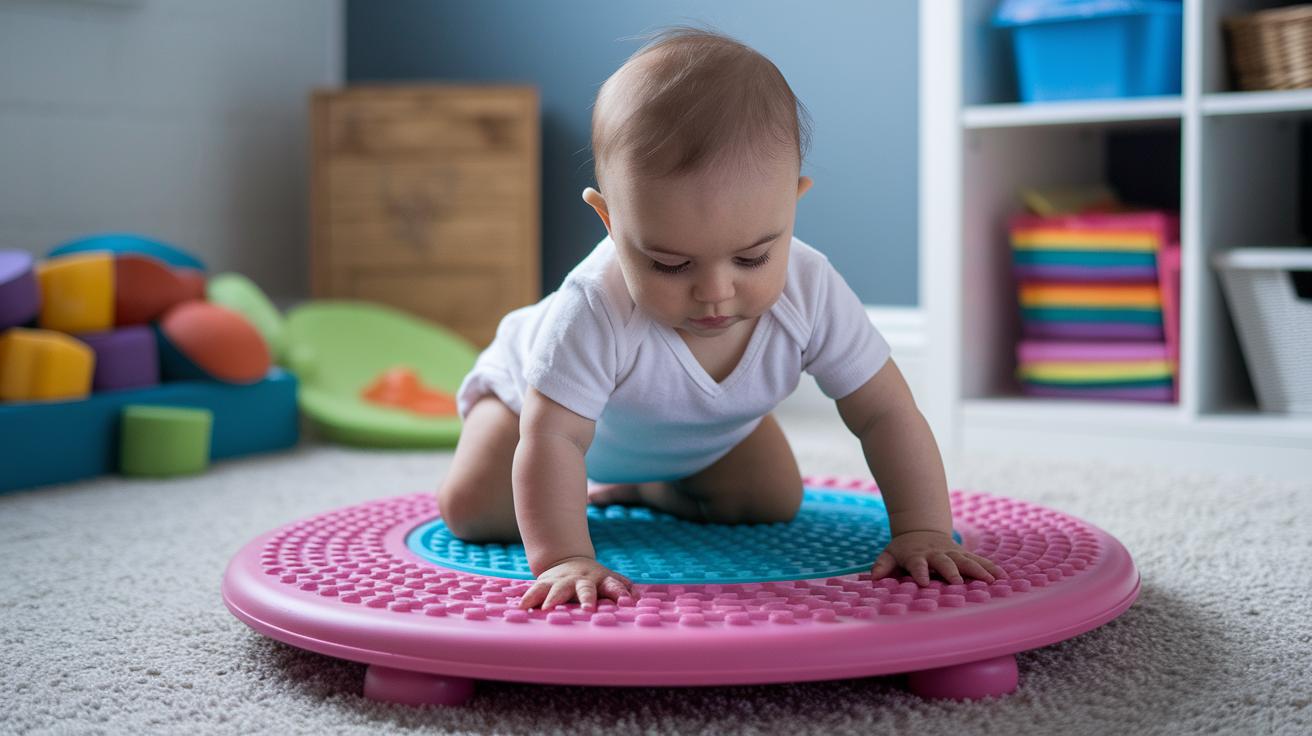
Noticing delays in a baby's motor skills is really about catching the little signs that might mean extra help is needed. For example, if a baby doesn’t lift their head during tummy time by 3 months or isn’t sitting steadily by 9 months, these are signs to keep an eye on. And if a child hasn’t started walking by 18 months or struggles with a pincer grasp, like hesitating to pick up a small toy, it might be a nudge to consider early support.
Early help such as physical or occupational therapy can make a big difference. Simple sensorimotor exercises using a foam balance board or exploring different textured surfaces can encourage movement and build sensory skills. Imagine a little one taking a careful step on a textured mat, it can feel a lot like a fun, playful game where every small win builds a stronger bond between feeling and movement.
Working closely with both parents and professionals is key. By setting small, achievable goals and checking progress often, everyone can work together to support your child’s development. If you’re seeing these signs, having a chat with your pediatrician about early interventions might be a good idea. Every gentle push towards progress is a supportive step on your child’s journey.
Home and Educational Activities to Support Motor Growth
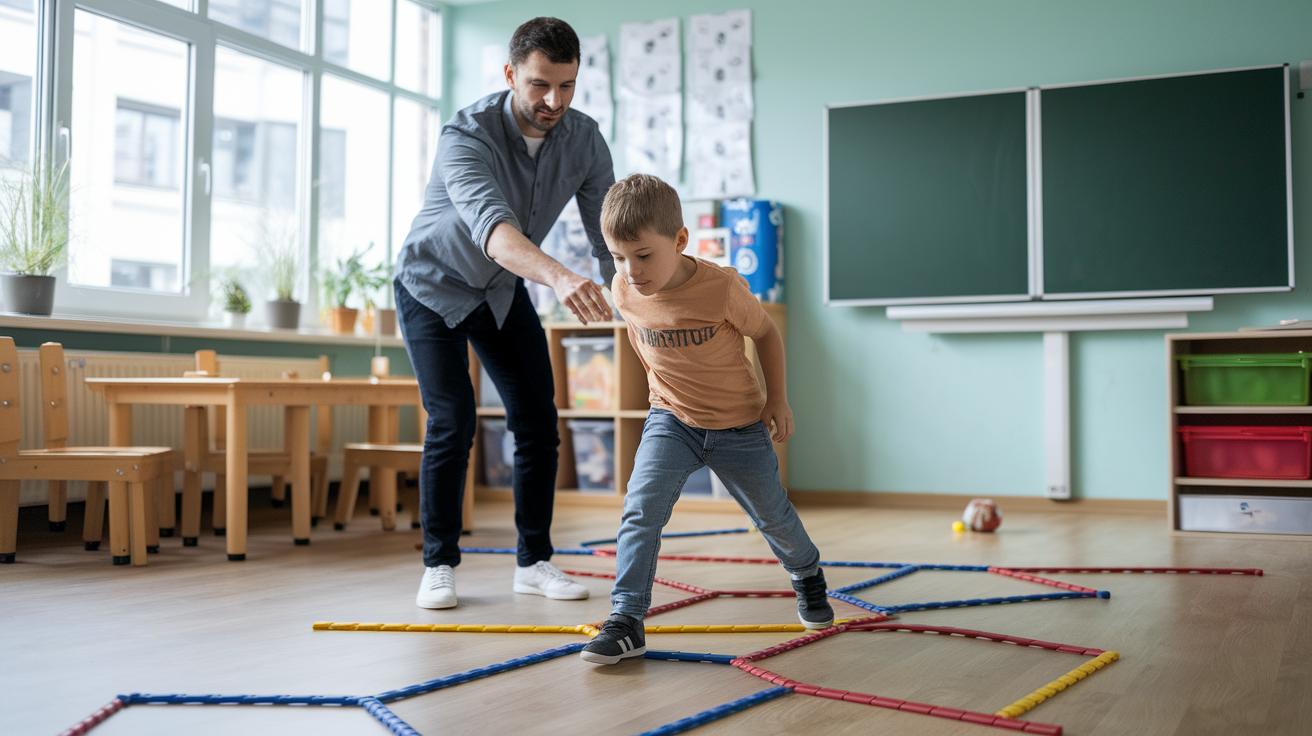
This section is all about fun, planned activities that teachers can lead in the classroom. These ideas work well with the play you do at home and help kids build strong motor skills. They come as step-by-step guides that are easy to follow and perfect for group learning.
Here are seven ideas for activities in a structured setting:
-
Try a simple obstacle course that has clear stations. For example, set up little spots where kids crawl under a table or climb over a few cushions. A teacher can walk with each group through the course, showing what to do at every station.
-
Organize a block-building challenge with a fun theme. A teacher can ask the children to stack blocks in a pattern. This not only sparks problem-solving skills but also improves hand control.
-
Set up a drawing and sensory station. Provide big sheets of paper and chunky crayons, and let a teacher draw a simple pattern that the children can follow. It’s a creative way to boost fine motor skills.
-
Plan a movement game like a mini relay or a guided Simon Says session. A teacher can lead a short race where kids perform a certain move at each checkpoint. Step-by-step guidance makes it easier for everyone to learn new motor skills.
-
Run a craft project with clear, simple steps. For instance, a teacher might guide the kids through a safe scissors activity. This step-by-step method helps them build fine motor coordination nicely.
-
Introduce fun hand-eye drills where children toss soft beanbags into color-coded targets. Having a teacher direct the activity turns the drill into an engaging game that’s easy to measure and enjoy.
-
Create balanced routines with a teacher-led demonstration. Think of a brief yoga session where a teacher shows how to balance on a taped line or use a wobble board. This clear, step-by-step lesson makes learning balance both fun and safe.
Final Words
In the action, this article shines a light on motor development, detailing how babies grow from simple reflexes to deliberate movements. We explored clear milestones, fun activities to boost fine and gross skills, and useful tools for tracking progress. It’s all about simple steps, sensory play, and early action when red flags appear. Every tip shared supports ongoing growth in a warm, practical way. Small improvements lead to big achievements, so stay confident and keep celebrating each developmental win!
FAQ
What is the meaning of motor development?
The meaning of motor development refers to how muscles learn to work together, moving from reflexive actions in infancy to intentional, coordinated tasks as a child grows.
What are the three types of motor development?
The three types of motor development include gross motor skills for large body movements, fine motor skills for precise hand tasks, and neuromuscular coordination that links them.
What are the 5 motor skills?
The 5 motor skills often include locomotor skills, object control, balance, coordination, and fine motor precision, all of which play a key role in daily tasks and movement efficiency.
What is an example of motor skills development?
An example of motor skills development is a toddler using a pincer grasp to pick up small items, showing improved fine motor precision and growing hand-eye coordination.
How do gross and fine motor development differ?
Gross motor development involves large movements like walking and climbing, while fine motor development focuses on small actions such as drawing, picking up objects, and using utensils.
What are some examples of motor development products and resources?
Examples include printed milestone charts, handbooks, and PDFs that outline motor skills progress, helping parents and teachers track a child’s movement development easily.
What are the 4 stages of motor development?
The 4 stages of motor development go from the reflexive stage to early voluntary movements, then to coordinated actions, and finally to refined, purposeful movements.
What are the motor development stages?
Motor development stages refer to the sequential phases a child experiences—from basic reflexes in infancy to advanced, controlled movements—encompassing both gross and fine motor progress.