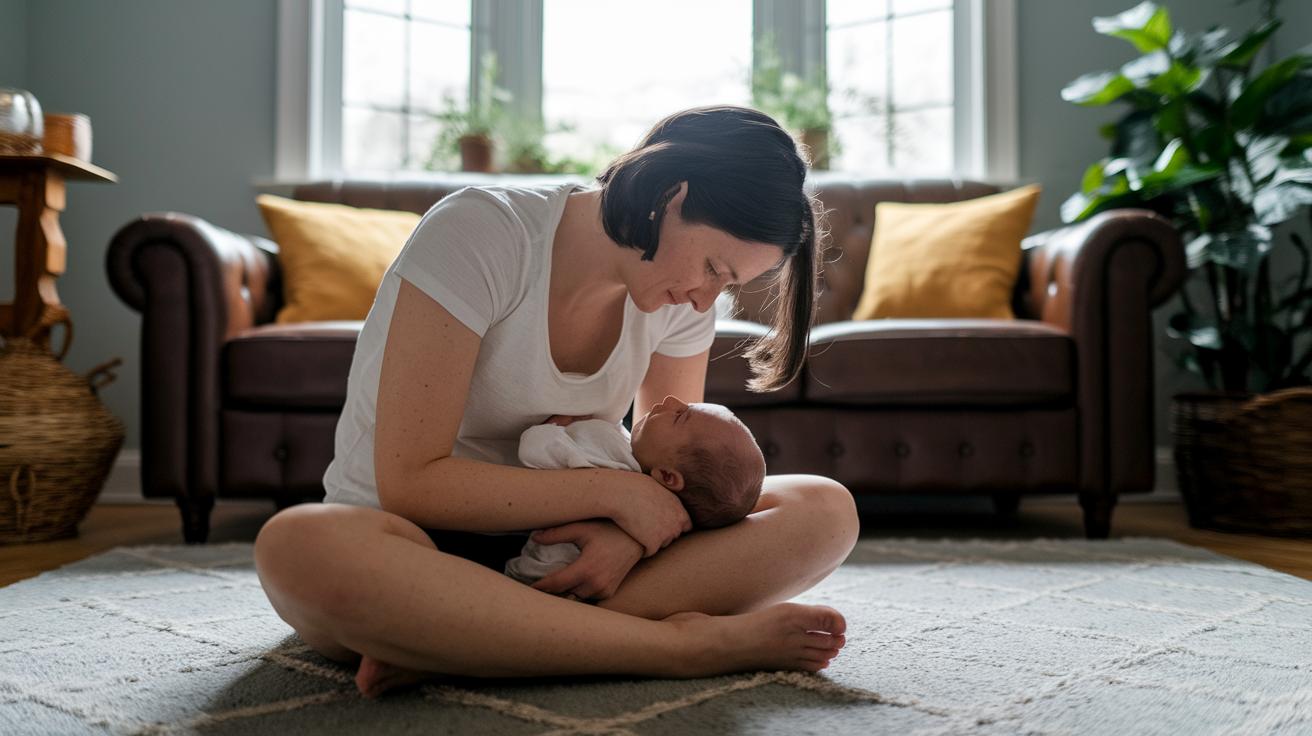
Have you ever thought about a postpartum workout that is both gentle and effective? Sometimes it feels hard to rebuild strength without pushing your healing body too much.
Imagine a routine that slowly helps you regain your power. There’s a free 30-day plan that uses simple exercises to rebuild your core and pelvic floor (the muscles around your lower belly) and boost your overall strength with caring, low-impact moves. Every session feels like a light walk, small steps that lead to lasting confidence and comfort.
This guide shows you how gentle moves can brighten your recovery and help you truly thrive. Isn’t it wonderful how little changes can make a big difference?
Building a Safe Low Impact Postpartum Workout Plan
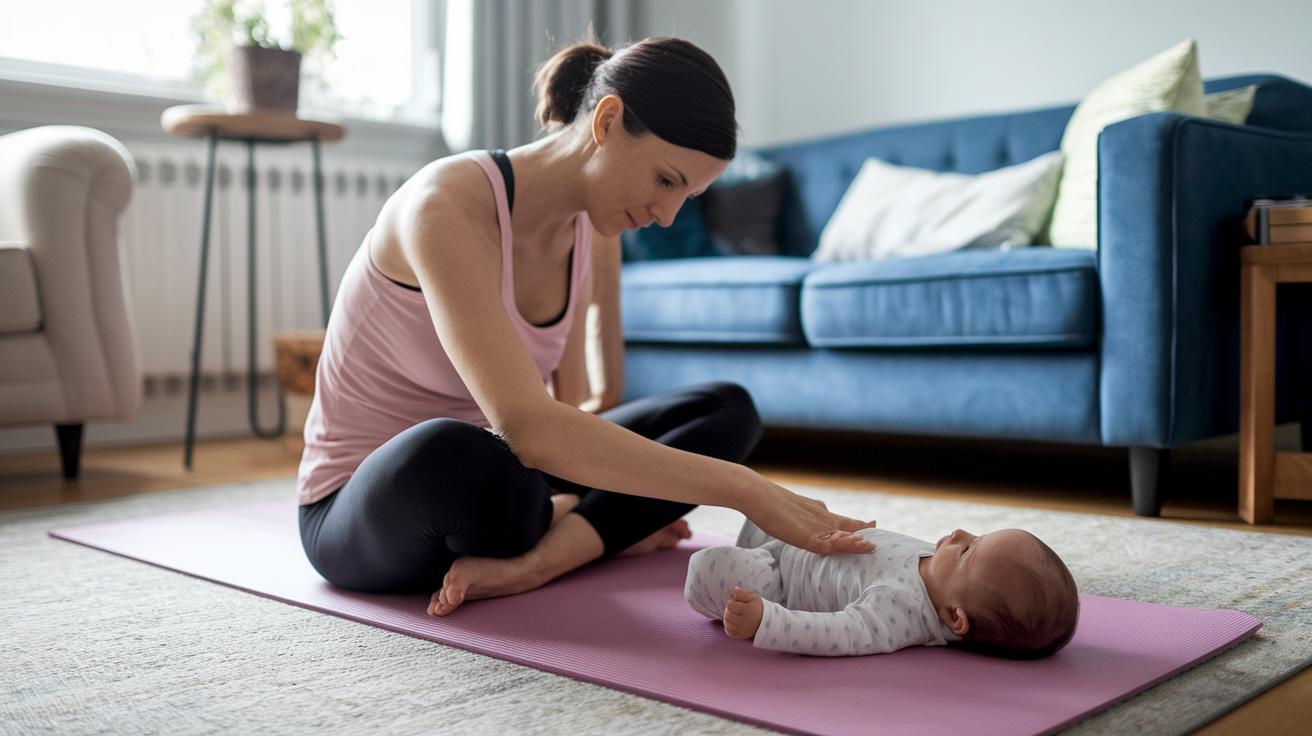
A free 30-day postpartum workout plan can help you slowly rebuild your core, pelvic floor, and overall body strength. These sessions usually run for about 15 to 30 minutes and are planned for 5 or 6 days a week. Many new moms start these gentle routines around 6 weeks after birth if everything went well. It’s all about listening to your body, if something doesn’t feel right, it’s perfectly fine to adjust the exercise or even take an extra day off.
Begin with low-intensity exercises that help you regain strength without putting too much pressure on your healing body. Think of every session as a small, caring step toward feeling better. Imagine starting with a light walk around the block and gradually adding more movement as your muscles quietly regain strength. Little by little, you build confidence and comfort with each step.
Each workout gently builds on the previous one to boost your strength over time. At first, you might focus on very simple moves, like slow squats or gentle stretches that are kind to your joints. When you feel more at ease, you can try adding light weights or resistance bands. Always keep in mind that some days might feel tougher than others; adjusting the length or intensity of your workout is totally okay.
Take your time when starting new exercises. A few simple tweaks here and there can help you rebuild muscle tone while keeping the risk of strain low. Think of your postpartum fitness journey as a collection of small, manageable steps that bring you closer to feeling strong and healthy.
Key Gentle Recovery Exercises for Your Low Impact Postpartum Workout
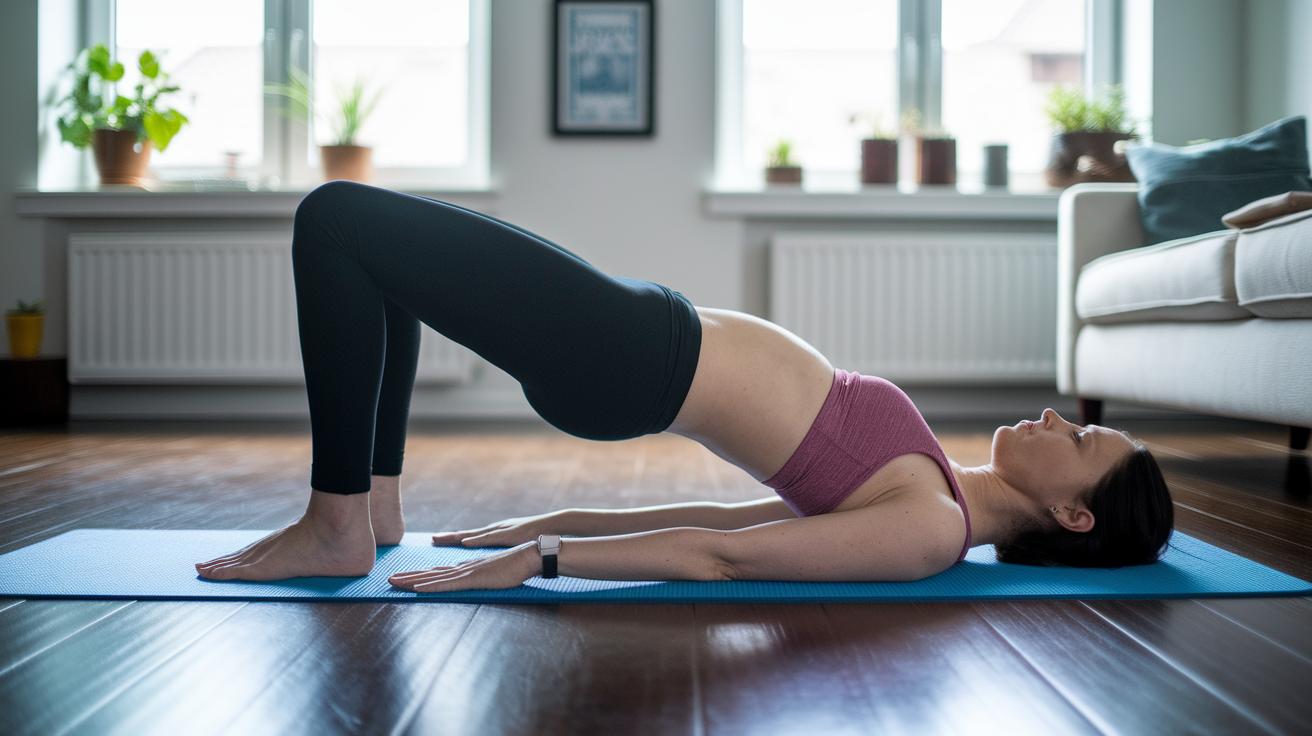
These five gentle exercises are here to help you rebuild strength and stability after childbirth. They care for your lower body, core, and even your upper back, all while being kind to your healing self. You can adjust each move to fit your comfort level, making it easier to bring back those important muscle groups.
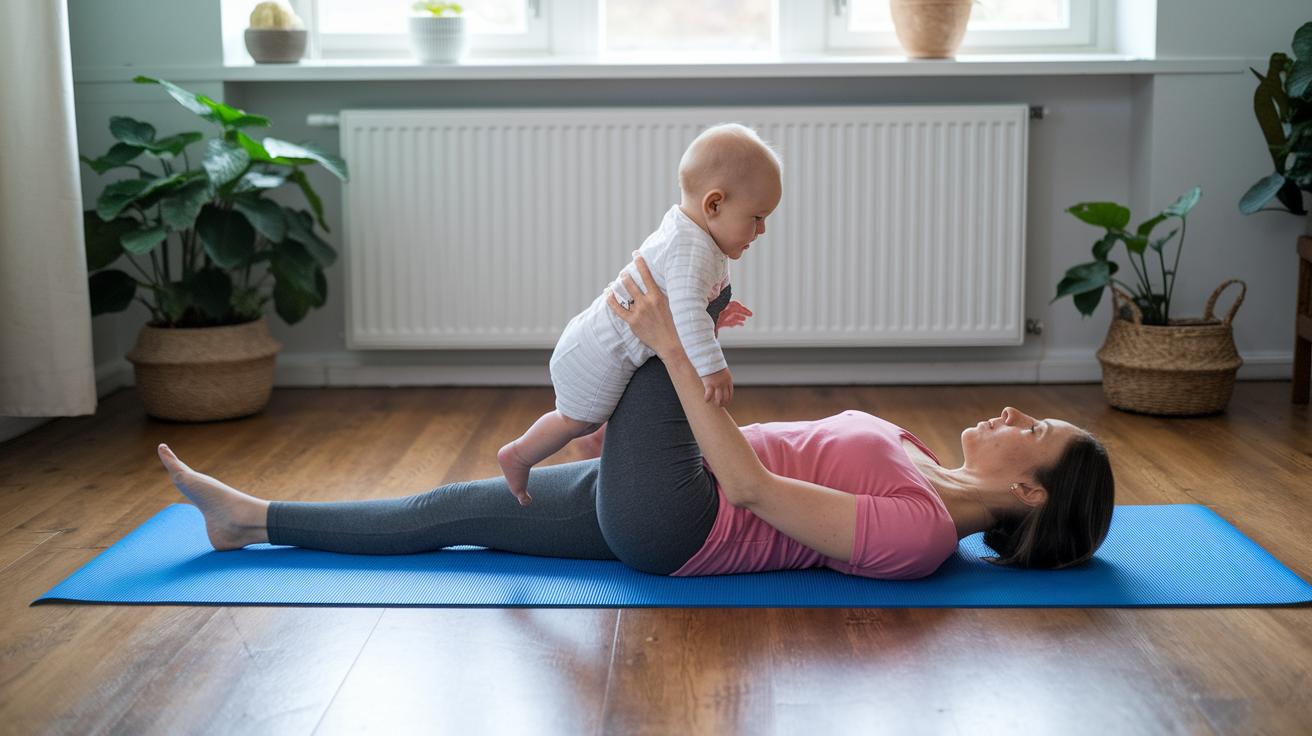
• Glute Bridges: Lie on your back with your knees bent and your feet flat on the floor. Slowly lift your hips up while you squeeze your glute muscles, then lower back down with control. This move not only strengthens your lower body but also gently wakes up your pelvic floor muscles. Think of it like reaching for a new, gentle goal with each lift.
• Clamshells: Lie on your side with your legs stacked and your knees bent at a 45° angle. Keeping your feet together, slowly lift your top knee away from your bottom leg. This simple exercise targets your hip muscles and gives your pelvis extra support and stability.
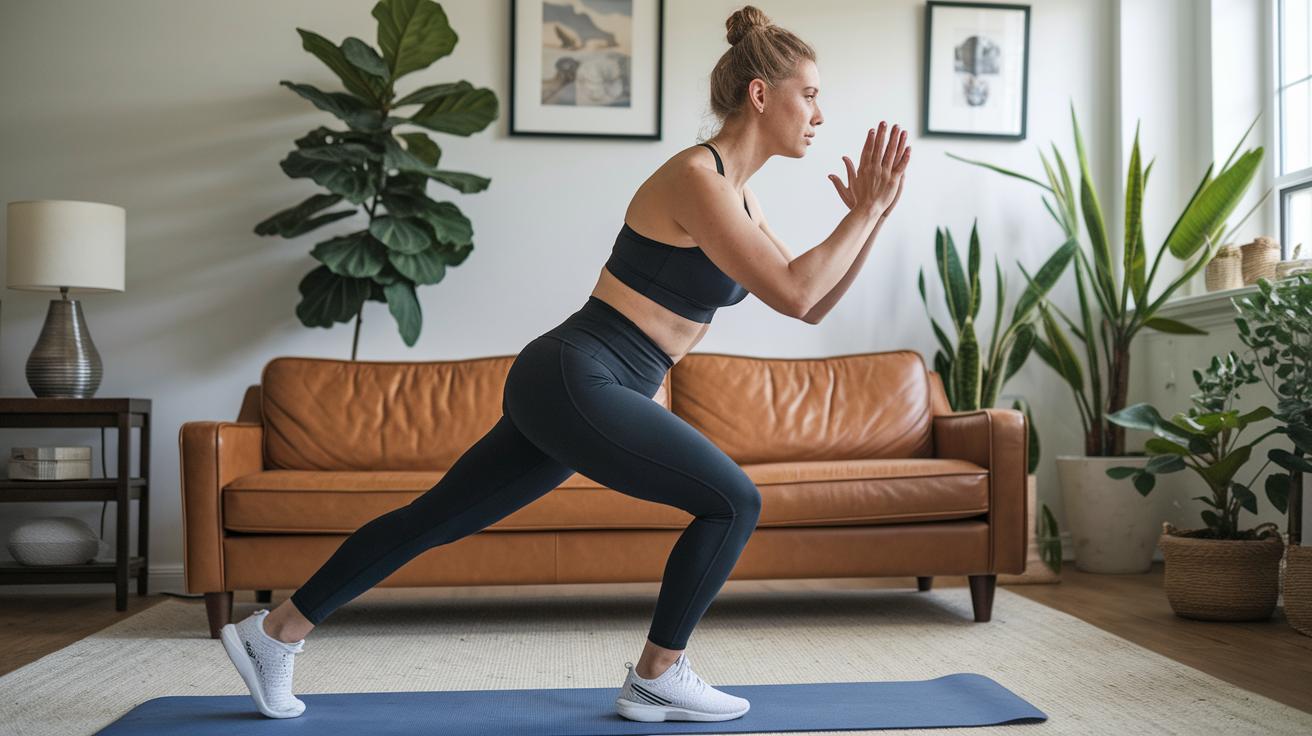
• Squats: Stand with your hips about shoulder-width apart. Start by pushing your hips back, like you’re about to sit in a chair, but hold your chest up and make sure your knees stay behind your toes. Squats are great for toning your lower body while also helping to improve your balance and posture.
• Scapular Wall Slides: Stand with your back gently pressed against a wall to keep a good posture. Then, slowly slide your arms up the wall. This move opens up your chest and helps ease those rounded shoulders that can happen from lots of baby cuddles.
• Plank: Begin by lying on your stomach before coming up onto your forearms, with your elbows directly under your shoulders and your legs stretched out behind you. Holding this position steadily works your core, building strength and stability over time.
Adding these exercises two weeks after giving birth can really help rebuild your core and pelvic floor. Even a simple five-minute daily walk boosts blood flow and keeps you moving, setting a steady foundation for your recovery.
Modifying Your Low Impact Postpartum Workout for Low Intensity Training
Walking can be a gentle, natural way to get moving again after having a baby. Try setting aside 20 to 30 minutes for a calm stroll, and wear comfortable, supportive sneakers with cushioned soles. A soothing walk not only boosts your blood flow but also slowly builds up your stamina as you recover.
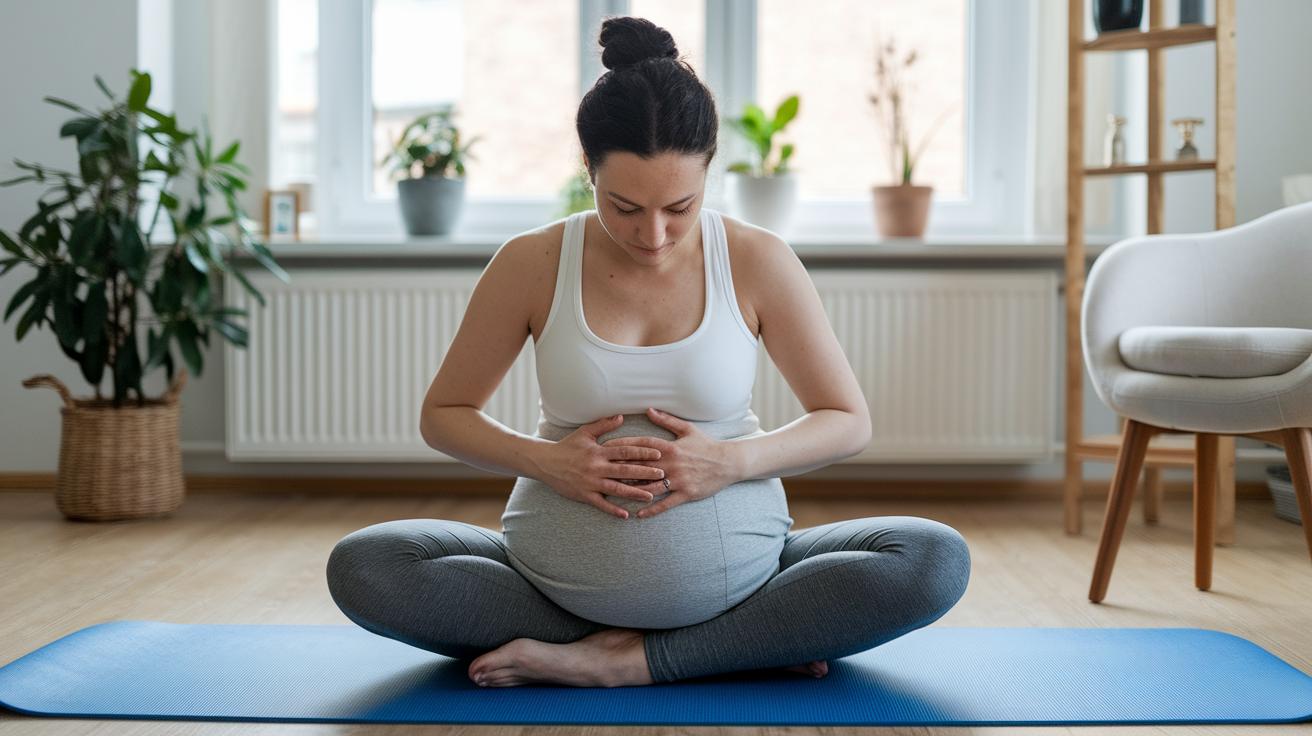
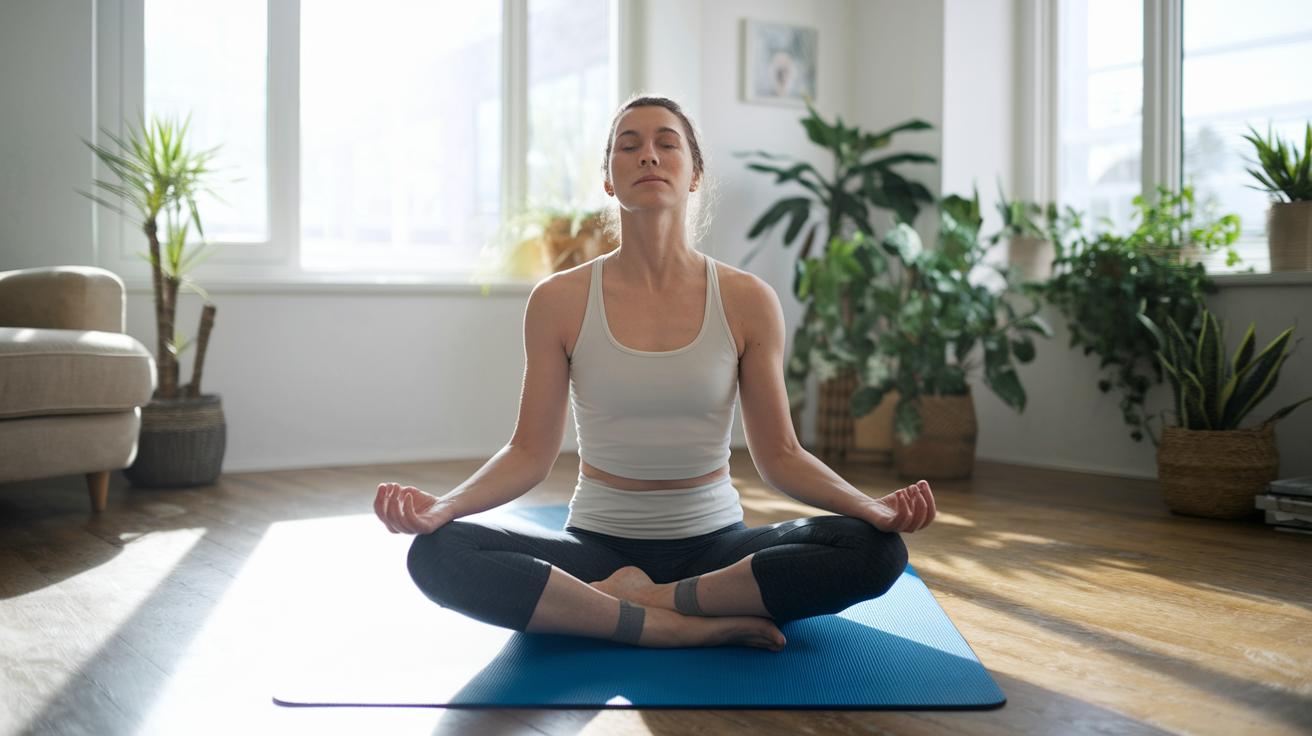
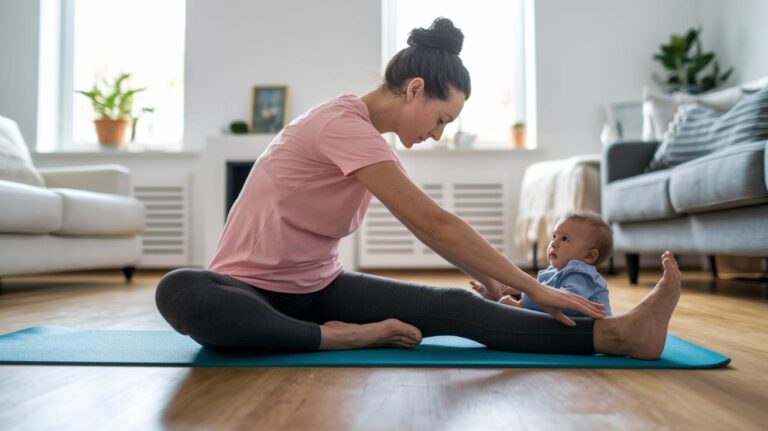
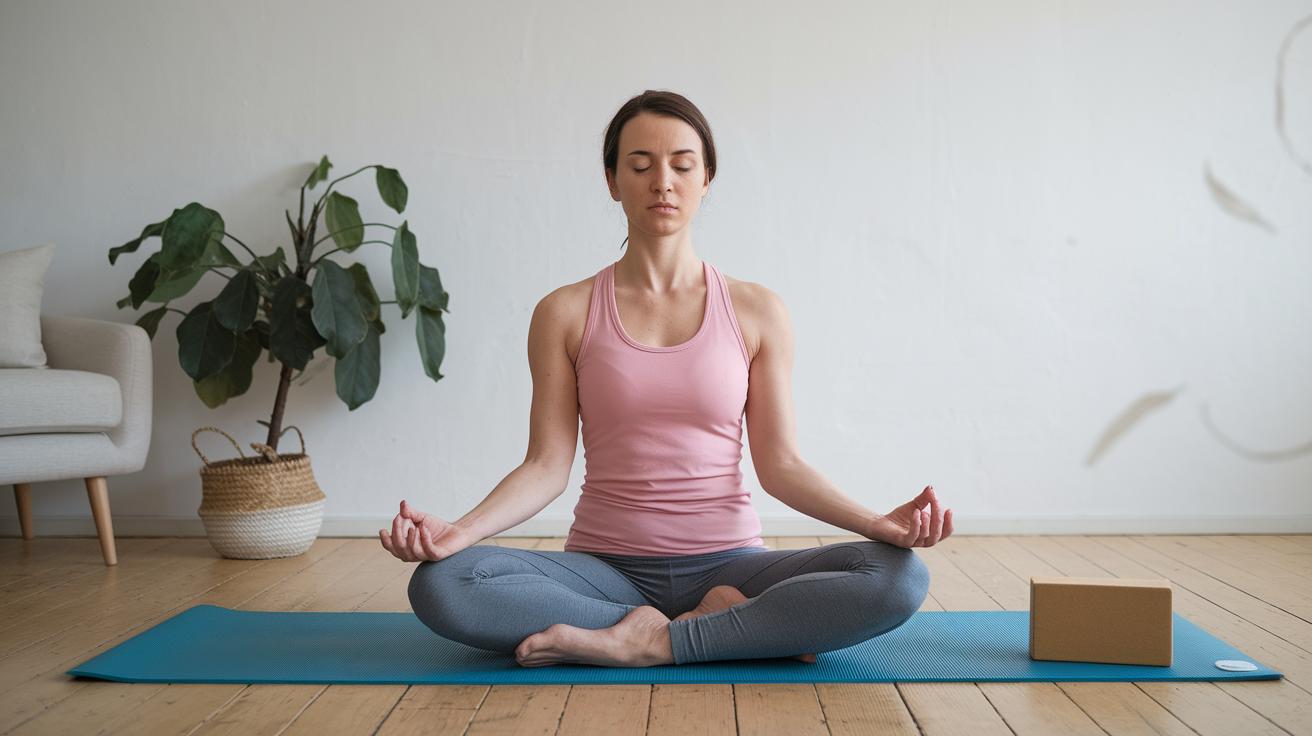
On days when you feel like taking it slow, give postnatal yoga a try. This practice helps you relax, focus on deep belly breathing (diaphragmatic breathing), and gently engage your core while moving your whole body. Using a grippy 5 mm mat and a yoga block can help you keep your balance and feel secure.
You can also add some light resistance exercises to your routine. Start with modified strength training moves, and listen closely to your body. If you notice any pain, signs like leakage, or a feeling of heaviness in your pelvic area, it’s a good idea to pause or adjust your workout. Video guides can be really helpful for showing you the right way to move.
Each little change lets you build strength at your own pace while keeping stress on your body low. Test new exercises slowly and pay attention to how you feel during and after the activity. Remember, gentle progress is perfect for new moms, taking it step by step really works.
Designing Your Beginner Low Impact Postpartum Workout Plan for Post-Birth Recovery
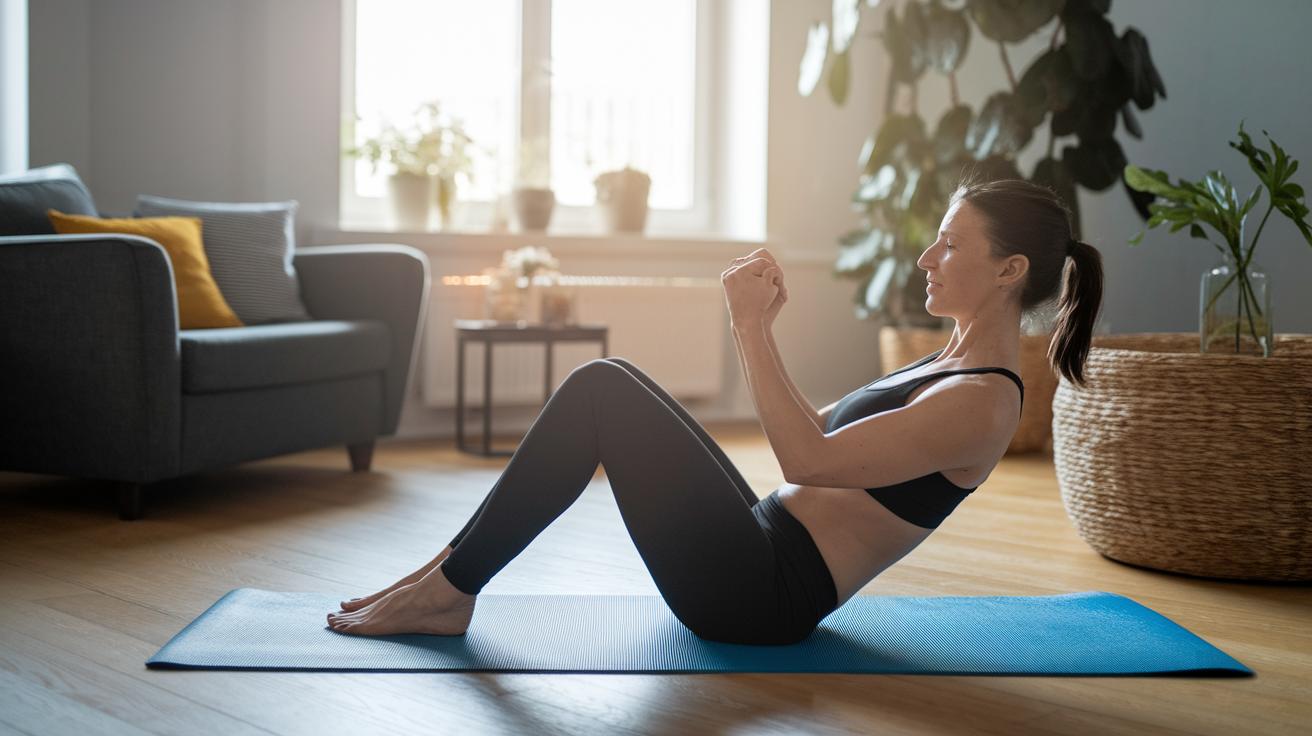
This free 30-day plan is set up in a simple four-week schedule to help you gently rebuild strength after having your baby. In the first week, you’ll start with a tiny 8-minute booty session and a 10-minute core workout. Then, on Days 2 to 5, you mix it up with strength moves, gentle stretches, or a light walk. It’s a sweet way to ease back into exercise while keeping your recovery cozy.
As you move on into Weeks 2, 3, and 4, the workouts mix in a few more moves. You get to work on your arm routines, full-body exercises, and special moves especially for those dealing with diastasis recti (a condition where the tummy muscles separate). The idea is to do your exercises 5 or 6 days a week, with one day you can easily take off if you need a break. And if any workout doesn’t feel right for you today, you can always swap it for a nice 20- to 30-minute walk.
This plan is made just for busy moms, with each session planned to be just the right size. A small change here or there, like choosing a walk if you’re feeling a bit off, really adds up over time. It gives you a neat, week-by-week guide to slowly build up your stamina and strength, all at a pace that suits you.
| Week | Workouts | Duration | Frequency |
|---|---|---|---|
| Week 1 | 8-minute booty + 10-minute core; mix of strength, stretch, or walk | 20 min total | 5-6 days/week |
| Week 2 | Arm and full-body routines, getting a bit stronger | 10-30 min | 5-6 days/week |
| Week 3 | Special exercises for diastasis recti along with mixed routines | 10-30 min | 5-6 days/week |
| Week 4 | Continued workouts with options for a walk if needed | 10-30 min | 5-6 days/week |
Remember, you can adjust each workout depending on how you feel. This friendly step-by-step guide is here to help you slowly build up your strength and stamina, just the way you need it.
Essential Warm-Up and Cool-Down for Your Low Impact Postpartum Workout
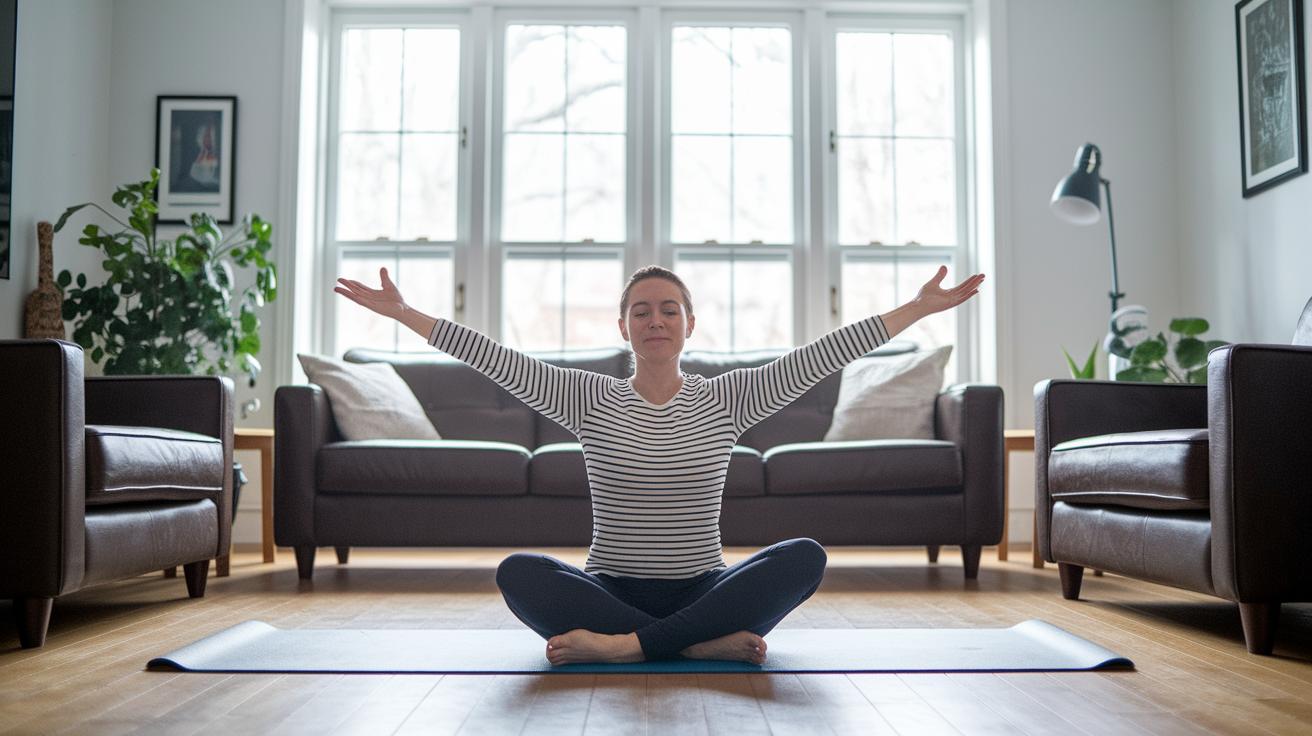
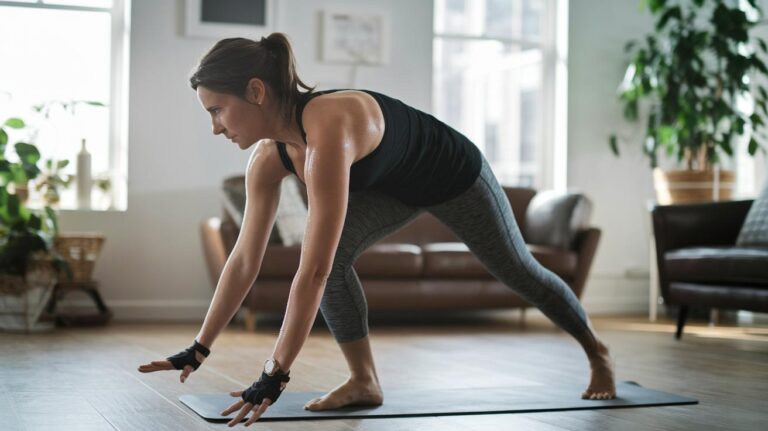
Before you jump into your workout, try some gentle warm-up moves to wake up your muscles. You can start with simple arm circles, easy hip circles, and a few rounds of the cat-cow exercise (a gentle way to loosen your back). Just do about 10 slow arm circles, like stirring a warm cup of tea, to help your shoulders and arms relax.
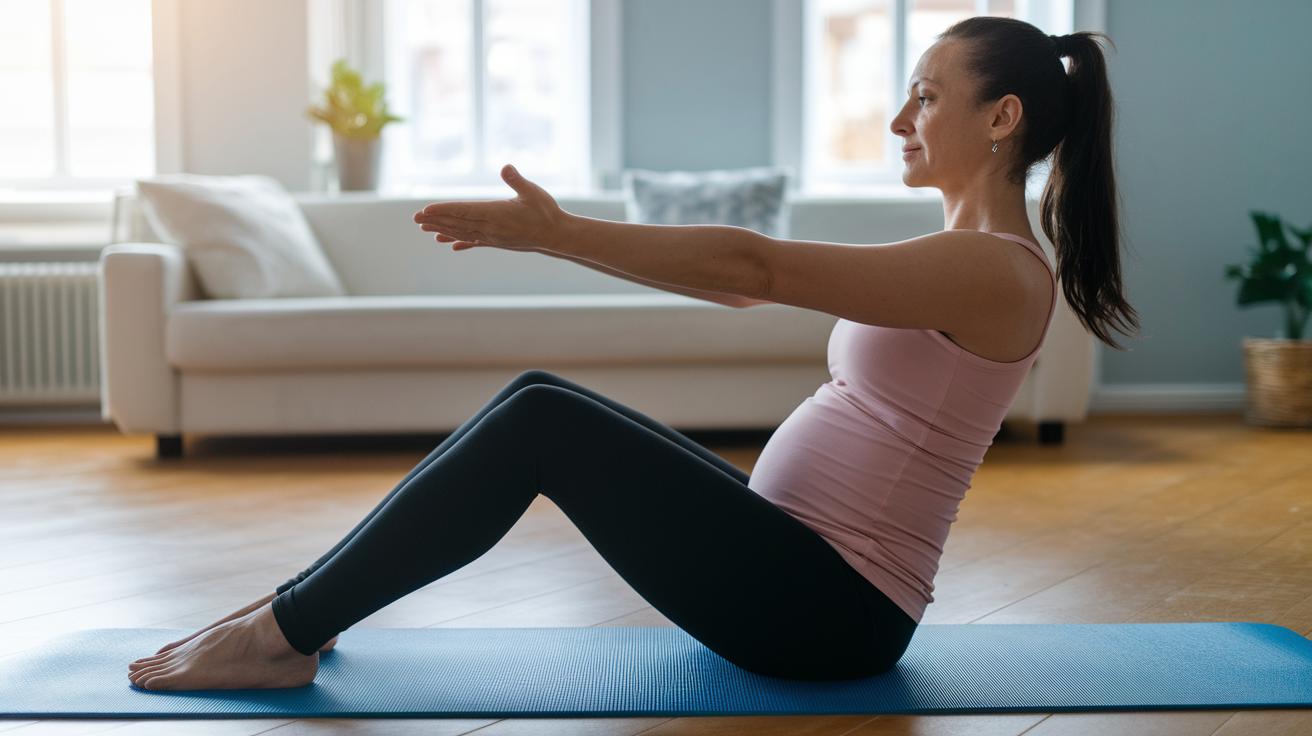
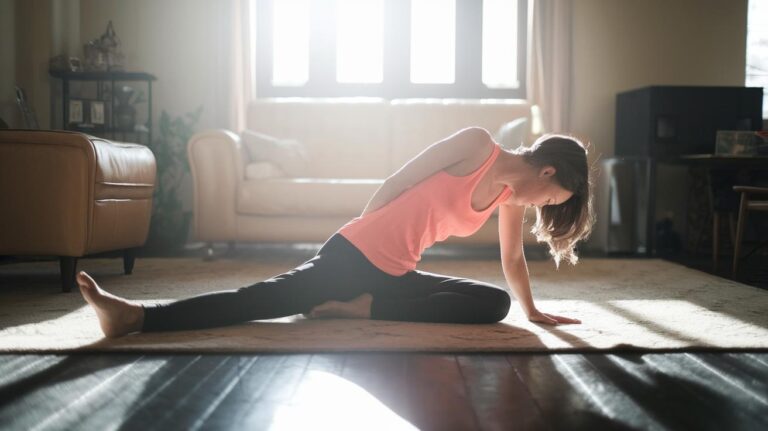
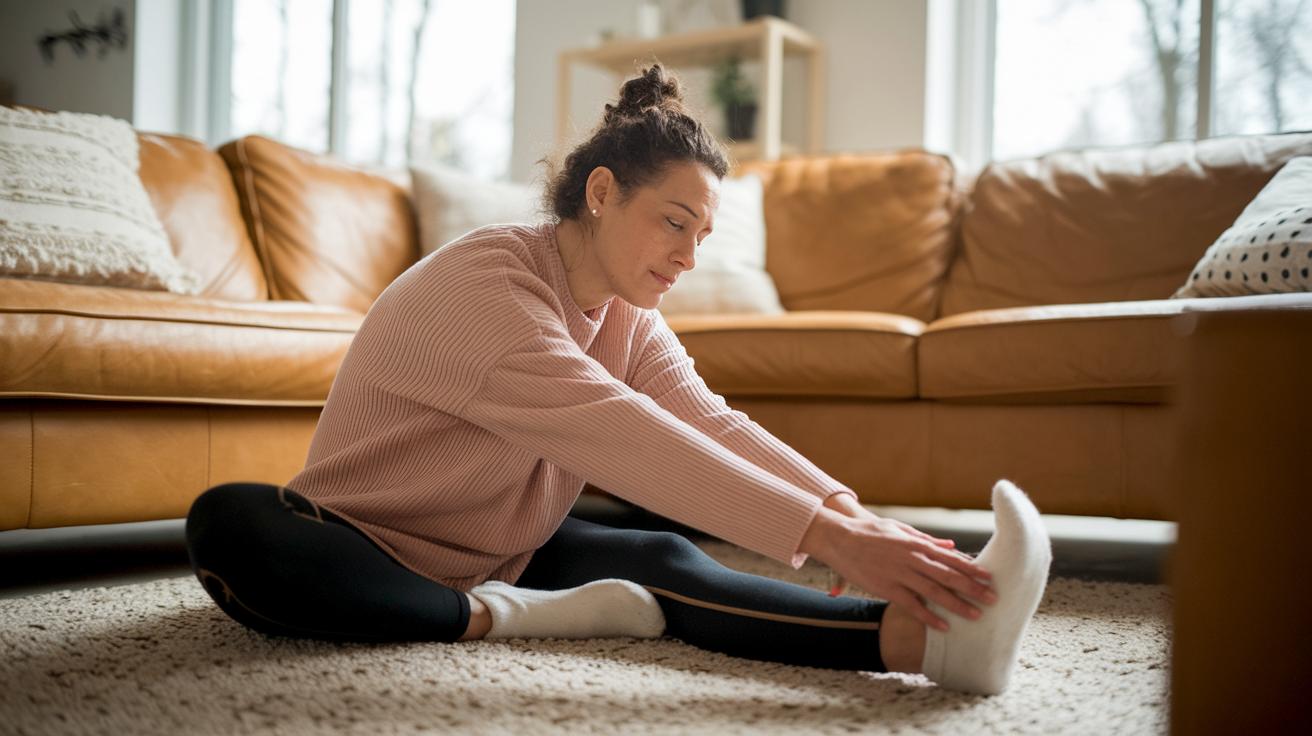
After you finish exercising, take a few minutes to cool down with some soothing stretches. Try a child’s pose to ease your back, a seated hamstring stretch to smooth out any leg tightness, and pelvic tilts to reconnect with your core. Keep your breathing steady and deep to add a calming effect. Even a short cool-down can help your body melt into a relaxed state and ease any leftover stress. Using a yoga block or a non-slip mat can give you extra comfort as you stretch. This mindful cool-down not only helps your muscles recover, it also nurtures your emotional well-being. Taking a bit of extra time for both warming up and cooling down can keep you safe from injuries while making the workout feel more caring and enjoyable.
Safety Tips and Contraindications for Low Impact Postpartum Workouts
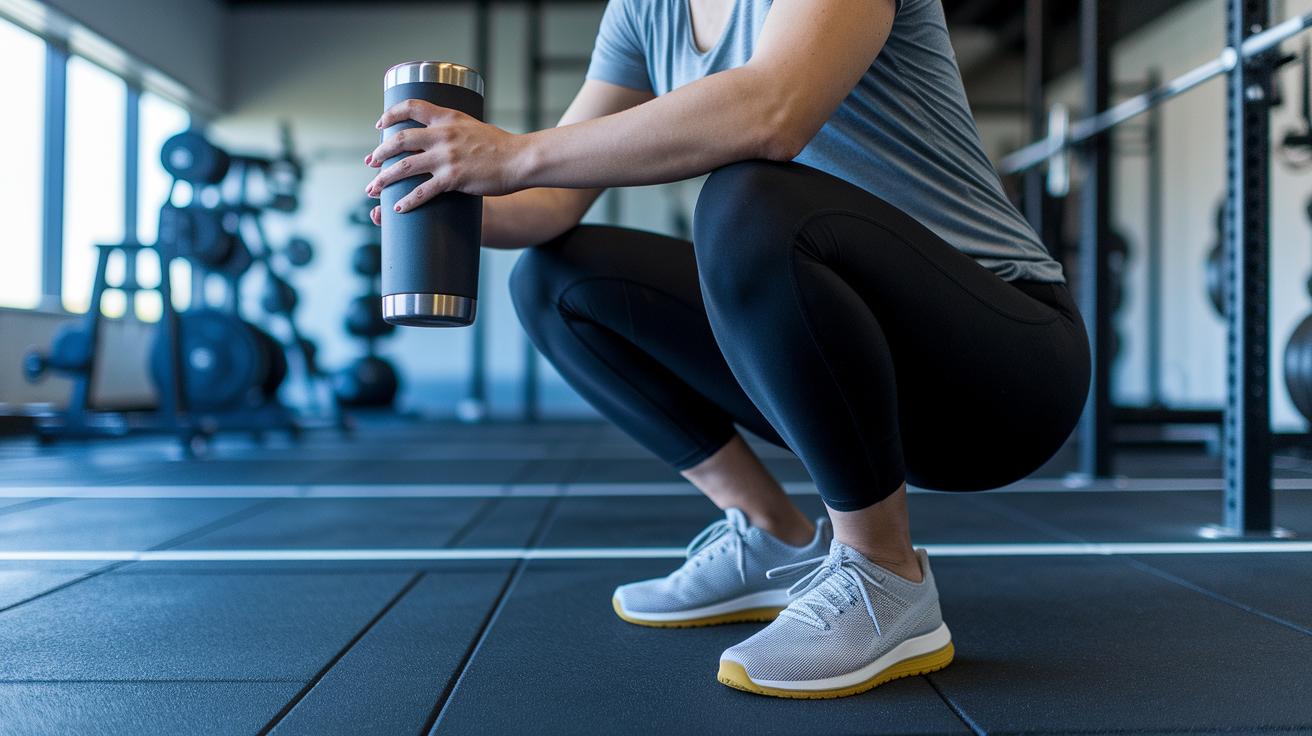
If you feel pain, urine leakage, or heaviness in your pelvis, pause your workout and check in with your healthcare provider. For example, if you experience a sharp pain in your lower belly during a squat, stop, take a breath, and reassess your form.
Keep a 40-ounce tumbler nearby so you can sip water throughout your exercise. Imagine holding a tumbler that lets you drink steadily without having to stop often to refill.
It’s a good idea to wear supportive shoes with proper cushioning. Think of shoes that give you a sense of stability and help soften every step you take.
Also, remember to schedule rest days and modify your moves to avoid overdoing it. Even a few extra minutes of gentler activity can make a big difference in protecting and healing your body.
Final Words
In the action, you’ve seen a clear plan for gentle routines that build strength and support recovery after birth. We explored low impact exercises for the core, pelvic floor, and full body, along with tips for safe modifications and mindful warm-ups and cool-downs. Each section offers simple steps and practical guidance to help you feel confident and connected as you work through your routine. Keep moving at your own pace, and enjoy the benefits of a low impact postpartum workout that cares for your well-being.
FAQ
Frequently Asked Questions
What does a free low impact postpartum workout plan PDF offer?
The low impact postpartum workout plan PDF offers a 30-day schedule that guides new moms through gentle core, pelvic floor, and full-body exercises to safely rebuild strength after childbirth.
What does watching a low impact postpartum workout on YouTube provide?
The low impact postpartum workout on YouTube provides guided video demonstrations that help you learn proper form and easily follow gentle exercises in your home environment.
What does a low impact postpartum workout at home entail?
The low impact postpartum workout at home entails simple exercises like walking, pelvic floor routines, and light strength moves designed to safely rebuild core and lower-body strength in a familiar setting.
What are good low impact postpartum workouts?
Good low impact postpartum workouts blend gentle strength exercises, walking, and postnatal yoga that support core, lower-body, and pelvic floor recovery while respecting your body’s healing process.
What postpartum exercises target the tummy?
Postpartum exercises for the tummy include gentle core routines like modified planks and pelvic tilts that help rebuild abdominal muscles confidently without overstraining your body.
What is the 5 5 5 rule for postpartum?
The 5 5 5 rule for postpartum means beginning with five minutes of warm-up, performing five targeted exercises, and finishing with five minutes of cool-down, all designed to bring a safe pace to your workout.
What type of exercise is best for weight loss postpartum?
The best exercise for weight loss postpartum includes low-impact routines such as brisk walking, gentle strength work, and postnatal yoga, supporting gradual fat loss while honoring your recovery journey.