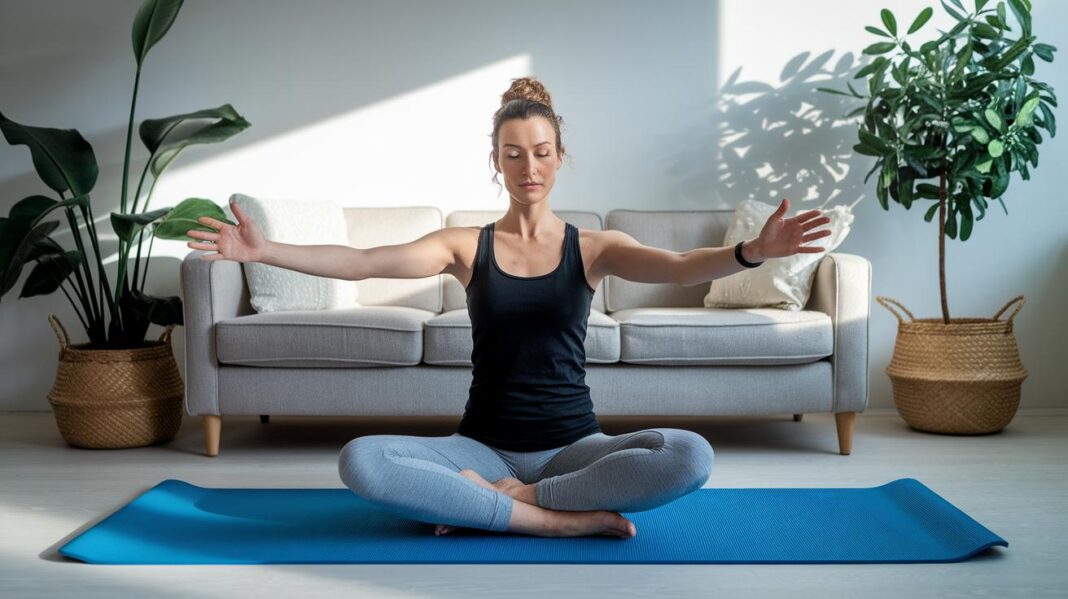
Have you ever wondered if you can regain your strength after having a baby without overdoing it? Postpartum Pilates is a gentle way to reconnect with your core (the muscles around your belly and lower back) and show your body some extra care. After your six-week check-up, you can start slowly and safely, easing back into movement at your own pace.
In this guide, we share three easy workouts designed to build strength while kindly supporting those muscles that have worked so hard. Imagine taking a quiet moment just for yourself, feeling nurtured and growing stronger with each gentle stretch. Ready to feel cared for and empowered on your journey to recovery?
Essential Postpartum Pilates Workout Guidelines
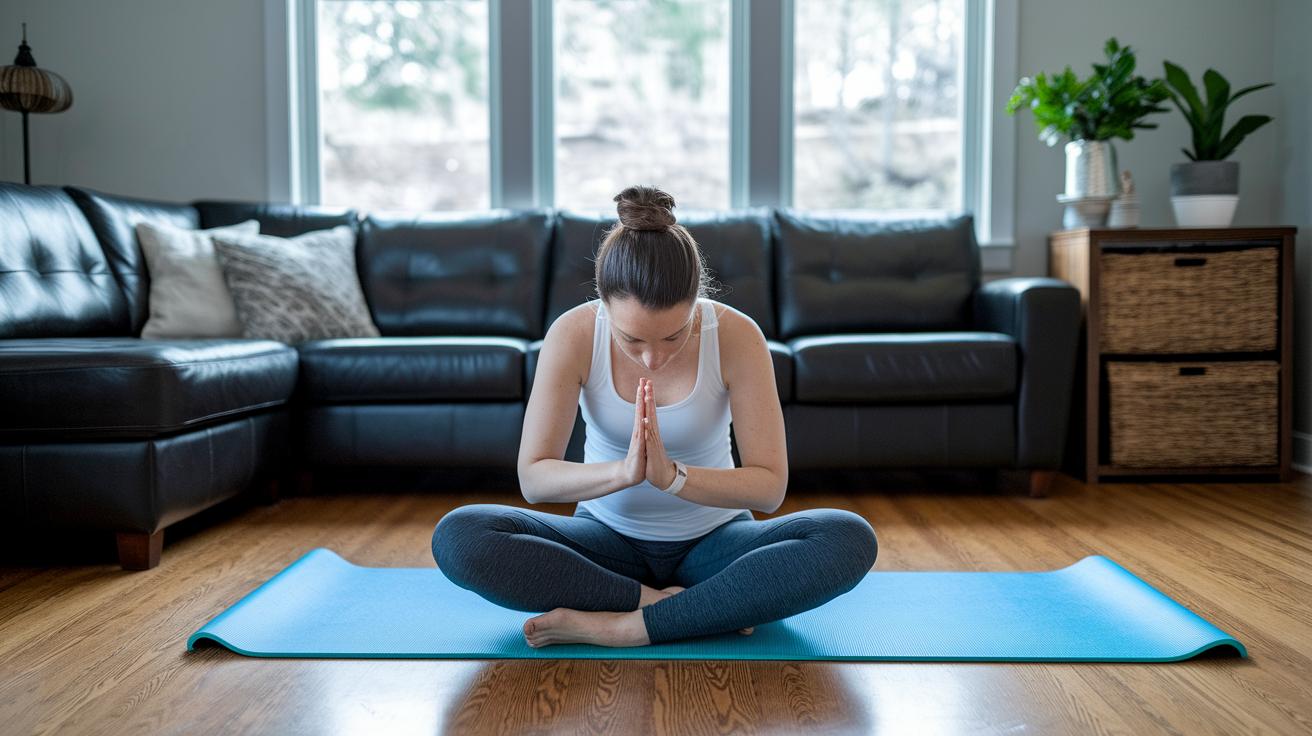
Starting your postpartum Pilates workout safely means giving your body some precious time to heal. After your six-week check-up, many doctors suggest waiting another 6-8 weeks before diving into any exercise. It can be really helpful to chat with your doctor about your postpartum (healing after childbirth) journey so you both decide when you’re ready to begin. Pilates offers a gentle, low-impact way to rebuild your core strength while protecting those muscles that have been through so much.
- Make sure you get the green light from your doctor (after 6 weeks or more)
- Plan for a 6-8 week resting period
- Gather a few simple tools, a mat and a towel will do
- Create a calm, supportive space that feels like your own little haven
Pilates is a fantastic choice for new moms because it helps you focus on strengthening key areas like your core and pelvic floor, all in a controlled, easy-going way. This slow pace means you’re less likely to push yourself too hard too soon, which can help prevent strains or injuries. Plus, since you only need a few basic items, you can easily start at home, enjoying a relaxing workout that moves in tune with your body’s natural pace. Just listen to your body and progress only when you feel ready, small steps today lead to big gains tomorrow!
Key Pilates Moves for Postpartum Core Rehabilitation
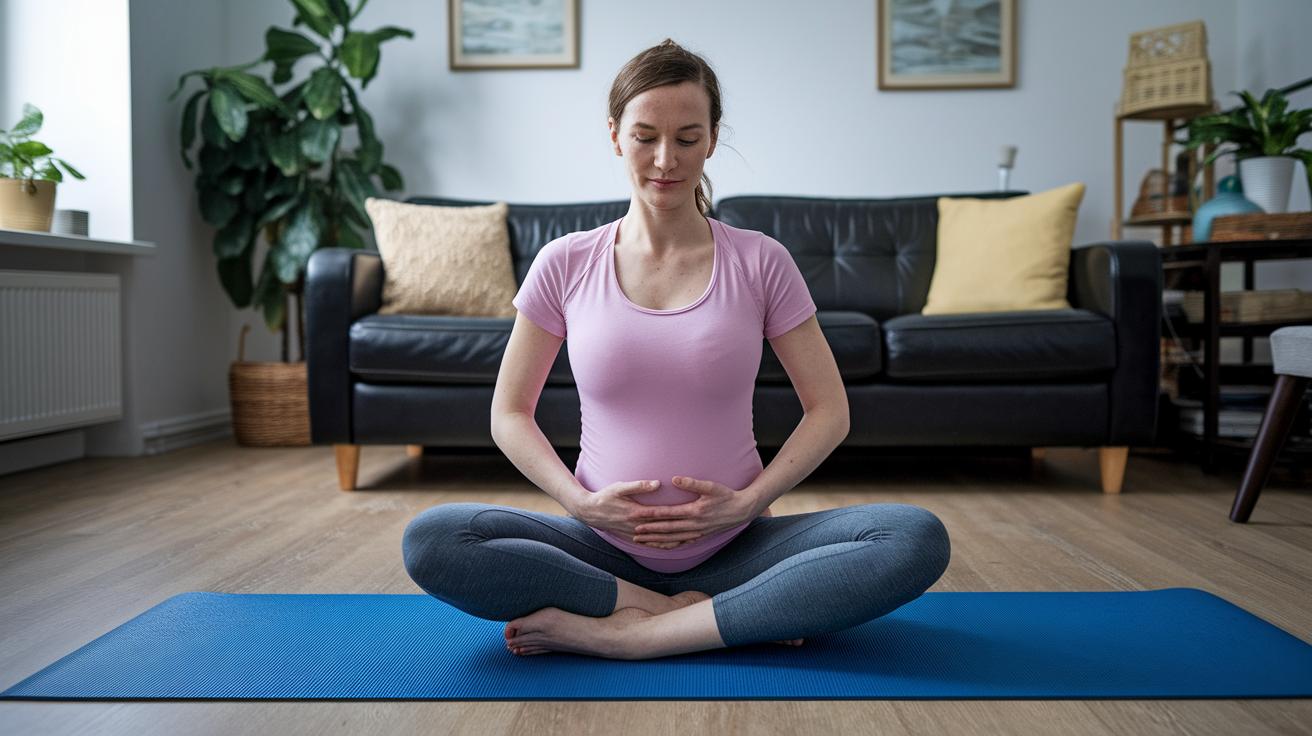
Getting back into movement after childbirth can feel gentle and nurturing. When you're ready, easing into exercises that care for your healing body is key. These moves work soft on your muscles, like your deep transverse abdominis (that’s the muscle hidden deep in your tummy) and your pelvic floor. They also include tweaks to help protect against diastasis recti so that you can rebuild strength without straining areas that need extra love.
-
Pelvic Tilts
Lie on your back with your knees bent and feet flat on the floor. Slowly lift your pelvis by gently tightening your lower abs and pelvic floor. Aim for 10 smooth repetitions. If you sense any discomfort, simply keep the movement smaller. -
Heel Slides
Lie on your back with your knees bent. Gently slide one heel along the mat until your leg is nearly straight, while keeping your core softly engaged. Then, ease back to your starting position. Do 10 slides for each leg, and make sure your lower back stays comfortably pressed to the mat. -
Bridging
Lying on your back with your knees bent, slowly lift your hips by engaging your glutes and your core. Hold the pose for a few seconds before lowering gently. Try for 10 repetitions, and if you need to, lower the height for a more comfortable lift. -
Modified Planks
Start on all fours, then step your legs back into a gentle, modified plank on your knees. Keep a soft activation in your core and try to maintain a straight, neutral spine. Hold this position for 10-15 seconds, and adjust the time as your strength builds. -
Single-Leg Stretches
Lie on your back and lift one leg at a time while keeping the other knee bent. Keep your core softly engaged and alternate between legs. Aim for 10 reps on each side, and feel free to change the range of motion if you feel any discomfort.
Each of these exercises is chosen to support your deep core muscles and pelvic floor while keeping your abdominal wall safe. Over time, this gentle practice helps you gain strength and confidence as you heal.
Modifying Pilates Workouts for Different Postpartum Recovery Stages
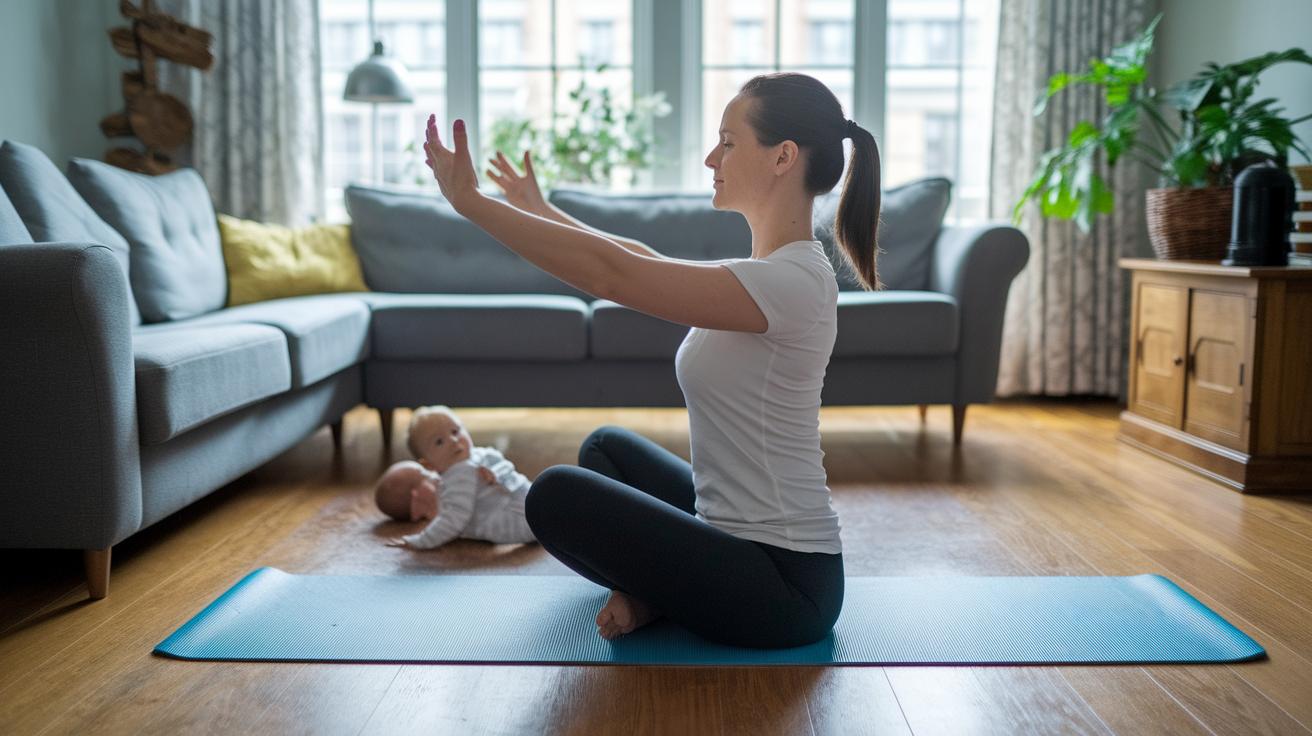
When you're easing back into your Pilates routine after having a baby, it’s important to adapt your workout to match where you are in your recovery. Whether you had a cesarean or a vaginal birth, your body needs time to heal, and it's totally okay to take it slow. Starting with gentle moves helps protect delicate muscles, like those dealing with diastasis recti, joint aches, or a sensitive pelvic floor. Listen to your body, follow your doctor’s advice, and gradually build up your strength without overdoing it.
Early Stage Adaptations
Sometimes the simplest moves are best right after childbirth. Try:
- Slow pelvic tilts while lying on your back
- Seated deep breathing to help engage your core
- Light leg lifts from a supported seated position
These gentle exercises add movement without putting too much strain on your healing body.
Mid Stage Progressions
As you start feeling a bit stronger, you can add a few more challenges. Consider:
- Controlled bridging, lifting and lowering slowly
- Modified side leg raises with a soft core twist
- Planks done on your knees instead of full extension
These steps gently push your limits as you build more strength, all while staying mindful of your recovery.
Advanced Stage Challenges
When you’re ready for a bit more, try these exercises to fully boost your strength:
- Full bridging with a longer hold for endurance
- Planks from both your toes and knees for overall control
- Standing core stabilizations that mix balance with power
Each of these moves helps you push a bit further, preparing you for a busy, active life ahead.
Remember, every step counts, and your unique journey is all about caring for yourself as you heal. Enjoy your progress and trust that even small changes can make a big difference in your day!
Scheduling and Intensity Adjustments in a Postpartum Pilates Workout
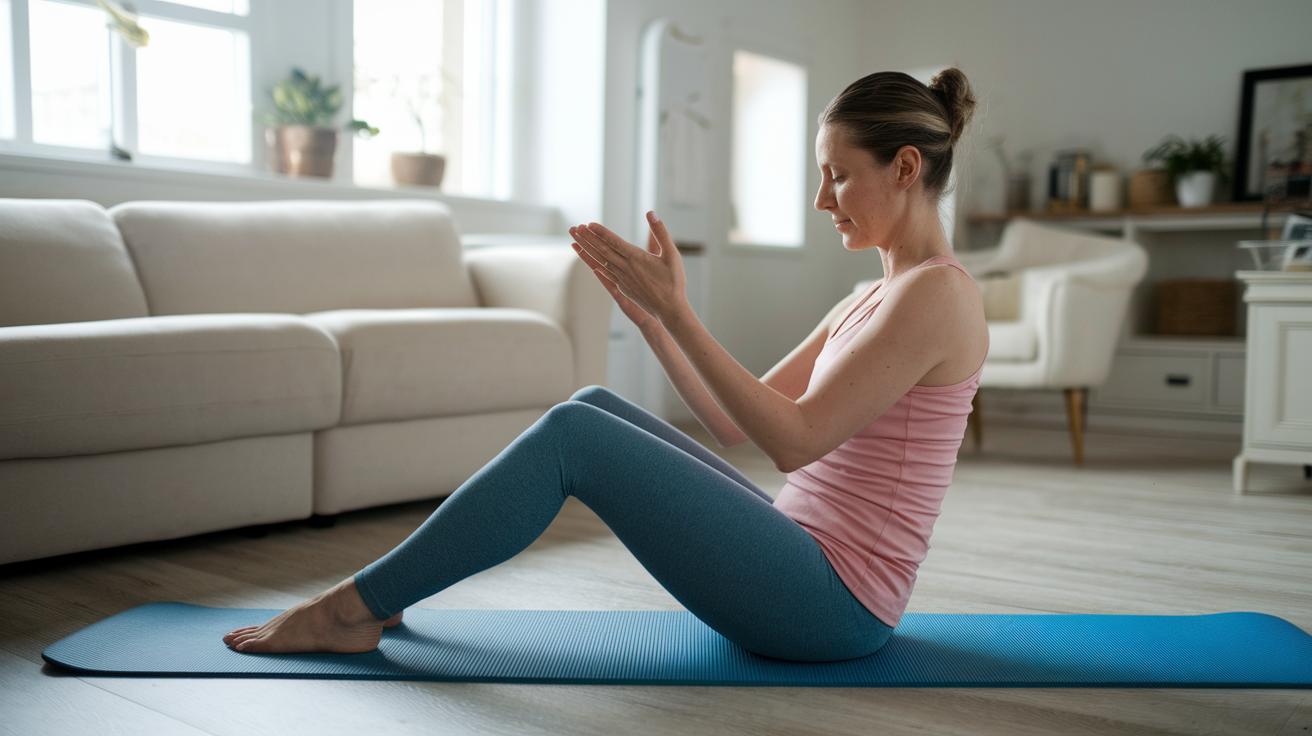
When you're easing back into Pilates after having your baby, balancing rest with steady practice is so important. A simple routine you can do at home lets your body heal while gently building back strength. Try setting up 3 to 4 sessions a week that last about 20 to 30 minutes. This way, you give your body the care it needs, starting with low-impact core work that protects areas still healing.
Keeping your workouts gentle, like using slow, steady methods (LISS, which stands for low-intensity steady-state, think of it like a calm, smooth pace), helps you avoid straining those recovering muscles while still moving forward with your progress.
| Day | Duration | Intensity | Focus |
|---|---|---|---|
| Monday | 20 minutes | Low | Core stability |
| Wednesday | 25 minutes | Moderate | Pelvic floor & breathing |
| Friday | 30 minutes | Moderate | Full-body activation |
| Sunday | 20 minutes | Low | Recovery & stretching |
Remember, every session can be adjusted to match how you’re feeling. So if you feel a bit tired, it’s perfectly okay to modify your plan along the way. Listen to your body, it really does know best.
Safety Tips and Expert Advice for a Postpartum Pilates Workout
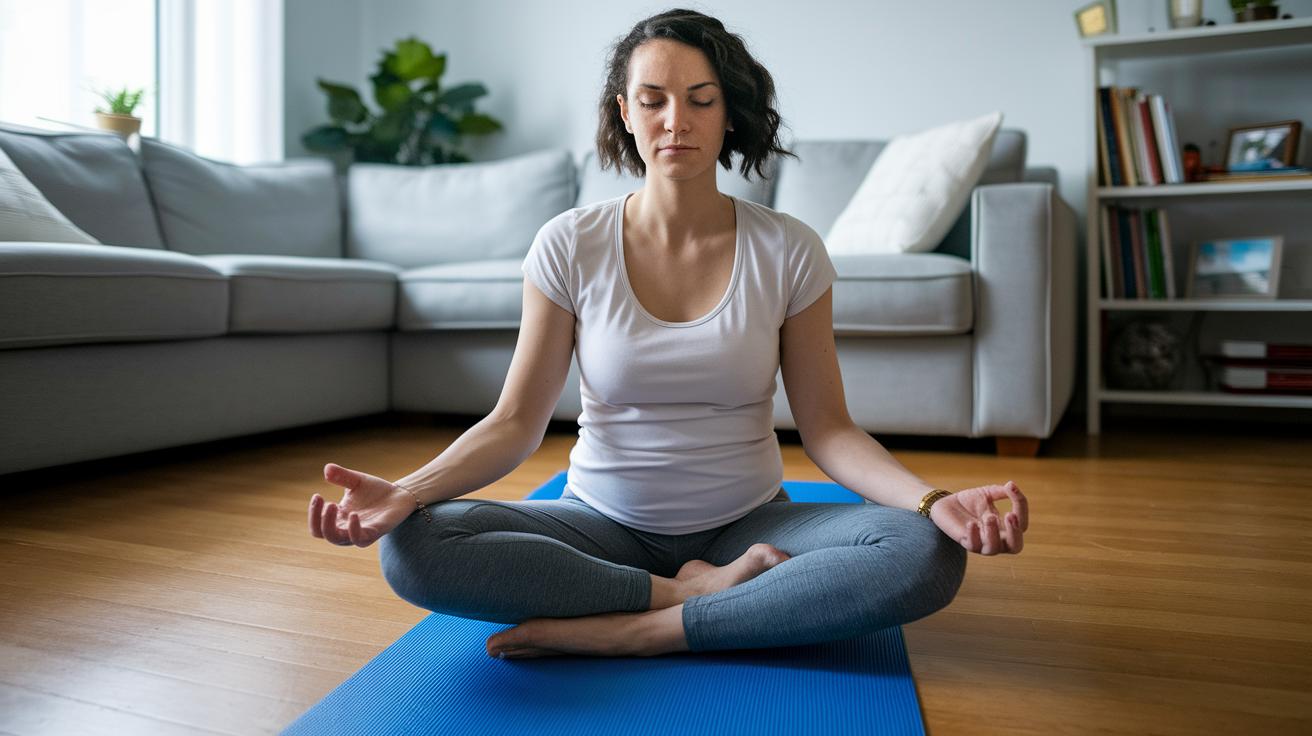
It's best to ease back into exercise slowly after having a baby. Experts in Pilates and postpartum care remind us to really listen to our bodies and avoid any strain on the abs. They suggest focusing on the pelvic floor muscles with gentle, controlled moves. Moms who’ve tried this say it helps ease joint pain and improves posture.
- Pay attention to signals from your pelvic floor for gentle inner muscle work
- Use calm, steady breathing to support your core
- Keep an eye on your posture during each move
- Move slowly and deliberately
- Stop right away if you feel any pain
Many moms have found that following these clear, expert tips helps build strength over time and boosts confidence.
Integrating Wellness Practices with Your Postpartum Pilates Workout
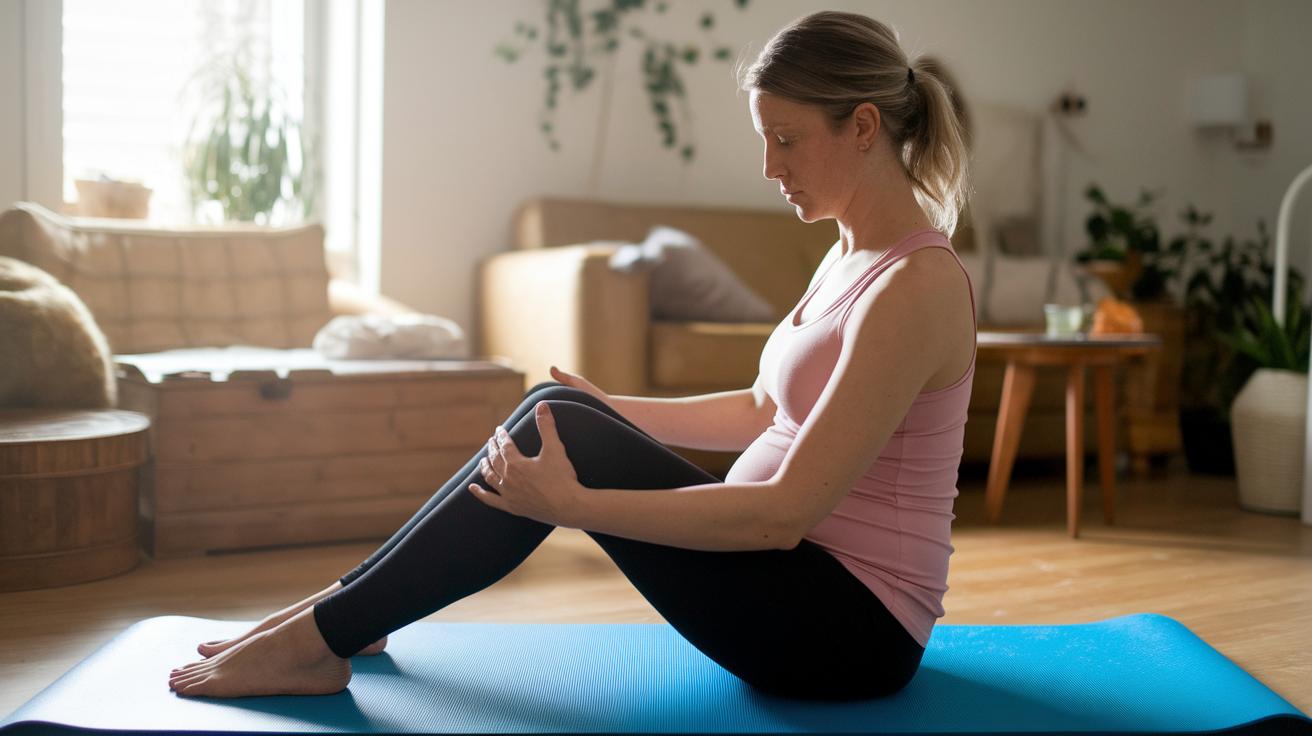
Combining Pilates with gentle self-care routines can help nurture both your body and your mind as you recover after childbirth. This warm, mindful approach isn’t just about physical healing, it also supports good nutrition, promotes a calm state of mind, and boosts your overall recovery. Experts tell us that mixing relaxed, mindful activities with light exercises can lead to better sleep, more energy, and a smoother journey back to strength at home. For more ideas on healing and self-care during this special time, check out additional tips at https://womensconference.org?p=14736.
- Plan nutritious meals to keep your energy up and help with repair
- Try simple mindfulness exercises for a little extra focus and relaxation
- Create a sleep routine that supports deeper, more refreshing rest
- Include pelvic floor exercises (which strengthen your inner muscles) for added support
- Enjoy a gentle massage to soothe any muscle tension
- Follow hydration tips to help your body feel refreshed
These friendly practices work hand in hand with your Pilates workout, guiding you to a balanced and comforting recovery at home.
Final Words
In the action of putting these guidelines to work, you’ve seen how to safely start a postpartum pilates workout, from medical clearance and gentle moves to balancing recovery with routine structure. The article explored ways to adapt exercises for different recovery stages and blend wellness practices seamlessly into your efforts.
Keep taking small steps, listen to your body, and enjoy the simple pleasures of progress. Every move feels like a forward step on your path to renewed strength and well-being.
FAQ
What does a postpartum Pilates workout on YouTube offer?
The postpartum Pilates workout on YouTube offers guided sessions led by experienced instructors who tailor safe, gentle routines to help new moms rebuild core strength at home.
How does a postpartum Pilates workout for beginners help new moms?
The postpartum Pilates workout for beginners provides gentle exercises designed to gradually rebuild core strength and improve posture, making it ideal for new moms starting their recovery journey.
How does a postpartum Pilates workout with weights differ?
A postpartum Pilates workout with weights introduces light resistance to gradually build strength but should only be added after establishing a safe routine and getting your doctor’s approval.
How is postpartum Pilates adapted for C-section recovery?
Postpartum Pilates for C-section recovery focuses on gentle core rehabilitation and is best started after receiving medical clearance—typically around six weeks post-surgery—to ensure safe healing.
How does a postpartum Pilates workout at home work?
The postpartum Pilates workout at home allows you to practice gentle routines using minimal equipment in a calm, supportive environment, making it convenient and safe for your recovery.
How can finding postpartum Pilates near me be beneficial?
Locating postpartum Pilates classes near you connects you with supportive instructors who offer programs tailored to new moms, ensuring exercises are safe and meet your recovery needs.
How does Pilates serve as a good workout for postpartum recovery?
Pilates serves as a good postpartum workout by offering low-impact moves that gently rebuild core strength, improve posture, and support overall recovery with careful attention to healing muscles.
How can 20 minutes of Pilates a day produce visible results postpartum?
Twenty minutes of Pilates daily can yield benefits in strength and flexibility when performed consistently, providing manageable, regular exercise that supports gradual recovery.
How do postpartum workout guidelines advise on avoiding certain exercises?
Postpartum guidelines suggest avoiding high-impact and overly strenuous exercises that stress the core and pelvic floor, recommending gentle, low-impact moves until you’re fully cleared by your doctor.
How soon can you safely start reformer Pilates after a C-section?
Reformer Pilates should only be considered after a C-section when you have been given medical clearance, typically around six weeks post-surgery, to protect healing tissues during recovery.