Wednesday, June 24, 2026
Home Blog Page 45

Parental Influence On Language Development Sparks Growth

0

Have you ever stopped to wonder if a simple chat with your child could shape their future? Research from the University of North Carolina found that the everyday words you share can really boost a child's language skills.

Imagine talking with your little one during breakfast, playtime, or bedtime. It might seem like nothing special at first, but these quiet moments lay a strong foundation for growth.

Let's explore together how your kind words guide your child's development and why these small, comforting chats matter so much.

Essential Elements of Parental Influence on Language Development

A study from the University of North Carolina took a close look at how parents chat with their 2- to 3-year-olds at home. Researchers spent time observing daily play and conversations, and a year later, they checked how the children were doing with language. They discovered that the number of words and the mix of words parents use can really help predict a child's language scores later on. It turns out that when dads use lots of different words during play, it gives their little ones a great boost. Moms, while their variety of words was a bit less of a predictor, still played a big role thanks to their warm and caring responses. It really shows that everyday chats, just talking while feeding, playing, or reading, can make a big difference in building strong language skills.

Here’s what really matters:

  • Quantity: This is all about how many words you speak with your child during your daily routines. Think about that lively conversation during mealtime, it all adds up to help them pick up listening and speaking skills naturally.
  • Quality: Here, it’s the variety and richness of the words that count. For example, when a dad says, “Look at the bright blue sky and soft, green grass,” it paints a clear picture for the child, broadening their vocabulary one pretty image at a time.
  • Responsiveness: This is about how you react during your interactions. Simple gestures like nodding, smiling, or asking a quick follow-up question make your child feel heard and valued. And when they feel that, they’re more likely to chime in and keep the conversation going.

Each of these elements, how much you speak, the colorful words you choose, and that loving responsiveness, work together to nurture your child’s language. It’s amazing how those little moments can build big skills over time.

Research Insights on Caregiver Communication Impact

img-1.jpg

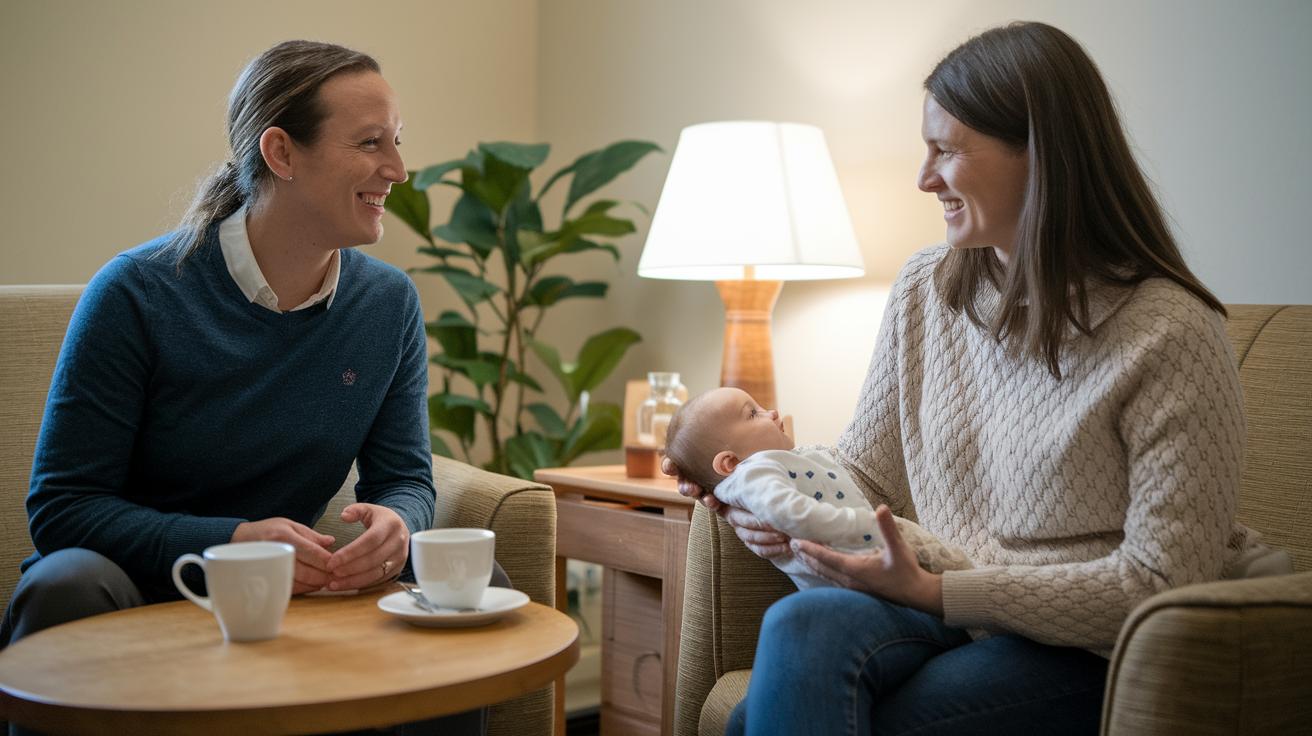
Did you know that simple chats with your little one really count? Researchers found that everyday conversations can help your child learn language better. One study at UNC recorded fun interactions between 2-year-olds and their parents at home. They looked at natural play and friendly talk to see how it affects language skills one year later.

Another study from Vanderbilt discovered that when parents take a lead in talking and guiding, it makes a big difference for children with challenges like autism (ASD). Families who share a rich mix of words with their children see stronger speaking skills by age 3 than kids who only hear words from childcare providers.

These findings show us that our daily words with our kids help boost their early language learning and overall speech.

Study Participants Main Finding
UNC Study 2-year-olds and their parents Playing together with varied words leads to better language scores
Vanderbilt Research Children with ASD and developmental delays Parent-led speech helps boost communication
Family Language Input 3-year-old children Everyday family dialogue is more effective than non-family childcare

All this research tells us that chatting with our children in everyday routines makes a real difference.

Parental Communication Styles Shaping Early Vocabulary Growth

Every day, little chats help toddlers try out new words while building both listening and speaking skills. Studies now show that even a bit of eye contact or a friendly hand wave can boost how they understand language. You might be surprised to learn that in one study, babies whose parents paired words with lively gestures reached language goals faster.

Dads play an important role in this learning journey. Research from UNC shows that when dads combine clear, varied language with simple gestures, it helps kids connect words with their meanings. Imagine a dad saying, "That red ball bounces high as you laugh," while pointing at the ball. This friendly way of talking not only adds new words to a child’s world but also shows how facial expressions and hand movements can keep a conversation fun and natural.

Moms are just as amazing. With gentle words, warm smiles, and light touches, they invite their little ones to join in the conversation. Studies looking at families from many different backgrounds tell us that these caring signals help kids know when it's their turn to speak and support early language growth. Think of a mom softly asking, "See the soft, fluffy bunny?" while nodding, encouraging her toddler to share their own thoughts.

Parent Verbal Engagement Nonverbal Cues
Dads Clear, varied words Pointing and animated gestures
Moms Soft, inviting phrases Warm smiles, nodding, gentle touches

Using clear words alongside friendly gestures creates a warm and interactive space that helps toddlers hit those language milestones.

Integrating Language-Promoting Routines at Home

img-2.jpg

Everyday habits can really help kids learn new words when you add little touches to their environment. Instead of sticking with the same old methods, try marking special spots, like a small reading corner with soft light and bright decorations. While playing, you might ask, "What colors do you see in your room?" This gentle question helps boost both language and observation skills without feeling forced.

At mealtime, use your surroundings to spark fresh talks. Instead of asking the usual questions, try something new like, "What sounds do the utensils make?" or "How does your food look today?" These fun questions not only build vocabulary but also invite sensory experiences linked to everyday moments.

At bedtime, turn reading into a lively, interactive session. You could use shadow puppets or calm background music and ask, "How does that sound make you feel?" This mix of storytelling and play helps develop narrative skills while creating a relaxing, sensory-rich end to the day.

Stick with these friendly ideas day after day. Whether you're at the table, during play, or in a cozy corner, these simple cues naturally teach your child to observe, describe, and engage with the world around them.

Collaborative Strategies with Speech-Language Therapists for Developmental Support

Working hand in hand with a speech-language therapist (SLT, a professional who supports speech development) can truly boost your child’s progress. When you join forces with your SLT, setting goals together, swapping helpful ideas, and staying flexible during everyday routines, it feels just like a warm team effort. Imagine planning a family dinner where everyone brings their favorite dish; every little bit adds up to a nourishing time that strengthens your child's speech skills. I once heard a parent say, "I tweaked our playtime chat to match my child's mood and, with the SLT's advice, our approach changed everything."

In your everyday life, look for chances to mix therapy ideas into regular activities. A simple chat over a snack or a stroll in the park can turn into a natural practice session for speech. When you gently add the tips suggested by your SLT, learning happens in familiar, comfy settings, making speech practice feel fun and becoming part of your busy day. For example, while reading a story, you might ask, "What do you think happens next?" to keep the chat lively.

Teletherapy is another handy way to connect with your SLT. Virtual sessions work well when you add in visual tools like flashcards or a small whiteboard at home. This not only gives your child more chances to join in actively but also helps you feel more confident in guiding their communication, turning therapy into a shared, everyday journey.

Measuring Progress: Tracking Childhood Speech Milestones

img-3.jpg

Watching your little one learn to speak at home can feel like a warm surprise each day. It’s a simple way to see them growing in how they share with you. Keeping a little log of these moments not only helps you notice exciting changes but also gives you handy notes to share with a doctor if needed. Plus, seeing those first words pop up is just magical.

At about 6 to 8 months, your baby starts playing with sounds. They might make gentle coos and repeat little syllable sounds, kind of like humming a soft tune before words take shape.

Around their first birthday, many children begin saying words like mama or dada. It’s amazing how these simple words start to express their needs and feelings, adding a special touch to family moments.

By 18 months, you might notice that your child’s word list grows quickly, almost like a tiny language explosion! They begin to recognize and name playthings, food, and other everyday objects with delight.

At 2 years old, many toddlers mix two words together. You could hear phrases like more juice or big truck, little hints that their language skills are blossoming even more.

When they’re about 3 years old, many kids start forming simple sentences and asking easy questions. It’s a clear sign that they’re developing their ability to share thoughts and connect with you in deeper ways.

Final Words

In the action, we explored how everyday conversations shape a child’s early language skills. The study from the University of North Carolina shows that quality and quantity in speech along with soothing responsiveness make a difference. We looked at practical routines, research findings, and tips from speech-language experts. All these insights reinforce the role of parental influence on language development. It’s encouraging to see how daily interactions can boost growth and create lasting bonds between parent and child. Stay positive, keep talking, and enjoy each moment together.

FAQ

Parental influence on language development pdf

A PDF on parental influence on language development explains how caregivers’ active speech and interaction guide children’s early language skills with research examples and practical tips for boosting vocabulary and communication.

Parental influence on language development examples

Examples of parental influence on language development include engaging in daily conversations, reading together, and modeling diverse vocabulary to help children build robust language skills and improve their communication.

Parental influence on language development essay

An essay on parental influence on language development explores how quality verbal input and responsive interactions support early learning by shaping a child’s vocabulary, communication abilities, and overall developmental outcomes.

Parents’ role in language development pdf

A PDF on parents’ role in language development offers research findings, practical guidance, and illustrative examples that show how caregivers can support and boost early language skills through everyday interactions.

Effect of parent interaction on language development in children

The effect of parent interaction on language development in children is seen when engaging, diverse verbal input and responsive behaviors promote vocabulary growth, clearer speech, and stronger overall communication skills.

What is language development

Language development is the process during which children learn to understand, produce, and expand their vocabulary through listening, conversation, and daily interactions that build effective communication skills.

Early language development is so important because

Early language development is important because it forms the base for learning, improves social interactions, and sets the stage for future academic success by nurturing how children communicate and understand the world.

Google Scholar

Google Scholar is an online service that provides access to scholarly articles, research papers, and studies, including many that examine parental influence and strategies for boosting language development in children.

How do parents influence language development?

Parents influence language development by engaging in regular, meaningful conversations, offering diverse vocabulary, and providing responsive feedback that encourages children to practice speaking and build language skills.

Is a parenting factor related to language development?

A parenting factor, such as the quality of caregiver interactions, is related to language development as it supports effective communication and helps children learn and practice new words in daily contexts.

What are the five factors that influence language development?

The five factors influencing language development include the amount of speech, vocabulary diversity, responsiveness, conversational turn-taking, and engaging language routines that collectively enhance a child’s communication skills.

How does parental influence affect child development?

Parental influence affects child development by shaping communication skills, encouraging cognitive growth, and fostering social interactions through regular, supportive conversations and interactive language-driven activities.

Language Development In Bilingual Children: Thriving Growth

0

Have you ever wondered if speaking two languages might slow down your child's learning? Well, new research shows that kids who grow up bilingual reach their talking milestones just like others.

Imagine two simple songs playing at home, each with its own gentle beat. This kind of mix helps your little one build everyday words and even sharpens their thinking.

Growing up with two languages is like enjoying a duet where each part complements the other. In every home, no matter how many languages are spoken, your child can thrive in language and learning.

Core Aspects of Bilingual Language Development

Did you know that nearly 22% of Americans and about 14% of Canadians use a language other than the main one at home? It’s a warm reminder that many families bring a beautiful mix into their daily lives. Kids growing up with two languages follow a very similar learning path to those who hear only one. They start cooing and babbling around 6 months, speak their first words at about 12 months, pick up around 15 words by 18 months, and by 24 months, they begin to mix words together.

This natural way of learning shows that growing up bilingual feels as smooth and simple as growing up with one language. It even supports a stronger everyday vocabulary and helps sharpen their thinking skills.

Age Monolingual Milestone Bilingual Milestone
6 months Babbling begins Babbling begins
12 months First words First words
18 months ~15 word vocabulary ~15 word vocabulary
24 months Word combinations emerge Word combinations emerge

In short, kids who learn two languages hit those important talking steps just like their monolingual friends. It’s a gentle reminder that having more than one language in the home nurtures strong and healthy communication.

Simultaneous and Sequential Bilingualism Defined

img-1.jpg

Simultaneous bilingualism means a child hears two languages right from the start. In many families, a baby might listen to English at home and another language like Arabic as well, making language learning feel as natural as a gentle lullaby. They pick up both sounds and rhythms effortlessly, learning two sets of words and sentence patterns at the same time. It’s a bit like enjoying two favorite songs and feeling perfectly at home with each.

Sequential bilingualism, on the other hand, happens when a child starts life speaking one language and then picks up another later on. For instance, a child might begin by speaking English at home and then join a group or class where a different language is used. Studies show that as these children learn new sounds and word combinations, their brains adjust much like they did with their first language. They quickly adapt, using each language naturally in everyday conversations.

Typical Milestones in Bilingual Language Development

By the time your little one is about six months old, you'll hear them babbling and cooing as they play with sounds. It’s almost like they’re experimenting with music, getting ready to learn words by exploring different tones and pitches.

Around 12 months, you might start noticing those first sweet words. One study even noted that an 18‐month‐old who was learning two languages used 2 words in one language and 40 in the other, for a total of 42 words! This shows that being surrounded by more than one language doesn’t slow down vocabulary growth compared to kids who hear only one language. For a closer look at what to expect, check out the Parental guide to infant milestones.

By 24 months, your toddler may begin combining two words to form simple phrases, like “more milk” or “big truck.” This is an exciting phase when they’re just starting to grasp the basics of grammar and intonation, helping them share their needs and thoughts with you.

Cognitive Advantages of Bilingual Language Development

img-2.jpg

Bilingual kids often develop a snappy way of managing their thoughts. They’re able to switch between languages while staying focused, which makes them better at tackling puzzles and everyday tasks. Imagine a child playing a game where directions come in two languages, this little trick shows how they filter out distractions and sharpen their thinking.

Hearing and using two languages helps build strong word networks and trains the brain to be flexible. Each language brings its own sounds and rules, and when combined, they work like two supportive webs that hold ideas together. It’s almost like watching two different colors mix perfectly to make something even brighter, enhancing how kids understand and use words.

Classroom life feels a bit different when you’re bilingual. Studies tell us that these kids often shine at tasks that need quick, adaptable thinking. They easily switch from one subject to another, and teachers notice how smoothly they handle changes. This boost in brain skills not only helps with school work but also gives them extra confidence to face everyday challenges.

Normal Language Variation in Bilingual vs Monolingual Children

Bilingual kids sometimes use fewer words in each language compared to children who speak just one language. But when you put both languages together, they often have as many words, or even more! You might notice little things like an English “r” that sounds a bit like a trilled Spanish sound. These small mix-ups happen naturally as the sounds from both languages blend together.

Beyond just counting words, bilingual children usually switch between languages very naturally when they talk. They might code-switch or use both languages in one sentence, finding the best way to share their ideas. This shows that they are just as creative and comfortable communicating as kids who only speak one language. Language development, for them, remains fun and flexible.

Language Development in Bilingual Children: Thriving Growth

img-3.jpg

Parents and teachers know that regular, heartfelt interactions help children grow strong language skills. When you chat with your little one every day and read aloud together, it gives them a daily dose of language fun and makes learning feel natural.

In those early years, simple actions like pointing out everyday objects, sharing stories, and talking about what you see really boost their vocabulary. It’s like building a little bridge between their two languages, one conversation at a time. And honestly, watching your child light up when they recognize a word is just magical.

Try setting aside time each day for interactive reading in both languages. Reading together isn’t just about new words, it helps your child hear the music in your speech, the rhythm of sentences, and find confidence in speaking. Have you ever noticed how a soft, consistent story can create a bedtime ritual that feels just right?

Mix in a parent-guided storytime with words that are both familiar and new. Ask questions, share thoughts, and make the routine feel like a cozy chat with a friend. It turns reading from a task into a delightful conversation.

Another neat idea is to label household items with bilingual word cards. Stick a card on your table, chair, or door. This simple trick ties everyday life to learning, sparking curiosity every day.

It also helps to establish set times for casual home conversations in both languages. Whether it’s during dinner or a quiet afternoon, these little chat sessions let your child naturally switch between languages, creating a comforting rhythm in their day.

Using multimedia tools like language apps can bring in fresh sounds and patterns. These fun digital aids show the playful side of language, making those abstract sounds click into place.

And finally, let your child mix languages during play. It’s okay for them to blend words and ideas, it shows flexible thinking and builds real communication skills. So, enjoy these moments of code-switching as they grow into a confident, bilingual communicator.

Monitoring Bilingual Language Development Progress and When to Seek Professional Support

Sometimes, bilingual children may need a little extra attention. For instance, if your baby isn’t babbling by 9 months, not saying any words by 18 months, or not putting words together by 24 months, it might be a hint to take a closer look. And if you notice that your child shows delays in both languages or isn’t using many gestures like pointing, it could be time to ask for a professional evaluation.

Talking with a bilingual speech-language pathologist can really help. These caring experts gently check how your child communicates every day. They look at important language steps and see how your little one uses words during everyday chats. With their guidance, you can feel more at ease knowing your child’s language skills are growing naturally and confidently.

Final Words

In the action, this post covered core aspects from typical milestones to practical strategies for bilingual skills. It showed that dual-language exposure boosts communication and builds confidence without causing delays. The discussion included simultaneous and sequential language growth, along with a look at the cognitive perks. Parents enjoy clear benchmarks and expert insights on language development in bilingual children. Keep embracing these gentle practices each day and remember that every small conversation contributes to your child’s natural growth.

FAQ

What do bilingual language development PDFs show?

Bilingual language development PDFs show milestone timelines and comparisons between bilingual and monolingual children. They offer clear guides on how early words, babbling, and combined words indicate balanced growth in both languages.

How does bilingualism affect language development in children?

Bilingualism affects language development by supporting simultaneous language exposure. This builds early babbling, first words, and word combinations, matching typical monolingual milestones while also enhancing cognitive flexibility and problem-solving skills.

Can you give examples of language development in bilingual children?

Language development in bilingual children often includes babbling at 6 months, saying first words at 12 months, and combining words by 24 months. Each language contributes to a richer overall vocabulary without causing delays.

Why is language development important in bilingual children?

The importance of language development in bilingual children is seen in the boost to communication skills and cognitive growth. It supports clear interaction, balanced vocabulary growth, and helps build strong academic and social foundations.

What guidance does ASHA provide on bilingual language development?

ASHA provides guidance by offering parent handouts and expert tips on bilingual language development. Their materials help caregivers encourage balanced language exposure while reassuring parents that bilingual growth meets standard milestones.

How do bilingual children develop language compared to monolingual peers?

Bilingual children develop language similarly to monolingual peers by reaching key milestones like babbling, first words, and word combinations. They might have smaller vocabularies in each language but achieve equal overall communication abilities.

What are the main stages or aspects of bilingual language development?

The main stages include early babbling, initial word production, vocabulary expansion, two-word combinations, and emerging grammar. These steps mark how children successfully build skills in both languages from a young age.

How do bilingual children achieve educational growth through language development?

Educational growth in bilingual children comes from balanced vocabulary building and strong communication skills. This dual-language experience enhances cognitive skills, helping children participate fully in classroom learning and social interactions.

Changes In Language Development During Toddler Years: Bright

0

Have you ever seen a toddler go from simple babbles to full sentences in just a day? One moment, they only say a few words, and the next, they're sharing full thoughts during play. Even the tiniest steps in language can fill a parent's heart with joy. In this post, we'll explore how a toddler’s language grows so quickly, sometimes even outpacing their thinking. Let's dive into these sweet moments that help shape our little ones into bright, happy kids.

Overview of Language Development Changes During Toddler Years

Toddlers aged 2 to 3 go through incredible changes in the way they use language. At this age, their word bank grows every day, and it’s really amazing to see. One minute they can say something simple like "red apple," and before you know it, they’re putting together longer phrases like "Mummy, get in car." It’s like watching them step from a few words to little sentences that show what they need or feel.

By around 24 months, most toddlers start linking 2 to 3 words, showing that their move from baby babble to real talk is in full swing. They often understand many more words than they can actually speak out loud. This means that what they understand (their receptive language) is growing faster than what they say (their expressive language). And honestly, that’s exactly what we expect as they get ready for more learning ahead.

By the time they hit 3 years old, you’ll notice that their speech becomes clearer and more precise. They begin to engage in simple conversations, taking turns to share greetings or little comments. And guess what? Playtime becomes the perfect time for them to practice language. Whether they’re assigning roles to their toys or chatting during group games, these moments help them see how sentences come together in everyday life.

Imagine this: at age 2, some toddlers can understand up to five times more words than they can say! It’s a clear sign of how fast and fascinating their early language growth really is.

Milestones of Vocabulary Expansion During Toddler Years

img-1.jpg

New studies tell us that most toddlers (ages 2-3) pick up a new word every day. But every child is different. Some learn words quickly and start putting them together sooner, while others need a bit more time and a lot of language-filled experiences.

Take this, for example: one little one might say "happy song" after hearing it a few times, while another might start with hand gestures before using words. Both ways show how each child grows in their own special way.

Age Group Language Development Focus
Toddlers (2-3 years) Fast-growing word bank; early phrases begin to form simple sentences
Preschoolers (3-4 years) Longer, more detailed sentences and clearer speech

Here are some key points from the latest research:

  • Every child adds a different number of new words each day.
  • Rich, varied language experiences help boost vocabulary.
  • Kids start by stringing two words together and then build up to small sentences.
  • As children get older, their sentences get more complex.
  • Both the child’s environment and their own pace play important roles in language growth.

Speech Progression Patterns During Toddler Years

Around 2 years old, toddlers start stringing together two or three words. They might say things like "red apple" or "I go up." This playful mix of words is their way of trying to share ideas, it’s a big step in learning to talk.

By age 3, their sentences get a bit longer. You might hear a little one say, "Mummy get in car." Research shows that by 36 months, toddlers use sounds more clearly, even if some words still sound a little off compared to adult speech. Sometimes, they pause after a phrase, almost like they're waiting for you to join the conversation.

Listening to and copying familiar voices really helps. When you repeat words clearly, your toddler picks up on that clarity, slowly making their everyday chat clearer and more confident.

Receptive and Expressive Skill Development During Toddler Years

img-2.jpg

Toddlers soon find out that listening is sometimes even more important than talking. By age 2, they can follow simple instructions like “grab your toy, put it in the basket, and come here,” even if they only reply with one or two words. It’s amazing how much more they understand than they can actually say.

By age 3, kids begin to answer questions like “Where is your hat?” or “What color is the ball?” in short, simple sentences. Their words might still be few or a bit mixed up, but they’re catching on to language everywhere they go. Imagine saying, “Let’s get ready for snack time” and hearing just “Snack now” back, they get the full picture even with fewer words.

Watching a toddler play is truly eye-opening. They start by naming things and slowly build up to speaking in short phrases. When you join them during play, it really helps bridge the gap between understanding and using words, paving the way for even more expressive talking later on.

Variations and Delay Detection in Toddler Language Development

Toddlers grow and learn language at their own pace, and that’s completely normal. Some little ones start putting words together early while others take a bit more time. Have you ever noticed how some kids seem to pick up talking naturally, while others may struggle a little? It’s all part of their unique journey.

If you’re keeping an ear out for your toddler’s speech, here are a few markers to watch for:

  • Not saying any single words by 18 months
  • Using fewer than 50 words by 24 months
  • Not combining two words by 30 months
  • Speech that is still mostly hard to understand by 36 months

Sometimes, you might see a slowdown or even a drop in language skills. This can be a sign that your toddler might be experiencing a pause or even a regression in their language development. Remember, every child is different, so these markers really just serve as guidelines during your everyday chats or playtime.

If you start feeling worried about your toddler’s language, don’t hesitate to call in support. A family health nurse, pediatrician, or speech pathologist can help figure out if your little one might need a bit more help. For example, if your toddler used to say “ball” all the time and then suddenly stops using that word, it may be a good idea to get some advice. Watching for these changes and knowing when to ask for a second opinion can really help your child continue to grow and share their wonderful thoughts.

Effective Strategies to Support Language Development During Toddler Years

img-3.jpg

A great way to help your toddler with language is to weave words into your everyday routines. As you work together, try chatting about what you're doing, say something like "Mommy is making breakfast" or "We’re putting on our shoes." This kind of gentle commentary helps your little one match words to everyday actions and objects. For example, during snack time, you might point out, "See the banana? It’s yellow and yummy."

Another fun tip is to read aloud together. Pick books with catchy, repetitive phrases and bright pictures. As you turn each page, point to the pictures and ask simple questions like "What do you see?" or "How does this make you feel?" It helps to play with different voices too, imagine saying, "The dog ran fast. Fast, fast, fast!" This kind of repetition makes learning new words feel like a fun game.

You can also label objects as you go about your day. Whether you're putting together a puzzle or tidying up, name what you're using: "puzzle piece," "toy car," or "soft doll." This practice makes it easier for your toddler to remember and understand words. And when your child uses a word like "car," add a little detail by saying, "Yes, the red car is zooming by!"

Don’t hesitate to sing songs, recite nursery rhymes, and repeat simple phrases regularly. These activities build memory and make language learning playful. You might even set up a mini pretend store where you label food and use phrases like "buy apple" or "pay for bread." It’s a ton of fun and a great way to mix imagination with learning.

Also, look into community resources like parenting groups or kid-friendly activities. These settings give your toddler a chance to chat with others and practice listening. During play, you could ask open-ended questions like "What happens next?" or "Why do you think that is?" This helps spark their curiosity and makes talking feel natural and enjoyable.

The Role of Social Interaction and Play in Toddler Language Development

By age 3, playtime becomes a wonderful opportunity for little ones to explore language in a natural way. When toddlers engage in pretend play or join group games, they try out new words and sentences. For instance, one child might proudly say, "I am the chef" during a game, showing how play helps build their vocabulary and put words into context.

When they share toys and take turns, they learn how conversations flow, when to speak and when to listen. Imagine a group of toddlers passing a ball while saying things like, "My turn now!" and "Wait, please!" These simple exchanges are fun but also teach them the rhythm of talking and listening, which is so important for everyday conversations.

Playtime also helps kids learn practical language skills that they use every day. Games like role-playing and musical chairs let them practice asking questions and giving answers, all while feeling part of a friendly community. Every toy, smile, and laugh during play builds their confidence in communicating clearly and kindly with others.

Final Words

In the action, the article shows how toddler language transformation unfolds with each new word, fun phrase, and little conversation. We looked at vocabulary leaps, building simple sentences, and improvements in speech sounds. Reading aloud, chatting during play, and using everyday routines help boost language growth. Keeping an eye out for any warning signs offers extra care when needed. Changes in language development during toddler years remind us that small, daily interactions can spark big improvements in speech.

FAQ

What are the physical changes in language development during toddler years?

The physical changes in language development during toddler years involve a rapid increase in vocabulary, simple word combinations, clearer speech sounds, and emerging conversational skills as toddlers learn to take turns in dialogue.

What language milestones should be observed in toddlers aged 1 to 3 years?

The milestones in toddlers include starting with single words, then combining 2–3 words by age 2, and moving on to longer sentences by age 3, alongside improved articulation and comprehension.

How does language development progress in toddlers regarding receptive and expressive skills?

The development of receptive and expressive skills shows that toddlers comprehend much more than they can say, follow simple, multi-step directions by age 2, and answer basic questions and engage in brief conversations by age 3.

When should caregivers be concerned about toddler language development or signs of regression?

The need for concern arises if a toddler shows no single words by 18 months, has fewer than 50 words by 24 months, does not use two-word phrases by 30 months, or if previously acquired words are lost, all of which suggest a need for professional evaluation.

What effective strategies support toddler language development?

The strategies that support toddler language development include narrating daily routines, reading aloud, labeling objects, asking open-ended questions, singing, and encouraging play-based interactions that help boost vocabulary and speech confidence.

Role Of Play In Language Development Empowers Growth

0

Have you ever noticed how play can open the door to language? When kids enjoy playtime, they pick up words and learn how to link them with actions. Even simple games can boost both talking and creative thinking. In this blog post, we'll chat about how fun moments give children a chance to build their language skills and express themselves with confidence. Ready to see how a little play can lead to big, heartwarming growth in the way our little ones communicate?

Interactive Play’s Influence on Early Language Development

img-1.jpg

Interactive play is a fun way for kids to learn language while also boosting their thinking and feelings. When little ones play together, they get a chance to share their emotions and ideas in a gentle, hands-on way. For instance, a simple game like peek-a-boo not only brings a smile to a baby’s face but also shows the basics of taking turns and making sounds.

By playing with friends or joining group activities, children mix chatting with thinking in a playful setting. This helps them connect words with actions and feelings in their everyday world. They soon see language as a cool tool for expressing themselves and tackling little challenges. And really, playtime strengthens memory, problem-solving, and good listening skills too. It turns learning into a lively part of everyday life, building a solid base for reading, writing, and socializing later on.

Every playful moment is a chance to boost language skills, sparking a natural curiosity and joyful self-expression in our little ones.

Developmental Stages of Language Acquisition Through Play

img-2.jpg

In those first few months, babies mostly talk through cries, coos, and little gestures when they're playing. A fun game like peek-a-boo helps them start learning language, even though they can’t speak yet. For more details on these early signals, check out infant nonverbal communication milestones. These early ways of sharing are the first steps toward later language skills.

Around 12 to 24 months, toddlers begin using their first words and short phrases during daily routines and simple pretend games. Picture a toddler happily naming a ball as they roll it, that little word is a big step in learning to communicate. This time is all about trying out sounds and making connections in a fun and relaxed way.

Between the ages of 2 and 3 years, kids start putting words together to form simple sentences. When they play pretend games, like setting up a mini store or playing house, they practice linking words into a clear meaning. For example, saying “I fixed the toy car” shows how play helps them build basic sentences.

By the time children are 3 to 5 years old, they begin to tell stories and join in cooperative games, which opens the door to more advanced language skills. They start using better grammar and creating longer, more detailed stories. Imagine a group game where one child begins a story and others add to it, that’s a wonderful way to see how play boosts both creativity and communication.

Types of Play That Enhance Vocabulary and Articulation

img-3.jpg

Different kinds of play give kids wonderful chances to learn new words and form sentences naturally. When children engage in pretend play, they step into different roles and share little stories, like a child happily dressed as a pilot saying, "I'm flying to the moon!" It's simple, fun, and helps them put their thoughts into neat sentences.

Using open-ended play items like blocks, balls, and art supplies also sparks a child’s creativity. They get to explore, experiment, and suddenly find themselves describing what they see, feel, and imagine. Outdoor play, running in the park or exploring a garden, naturally invites kids to use sensory words, bringing their experiences to life.

Cooperative games make a big difference too. These games give little ones a safe space to practice talking with friends, taking turns, and having real conversations. And when kids dive into story-based activities, they often create charming tales, like imagining a friendly animal on a fun adventure. This not only builds their vocabulary but also turns simple play into a delightful narrative experience.

  • Pretend Play: Helps kids share their ideas and stories in a fun, creative way.
  • Open-Ended Play: Encourages creativity and critical thinking using versatile materials.
  • Outdoor and Physical Play: Boosts descriptive language through sensory and playful experiences.
  • Cooperative Games: Provides a warm setting for practicing conversation and taking turns.
  • Story-Based Activities: Enhances storytelling skills and helps them build longer, expressive sentences.

Social Communication Growth in Group Play Sessions

img-4.jpg

Group play sessions are a fun way for kids to pick up on little social signals that brighten up their conversations. They learn to take turns, use kind words, and understand things like a warm smile or a friendly gesture. Think about a game where a child notices a friend’s smile and waits for the right moment to add a playful comment.

Here, we dive into extra details about group play that we haven’t talked about before. Playing together helps children learn how to change their voices, pace their words, and know just when to speak up. In these settings, kids figure out how to handle moments when voices mix and how to blend their ideas with others.

Unique factors include:

  • Noticing friendly cues like a nod or eye contact
  • Matching the group’s rhythm by adjusting when they speak
  • Waiting for the right moment to share, based on the flow of the group

When children guide each other in play, they naturally switch between leading and supporting roles. This back-and-forth helps them get better at lively, group conversations.

Practical Strategies for Promoting Language Development Through Play

img-5.jpg

Playing simple games like peek-a-boo or imitation gives your baby a fun way to learn about taking turns and exploring sounds. Imagine your little one giggling with delight during a game of peek-a-boo, each smile paired with a unique sound. These playful exchanges help lay the foundation for speech while keeping the mood light and enjoyable.

Older children also thrive with imaginative play. When you set up a little pretend store or another role-playing scene with props, it gives them a chance to use new words and build sentences. It’s a hands-on way for them to gain confidence expressing ideas and feelings through language.

As a parent or educator, you can help even more by expanding on your child’s words. Instead of simply repeating what they say, try adding a bit more detail. For example, say, “You built a tall tower; tell me more about how you did that!” This simple extension turns everyday moments into opportunities for learning and growth.

  • Play fun games like imitation and role-playing with simple props
  • Label common objects during your daily activities
  • Ask open-ended questions that invite your child to share more

Research Evidence and Educational Impacts of Play on Language Milestones

img-6.jpg

Back in 2013, a study found that kids from low-income homes learned more words and built stronger language skills when they had a blend of fun play materials and meaningful time with adults. It’s not just about making sounds; playful moments help children explore language and meaning.

Play is also linked to better focus, memory, and problem-solving skills, all of which are key to picking up language. Even simple, playful actions can make a big difference. For example, playful interactions gently guide a baby’s early understanding of their world. Have you ever noticed how a little game can spark a moment of learning? You can explore more about these early milestones here: infant language comprehension milestones.

Each year, national events like the UK’s National Play Day remind us just how important play is for early growth. Many therapies, whether for speech, occupational, or even music, use play as a way to help children reach crucial milestones. In fun, engaging settings, kids get to practice language in real-life experiences, building the skills they need for success in school and with friends.

Final Words

In the action of everyday play, children explore language and connect with their world. This article highlighted how activities like pretend play, group games, and hands-on strategies boost vocabulary and storytelling. It guided you through various stages of language growth, from simple coos to full sentences, by showing the role of play in language development at every step.

These simple play moments build strong communication skills. Keep encouraging playful learning, and watch your child's language flourish with every laugh and shared moment.

FAQ

What is the role of play in language development?

The role of play in language development is to build vocabulary, enhance speech, and support social skills. It offers a relaxed setting where children practice expressing ideas and feelings naturally.

How does pretend play help language development?

The way pretend play helps language development is by encouraging children to use imaginative dialogue, experiment with new words, and structure sentences while acting out scenarios, all of which boost communicative confidence.

What are some examples of language play?

The examples of language play include storytelling, role-playing, and open-ended games with versatile materials that prompt kids to use expressive language, practice dialogue, and create narratives in a fun way.

How did the types of play promote language development?

The types of play promote language development by integrating creative role play, cooperative group activities, and physical play, all of which help children build vocabulary, practice sentence structures, and improve conversational skills.

What is role play in language teaching?

The concept of role play in language teaching involves acting out real-life scenarios to help learners practice conversational skills, use diverse vocabulary, and build confidence in expressing ideas in a dynamic and supportive environment.

Influences On Early Language Development Spark Growth

0

Have you ever wondered why some kids start talking sooner than others? It turns out that natural talent and a loving, playful home both play a big role in getting language to bloom. Genes set a unique stage, while everyday chats and fun reading sessions gently encourage little ones to try new sounds and words. This mix of who they are and a warm, supportive environment helps build strong communication skills that grow over time.

Key Influences on Early Language Development

img-1.jpg

Genes help set the stage for how quickly a child picks up language. A child’s brain structure and how it works play a big role in reaching speech milestones. But a warm, playful environment, think reading time, simple language games, and fun themed activities, can encourage a little one to try out new sounds and words.

Social time and health matter, too. Regular chats with family, friends, and caregivers help kids connect sounds with meaning, and a calm, supportive setting keeps worries at bay. Also, if there are issues like hearing troubles or other sensory challenges, early support really makes a difference.

  • Genetic tendencies
  • Everyday auditory and reading experiences
  • Chatting with family and friends
  • Health or developmental challenges

These parts work together to give kids a strong start in talking and connecting. When a child’s natural abilities meet a loving and engaging environment, they get plenty of chances to hear and use new words. Everyday conversations, bedtime stories, and even quick chats during meals all help build a rich vocabulary and make learning to speak smoother. Combining caring interactions with an eye on health ensures that every experiment with language comes with friendly guidance. This mix of natural talent, everyday experiences, warm chats, and attention to health sets each child on a wonderful journey to effective communication.

Genetic and Neural Influences on Early Language Development

img-2.jpg

Genes give every child a one-of-a-kind start when it comes to learning to talk. Their unique genetic makeup helps shape the brain, guiding the way speech sounds form and setting the stage for a lifetime of communication. Think of it as drawing the blueprint for conversation.

Our brains start working on speech even before a baby is born. Early vocal circuits begin forming in the womb, which means the foundation for recognizing and making sounds is already being laid out. When babies are born, their brains are ready to pick up on different sounds and start linking them to meaning.

Cognitive speech mapping acts like connecting little dots, it ties the sounds a baby hears to the words they eventually use. When these early brain patterns are strong, it helps make learning to talk feel natural. But if there are delays in any part of this process, it might hint at challenges ahead in their language journey. Imagine a baby starting with gentle cooing that slowly grows into clear speech, each small step is powered by both their genes and emerging brain circuits. This blend of nature and growth forms the heart of early speech development.

Environmental Auditory Inputs Shaping Early Language Development

img-3.jpg

Rich language experiences, like a cozy reading nook or a fun storytelling session, help little ones pick up new words and ways of talking. Simple routines, such as a parent reading aloud or sharing everyday stories, fill the air with gentle, varied sounds that let kids learn to hear and understand language. Imagine a parent softly reading a favorite bedtime story, where each word comes alive like a tiny spark of discovery! These moments grow a child's vocabulary and help them learn to tell different sounds apart through playful, rhythmic speech.

On the flip side, too much screen time can sometimes create speech challenges. One study even found that if kids spend too much time with screens, they might not feel like chatting with others. Noisy, fast digital sounds can make it harder for them to practice talking naturally. A good tip is to set aside quiet time away from screens and enjoy regular, two-way conversations. When you create calm, focused moments, your toddler can really tune in to the natural flow of speech and benefit from rich, hands-on learning.

Social Interaction and Caregiver Engagement Influences on Early Language Development

img-4.jpg

Everyday moments, like chatting during dinner or while folding laundry, create a cozy space for your child to learn new words. Imagine a mom discussing the grocery list while cooking dinner; every word she uses helps naturally build her child's vocabulary.

A study of 874 preschoolers shows that regular conversations with caregivers are very important for language growth. The more you talk, use a variety of words, and respond kindly and quickly, the easier it is for your little one to pick up language. In short, everyday chats, a mix of clear words, and warm responses all work hand in hand to boost language skills.

The key factors are:

  • Plenty of everyday talking
  • A mix of clear, varied words
  • Quick and kind responses during conversations

Storytelling sessions and reading aloud also add a fun twist to learning language. Picture a parent reading with animated voices; each story becomes a lively lesson that lights up your child's world of words.

Cognitive Development and Early Language Learning

img-5.jpg

When children already know a few words, it helps them notice patterns in language. They start with basic sounds and words, and soon they mix them into little phrases. It’s like watching a toddler blend colors on a palette as they learn to speak.

Playing sound games, like matching similar noises, makes a big difference too. These games help kids tune into the different sounds around them, even in a room full of chatter. By honing in on each sound, they learn to connect them with words naturally during daily conversations.

All these simple steps work together to boost early vocabulary and understanding of how language flows. When kids begin to see that each word has a special meaning, it becomes easier for them to form sentences and share their thoughts. Regular fun activities that involve hearing, repeating, and playing with words not only make speech clearer but also help parents notice if a child needs a little extra support at any stage.

Cultural and Bilingual Household Effects on Early Language Development

img-6.jpg

Babies growing up in homes where more than one language is used gain a lot from hearing each language regularly. Research shows that even if a child hears a language just 10–25% of the time, it can really help them speak fluently. In many families, the little ones naturally listen to two or more languages every day, which sets them up with strong language skills right from the start.

It’s pretty amazing how sharing cultural songs, sayings, and expressions can add so much fun to language learning. When families sing familiar tunes or use unique expressions, children soak up lively rhythms and idioms that make their vocabulary richer. Every shared story and informal saying brings their learning to life, turning everyday moments into fun lessons in language.

And when kids play with friends who speak different dialects, they get even more chances to practice switching between languages. Imagine a playground where conversations mix and match across languages, each little chat boosts their ability to navigate different social settings. Whether it’s through casual play or shared storytelling, these interactions help kids build not only a broader vocabulary but also a deeper understanding of social cues and cultural richness.

Health Challenges and Intervention Influences on Early Language Development

img-7.jpg

Some little ones can have trouble picking up speech sounds. They might have hearing problems, autism (a different way of seeing the world), ADHD, or sometimes sensory challenges. These issues can slow down their ability to learn the sounds and rhythms that help with clear talking.

It’s really important to notice these signs early. Professionals like speech experts and occupational therapists are there to help. Many preschool programs have special, targeted strategies for kids who miss key language milestones. For instance, some programs for autism include fun sound games and step-by-step speaking exercises that gently build a strong language base. These caring and research-backed plans help fill in the gaps so every child can catch up.

what to do if infant milestones are missed – https://womensconference.org?p=14323

Parents play a big role in their child's language journey too. By speaking clearly and engaging in playful sound games or read-aloud sessions during daily routines, you can set a great example. These moments, like sharing a joyful song or chatting during bedtime, give your child the chance to practice forming words and sentences. In truth, these simple, loving interactions create a warm space that helps every child find their voice.

Final Words

In the action of exploring early language growth, we examined how genes, everyday sounds, loving interactions, and health shape a child's first words. We broke down the role of each factor with simple details and concrete examples. This helped show why the influences on early language development can spark child communication growth and build vocabulary. Every bit of positive input matters, so keep nurturing those small daily moments that pave the way for a brighter tomorrow.

FAQ

What influences early language development according to resource PDFs and PPTs?

The resources show that genetic markers, enriched environments, quality social interactions, and health indicators all work together to build a child’s early language skills.

What positive influences help early language development?

Positive influences on early language development include enriching auditory environments, interactive caregiver communication, and literacy activities that boost vocabulary and encourage expressive speech.

What negative influences may hinder early language development?

Negative influences can arise from limited language exposure, excessive screen time, stressful surroundings, and unmanaged health issues that may delay speech and vocabulary growth.

How do environmental factors affect language development?

Environmental factors, such as a rich auditory setting, regular storytelling, and low-stress surroundings, support early language skills, while high screen time and tense environments may impede language progress.

What are the seven stages of language development?

The seven stages of language development outline progress from early babbling to forming simple words, advancing through vocabulary expansion, and eventually constructing complex sentences during early childhood.

How does language development occur in early childhood?

In early childhood, language development builds through daily interactions, supportive auditory environments, and cognitive growth, which together provide a base for effective communication and learning.

What are the important influences on children’s early language development?

Children’s early language development is influenced by genetic makeup, the richness of their home language environment, responsive caregiver interactions, and overall health, all combining to foster effective communication.

What factors influence the development of bilingualism?

Bilingual development depends on balanced exposure to each language, culturally supportive practices, and interactive experiences that help children build distinct vocabularies and communicate fluently in both languages.

What major factor drives language use development in preschoolers?

In preschoolers, frequent and responsive interaction with caregivers stands out as a major factor, offering continuous practice and clear models that help children enhance their vocabulary and expression.

Influences On Early Language Development: Bright Start

0

Have you ever wondered where your little one’s first words come from? It all starts with a mix of nature and everyday moments, those tiny coos, simple chats at home, and warm exchanges that build a strong foundation for learning. At Bright Start, we take time to explore how a child’s genes, family conversations, and even little challenges work together to help them discover their voice. It’s amazing how these moments spark the joy of communication.

Primary Influences on Early Language Development

img-1.jpg

Language grows slowly and sweetly, starting with gentle cooing and babbling. Before long, those soft sounds turn into first words, little two-word phrases, and then full, lively sentences. Even at this very early stage, babies show incredible skills, almost like they’re testing out musical notes that eventually blend into a joyful tune of communication.

But it’s not just about making sounds. A child’s language really blossoms when many things come together. There’s a baby’s natural genetic plan, the warm, everyday chatter at home during reading or simple conversations, the caring interactions with family and friends, and even little health or development challenges that shape how fast or slow each child grows. Think of it like building a cozy home: every brick, whether it’s genetic, environmental, social, or health-related, has its own role in helping a child learn to express themselves.

  • Biological (genetics and neurobiology)
  • Environmental (home language exposure and socio-economic influences)
  • Social (caregiver and peer engagement)
  • Health/Developmental (screening for and managing developmental challenges)

Seeing early language growth from all these angles helps us understand how everything fits together. When families and teachers recognize how genetic makeup meets everyday interactions, they see why giving a bit of extra support can really boost every little voice. Simple, everyday chats and shared moments can help kids learn new words and build sentences, laying a warm, strong foundation for learning and growing later in life.

Genetic Foundations of Early Language Development

img-2.jpg

Our genes help set the stage for how babies learn to speak. It’s like we all come with our own little manual that starts out with simple coos and babbles before turning them into actual words. Every child’s genetic code gives them a special nudge in their language journey, almost like a tiny whisper saying, "This is how your little voice will grow."

And then there’s brain development. A baby’s brain is wonderfully flexible, open to all the sounds of the world. Every time a parent speaks softly or sings a lullaby, those sounds help shape the pathways in the brain that later work to form clear words and sentences. Think of it like tuning a guitar, each listening moment helps the brain get closer to playing the perfect melody of words. So while our genes provide the blueprint, those early, comforting sounds help guide the way to meaningful communication.

Caregiver Verbal Input and Interaction Quality in Early Language Development

img-3.jpg

When we talk with little ones, every word counts for their language growth. The words a child hears, the rich vocabulary, and the friendly back-and-forth all help build those important language skills. Whether it’s reading a story at bedtime, chatting during dinner, or just talking while playing, these everyday moments turn into powerful tools for learning. Every word is like a small puzzle piece that fits together to create full sentences and lively conversations. It’s not just talking; it’s a caring exchange where a caregiver truly listens and responds with interest.

Good, heartfelt chatter gives children a chance to pick up new words and see how sentences work. When caregivers mix longer sentences with simple ones, kids start to notice different sounds and patterns. This sensitive and responsive way of talking helps children learn not only new words but also how ideas can be expanded or explained with follow-up comments. In other words, everyday talks become special learning moments, full of colorful language and careful listening.

Strategy What It Means
Expansions Adding extra words to build on a child’s ideas.
Narrative scaffolding Telling stories together through guided talk.
Responsive replies Quickly adjusting your words based on what your child says.
Balanced turn-taking Sharing the conversation so the child gets plenty of time to speak.
Labeling Pointing out and naming objects during everyday activities.

These simple strategies work hand in hand to support early communication steps. They help children gain confidence as they learn to form meaningful sentences. Everyday interactions like these lay the groundwork for future learning and building strong social bonds.

Environmental and Socioeconomic Influences on Early Language Development

img-4.jpg

Home Language Environment

A warm home where language is celebrated can really shape a child’s world. Think about a little one enjoying a cozy night with a bedtime story, hearing familiar voices that feel like a gentle lullaby. Daily reading, sharing stories during meals, or even chatting during a walk gives kids a treasure trove of words. It’s like the soft background hum of conversation at home invites them to listen, play with words, and slowly build a strong language foundation.

Educational and Programmatic Settings

Classrooms and community activities add another joyful layer to language growth. Simple sessions like storytime, hands-on play, or exploring nature together let children try new words in fun settings. When kids engage in activities like creative art or science exploration, every moment turns into a chance to learn and share. These moments make language come alive by linking words with real experiences and feelings.

Screen and Digital Media Influences

Digital media can be both a helper and a hindrance when it comes to learning language. Watching a video without chatting or asking questions might not help much with new words. But when an adult joins in or an interactive app encourages your child to talk, it opens up a whole new conversation. Balancing screen time with simple, real-life chats ensures that every digital moment is a part of a broader, caring language journey.

Health and Developmental Challenges and Early Intervention in Early Language Development

img-5.jpg

Recognizing Language Delays

Some little ones might not hit speech milestones when we expect them to. For example, if your baby isn’t making lots of babble sounds at around 9 months, isn’t saying their first words by 15 months, or isn’t putting two words together by age 2, it might be a sign of a delay. You might notice that your child’s sounds are softer or less varied than other kids their age. It’s like hearing a quiet tune where you’d expect a cheerful melody. Keeping an eye on these signs helps when it’s time to chat with a doctor or specialist.

Early Intervention Strategies

When your child shows these early signs, pediatricians often use screening tests and might refer you to a speech or occupational therapist. These experts use family-friendly methods to encourage both speaking and understanding words. Early therapies, like guided play and specific activities, are designed to make early speech clearer and simpler. With lots of interactive moments and regular feedback during daily routines, you can really help your child’s language grow. This hands-on approach not only tackles early speech issues but also builds a strong base for all future communication. For more details on therapy options, take a look at the "early intervention for missed infant milestones" resource at https://womensconference.org?p=14410.

Final Words

In the action, we explored how infants move from babbling to first words through the combined effects of genetics, caregiver input, engaging home environments, and early support for health matters. We broke down the key areas: biological, environmental, social, and health/developmental factors. Each piece plays a unique role in shaping early communication skills and influences on early language development. It’s uplifting to see how mindful actions today help cultivate confident communicators tomorrow. Each small step really adds up, lighting a bright path forward.

FAQ

What do resources like PDFs and PPTs indicate about influences on early language development?

These resources show that early language development is shaped by genetic factors, caregiver interactions, environmental exposures, and health influences that work together to build vocabulary and speech skills.

What positive and negative influences affect early language development?

Positive influences, like rich conversations and varied word exposure, boost language skills, while negative influences, such as limited interaction and passive screen time, can slow vocabulary and syntax growth.

What environmental factors influence early language development?

Environmental factors include the language-rich home setting, cultural speech variations, and the nature of digital media engagement, each playing a key role in enhancing a child’s vocabulary and communication skills.

What are the 7 stages of language development in early childhood?

The 7 stages progress from early cooing and babbling to forming single words, two-word phrases, and eventually complex sentences as a child’s communication skills mature.

What defines language development in early childhood?

Language development in early childhood begins with basic sounds and evolves through words and sentences, driven by a blend of biological, social, and environmental factors that nurture effective communication.

5 Home Strategies For Language Development That Inspire

0

Have you ever noticed that little moments around the house can spark your child's word skills? Imagine sharing a short story at dinner or chatting while playing. These small changes can really boost both speech and confidence.

In this chat, we’re sharing five simple ideas that weave language learning into your daily life. Each tip turns everyday moments into warm, joyful chances for growth, just like setting up a cozy corner for a bedtime story.

Try out these ideas, and watch how your little one feels more confident and eager to express themselves.

Effective Home Strategies For Language Development You Can Start Now

Let’s chat about making your home routines fun and warm. A small change, like sharing a story or chatting during mealtime, can light up your child’s language journey. Each little moment becomes a chance to learn and share new words.

Imagine turning daily play into a time for conversation and fresh vocabulary! By mixing simple, playful talks into what you do every day, you create a cozy space where your child can explore language and express thoughts freely.

  • Read together for 15–20 minutes every day. It can add about 1.5 new words daily to your little one’s vocabulary.
  • Enjoy at least 10 back-and-forth exchanges each hour to build strong speaking skills.
  • Point out 4–6 household items during routine moments (for example, at bath time, snack time, or play time) to help with understanding.
  • Ask 3–5 open-ended questions every time you talk to spark more conversation.
  • Narrate your daily routines using 300–400 words to expose your child to a variety of words.
  • Sing simple songs or nursery rhymes 3–5 times a week to build awareness of sounds.
  • Keep screen time under 30 minutes a day so you can have more live, friendly interactions.

Every time you share a story during a quiet evening or chat while cooking dinner, you’re offering a chance to learn. These tender moments not only help your child build vocabulary but also gently boost their confidence.

Designing A Language-Rich Home Environment

img-1.jpg

Try organizing your home so language naturally comes alive. Place your favorite books, labels, and word cards in spots where everyone gathers, like the living room, kitchen, or playroom. Imagine a small shelf in your kitchen with bright, cheerful cards beside everyday items. It makes naming things and chatting together feel fun and effortless!

Another idea is to freshen up your play area with toys that introduce new words. You might swap a tool set for some cute animal figurines or pretend kitchen items. And don’t forget family photos with little name tags. Picture a photo of a fun family outing marked with "Picnic", a gentle prompt to spark stories and name happy memories.

Finally, design a quiet corner free of clutter for uninterrupted talk time. Keeping this space neat helps conversations flow easily, without distractions. Mixing these simple touches into your daily routine turns ordinary moments into delightful learning opportunities.

Everyday Activities That Build Language Skills At Home

Mealtime is a perfect chance to chat about what’s on your plate. As you sit down together, spend about 10 minutes describing the food. You might say something like, "This soup is warm and smooth, and the vegetables are crunchy," to spark your child's curiosity. It’s a gentle way to build a rich vocabulary while sharing a comforting meal.

Bath time can be equally fun. While bubbles float and water splashes, name body parts and share how the water feels. For instance, you could mention, "The water is cool on your toes, and this soap makes your skin soft." These moments turn everyday routines into a playful language lesson.

A simple trip to the grocery store or a car ride can also be a great learning opportunity. During a grocery trip, play a little “I spy” game by pointing at a bright red apple or a colorful fruit. On a car ride or a walk, notice street signs, passing cars, or tall trees and add fun words like "shiny" or "tall." These everyday outings naturally encourage your child to listen, name, and describe the world around them.

Engaging Play Strategies For Home Language Development

img-2.jpg

Imagine a playful afternoon with your child using toy animals and little figures to chat together. You could say something like, "Hello Mr. Tiger, can you roar a big hello?" Such simple, fun exchanges spark your child’s imagination and help them connect words with actions naturally. It’s all about letting familiar toys bring out genuine smiles while building language skills.

Adding puppets into your playtime can really mix things up, too. Try letting a puppet ask, "Can you show me what love sounds like today?" This gentle prompt makes it fun for your child to take turns talking, listening, and sharing ideas. It’s a safe, friendly space where your child can experiment with different sounds and voices, much like chatting with a caring friend.

Then, you might try action games like Simon Says, which get your little one moving and following simple instructions. You could also set up a story basket with a few interesting toys and ask, "What adventure do these items take us on today?" This simple game combines movement with make-believe, sparking creative stories while teaching new words and ideas.

Monitoring Language Milestones And Progress At Home

Watching your little one's language grow right at home is a wonderful way to see how they're developing every day. It doesn't take much, just pay attention to those cute coos and first words during your daily chats. This simple habit gives you a heads-up if it might be time to add a little extra support.

Age Range Expected Skills Home Supports
0–6 months Baby coos and smiles when they hear your voice Talk softly, keep eye contact, and share gentle sounds
6–12 months Babbling and simple mixes like saying “ba” or “ma” Encourage imitating sounds by repeating them and using clear words
12–18 months Uses about 5–20 words and follows simple instructions Name objects during everyday routines and add playful comments
18–24 months Uses 50+ words and begins two-word phrases; points to what they want Ask simple questions and use short, two-part phrases to spark conversation

Using Milestone Charts

Think of a milestone chart as a friendly guide that shows you how your child's language is growing compared to what’s typical. When you jot down what you notice during those everyday moments and match them up with these benchmarks, it helps you feel sure about their progress. This handy tool makes it easy to see when everything is on track or if it's time to add a little extra word fun.

When Home Strategies Aren’t Enough

Sometimes, you may sense that your little one's language skills aren't progressing as expected. In those quiet moments, if you feel they're a bit behind or missing some steps, it might be a good idea to seek extra advice. When that happens, check out the "what to do if infant milestones are missed" resource for more helpful tips and guidance.

Common Challenges In Home Language Development And Solutions

img-3.jpg

Many families sometimes find it tough to fit in regular chats. With everyone so busy, those little back-and-forth conversations can slip away, leaving fewer chances for your child to learn by taking turns in conversation. And you know, when the TV or tablet is always on in the background, it can be hard for kids to really tune in and interact with you. Even the way you read together might need a little tweak, sometimes the books might be a bit too hard for your child or you might not have a consistent reading time.

One idea that really works is to set aside about 20 minutes each day for reading together. It’s like a special little appointment just for language fun. You could even use a “talk timer”, it makes the turn-taking game fun and lighthearted! And why not create a cozy, screen-free spot in your home? This little change can lead to more one-on-one moments where your child feels loved and encouraged to share words. These simple steps help open up a world of language while nurturing your child’s love for learning.

Final Words

In the action, we covered practical methods to turn daily routines into natural language lessons. We talked about shared reading, naming household items, and playful interactions that make learning fun, all set within a language-rich environment.

Using home strategies for language development can boost your child's vocabulary and confidence. By weaving parent-led language activities into everyday life, you're setting the stage for strong early communication skills. Try these simple tips and see how small moments add up to big strides in language learning.

FAQ

How can I use effective home strategies to boost my child’s language development?

The effective home strategies use shared reading, object labeling, and conversational turns to grow vocabulary and expressive skills. They easily fit into daily routines and encourage more back-and-forth talk.

How does a language-rich home environment support my child’s learning?

A language-rich home environment places books, labels, and word cards in busy areas, fostering everyday words and natural conversation. It creates spaces that gently invite kids to explore new language.

How can everyday routines help improve language skills at home?

Everyday routines like mealtimes, bath time, and errands provide chances to describe textures, actions, and surroundings. This regular talk builds vocabulary and helps children learn new words through real-life examples.

In what ways can play-based strategies enhance language development?

Play-based strategies include role-playing with toys, using puppets, and creating story baskets. These activities prompt playful dialogue while reinforcing vocabulary, rhythm, and sentence building through interactive fun.

How can I monitor my child’s language milestones at home?

Monitoring milestones with a simple chart allows you to compare observed skills with expected benchmarks. Regularly tracking your child’s progress helps you spot patterns and decide if extra help may be needed.

How do I overcome common challenges in home language development?

Overcoming challenges means addressing limited conversation time and excessive screen use by setting clear talk times and screen-free zones. Simple routines like a daily reading session can make interactive time more meaningful.

Language Development And Communication Fuels Growth

0

Have you ever noticed how a little toddler’s first soft sounds can spark a whole journey of learning? It isn’t just about making noises. Every little word is like a tiny brick that builds the foundation for memory, problem solving, and finding your own voice. Think of each early word as a building block that helps children connect with others and feel more sure of themselves.

In this piece, we’re going to chat about how those simple sounds help kids grow. Every word leads to new ways of talking, sharing feelings, and making friends. It all adds up to strong bonds and a bright future filled with meaningful conversations.

Key Stages of Language Development and Communication Skills

Language development is all about learning to use sounds, words, and sentences to share our thoughts and feelings. It helps us with everyday talks, from asking for a little milk to sharing fun moments with a friend. Imagine a toddler who starts with soft coos that slowly transform into clear words. Each sound is a little step toward better conversation, letting them communicate simple needs while also setting the stage for deep social bonds later on.

In these early stages, growing language skills also boost thinking and build a strong sense of self. When kids match sounds with meanings, they’re exercising their memory, paying attention, and solving little puzzles, all of which support their overall learning. Think about a tiny one who uses a few words just to ask for comfort. That simple act not only lifts their spirits but also grows their confidence and connection with people around them. Every shared word helps build their emotional world, one step at a time.

Good communication rests on three main areas: vocabulary, syntax, and pragmatics. Vocabulary covers all the words kids learn; syntax is about how they put these words together in sentences; and pragmatics means knowing the right way to use those words in each situation. Together, these parts create a reliable framework for understanding the world and interacting with others. Every stage, from early babbling to full sentences, marks an important milestone in a child’s journey as they learn to share their thoughts, meet their needs, and form meaningful connections.

Theoretical Models of Language Acquisition and Communication

img-1.jpg

Figuring out how kids learn to speak is like unraveling a gentle mystery. There are many ideas about how children pick up words and start forming sentences. Some experts explain that language learning is more than just repeating sounds. It’s like a dance between what children hear in art, math, or group chats and the way they share their own thoughts. This mix not only helps them do well in school but also supports their emotional growth.

Behaviorist Perspective

The behaviorist view sees language learning as a process of reinforcement and imitation. Kids learn words when they receive positive feedback for their attempts to communicate. For example, a child might say a word again after seeing a warm smile from an adult. It’s a simple idea that shows how a little praise can encourage a child to keep trying and learning.

Nativist Approach

The nativist approach believes that children are born with a natural ability to learn language. According to this view, our brains come with built-in rules (just like what Chomsky described in his idea of a Universal Grammar) that help us pick up language easily. This natural blueprint means that as children interact with the world around them, they quickly learn the basics of how to speak.

Interactionist View

The interactionist view suggests that talking with others is key to learning language. Through everyday conversations and playful activities, especially in settings like classrooms or family gatherings, children build their speaking skills. This approach shows how engaging back-and-forth dialogue not only boosts communication skills but also enriches a child's emotional and social development.

Biological and Environmental Influences on Language Development and Communication

Our biology gives us the starting point for understanding and using language. Our genes help our brains build connections that let us pick up sounds and patterns. Even from that very first coo, infants are ready to catch the rhythms of speech. It’s like having an inbuilt guide that gently nudges them to start speaking and really understand what they hear.

The world around a child, filled with conversations at home and fun activities at school, makes learning to talk even easier. When kids join in activities like art, math, or group chats, they get lots of chances to practice. And if a child finds speaking a bit challenging, there are simple steps to figure out when it might be a good idea to ask for extra help. These steps are practical guides that keep every child moving forward on their path to clear communication.

Language Development and Communication Fuels Growth

img-2.jpg

Noticing when a baby starts cooing or a toddler says their first word gives parents and teachers a clear look at how a child begins to share their needs and ideas. Think about that warm, heartfelt moment when a tiny sound turns into a word, it shows the very first steps in expressing feelings and building connections.

It’s amazing to see a little one light up with excitement as they discover new sounds, each one paving the way to clear, loving communication. Every little milestone is an important part of growing both emotionally and socially.

  • 1 month – reflexive crying, cooing
  • 2 months – smiling and playful sounds
  • 3 months – turns head when hearing a voice
  • 4 months – starts babbling
  • 6 months – recognizes and responds to name
  • 9 months – says “mama” or “dada” without clear meaning
  • 12 months – uses first words with meaning
  • 18 months – vocabulary of 20–50 words
  • 2 years – uses simple two-word phrases
  • 3 years – begins to form simple sentences
  • 4 years – tells simple stories
  • 5 years – uses more complex grammar

Downloadable milestone charts:
infant milestone growth chart

Supplemental guide to nonverbal skill progression:
infant nonverbal communication milestones

Strategies to Foster Language Development and Enhance Communication

When we speak clearly and kindly, our little ones pick up on our words naturally. Think of every chat with your child as a fun game where new words bloom. A simple question like "What do you see?" during a walk invites them to share their thoughts and feelings. These everyday conversations turn routine moments into chances for both learning and heart-to-heart connection.

Reading together out loud makes learning feel like a cozy adventure. When you ask, "How do you think the character felt?" during a story, you help your child think deeper while building a warm bond. Storytelling that connects with their own experiences sparks their imagination, and chatting about pictures or favorite memories makes words come alive in a truly joyful way.

Simple support goes a long way in helping your child find the right words. If they’re having a hard time, offer a gentle hint or repeat their words in a richer way. Talking through everyday activities or sharing the highlights of your day builds a natural link between words and their meaning. When you truly listen and respond with care, your child learns that every word matters. These little moments of genuine dialogue create a nurturing space where language can grow effortlessly.

Integrating Language Development and Communication in Educational and Therapeutic Settings

img-3.jpg

Schools now offer many fun programs that give kids a great start with language and talking. Many centers include French, Mandarin, and Spanish play sessions along with a broad International Baccalaureate curriculum. Preschool activities, extra care hours, afterschool programs, and summer camps are all set up with age-appropriate goals. They help young learners grow their vocabulary and practice conversation in ways that feel playful and engaging.

Therapy and education work together to boost every child’s speech. Clinics and school programs use simple speech checks and referrals to catch early signs of language delays. With extra support like personalized speech help, kids feel encouraged and safe. By offering these free community-wide resources, teachers and therapists create a warm, caring space that makes practicing language a daily joy, building confidence and helping each child succeed in school and with friends.

Final Words

In the action of shaping little voices, we explored key stages from early linguistic milestones to practical strategies that boost language development and communication. We highlighted essential moments in language growth, the impact of engaging learning environments, and effective methods to support everyday interactions.

Step by step, families can see progress in vocabulary, syntax, and social connection. Small changes every day sow a bright future for confident, caring communication.

FAQ

What is language development and communication?

Language development and communication refers to how children learn to use words, sentences, and nonverbal cues to express their ideas, needs, and emotions when interacting with others.

What is language development in early childhood?

Language development in early childhood describes the process by which infants and young children build skills to understand and use language, forming the basis for effective everyday interaction.

What is an example of communication and language development?

A common example is a toddler imitating a caregiver’s words during play, which shows growing language skills and the ability to connect thoughts with basic social interactions.

Why is communication and language development important?

Language development is important because it helps children share feelings, build relationships, and supports cognitive growth, which in turn boosts their confidence and learning abilities.

What are the 7 stages of language development?

The 7 stages typically include prelinguistic communication, babbling, one-word utterances, two-word phrases, telegraphic speech, multiword sentences, and complex sentence formation, marking clear progress in language skills.

What are the 4 stages of language development?

The 4 stages can be seen as receptive language, expressive language, emerging language skills, and fluent language use, which together capture a child’s journey from understanding to effective communication.

What language development and communication activities can help children?

Activities like interactive reading, singing songs, and engaging in simple conversations encourage language use, helping children practice new words and learn to express themselves confidently.

Where can I find language development and communication PDFs?

Language development PDFs are available on many educational websites and resource centers, offering guides and milestone charts that caregivers can download to support early learning.

Language Development And Communication Fuels Growth

0

Have you ever noticed how a little toddler’s first soft sounds can spark a whole journey of learning? It isn’t just about making noises. Every little word is like a tiny brick that builds the foundation for memory, problem solving, and finding your own voice. Think of each early word as a building block that helps children connect with others and feel more sure of themselves.

In this piece, we’re going to chat about how those simple sounds help kids grow. Every word leads to new ways of talking, sharing feelings, and making friends. It all adds up to strong bonds and a bright future filled with meaningful conversations.

Key Stages of Language Development and Communication Skills

Language development is all about learning to use sounds, words, and sentences to share our thoughts and feelings. It helps us with everyday talks, from asking for a little milk to sharing fun moments with a friend. Imagine a toddler who starts with soft coos that slowly transform into clear words. Each sound is a little step toward better conversation, letting them communicate simple needs while also setting the stage for deep social bonds later on.

In these early stages, growing language skills also boost thinking and build a strong sense of self. When kids match sounds with meanings, they’re exercising their memory, paying attention, and solving little puzzles, all of which support their overall learning. Think about a tiny one who uses a few words just to ask for comfort. That simple act not only lifts their spirits but also grows their confidence and connection with people around them. Every shared word helps build their emotional world, one step at a time.

Good communication rests on three main areas: vocabulary, syntax, and pragmatics. Vocabulary covers all the words kids learn; syntax is about how they put these words together in sentences; and pragmatics means knowing the right way to use those words in each situation. Together, these parts create a reliable framework for understanding the world and interacting with others. Every stage, from early babbling to full sentences, marks an important milestone in a child’s journey as they learn to share their thoughts, meet their needs, and form meaningful connections.

Theoretical Models of Language Acquisition and Communication

img-1.jpg

Figuring out how kids learn to speak is like unraveling a gentle mystery. There are many ideas about how children pick up words and start forming sentences. Some experts explain that language learning is more than just repeating sounds. It’s like a dance between what children hear in art, math, or group chats and the way they share their own thoughts. This mix not only helps them do well in school but also supports their emotional growth.

Behaviorist Perspective

The behaviorist view sees language learning as a process of reinforcement and imitation. Kids learn words when they receive positive feedback for their attempts to communicate. For example, a child might say a word again after seeing a warm smile from an adult. It’s a simple idea that shows how a little praise can encourage a child to keep trying and learning.

Nativist Approach

The nativist approach believes that children are born with a natural ability to learn language. According to this view, our brains come with built-in rules (just like what Chomsky described in his idea of a Universal Grammar) that help us pick up language easily. This natural blueprint means that as children interact with the world around them, they quickly learn the basics of how to speak.

Interactionist View

The interactionist view suggests that talking with others is key to learning language. Through everyday conversations and playful activities, especially in settings like classrooms or family gatherings, children build their speaking skills. This approach shows how engaging back-and-forth dialogue not only boosts communication skills but also enriches a child's emotional and social development.

Biological and Environmental Influences on Language Development and Communication

Our biology gives us the starting point for understanding and using language. Our genes help our brains build connections that let us pick up sounds and patterns. Even from that very first coo, infants are ready to catch the rhythms of speech. It’s like having an inbuilt guide that gently nudges them to start speaking and really understand what they hear.

The world around a child, filled with conversations at home and fun activities at school, makes learning to talk even easier. When kids join in activities like art, math, or group chats, they get lots of chances to practice. And if a child finds speaking a bit challenging, there are simple steps to figure out when it might be a good idea to ask for extra help. These steps are practical guides that keep every child moving forward on their path to clear communication.

Language Development and Communication Fuels Growth

img-2.jpg

Noticing when a baby starts cooing or a toddler says their first word gives parents and teachers a clear look at how a child begins to share their needs and ideas. Think about that warm, heartfelt moment when a tiny sound turns into a word, it shows the very first steps in expressing feelings and building connections.

It’s amazing to see a little one light up with excitement as they discover new sounds, each one paving the way to clear, loving communication. Every little milestone is an important part of growing both emotionally and socially.

  • 1 month – reflexive crying, cooing
  • 2 months – smiling and playful sounds
  • 3 months – turns head when hearing a voice
  • 4 months – starts babbling
  • 6 months – recognizes and responds to name
  • 9 months – says “mama” or “dada” without clear meaning
  • 12 months – uses first words with meaning
  • 18 months – vocabulary of 20–50 words
  • 2 years – uses simple two-word phrases
  • 3 years – begins to form simple sentences
  • 4 years – tells simple stories
  • 5 years – uses more complex grammar

Downloadable milestone charts:
infant milestone growth chart

Supplemental guide to nonverbal skill progression:
infant nonverbal communication milestones

Strategies to Foster Language Development and Enhance Communication

When we speak clearly and kindly, our little ones pick up on our words naturally. Think of every chat with your child as a fun game where new words bloom. A simple question like "What do you see?" during a walk invites them to share their thoughts and feelings. These everyday conversations turn routine moments into chances for both learning and heart-to-heart connection.

Reading together out loud makes learning feel like a cozy adventure. When you ask, "How do you think the character felt?" during a story, you help your child think deeper while building a warm bond. Storytelling that connects with their own experiences sparks their imagination, and chatting about pictures or favorite memories makes words come alive in a truly joyful way.

Simple support goes a long way in helping your child find the right words. If they’re having a hard time, offer a gentle hint or repeat their words in a richer way. Talking through everyday activities or sharing the highlights of your day builds a natural link between words and their meaning. When you truly listen and respond with care, your child learns that every word matters. These little moments of genuine dialogue create a nurturing space where language can grow effortlessly.

Integrating Language Development and Communication in Educational and Therapeutic Settings

img-3.jpg

Schools now offer many fun programs that give kids a great start with language and talking. Many centers include French, Mandarin, and Spanish play sessions along with a broad International Baccalaureate curriculum. Preschool activities, extra care hours, afterschool programs, and summer camps are all set up with age-appropriate goals. They help young learners grow their vocabulary and practice conversation in ways that feel playful and engaging.

Therapy and education work together to boost every child’s speech. Clinics and school programs use simple speech checks and referrals to catch early signs of language delays. With extra support like personalized speech help, kids feel encouraged and safe. By offering these free community-wide resources, teachers and therapists create a warm, caring space that makes practicing language a daily joy, building confidence and helping each child succeed in school and with friends.

Final Words

In the action of shaping little voices, we explored key stages from early linguistic milestones to practical strategies that boost language development and communication. We highlighted essential moments in language growth, the impact of engaging learning environments, and effective methods to support everyday interactions.

Step by step, families can see progress in vocabulary, syntax, and social connection. Small changes every day sow a bright future for confident, caring communication.

FAQ

What is language development and communication?

Language development and communication refers to how children learn to use words, sentences, and nonverbal cues to express their ideas, needs, and emotions when interacting with others.

What is language development in early childhood?

Language development in early childhood describes the process by which infants and young children build skills to understand and use language, forming the basis for effective everyday interaction.

What is an example of communication and language development?

A common example is a toddler imitating a caregiver’s words during play, which shows growing language skills and the ability to connect thoughts with basic social interactions.

Why is communication and language development important?

Language development is important because it helps children share feelings, build relationships, and supports cognitive growth, which in turn boosts their confidence and learning abilities.

What are the 7 stages of language development?

The 7 stages typically include prelinguistic communication, babbling, one-word utterances, two-word phrases, telegraphic speech, multiword sentences, and complex sentence formation, marking clear progress in language skills.

What are the 4 stages of language development?

The 4 stages can be seen as receptive language, expressive language, emerging language skills, and fluent language use, which together capture a child’s journey from understanding to effective communication.

What language development and communication activities can help children?

Activities like interactive reading, singing songs, and engaging in simple conversations encourage language use, helping children practice new words and learn to express themselves confidently.

Where can I find language development and communication PDFs?

Language development PDFs are available on many educational websites and resource centers, offering guides and milestone charts that caregivers can download to support early learning.

English Language Development: Empowering Lifelong Learning

0

Have you ever thought that learning English might change a student’s life? It really can. Building strong language skills is like laying a solid foundation that lasts forever. When students learn to talk, read, write, and listen confidently, it helps them in every class they take.

Think of it this way: strong language skills are like a key that opens up a treasure chest of new ideas and chances. With each new word, a whole world of opportunities unfolds.

This article is all about showing how a bit of extra support in the classroom helps every learner grow. It makes language learning feel natural and fun, fitting right into the busy, lively rhythm of daily life.

Core Frameworks of english language development

img-1.jpg

English language development, or ELD, is all about helping kids learn and use English in everyday life. In our schools, teachers use two main ways to support this. One way is by setting aside special time just for building English skills and vocabulary. The other way is by weaving language learning into subjects like math, science, or social studies, so that learning English feels as natural as chatting with a friend.

A big part of ELD is a six-level guide that helps teachers see where each student is and plan lessons accordingly. This guide covers four key areas: listening, speaking, reading, and writing. Teachers set goals and create activities that meet kids where they are. Beginners get gentle support, while students who are more advanced tackle tougher tasks using both language and subject lessons.

Level Description
Entering (Level 1) Students are just starting to understand and use English in simple contexts.
Emerging (Level 2) Students start constructing basic sentences and engaging in familiar topics.
Developing (Level 3) Students expand their vocabulary and apply simple language functions more confidently.
Expanding (Level 4) Students use more complex language to explain ideas and connect concepts.
Bridging (Level 5) Students begin to use academic language and think critically about content.
Reaching (Level 6) Students perform at a level that meets academic standards with a strong command of English.

These frameworks do more than just shape classroom work, they also guide school policies to make sure every learner finds the support they need.

Evidence-based instructional methods in english language development

img-2.jpg

When teachers use methods that research proves work, students can really grow their language skills. These proven techniques, like role-playing, step-by-step help, and hands-on projects, help kids speak, read, and write in ways that feel natural and clear.

Role-playing and collaborative tasks

Imagine chatting with friends, structured dialogues and simple interviews let students do just that. For example, working on group problem-solving tasks gives them a chance to practice speaking freely, just like in everyday conversations. It creates a warm classroom vibe where everyone feels like they’re helping each other learn.

Role-playing also brings a lot of fun to the lessons. When kids join together for group talks, it’s like everyone is on the same team, sparking thoughtful chats and a real sense of collaboration.

Scaffolded instruction with visual supports

Using tools like graphic organizers and picture labels makes learning new words and ideas much easier. These visual helpers, such as sentence frames and simple charts, let students see language in action. It’s like giving them little building blocks to put sentences together on their own.

By using these tools, teachers turn tricky ideas into clear steps that students can follow. This encourages young learners to express themselves confidently and clearly.

Project-based and content-integrated learning

Projects that mix English skills with topics like science or history are a smart way to learn. These multi-step tasks let students use English while they dive into fun subjects, making lessons feel useful and meaningful. Working on groups, kids tackle real-world problems that spark both conversation and thoughtful thinking. This practical setting helps them learn new words and understand ideas while supporting each other every step of the way.

english language development: Empowering Lifelong Learning

img-3.jpg

Our way of learning a new language brings together lots of helpful strategies to fit everyone's needs. In class, teachers set aside special time to work on specific skills while also weaving language goals into everyday lessons. We also use digital tools, buddy tutoring, and fun, hands-on activities to help build confidence and boost skills at every step.

Personalized digital resources for newcomers

Online programs and easy-to-read books offer a clear route to growing language skills. You get to work at your own pace with interactive lessons that make vocabulary and sentence building feel like a friendly game. Tools like customizable practice modules and printable graphic organizers help you try, learn, and even revisit tricky topics whenever you need.

These resources add both structure and freedom to your learning journey. They give you a chance to go back over tough parts while also celebrating every little win, from recognizing common words to putting together full sentences.

Peer collaboration and tutoring models

Learning with friends makes language practice feel warm and natural. Small-group sessions and partner activities let you share ideas and experiences, so picking up new words and expressions feels like a fun conversation. It’s a great way for everyone to learn together.

Working in pairs or groups also means you can ask questions and get support from classmates. This friendly back-and-forth builds a comfort with speaking and listening that helps boost your fluency bit by bit.

Multi-sensory and scaffolded activities

Using your hands and seeing things in action can make learning really click. Fun activities like moving letter tiles or using flashcards help tie actions to words, making the learning process lively and interactive. Teachers guide you from simple exercises to more detailed tasks, ensuring every step is clear and engaging.

Special activities with visual aids like graphic organizers help reveal language patterns, step by step. With each new practice session, you get another chance to build strong, lasting skills.

Engaging practice techniques for english language development

img-4.jpg

Mixing it up in your practice makes learning English feel fun and fresh. Real-life situations help you use the language in ways that matter and build your understanding little by little.

Imagine a workshop where, instead of following the same old script, your teacher sets up a fun challenge like planning a community event or even cracking a mystery. For instance, you might create a mini news story about a surprising event in your town. This little twist lets you experiment with descriptive words and new vocabulary while boosting your confidence.

Then there are digital games in phonics sessions that adjust as you get better. Rather than just reading from a textbook, you earn points by solving vocabulary puzzles that mix in cool facts from science or social studies. Picture navigating a virtual map where every word problem connects to bits of history or geography, it’s a playful way to learn while getting instant feedback.

When practice feels creative and different, it's amazing how much sticks and how fast your skills grow.

Integrated instruction models and curriculum design for newcomers in english language development

img-5.jpg

A smooth design is the base of good learning. When lessons build naturally on each other, students can master subjects and improve their language skills all at once. It’s like following a clear, friendly map that guides learners step by step.

Teachers often use everyday content lessons in subjects such as science, social studies, and math to help grow language skills. For example, a lesson on natural events might involve reading a short text and talking about important words. This way, language learning becomes a part of daily life, making it easier to understand and remember.

Blended learning mixes classroom time with online practice, giving each learner a chance to work at their own pace. Think of it like having both a handy guide at school and a friend on the internet to go over tough ideas again. This method helps teachers adjust lessons to meet every student’s unique needs and gently leads newcomers toward language confidence.

When lessons match school standards and state tips, teachers can keep everything clear and steady. By adding language goals into regular class topics, lessons meet important benchmarks while also growing English skills. Programs backed by solid research, such as those based on the Science of Reading ideas, are especially useful for teaching key vocabulary and understanding simple ideas.

Ongoing support for teachers is essential for making these methods work. Workshops, online courses, and expert training help educators weave language goals into every lesson, ensuring that these thoughtful practices continue and grow over time.

Proficiency assessment methods and educator resources in english language development

img-6.jpg

Assessment frameworks help teachers see how students grow in learning English. This six-level guide, from Level 1 (Entering) to Level 6 (Reaching), shows progress in listening, speaking, reading, and writing. Think of it like climbing a set of stairs, each step brings you closer to mastering a new skill.

Teachers keep track of progress using hands-on tasks, clear rubrics, and regular check-ins. Rubrics show what success looks like, while performance tasks let students demonstrate their skills by engaging in real activities, like sharing a short story or solving a problem. And, much like a quiz that checks in on progress, ongoing monitoring helps see how language skills are improving over time.

There are plenty of helpful tools for teachers too. Educator resources include things like the Guide to Response Frames, printable organizers, interactive online language programs, and guides to foster a warm, inviting classroom. Imagine a teacher using a graphic organizer to plan a short essay or a digital program that updates progress right away, it makes a big difference. Books, online courses, and videos also support teachers in giving heartfelt, clear feedback.

When teachers use the data from these assessments to shape everyday lessons, it creates a teaching process that adjusts to meet each student’s needs. This way, every class can feel like a supportive conversation where each child’s progress is celebrated.

Final Words

In the action, we explored how core frameworks and evidence-based strategies shape english language development. We touched on targeted instruction and integrated content methods, shared practical tools like role-playing and scaffolded visuals, and looked at building support through digital tools and peer collaborations. We also saw how integrated curriculum designs and clear proficiency assessments help guide learning in listening, speaking, reading, and writing. This practical overview reminds us that with thoughtful planning, language learning can feel both attainable and uplifting. Keep moving forward with confidence!

FAQ

What is English Language Development (ELD)?

English Language Development (ELD) is the process by which learners build skills in listening, speaking, reading, and writing. It uses both targeted lessons and integrated instruction to foster language mastery.

Where can I find an English language development PDF?

An English language development PDF often contains printable resources detailing classroom activities, standards, and instructional frameworks to support language learning and guide teaching practices.

What are some examples and activities for English language development?

English language development activities include role-playing, guided collaborative tasks, and hands-on projects. Examples often feature decodable readers and interactive exercises that build speaking and comprehension skills.

How is English language development implemented in the classroom or in a class?

In the classroom, English language development is implemented through dedicated lessons and integrated content-area instruction that simultaneously build academic skills and language proficiency while engaging students in meaningful tasks.

What are English Language Development Standards?

English Language Development Standards are benchmarks that outline key skills and performance goals. They help educators design curriculum and assessments that support learners moving through progressive language proficiency levels.

What strategies are used for English language development?

Effective strategies for English language development include scaffolded instruction with visual aids, peer collaboration, role-playing, and project-based tasks. These methods create supportive, engaging environments for language growth.

How does ELD differ from ESL and ELA?

ELD focuses on building English skills for all learners, while ESL specifically supports non-native speakers. ELA, on the other hand, centers on literature and language arts content for students in general classrooms.

Why do kids take ELD?

Kids take ELD to improve their English skills in areas like listening, speaking, reading, and writing. This strengthens their academic performance and helps them interact confidently in school settings.