Wednesday, June 24, 2026
Home Blog Page 54

Prenatal Yoga Third Trimester: Safe Harmony For Moms

0

Are you feeling unsure about trying yoga in your third trimester? It might seem a bit scary, but many moms feel that a gentle yoga routine can help ease discomfort and build up strength. In this piece, we’re sharing an easy prenatal yoga flow that works well from week 28 to week 40 of your pregnancy (that’s the last few months before your baby arrives).

Imagine yourself swaying softly, almost like you’re lying in a comfortable hammock, as you move through simple poses that support both your body and your mind. With these careful steps and some friendly guidance, you can enjoy a safe and nurturing practice during this special time.

Safe Third Trimester Prenatal Yoga Sequence

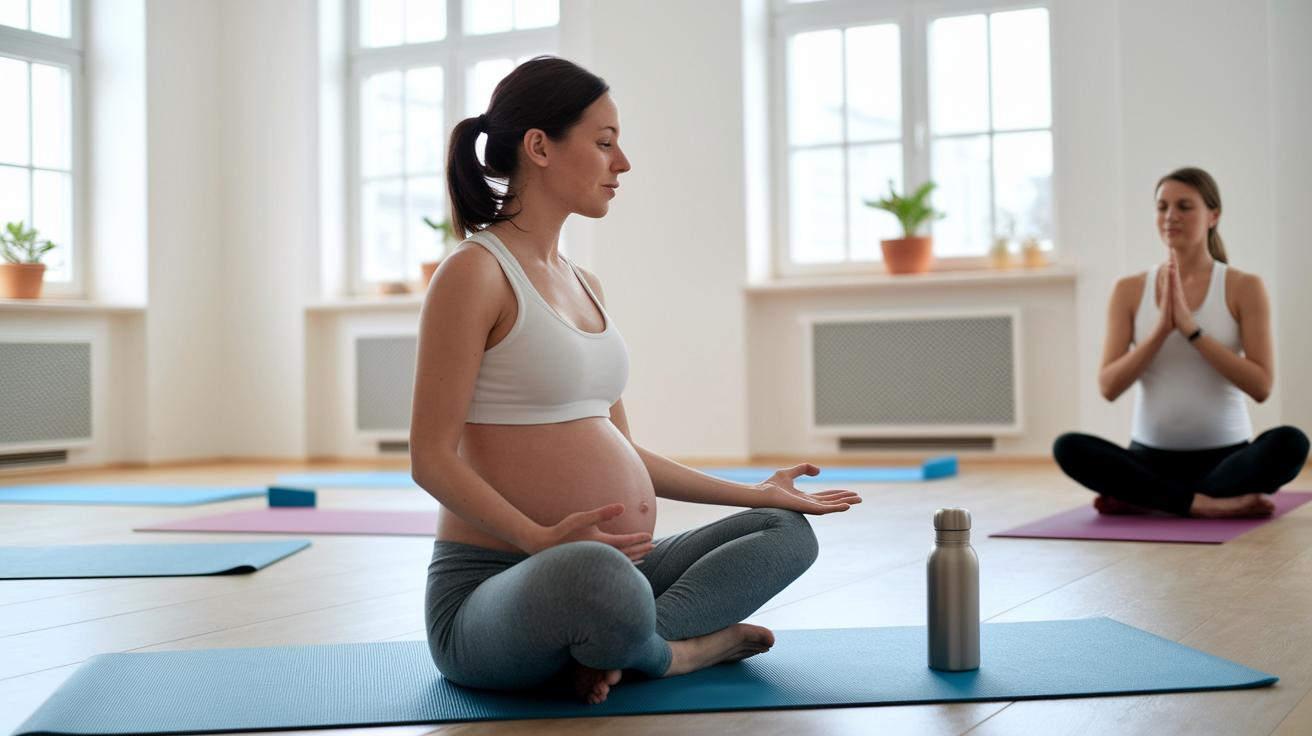
img-1.jpg

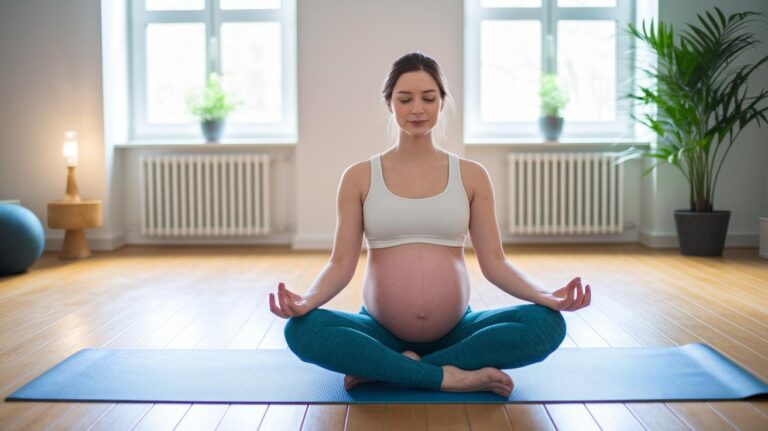
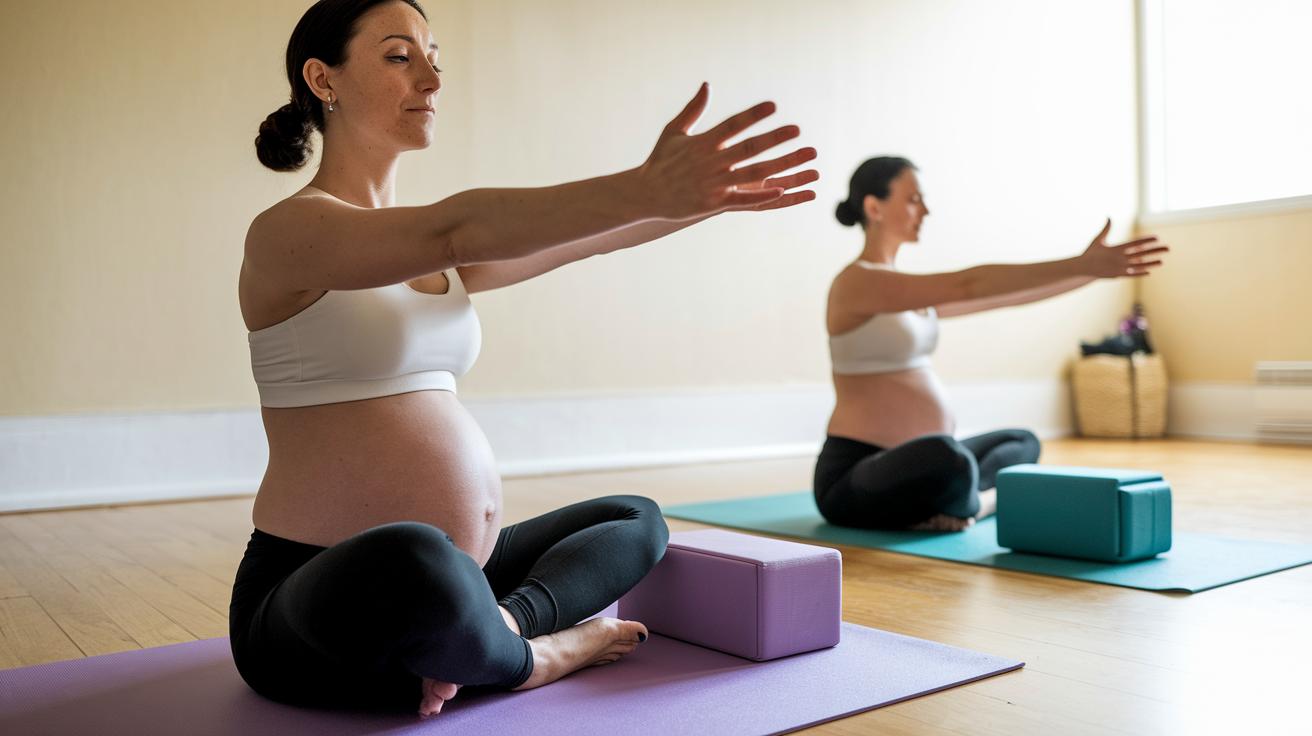
Enjoy a gentle yoga flow that supports your body through weeks 28 to 40 of pregnancy. This eight-pose routine mixes soft movements with a bit of strengthening, and each pose is set up so you feel safe and comfortable. Remember to chat with your doctor before starting any new exercise and try to work with a certified prenatal instructor.

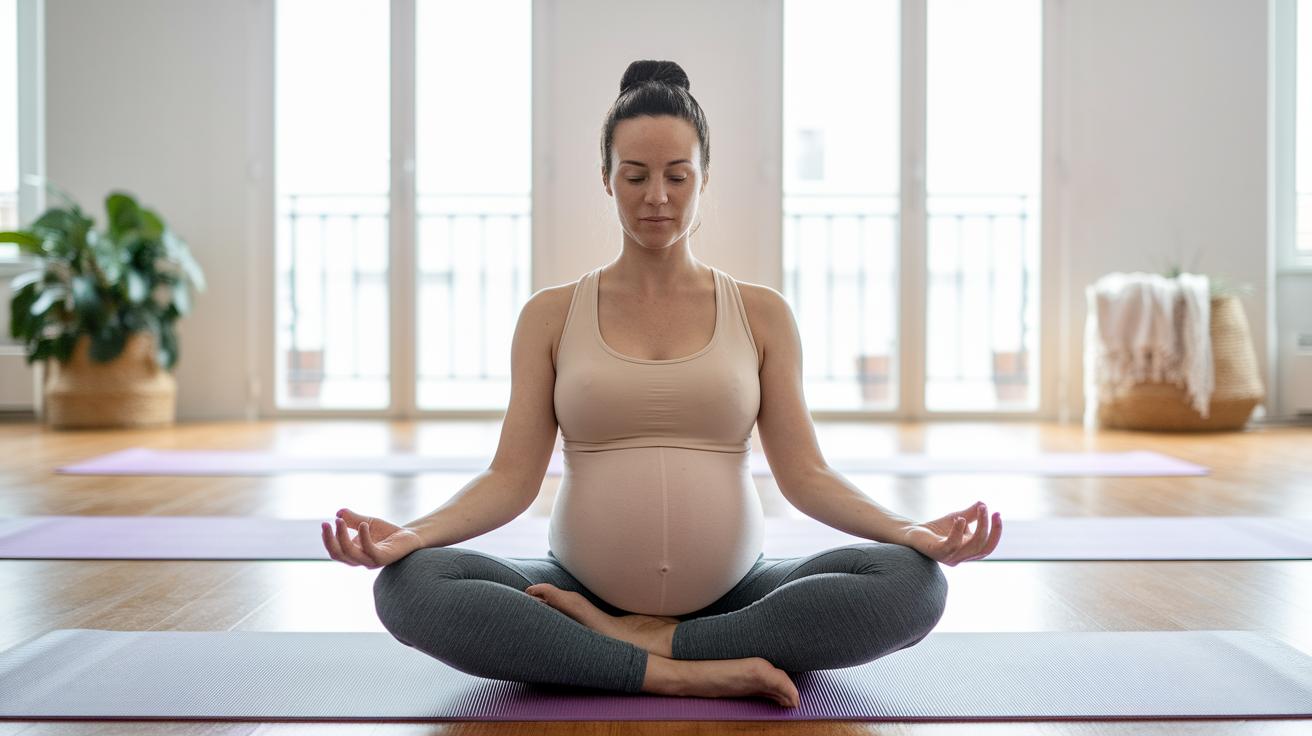
  • Easy Pose with Arm Strengthening and Wrist Rolls: Sit comfortably with your legs crossed to open your hips. Slowly roll your wrists while lifting your arms. Imagine how a few gentle wrist rolls can ease everyday tension.
  • Tabletop on Forearms with Hammock Rocks: Instead of the usual tabletop on your hands, rest on your forearms to save your wrists. Rock gently back and forth, like you’re swaying in a cozy hammock. It’s a soothing way to warm up your core.
  • Upper Back Opener with Elbows on a Chair: Sit next to a sturdy chair and rest your elbows on it. Feel a nice stretch across your upper back, which can help balance that forward pull you might be experiencing.
  • Wide Chair Pose (Utkatasana): Stand with your feet wider than usual for extra balance. Holding this pose not only strengthens your body but also helps build mental endurance. It can make you feel empowered.
  • Dynamic Goddess Pose (Utkata Konasana): Stand tall and evenly spread your weight across both legs. This move can ease discomfort in your lower area while strengthening your legs evenly.
  • Seated Double Pigeon Variation: Sit down and use a cushion or yoga block for support, especially as your belly grows. This gentle stretch helps loosen tension in the outer hips without overdoing it.
  • Head to Knee Pose (Janu Sirsasana): Gently lean forward over one leg to stretch your hamstring. This modified forward bend protects your belly while giving you a calm, relaxing stretch.
  • Legs Up the Wall (Viparita Karani) Variation with a Bolster: Lie down and rest your legs up against a wall with a soft bolster under your hips. This position can help reduce swelling. Just be careful to avoid any spots that might press on your major vein (vena cava).

Essential Pose Modifications for Pregnant Bodies in Third Trimester Yoga

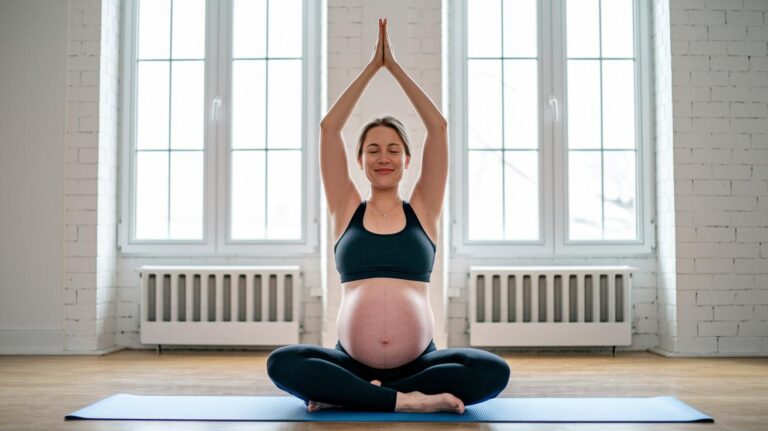
img-2.jpg

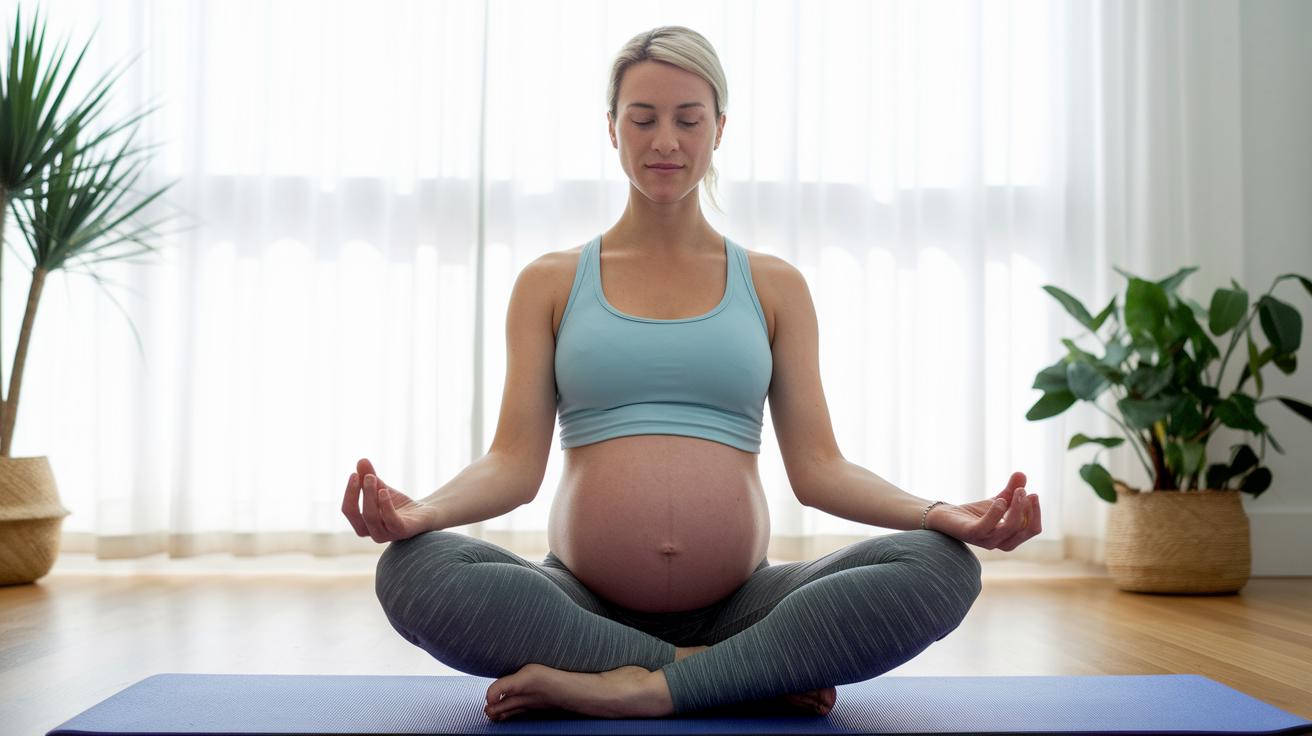
Your body is changing, and a few small tweaks in your yoga practice can really help you feel supported. Try widening your stance during standing poses, and consider using blocks or straps as extra help for your growing belly. Think of a block by your side as a gentle reminder that you deserve a little extra support, like a warm, reassuring hug on a busy day.

When you’re doing twists or forward bends, it can be a good idea to lessen the depth of your movement. Instead of folding too far, keep your spine long and avoid any heavy pressure on your belly. Imagine twisting smoothly, like a soft breeze, rather than wringing out a wet cloth; it helps your back move without stressing delicate areas.

If you’re in a seated pose, try placing a bolster under your hips to ease any strain on your tailbone and pelvic region. It’s much like swapping out a hard chair for a cushy seat, it makes your stretch feel both comfortable and safe.

And don’t forget to be aware of your body’s signals. Some poses, like deep inversions or lying on your back for too long, might press on important blood vessels. With every modified move, take a moment to listen to what your body needs, adjusting slowly so you can enjoy your practice with ease and stability.

Calming Breathwork and Mind–Body Flow for Late Pregnancy Yoga

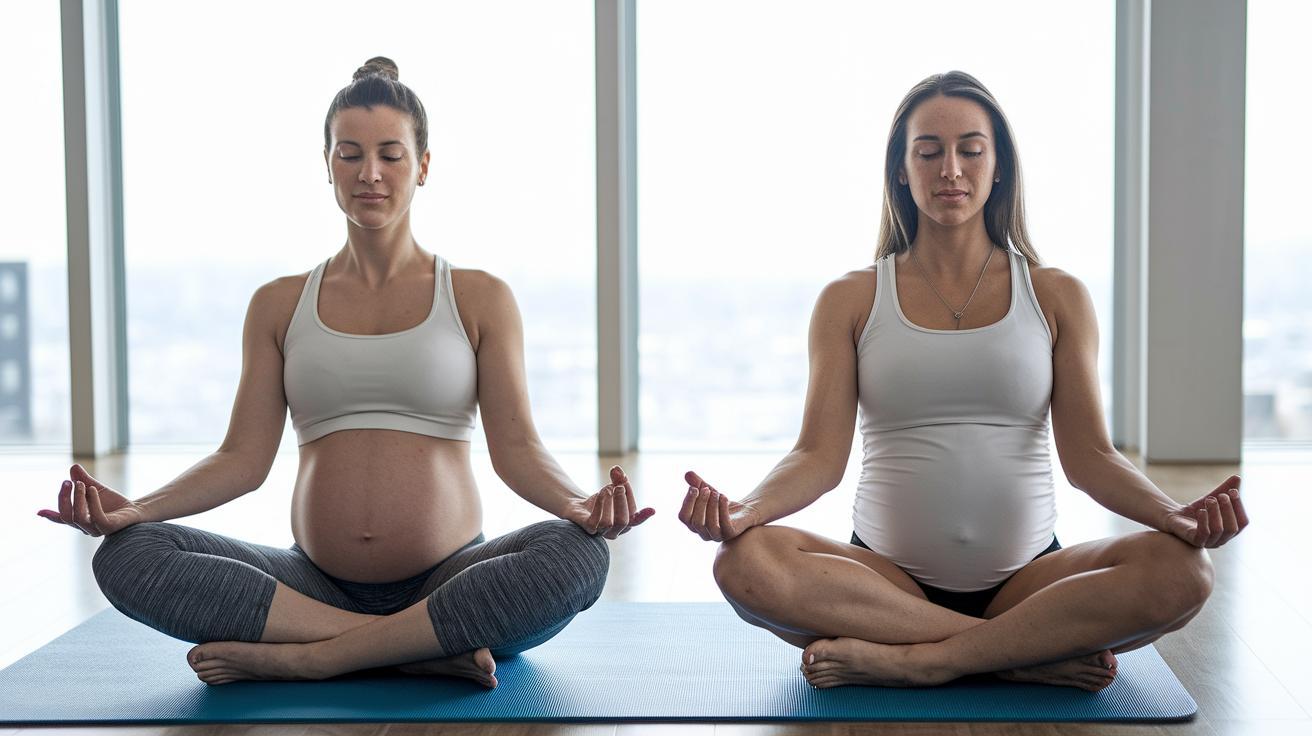
img-3.jpg

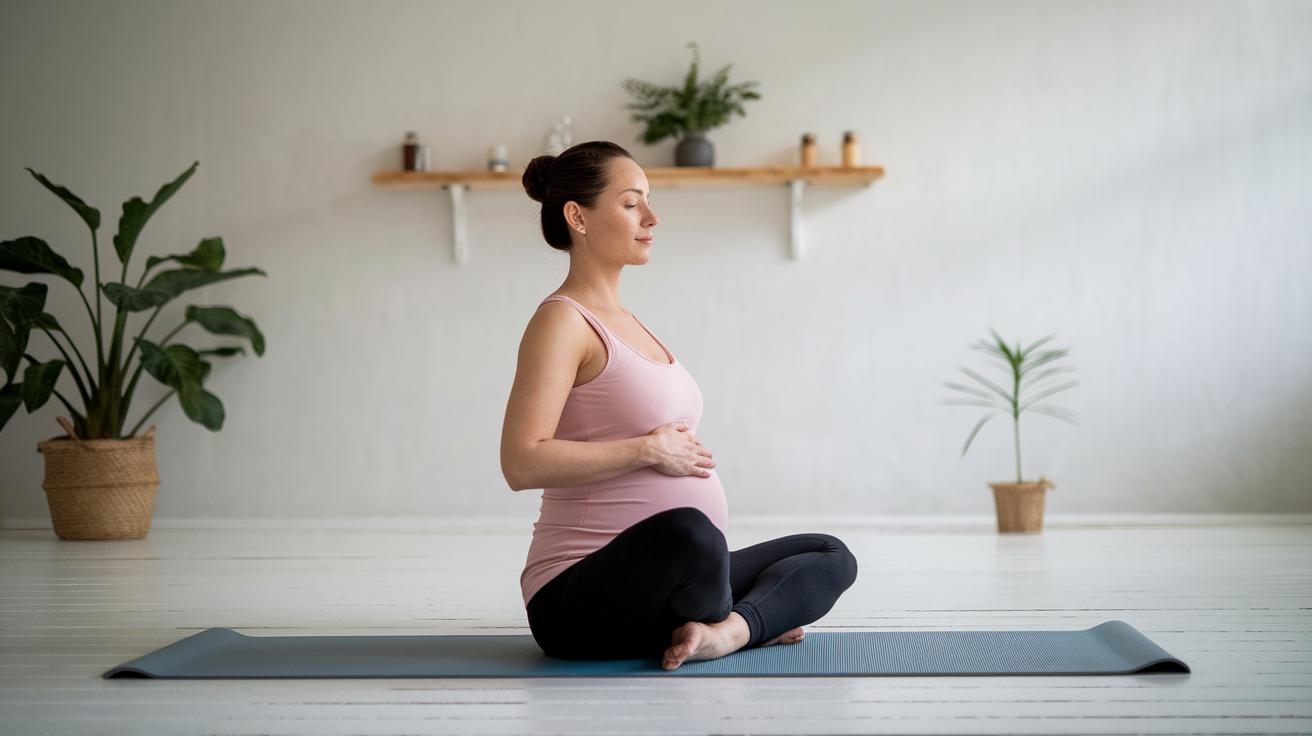
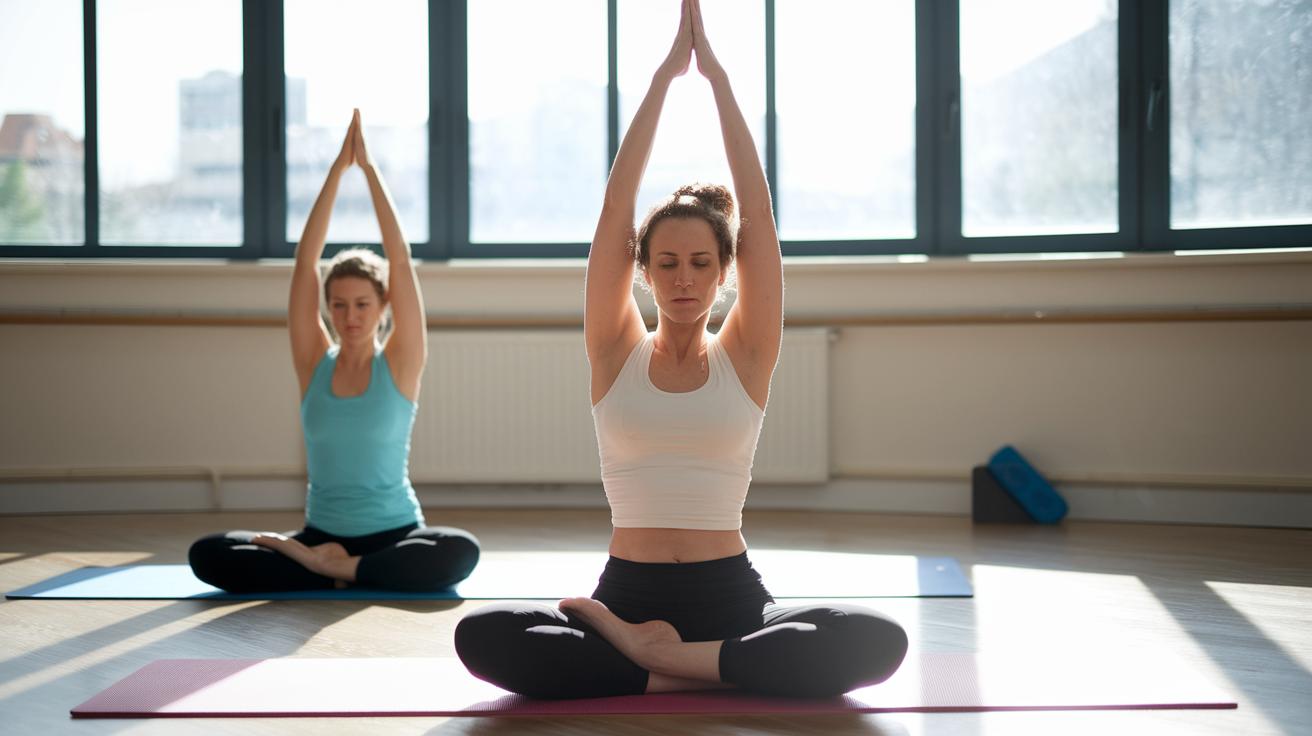
When you practice ujjayi breathing, think of taking a slow, deep breath in and an even slower breath out to calm your mind. Match each move with your breath, as you gently stretch upward, inhale, and as you ease into your pose, exhale. Imagine taking a deep, soothing breath to expand your chest, then letting your worries fade away with your exhale.

Diaphragmatic breathing lowers stress by helping more oxygen flow to you and your baby, setting the stage for labor. You might even find that the early pregnancy breathing techniques you learned can ease nausea during these final weeks. Sometimes, closing your eyes as you sit or lie down for a short meditation can feel like wandering through a quiet garden.

Mixing mindful movement with guided breath creates a smooth flow in your yoga practice. This helps you feel more connected to your body and nurtures a relaxed state of mind, readying you both mentally and physically for labor. Keep linking each change in posture with a clear inhalation or exhalation to maintain a calm and balanced pace.

Yoga Solutions for Common Third Trimester Discomforts

img-4.jpg

If you’re feeling back pain and tight hips as you near the final weeks, it can really put a damper on your day. A gentle move called the cat-cow sequence might be just what you need. Imagine stretching slowly like a cat, alternating between arching and rounding your back to help ease that built-up tension.

For those days when you need a little extra support in your pelvic area and lower body, try a mix of the Goddess Pose with a wide-legged squat. Stand with a wide base and lower yourself down slowly. This move can gently open your pelvis and reduce pubic discomfort, kind of like setting a sturdy foundation before lifting something heavy. It makes you feel safe and calm.

Another soothing stretch is the low lunge with a side lean. Step one foot forward and gently lean to the side. This easy stretch works your hip flexors and outer hips, relieving tension without overdoing it. Picture a soft wave gliding along your side, giving you a little moment of relief.

And if your ankles or feet start feeling heavy or swollen, try resting in a Legs up the Wall pose with a cushion for extra comfort. Lie back with your legs elevated against the wall as gravity helps ease the swelling. Even a small change in position can feel like a refreshing break during your busy day.

Setting Up a Safe Home Practice for Third Trimester Prenatal Yoga

img-5.jpg

Imagine creating a cozy spot in your home where you can move safely and gently during your last few weeks of pregnancy. Start with a non-slip, cushioned mat that keeps you comfy and secure, and add a few props like a bolster, blocks, or even a sturdy chair to help guide your alignment when your balance feels a bit wobbly. It’s helpful to clear enough room so you can spread out and move freely without bumping into furniture.

You might also enjoy joining a live or online yoga session led by an experienced prenatal instructor, having someone there to offer adjustments is like a supportive friend guiding you along. And don’t forget to check with your doctor first, just to make sure your body is ready for these new moves.

Picture yourself in a warm, safe space made just for you, where every breath and movement feels grounded and supported. These simple steps will help you create a practice area that nurtures both your body and your spirit during this special time.

Key Questions on Prenatal Yoga Third Trimester Answered

img-6.jpg

Specialized yoga for the third trimester usually kicks off around week 28 and goes on until you deliver. It lets you adjust how hard you work based on how you're feeling. Have you noticed how a little tweak in your routine can brighten your day? It's a bit like changing lanes on a long drive, smooth and done on purpose.

To be sure you’re practicing safely, make sure your instructor has the right prenatal (care during pregnancy) certifications. You can simply ask, "What qualifications do you have?" or check with your local yoga center.

It’s also important to skip certain poses. Steer clear of deep inversions and long backbends while lying on your back, and avoid any moves that might put pressure on important veins.

  • Free and paid online tutorials
  • Classes at community centers or hospitals

No matter if you're just starting out or have plenty of experience, answering these key questions will help you choose a class that fits your needs safely and comfortably.

Final Words

In the action of caring for yourself and your baby, today's post walked through a clear, safe third-trimester yoga sequence. We covered simple pose modifications, calming breathwork practices, and practical solutions for common third-trimester discomforts. We also offered ideas for setting up a secure home practice with easy-to-find props. Keeping your flow gentle and guided helps you stay connected with your body and spirit during this special time. Enjoy every moment and let your practice support you all the way with prenatal yoga third trimester.

FAQ

Is prenatal yoga safe in the third trimester?

The prenatal yoga safety in the third trimester is confirmed when practiced under guidance and with proper modifications. Always check with your healthcare provider and work with certified prenatal instructors.

At what week should you start prenatal yoga?

The ideal timing for starting prenatal yoga is around week 28, continuing through delivery. Each pregnancy is different, so confirm with your healthcare provider before beginning.

What prenatal yoga resources are available on YouTube for beginners?

Prenatal yoga resources on YouTube offer beginner-friendly videos and downloadable PDFs that provide clear instructions and pose modifications, making it easier to follow at home.

What poses or postures should be avoided during third trimester yoga?

The prenatal yoga poses to avoid in the third trimester are those that compress the vena cava, involve deep inversions, or require prolonged supine holds to maintain safe blood flow and comfort.

Can you do legs up the wall in the third trimester?

Legs up the wall is safe during the third trimester when modified with a bolster for support, ensuring no strain on the lower back or abdomen while promoting circulation.

How does prenatal yoga help relieve third trimester back pain?

Prenatal yoga helps relieve third trimester back pain by incorporating gentle stretches and strengthening poses that improve spinal mobility and reduce tension in the back.

How can prenatal yoga assist with a normal delivery?

Prenatal yoga for a normal delivery includes routines that encourage gentle stretching, improved breathing, and body awareness, which help prepare the muscles and mind for labor.

Prenatal Yoga For Gestational Diabetes: Empowering Calm

0

Have you ever thought that a few gentle stretches might help keep your blood sugar steady while you're expecting? Pregnancy yoga brings calm and helps you focus, and many moms say it soothes both body and mind. Even a few soft sessions can help with managing signs of gestational diabetes. Imagine starting with slow, deep breaths that calm your busy thoughts and relax your body. In this piece, we chat about how a simple yoga routine can add a touch of peace and support a balanced, healthier day for you and your baby.

How Prenatal Yoga Manages Gestational Diabetes Symptoms

Prenatal yoga can be a gentle way to help keep your blood sugar steady while easing stress during pregnancy. Did you know that about 5-9% of pregnancies in the U.S. involve gestational diabetes? Regular 40-60 minute yoga sessions twice a week might drop fasting blood sugar by nearly 14%. It mixes slow, mindful movements with deep, calming breaths to help keep your body balanced.

These sessions use simple, safe movements that boost circulation and may improve how your body uses insulin. For example, focusing on controlled breathing, imagine taking in deep, soothing breaths, can help reduce stress hormones like cortisol. This makes a big difference when it comes to managing your blood sugar. The routines include gentle stretches and easy strengthening moves that respect your changing body.

Following exercise tips for gestational diabetes, yoga fits perfectly as a moderate activity that supports overall pregnancy health. Adding yoga into your routine can help you feel more relaxed and keep your blood sugar levels steady. Picture starting your session with a deep breath, thinking, "inhale calm, exhale worry," and setting the tone for a balanced, healthier day.

Benefits of Prenatal Yoga for Gestational Diabetes Control

img-1.jpg

Recent research shows that a gentle prenatal yoga routine can do more than help manage blood sugar, it can also boost your balance, improve your posture, and add extra comfort during pregnancy. Try starting with some easy warm-ups, then move on to core-strengthening poses and soft forward bends.

Here's something interesting: one study found that a structured prenatal yoga sequence helped steady blood sugar and increased energy levels in expectant moms over just six weeks. Imagine how refreshing that can be!

Many moms have found relief with moves like the gentle seated twist and a modified Warrior 2. They say these poses ease body aches, sharpen focus, and lower stress. One mom mentioned that finishing her routine with a calming cool-down stretch made her feel truly connected to her body.

Experts agree that these gentle movements can help improve your overall alignment and digestion. In truth, adding a bit of prenatal yoga to your day can support your journey to a healthier, more comfortable pregnancy.

Safety Precautions for Gestational Diabetes Prenatal Yoga

When you’re doing prenatal yoga while managing gestational diabetes, safety always comes first. Avoid poses that press on your belly since they can put extra pressure on you and your baby. It’s best to skip deep forward bends and balance-focused moves that might lead to slips or strain.

Use a good, non-slip mat and have supportive props like blocks or cushions nearby. For example, if you’re trying a modified triangle pose, placing a cushion under your wrist can help steady your balance, you know, a little extra support goes a long way.

Keep a water bottle handy to remind you to sip often and stay hydrated, which is very important when managing blood sugar levels. Listen to your body; if something doesn’t feel right, take a break or switch to a more comfortable pose.

Before starting any new exercise, including yoga, check with your doctor to make sure it’s safe for you. Think of each session as a chance to tune in with your body, noticing how it feels and gently adapting your practice to support both your physical and emotional well-being.

Prenatal Yoga Poses for Gestational Diabetes

img-2.jpg

If you're managing gestational diabetes, a few gentle yoga moves might help you feel calmer and more balanced. These seven safe poses are designed to boost your flexibility and strength, while also soothing your mind. Just take your time and listen to what your body needs.

  • Cat-Cow: Begin on your hands and knees. As you breathe in, arch your back gently like a stretching cat, then breathe out and round your back slowly like a soft cow. Feel the movement awaken your spine and let your breath guide you. It’s a soothing way to release tension.

  • Warrior II: Stand with your legs wide apart and stretch your arms out at shoulder height. Step into a gentle lunge, keeping your back leg straight. Take deep, steady breaths and feel the energy in your legs as they support your balance. If it feels a bit wobbly, lean on a wall or a chair for extra reassurance.

  • Bound Angle Pose: Sit with your feet together and let your knees softly fall open to the sides. Sit up tall, take a deep breath, and feel your hips open up. This pose is lovely for easing stiffness and helping your blood flow more freely.

  • Triangle Pose: Stand with your legs spread wide and gently shift your weight onto one leg as you reach toward your ankle. If you need extra support, place a block or cushion nearby. This pose gives you a mild stretch along your side and helps bring a sense of calm.

  • Extended Side Angle: From a Warrior II stance, slide your hand down along your leg while lifting the opposite arm over your head. This movement stretches the side of your body and helps strengthen your core in a very nurturing way.

  • Supported Tree Pose: Stand near a wall if you prefer a little extra help. Place one foot on your inner thigh and, if needed, use a cushion to steady yourself. Keep your focus on slow, deep breaths as you balance softly.

  • Supported Seated Forward Bend: Sit on the floor with your legs out straight. Lean forward gently over a cushion or bolster, letting your body relax into the stretch. Take your time with each deep breath, allowing any tension in your hamstrings to melt away.

Each of these poses goes hand-in-hand with calm, mindful breathing. Taking a moment to move gently and breathe deeply can nurture both your body and your mind as you manage gestational diabetes. Enjoy these moves and trust that a little mindful practice can make a big difference.

Prenatal yoga for gestational diabetes: Empowering Calm

In your first trimester, it's all about gentle movement and slow stretching to honor the changes happening in your body. Keep your activities cool and light, and be careful not to overdo it. For example, try a soft seated stretch with a focus on deep, calming breaths. Picture yourself like a slow, gentle stream, keeping your heart at ease and your body comfortably warm.

By the second trimester, your body welcomes a bit more motion. Widen your stance during standing poses to feel more secure, and use props like cushions or blocks, especially under your hips when seated, to keep you comfortable. A little tip: if you find a deeper stretch uncomfortable, a cushion under your back can make a big difference.

In the third trimester, it helps to adapt your routine even more. Choose side-lying or supported postures that lighten the pressure on your belly, and avoid moves that require lying on your back or deep twisting. Using the wall or a chair for balance can give you extra confidence during standing poses. Always listen to your body, and if a movement feels off, slow down or make a small change. Think of each session as a gentle conversation with your body, ensuring that your practice remains caring and safe every step of the way.

Breathing Techniques in Prenatal Yoga for Gestational Diabetes

img-3.jpg

Taking just 5 to 10 minutes a day for pranayama can really help ease stress and support healthy blood sugar levels. Simple techniques like alternate nostril breathing (Anulom-Vilom) and diaphragmatic breathing lower stress hormones and boost insulin sensitivity. When you add mindful breathwork before or during your prenatal yoga practice, you create a soothing rhythm that comforts both your body and your mind.

For example, try starting with Anulom-Vilom. Gently cover one nostril with your finger as you breathe in deeply, then switch to the other nostril as you exhale slowly. With each breath, feel a calm balance washing over you. This practice not only deepens your relaxation but also helps you connect with your body’s natural pace.

Using these easy breathing exercises gives you a simple way to manage stress and keep your blood sugar steady. As you focus on each measured breath, you'll feel the tension fade away, making your whole prenatal journey a bit gentler and more peaceful.

Home Prenatal Yoga Routines for Gestational Diabetes

Starting your morning with a gentle yoga session can really help keep your blood sugar steady while centering your body. Imagine you begin on Monday, Wednesday, and Friday with a 45-minute gentle flow that softly wakes up your muscles and boosts your circulation. It’s like taking a few slow, calming breaths while moving through each stretch, leaving you feeling relaxed and ready for the day.

On Tuesday and Thursday evenings, you might enjoy a 30-minute restorative session after dinner. This calming practice is perfect after meals, helping your body digest more smoothly and gently easing any tension you might feel. It’s a little pause, a moment just for you, to let the stress of the day drift away.

You can also try adding a few simple 10-minute stretches after lunch and dinner. These short sessions keep your body flexible and help your blood sugar stay balanced day by day. Over time, these little routines add up, creating a natural path to feeling better day in and day out.

Day/Time Practice
Monday/Wednesday/Friday, Morning 45-minute gentle flow
Tuesday/Thursday, Evening 30-minute restorative session
Daily (after lunch and dinner) 10-minute gentle stretches

With a little regular practice and gradual progress, this easy at-home routine can help support your gestational diabetes and bring a sense of calm to your everyday life. Isn’t it amazing how small, mindful moments can make a big difference?

Combining Prenatal Yoga with Nutritional Plans for Gestational Diabetes

img-4.jpg

Pairing your prenatal yoga with a wholesome, fiber-rich diet filled with lean proteins and healthy fats can really help keep gestational diabetes in check. Picture this: after a calming yoga session, you treat yourself to a snack, maybe a warm bowl of oatmeal with juicy berries or a crisp chicken salad with leafy greens, that gently steadies your blood sugar levels while keeping you energized.

When you plan your meals to match your yoga practice, you're not just feeding your body, you're also helping it stay balanced. Stick with foods that are known for releasing energy slowly, like whole grains, legumes, and non-starchy veggies. It’s like giving your body a steady stream of fuel that effortlessly supports the slow, mindful flow of your yoga routine.

Keeping an eye on portions is also key, so you don’t overload on any one nutrient. Many moms find it useful to check out tips from Effective meal plans for maternal nutrition or learn more about managing weight with Maternal nutrition and gestational weight management. Mixing these ideas together creates a gentle, nurturing plan that helps you manage gestational diabetes with care.

Research and Expert Recommendations on Prenatal Yoga for Gestational Diabetes

Clinical guidelines from the American College of Obstetricians and Gynecologists suggest that moderate exercises like prenatal yoga can be very helpful for managing gestational diabetes. Research tells us that regular yoga sessions may lower fasting blood sugar by about 14%. Think of it as moving slowly and with purpose, each gentle transition from one pose to the next can ease your tension, much like a quiet morning moment.

Certified prenatal instructors are there to offer safe adjustments that match the changes your body goes through during pregnancy. This science-backed approach not only boosts insulin sensitivity but also helps keep stress levels low by encouraging smooth, controlled movements that improve your circulation and muscle tone.

By weaving these expert insights into a regular routine, you’re giving yourself practical tools to maintain steady blood sugar and build a deeper, kinder connection with your body, one mindful breath at a time.

Final Words

In the action of embracing mindful movement, everyday routines become a safe space for nurturing both body and mind. Expert tips, from controlled breathing practices to trimester-specific pose modifications, illustrate how thoughtful adjustments can ease gestational diabetes symptoms.

A balanced home routine, combined with healthy eating, helps you feel steadier and supported. With regular prenatal yoga for gestational diabetes, each step builds confidence and brightens the path toward well-being.

FAQ

Where can I find free resources like PDFs and YouTube videos for prenatal yoga for gestational diabetes?

Free prenatal yoga resources include downloadable PDFs and YouTube videos from trusted health sites that share safe, guided routines designed for managing blood sugar and easing stress during pregnancy.

What is considered the best prenatal yoga for managing gestational diabetes?

The best prenatal yoga for gestational diabetes features gentle poses, safe modifications, and mindful breathing techniques that help balance blood sugar and improve overall well-being during pregnancy.

What type of exercise is recommended for gestational diabetes during pregnancy and when is the best time to exercise?

Moderate exercise like prenatal yoga is recommended. Many moms find that working out in the morning or after meals helps stabilize blood sugar and fits easily into a daily routine.

How does prenatal yoga help with gestational diabetes?

Prenatal yoga helps by boosting insulin sensitivity, reducing stress hormones through controlled breathing, and promoting circulation, which together support better blood sugar regulation and overall maternal health.

Which week of pregnancy is the hardest for managing gestational diabetes?

There isn’t one set “hardest week” for managing gestational diabetes; each woman experiences changes differently, and challenges can vary with hormonal fluctuations and daily lifestyle factors.

How can I improve my gestational diabetes during pregnancy?

You can improve gestational diabetes by engaging in regular prenatal yoga, following a balanced low-glycemic diet, and working closely with your healthcare provider to tailor safe exercise and nutrition plans.

What does the rule of 15 for gestational diabetes mean?

The rule of 15 means taking 15 grams of a quick-acting carbohydrate when blood sugar is low, waiting 15 minutes, and then rechecking levels to ensure they steadily return to a safe range.

Organic Type Temperature Fuse Market Size, Share & Growth Forecast 2025–2032

0

Global Organic Type Temperature Fuse Market size was valued at US$ 345 million in 2024 and is projected to reach US$ 434 million by 2032, at a CAGR of 2.9% during the forecast period 2025-2032.

Organic type temperature fuses are critical safety components designed to protect electrical circuits from overheating. These devices operate on a thermal cutoff principle: when ambient temperature exceeds the fuse’s rating, an organic temperature-sensitive material melts, triggering a spring mechanism that permanently breaks the circuit. This fail-safe mechanism makes them indispensable in applications where temperature regulation is crucial.

The market growth is driven by increasing adoption in consumer electronics, automotive systems, and industrial equipment where overheating protection is mandatory. Asia-Pacific dominates the market with 42% share in 2024, fueled by China’s electronics manufacturing boom. Key players including Littelfuse and Schott are expanding their production capacities to meet the growing demand, particularly for low-voltage variants which accounted for 68% of 2024 sales. Recent regulatory mandates for enhanced electrical safety across multiple industries are further accelerating market expansion.

Access Your Free Sample Report Now-https://semiconductorinsight.com/download-sample-report/?product_id=103093

MARKET DYNAMICS

MARKET DRIVERS

Rapid Growth in Consumer Electronics to Fuel Organic Type Temperature Fuse Demand

The global surge in smart home appliances and connected devices is creating strong demand for reliable circuit protection components like organic type temperature fuses. With the smart home market projected to grow at over 14% CAGR, manufacturers are increasingly adopting these fuses for applications ranging from washing machines to air conditioners. The unique thermal triggering mechanism of organic fuses makes them particularly suitable for temperature-sensitive applications where precise circuit interruption is critical. Major electronics manufacturers are now standardizing on these components for their superior reliability compared to mechanical alternatives.

Stringent Safety Regulations Driving Adoption Across Industries

Increasingly strict international safety standards are compelling manufacturers across multiple sectors to upgrade their overcurrent protection systems. The organic type temperature fuse market benefits significantly from these regulatory changes because its fail-safe mechanism meets the most rigorous safety requirements. Industries including automotive (where electric vehicle adoption is accelerating), industrial automation, and telecommunications infrastructure are all transitioning to these solutions. The ability of organic fuses to provide permanent circuit disconnection at precise temperature thresholds makes them indispensable for compliance with modern safety certifications.

Recent Developments 

  1. Product Innovation & Miniaturization

    • Leading manufacturers are introducing ultra-compact and high-precision organic temperature fuses for applications in compact electronic devices, EV battery packs, and smart appliances.

    • Companies like Schott, Littelfuse, and Eaton are working on thermally responsive fuses with improved cutoff precision and reliability.

  2. Increased Use in EVs and Battery Safety

    • Growing demand for thermal protection in electric vehicle battery systems has boosted adoption of organic-type temperature fuses due to their precise thermal triggering and stable performance.

  3. Integration in Smart Home Appliances

    • The rising popularity of IoT-enabled and energy-efficient home appliances is leading to increased integration of thermal fuses to ensure safety and temperature control.

  4. Environmental Regulations Driving Lead-Free Solutions

    • Regulatory pressures, particularly in Europe and North America, are driving the shift toward eco-friendly and RoHS-compliant organic type fuses.

  5. Asia-Pacific Expansion

    • Key players are expanding manufacturing and R&D capabilities in countries like China, Japan, and South Korea to meet the region’s growing demand in consumer electronics and automotive segments.

MARKET OPPORTUNITIES

Electric Vehicle Revolution Creates New Application Verticals

The rapid transition to electric vehicles presents transformative opportunities for the organic type temperature fuse market. EV battery management systems require highly reliable thermal protection solutions that can operate in demanding automotive environments. Industry projections indicate that the automotive segment could account for 25% of total market revenue by 2030. Leading automotive suppliers are increasingly collaborating with fuse manufacturers to develop custom solutions for next-generation battery architectures.

Smart Manufacturing Adoption Drives Industrial Market Growth

The expansion of Industry 4.0 initiatives worldwide is creating strong demand for advanced circuit protection in industrial automation systems. Organic type temperature fuses are particularly well-suited for protecting sensitive control equipment in smart factories. Their precise triggering characteristics and compact form factors align perfectly with the requirements of modern industrial IoT deployments. Market analysts note that industrial applications are showing 18% annual growth in the sector, outpacing many other verticals.

Unlock Your Free Sample Report Here-https://semiconductorinsight.com/download-sample-report/?product_id=103093

List of Key Organic Type Temperature Fuse Manufacturers

  • Schott AG (Germany)
  • Littelfuse, Inc. (U.S.)
  • Bel Fuse Inc. (U.S.)
  • Emerson Electric Co. (U.S.)
  • Uchihashi Estec Co., Ltd. (Japan)
  • Elmwood Sensors (U.S.)
  • Betterfuse (China)
  • SETsafe (Germany)
  • Sinolec Electronics (China)
  • Lanson Electronics (Taiwan)
  • Cantherm (Canada)
  • Sungwoo Industrial (South Korea)
  • Limitor GmbH (Germany)
  • AUPO (Taiwan)

Segment Analysis:

By Type

Low Voltage Fuse Segment Dominates Due to Widespread Use in Consumer Electronics and Home Appliances

The market is segmented based on type into:

  • Low Voltage Fuse
  • High Voltage Fuse

By Application

Home Appliance Segment Leads Owing to Rising Demand for Safety Components in Consumer Electronics

The market is segmented based on application into:

  • Home Appliance
  • Communication
  • Automotive
  • Others

By End User

Electronics Manufacturers Hold Largest Share Due to Growing Production of Smart Devices

The market is segmented based on end user into:

  • Electronics Manufacturers
  • Automotive Industry
  • Industrial Sector
  • Telecommunication Providers

By Material Composition

Organic Compound-Based Fuses Lead Market Due to Superior Thermal Sensitivity

The market is segmented based on material composition into:

  • Paraffin-Based
  • Rosin-Based
  • Wax-Based
  • Other Organic Compounds

Other Topic-Multi Function Relay Market

CONTACT US:

City vista, 203A, Fountain Road, Ashoka Nagar, Kharadi, Pune, Maharashtra 411014

[+91 8087992013]

help@semiconductorinsight.com

Automatic Laser Soldering Robot Market Analysis 2025–2032 | Growth Trends, Innovations & Forecast

0

Global automatic laser soldering robot market was valued at USD 84 million in 2024 and is projected to grow from USD 88 million in 2025 to USD 118 million by 2032, exhibiting a CAGR of 5.1% during the forecast period.

Automatic laser soldering robots utilize precision laser technology for non-contact soldering applications, offering significant advantages over traditional methods. These systems employ laser energy to melt solder paste or wire at targeted connection points without physical contact, minimizing thermal stress on sensitive components. Key variants include floor-standing industrial units and compact desktop models, with applications spanning consumer electronics, automotive systems, and semiconductor manufacturing.

The market growth is driven by increasing demand for miniaturized electronic components and stricter quality requirements in precision manufacturing. While traditional soldering methods struggle with sub-millimeter components, laser systems achieve micron-level accuracy with minimal heat-affected zones. Furthermore, the technology’s compatibility with Industry 4.0 automation trends and reduced environmental impact compared to conventional soldering are accelerating adoption. Recent technological advancements in fiber laser systems and AI-powered vision alignment have expanded application potential, particularly in high-mix electronics production environments.

What is an Automatic Laser Soldering Robot?

Automatic Laser Soldering Robots represent a revolutionary approach to joining metal components using laser technology. Unlike traditional soldering methods that require physical contact, these systems utilize concentrated laser beams to precisely heat targeted areas without touching sensitive components. The process involves directing laser energy to melt solder wire or paste, creating flawless joints with micron-level accuracy.

These systems excel in applications requiring:

  • Micro-scale precision: Handling components as small as 0.1mm
  • Non-contact operation: Eliminating mechanical stress on delicate parts
  • Programmable workflows: Enabling rapid changeovers between product designs

📥 Download Sample Report:
Automatic Laser Soldering Robot Market – View in Detailed Research Report

MARKET DRIVERS

Growing Electronics Industry Demands Precision Manufacturing

The global electronics manufacturing sector continues to expand at a robust pace, with production volumes reaching record levels across consumer electronics, automotive components, and industrial applications. This growth directly fuels demand for advanced soldering solutions like laser soldering robots that can handle increasingly complex PCB designs and miniature components. Modern electronics often feature solder joints smaller than 0.3mm, which traditional methods struggle to address consistently. Laser soldering offers micron-level precision with minimal heat transfer, reducing the risk of thermal damage to sensitive components. The Asia-Pacific region alone accounts for over 60% of global electronics production, creating concentrated demand hubs for automated soldering solutions.

Automotive Electrification Accelerates Adoption

Electrification of vehicles represents one of the most significant transformations in manufacturing requirements, with electric vehicle production expected to grow at a CAGR exceeding 20% through 2030. Modern vehicles incorporate hundreds of electronic control units and sensitive components that require reliable soldering processes. Laser soldering robots excel in automotive applications because they can consistently achieve high-quality joints on temperature-sensitive battery management systems and driver assistance components. Major automotive manufacturers are increasingly specifying laser-based processes to meet stringent quality standards while maintaining production throughput of 1,000+ units per day on assembly lines.

MARKET OPPORTUNITIES

Emerging Applications in Medical Device Manufacturing

The medical device sector presents significant growth potential for laser soldering, particularly for implantable electronics and miniature diagnostic equipment. Medical applications demand absolute precision and reliability, with many components requiring solder joints smaller than 100 microns. Laser soldering’s non-contact nature and sterile processing environment provide distinct advantages over conventional methods. The global market for medical electronics is projected to exceed $90 billion by 2027, creating substantial opportunities for specialized soldering solutions that can meet FDA cleanroom standards while maintaining high throughput for mass-produced disposable devices.

Integration with Industry 4.0 Ecosystems

Advancements in industrial IoT enable new opportunities for laser soldering systems to become intelligent nodes within smart factories. Modern systems incorporate real-time monitoring capabilities like thermal imaging, joint inspection, and predictive maintenance algorithms. When integrated with manufacturing execution systems, these features allow closed-loop process control and data-driven quality assurance. Manufacturers implementing digital transformation initiatives increasingly seek soldering solutions that can provide traceability data for each joint while dynamically adjusting parameters based on incoming component variability. This integration capability will become a key differentiator as Industry 4.0 adoption accelerates across electronics manufacturing.

Segment Analysis:

By Type

Floor-standing Segment Leads Due to Higher Precision and Industrial-Scale Applications

The market is segmented based on type into:

  • Floor-standing
    • Subtypes: Multi-axis models, gantry systems, and others
  • Desktop
    • Subtypes: Benchtop units, portable systems, and others

By Application

Consumer Electronics Segment Dominates With Growing Miniaturization Trends

The market is segmented based on application into:

  • Consumer Electronics
  • Appliances Electronics
  • Automotive Electronics
  • Others

By Technology

Fiber Laser Systems Show Higher Adoption Due to Superior Beam Quality

The market is segmented based on technology into:

  • Fiber Laser Systems
  • Diode Laser Systems
  • Pulsed Laser Systems

By End-User

Electronics Manufacturers Drive Demand for High-Precision Soldering

The market is segmented based on end-user into:

  • Electronics OEMs
  • Contract Manufacturers
  • Research Institutions

AUTOMATIC LASER SOLDERING ROBOT MARKET TRENDS

Rising Demand for Precision Manufacturing Drives Market Growth

The global automatic laser soldering robot market is experiencing robust growth, with projections indicating it will reach US$ 118 million by 2032, expanding at a CAGR of 5.1% from 2024. This surge is primarily fueled by the increasing demand for high-precision soldering in electronics manufacturing. Laser soldering offers distinct advantages over traditional methods, as it eliminates physical contact with components, reducing the risk of damage to sensitive PCB assemblies. The ability to achieve micron-level precision makes it indispensable for applications in smartphones, IoT devices, and automotive electronics, where component miniaturization continues to accelerate. Manufacturers increasingly favor laser solutions for their reproducibility and ability to handle complex, high-density interconnects.

Other Trends

Integration of Industry 4.0 Technologies

Modern laser soldering systems are evolving beyond standalone equipment into intelligent manufacturing nodes. The incorporation of machine vision alignment systems allows real-time process monitoring with accuracy improvements of up to 30-40% compared to mechanical alignment. Adaptive control algorithms now automatically adjust laser power and dwell time based on thermal feedback, significantly reducing defects in high-volume production. When combined with IoT connectivity, these systems enable predictive maintenance and remote process optimization—key requirements for smart factories. Major automotive electronics suppliers have reported 15% higher throughput after transitioning to networked laser soldering workcells integrated with MES platforms.

 Recent Developments and Market Trends in the Automatic Laser Soldering Robot Market

  1. Integration of AI and Machine Vision
    Leading manufacturers are adopting AI-powered vision systems to improve precision and reduce defects in laser soldering. These smart robots can automatically adjust laser parameters in real-time, ensuring consistent solder quality for microelectronics and PCB assembly.

  2. Miniaturization Driving Demand
    The rise in miniaturized electronic components in smartphones, medical devices, and wearables is boosting demand for high-precision laser soldering robots that outperform conventional soldering techniques in accuracy and thermal control.

  3. Expansion in EV and Automotive Electronics
    With increasing demand for automotive electronics and EV battery modules, the industry is witnessing rising adoption of laser soldering robots for high-speed, flux-free, and contactless soldering processes, ensuring high reliability and reduced cycle time.

  4. Global Manufacturers Expanding in Asia-Pacific
    Key players are strengthening their footprint in China, South Korea, and India, capitalizing on the booming electronics and semiconductor manufacturing ecosystem in the region. Strategic partnerships and local R&D facilities are becoming common trends.

  5. Development of Hybrid Soldering Systems
    New innovations involve hybrid laser soldering machines that combine laser, induction, and ultrasonic technologies—offering flexible solutions tailored to complex PCB designs, especially in 5G, aerospace, and defense applications.

  6. Emphasis on Eco-Friendly and Flux-Free Processes
    With rising awareness of clean manufacturing and RoHS compliance, companies are shifting toward flux-free soldering solutions, reducing post-solder cleaning needs and minimizing harmful emissions during production.

  7. workcells

📘 Get Full Report Here:
Automatic Laser Soldering Robot Market – View in Detailed Research Report

Competitive Landscape

The market features a mix of established automation providers and laser specialists, including:

  • Anewbest
  • Japan Unix
  • HORIUCHI ELECTRONICS
  • Wolf Produktionssysteme
  • Apollo Seiko

These companies are competing through:

  • Vertical integration of laser sources and robotic platforms
  • Development of proprietary solder alloys optimized for laser processes
  • Expansion of service networks for installation and maintenance

About Intel Market Research

Intel Market Research is a leading provider of strategic intelligence, offering actionable insights in industrial automation, advanced manufacturing, and technology markets. Our research capabilities include:

  • Real-time competitive benchmarking
  • Global technology adoption monitoring
  • Market entry strategy development
  • Over 350+ industrial reports annually

Trusted by Fortune 500 manufacturers, our insights empower decision-makers to optimize their production technologies.

🌐 Website: https://www.intelmarketresearch.com
📞 International: +1 (332) 2424 294
📞 Asia-Pacific: +91 9169164321
🔗 LinkedIn: Follow Us

Why Students Should Learn Personal Finance Early

0

In the fast-paced world of business and economics, financial literacy is no longer optional—it is essential. Students who gain knowledge about personal finance at an early age position themselves for future success, both personally and professionally. By understanding money management, savings, and investment strategies, they become better prepared to navigate the financial challenges of adulthood. From building wealth to managing debt responsibly, early exposure to personal finance lays the groundwork for smarter decision-making.

Building a Strong Foundation for the Future

The earlier students learn about budgeting, saving, and investing, the stronger their financial foundation becomes. Personal finance skills allow them to understand concepts like income versus expenses, compound interest, and long-term wealth planning. These are not only personal skills but also business essentials. Entrepreneurs, for example, often begin with limited capital and must know how to allocate resources wisely. Early education in finance ensures that students grasp these fundamentals before stepping into business environments.

Linking Education to Real-World Applications

Personal finance education bridges the gap between theory and practice. Students who are familiar with concepts such as stock markets, credit systems, and taxation gain insights that are directly applicable to the world of business. In today’s digital economy, platforms like Crypto 30x Pro provide valuable exposure to modern tools of financial growth, including cryptocurrency and blockchain. Understanding these emerging areas early on helps students remain adaptable in a business environment that thrives on innovation.

Encouraging Smart Use of Financial Tools

Beyond basic savings accounts, students are now exposed to digital wallets, online banking, and investment apps. Learning how to use these tools responsibly is crucial for long-term success. For instance, a secure crypto wallet represents more than just a storage solution—it introduces students to digital asset management, security considerations, and new forms of wealth-building. By learning about such financial tools early, students not only develop confidence but also build habits that support sustainable financial growth.

Reducing Debt and Encouraging Responsibility

One of the most pressing challenges young adults face is debt, particularly student loans and credit card balances. Students who lack financial literacy often make uninformed borrowing decisions, leading to years of repayment struggles. Teaching personal finance early instills responsibility, helping them understand the true cost of borrowing, the importance of repayment timelines, and the risks of high-interest loans. Businesses, too, benefit from financially literate individuals, as employees with strong money management skills bring discipline and foresight to their roles.

Preparing for Business and Entrepreneurship

Personal finance is not just about managing personal expenses—it is a stepping stone toward entrepreneurship. Many successful business leaders attribute their achievements to financial discipline developed early in life. Students who learn about profit, reinvestment, and risk management during their formative years are better prepared to start and manage businesses later on. Whether launching a small startup or entering corporate leadership, a solid financial background equips them to make decisions that drive profitability and sustainability.

Strengthening Economic Awareness

When students learn personal finance, they also become more aware of larger economic trends. They understand how inflation, interest rates, and global markets influence their personal lives and the business world. This awareness allows them to analyze situations critically, whether it involves personal budgeting or corporate strategy. Financially literate individuals are more likely to support sustainable economic growth, as they appreciate the balance between consumption, investment, and savings at both personal and business levels.

Long-Term Wealth Building

Another important benefit of early financial education is the ability to plan for long-term wealth. Students who start saving and investing early experience the power of compound interest, which can dramatically increase financial security over time. They also become more inclined to explore diverse investment options—stocks, real estate, or even digital assets. This forward-thinking approach mirrors strategies businesses use to grow and diversify revenue streams, proving that personal finance and business acumen go hand in hand.

Creating a Culture of Financial Responsibility

When financial literacy is taught early, it doesn’t just benefit individuals—it creates a culture of responsibility. Households, communities, and eventually entire economies become more resilient. Businesses thrive in financially literate societies because customers make informed purchasing decisions, employees manage salaries responsibly, and entrepreneurs innovate with greater confidence. In this sense, teaching students about personal finance is not just about improving their futures but also about strengthening the overall business environment.

Conclusion

Teaching students personal finance early is one of the most effective ways to prepare them for both personal and professional success. From managing debt to exploring investments, financial literacy builds skills that directly translate into business acumen. In today’s digital economy, where tools like crypto wallets and investment platforms are redefining wealth-building, students need practical knowledge to stay ahead. Ultimately, fostering financial literacy among students benefits not just individuals, but also businesses and economies at large, ensuring a stronger and more sustainable future.

Postpartum Healing At Home: Embrace Smooth Recovery

0

Have you ever thought that your home might be the secret to a smoother recovery after having your baby? Many moms find comfort in gentle routines and familiar spaces that feel like a warm hug. After your little one arrives, even small moments of self-care add up. A few peaceful minutes checking in with yourself or a short, soft walk outside can lift your mood and soothe your body. In this post, I'll share some easy tips and genuine ideas to help you gently regain your strength and sense of calm right at home.

Key Pillars of Postpartum Healing at Home

img-1.jpg

After your baby is born, the next 12 weeks, often called the fourth trimester, can bring lots of changes to your body, emotions, and daily routine. Many moms notice a bit of recovery around 6-8 weeks, but some parts may take months or even up to a year to feel fully better. It’s surprising how much time our bodies need to heal, even after a routine birth. This time is best spent gently caring for yourself with little routines, soft exercises, and honest check-ins with your feelings.

Healing at home means getting ready for both the expected and unexpected moments. Imagine setting aside a few minutes each day for a peaceful meditation or preparing a warm, nourishing meal, it really makes a difference. Step by step, managing little aches and planning small changes in your nutrition can help you regain your strength. Picture each week as a new milestone, whether it’s a short walk around the block or simply soaking in a quiet moment just for you. This gentle roadmap is here to support you as you care for your body, heart, and well-being.

Physical Recovery Strategies for Postpartum Healing at Home

img-2.jpg

For new moms, having a ready recovery kit can make a big difference. When all your essentials are close by, you can focus on healing instead of scrambling for makeshift solutions. It’s like having a little helper that eases your day just when you need it most.

Pain management is a big part of feeling better. Many moms mix their doctor-prescribed meds with everyday options such as ibuprofen or acetaminophen. Using simple fixes, like an ice pack to ease swelling or a heating pad to soothe cramps, can really help smooth out your day during this busy phase.

  • Peri rinse bottle (for gentle cleansing)
  • Sitz bath kit (to ease discomfort)
  • Perineal spray (for calming relief)
  • Supportive underwear (providing extra comfort)
  • Menstrual pads (ensuring you stay dry)
  • Disposable undergarments (offering convenience)
  • Stool softeners (to make bowel movements easier)
  • Witch hazel spray (to calm inflammation and itching)

Taking care of your incision scars or episiotomy sites is also very important. Keeping those areas clean with warm water and mild soap can really help. If you’re healing from a cesarean, wearing fresh, loose clothing can reduce irritation and make you feel more at ease. And if you spot any unusual swelling or redness, it might be time to check in with your healthcare provider. A little natural aid like witch hazel spray can soothe any discomfort, too. By blending these easy tips with a caring mindset, you create a supportive space that helps you heal gracefully at home.

Nutrition and Hydration for Postpartum Healing at Home

img-3.jpg

Taking care of your body after childbirth is really important. Eating healthy meals and drinking enough water can help you feel stronger and heal faster. When you pack your plate with lean protein, iron, vitamin C, and healthy fats, you’re giving your body the support it needs to rebuild and keep your hormones happy. Picture a meal that not only fills you up but also helps your body recover, like a colorful salad full of fresh greens and crunchy nuts.

Nutrient Role in Healing Food Sources
Lean Protein Helps rebuild muscles Chicken, tofu, fish
Iron Fights anemia Spinach, red meat, legumes
Vitamin C Supports collagen (skin and tissue) formation Citrus fruits, bell peppers
Healthy Fats Keeps hormones balanced Avocado, nuts, olive oil

Sometimes, just taking a few minutes each day to plan a quick, healthy meal can make a big difference. And hey, don’t forget to stay hydrated, a nice glass of water or herbal tea while you cook can really lift your recovery mood.

Gentle Exercise and Pelvic Floor Strengthening in Postpartum Healing at Home

img-4.jpg

Moving your body gently is one of the kindest ways to help yourself heal after giving birth. Slow movement boosts blood flow, eases stiffness, and even builds up your core strength. It’s a simple reminder to take things easy and let your body relax during recovery.

Pelvic Floor Exercises

Pelvic floor exercises, often called Kegels, work on the muscles that really matter. To do a Kegel, just imagine you’re trying to stop the flow of urine and hold that squeeze for about 10 seconds. Then, relax and repeat this 3 or 4 times a day. It’s a straightforward way to build strength and help prevent any leakage, keeping your core feeling supported as you get better.

Postnatal Stretching Routines

Try out five easy stretches that focus on your hips, back, and shoulders. For instance, a hip opener can gently stretch the muscles around your pelvis, while a soft back stretch helps ease any built-up tension. Holding each stretch for 15 to 30 seconds can improve blood flow and make your everyday movements feel more comfortable.

Gradual Walking and Mobility Improvement

Begin with a short walk, about 5 to 10 minutes a day, and slowly add a few extra minutes each week. You can also try gentle seated movements to boost blood flow without overdoing it. These small steps are a safe way to build up your endurance and help you move more easily as you recover.

Emotional and Mental Recuperation for Postpartum Healing at Home

img-5.jpg

After having a baby, it's totally normal to feel a jumble of emotions as you adjust to your new life. Some days might feel a bit heavy, while other times bring a sweet sense of calm. It really helps to recognize these ups and downs and give yourself some time to slow down and rest.

Taking a few mindful moments can make a big difference. Simple practices like gentle yoga or a quiet breathing exercise can ease your mind and help lift your mood. Have you ever noticed how a tiny break can brighten your whole day? Even little steps toward calmness might boost your energy and make you feel more like yourself.

Here are some ideas to try:

  • Gentle yoga sessions
  • Writing down your thoughts in a journal
  • Practicing 4-7-8 breathing (a calming way to breathe)
  • Listening to guided meditations
  • Joining a support group
  • Keeping a gratitude journal
  • Chatting with a professional counselor
  • Being kind to yourself

If your mood changes worry you or if those low feelings stick around, it could be helpful to talk to someone you trust. For more advice on handling postpartum mood swings, you can visit https://womensconference.org?p=13728. Remember, reaching out for help is a brave step and a gentle way to care for both you and your baby.

Sleep and Stress Relief in Postpartum Healing at Home

img-6.jpg

You know the saying, "rest when the baby rests"? It really works for resetting your sleep cycle after giving birth. Try to keep your sleep schedule flexible so you can catch the rest you need. Even a quick nap when your little one dozes off can make a big difference in how you feel.

Taking a few slow, mindful breaths or doing a short guided meditation can help calm your mind and balance your hormones. Just a few minutes of focused breathing can lower your stress by reducing cortisol. Imagine pausing your busy day, sitting quietly, and feeling a gentle wave of calm spread through you.

Sharing nighttime duties with your partner can also help you get more uninterrupted sleep. When you take turns with tasks like late-night feedings or soothing, it gives you a chance to really catch up on rest. This simple act of sharing not only improves your sleep but also lightens the load during postpartum recovery.

Creating a Healing Environment at Home for Postpartum Recovery

img-7.jpg

Setting up a cozy space for healing can truly make your recovery a bit easier. Start by gathering simple comforts like loose clothing and extra pillows to help you feel relaxed during those long days. Picture yourself in a soft robe, nestled among cushions, enjoying a quiet, precious moment just for you.

It’s not just about comfort, it's about taking care of your body too. For example, using a bidet attachment and fragrance-free laundry detergent can help soothe sensitive areas (areas that might get irritated). Every little detail, whether it's a gentle fabric or a mindful cleaning choice, comes together to build a calming environment that supports your healing.

Imagine your home designed with calm in mind, easing both body and spirit. A tidy space with soft lighting and gentle scents sets a perfect mood for relaxation. Think about carving out a small corner as your very own sanctuary, where every item is chosen with your well-being in mind. This simple, peaceful setup not only eases daily stress but also creates a warm, loving backdrop for your postpartum recovery. Let this nurturing space fill you with hope.

Postpartum Healing at Home: Timeline and When to Seek Help

img-8.jpg

Recovering after your baby arrives is a unique journey, and it takes time for your body to heal while adjusting to all the new changes. Paying attention to how you’re doing and knowing when to ask for help can make a big difference.

Weeks 1–2

Right after birth, your body goes through many changes. You might feel soreness near your perineum, and you may notice some bleeding as your body cleans itself. It’s a good idea to move around gently when you can, but rest is just as important. Keep an eye out for very heavy bleeding, a fever that won’t go away, or pain that seems to be getting worse. If you notice any of these signs, reach out to your doctor right away.

Week 3

By the third week, you might notice changes in your mood, like feeling more emotional or easily overwhelmed. This is a normal part of recovery, so it can help to talk about your feelings with someone who understands you. Continue with gentle pelvic floor exercises and light stretches to build up your strength little by little. And try to arrange your day so that you can take even short, relaxing breaks to rest.

Week 6 and Beyond

Around six weeks after giving birth, it’s time for your postpartum checkup. During this visit, your doctor will look at how you’re healing, help with any breastfeeding questions, and discuss any ongoing concerns. Remember, complete recovery can take anywhere from 6–8 weeks up to a year, depending on a few factors. Use this time to plan gentle self-care and stay aware of any changes in your body or mood.

Final Words

In the action of exploring physical recovery, nutrition, gentle exercises, emotional well-being, good sleep, and a soothing home setup, the article reminded us that mindful care supports healing. Each small step, from preparing a postpartum kit to planning healthy meals, brings relief and strength. Using clear timelines, the guide shows that every moment of postpartum healing at home matters. Keep embracing these practical tips, and trust that your care builds a positive, nurturing path forward.

FAQ

What does postpartum care for the mother include?

Postpartum care for the mother includes rest, nutrition, gentle exercise, and proper hygiene to support both physical and emotional healing after childbirth.

How should I care for and tighten my vaginal area after birth?

Caring for your vaginal area after birth means using gentle cleansing methods like sitz baths and perineal sprays, along with pelvic floor exercises such as Kegels to naturally improve tone.

What are effective postpartum recovery tips and methods to reduce body pain after delivery?

Effective recovery tips include taking prescribed or OTC pain relievers, using ice packs or heating pads for cramps, and assembling a postpartum kit with essentials to safely manage discomfort.

What should I avoid doing after giving birth?

After giving birth, you should avoid heavy lifting, strenuous exercise, and neglecting rest. Following your provider’s guidelines helps prevent complications and supports a smooth recovery.

How long does it take for the body and uterus to return to normal after birth?

Your body usually starts healing within 6–8 weeks, though full recovery may take months to a year. The uterus generally heals over a few weeks, varying with individual health and delivery type.

How can I speed up healing and heal stitches naturally after giving birth?

Speeding up healing naturally involves good nutrition, gentle care with natural aids, proper rest, and following your doctor’s advice, which all help promote tissue repair and reduce discomfort.

What is the 5 5 5 rule in postpartum care?

The 5 5 5 rule means spending 5 days in bed, 5 days on the bed, and 5 days around the bed, which allows for uninterrupted rest to support the body’s recovery after childbirth.

Prenatal Yoga Center: Radiant Pregnancy Wellness

0

Have you ever wondered how a few mindful stretches can brighten your pregnancy journey? Imagine a cozy space where every gentle move helps ease your stress and lets you feel connected to your changing body.

At this prenatal yoga center (care during pregnancy), each stretch feels like a comforting hug, blending simple exercise with caring guidance. It's not just about staying active. It’s about sparking a quiet confidence and joy as you get ready for meeting your little one.

Step into this nurturing space and see how a little movement can make your day feel more radiant.

Why a Prenatal Yoga Center Is Perfect for Pregnancy Wellness

img-1.jpg

Prenatal yoga centers are a warm and safe space where you can really focus on both your body and your feelings. They’re designed to support you at every stage, from planning ahead, through pregnancy, to even after your baby arrives. In fact, many moms say that spending time in these centers helps ease everyday stress, leaving them feeling more relaxed and connected to their growing little one.

What makes these centers truly special is their caring mission to nurture you and build a lovely community. Whether you’re enjoying gentle yoga moves with friends or learning straightforward childbirth tips, every session is planned with care to boost your confidence and overall wellness.

  • Prenatal yoga
  • Mindfulness sessions
  • Childbirth education
  • Prenatal circles
  • Breathing exercises
  • Pelvic-floor support

By blending these thoughtful offerings, you get a complete, holistic approach to feeling your best throughout pregnancy. A mix of gentle yoga, mindful practices, and special techniques helps you gain strength and flexibility while calming your mind. This balanced journey not only helps pave the way for a smoother birth but also sets you up for a gentle recovery afterward. Essentially, you’re not just getting ready for childbirth, you’re embracing a daily journey of care, ease, and heartfelt confidence.

Prenatal Yoga Center Class Formats & What to Expect

img-2.jpg

At our prenatal yoga center, we make sure every class gives you a warm and caring experience that fits your busy schedule. You can join us in-person at our studios at 9 Patchin Place and 1 Horatio Street in New York City, live on Zoom, or catch a class anytime with our on-demand video library. Each option is designed with you in mind, so you can pick the one that makes you feel safe and understood. Imagine stepping into a calm room where soft movements help melt away tension, much like the peaceful quiet before you sip your favorite morning tea.

We offer a variety of classes, including prenatal yoga, pregnancy pilates, gentle relaxation sessions, mindfulness practices, and guided breathing exercises. In a typical session, you might begin with simple warm-up movements that focus on your pelvic floor and back, getting you comfortable and ready for more. Every move is chosen to match your changing needs each trimester, with easy-to-follow instructions to help you adjust every pose safely. It’s like learning little secrets that blend strength with calm, just as you would tune a cherished instrument.

The flow of each class is gentle and reassuring. You start with a calming warm-up, move into poses adapted for your stage of pregnancy, and finish with a cool-down and guided relaxation. This steady flow helps keep your energy balanced and leaves you feeling grounded for the day ahead. Picture finishing with a deep, mindful breath that relaxes your body and soothes your spirit. This caring routine supports your well-being, leaving you feeling uplifted and loved.

Certified Instructors & Safety Protocols at the Prenatal Yoga Center

img-3.jpg

Our teachers are real pros who have completed an 85-hour prenatal yoga teacher training program that mixes hands-on learning with a solid online video library based on the latest research. They bring years of experience and up-to-date knowledge into every class, so you can feel at ease knowing you’re in good hands.

The center really cares about your safety. Each session is designed to change with your growing body, using props that help keep your alignment right and your posture solid. This careful approach helps ease common aches and supports your body through all the changes of pregnancy.

By blending expert training with thoughtful safety measures, the center creates a space where you can move with total peace of mind. Every class is adjusted to meet your unique needs, supporting both your physical comfort and emotional well-being. Imagine your instructor gently guiding you through poses that feel just right, easing any strain while boosting your comfort. It’s all about making you feel secure and cared for as you embrace a healthier, more mindful pregnancy.

Prenatal Yoga Center Pricing, Locations & Booking Process

img-4.jpg

We offer simple pricing options that make it easy for you to pick the plan that fits your busy life and wellness needs. Whether you’re visiting for a drop-in session or joining a series of classes, our rates are designed with busy moms in mind. You can practice at our cozy studios on 9 Patchin Place and 1 Horatio Street in New York City, or join us online for a calming, movement-filled experience.

Package Price Sessions Included
Drop-in $25 1 Session
5-Class $110 5 Sessions
10-Class $200 10 Sessions

Booking your session is super easy with our online scheduling portal. It offers many time slots throughout the day to fit right into your busy routine. The system is set up so you can quickly reserve your spot whether you’re signing up for local pregnancy classes or joining our urban maternity sessions. And if your plans change, our flexible cancellation policy makes it simple to adjust with little notice. This hassle-free process is here to support your journey to a bright, healthy, and radiant pregnancy.

Community & Testimonials: Hear from Expectant Mothers at Our Prenatal Yoga Center

img-5.jpg

Our community is a warm, welcoming space where every mom feels supported and at ease. Here, you can nurture your body and mind in a safe environment, whether you're joining us in person or online.

One mom shared, "I felt a deep sense of belonging from my very first class. Transitioning to online sessions was smooth, and the individualized attention made me feel truly cared for throughout my pregnancy." Her words remind us that every class is a journey of sharing and growing together. It’s like being part of a big, caring family that makes you feel both confident and understood every step of the way.

Another mom said, "The maternal wellness workshops have connected me with other expectant mothers in a way that feels like family. The supportive group yoga sessions and gentle mother–child bonding exercises helped me feel more confident and prepared for new challenges." Her story shows how each workshop lights a spark of connection among moms, turning every session into a heartfelt gathering where challenges become easier to face together.

Beyond Yoga: Holistic Prenatal Care & On-Demand Resources at the Yoga Center

img-6.jpg

At our center, we offer more than gentle yoga classes, we provide special training and extra support for parents. One of our favorite programs is the prenatal yoga teacher training, where you enjoy in-person sessions along with clear, research-backed online videos. We also run creative programs like postnatal Strength + Baby & Me Yoga, in-home lactation help (support with breastfeeding), and infant CPR classes. Imagine having a caring friend right by your side, making you feel ready for motherhood with advice that fits just for you.

On site, you can also experience holistic prenatal care that soothes both body and mind. Think of a relaxing massage, gentle cupping, or even acupuncture, all aimed at easing common pregnancy discomforts and boosting your overall well-being. Each treatment is designed to feel like a warm, comforting hug after a long day, perfectly rounding out your regular yoga practice with an extra touch of care.

Our digital resources add even more help along your journey. You can explore an on-demand video library that lets you practice prenatal yoga at home, and download free guides that share tips on common pregnancy aches. Plus, our friendly podcast series offers little doses of wisdom from prenatal care workshops whenever you need them. This blend of online wellness classes turns everyday moments into chances for calm, informed self-care.

FAQs & Tips for Maximizing Your Prenatal Yoga Center Experience

img-7.jpg

Have you ever wondered when to start prenatal yoga? Many moms say beginning in the second trimester works best, once the body has had a chance to settle after the early changes. Your instructor might ask if your doctor has given you the all-clear. A handy tip: Keep that approval note nearby so you feel calm and ready for class.

When choosing what to wear, go for loose and comfy clothes that let you move freely. Supportive undergarments can make a big difference, too. You might also be curious about props, mats, straps, and blocks can provide extra comfort and support. A little tip: Keep your favorite prop in your tote so it’s always with you.

Our studio keeps safety simple. We use masks when needed, maintain a respectful distance, and clean our props between sessions. If you’re curious about these measures, just ask your instructor. Another tip: Bring a personal sanitizing wipe for that extra bit of comfort.

Booking classes can sometimes bring up questions, too. Some moms wonder how credits update or when to switch from a drop-in to a package. Others ask about cancellation options if plans change. One more tip: Check your credit balance and policy details online before you head out.

Final Words

In the action, this blog post walked us through the many offerings at a prenatal yoga center, from mindful sessions and specialized class formats to trusted guidance from experienced instructors. It highlighted practical details, transparent pricing, and heartfelt community support, all aimed at bolstering pregnancy wellness.

Every segment painted a picture of a nurturing space where expectant moms can prepare both body and mind. Enjoy the confidence that comes from embracing a community built on care and real-world advice.

FAQ

Where can I find a prenatal yoga center near me in NYC, including Queens and Brooklyn?

A prenatal yoga center in NYC offers in-person classes in neighborhoods like Queens and Brooklyn, alongside online sessions. These centers provide a nurturing environment designed specifically for expectant mothers.

What makes a prenatal yoga center the best option for pregnancy wellness?

The best prenatal yoga center blends tailored classes, expert instructors, and gentle movements to support both body and mind. This approach helps expectant mothers feel prepared, energized, and cared for during pregnancy.

Is there a free prenatal yoga center option available?

A free prenatal yoga center may offer community classes or trial sessions, giving expectant mothers a chance to experience gentle movement and mindfulness without upfront costs while exploring quality care.

How do I access the Prenatal Yoga Center login for class scheduling?

The Prenatal Yoga Center login lets moms easily schedule classes, access on-demand videos, and review updates. Simply register on the site and use your credentials to explore all available wellness resources.

Postpartum Physical Healing Process: Radiant Recovery

0

Have you ever wondered how your body heals after childbirth? It might surprise you to know that right after your baby is born, your body quietly begins its repair work. Even when you feel sore, each discomfort can be a sign that your body is working hard to make you strong again. Sometimes a little relief, like lessening contractions or a gentle return of comfort, reminds you that healing happens at its own pace. In this post, we’ll take a look at the weeks and months of recovery, celebrating every small step that brings you closer to feeling whole again.

Postpartum Physical Healing Process: Radiant Recovery

In the first few weeks after birth, your body starts a special journey of healing. In the very first week, you might feel a lot of soreness because of stitches from tears, cuts from an episiotomy, or even a C-section. It can feel a bit like that gentle soreness you get after a long day, a reminder that your body is busy repairing itself.

By week two, you may begin to notice some changes. Even though pain and tiredness still stick around, each small moment of relief tells you that progress is happening. In week three, things continue to improve slowly. The after-birth contractions start easing off, and your body begins feeling a bit more like it did before the baby arrived, but it still needs extra gentle care.

Around week six, you usually go for a checkup. At this visit, doctors often see that your uterus is getting back to its normal size. Most of the healing, whether from vaginal tears, the perineal area, or a C-section, is well under way. You might still see a little bit of varicose veins until about 12 weeks, but overall, things are looking up.

By six months, your healing process progresses as you slowly start more gentle activities. Every little victory reminds you how resilient your body is. And then, by the time you reach one year, most moms feel nearly fully recovered and ready for more active routines. Each step, no matter how small, is a part of your radiant recovery journey.

Physical Changes and Healing Stages After Childbirth

img-1.jpg

Right after childbirth, your body starts its healing process. Many moms feel pain from stitches after tears, an episiotomy, or a C-section. You might notice lochia (bleeding and discharge) for about 4–6 weeks. In the first few days, as your uterus goes back to its normal size (this is called uterine involution), you may experience after-birth contractions. They can be uncomfortable, but warm compresses or a bit of prescribed pain relief can really help.

It’s common to feel soreness around your vagina and perineum. Following your doctor’s advice on care for any repairs, using cool compresses, sitting on a supportive cushion, and taking gentle walks can ease the pain. For instance, imagine a slow 10-minute walk on a cool, breezy day, it might lift your spirits and help lessen your discomfort.

Around days 3–4, you might also experience breast engorgement, with your breasts feeling firm and sore as they adjust to increased milk production. On top of that, muscle aches from childbirth and tiredness from hormonal shifts can add to your discomfort. Taking gentle rest, enjoying a warm shower to soothe your muscles, and talking with your provider about pain relief methods can make a big difference. And if a range of emotions hits you during this time, reaching out to a friend or professional can offer much-needed support.

Keeping your wounds clean and avoiding heavy physical effort are key steps to help your body recover. These measures allow your body to heal after childbirth and help you slowly regain your strength.

Cesarean Healing Journey and Scar Care in Postpartum Recovery

Recovering from a C-section is a very personal and unique journey. Often, you might need an extra day in the hospital to rest and start healing properly. In the days that follow, avoiding heavy lifting and bending becomes important. You may be given some pain medication for one or two weeks to help manage any discomfort as your incision heals. Usually, the incision starts to feel much better by six weeks, although you might still feel a bit off, especially if you have issues like varicose veins, for up to 12 weeks.

Taking good care of your scar can really make a difference. One helpful tip is to gently massage the healing area with a safe, fragrance-free oil. Imagine a soft, circular massage soothing the gap and boosting circulation. Keeping the incision clean and dry is key to preventing any infection, so using a clean, damp cloth to softly wipe around it can help, just be sure to follow your healthcare provider’s advice.

There are also non-surgical ways to support your healing. For example, natural scar massages and gentle moisturizing creams can help smooth out the scar tissue over time. If you notice any redness, swelling, or unusual pain, it’s important to check in with your doctor right away. Even small, regular efforts in scar care can make a big difference during your cesarean healing journey.

Pelvic Floor Strengthening and Core Muscle Recovery Postpartum

img-2.jpg

After giving birth, many moms may notice a bit of leakiness when they cough or sneeze, and that’s perfectly normal. Most moms feel better after their six-week checkup when they start gentle pelvic floor therapy and simple Kegel exercises to help with bladder control. Think of it like waking up an old friend; a little persistent effort helps those muscles regain their strength.

Starting with gentle pelvic rehabilitation exercises can make you feel at ease. Begin with soft abdominal hollowing paired with controlled breathing. This helps you reconnect with your deep core muscles, which play a key role in your recovery. It’s like slowly breaking in a new pair of shoes until they fit just right. Over time, add in exercises like bridges, pelvic tilts, and core stability holds to support your healing without overstraining your body.

A little tip: try fitting in easy routines that mix in these modified exercises every day. For instance, start with some pelvic floor strengthening moves and then add a few core stability exercises. If you need a bit more guidance, check out these postpartum core strengthening tips.

Remember, every body heals at its own pace. Listen to what your body is telling you and let gradual, gentle movements build your strength over time, setting the stage for long-lasting recovery.

Nutrition and Rest Strategies for Postpartum Physical Healing

Taking in good food and resting well can really help your body bounce back after having a baby. Drinking plenty of water not only helps with night sweats but also keeps your milk supply strong. Imagine yourself taking a quiet moment and sipping cool water, it's a small act that makes a big difference.

Eating a balanced meal speeds up your healing by helping your uterus return to its normal shape (a process called uterine involution) and fixing tired tissues. Foods with protein, iron, and vitamin C, like lean meats, beans, or a juicy orange, give your body the essentials it needs.

Also, try adding anti-inflammatory foods like berries, fatty fish, and leafy greens. Think about a bright, fresh salad; it not only looks appealing but also helps ease swelling and discomfort along the way.

Restful sleep plays a huge role, too. Quality sleep helps your body rebuild its tissues and keeps you from feeling worn out. Planning ahead by setting aside time for nutrient-packed meals and a few quiet moments of rest can boost your energy for caring for your little one and for a bit of self-care.

Safe Exercises and Gradual Activity in Postpartum Recovery

img-3.jpg

After a few days of rest, easing into movement can really help your recovery. Many moms try the 5-5-5 rule: five days of bed rest, five days with very little movement, and five days of gentle activity at home. Think of those early days of light movement like a soft morning walk, short and sweet, just enough to feel a boost in your circulation.

Once the 15-day period is over, you can begin with easy steps like a gentle walk or basic pelvic tilts. These low-impact exercises help increase your blood flow without putting too much pressure on your body. It’s a bit like slowly stepping into a cool, refreshing swim on a warm day; your body gradually warms up and finds its rhythm.

Mild yoga is another lovely choice for recovery. Simple poses or seated stretches let you stretch out while keeping your mind at ease. Imagine carefully opening a favorite storybook, page by page, after a long sleep, it’s all about taking your time and enjoying the process.

If you feel like having a routine, consider adding brief walks around your home and gentle post-birth stretches. This gradual approach not only builds up your stamina but also helps lower the risk of blood clots. In truth, it’s a comforting way to nudge your body back towards strength without overwhelming it.

Recognizing Warning Signs and Seeking Care During Postpartum Healing

If you see that your pad is soaked every hour, it’s a sign to call your doctor. Imagine being a mom and noticing her pad getting very wet, it’s a clear signal that something isn’t right! Similarly, if you develop a fever or notice a discharge that smells bad, these could be clues of an infection that needs prompt care.

Keep a close eye on any pain near your incision, especially if you see unusual redness or swelling. Sometimes, a gentle ache can suddenly feel much sharper, and that might mean your wound isn’t healing as it should. Plus, if you’re dealing with ongoing incontinence, strong uterine pain, or a wound that just won’t heal, it’s really important to get advice from a healthcare professional right away.

Also, notice if your mood starts to change. Postpartum depression and anxiety can affect many parents, so if you’re feeling extra overwhelmed or if those heavy emotions don’t fade, don’t hesitate to reach out for help.

Remember, your six-week checkup isn’t just a routine visit, it’s a chance to talk about any concerns you have with someone who understands what you’re going through.

Final Words

In the action, this article walked through the key stages of postpartum recovery, touching on everything from healing milestones to gentle exercises and proper nutrition. It served as a practical guide to help you understand changes after childbirth.

Each phase of the postpartum physical healing process was explained with care. Embrace each step with optimism, knowing that gradual healing brings you closer to feeling your best again. Enjoy every small victory along the way!

FAQ

How long does it take for your body to go back to normal after birth?

The recovery timeline varies, but your uterus usually returns by six weeks, with significant improvement seen over months and near full recovery often reached around one year.

What should I avoid doing after giving birth?

You should steer clear of heavy lifting, intense workouts, or any strenuous activity early on. Allow your body time to mend and follow your doctor’s guidelines for a gradual return to normal activities.

What are key steps for effective postpartum recovery and care?

Effective recovery means taking care of your healing incisions, enjoying plenty of rest, eating balanced meals, easing back into gentle exercises, and keeping up with checkups to monitor progress.

How does postpartum depression impact overall recovery?

Postpartum depression affects how you feel emotionally and physically. If feelings of sadness or anxiety arise, it’s essential to reach out for support from a trusted professional or friend.

Which postpartum symptoms should I not ignore?

Urgent symptoms include heavy bleeding that soaks a pad hourly, a fever, foul or unusual discharge, severe incision pain, or signs of redness and swelling at the wound site. Seeing a healthcare provider is important if these occur.

What are some helpful postpartum recovery tips?

Helpful tips include gradually easing into activities like gentle walking and simple stretches, staying well-hydrated, consuming nutrient-rich foods, and allowing yourself plenty of rest to aid the healing process.

Prenatal Yoga Nyc: Blissful Classes Await

0

Have you ever thought about a class that helps you relax your body and mind while you get ready for your new baby? In New York City, moms-to-be can join classes where gentle stretches, calm breathing techniques, and fun activities like Puppy Yoga make you feel balanced.

These classes are like a hug for your body, helping you build strength, loosen up your muscles, and find a peaceful moment during pregnancy (that's the time you're expecting). Whether you’re drawn to a lively Prenatal Vinyasa Flow or a soothing Restorative Yoga session, there’s something here for every mom-to-be.

It’s a warm invitation to take a little time for yourself. Read on to find the perfect prenatal yoga class in the city that could be just what you need.

Discover Prenatal Yoga Classes in NYC

If you're expecting and live in NYC, you’re in for a treat. The city offers a variety of prenatal yoga classes that fit every mom-to-be's needs. You can join a gentle traditional class that mixes stretching, breathwork, and trimester-friendly moves. Or, if you're up for something different, there’s even a Puppy Yoga session at Puppysphere that adds a playful twist.

Imagine walking into a class and feeling calm wash over you as you move mindfully. If you’re looking for safe exercise during pregnancy, Prenatal Vinyasa Flow uses smooth, flowing moves tied to your breath, helping you build strength and flexibility. And if you need more relaxation, Restorative Yoga offers gentle stretches, perfect for later stages in pregnancy. There are also classes like Birth Preparation Yoga and Aqua Prenatal Yoga that use special breathing techniques or the buoyancy of water to support you. Even Partner Prenatal Yoga lets you bring someone special along to share those supportive moments.

Studio Location Class Times Price
Mamaste Yoga Upper East Side Mon/Wed/Fri 10 AM $25 drop-in
Puppysphere Lower Manhattan Tue/Thu 11 AM $30 drop-in
Flow & Glow Midtown Sat 9 AM; Sun 10 AM $20 drop-in
Rest & Renew Union Square Mon/Wed 6 PM $100/5-pack
AquaMom Brooklyn Heights Pool Wed 2 PM $35/drop-in
PartnerPose Tribeca Sun 1 PM $40/couple

Take a moment to compare these options and pick a class that fits your schedule and lifestyle. Picture starting your day with a session that blends mindful movement with gentle relaxation, like waking up to a calm, empowering morning. Think about what you need: Do you want dynamic moves to build strength, or a calm practice to ease tension? With so many choices, NYC's prenatal yoga classes offer a warm, welcoming space for you and your baby. Enjoy finding your perfect session and stepping into a blissful practice that supports you every step of the way.

Exploring Prenatal Yoga Styles in NYC

img-1.jpg

When you're expecting, finding a prenatal yoga style that fits your needs can help you feel both comfortable and supported. We’ve blended all the key details into one easy-to-read guide so you can focus on what matters most for you and your little one.

Traditional Prenatal Yoga

This style is all about gentle stretching and mindful breathing. It also adjusts for each trimester, so you can feel safe and cared for as your body changes.

Puppy Yoga at Puppysphere

Imagine relaxing with a light flow of yoga while playful puppies join in! This fun approach lightens your mood and helps you unwind, all integrated with tips in our main guide.

Prenatal Vinyasa Flow

For those looking for a bit more movement, prenatal vinyasa links breath with motion in safe, dynamic sequences that build strength. We’ve added all the details above to make it easy to follow.

Restorative Yoga

Restorative yoga uses props and long-held poses to help ease fatigue. This gentle practice is now part of our full guide so you can learn how to relax and recharge.

Birth Preparation Yoga

Need some extra help getting ready for labor? This style mixes physical practice with breathing techniques to support your changing body, and it’s now teamed up with our childbirth education section.

Aqua Prenatal Yoga

Exercising in water is a wonderful way to reduce joint stress and boost your mobility. Learn how this refreshing approach can work for you in our updated content.

Partner Prenatal Yoga

Practicing with a partner can bring you closer as you prepare for childbirth. Our guide now includes these supportive poses so you can share a serene moment together.

Try a few different styles and see which one makes your body and spirit feel best.

Benefits of Prenatal Yoga for NYC Moms-to-Be

Prenatal yoga offers a gentle way for expecting moms to feel cared for both in body and mind. It’s not just about stretching, it’s about taking a quiet moment to breathe and relax. Imagine setting aside a few minutes to take deep, mindful breaths and feel your spirits lift.

This practice can help you in many simple, nurturing ways:

  • It boosts overall well-being and helps ease stress.
  • It teaches you how to relax when you need it most, so you can keep a positive outlook.
  • It improves your posture and can ease back pain, kind of like patiently adjusting books on a shelf until everything fits just right.
  • It strengthens your pelvic floor and core muscles.
  • It deepens the connection with your baby by making you more aware of your body’s signals.
  • It brings you into a friendly community of other moms-to-be.
  • It prepares both your mind and body for labor and helps with recovery after birth.

When your body feels supported and your mind stays calm, it’s easier to face everyday challenges and get ready for childbirth. Whether you’re trying yoga for the first time or returning to a familiar routine, prenatal yoga can be a heartwarming step in taking care of you and your little one.

prenatal yoga nyc: Blissful Classes Await

img-2.jpg

On the Upper East Side and in Midtown, you’ll find welcoming spaces made just for moms-to-be who want a gentle yoga practice. Places like Mamaste Yoga offer a warm setting where you can enjoy light movement and even learn a bit about childbirth (basic lessons on labor preparation). Many of these studios share clear guidelines and helpful FAQ pages so you can easily pick a class that fits your day. You might even find free prenatal sessions along with flexible schedules designed for busy expecting moms.

Around Tribeca and near Union Square, studios mix modern and traditional yoga moves to create classes just for moms. These classes often include easy exercises and partner poses that help ease pregnancy aches. The folks here love to build a close-knit, caring environment. You might also see opportunities to buy a gift certificate for someone special or join a postnatal support group. It’s a great way to connect with the best maternal yoga that NYC has to offer.

In Downtown Manhattan, studios add extra services and make it super simple to get in touch. They guide you through booking drop-in sessions or buying multi-class packages with clear maps and online directions. These user-friendly details help busy moms easily sign up for free prenatal sessions or other classes, all while keeping safety and convenience in mind.

Schedule, Formats, and Booking for Prenatal Yoga in NYC

NYC prenatal yoga classes come in many forms, so you can choose what works best for you. There are live studio sessions, on-demand videos you can watch at any time, and hybrid classes that mix both styles. Imagine settling in at home with a calming video session when you can’t join a live class.

The classes fit busy lives too, with options available in the morning, afternoon, or evening during weekdays and on weekends. Think of a gentle weekday evening class that helps you unwind after a long day, or a weekend session that easily fits into your schedule.

Booking is simple now. You can use a drop-in pass, sign up for packages of multiple classes, or even grab a gift certificate for someone special. For online sessions, just sign up and enjoy the convenience of practicing from home.

Meet NYC’s Prenatal Yoga Instructors and Community

img-3.jpg

NYC’s prenatal yoga community is a caring, friendly space where every mom-to-be feels supported. Here, expert instructors mix childbirth education with simple, mindful movements to help you tune in to your changing body (prenatal care during pregnancy).

Karen Prior, Founder and Lead Instructor

Karen Prior started Mamaste Yoga and has become a trusted guide in prenatal yoga here in NYC. With an 85-hour prenatal teacher training program she designed over 20 years, Karen blends real-world experience with genuine care. Her classes focus on safe practices through gentle stretches, calming breathwork, and one-on-one tips that change as you move through each trimester.

Certified Prenatal Yoga Experts

The rest of the team consists of certified professionals who have completed some of the top maternal wellness courses in NYC. They teach everything from pelvic floor exercises and tension relief techniques to simple meditation practices. Their sessions are not only energetic yoga classes but also warm gatherings where expecting moms share tips and feel confident together.

There are always extra resources available to guide you off the mat. Check out the “Yoga | Birth | Babies” podcast, free guides you can download, fun blog posts, and on-demand videos – all offering more advice and inspiration throughout your prenatal journey.

Final Words

In the action, prenatal yoga nyc offers a variety of options, from gentle stretching and mindful breathwork to interactions with playful puppies. The blog covers everything from safe workouts and flexible class formats to community support and expert guidance.

Feel free to explore studios, compare schedules, and try different styles. Remember, every step on the mat adds comfort and confidence to your motherhood adventure. Enjoy your practice and trust that each class brings you closer to a calmer, healthier you!

FAQ

Where can I find prenatal yoga classes in NYC?

The prenatal yoga classes in NYC are offered in many neighborhoods like Brooklyn, Manhattan, Queens, and Tribeca. You can locate classes that suit your schedule by checking local studio listings and community boards.

At what week should I start prenatal yoga?

Beginning prenatal yoga often starts when you feel comfortable, usually during the first trimester. Always check with your healthcare provider to decide the best time for your gentle practice.

Who should not do prenatal yoga?

The prenatal yoga guidelines suggest that moms with certain health conditions or injuries might need to avoid strength poses. It’s best to consult with a doctor if you have concerns about starting yoga.

How many times a week should I do yoga while pregnant?

The recommendation is to attend prenatal yoga classes two to three times a week. This rhythm helps build strength and offers relaxation while keeping the practice gentle and safe.

Is prenatal yoga recommended for expectant mothers?

Prenatal yoga is recommended as a beneficial practice because it helps build strength, alleviates stress, and supports overall comfort during pregnancy. It offers a calming space to connect with your body.

Postpartum Healing Journey: Embrace Gentle Renewal

0

Ever notice how your body seems to follow its own path after your baby is born? Healing is not a race; it’s a slow, gentle process of renewal. In the days right after your little one arrives, every small change matters, from easing some discomfort to having a little more energy. This journey is all about being patient and cheering for those tiny victories, while giving yourself the kind care you truly deserve. Let’s take a moment to see how each little comforting step can help you feel more whole again.

First Steps in Your Postpartum Healing Process

The first few weeks after your baby arrives can feel like stepping into a new world. During this time, your body and feelings are gently shifting to meet a brand-new reality. It’s a bit like settling in with a warm, soft blanket that wraps you in comfort as you heal, physically and emotionally. You're learning to embrace both the gentle pace of recovery and the little challenges that pop up along the way.

In these early days, it’s normal to feel sore, notice some light bleeding, and feel really tired as your body mends itself. Before you know it, little improvements start showing up. You might find it easier to move around as you ease into soft activities. A checkup at around six weeks can be a nice milestone to see how far you've come, and by the end of the year, many moms often feel almost like they've found their strong, new rhythm. Each part of this journey comes with its own little victories that help build up your strength and confidence.

So, be gentle with yourself, okay? Some days might be tougher than others. It’s perfectly fine to take a moment for a quiet break or a short, peaceful walk. These small, caring steps add up and can really brighten your day as you continue on your healing journey.

Mapping Your Postpartum Healing Timeline

img-1.jpg

Creating a simple timeline for your recovery after birth can really help you see your progress and know when it might be time to adjust your care. Think of it like little stepping stones along your journey to feeling better. It helps you notice everyday changes as you move through different healing phases and know when to reach out to your doctor for a quick check.

Phase Timeframe Key Milestones
Week 1 Days 1-7 Soreness, bleeding, and early afterpains
Week 2 Days 8-14 Ongoing healing with gentle shifts in how you feel
Week 3 Days 15-21 Slow improvements and less discomfort
Week 6 About Day 42 Doctor checkup and review of stitch healing
Six Months About 6 months Ongoing changes, like hair thinning, might still show
One Year About 12 months Most moms are nearly back to feeling like themselves

Every mom’s recovery is unique, and that’s okay. Regular follow-up visits give you a chance to share how you’re feeling and to catch any concerns early. It’s like a little heart-to-heart with your doctor to make sure everything is on track. Have you ever noticed how a small check-in can make a big difference in your day? Remember to be kind to yourself and celebrate each little step forward.

Postpartum Physical Recovery After Delivery: Vaginal and C-Section Care

After a vaginal birth, it’s common to feel some pain from stitches if you had natural tears or an episiotomy. Usually, your body needs about six weeks to heal, so a bit of discomfort is normal as it fixes the delicate tissue in your perineal area. You might notice a gentle soreness when sitting or walking, and over time, this feeling should lessen. Keeping the area clean and using cold compresses can help ease the pain and bring some comfort.

If you had a C-section, extra care for your incision site is very important. Keeping the area clean, dry, and avoiding any strain is key to managing the pain. Watch out for signs like increased redness, swelling, or even a fever. If your incision feels extra tender or you notice new discharge, it might be wise to check in with your healthcare provider. Listening to your body helps prevent any problems during this delicate healing stage.

It’s also a good idea to have regular follow-up visits or talk with a physical therapist. These appointments let your doctor check how your stitches are healing and give you a chance to ask about any ongoing discomfort. Every little improvement is a step closer to feeling more like yourself again.

Postpartum Emotional Renewal and Mental Well-Being

img-2.jpg

Many new moms go through times when their emotions feel extra strong. It’s very common, roughly 80% of women experience baby blues, and about 1 in 5 may face more lasting feelings. It’s completely okay to feel sad or overwhelmed as your body and mind adjust to motherhood. Your feelings are like little signals saying, “Hey, take a moment to care for yourself.” Chatting with a friendly healthcare provider early on can really help keep those emotions in check. Think of this time as a gentle pause to really listen to your inner self and know that you’re not alone. Have you ever noticed how a simple, honest talk can brighten a tough day?

Be sure to be kind to yourself while you explore ways to relax and feel better. Sometimes, a quiet moment of meditation, a good book, or a soft conversation with a friend can do wonders for your mood. If mood swings seem too hard to manage, you might want to check out some advice on how to handle postpartum mood changes to find ideas that work for you. And if these feelings stick around or grow stronger, reaching out for professional support is a caring step. Even small acts of self-care help honor your feelings and your beautiful journey into motherhood.

Postpartum Nutrition and Hydration for Healing

Taking care of yourself after giving birth is all about gentle healing. A diet with healthy fats, whole grains, lean proteins, and lots of fruits and veggies can really help your body bounce back. These foods work like tiny helpers, each one giving you the extra energy you need for tissue repair and even for milk production. Staying hydrated is just as key, so try to sip water throughout the day. Imagine every nutrient as a caring nudge, supporting you little by little so you feel stronger as time goes on.

Meal planning can be simple, even when you’re juggling a new baby. Think about making an easy menu that includes meals like a bright, colorful salad with lean protein, or a whole-grain wrap bursting with veggies and avocado. A bit of prepping, maybe chopping vegetables or cooking extra servings, can save you lots of time on busy days. This small routine not only nourishes your body but also helps keep life a little more stress-free.

Reclaiming Fitness with Gentle Postpartum Exercise

img-3.jpg

Before you start any workout, check with your doctor to make sure it’s safe. Once you get the go-ahead, take it slow. A gentle routine gives your body time to adjust and build strength after having a baby. By easing into each movement with care, you help create a safe space for your body to heal. Even a few simple exercises can help bring life back to your core and pelvic area, keeping your energy just right.

  • pelvic tilts
  • Kegels
  • bridges
  • walking
  • modified yoga
  • diastasis recti pulls

Progressing Core Strength

When you feel comfortable with your routine, try gently increasing the intensity. Think of it like taking small steps, one level at a time. Keep an eye on how your core and pelvic area feel, and remember that slow and steady progress is the safest way to regain strength.

Watch out for any signs that you might be pushing too hard. Unusual pain, extra bleeding, or swelling near sensitive areas are signals to take a break. If you notice any of these, it’s a good idea to stop and talk with your doctor. Listening to your body helps protect your healing journey as you gently move toward your fitness goals.

Postpartum Healing Journey: Embrace Gentle Renewal

When you're setting up a daily routine in this new chapter of life, it can feel a bit overwhelming to find a moment just for you. Try carving out small pockets of time, even if it’s just a few minutes after your baby’s nap to jot a quick note in a journal or simply take a slow, deep breath. This simple approach helps you keep up with housework while also giving you a chance to feel calm without extra stress.

Even on the busiest of days, a short pause can make a world of difference. Maybe enjoy a brief moment of meditation or take a quiet walk around the home. You could sit in your favorite chair, breathe in slowly for four seconds, pause for a moment, and then exhale for four seconds. Isn’t it amazing how these little steps can ease your mind and help you settle into the rhythm of motherhood?

Good rest is also a key part of taking care of yourself. Think about creating a cozy sleep space by dimming the lights and playing soft background sounds. Even catching a nap when your baby sleeps or sharing care duties with your partner can give you a much-needed break. Every bit of rest nurtures both your body and your spirit, helping you feel more refreshed and connected.

Leveraging Postpartum Support Networks for Effective Recovery

img-4.jpg

When you have caring partners and family around, recovery can feel a lot easier. They can pitch in with chores, errands, or taking care of older kids so you can rest and heal. And when your partner gets involved with practical, hands-on help, it really takes some of the worry away. You might even check out some ideas for partner support if you’re looking for ways to make things a bit smoother. It’s a reminder that you’re not handling everything on your own.

Local and online groups, along with experts like lactation consultants (help with breastfeeding) and counselors, offer a heartfelt community ready to share advice and listen when you need it. When you join one of these support networks, you’ll see that many moms experience the same ups and downs. These groups offer a real place to vent, learn practical tips, and feel emotionally supported. Inviting this caring network into your recovery can help you feel more connected, understood, and confident as you navigate this new phase of life.

Final Words

In the action, we explored your postpartum healing journey, from early self-care steps to mapping out clear recovery phases. We touched on caring for your body after vaginal birth or a C-section, making healthy food choices and gentle moves, and finding time for rest. We also looked at easing worries with emotional support and community connections. Each tip is meant to help you move forward with care and confidence. Every little step makes a difference, keep going, knowing a brighter, balanced tomorrow is on its way.

FAQ

Q: What does the postpartum healing journey look like day by day and week by week?

A: The postpartum healing journey traced day by day and week by week shows small daily progress and key weekly milestones such as easing soreness, gradual improvements in strength, and timely checkups that mark your recovery.

Q: What is shared on a postpartum healing journey blog and timeline?

A: A postpartum healing journey blog and timeline provide a clear breakdown of recovery stages—from initial healing to long-term milestones—offering practical advice and personal tips to guide you through the physical and emotional changes after birth.

Q: What does postpartum depression mean and how long might it last?

A: Postpartum depression refers to feelings of deep sadness or anxiety after giving birth. It usually lasts a few weeks to several months and benefits from proper support, self-care, and professional guidance when needed.

Q: What should I avoid doing after giving birth?

A: After giving birth, avoid pushing your body too hard by skipping rest, ignoring follow-up visits, or engaging in strenuous activities. Taking the time to heal safely can help prevent complications and support overall recovery.

Q: What does postpartum care involve?

A: Postpartum care means caring for your body and mind after birth. It includes follow-up checkups, gentle physical recovery, emotional support, and self-care routines that help you feel restored and prepared for the new phase of parenting.

Q: How long does it usually take to fully heal from postpartum recovery?

A: Full postpartum healing can take several weeks up to one year, as each stage—from initial healing to gradual strength return—offers its own challenges and progress, with individual recovery tempos playing a big role.

Q: What is the 5 5 5 rule postpartum?

A: The 5 5 5 rule postpartum suggests easing back into activities by waiting 5 days, 5 weeks, and 5 months before resuming specific tasks, helping your body adjust gradually while reducing the risk of overexertion.

Q: Which week postpartum is often the hardest?

A: Many mothers find the first week postpartum the most challenging, as it is when physical healing, emotional adjustments, and the new rhythm of caring for your baby converge to create extra demands.

Q: What are the different phases of postpartum healing?

A: The phases of postpartum healing include immediate recovery after birth, gradual improvements over the early weeks, key checkups around week 6, and ongoing changes up to a year, with each phase marking a unique step in your recovery.