Thursday, June 25, 2026
Home Blog Page 64

2. Infant Problem-solving Milestones: Bright Beginnings

0

Have you ever noticed how your little one starts solving little puzzles even before they can talk? You might see them pull a toy out from under a blanket or figure out how to hold their spoon. Every time they face a small challenge, they’re learning to be more independent. It’s a chance for them to grow that curious mind of theirs with every new try.

Today, let’s take a gentle look at these loving baby steps. Isn’t it heartwarming to see them learn and grow? Come along as we celebrate each little milestone and cheer on their daily progress.

Infant Problem-Solving Milestones: Bright Beginnings

When your little one spots a challenge, they start figuring out how to solve it. It might begin with pulling a toy from under a blanket, and before you know it, they're planning and tackling more tricky tasks. These early steps show you how their mind is growing and build a solid base for more complex problem solving later.

Between 8 and 11 months, babies begin to learn that things exist even when hidden. They might reach under a small cover to grab a toy, showing the first signs of object permanence.

From 12 to 18 months, toddlers start to navigate little obstacles and even stack their toys. It’s a fun time when they test out planning and learn to adjust their moves as they go along.

Around 17 to 24 months, many tiny explorers begin using simple tools. Whether it’s using a spoon to scoop or putting toys into a container, they’re starting to use items around them to get tasks done.

By about 30 months, toddlers may use objects like stools to grab items that are a bit too high. Even if they don’t always succeed, their attempts are a wonderful sign of growing problem-solving skills and a daring spirit to try new ways.

This timeline is like a gentle map of your baby’s journey, from small, simple actions to bold experiments with trial and error. It can be really reassuring to see these milestones and know that your child is naturally growing their skills. Feel free to check out the detailed infant milestones by month chart to see how your baby compares to common patterns. Recognizing these heartwarming achievements helps you feel confident about their bright beginnings.

Infant Problem-Solving Behaviors to Watch at Different Developmental Stages

img-1.jpg

When little ones start playing, you'll notice they begin to experiment with hidden objects and simple changes in their play area. They’re not only reaching for a toy, they’re also learning how to plan and think about space. Have you seen a child gently push a small barrier just to reveal a toy? That’s a sweet sign of persistence and creativity, almost like they're running a mini experiment. It reminds me of sharing a fun fact with a friend, like how Marie Curie once carried little test tubes, taking tiny risks that led to big discoveries.

You can help your child grow these skills by setting up safe, inviting play spaces. Try arranging a cozy play area with soft cushions, big blocks, or easy puzzles that let them move things around. This kind of play not only strengthens their motor skills but also builds the determination and confidence they need for tougher challenges later. Imagine placing a row of colorful stacking cups and watching your little one explore different ways to arrange them, a fun, playful step toward better coordination and decision-making.

Role of Play and Toys in Building Infant Problem-Solving Skills

Puzzles are a great way for little ones to start solving problems. When babies work on puzzles, they learn to move pieces and see how shapes come together. It’s like solving a small mystery, imagine a toddler turning a colorful piece until it fits perfectly, showing early signs of planning and careful thinking.

Toys that let children stack and balance also help them practice planning and fine motor skills. When a child builds a tower of blocks, they carefully choose each one and place it just right. It’s playful fun that also challenges their coordination. This kind of play boosts confidence and sharpens their natural sense of weight and balance, which is important for everyday tasks.

Pretend play is another lovely way toys support problem-solving skills. When little ones play hide-and-seek or engage in imaginative games with stuffed animals, they begin to think through actions by acting out different scenarios. Such playful moments spark creative thinking and help build flexible problem-solving abilities, all setting the stage for exciting learning adventures ahead.

Parental Engagement and Environment for Infant Problem-Solving Growth

img-2.jpg

When you create little challenges for your baby around the house, you help them learn to solve problems on their own. Try setting up a tiny obstacle course with soft cushions or placing favorite toys on low shelves that your baby can easily reach. Ask fun questions like, "How can you get to your toy over here?" This kind of playful talk helps your baby explore new ways to solve tasks and teaches them that trying different ideas is all a part of learning.

Another fun idea is to mix up your home environment to keep things fresh. Rotating toys or rearranging a few pieces of furniture can turn playtime into a new adventure every day. When you join in and offer kind words of encouragement, it builds your baby’s persistence and sparks their natural curiosity. It’s a sweet way to blend everyday moments with caring guidance, turning your home into a warm, inviting space for learning and growth.

Assessing and Tracking Infant Problem-Solving Milestones

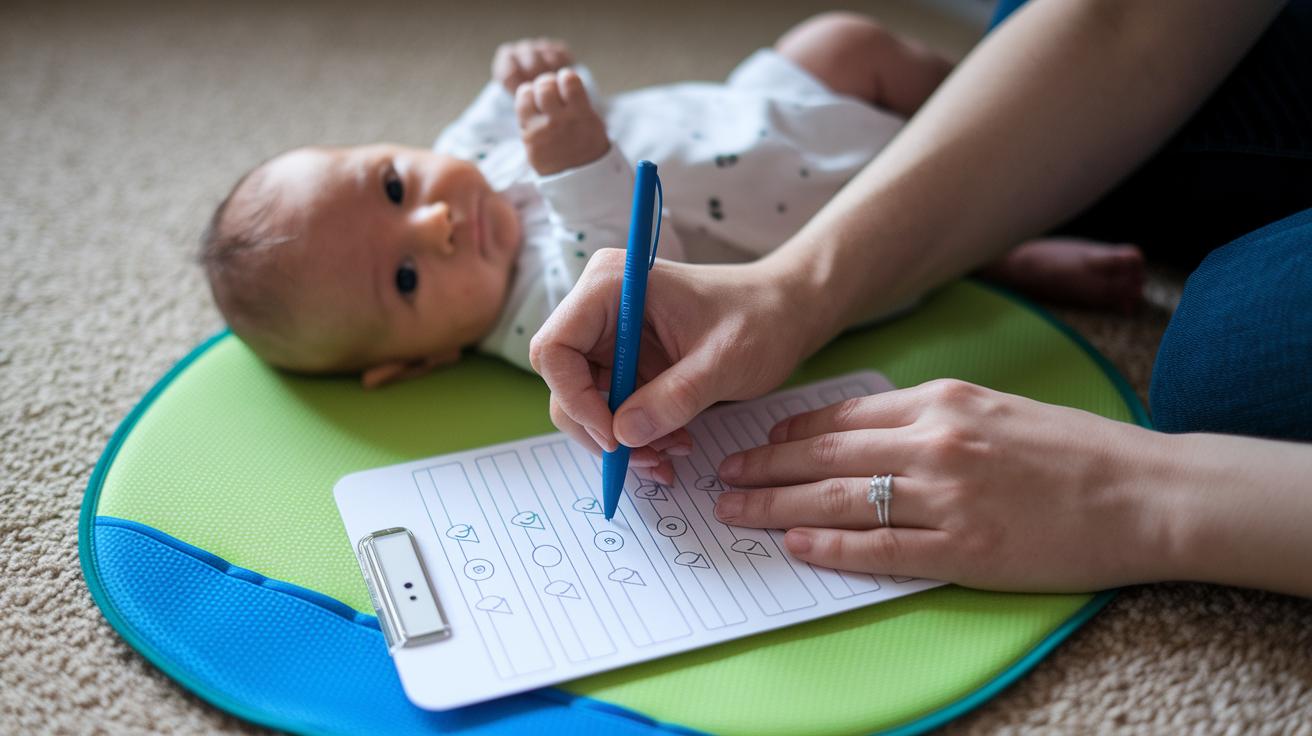
Parents and caregivers often use checklists and simple charts to watch as little ones get better at solving problems. These handy tools help you notice when your baby starts pulling toys out from under blankets or figuring out how to use a spoon or block in fun new ways. It’s like keeping a little diary of their progress as they learn to stack toys or reach up for something on a high shelf. It’s a gentle way to see all the tiny steps your child makes every day.

Regular checkups at around 9, 18, and 30 months add even more clues about your baby’s developing skills. At home, you might set up a little obstacle course or mix up their toys to spark their creative side. Asking fun, simple questions during these moments lets you see how their thinking is growing and changing. In short, these easy, ongoing check-ins let you celebrate every small win as your baby learns to solve everyday challenges.

Final Words

In the action, we've explored how infant problem-solving milestones emerge through specific age ranges, from simple challenges like retrieving a toy to more complex tasks like using tools. We looked at how play builds logic and skills while supportive parental engagement sets a nurturing environment. A reliable timeline and tracking tools guide parents to observe these essential behaviors. Every step is a chance to celebrate your child’s growth and potential. Embrace each milestone with care and optimism!

FAQ

At what age do babies start problem-solving?

Babies begin problem-solving as early as 8 months when they start retrieving toys and recognizing hidden objects. By toddlerhood, they often use simple tools to overcome obstacles as they grow.

What is an example of problem-solving in infancy?

An example is a baby pulling a toy from under a blanket, showing how they assess challenges and experiment with different ways to access what they want.

How do infants develop problem-solving skills between 6 and 9 months?

Infants explore by reaching for objects and testing different methods to overcome small challenges. This trial and error builds their early problem-solving skills during these months.

What are the major milestones for infant problem-solving?

Key milestones include retrieving hidden objects at 8–11 months, managing simple obstacles by 12–18 months, using tools like spoons by 17–24 months, and reaching higher targets around 30 months.

Where can I find resources like PDFs or checklists on infant problem-solving milestones?

Resources such as PDFs, checklists, and detailed charts are available online through trusted pediatric guidelines, including CDC recommendations and other reputable sources.

What milestones charts are available for baby development?

There are charts covering month-by-month development for babies from 0–12 months and 12–18 months. These provide clear guides for physical, cognitive, and problem-solving progress.

What are some 12-month problem-solving red flags parents should note?

By 12 months, red flags include showing little interest in exploring and struggling with everyday obstacles. These signals can help parents decide when to seek further evaluation.

Infant Joint Attention Milestones: Bright Signs Of Progress

0

Have you ever seen your baby's eyes sparkle when they discover something new, and then they turn to you as if sharing a little secret? Those precious glances are early signs of your baby learning to communicate and connect. In this piece, we'll chat about how these shared moments develop, from the first looks at around nine months to the deeper social skills that come later. Every little glance is a step in your baby’s journey to bond with the world.

Infant joint attention milestones: Bright signs of progress

Joint attention means the baby shares a focus or interest with someone else, like you. It usually starts to show itself around 9 months and blossoms into a steady skill by about 18 months. This simple act lays the foundation for those first sweet interactions between you and your little one, gently guiding early communication.

When your baby watches an object closely and then glances back at you to share the moment, they’re not just looking, they’re building blocks for language and social skills. Imagine a tiny tot holding up their favorite toy with a big smile, silently saying, "Look, isn’t this wonderful?" It’s like a tiny spark that lights up a path toward understanding and connecting with others.

These early moments help you see how your child is growing and can hint at even larger skills to come, like understanding what others think or feel. It’s reassuring to watch those little exchanges, reminding you that every shared smile and glance is a step in your baby’s amazing journey of communication and connection.

Milestone Timeline for Infant Joint Attention Development

img-1.jpg

Between 6 and 12 months, you may notice your baby using cute gestures or simple pointing to show what grabs their attention. It’s like they shift their eyes between a fun object and your warm smile, as if saying, "Hey, I want to share this moment with you!"

At around 9 to 12 months, your little one starts doing more than just mouthing things. They begin to use toys in playful ways, stacking blocks or pushing cars, and you might see hints that they’re learning a few words too. Imagine them pausing in their play to glance at you, as though inviting you to join the fun!

Between 12 and 24 months, toddlers blend gestures, steady eye contact, and early words to share what they experience and comment on the world. Their way of communicating grows richer as they join in mutual focus more clearly. And if you haven’t seen these signs by about 18 months, it might be a good idea to chat with a professional for some extra advice.

Key Behavioral Indicators of Joint Attention in Babies

Have you ever noticed your baby light up when you smile? That warm, beaming look shows they're already picking up on your feelings, as if saying, "I see you!"

Watch for those moments when your little one picks up a favorite toy or reaches for something and then glances at you. It might be a small point or a gentle offer of an object, quietly inviting you to share in the fun. Imagine your baby proudly holding a rattle and looking your way with a smile, it’s a sweet invitation to share the moment.

You might catch your baby trying to share excitement by pointing, making eye contact, or playfully gesturing. These little actions are building their early social and language skills. Picture them picking up a soft toy, turning to you with sparkling eyes, almost whispering, "I want you to see this."

Also, look out for those times when your baby's gaze lingers on you while exploring something new. That steady look is their way of saying, "Come join me in this." These brief, shared looks are heartfelt signs of early communication.

A kind smile or gentle praise can make all the difference. Each time you respond to these tender cues, it boosts your baby's confidence and encourages more joyful exchanges. Every shared look and little gesture is a stepping stone in their growing ability to connect, reminding you how precious these moments truly are.

Strategies to Promote Infant Joint Attention Growth

img-2.jpg

Spending time with your baby is a wonderful chance to connect and share a fun focus together. When your little one plays with a toy, join in and mirror their excitement. For example, if your baby grabs a bright red ball, you could smile and say, "I see the red ball!" This kind of simple comment shows you’re both enjoying the moment without any pressure.

Here are seven easy ways to help build joint attention during everyday play:

  • Follow what your baby is interested in by playing with the same toy or getting involved in their chosen activity.
  • Copy your baby's actions and sounds so they know you understand and care. If they wave their hands, you might wave too.
  • Use cheerful statements like, "I see the red ball!" instead of questions. This way, you model language in a natural, relaxed way.
  • Start simple play routines with short turns of about 5–20 seconds to help your baby adjust to sharing attention.
  • Use clear gestures, like pointing or saying "Look!" to gently guide your baby's focus.
  • Give your baby a little extra time, up to 20 seconds, to process your cues, which can boost their confidence.
  • Praise every shared moment, whether it’s a smile, a nod, or a happy babble. Each positive response builds a stronger connection.

Try these simple tips during play, and you might notice more delightful, shared moments of excitement and care.

Monitoring and Assessing Infant Joint Attention Progress

Keep a daily record of those special moments when your baby really connects with you. Every time your little one locks eyes with you while exploring a toy or a new activity, jot it down. For instance, you might write, "Today, baby held eye contact for five seconds during block play." It’s a simple way to see changes in focus over time.

Also note when your baby reaches out for your attention by pointing or showing you something interesting. Write down how often this happens. A quick note like, "Baby pointed at the stuffed bear three times this morning," gives you a clear picture of how their social skills are developing.

Pay attention to how your baby reacts when you point or say a gentle cue like "Look!" If they turn to you quickly or flash a smile, that’s a great sign of positive engagement. A brief note for each instance helps you keep track of their growing ability to connect with you.

Using a simple chart week by week can really help too. Write down the number of times and the length of these shared moments and attention bids. Over time, you’ll see a clear pattern of your baby’s social engagement and how their joint attention is blossoming.

Recognizing and Addressing Joint Attention Delays

img-3.jpg

Sometimes you might see that your baby isn’t joining in those shared moments as expected. For example, if your little one rarely makes eye contact or doesn’t point out or share toys during play, it could mean they’re still learning how to focus with you. When you notice these signs, it can help to gently try out some new ways to support that skill.

One friendly idea is to turn playtime into a shared adventure. Try holding up a favorite toy and saying, "Look at this!" This simple, fun invitation can make it easier for your baby to join in without feeling pressured. You can also use clear pictures or a little schedule (a simple guide) to show what happens next in play. It’s like giving your baby a small roadmap. And sometimes, simply showing your own excitement, maybe pointing at something bright or cool, can help guide them too.

Regular, calm play sessions make a big difference. Choose a quiet, cozy spot with few distractions so your baby can feel safe and focus better. And if these shared moments still seem hard to come by despite your efforts, it might be a good idea to reach out to a professional. They can help make sure your child’s social and language skills are on track.

Final Words

In the action, this post explained how joint attention unfolds during infancy and highlighted key behaviors like shared gaze and pointing. It walked through milestones from early gaze tracking to clear signs of social engagement. We also reviewed practical tips for encouraging these moments and simple ways to keep track of progress. Celebrating small improvements builds a strong base for later growth. Every shared moment helps boost infant joint attention milestones, leaving room for smiles and meaningful connections.

FAQ

Infant joint attention milestones pdf

The infant joint attention milestones PDF outlines key behaviors like eye gaze and pointing that emerge between 9 and 18 months, guiding caregivers in tracking social and communication skills.

What is joint attention in child development

The concept of joint attention in child development means sharing focus with another person, which is crucial for building language skills and social interaction abilities in infants.

Joint attention checklist

The joint attention checklist includes behaviors like shared gaze, pointing, and object sharing. It helps caregivers and professionals monitor an infant’s social engagement and developmental progress.

Joint attention example and examples of joint attention in toddlers

The joint attention example in toddlers is when a child uses eye contact and pointing to share an interesting object with a caregiver, demonstrating early social communication skills.

Joint attention development

Joint attention development refers to a child’s growing ability to share focus with others. It typically begins to appear around 9 months and becomes well established by 18 months, supporting later learning.

How to teach joint attention in autism

Teaching joint attention in autism involves using engaging, structured play and clear visual cues. Modeling eye contact and gestures can help children with autism develop shared focus skills.

When should babies show joint attention and what are the early signs of joint attention

The early signs of joint attention, like shared gaze, smiling, and pointing, usually appear around nine months. These behaviors indicate that babies are beginning to interact socially and communicate nonverbally.

What age does joint attention start in autism

The age when joint attention starts in autism can be later than in typical development. While most infants begin around nine months, children with autism might develop these skills at a different pace.

What are the stages of joint attention

The stages of joint attention include initial reciprocal eye contact, proto-declarative pointing, and coordinated attention using both gestures and vocal cues, reflecting a gradual build-up of social engagement skills.

The Impact Of Stress On Maternal Nutrition: Uplifting

0

Ever wonder if feeling stressed while you're pregnant might change how your body takes in food? Studies show that high stress can mean fewer nutrients like iron and vitamin C reach both you and your baby. It’s not just about feeling overwhelmed; it can upset your body’s natural balance.

In this post, we’re going to chat about how stress can shake up your nutrition and share some small, gentle changes you might try to help you feel better during these delicate times. Sometimes, even a little change can make a real difference in your day.

How Pregnancy Stress Alters Maternal Nutrition

Pregnancy stress really shows up in a mom’s nutrition. Studies have found that when a mom feels a lot of stress, her body might not absorb as many good nutrients. This can affect her health and that of her baby. In simple terms, high stress can mix up the way your body uses food. One study even noted that under high stress, it can be hard for a mom to soak up essential vitamins like iron and vitamin C, and she might reach for foods that are high in calories but low in vitamins.

Stress can also make moms lean towards comfort foods that aren’t very nutritious. This means both the mom and her growing baby might miss out on important micronutrients. One economics study discovered that stress during pregnancy might change a baby’s future eating habits, sometimes leading to less healthy diets during childhood. Basically, stress can interfere with how well the body digests and uses the food we eat.

When a mom feels constant stress, it can start a chain reaction in her body. High cortisol and other stress hormones can change the way sugar and fats are processed. This might even increase the chance of the baby having obesity-related issues later on. In other words, ongoing stress can throw off the careful balance of nutrition needed for both mom and baby, which isn’t good for long-term health.

Understanding how pregnancy stress changes nutrient absorption is really important. By managing stress, moms can help improve their nutrition and support both their own health and that of their baby during this sensitive time.

Cortisol Effects on Maternal Nutrition and Metabolism

img-1.jpg

When stress hits during pregnancy, your body produces more cortisol. This extra hormone can make it harder for you to absorb key nutrients like iron and vitamin C, which are essential for your energy and your baby’s growth. Picture it as a clogged filter that stops important nutrients from reaching where they’re needed.

Research shows that high cortisol levels can also mess with your digestive enzymes. In other words, your body might have a tougher time breaking down and using those small but important nutrients. It’s much like a blocked filter that doesn’t let the good stuff through.

On top of that, extra cortisol changes how your body handles sugar, which might leave you feeling more tired than usual. It also shifts the balance of fats in your body, affecting the fats your cells really need. Ever notice how a small change can sometimes make the whole day feel different?

All these hormonal changes set off a chain reaction that makes it harder for nutrients to pass from mom to baby. This can impact overall nourishment during such a crucial time. Taking a moment to understand these changes might help you find little ways to support your body along this journey.

Stress-Induced Dietary Changes Affecting Maternal Nutrition

When stress hits, it can really change how you eat. You might find yourself grabbing comfort foods that are high in calories but low in the good stuff your body needs. It’s a lot like riding a roller coaster, one minute you’re set on a healthy meal, and the next, stress nudges you toward a quick, sugary snack that only adds to your worries.

Stress can also throw your usual eating routine off balance. Maybe you end up snacking more often or even skipping meals altogether. Imagine your hunger signals as a gentle dance that suddenly goes out of step. Sometimes you might munch even when you’re not truly hungry or miss a meal because anxious thoughts take over. This shift can leave you with an unsteady appetite, which not only affects how you feel but also the nutrients you’re able to share with your baby.

For example, you might sit down for dinner, hoping for a balanced plate with proteins and veggies, only to end up reaching for a bag of chips. When regular meal times go awry, it can be harder for your body to gather the nutritious fuel it really needs during this important time.

Nutrient Deficiencies in Maternal Nutrition Under Chronic Stress

img-2.jpg

When you’re pregnant and dealing with ongoing stress, your body might not use important nutrients as well as it should. This constant worry can lower levels of iron, folate, vitamin D, and magnesium. When these vitamins and minerals aren’t absorbed properly, it can lead to problems like low birth weight, early delivery, and even changes in your mood. Think of it like a well-oiled machine that can slow down if one part isn’t working right.

Under stress, your body struggles to meet the extra nutrient needs that come with growing a baby. Even if you’re enjoying a good, balanced diet, your cells might still miss out on the fuel they need. This is why taking prenatal vitamins can be a lifesaver, it helps cover any gaps caused by stress. It’s a bit like trying to run your car on lower-quality fuel; you just won’t get the performance you need.

When your body isn’t getting enough nutrients, both you and your baby can feel the effects. You might notice more tiredness or mood swings, and your baby could face some delays in growth or development. Even small changes, like mixing a balanced diet with ways to lower stress, can really help. Imagine taking a short break for mindfulness or enjoying a quick, relaxing walk, a little each day can make a big difference.

So, consider setting aside a few minutes each day to breathe and relax. These small steps not only ease stress but also help your body better use the nutrients it needs during this precious time.

Managing Stress to Support Maternal Nutrition: Evidence-Based Strategies

When stress builds up during pregnancy and makes it hard for your body to use nutrients, try making some small changes. Simple steps like deep breathing and guided imagery can help calm your mind and work well with a set meal plan. You might set aside a few minutes after meals to take slow, deep breaths. Have you ever tried imagining a gentle stream washing away your worries? It’s a simple way to find a bit of calm in your busy day.

Mindful eating can also be a big help. Paying attention to each bite, the texture, taste, and smell, can quiet stress-induced cravings and help your body absorb nutrients better. It’s a bit like turning down static on your favorite radio station, leaving you with a clearer signal and a calmer mind.

A steady meal plan can boost your overall wellness too. A balanced mix of fruits, vegetables, lean proteins, and whole grains gives you the fuel you need while curbing the urge for quick, high-calorie snacks. Here are a few ideas to blend stress relief into your meal routine:

What to Do Why It Helps
Stick to regular meal times It keeps your blood sugar steady
Have small, frequent meals and healthy snacks This helps manage hunger and energy levels
Add anti-inflammatory foods They can ease your body during stressful moments

Feel free to adjust your meals based on how you’re feeling. If a heavy meal makes you sluggish, try something lighter or enjoy a warm cup of herbal tea. Think of it as tweaking a favorite recipe, you make small changes that help your body handle stress better and support your nutritional needs every day.

Prenatal Nutrition Counseling and Wellness Programs to Safeguard Maternal Nutrition Under Stress

img-3.jpg

Integrated prenatal programs give expecting moms a mix of expert counseling and stress-relief workshops, all aimed at supporting good nutrition. They help moms discover easy meal-planning tips while also tackling the everyday stress that might mess with a balanced diet. Plus, you get clear advice on adding nutrient-rich foods to your meals along with practical ideas for keeping mealtimes regular, even when worry sneaks in.

These sessions offer real-life advice on staying on track with a balanced diet for expecting mothers even when life gets busy. When you work with friendly nutrition experts, you learn small, smart tweaks that boost your well-being , and your baby’s , without overwhelming you. They share simple methods like managing portions, mixing up your menus, and making sure you get the right nutrients despite any stress.

The wellness side of these programs also cares a lot about mental health. They teach easy techniques to calm emotional tension, drawing on helpful tips from trusted strategies for preventing and managing maternal burnout. This thoughtful mix not only builds confidence but helps you stick to good eating habits and shields both you and your little one from the harsh effects of stress.

Final Words

In the action of reducing stress and boosting well-being, our discussion highlighted how prenatal stress alters nutrient uptake and maternal-fetal exchange. We explored how cortisol can affect digestion and shift eating habits, leading to potential nutrient gaps. Research-backed strategies like mindfulness and structured meal planning show promise in strengthening maternal health. Understanding the impact of stress on maternal nutrition can help families foster better daily choices. Small changes truly make a meaningful difference, lighting the way toward better health for both mother and baby.

FAQ

What is the effect of emotional stress during pregnancy on the baby, including brain development?

The effect of emotional stress during pregnancy on the baby means higher cortisol levels can alter brain development and growth. This stress may reduce nutrient delivery, which is critical for healthy neurological and overall development.

What are the effects of poor nutrition during pregnancy on the baby and mother?

The effects of poor nutrition during pregnancy include risks like low birth weight and developmental delays for the baby and increased fatigue and complications for the mother. Proper nutrient intake supports both immediate and lasting health.

In what ways does nutrition during pregnancy impact the mother and child after birth?

Nutrition during pregnancy impacts both mother and child after birth by influencing recovery, energy levels, and early growth. A balanced diet during gestation can lead to better physical and cognitive outcomes for the child.

How does stress affect pregnancy, especially in the third trimester, and what emotional impacts may arise?

How stress affects pregnancy, especially in the third trimester, is seen when high cortisol levels disrupt metabolism and may trigger preterm labor. It also can lead to increased anxiety or mood swings in the mother.

How can stress influence nutritional intake during pregnancy and lead to deficiencies?

How stress influences nutritional intake is by prompting unhealthy eating habits and reducing the body’s ability to absorb key vitamins and minerals. This disruption might cause deficiencies that affect maternal health.

Postpartum Lifestyle Adjustment Tips: Embrace New Joy

0

Do you feel a bit overwhelmed by how different life seems now? Having a baby can turn your world upside down, almost like a long road trip where even a quick break feels important. When you slowly adjust your routine, catching some rest during baby naps, planning easy meals, and taking gentle walks, you invite a fresh burst of energy and hope.

In this article, you’ll find simple lifestyle tweaks that help bring back your spark. It’s all about finding little moments of joy in this new chapter of life.

Postpartum Lifestyle Adjustment Tips: Essential Strategies for Your Fourth Trimester

Start by putting rest first. When your baby naps, let that be your chance to take a little breather, even if it’s just for 15 minutes. Think of it like a quick pit stop on a long family road trip, each mini-break helps refill your energy tank.

Plan your meals ahead with care. Cook up some hearty soups, casseroles that freeze well, or whip together a vibrant salad. Imagine warming up a bowl of vegetable stew later on, a simple meal that not only fills you up but also nurtures you from the inside out.

Ease into gentle movement as your body adjusts. A slow walk around your neighborhood or a few light stretches can help ease tight muscles and slowly rebuild your strength. Picture a peaceful stroll in the park, a little getaway that refreshes both body and mind.

Lean on your support network. Whether it’s a good friend, a family member, or a postpartum doula, having someone to chat with can make a world of difference. Imagine sitting down for a quiet cup of tea with a friend, sharing that moment of calm when you really needed it.

Keep the conversation open with your partner about baby care and household chores. Even a brief, shared coffee break can help balance the day's tasks and bring you closer together. When you both share these small moments of support, the journey into new motherhood feels a little less overwhelming and a lot more rewarding.

Postpartum Lifestyle Adjustment Tips for Physical Recovery

img-1.jpg

Now that you’re past the very early days of recovery, it might be a good idea to start some gentle exercises that help build strength and balance. Try focusing on pelvic-floor moves that go beyond the basic squeeze. Picture this: you tighten your pelvic muscles, hold for five seconds, and then slowly relax. With each turn, you can feel your strength growing.

You might also add some core exercises that work well with your pelvic routines. For example, try a gentle modified bridge: slowly lift your hips while your lower abs and pelvic muscles are working together, then lower yourself with care. It’s a bit like taking a big, refreshing breath that lifts your mood and steadies you.

Simple yoga sequences can be a real help, too. Try poses that support your lower back and build core strength. Imagine moving softly from a modified downward dog into a seated stretch, each pose guiding you step by step back to balance.

When you feel ready to move ahead, consider making these exercises a part of a regular routine. And don’t hesitate to ask a postpartum doula for some friendly advice on the right techniques, ensuring you move at a comfortable pace that feels just right.

Postpartum Lifestyle Adjustment Tips for Maternal Nutrition Advice

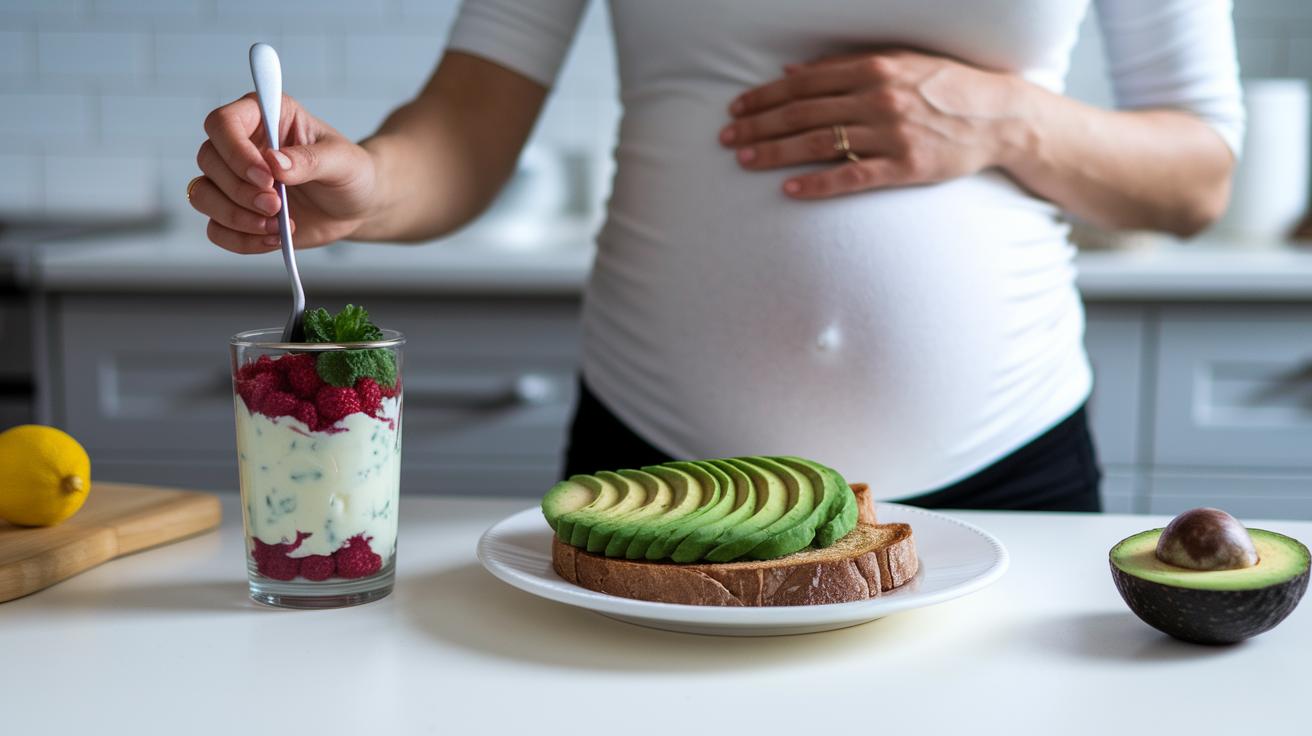
Have you ever thought about starting your day with something warm and nourishing? Imagine a bowl of oatmeal mixed with berries, simple, yet packed with B-vitamins and minerals to give your recovery a gentle boost.

Next, why not try batch-cooking meals that help ease your day? Picture preparing a hearty vegetable soup with lean proteins and whole grains. Each bowl, rich in omega-3 fatty acids and calcium, is ready for a busy day when you need a quick, comforting bite.

It also helps to mix in fresh fruits and crisp veggies. Try topping a salad with slices of apple or pear, a few greens, and a sprinkle of nuts to add that extra fiber and vitamins, it's a little treat that feels both vibrant and satisfying.

And don’t forget to keep water with you throughout the day. A water bottle with a few slices of lemon or cucumber not only flavors your drink but also keeps you refreshed and supports your energy levels.

Each of these simple steps, from a nourishing breakfast to easy batch-cooked meals and refreshing drinks, helps build a path toward healing and strength while making everyday life just a bit easier.

Postpartum Lifestyle Adjustment Tips for Sleep Schedule Improvement

img-2.jpg

When your little one takes a nap, try to catch some shut-eye too, even a quick 15-minute nap can feel like a refreshing reset on a busy day. It’s amazing what a little rest can do for your energy and mood.

Take a moment to set up your bedroom as a cozy sleep haven. Think about using blackout curtains to keep the room dark, and maybe a white-noise machine that fills the silence with a soft, steady hum. Imagine the gentle sound wrapping around you like a warm blanket, inviting a deeper sleep.

You might also try easing your baby into sleep with gentle swaddling and soft rocking. Wrap them snugly and rock slowly until you find that just-right rhythm, kind of like adjusting your favorite armchair until it feels perfectly supportive.

Share those nighttime feedings with your partner whenever you can. Taking turns might help both of you get a longer stretch of sleep. Maybe one of you can handle the early hours while the other enjoys some more rest, small teamwork moments can really make a difference.

And don’t forget about your own little breaks during the day. Taking 15-20 minutes for a quiet moment with a warm cup of tea can help you feel recharged. It’s like giving yourself a mini-vacation, even on the busiest days.

Postpartum Lifestyle Adjustment Tips: Embrace New Joy

Taking time for your heart is just as important as healing your body. Chatting with a close friend or joining a small support group can help ease those heavy days. Keeping a mood journal, even on times when feelings run high, lets you notice little sparks of happiness, like a quiet afternoon spent with your baby. These small brightenings, even if brief, remind you that every win counts.

Be kind to yourself. It’s easy to get caught up in perfect pictures on social media, but your unique journey deserves celebration. Treat each moment, like enjoying a peaceful cup of tea, as a reminder that your efforts matter.

Identifying Postpartum Depression

Keep an eye out for changes in sleep, constant sadness, or feeling distant from your baby. If anxiety or feelings of being overwhelmed stick around, it might be time to talk with a health care professional. Sometimes even a simple check-in with a counselor can lighten the load. I once heard someone say that when days blur together, talking to someone helped make every moment feel a bit more bearable.

Practicing Self-Compassion and Mindfulness

Try a guided meditation for just a few minutes each day to quiet your busy mind. Writing down thoughts with prompts like "Today I felt grateful for…" can capture the small joys that build up your inner strength. And remember, joining in on peer-support meetings, whether in person or online, can remind you that you’re never alone on this journey. Embrace these gentle practices as ways to bring balance and more joy into your life during the fourth trimester.

Postpartum Lifestyle Adjustment Tips for Infant Care Guidance and Home Management

img-3.jpg

When things get busy with your new baby, having a few simple systems in place for care and home management can really make your day easier. Try to build a network of trusted family, friends, or even a postpartum doula (someone who supports new moms) who can help with on-demand feedings, soothing techniques like swaddling or white noise, and even little household chores. Imagine someone stepping in to handle a feeding so you can grab a few precious minutes of rest.

One idea to keep your home calm is to have a “gatekeeper.” This could be your partner or a close friend who organizes visitor drop-ins to keep your space quiet and stress-free. Picture your day getting smoother because you have someone to manage unexpected visits, leaving you more time for cuddle sessions with your baby.

Involving older siblings in simple tasks can also be a big help. When they hand over a diaper or fetch a bottle, they not only lighten your load but also feel important. Here are a couple of quick ideas:

Idea How It Helps
Make a daily task list Everyone knows how they can pitch in
Create a baby essentials spot The items you need are always within reach

These little steps can help ease childcare stress and add moments of joy to your routine, showing that sometimes, even small changes can make a big difference.

Postpartum Lifestyle Adjustment Tips for Partner Communication and Family Support

In the busy days after having a baby, keeping an open line of communication is so important. Try spending about 10 minutes after your morning feed to chat with your partner, sharing how you're feeling, catching up on tasks, and planning the day. For example, you could say, "I felt a bit overwhelmed this morning, but a quick chat helped me reset," to let your partner know when you need a little extra help.

You can also use this time to figure out how to share responsibilities. Maybe one day you welcome a visitor while your partner rests, and the next day you swap roles. Even better, set up a "visitor window" during which both of you know it's time for some quiet, peaceful moments.

These honest, scheduled chats not only help balance daily tasks but also strengthen your connection with each other.

Final Words

In the action, we covered key aspects of postpartum care, from gentle physical recovery and balanced nutrition to sleep schedule strategies and emotional healing support. We talked about tips for caring for your baby and ways to keep your home organized while maintaining clear partner communication. Each section offered postpartum lifestyle adjustment tips to help ease the early days of new motherhood. Let's move forward with optimism and practical steps, embracing care and connection every day.

FAQ

What should be on a postpartum self-care checklist?

The postpartum self-care checklist includes planning for rest, preparing nourishing meals ahead of time, scheduling gentle exercises, and arranging a support system so you feel cared for both physically and emotionally.

How do I take care of and tighten my vagina after giving birth?

The guidance for caring for your vagina after birth suggests keeping the area clean, performing gentle pelvic exercises, and consulting a health care provider for advice on safe methods to help tone muscles naturally.

What are effective postpartum recovery tips and things not to do after giving birth?

The postpartum recovery tips encourage you to rest when possible, engage in gentle movements, and avoid high-impact activities or heavy lifting until your doctor gives clearance for more intense workouts.

How long does it take for your body to return to normal after birth?

The timeframe for your body to return to its pre-pregnancy shape varies, with gradual improvement seen in a few weeks; however, full recovery, especially of pelvic muscles, may take several months.

What essential postpartum tips and postnatal care advice should new moms follow?

The essential postpartum tips include building a support network, preparing healthy meals in advance, prioritizing both rest and self-care, and practicing gentle exercises to help your body heal and adjust after childbirth.

Mcg Versus Mg On Vitamins Brings Clarity

0

Ever noticed the little details on vitamin labels and wondered if they really matter? When you see mcg or mg listed, it isn’t a mistake. It tells you exactly how much of the vitamin you’re getting. Think of micrograms as a tiny pinch and milligrams as a full scoop that helps power your day.

This explanation clears up the confusion and shows you why knowing these numbers can help you choose the best for your health. Let’s take a closer look at just how these details can make a difference in your daily wellness.

Understanding mcg vs mg in Vitamin Dosages

When you check vitamin labels, you may see values in mcg or mg. mcg means micrograms, which is one-millionth of a gram, while mg stands for milligrams, or one-thousandth of a gram. Even though these units look similar, they actually tell you very different things about how much of a nutrient you’re getting.

Micrograms are used when you only need a tiny amount of a nutrient, or when too much of it might be harmful. Think of it like using just a pinch of salt in a recipe. On the other hand, milligrams are used when your body needs more of that nutrient, kind of like adding a full scoop of something energizing to your day.

Have you ever wondered why some vitamins like folic acid or vitamin D are shown in micrograms? It’s because they need to be a delicate balance for good health. Meanwhile, vitamins such as vitamin C or minerals like calcium are often listed in milligrams since your body uses them in larger amounts.

Understanding this simple difference can really help you pick the right vitamins to keep your body happy and healthy.

Converting mcg to mg for Supplement Dosing

img-1.jpg

First, look at the supplement label and find the microgram amount. This tiny number is where you start.

Next, divide the micrograms by 1,000. This works because 1,000 micrograms equal 1 milligram. It's a simple math step that helps make sure you're using the right amount.

Then, check your answer. Compare it to what you expect for that nutrient. This extra look helps you feel sure that the dose is safe and right for your needs.

For example, if the label says 50 micrograms, dividing 50 by 1,000 gives you 0.05 milligrams. And if it's 1,000 micrograms, you'll get exactly 1 milligram. Following these steps makes it easier to handle high-potency supplements or even when dosages need to be very exact.

mcg versus mg on vitamins Brings Clarity

Reading supplement labels can feel like a friendly puzzle you get to solve. When you hold a vitamin bottle, you’ll see both mcg (tiny measures called micrograms) and mg (a bit bigger, called milligrams). These numbers help you know exactly how much of each vitamin you’re taking. You might also see sections like "Suggested Use", "Serving Size", "Amount Per Serving", and "% Daily Value" that make it easier to see the whole picture.

Taking a careful look at these parts of the label is really helpful:

Key Area Description
Suggested Use Guidance on how to take the vitamin
Serving Size How much you should take at one time
Amount Per Serving The dose of vitamins in one serving
% Daily Value The percent of your daily nutritional need met

Sometimes, you might also come across International Units (IU) for vitamins like D and E, or Colony Forming Units (CFU) when it comes to probiotics. Have you ever seen something like "Vitamin D3: 50 mcg (2,000 IU)"? This way, you get a clear look at both ways of measuring the vitamin. Comparing mcg and mg on labels lets you know which vitamins are needed in just a tiny pinch and which ones give you a larger boost. This little clarity makes it easier to choose the right supplement and keep track of your daily nutrition.

Setting Daily Intake: mcg and mg Guidelines

img-2.jpg

When it comes to vitamins, the right amount really depends on your age, gender, and life stage. Some vitamins, like folic acid and B12, are needed in really small doses (measured in micrograms), while others, like vitamin C, call for larger amounts (measured in milligrams). For instance, adults need about 400 mcg of folic acid. You can check out more details at folate vs folic acid if you're curious.

Vitamin B12 is similar, it’s measured in micrograms because our bodies only need a bit. Meanwhile, vitamin C is required in higher amounts, with a Recommended Daily Allowance of 75–90 mg. And even though vitamin D is sometimes shown in International Units (IU), its dose is actually measured in micrograms too. This clear way of measuring helps make sure you’re getting just the right amount to support your everyday health.

Vitamin Recommended Daily Intake (units)
Folic Acid 400 mcg (folate vs folic acid)
B12 2.4 mcg
Vitamin C 75–90 mg
Vitamin D 15–20 mcg (600–800 IU)

Visual Conversion Chart for mcg and mg in Vitamins

When you check vitamin labels, it really helps to know how to change micrograms into milligrams. Knowing that 1,000 mcg equals 1 mg makes it easier to figure out the right doses. For example, vitamin D3 is often listed as 50 mcg, which is the same as 0.05 mg, along with 2,000 IU. Have you ever noticed how these numbers almost look like steps on a simple recipe for well-being? It turns a puzzling dosage into something that feels organized and clear.

Below is an HTML table that shows a side-by-side look at key nutrients on supplement labels. This chart lists the values in micrograms and then turns them into milligrams, plus gives you International Unit numbers when they are available. Take vitamin B12, for instance, it's shown as 2.4 mcg because our bodies need only a tiny bit. Meanwhile, vitamins like vitamin C come in bigger doses (60 mg) and minerals such as iron are usually measured in milligrams too. This simple layout makes it easier to compare different supplements and know exactly what you’re getting.

Vitamin mcg Value mg Equivalent IU Value
Vitamin D 50 mcg 0.05 mg 2,000 IU
B12 2.4 mcg 0.0024 mg N/A
Folic Acid 400 mcg 0.4 mg N/A
Iron 18,000 mcg 18 mg N/A
Vitamin C 60,000 mcg 60 mg N/A

Maintaining Accuracy with mcg and mg Supplement Labels

img-3.jpg

When you check supplement labels, knowing you have the right amounts makes a big difference. Many makers stick to FDA rules (called cGMP guidelines) so you can trust their products are labeled correctly. Still, sometimes labels hide details in secret mixes. So, here are three simple ways to be sure you’re really getting what you need:

  1. Check for cGMP compliance – Look for a note on the label that tells you the product is made following FDA cGMP guidelines. This shows the maker uses strict quality checks, which makes converting mcg to mg reliable.

  2. Look for independent testing seals – If you see a seal from a trusted third party, that’s a good sign. It means experts have checked the product for accurate doses and pure ingredients.

  3. Consult a healthcare provider about dose conversions – Even if the label seems clear, a healthcare professional can help you confirm that switching from micrograms to milligrams is done right. They might also point out small details about how different ingredients are measured.

Taking these steps can clear up the confusion that sometimes comes with labels, ensuring you get the vitamins and minerals you need for a healthy routine.

Final Words

In the action, we broke down the differences between micrograms and milligrams and made sense of vitamin labels. We stepped through easy conversion tips and daily guidelines that help make picking the right supplement a bit more clear. We walked through practical measuring tricks for everything from folic acid to vitamin C. Remember that knowing mcg versus mg on vitamins can empower you to choose supplements confidently. Every small step brings positive progress for you and your family.

FAQ

Q: What does mcg mean in vitamin B12 dosage?

A: The term mcg means micrograms, representing one-millionth of a gram, used to measure tiny amounts of nutrients like vitamin B12 to ensure accurate, safe dosing.

Q: Which unit is bigger, mg or mcg?

A: The mg (milligram) is larger than the mcg (microgram); one mg equals 1,000 mcg, making it suitable for measuring nutrients required in larger amounts.

Q: What is the difference between mg and mcg in medicine and vitamins?

A: The difference is in the scale of measurement: mg measures larger doses while mcg is used for smaller, potent nutrients, ensuring precise dosing for vitamins like C versus vitamins like D and B12.

Q: How do mcg, mg, and IU compare on vitamin labels?

A: mcg and mg denote weight while IU (International Units) show potency for vitamins like D and E; each measurement system provides unique dosage details on supplement labels.

Q: How do I convert mg to mcg?

A: To convert mg to mcg, multiply the number of mg by 1,000, since one mg is equal to 1,000 mcg, ensuring accurate dosage calculations.

Q: Are 1,000 mcg and 1 mg the same?

A: Yes, 1,000 mcg is equal to 1 mg, as they represent the same quantity based on the conversion that 1 mg equals 1,000 mcg.

Q: Is it safe to take 1,000 mg of vitamin D3 daily?

A: The term 1,000 mg of vitamin D3 is misleading because vitamin D3 is typically measured in mcg or IU; always consult a healthcare provider for safe intake recommendations.

Q: Which is stronger, mg or mcg?

A: Strength isn’t determined by mg or mcg alone; mg represents a larger quantity, but effectiveness depends on the nutrient’s potency and the body’s requirement.

Q: Is a higher mcg dosage better?

A: A higher mcg dosage isn’t automatically better; it depends on the specific nutrient and individual needs, so following healthcare advice is key to safe and effective supplementation.

Infant Imitation Milestones: Flourishing Early Progress

0

Have you ever seen your baby copy your smile and wondered why it's so important? It's more than cute, it shows that your little one is learning to connect with you and the world around them. These early little moves help build the foundation for language and motor skills while creating special moments between you both.

Today, let's talk about why these mimic moves are such important milestones. As your baby grows, you'll notice even more exciting behaviors that help build a stronger bond with you. Have you ever thought about how a simple smile can be the start of so many amazing conversations?

Understanding Infant Imitation Milestones: Timeline and Key Behaviors

From the very beginning, babies start copying their parents’ actions. Even in just a few weeks, little ones begin to mirror what they see, all thanks to the special mirror cells in their brain. If you’re curious about what to expect each month, you might want to look at our detailed guide on infant milestones.

By 2 to 4 weeks, your baby starts showing the first signs of imitation. They might open their mouth wide, stick out their tongue, or widen their eyes when you do these things. Picture your little one looking right up at you, their face lighting up as they echo a playful gesture. It’s like a tiny conversation that quickly turns into a heartwarming exchange.

Then, as they reach about 3 to 4 months old, those cute little gestures begin to grow. Babies start to smile or click their tongue in response to you. These early actions aren’t just adorable, they also help set the stage for learning how to communicate. Imagine sharing a gentle smile with your baby, each of you exchanging silent messages that say, “I care about you.”

By 6 to 9 months, you might see even more complex actions emerging. During familiar routines, many babies wave or clap. These new moves are great for building motor skills, timing, and visual tracking. They pave the way for advanced communication and more physical skills as they grow.

When you interact with your baby, making eye contact, smiling, or copying their movements, you’re not only sharing joyful moments, you’re also encouraging them to learn and mimic even more naturally.

  • Babies learn best by watching and imitating.
  • They start with simple face-only actions and move to full-body gestures.
  • Each step of their imitation journey builds their ability to communicate.

Neonatal Replication Actions and Early Facial Mimicry

img-1.jpg

Research shows that babies copying faces isn’t the whole story. It seems that the way their brain connects can change how and when they react to expressions. For example, scientists have noticed that even tiny differences in brain wiring might mean one baby smiles a bit earlier than another, especially in areas like the inferior frontal cortex (a part that helps turn what you see into a little movement).

Some little ones show a wider range of facial expressions, which tells us their brains might be picking up social cues in different ways. This helps us learn more about how early brain development works and how sensitive each baby might be to the people around them.

Brain Region Role in Facial Imitation
Inferior Frontal Cortex Helps turn seen expressions into movements
Superior Temporal Sulcus Helps process social cues and facial motions

These little differences in brain responses show us that infant expressions are more than simple copying. They give us a richer look at how babies begin to engage with the world and express their feelings.

infant imitation milestones: Flourishing Early Progress

Around 4 to 6 months, little ones do more than just mimic faces. Their growing motor skills now let them copy actions with a clear sense of cause and effect. They show their excitement and curiosity through each little move. Have you ever seen a baby try to clap after watching you? It’s like a gentle, playful chat where actions speak louder than words.

Key actions they often copy include:

  • Clapping hands
  • Waving goodbye
  • Banging toys or spoons (showing cause-and-effect learning)
  • Stomping feet
  • Blowing kisses

Each of these actions helps boost their coordination and timing. They also learn to track moving objects with their eyes before copying the motion. Picture a baby, arms flailing with a big smile, trying to wave just like you do. These early steps are not only adorable but also set the stage for more complex social skills and daily tasks. In truth, moving from simple facial mimicry to full-body actions is a big, exciting milestone in a baby's development.

Vocal Imitation and Early Cognitive Modeling

img-2.jpg

Around 4 to 6 months, babies start exploring the world of sounds by cooing and babbling. It’s like they’re having a little chat with their surroundings. Have you ever noticed your baby mimicking your tone? Try saying "baba" and see if your little one echoes it back. It’s a fun, heartwarming way to see their attention and memory in action.

By the time they’re 9 to 12 months old, these tiny language explorers begin imitating simple sounds like "mooo" or "beep-beep" and even little exclamations such as "wow" or "uh-oh." These moments aren’t just adorable, they’re laying down the building blocks of language. Every playful sound helps build up their memory for words and boosts their little cognitive skills, as they learn to remember and reproduce the sounds they hear.

Each babble is a tiny step toward better communication. When you whisper or sing to your baby, those gentle echoes nurture both their ears and minds, encouraging social learning and a budding understanding of how language works.

In truth, these early sound adventures open up a wonderful path toward future language skills and meaningful social interactions for your little one.

Advanced Milestones: Verbal Routines, Functional Words, and Simple Phrases

Between 12 and 18 months, toddlers often start mimicking nursery rhymes and other phrases they hear every day. It’s such a sweet moment when your child says "More juice" after you offer more drink, it shows they're beginning to piece words together like in real conversations.

Around this time, they also pick up important words like "please," "thank you," and "sorry" just by listening and watching. Imagine saying a cheerful "thank you" and hearing your little one echo it back. These moments help them learn how to be polite in everyday life.

  • Mimicking nursery rhymes helps build a natural rhythm and memory.
  • Repeating simple phrases supports early sentence building.
  • Echoing words like "please" and "thank you" lays a strong base for friendly interactions.

All these early imitation skills work hand in hand to boost their motor skills, social understanding, and language, showing a wonderful overall growth in their development.

Tracking Milestone Progression and Identifying Delays in Imitation

img-3.jpg

Watching your baby try to copy you is a wonderful peek into how they’re learning to communicate and connect with others. When your little one stops mirroring smiles, hand claps, or sounds after about 12 to 18 months, it might be a sign that they need a bit more support. Keeping an eye on how they mimic you, like returning a smile or trying to copy your clapping, can really show you how they're picking up social cues.

If you notice your baby isn’t imitating as much, try making your interactions a bit more animated. For instance, say "hello" with a big, warm smile and gently repeat the sounds your baby makes. It’s amazing how a little extra enthusiasm can invite them to join in more actively.

Pay attention to these small moments every day. They can help you notice patterns or spot any early challenges in your baby’s behavior. For more helpful advice, check out the parenting tips for child development at WomensConference.org.

Keep observing simple gestures and sounds. Watch for consistent repetition in routines. Model clear actions for easy copying.

Final Words

In the action, we explored how infants start by copying simple expressions, then move into gestures, vocal sounds, and even basic words. Each stage builds on the previous one, supporting your little one’s growth in both body and language.

We discussed how tracking these infant imitation milestones helps guide gentle interventions. Remember, these early behaviors aren’t just cute, they lay the foundation for later learning. Embrace each precious moment and enjoy watching these skills blossom!

FAQ

When do babies imitate actions?

Babies start imitating actions as early as 2–4 weeks by copying simple facial expressions like tongue protrusion and eye widening. Later, they begin clapping and waving around 6–9 months.

Why is imitation important in child development?

Imitation helps babies learn how to communicate, develop motor skills, and pick up social cues, all of which lay the groundwork for more complex interactions as they grow.

What are some examples of imitation in child development?

Early examples include mimicking facial expressions such as smiling or sticking out the tongue. As they mature, babies also copy sounds and gestures, including clapping, waving, and babbling.

When do babies mimic sounds and copy facial expressions?

Infants begin copying facial expressions in the first few weeks. They start to mimic sounds like cooing between 4 and 6 months, which marks the early stages of their language development.

What imitation skills do infants show first?

The earliest imitation skills involve facial copying, such as mimicking mouth movements and eye expressions. This paves the way for later replication of gestures and sounds as their coordination improves.

How old are babies when they can mimic you?

Babies can start to mimic simple facial expressions just a few weeks after birth. As their motor skills develop, they begin imitating more coordinated actions like clapping around 6–9 months.

Infant Joint Attention Milestones: Bright Signs Of Progress

0

Have you ever seen your baby's eyes sparkle when they discover something new, and then they turn to you as if sharing a little secret? Those precious glances are early signs of your baby learning to communicate and connect. In this piece, we'll chat about how these shared moments develop, from the first looks at around nine months to the deeper social skills that come later. Every little glance is a step in your baby’s journey to bond with the world.

Infant joint attention milestones: Bright signs of progress

Joint attention means the baby shares a focus or interest with someone else, like you. It usually starts to show itself around 9 months and blossoms into a steady skill by about 18 months. This simple act lays the foundation for those first sweet interactions between you and your little one, gently guiding early communication.

When your baby watches an object closely and then glances back at you to share the moment, they’re not just looking, they’re building blocks for language and social skills. Imagine a tiny tot holding up their favorite toy with a big smile, silently saying, "Look, isn’t this wonderful?" It’s like a tiny spark that lights up a path toward understanding and connecting with others.

These early moments help you see how your child is growing and can hint at even larger skills to come, like understanding what others think or feel. It’s reassuring to watch those little exchanges, reminding you that every shared smile and glance is a step in your baby’s amazing journey of communication and connection.

Milestone Timeline for Infant Joint Attention Development

img-1.jpg

Between 6 and 12 months, you may notice your baby using cute gestures or simple pointing to show what grabs their attention. It’s like they shift their eyes between a fun object and your warm smile, as if saying, "Hey, I want to share this moment with you!"

At around 9 to 12 months, your little one starts doing more than just mouthing things. They begin to use toys in playful ways, stacking blocks or pushing cars, and you might see hints that they’re learning a few words too. Imagine them pausing in their play to glance at you, as though inviting you to join the fun!

Between 12 and 24 months, toddlers blend gestures, steady eye contact, and early words to share what they experience and comment on the world. Their way of communicating grows richer as they join in mutual focus more clearly. And if you haven’t seen these signs by about 18 months, it might be a good idea to chat with a professional for some extra advice.

Key Behavioral Indicators of Joint Attention in Babies

Have you ever noticed your baby light up when you smile? That warm, beaming look shows they're already picking up on your feelings, as if saying, "I see you!"

Watch for those moments when your little one picks up a favorite toy or reaches for something and then glances at you. It might be a small point or a gentle offer of an object, quietly inviting you to share in the fun. Imagine your baby proudly holding a rattle and looking your way with a smile, it’s a sweet invitation to share the moment.

You might catch your baby trying to share excitement by pointing, making eye contact, or playfully gesturing. These little actions are building their early social and language skills. Picture them picking up a soft toy, turning to you with sparkling eyes, almost whispering, "I want you to see this."

Also, look out for those times when your baby's gaze lingers on you while exploring something new. That steady look is their way of saying, "Come join me in this." These brief, shared looks are heartfelt signs of early communication.

A kind smile or gentle praise can make all the difference. Each time you respond to these tender cues, it boosts your baby's confidence and encourages more joyful exchanges. Every shared look and little gesture is a stepping stone in their growing ability to connect, reminding you how precious these moments truly are.

Strategies to Promote Infant Joint Attention Growth

img-2.jpg

Spending time with your baby is a wonderful chance to connect and share a fun focus together. When your little one plays with a toy, join in and mirror their excitement. For example, if your baby grabs a bright red ball, you could smile and say, "I see the red ball!" This kind of simple comment shows you’re both enjoying the moment without any pressure.

Here are seven easy ways to help build joint attention during everyday play:

  • Follow what your baby is interested in by playing with the same toy or getting involved in their chosen activity.
  • Copy your baby's actions and sounds so they know you understand and care. If they wave their hands, you might wave too.
  • Use cheerful statements like, "I see the red ball!" instead of questions. This way, you model language in a natural, relaxed way.
  • Start simple play routines with short turns of about 5–20 seconds to help your baby adjust to sharing attention.
  • Use clear gestures, like pointing or saying "Look!" to gently guide your baby's focus.
  • Give your baby a little extra time, up to 20 seconds, to process your cues, which can boost their confidence.
  • Praise every shared moment, whether it’s a smile, a nod, or a happy babble. Each positive response builds a stronger connection.

Try these simple tips during play, and you might notice more delightful, shared moments of excitement and care.

Monitoring and Assessing Infant Joint Attention Progress

Keep a daily record of those special moments when your baby really connects with you. Every time your little one locks eyes with you while exploring a toy or a new activity, jot it down. For instance, you might write, "Today, baby held eye contact for five seconds during block play." It’s a simple way to see changes in focus over time.

Also note when your baby reaches out for your attention by pointing or showing you something interesting. Write down how often this happens. A quick note like, "Baby pointed at the stuffed bear three times this morning," gives you a clear picture of how their social skills are developing.

Pay attention to how your baby reacts when you point or say a gentle cue like "Look!" If they turn to you quickly or flash a smile, that’s a great sign of positive engagement. A brief note for each instance helps you keep track of their growing ability to connect with you.

Using a simple chart week by week can really help too. Write down the number of times and the length of these shared moments and attention bids. Over time, you’ll see a clear pattern of your baby’s social engagement and how their joint attention is blossoming.

Recognizing and Addressing Joint Attention Delays

img-3.jpg

Sometimes you might see that your baby isn’t joining in those shared moments as expected. For example, if your little one rarely makes eye contact or doesn’t point out or share toys during play, it could mean they’re still learning how to focus with you. When you notice these signs, it can help to gently try out some new ways to support that skill.

One friendly idea is to turn playtime into a shared adventure. Try holding up a favorite toy and saying, "Look at this!" This simple, fun invitation can make it easier for your baby to join in without feeling pressured. You can also use clear pictures or a little schedule (a simple guide) to show what happens next in play. It’s like giving your baby a small roadmap. And sometimes, simply showing your own excitement, maybe pointing at something bright or cool, can help guide them too.

Regular, calm play sessions make a big difference. Choose a quiet, cozy spot with few distractions so your baby can feel safe and focus better. And if these shared moments still seem hard to come by despite your efforts, it might be a good idea to reach out to a professional. They can help make sure your child’s social and language skills are on track.

Final Words

In the action, this post explained how joint attention unfolds during infancy and highlighted key behaviors like shared gaze and pointing. It walked through milestones from early gaze tracking to clear signs of social engagement. We also reviewed practical tips for encouraging these moments and simple ways to keep track of progress. Celebrating small improvements builds a strong base for later growth. Every shared moment helps boost infant joint attention milestones, leaving room for smiles and meaningful connections.

FAQ

Infant joint attention milestones pdf

The infant joint attention milestones PDF outlines key behaviors like eye gaze and pointing that emerge between 9 and 18 months, guiding caregivers in tracking social and communication skills.

What is joint attention in child development

The concept of joint attention in child development means sharing focus with another person, which is crucial for building language skills and social interaction abilities in infants.

Joint attention checklist

The joint attention checklist includes behaviors like shared gaze, pointing, and object sharing. It helps caregivers and professionals monitor an infant’s social engagement and developmental progress.

Joint attention example and examples of joint attention in toddlers

The joint attention example in toddlers is when a child uses eye contact and pointing to share an interesting object with a caregiver, demonstrating early social communication skills.

Joint attention development

Joint attention development refers to a child’s growing ability to share focus with others. It typically begins to appear around 9 months and becomes well established by 18 months, supporting later learning.

How to teach joint attention in autism

Teaching joint attention in autism involves using engaging, structured play and clear visual cues. Modeling eye contact and gestures can help children with autism develop shared focus skills.

When should babies show joint attention and what are the early signs of joint attention

The early signs of joint attention, like shared gaze, smiling, and pointing, usually appear around nine months. These behaviors indicate that babies are beginning to interact socially and communicate nonverbally.

What age does joint attention start in autism

The age when joint attention starts in autism can be later than in typical development. While most infants begin around nine months, children with autism might develop these skills at a different pace.

What are the stages of joint attention

The stages of joint attention include initial reciprocal eye contact, proto-declarative pointing, and coordinated attention using both gestures and vocal cues, reflecting a gradual build-up of social engagement skills.

The Impact Of Stress On Maternal Nutrition: Uplifting

0

Ever wonder if feeling stressed while you're pregnant might change how your body takes in food? Studies show that high stress can mean fewer nutrients like iron and vitamin C reach both you and your baby. It’s not just about feeling overwhelmed; it can upset your body’s natural balance.

In this post, we’re going to chat about how stress can shake up your nutrition and share some small, gentle changes you might try to help you feel better during these delicate times. Sometimes, even a little change can make a real difference in your day.

How Pregnancy Stress Alters Maternal Nutrition

Pregnancy stress really shows up in a mom’s nutrition. Studies have found that when a mom feels a lot of stress, her body might not absorb as many good nutrients. This can affect her health and that of her baby. In simple terms, high stress can mix up the way your body uses food. One study even noted that under high stress, it can be hard for a mom to soak up essential vitamins like iron and vitamin C, and she might reach for foods that are high in calories but low in vitamins.

Stress can also make moms lean towards comfort foods that aren’t very nutritious. This means both the mom and her growing baby might miss out on important micronutrients. One economics study discovered that stress during pregnancy might change a baby’s future eating habits, sometimes leading to less healthy diets during childhood. Basically, stress can interfere with how well the body digests and uses the food we eat.

When a mom feels constant stress, it can start a chain reaction in her body. High cortisol and other stress hormones can change the way sugar and fats are processed. This might even increase the chance of the baby having obesity-related issues later on. In other words, ongoing stress can throw off the careful balance of nutrition needed for both mom and baby, which isn’t good for long-term health.

Understanding how pregnancy stress changes nutrient absorption is really important. By managing stress, moms can help improve their nutrition and support both their own health and that of their baby during this sensitive time.

Cortisol Effects on Maternal Nutrition and Metabolism

img-1.jpg

When stress hits during pregnancy, your body produces more cortisol. This extra hormone can make it harder for you to absorb key nutrients like iron and vitamin C, which are essential for your energy and your baby’s growth. Picture it as a clogged filter that stops important nutrients from reaching where they’re needed.

Research shows that high cortisol levels can also mess with your digestive enzymes. In other words, your body might have a tougher time breaking down and using those small but important nutrients. It’s much like a blocked filter that doesn’t let the good stuff through.

On top of that, extra cortisol changes how your body handles sugar, which might leave you feeling more tired than usual. It also shifts the balance of fats in your body, affecting the fats your cells really need. Ever notice how a small change can sometimes make the whole day feel different?

All these hormonal changes set off a chain reaction that makes it harder for nutrients to pass from mom to baby. This can impact overall nourishment during such a crucial time. Taking a moment to understand these changes might help you find little ways to support your body along this journey.

Stress-Induced Dietary Changes Affecting Maternal Nutrition

When stress hits, it can really change how you eat. You might find yourself grabbing comfort foods that are high in calories but low in the good stuff your body needs. It’s a lot like riding a roller coaster, one minute you’re set on a healthy meal, and the next, stress nudges you toward a quick, sugary snack that only adds to your worries.

Stress can also throw your usual eating routine off balance. Maybe you end up snacking more often or even skipping meals altogether. Imagine your hunger signals as a gentle dance that suddenly goes out of step. Sometimes you might munch even when you’re not truly hungry or miss a meal because anxious thoughts take over. This shift can leave you with an unsteady appetite, which not only affects how you feel but also the nutrients you’re able to share with your baby.

For example, you might sit down for dinner, hoping for a balanced plate with proteins and veggies, only to end up reaching for a bag of chips. When regular meal times go awry, it can be harder for your body to gather the nutritious fuel it really needs during this important time.

Nutrient Deficiencies in Maternal Nutrition Under Chronic Stress

img-2.jpg

When you’re pregnant and dealing with ongoing stress, your body might not use important nutrients as well as it should. This constant worry can lower levels of iron, folate, vitamin D, and magnesium. When these vitamins and minerals aren’t absorbed properly, it can lead to problems like low birth weight, early delivery, and even changes in your mood. Think of it like a well-oiled machine that can slow down if one part isn’t working right.

Under stress, your body struggles to meet the extra nutrient needs that come with growing a baby. Even if you’re enjoying a good, balanced diet, your cells might still miss out on the fuel they need. This is why taking prenatal vitamins can be a lifesaver, it helps cover any gaps caused by stress. It’s a bit like trying to run your car on lower-quality fuel; you just won’t get the performance you need.

When your body isn’t getting enough nutrients, both you and your baby can feel the effects. You might notice more tiredness or mood swings, and your baby could face some delays in growth or development. Even small changes, like mixing a balanced diet with ways to lower stress, can really help. Imagine taking a short break for mindfulness or enjoying a quick, relaxing walk, a little each day can make a big difference.

So, consider setting aside a few minutes each day to breathe and relax. These small steps not only ease stress but also help your body better use the nutrients it needs during this precious time.

Managing Stress to Support Maternal Nutrition: Evidence-Based Strategies

When stress builds up during pregnancy and makes it hard for your body to use nutrients, try making some small changes. Simple steps like deep breathing and guided imagery can help calm your mind and work well with a set meal plan. You might set aside a few minutes after meals to take slow, deep breaths. Have you ever tried imagining a gentle stream washing away your worries? It’s a simple way to find a bit of calm in your busy day.

Mindful eating can also be a big help. Paying attention to each bite, the texture, taste, and smell, can quiet stress-induced cravings and help your body absorb nutrients better. It’s a bit like turning down static on your favorite radio station, leaving you with a clearer signal and a calmer mind.

A steady meal plan can boost your overall wellness too. A balanced mix of fruits, vegetables, lean proteins, and whole grains gives you the fuel you need while curbing the urge for quick, high-calorie snacks. Here are a few ideas to blend stress relief into your meal routine:

What to Do Why It Helps
Stick to regular meal times It keeps your blood sugar steady
Have small, frequent meals and healthy snacks This helps manage hunger and energy levels
Add anti-inflammatory foods They can ease your body during stressful moments

Feel free to adjust your meals based on how you’re feeling. If a heavy meal makes you sluggish, try something lighter or enjoy a warm cup of herbal tea. Think of it as tweaking a favorite recipe, you make small changes that help your body handle stress better and support your nutritional needs every day.

Prenatal Nutrition Counseling and Wellness Programs to Safeguard Maternal Nutrition Under Stress

img-3.jpg

Integrated prenatal programs give expecting moms a mix of expert counseling and stress-relief workshops, all aimed at supporting good nutrition. They help moms discover easy meal-planning tips while also tackling the everyday stress that might mess with a balanced diet. Plus, you get clear advice on adding nutrient-rich foods to your meals along with practical ideas for keeping mealtimes regular, even when worry sneaks in.

These sessions offer real-life advice on staying on track with a balanced diet for expecting mothers even when life gets busy. When you work with friendly nutrition experts, you learn small, smart tweaks that boost your well-being , and your baby’s , without overwhelming you. They share simple methods like managing portions, mixing up your menus, and making sure you get the right nutrients despite any stress.

The wellness side of these programs also cares a lot about mental health. They teach easy techniques to calm emotional tension, drawing on helpful tips from trusted strategies for preventing and managing maternal burnout. This thoughtful mix not only builds confidence but helps you stick to good eating habits and shields both you and your little one from the harsh effects of stress.

Final Words

In the action of reducing stress and boosting well-being, our discussion highlighted how prenatal stress alters nutrient uptake and maternal-fetal exchange. We explored how cortisol can affect digestion and shift eating habits, leading to potential nutrient gaps. Research-backed strategies like mindfulness and structured meal planning show promise in strengthening maternal health. Understanding the impact of stress on maternal nutrition can help families foster better daily choices. Small changes truly make a meaningful difference, lighting the way toward better health for both mother and baby.

FAQ

What is the effect of emotional stress during pregnancy on the baby, including brain development?

The effect of emotional stress during pregnancy on the baby means higher cortisol levels can alter brain development and growth. This stress may reduce nutrient delivery, which is critical for healthy neurological and overall development.

What are the effects of poor nutrition during pregnancy on the baby and mother?

The effects of poor nutrition during pregnancy include risks like low birth weight and developmental delays for the baby and increased fatigue and complications for the mother. Proper nutrient intake supports both immediate and lasting health.

In what ways does nutrition during pregnancy impact the mother and child after birth?

Nutrition during pregnancy impacts both mother and child after birth by influencing recovery, energy levels, and early growth. A balanced diet during gestation can lead to better physical and cognitive outcomes for the child.

How does stress affect pregnancy, especially in the third trimester, and what emotional impacts may arise?

How stress affects pregnancy, especially in the third trimester, is seen when high cortisol levels disrupt metabolism and may trigger preterm labor. It also can lead to increased anxiety or mood swings in the mother.

How can stress influence nutritional intake during pregnancy and lead to deficiencies?

How stress influences nutritional intake is by prompting unhealthy eating habits and reducing the body’s ability to absorb key vitamins and minerals. This disruption might cause deficiencies that affect maternal health.

Postpartum Lifestyle Adjustment Tips: Embrace New Joy

0

Do you feel a bit overwhelmed by how different life seems now? Having a baby can turn your world upside down, almost like a long road trip where even a quick break feels important. When you slowly adjust your routine, catching some rest during baby naps, planning easy meals, and taking gentle walks, you invite a fresh burst of energy and hope.

In this article, you’ll find simple lifestyle tweaks that help bring back your spark. It’s all about finding little moments of joy in this new chapter of life.

Postpartum Lifestyle Adjustment Tips: Essential Strategies for Your Fourth Trimester

Start by putting rest first. When your baby naps, let that be your chance to take a little breather, even if it’s just for 15 minutes. Think of it like a quick pit stop on a long family road trip, each mini-break helps refill your energy tank.

Plan your meals ahead with care. Cook up some hearty soups, casseroles that freeze well, or whip together a vibrant salad. Imagine warming up a bowl of vegetable stew later on, a simple meal that not only fills you up but also nurtures you from the inside out.

Ease into gentle movement as your body adjusts. A slow walk around your neighborhood or a few light stretches can help ease tight muscles and slowly rebuild your strength. Picture a peaceful stroll in the park, a little getaway that refreshes both body and mind.

Lean on your support network. Whether it’s a good friend, a family member, or a postpartum doula, having someone to chat with can make a world of difference. Imagine sitting down for a quiet cup of tea with a friend, sharing that moment of calm when you really needed it.

Keep the conversation open with your partner about baby care and household chores. Even a brief, shared coffee break can help balance the day's tasks and bring you closer together. When you both share these small moments of support, the journey into new motherhood feels a little less overwhelming and a lot more rewarding.

Postpartum Lifestyle Adjustment Tips for Physical Recovery

img-1.jpg

Now that you’re past the very early days of recovery, it might be a good idea to start some gentle exercises that help build strength and balance. Try focusing on pelvic-floor moves that go beyond the basic squeeze. Picture this: you tighten your pelvic muscles, hold for five seconds, and then slowly relax. With each turn, you can feel your strength growing.

You might also add some core exercises that work well with your pelvic routines. For example, try a gentle modified bridge: slowly lift your hips while your lower abs and pelvic muscles are working together, then lower yourself with care. It’s a bit like taking a big, refreshing breath that lifts your mood and steadies you.

Simple yoga sequences can be a real help, too. Try poses that support your lower back and build core strength. Imagine moving softly from a modified downward dog into a seated stretch, each pose guiding you step by step back to balance.

When you feel ready to move ahead, consider making these exercises a part of a regular routine. And don’t hesitate to ask a postpartum doula for some friendly advice on the right techniques, ensuring you move at a comfortable pace that feels just right.

Postpartum Lifestyle Adjustment Tips for Maternal Nutrition Advice

Have you ever thought about starting your day with something warm and nourishing? Imagine a bowl of oatmeal mixed with berries, simple, yet packed with B-vitamins and minerals to give your recovery a gentle boost.

Next, why not try batch-cooking meals that help ease your day? Picture preparing a hearty vegetable soup with lean proteins and whole grains. Each bowl, rich in omega-3 fatty acids and calcium, is ready for a busy day when you need a quick, comforting bite.

It also helps to mix in fresh fruits and crisp veggies. Try topping a salad with slices of apple or pear, a few greens, and a sprinkle of nuts to add that extra fiber and vitamins, it's a little treat that feels both vibrant and satisfying.

And don’t forget to keep water with you throughout the day. A water bottle with a few slices of lemon or cucumber not only flavors your drink but also keeps you refreshed and supports your energy levels.

Each of these simple steps, from a nourishing breakfast to easy batch-cooked meals and refreshing drinks, helps build a path toward healing and strength while making everyday life just a bit easier.

Postpartum Lifestyle Adjustment Tips for Sleep Schedule Improvement

img-2.jpg

When your little one takes a nap, try to catch some shut-eye too, even a quick 15-minute nap can feel like a refreshing reset on a busy day. It’s amazing what a little rest can do for your energy and mood.

Take a moment to set up your bedroom as a cozy sleep haven. Think about using blackout curtains to keep the room dark, and maybe a white-noise machine that fills the silence with a soft, steady hum. Imagine the gentle sound wrapping around you like a warm blanket, inviting a deeper sleep.

You might also try easing your baby into sleep with gentle swaddling and soft rocking. Wrap them snugly and rock slowly until you find that just-right rhythm, kind of like adjusting your favorite armchair until it feels perfectly supportive.

Share those nighttime feedings with your partner whenever you can. Taking turns might help both of you get a longer stretch of sleep. Maybe one of you can handle the early hours while the other enjoys some more rest, small teamwork moments can really make a difference.

And don’t forget about your own little breaks during the day. Taking 15-20 minutes for a quiet moment with a warm cup of tea can help you feel recharged. It’s like giving yourself a mini-vacation, even on the busiest days.

Postpartum Lifestyle Adjustment Tips: Embrace New Joy

Taking time for your heart is just as important as healing your body. Chatting with a close friend or joining a small support group can help ease those heavy days. Keeping a mood journal, even on times when feelings run high, lets you notice little sparks of happiness, like a quiet afternoon spent with your baby. These small brightenings, even if brief, remind you that every win counts.

Be kind to yourself. It’s easy to get caught up in perfect pictures on social media, but your unique journey deserves celebration. Treat each moment, like enjoying a peaceful cup of tea, as a reminder that your efforts matter.

Identifying Postpartum Depression

Keep an eye out for changes in sleep, constant sadness, or feeling distant from your baby. If anxiety or feelings of being overwhelmed stick around, it might be time to talk with a health care professional. Sometimes even a simple check-in with a counselor can lighten the load. I once heard someone say that when days blur together, talking to someone helped make every moment feel a bit more bearable.

Practicing Self-Compassion and Mindfulness

Try a guided meditation for just a few minutes each day to quiet your busy mind. Writing down thoughts with prompts like "Today I felt grateful for…" can capture the small joys that build up your inner strength. And remember, joining in on peer-support meetings, whether in person or online, can remind you that you’re never alone on this journey. Embrace these gentle practices as ways to bring balance and more joy into your life during the fourth trimester.

Postpartum Lifestyle Adjustment Tips for Infant Care Guidance and Home Management

img-3.jpg

When things get busy with your new baby, having a few simple systems in place for care and home management can really make your day easier. Try to build a network of trusted family, friends, or even a postpartum doula (someone who supports new moms) who can help with on-demand feedings, soothing techniques like swaddling or white noise, and even little household chores. Imagine someone stepping in to handle a feeding so you can grab a few precious minutes of rest.

One idea to keep your home calm is to have a “gatekeeper.” This could be your partner or a close friend who organizes visitor drop-ins to keep your space quiet and stress-free. Picture your day getting smoother because you have someone to manage unexpected visits, leaving you more time for cuddle sessions with your baby.

Involving older siblings in simple tasks can also be a big help. When they hand over a diaper or fetch a bottle, they not only lighten your load but also feel important. Here are a couple of quick ideas:

Idea How It Helps
Make a daily task list Everyone knows how they can pitch in
Create a baby essentials spot The items you need are always within reach

These little steps can help ease childcare stress and add moments of joy to your routine, showing that sometimes, even small changes can make a big difference.

Postpartum Lifestyle Adjustment Tips for Partner Communication and Family Support

In the busy days after having a baby, keeping an open line of communication is so important. Try spending about 10 minutes after your morning feed to chat with your partner, sharing how you're feeling, catching up on tasks, and planning the day. For example, you could say, "I felt a bit overwhelmed this morning, but a quick chat helped me reset," to let your partner know when you need a little extra help.

You can also use this time to figure out how to share responsibilities. Maybe one day you welcome a visitor while your partner rests, and the next day you swap roles. Even better, set up a "visitor window" during which both of you know it's time for some quiet, peaceful moments.

These honest, scheduled chats not only help balance daily tasks but also strengthen your connection with each other.

Final Words

In the action, we covered key aspects of postpartum care, from gentle physical recovery and balanced nutrition to sleep schedule strategies and emotional healing support. We talked about tips for caring for your baby and ways to keep your home organized while maintaining clear partner communication. Each section offered postpartum lifestyle adjustment tips to help ease the early days of new motherhood. Let's move forward with optimism and practical steps, embracing care and connection every day.

FAQ

What should be on a postpartum self-care checklist?

The postpartum self-care checklist includes planning for rest, preparing nourishing meals ahead of time, scheduling gentle exercises, and arranging a support system so you feel cared for both physically and emotionally.

How do I take care of and tighten my vagina after giving birth?

The guidance for caring for your vagina after birth suggests keeping the area clean, performing gentle pelvic exercises, and consulting a health care provider for advice on safe methods to help tone muscles naturally.

What are effective postpartum recovery tips and things not to do after giving birth?

The postpartum recovery tips encourage you to rest when possible, engage in gentle movements, and avoid high-impact activities or heavy lifting until your doctor gives clearance for more intense workouts.

How long does it take for your body to return to normal after birth?

The timeframe for your body to return to its pre-pregnancy shape varies, with gradual improvement seen in a few weeks; however, full recovery, especially of pelvic muscles, may take several months.

What essential postpartum tips and postnatal care advice should new moms follow?

The essential postpartum tips include building a support network, preparing healthy meals in advance, prioritizing both rest and self-care, and practicing gentle exercises to help your body heal and adjust after childbirth.

Mcg Versus Mg On Vitamins Brings Clarity

0

Ever noticed the little details on vitamin labels and wondered if they really matter? When you see mcg or mg listed, it isn’t a mistake. It tells you exactly how much of the vitamin you’re getting. Think of micrograms as a tiny pinch and milligrams as a full scoop that helps power your day.

This explanation clears up the confusion and shows you why knowing these numbers can help you choose the best for your health. Let’s take a closer look at just how these details can make a difference in your daily wellness.

Understanding mcg vs mg in Vitamin Dosages

When you check vitamin labels, you may see values in mcg or mg. mcg means micrograms, which is one-millionth of a gram, while mg stands for milligrams, or one-thousandth of a gram. Even though these units look similar, they actually tell you very different things about how much of a nutrient you’re getting.

Micrograms are used when you only need a tiny amount of a nutrient, or when too much of it might be harmful. Think of it like using just a pinch of salt in a recipe. On the other hand, milligrams are used when your body needs more of that nutrient, kind of like adding a full scoop of something energizing to your day.

Have you ever wondered why some vitamins like folic acid or vitamin D are shown in micrograms? It’s because they need to be a delicate balance for good health. Meanwhile, vitamins such as vitamin C or minerals like calcium are often listed in milligrams since your body uses them in larger amounts.

Understanding this simple difference can really help you pick the right vitamins to keep your body happy and healthy.

Converting mcg to mg for Supplement Dosing

img-1.jpg

First, look at the supplement label and find the microgram amount. This tiny number is where you start.

Next, divide the micrograms by 1,000. This works because 1,000 micrograms equal 1 milligram. It's a simple math step that helps make sure you're using the right amount.

Then, check your answer. Compare it to what you expect for that nutrient. This extra look helps you feel sure that the dose is safe and right for your needs.

For example, if the label says 50 micrograms, dividing 50 by 1,000 gives you 0.05 milligrams. And if it's 1,000 micrograms, you'll get exactly 1 milligram. Following these steps makes it easier to handle high-potency supplements or even when dosages need to be very exact.

mcg versus mg on vitamins Brings Clarity

Reading supplement labels can feel like a friendly puzzle you get to solve. When you hold a vitamin bottle, you’ll see both mcg (tiny measures called micrograms) and mg (a bit bigger, called milligrams). These numbers help you know exactly how much of each vitamin you’re taking. You might also see sections like "Suggested Use", "Serving Size", "Amount Per Serving", and "% Daily Value" that make it easier to see the whole picture.

Taking a careful look at these parts of the label is really helpful:

Key Area Description
Suggested Use Guidance on how to take the vitamin
Serving Size How much you should take at one time
Amount Per Serving The dose of vitamins in one serving
% Daily Value The percent of your daily nutritional need met

Sometimes, you might also come across International Units (IU) for vitamins like D and E, or Colony Forming Units (CFU) when it comes to probiotics. Have you ever seen something like "Vitamin D3: 50 mcg (2,000 IU)"? This way, you get a clear look at both ways of measuring the vitamin. Comparing mcg and mg on labels lets you know which vitamins are needed in just a tiny pinch and which ones give you a larger boost. This little clarity makes it easier to choose the right supplement and keep track of your daily nutrition.

Setting Daily Intake: mcg and mg Guidelines

img-2.jpg

When it comes to vitamins, the right amount really depends on your age, gender, and life stage. Some vitamins, like folic acid and B12, are needed in really small doses (measured in micrograms), while others, like vitamin C, call for larger amounts (measured in milligrams). For instance, adults need about 400 mcg of folic acid. You can check out more details at folate vs folic acid if you're curious.

Vitamin B12 is similar, it’s measured in micrograms because our bodies only need a bit. Meanwhile, vitamin C is required in higher amounts, with a Recommended Daily Allowance of 75–90 mg. And even though vitamin D is sometimes shown in International Units (IU), its dose is actually measured in micrograms too. This clear way of measuring helps make sure you’re getting just the right amount to support your everyday health.

Vitamin Recommended Daily Intake (units)
Folic Acid 400 mcg (folate vs folic acid)
B12 2.4 mcg
Vitamin C 75–90 mg
Vitamin D 15–20 mcg (600–800 IU)

Visual Conversion Chart for mcg and mg in Vitamins

When you check vitamin labels, it really helps to know how to change micrograms into milligrams. Knowing that 1,000 mcg equals 1 mg makes it easier to figure out the right doses. For example, vitamin D3 is often listed as 50 mcg, which is the same as 0.05 mg, along with 2,000 IU. Have you ever noticed how these numbers almost look like steps on a simple recipe for well-being? It turns a puzzling dosage into something that feels organized and clear.

Below is an HTML table that shows a side-by-side look at key nutrients on supplement labels. This chart lists the values in micrograms and then turns them into milligrams, plus gives you International Unit numbers when they are available. Take vitamin B12, for instance, it's shown as 2.4 mcg because our bodies need only a tiny bit. Meanwhile, vitamins like vitamin C come in bigger doses (60 mg) and minerals such as iron are usually measured in milligrams too. This simple layout makes it easier to compare different supplements and know exactly what you’re getting.

Vitamin mcg Value mg Equivalent IU Value
Vitamin D 50 mcg 0.05 mg 2,000 IU
B12 2.4 mcg 0.0024 mg N/A
Folic Acid 400 mcg 0.4 mg N/A
Iron 18,000 mcg 18 mg N/A
Vitamin C 60,000 mcg 60 mg N/A

Maintaining Accuracy with mcg and mg Supplement Labels

img-3.jpg

When you check supplement labels, knowing you have the right amounts makes a big difference. Many makers stick to FDA rules (called cGMP guidelines) so you can trust their products are labeled correctly. Still, sometimes labels hide details in secret mixes. So, here are three simple ways to be sure you’re really getting what you need:

  1. Check for cGMP compliance – Look for a note on the label that tells you the product is made following FDA cGMP guidelines. This shows the maker uses strict quality checks, which makes converting mcg to mg reliable.

  2. Look for independent testing seals – If you see a seal from a trusted third party, that’s a good sign. It means experts have checked the product for accurate doses and pure ingredients.

  3. Consult a healthcare provider about dose conversions – Even if the label seems clear, a healthcare professional can help you confirm that switching from micrograms to milligrams is done right. They might also point out small details about how different ingredients are measured.

Taking these steps can clear up the confusion that sometimes comes with labels, ensuring you get the vitamins and minerals you need for a healthy routine.

Final Words

In the action, we broke down the differences between micrograms and milligrams and made sense of vitamin labels. We stepped through easy conversion tips and daily guidelines that help make picking the right supplement a bit more clear. We walked through practical measuring tricks for everything from folic acid to vitamin C. Remember that knowing mcg versus mg on vitamins can empower you to choose supplements confidently. Every small step brings positive progress for you and your family.

FAQ

Q: What does mcg mean in vitamin B12 dosage?

A: The term mcg means micrograms, representing one-millionth of a gram, used to measure tiny amounts of nutrients like vitamin B12 to ensure accurate, safe dosing.

Q: Which unit is bigger, mg or mcg?

A: The mg (milligram) is larger than the mcg (microgram); one mg equals 1,000 mcg, making it suitable for measuring nutrients required in larger amounts.

Q: What is the difference between mg and mcg in medicine and vitamins?

A: The difference is in the scale of measurement: mg measures larger doses while mcg is used for smaller, potent nutrients, ensuring precise dosing for vitamins like C versus vitamins like D and B12.

Q: How do mcg, mg, and IU compare on vitamin labels?

A: mcg and mg denote weight while IU (International Units) show potency for vitamins like D and E; each measurement system provides unique dosage details on supplement labels.

Q: How do I convert mg to mcg?

A: To convert mg to mcg, multiply the number of mg by 1,000, since one mg is equal to 1,000 mcg, ensuring accurate dosage calculations.

Q: Are 1,000 mcg and 1 mg the same?

A: Yes, 1,000 mcg is equal to 1 mg, as they represent the same quantity based on the conversion that 1 mg equals 1,000 mcg.

Q: Is it safe to take 1,000 mg of vitamin D3 daily?

A: The term 1,000 mg of vitamin D3 is misleading because vitamin D3 is typically measured in mcg or IU; always consult a healthcare provider for safe intake recommendations.

Q: Which is stronger, mg or mcg?

A: Strength isn’t determined by mg or mcg alone; mg represents a larger quantity, but effectiveness depends on the nutrient’s potency and the body’s requirement.

Q: Is a higher mcg dosage better?

A: A higher mcg dosage isn’t automatically better; it depends on the specific nutrient and individual needs, so following healthcare advice is key to safe and effective supplementation.