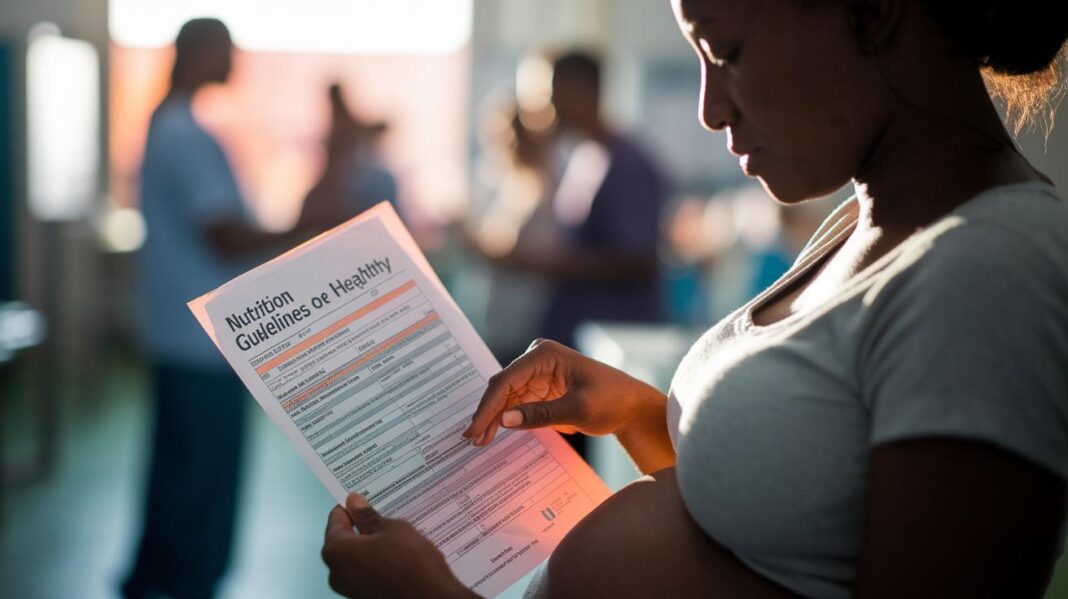
Have you ever wondered if all the tips about eating right while you're expecting really make a difference? Experts around the world agree that keeping your diet balanced, eating enough, mixing different foods, and keeping a steady routine, really helps both you and your baby thrive. Imagine your plate as a beautiful, colorful canvas where each food plays its part. They also say that pairing a balanced meal with a daily prenatal (care during pregnancy) vitamin can boost your overall well-being. In this post, we'll share simple, clear tips to brighten your day and support your little one as they grow.
Global Overview of International Maternal Nutrition Recommendations
Eating well while you're expecting helps both you and your growing baby feel great. Experts say that mixing a balanced diet with a daily prenatal (care during pregnancy) vitamin makes it easier to get all the vitamins and minerals you need. Imagine your plate is like a vibrant painting, each color adds its own special touch to the big picture.
There are three simple ideas behind good maternal nutrition: enough, mix, and balance. Enough means you get the calories and nutrients you need. Mix means you include foods from different groups like fruits, veggies, proteins, and whole grains. And balance means that every nutrient helps one another work better. As your baby grows, your energy needs change, so sometimes you might need just a little extra fuel.
Now, think about how adding a handful of nuts to your snack could brighten your day. These international tips, based on advice from many caring health experts, give you clear ideas to help you pick foods that support your health and help your baby grow strong throughout pregnancy.
Macronutrient Standards in International Maternal Nutrition Guidelines
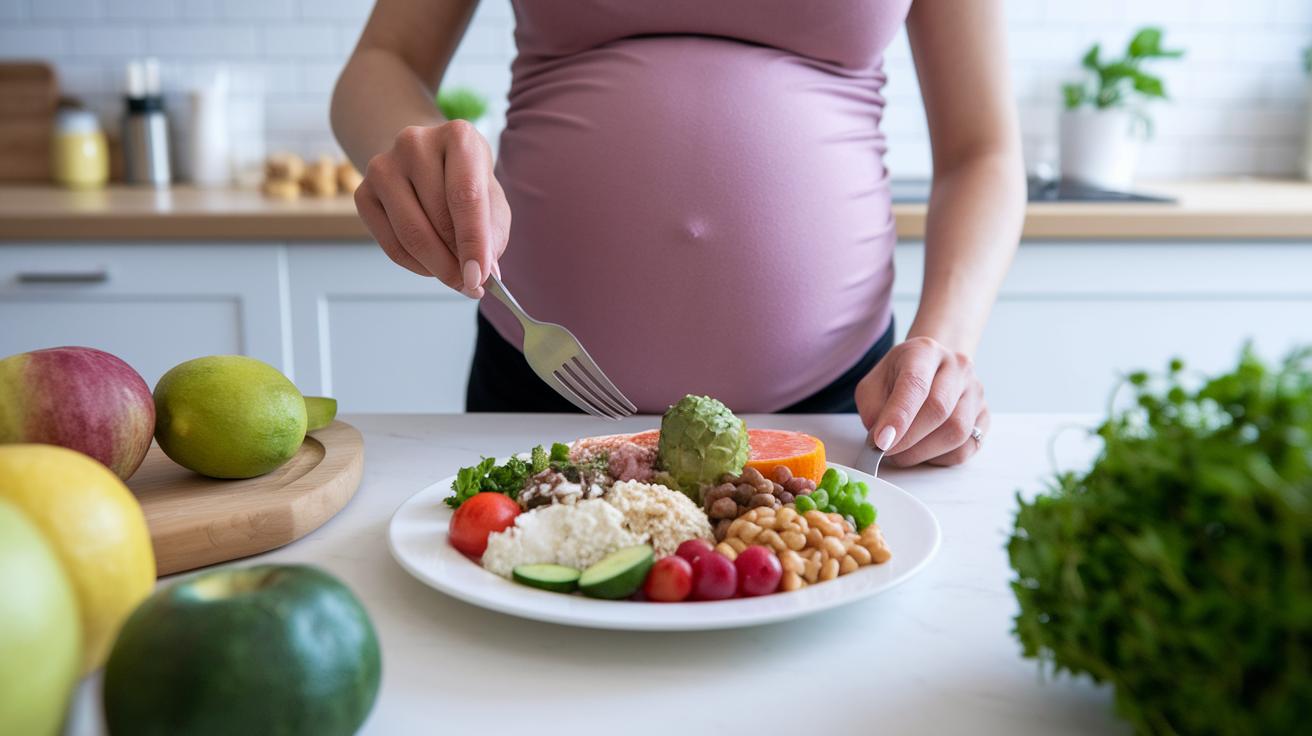
Protein should make up about 10-35% of your daily energy. When you add lean meats, beans, or eggs to your meals, you help your baby grow strong tissues, and you keep things interesting on your dinner plate. It’s like adding a new color to your painting, where each protein choice plays a special part in the complete picture.
Your energy needs change as your body adjusts during pregnancy. In the second trimester, you might need about 340 extra calories a day, and by the third trimester, around 452 more calories. Think of these extra calories as little boosters, kind of like adding extra sprinkles on your healthy meal.
Carbohydrates should cover 45-65% of your daily energy. Choosing whole grains, fruits, and vegetables that are high in fiber can help you stay energized all day. Imagine taking a bite of a crunchy, whole-grain snack that gives you steady energy throughout your busy day.
About 20-35% of your energy should come from healthy fats. Unsaturated fats, like a drizzle of olive oil or a small handful of nuts, are great for supporting your baby's brain development. It’s like adding a bit of flavor and warmth to your meal, all while fueling both you and your little one.
These international nutrition guidelines are here to help you balance energy, protein, carbohydrates, and fats throughout your pregnancy, so you and your baby stay healthy every step of the way.
2. International maternal nutrition recommendations shine
Folic Acid Recommendations
Folic acid is super important for keeping your baby’s neural tube safe. Experts say that taking 400 micrograms (µg) each day, starting even before you plan for a baby and continuing through early pregnancy, sets a strong base for healthy development. It’s like laying a foundation for a house or adding just the right splash of color to a painting.
Iron Supplementation Guidelines
Iron keeps both you and your baby feeling energized. A daily dose of 30 to 60 milligrams (mg) helps prevent anemia. Plus, pairing your meal with a vitamin C-rich fruit, like an orange, can boost iron absorption. It’s just like having a best friend team up with a trusty sidekick to make everything work better.
Calcium Intake Standards
Your need for calcium jumps during pregnancy because it helps make your bones strong. The recommendation is to get between 1,000 and 1,300 mg each day, often from dairy or fortified foods. Think of calcium as the gentle artist that helps shape and support your body like a perfectly crafted sculpture.
Vitamin D Intake Advice
Vitamin D works hand in hand with calcium to keep your body running smoothly. A daily dose of 600 IU supports good calcium absorption, and a bit of sunshine can give you an extra natural boost. It’s like feeling the warm sun on your face during a cool morning.
Iodine Intake Recommendation
Getting about 250 µg of iodine each day plays a big role in keeping your thyroid healthy, which in turn supports your baby’s brain growth. Even a small amount of iodine can help you stay balanced and feel your best.
Omega-3 DHA Guidelines
Finally, incorporating 200 mg of omega-3 DHA daily supports the growth of your baby’s brain and eyes. Think of these healthy fats as a tiny but powerful ingredient that adds just the right touch for a nurturing start.
Weight Gain and Dietary Diversity in International Pregnancy Nutrition
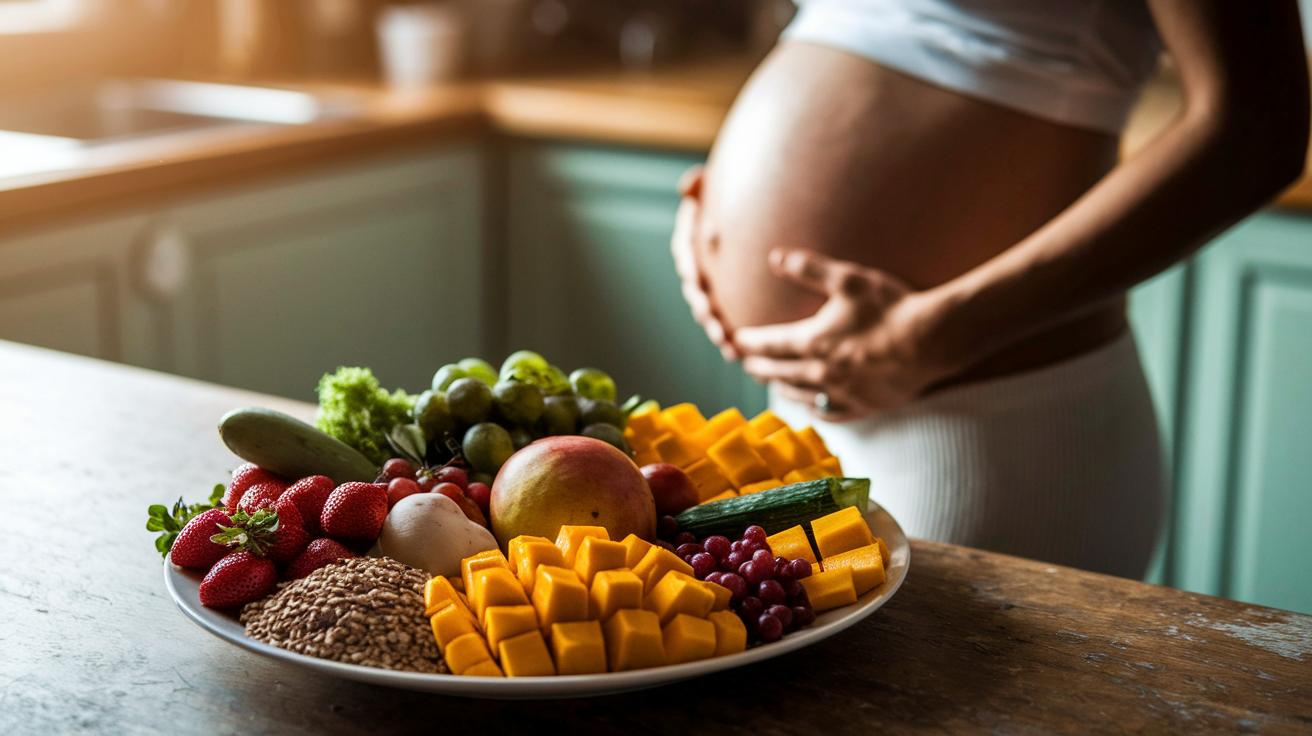
When you're expecting, it’s important to follow trusted guidelines about adding weight to help keep both you and your baby healthy. Your goal weight might change depending on your body mass index (BMI) before you got pregnant. By adding a mix of healthy, colorful foods to your meals, you can create a meal plan that meets your unique needs. Imagine your plate full of bright colors and different flavors that each play a role in nurturing you every day.
A simple tool like the USDA MyPlate can help you remember to include various food groups at every meal. Enjoy a mix of fruits, vegetables, whole grains, proteins, and healthy fats. Not only does this give your body the nutrients it needs, but it also makes mealtime fun. It’s a bit like putting together a recipe where every ingredient has a special purpose.
Below is a quick guide to the weight gain ranges based on your BMI:
| BMI Category | Recommended Weight Gain (kg) |
|---|---|
| Underweight | 12.5–18 |
| Normal weight | 11.5–16 |
| Overweight | 7–11.5 |
| Obese | 5–9 |
By keeping these ranges in mind and enjoying a wide variety of healthy foods, you can feel more at ease as you care for your body and support your baby’s growth. It’s all about making balanced choices that work for you every day.
Implementation of International Maternal Nutrition Policies and Programs
International guidelines from groups like WHO come to life through smart policies and programs supported by communities. For example, WHO’s antenatal care recommendations include sessions where mothers learn about nutrition and receive prenatal (care during pregnancy) supplements. This isn’t just advice, it’s real help for everyday needs.
Community efforts also make a big difference. Think of sessions like Wellness Wednesday, where moms gather to learn about meal planning and balanced eating. These group talks not only share practical ideas but also give mothers a chance to swap stories and tips with experts.
Many countries back these actions with policies that add key nutrients, like iron and folic acid, directly into everyday foods. This kind of food fortification, along with micronutrient campaigns, fills in the gaps when diets fall short.
Working together is key. Health ministries and community groups join forces to bring these nutrition programs to mothers, even in places with few resources. Some of the ways they do this include:
| Strategy | Description |
|---|---|
| Nutritional Counseling | Incorporating advice into regular antenatal visits |
| Supplements Distribution | Providing free or low-cost supplements |
| Community Education | Offering practical tips on meal planning and healthy choices |
Together, these efforts put global nutrition advice into everyday practice, helping mothers and their little ones thrive.
Evidence Base Behind International Maternal Nutrition Recommendations
When moms eat a mix of healthy foods, it can really help both them and their babies. Research shows that having the right balance of big nutrients (like proteins and carbs) and little nutrients (vitamins and minerals) is linked to fewer early births and a lower chance of having a baby with low birth weight.
Studies even point out that folic acid, which is like a little shield during early baby development, can cut down neural tube defects by as much as 70%. It’s like giving your baby a super start, making those important early days safer.
Taking a bit of iron every day shows great benefits too. Clinical trials found that iron can reduce anemia in moms by about half, which means more energy and strength for day-to-day life and a healthy pregnancy.
And then there’s DHA, a special kind of healthy fat that can boost a baby’s brain and eye growth. Research suggests that adding DHA to a mom’s diet can lead to better learning and development later on.
All these findings help build our trusted advice on eating right during pregnancy, so you feel supported and informed every step of the way.
Cultural and Regional Adaptations of International Maternal Nutrition Recommendations
Global nutrition advice is all about eating a mix of important nutrients, balancing different food groups, and making sure meals are just right for you and your family. Even though these ideas work everywhere, they need small tweaks to fit the foods and cooking styles you’re used to. In many places, you might see local nutrient-rich foods, like enriched cereals or native fruits, giving the advice a special local touch.
Many communities adjust these guidelines to match their traditional meals. For example, in areas where rice is a mainstay, extra nutrient-packed ingredients are often added to help moms stay strong. Programs in these regions blend international advice with local dishes that feel familiar and comforting.
Economic conditions can really shape how these ideas work out too. In places where food is scarce, even the best advice has to be adapted to match what families can actually get. Here, local initiatives mix beloved traditional recipes with a boost of extra nutrients to support both mom and baby.
All these small adjustments show how global recommendations come to life differently in each region. The heart of the message remains the same: focus on getting enough food, mixing it well, and keeping every meal balanced in your own unique kitchen.
Final Words
In the action, this article traced key elements of maternal nutrition, from balanced diets and macronutrient standards to specific micronutrient targets and weight gain ranges. It highlighted practical steps and real-world programs designed to support healthy pregnancy outcomes. Each section offered clear guidelines and relatable examples for creating nutritious meals that suit different cultures and lifestyles. With these insights, mothers can feel empowered to make informed food choices based on international maternal nutrition recommendations and build a strong foundation for their families.
FAQ
Where can I find international maternal nutrition recommendations in PDF or PPT format?
International maternal nutrition guidelines are available online as PDFs and PPTs. These documents offer clear, trusted advice on balanced diets during pregnancy from respected organizations.
What are the CDC recommendations for pregnancy nutrition?
The CDC recommendations for pregnancy nutrition center on eating a balanced diet that emphasizes fruits, vegetables, whole grains, lean proteins, and key vitamins and minerals like folic acid and iron to support maternal and fetal health.
What are the guidelines for maternal nutrition during pregnancy and a recommended nutritional guideline for pregnancy?
Maternal nutrition guidelines suggest a balanced diet based on adequacy, variety, and balance. This approach includes tailoring energy, protein, and micronutrient needs across trimesters, along with a daily prenatal vitamin.
What is the recommended dietary allowance for pregnant mothers?
The recommended dietary allowance for pregnant mothers includes 400 µg of folic acid, 30–60 mg of iron, 1,000–1,300 mg of calcium, and 600 IU of vitamin D daily, with adjustments per trimester based on energy needs.