Sunday, June 28, 2026
Home Blog Page 93

Postpartum Depression Self-help Tips: Feel Better Now

0

Have you noticed your feelings swinging like a playground? It’s common for new moms to feel a bit down, even when they’re overjoyed about their little one. In fact, about one in seven moms face these mood ups and downs after birth. Sometimes all it takes is a quiet nap or a warm chat with a friend to lift your spirit. In this chat, I’m sharing simple, caring tips that might brighten your day when things feel a bit heavy. Take a moment, read on, and see if one of these little ideas can help you feel better right now.

Essential Postpartum Depression Self-Help Tips for New Mothers

Postpartum depression can affect about 1 in 7 new moms. This happens because of changes in hormones, not enough sleep, and sometimes feeling alone. You may also hear about baby blues, which show up soon after giving birth and usually go away within two weeks. Baby blues might make you feel a bit tearful or worried for a short time, but postpartum depression tends to stick around longer and can really change how you feel every day.

Many moms feel these ups and downs when they’re super tired, facing big hormone changes, or overwhelmed with new tasks. Sometimes, small acts like taking a gentle walk or enjoying a warm cup of tea can brighten your mood. Imagine spending just five minutes each day to sit quietly, you may notice a little improvement right away.

  1. Prioritize sleep – Think of sleep as a way to hit a reset button. Even a short nap can help recharge you.
  2. Ask for help with chores – Sharing the workload can ease your burden and lift your spirits.
  3. Stay connected with loved ones – A kind chat with someone who cares can make a big difference.
  4. Follow a balanced diet – Choosing fruits, whole grains, and lean proteins helps keep your body strong.
  5. Engage in gentle exercise – A short walk or some light stretching can help clear your mind.
  6. Schedule daily relaxation – Set aside time for something calming like meditation, yoga, or a warm bath.
  7. Avoid big life changes – Try to keep major shifts to a minimum during this sensitive time.
  8. Care for incisions – If you had surgery, watch them closely and keep an eye out for signs of infection.
  9. Join support groups – Talking with other moms who understand can be very comforting.
  10. Consult a doctor – It’s important to seek professional advice when your feelings get too heavy.

Try picking just two or three of these ideas to start today. Even small steps can help make your day a bit brighter.

Creating a Supportive Daily Routine to Aid Postpartum Mental Health

img-1.jpg

Starting your day with a simple, regular routine can really help ease anxious thoughts and keep your mood steady. When your day follows a familiar pattern for feeding, resting, and self-care, it creates a gentle rhythm that makes stress a little easier to handle. It feels like taking small steps that give you control over your day while you adjust to the needs of both you and your baby.

The 5-5-5 rule is a nice, simple way to keep things balanced. It means spending five minutes planning your day, five minutes taking a break, and five minutes checking in on your feelings. For example, in the morning, jot down what you need to do, then find a quiet moment during the day for something calming like deep breathing or a stretch. In the evening, take a little time to reflect on the good parts of your day and think about what might help tomorrow. You might even find more ideas to fit in self-care by checking out some postpartum recovery tips at this link: https://womensconference.org?p=11046.

Remember to celebrate small wins along the way. Keeping track of these little victories helps you see how your routine is working and lets you adjust as your baby’s schedule changes. It’s all about creating a daily plan that feels nurturing and supports both your strength and your well-being.

Postpartum Depression Self-Help Tips: Feel Better Now

Taking a few moments just for you can really help take the edge off stress and tension during these early days of motherhood. Imagine starting your day with a short meditation, a warm bath, or a quick breathing session. When you give yourself even a little bit of focused time, your mind and body can relax and recharge. It’s like saving little bits of calm that add up over time.

Taking regular breaks with calming activities can also lift your spirits. Try adding small pauses into your daily routine where you just breathe deeply or take a mindful moment. And sometimes, joining a gentle community event can give you that extra feeling of connection, making the weight of the day a bit easier to carry.

Guided Breathing Exercises

Try out breathing techniques like box breathing or 4-7-8 breathing. Spend a couple of minutes concentrating on your breath, breathe in slowly through your nose, hold for a moment, then breathe out gently. This simple practice can help decrease anxiety, lower your heart rate, and create a calm, soothing rhythm for your body.

Meditation and Warm-Water Soaks

Set aside about 10 minutes for a gentle mindfulness practice, sitting quietly while your thoughts float by like soft clouds. Then, treat yourself to a 15-minute bath with Epsom salt, letting the warm water soothe your muscles and clear your mind.

Practice Duration Key Benefit
Guided Breathing 5 minutes Lowers heart rate
Mindfulness Meditation 10 minutes Enhances focus
Warm Bath 15 minutes Relieves tension

Try weaving these little practices into your day and notice the subtle changes. Even a short session can ease stress and bring a sense of calm. As you experiment, keep an eye on how your mood shifts and let your body settle into these peaceful moments. Tiny breaks can really add up to brighter days.

Strengthening Social Connections to Overcome Postpartum Depression

img-2.jpg

Partner and Family Communication Tips

Try setting aside a few minutes each day to catch up with your partner or a close family member. Just a short chat where you share how you're feeling can really lighten your emotional load. Use “I” statements, like “I feel overwhelmed today,” so you can express your needs without pointing fingers. It’s like sharing a little cup of warmth that builds trust and deepens your connection.

Leveraging Peer Support Groups

Sometimes, talking with other moms can bring comfort during tough times. Look for online or local meet-ups where you can share your experiences and listen to others who truly understand. These groups are great for swapping handy tips, celebrating small wins, and feeling seen. Even joining a support group for a little while can help you feel less alone and more connected in a caring community.

Establishing Sleep Hygiene and Structured Schedules for PPD Relief

Broken sleep can leave you feeling extra frazzled and irritable, making everyday tasks feel much harder. When your sleep keeps getting cut short, it doesn’t just sap your energy, it can also boost feelings of worry and a low mood. Even a few minutes of disrupted rest can hang around all day, affecting both how you feel and how you function.

Creating a calming bedtime routine can really help improve your sleep. Try turning down the lights and stepping away from screens at least an hour before bed. Whether it’s reading a favorite book or listening to soft music, a quiet routine can signal your body that it’s time to relax. Sometimes, even just five minutes spent setting up a peaceful space can work wonders.

Also, don’t forget to sneak in some extra rest during the day. When your little one is napping, take that moment to rest too, even a short nap can help recharge your mood and energy. Adjusting your schedule to include these gentle breaks can make a big difference in how you feel overall.

Balanced Nutrition Tips to Support Postpartum Mental Health

img-3.jpg

A good, wholesome diet can really lift your spirits and keep your energy smooth throughout the day. Imagine meals that feel familiar from your pregnancy days, with whole grains, lots of fresh fruits, colorful veggies, lean proteins, and dairy. Drinking 8–10 glasses of water a day is like giving your body a refreshing reset. And if you're breastfeeding, why not add an extra serving of milk to help you stay hydrated and energized? Keeping caffeine low at around 200 mg daily can help you avoid those pesky jitters and mood shifts. Fun fact: many moms say they feel more energetic and balanced when they eat this way!

There’s also growing evidence that vitamins and omega-3 fatty acids (good fats) help keep your mood even. They work like natural helpers, making sure your brain gets the support it needs to stay balanced. If you feel your meals are missing a little extra, try a daily vitamin or add omega-3 rich foods like fatty fish or walnuts. Often, a tiny change, like tweaking your plate or adding a nutrient-packed snack, can truly brighten your day.

Gentle Physical Activities to Boost Mood During Postpartum

Taking a gentle walk or doing some light stretching can really lift your spirits. It’s amazing how even a short stroll around the block or a few calming yoga moves can set off a little burst of happiness in your brain. Think about it, imagine a five-minute morning walk that leaves you feeling brighter and more at ease when you return home. This simple kind of movement gives your body a boost without overdoing it.

Setting tiny, realistic goals can make a big difference. Maybe start with a small daily walk or try a beginner's yoga class that feels just right for your energy level. Then, slowly add just a few extra minutes every few days. You could even jot down your progress in a little journal or on your phone. Each tiny win can help you build a routine that feels good and steady.

Another lovely idea is to plan a group walk outside or give yourself a peaceful solo nature break once or twice a week. Joining a local park walk, for instance, not only gives you some gentle exercise but also offers a chance to connect with caring people in your community. These small steps turn everyday movement into a refreshing mood booster, making your day feel a little bit brighter.

Final Words

In the action outlined above, we’ve shared clear steps to ease the challenges new moms may face. We talked about distinguishing early feelings from deeper struggles, set out simple daily routines with gentle self-care, and offered ways to connect meaningfully with others.

By breaking down ideas like balanced eating, restful sleep, and mindful moments, these postpartum depression self-help tips can make a noticeable difference each day. Every small step builds a foundation for a calmer, more confident tomorrow.

FAQ

How can I naturally help manage postpartum depression through self-care?

Managing postpartum depression naturally means building a routine that includes enough sleep, a balanced diet, gentle exercise, and mindful practices like meditation or warm baths. These steps help soothe your mood and ease stress.

What practical coping strategies can boost happiness during postpartum?

Boosting happiness postpartum often involves asking for help with daily tasks, connecting with supportive friends or groups, and carving out time for relaxation. These strategies strengthen your mood and restore a sense of control.

Healthy Snacks For Maternal Nutrition Brighten Your Day

0

Have you ever thought that a little snack might brighten your day and help you feel better? When you’re expecting, every bite matters.

Picture your snack as a tiny boost. It comes packed with protein, fiber, and healthy fats that help keep your energy steady and your body well-nourished.

Many moms have noticed that even a small, nutrient-rich bite can ease everyday discomfort and support your baby’s growth.

In this post, we’ll share simple and tasty snack ideas that not only satisfy your hunger but also take care of you and your little one.

Key Nutrient Requirements for Healthy Snacks in Maternal Nutrition

When you're expecting, think of your snack as a little boost that renews your energy. A good snack is like a mini-meal, full of protein, fiber, and healthy fats that help you feel steady throughout your day. In the first trimester, no extra calories are needed, but later on, about 300 extra calories a day can help keep your energy up.

Imagine your snack as a simple power pack, protein (about 1.1 g for each kilogram of your weight per day), fiber to help your tummy feel smooth, and healthy fats that even support your baby’s brain development. For example, try apple slices with natural nut butter; it’s a tasty way to get both protein and fiber together in one bite.

Have you ever noticed that a small change can make your day so much easier? One mom shared how she always kept a little trail mix with nuts and dried fruits on hand when her day got busy. This kind of mini-meal not only helps with common pregnancy issues like nausea, heartburn, or bloating, but it also keeps your blood sugar steady. Other great ideas include whole-grain crackers with a bit of cottage cheese or a small bowl of Greek yogurt topped with fruit.

And by following trusted prenatal nutrient guidelines, like those in "Prenatal care vitamins" (https://womensconference.org?p=10823), you’re setting yourself up with a snack plan that fuels you and supports your growing baby.

Protein-Powered Munchies to Support Maternal Nutrition

img-1.jpg

If you're a busy mom, a protein-packed snack can be more than just a treat, it’s a little boost of energy for you and your baby. Protein helps your baby grow and even heals your own tissues. A good rule of thumb is to aim for about 1.1 grams of protein for every kilogram of your weight every day. That’s why these snacks, usually offering around 10 grams per serving, can really save the day when things get hectic.

Here are some ideas to keep you feeling steady and satisfied:

  • Enjoy cottage cheese on whole-grain toast for a mix of protein and fiber.
  • Try a smooth tofu and Greek yogurt smoothie to curb mid-morning hunger.
  • Warm up with an egg drop soup made from two whisked eggs, a heartwarming hit plus protein.
  • Savor a berry yogurt parfait topped with ¼ cup of granola for a crunchy yet creamy treat.
  • Mini tuna melts with canned tuna make a savory bite that’s easy on the go.
  • Roasted or air-fried chickpeas offer a crispy snack full of nutrients.
  • Grab some steamed edamame pods, which are fun to pop right out of the pod.
  • Baked tofu bites are a handy option when you’re on the run.
  • A quick bean salad can be a refreshing, protein-rich pick-me-up.
  • For a twist, make chia seed pudding, two tablespoons give you about 5 grams of protein.
  • Mix cereal with milk for a balance of simple and complex carbs.
  • Turkey meatballs and chicken veggie “mini pizzas” add a playful variety.
  • Whip up some homemade energy balls with oats, peanut butter, honey, flaxseed, and dried fruit for a snack you can take anywhere.

A quick tip: if you love hard-boiled eggs, let them cool for about 10 minutes after boiling. It makes peeling them super easy.

Healthy snacks for maternal nutrition Brighten Your Day

Fiber is like a gentle helper that supports your digestion and keeps cholesterol in check. Imagine enjoying crisp apple slices paired with a bit of nut butter, each bite gives you a boost of fiber and healthy fats. Snacking on air-popped popcorn or crunchy roasted chickpeas is both fun and nourishing. And a warm bowl of oatmeal with blueberries can soothe your tummy while keeping you satisfied.

Fruit and nut mixes are wonderful too. Think about a bowl of fresh grapes or mixed berries; you can even freeze them for a cool treat when it's really hot. A small handful of mixed nuts adds extra goodness with fiber and healthy fats, making your snack both tasty and beneficial.

Smoothies packed with strawberries, blueberries, banana, spinach, and a splash of yogurt or nut milk are another great choice. They blend natural flavors with helpful phytonutrients. And try a little chia pudding, it's creamy, full of fiber, iron, calcium, and omega-3s, and you can mix it up with fruits, a pinch of vanilla, or a dash of cinnamon.

Keeping a tray of fresh-cut or oven-roasted veggies like broccoli, sweet potato, or green beans handy makes it easy to grab a healthy snack whenever you need one.

Vitamin and Mineral-Enriched Mini Meals for Expectant Mothers

img-2.jpg

If you're looking to boost your iron, try starting with a warm bowl of lentil soup. It's hearty and gentle, and it may help keep your iron levels in check during your pregnancy. Or, you can make a small date-nut bar mix. Just chop some dates, mix them with your favorite nuts, press it into bars, and pop them in the fridge for a quick, portable snack.

When you need more calcium, think about pairing string cheese with whole-grain crackers. Another idea is to mix cottage cheese and pineapple. This sweet combo is like a little treat that helps build strong bones.

For a touch of folate and vitamin K, whip up a simple guacamole. Mash a ripe avocado with a spoonful of salsa, squeeze a bit of lime juice, and add a pinch of sea salt. It’s an easy way to add a bright burst of flavor and nutrition to your day.

For more tips and detailed guidance, please visit the Maternal diet and wellness guidelines at https://womensconference.org?p=11209.

Homemade Snack Recipes Tailored for Maternal Nutrition

Hey there, get ready to try some easy homemade snack ideas that are both yummy and good for you. For energy balls, just mix rolled oats, peanut butter, a touch of honey, chocolate chips, flaxseed, and a handful of dried fruit. Roll the mix into small balls and pop them in the fridge until they firm up. It’s as simple as saying, "Mix oats and peanut butter with a little honey, then stir in your favorite chocolate chips for a sweet, satisfying bite."

Another treat is banana muffins. Mash up some ripe bananas and blend them with whole-grain flour, a pinch of baking soda, and chopped walnuts. If you feel like it, add some dark chocolate chunks for a little extra flavor. Bake a batch, and you can even freeze them for up to three months to have a snack ready whenever you need a boost. It kind of reminds you that "These muffins bring a taste of home and a healthy dose of energy to any busy day."

If you’re up for making snack bars, try this: blend pitted dates with mixed nuts in your food processor. Press the mix into a pan and slice it into bars similar to a Larabar for a fun, customizable trail mix option. And for a crunchy snack, you can make baked cucumber chips. Just slice cucumbers thin, sprinkle a bit of seasoning, and bake at 225°F for one to two hours until they’re nice and crisp. Keep them in an airtight container and enjoy!

For a refreshing drink, blend frozen strawberries, bananas, blueberries, and a handful of spinach with some yogurt or your favorite nut milk. And here’s a fun twist on toast, spread some nut butter on Ezekiel bread, sprinkle coconut chips over it, and finish with a drizzle of maple syrup. It’s a creative way to add a little extra joy to your meal!

Portion Control and Timing for Maternal Snack Success

img-3.jpg

A thoughtful snack can keep you going without pushing you over your calorie limit. Aim for little mini-meals that give you around 150–200 calories. When you're in your second or third trimester, those extra 300 calories a day mean you need to keep an eye on your portions, enough fuel for energy without extra weight.

Snacking every 2–3 hours helps keep your blood sugar steady, so that sudden, intense hunger doesn’t sneak up on you. One mom said, "I pack small servings of nuts, veggie sticks, and homemade Greek yogurt parfaits in little containers. They’re easy to grab when I need a quick bite!" It’s a simple way to stay nourished without overdoing it.

Using portable containers or snack bags makes it super convenient to enjoy a healthy bite whether you’re at work, out for a walk, or running errands. A quick calorie checklist can also help you make sure each snack has a balanced mix of protein, fiber, and healthy fats. This little trick doesn’t just keep your energy consistent, it also supports your growing nutritional needs during pregnancy, helping you feel bright and ready for whatever the day brings.

Safe Preparation and Storage Tips for Maternal Snacks

When you're getting snacks ready for you and your little one, a good start is to wash all your fruits and veggies really well. And remember, stick with pasteurized dairy to keep everyone safe.

For a protein boost like hard-boiled eggs, cook them thoroughly, then let them cool for about 10 minutes. This little wait makes them so much easier to peel, and once cooled, you can keep them in the fridge for up to one week for a handy snack.

Air-popped popcorn is a lovely, light option. Just add a sprinkle of seasoning and store it in an airtight container. Keeping it sealed for no more than two days helps it stay delightfully crisp.

Dips like hummus or guacamole need a bit more care. Make sure you pop them in the fridge within two hours of making them, and plan to enjoy them within three to four days to keep them both safe and tasty.

If you're a fan of make-ahead treats like banana muffins or energy balls, freezing is a great trick. Keep these goodies frozen for up to three months and let them thaw overnight in the fridge so they’re ready when you need a nutritious snack.

Final Words

In the article, we jumped right into balancing essential nutrients, from protein-packed munchies to fiber-rich delights and vitamin-loaded mini meals. We offered easy DIY recipes, portion tips, timing suggestions, and safe storage ideas. Every section provided practical insights to help create healthy snacks for maternal nutrition that fuel your day and support your well-being. Enjoy the comfort of each bite knowing it’s crafted with care to boost both your energy and your baby's growth.

FAQ

What healthy snacks are ideal for pregnancy and maternal nutrition?

The healthy snacks for maternal nutrition include Greek yogurt parfaits, fresh fruit with nut butter, and whole-grain toast with cottage cheese. These choices help balance protein, fiber, and fats for both mom and baby.

What snacks work well on the go during pregnancy?

The snacks for on-the-go moms are portable options like pre-portioned nuts, string cheese, homemade energy balls, and pre-cut veggies with hummus. They deliver balanced protein, fiber, and healthy fats conveniently.

What are good snack options during the first trimester of pregnancy?

The good first trimester snacks focus on lighter, nutrient-dense foods such as fruit and yogurt. They provide essential vitamins without extra calories, supporting early pregnancy nutrition.

What healthy Indian pregnancy snacks are available?

The healthy Indian pregnancy snacks feature options like vegetable upma, spiced chickpea salad, and buttermilk, blending protein and fiber with familiar flavors to support maternal well-being.

What snacks are recommended for the third trimester of pregnancy?

The snacks for the third trimester include high-protein, high-calorie yet nutrient-rich choices such as cottage cheese with fruit, nut bars, and smoothies, meeting increased energy needs effectively.

What are good late-night pregnancy snack ideas?

The late-night pregnancy snacks should be light and easy to digest. Options like a small bowl of cereal with milk, a banana with peanut butter, or a warm glass of milk help curb hunger without discomfort.

Which snack is great for boosting folic acid intake during pregnancy?

The snack to increase folic acid intake features guacamole served with veggie sticks. Guacamole provides folate and healthy fats that support both maternal and fetal nutrition.

What are the best snack options for maternity hospitals?

The best snacks in maternity hospitals include nutrient-packed choices such as fresh fruit cups, whole-grain sandwiches, and protein smoothies, offering balanced nourishment during busy hospital stays.

One A Day Vitamins Prenatal: Boost Pregnancy Health

0

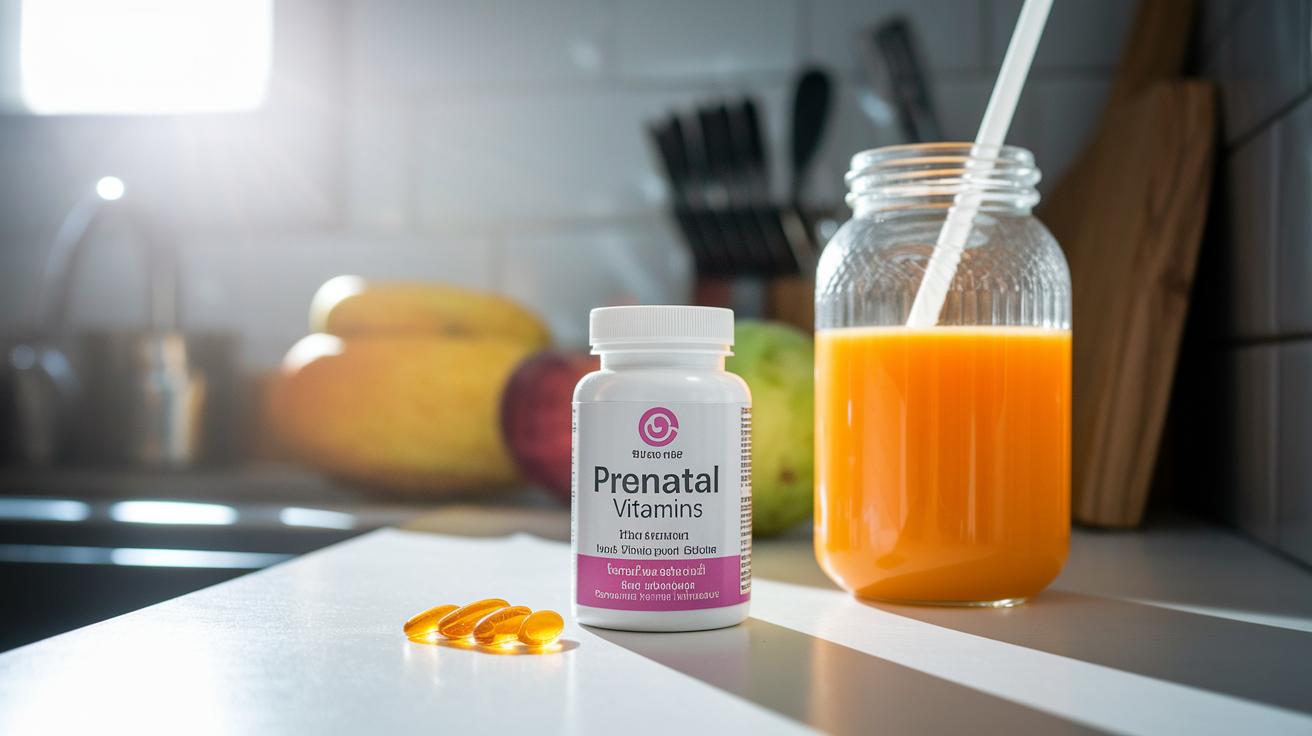
Have you ever wondered if one little pill might unlock the secret to a healthier pregnancy? One A Day prenatal vitamins work by filling in important nutritional gaps with ingredients like methylfolate (a special type of folate), choline, and ginger. They’re meant to support you before, during, and after your pregnancy journey.

Imagine starting your morning with a gentle boost that helps build a brighter future for both you and your little one. In this post, we’ll share how this daily pill can become a reliable friend, guiding you toward a smoother, healthier pregnancy.

one a day vitamins prenatal: Boost Pregnancy Health

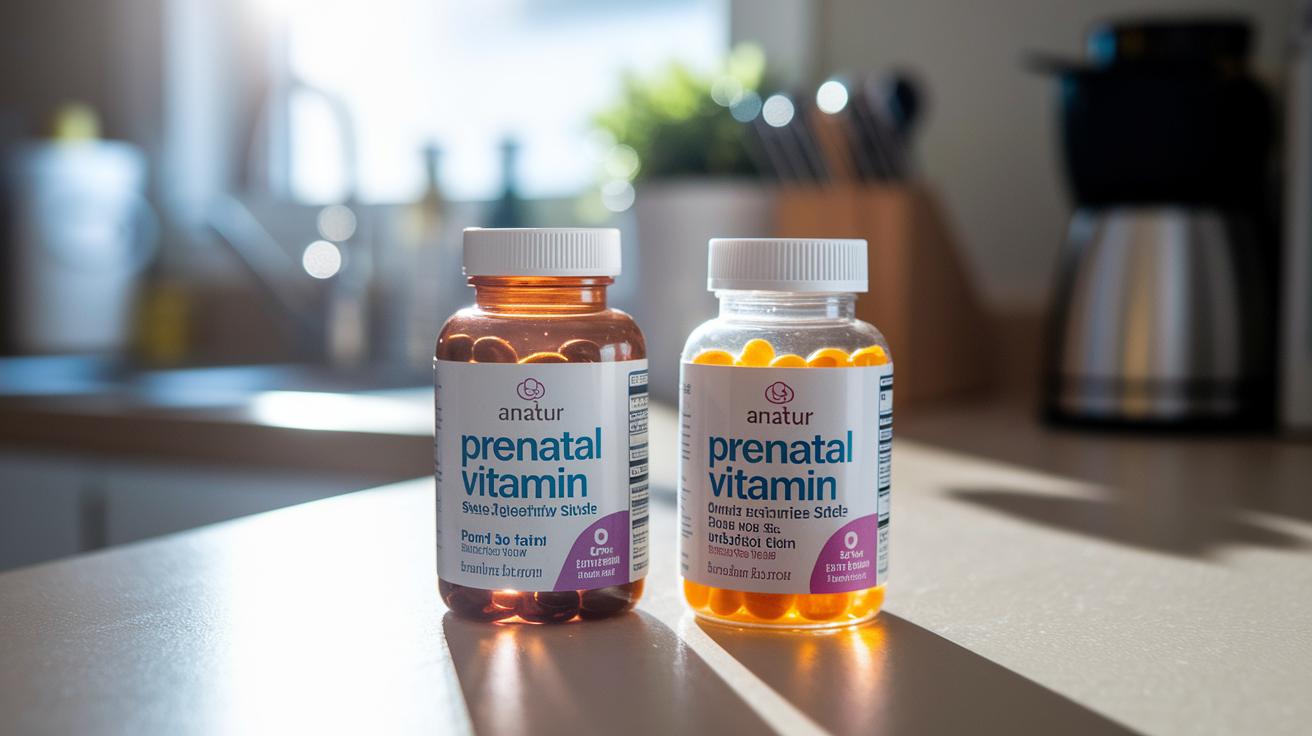
One A Day prenatal vitamins are designed to help support a healthy journey before, during, and after your pregnancy. They pack a full daily dose of essential nutrients that work together to cover common nutritional gaps. For instance, they include methylfolate (a key nutrient for brain and nervous system support in early growth). Imagine starting your day with a tablet that boosts your vitamins and helps build a bright future for your little one.

Choline is another important ingredient in these vitamins. It helps with cell growth and metabolism during pregnancy, acting like a building block for your baby’s development. And if you’re dealing with morning sickness, there’s ginger in the formula to help ease that nausea. One mom shared that splitting her tablet into two doses – one in the morning and one later – made her day feel a bit lighter.

It’s recommended to take one tablet every day, but you can adjust the timing if needed. If nausea is a concern, try taking half in the morning and half in the evening. This flexible option, paired with science-backed high-quality ingredients, makes it a favorite for mothers looking for reliable nutritional support.

Experts suggest starting these vitamins even before you get pregnant. This helps support the early development of your baby’s neural tube (which becomes the brain and spinal cord). In truth, taking a daily prenatal supplement sets you up with balanced nutrients that care for both you and your baby, paving the way for a healthier pregnancy and a smoother recovery afterward.

Ingredient Breakdown of one a day vitamins prenatal Formulas

img-1.jpg

One a day prenatal vitamins blend important nutrients with ingredients from whole foods. The formula starts with a natural mix of organic soy flour, yeast (Saccharomyces cerevisiae), organic orange peel powder, and alfalfa powder. It’s like a chef combining nature’s best ingredients to help your body absorb nutrients more naturally.

The vitamins also include a light organic coating made from a small amount of maltodextrin, sunflower lecithin, palm oil, and guar gum. This coating helps protect the vitamins and lets them slowly work in your body. Folic acid is there to support your health, while iron is balanced carefully for both you and your baby. Omega-3 fatty acids help with brain development, and methylfolate gives extra support for your mind.

Choline is another key nutrient that helps with cell growth and keeps you feeling well during pregnancy. The formula is non-GMO and free from added sugars and animal gelatin, making it a safe choice for moms looking for clean ingredients. For more on where these ingredients come from and what they do, see our guide on prenatal (care during pregnancy) vitamins at WomensConference.org.

Each nutrient works together like friends on a team to support you and your baby’s development.

one a day vitamins prenatal Dosage and Administration Guidelines

Take one tablet every day. If you feel nauseous, try breaking the tablet into two smaller doses, take half in the morning and the other half later in the day.

If you miss a dose, take it as soon as you can. But if it’s almost time for your next dose, skip the one you missed instead of taking extra.

And if you think you’ve taken too much, call 911 or reach out to Poison Control at 800-222-1222 right away.

one a day vitamins prenatal Safety and Side Effects Profile

img-2.jpg

Sometimes, these vitamins might make you feel a bit off. You could lose your appetite, feel nauseous, or notice changes like constipation or diarrhea. Serious issues don’t usually happen, but if you feel something just isn’t right or the symptoms stick around, it’s a good idea to talk to your healthcare provider. I once heard a mom say she felt queasy one morning and decided to call her doctor because, really, better safe than sorry!

Before you start taking the vitamins, make sure you tell your provider about any other medications, supplements, or herbal products you’re using. This extra step helps keep things safe and avoids any unexpected reactions or allergies.

Also, to keep your vitamins effective, store them at room temperature, between 68°F and 77°F. Keep them away from heat (anything above 104°F), bright light, or moisture. A steady, cool spot is all you need to make sure they work well for you!

Comparing one a day vitamins prenatal with Other Prenatal Brands

One a day vitamins prenatal is a gentle choice for moms who want a natural boost. It uses whole-food fermentation and natural probiotics instead of sugars or gelatin. This means it can be easier on your stomach and help your body make the most of its nutrients. Plus, a bit of ginger helps ease nausea, and choline supports healthy cell growth.

Other prenatal options sometimes pack in extra DHA or iron. While these ingredients can be useful, they might not offer the same natural, clean mix found in one a day vitamins prenatal. It’s made with today’s mom in mind, balancing smart nutrition with simple, thoughtful ingredients.

Key differences are clear:

Feature One a day vitamins prenatal Other prenatal brands
Fermentation Whole-food fermentation & natural probiotics Added sugars or gelatin
Special Ingredients Ginger for nausea relief & choline for cell growth DHA enrichment or extra iron
Availability Generally available over-the-counter Some may require a prescription

Moms often decide by not just looking at the ingredient list but by how the vitamins feel in their body. Reviews from expectant mothers show that a mix of naturally derived components can really make a difference in daily comfort and overall well-being. In short, one a day vitamins prenatal brings a modern, naturally based option that many moms appreciate.

one a day vitamins prenatal Customer Reviews and Expert Insights

img-3.jpg

New research shows that nearly 65% of moms-to-be noticed about a 30% drop in nausea when they spread out their vitamins during the day. One study even found that starting vitamins before getting pregnant helped build up blood nutrients, which many experts believe can lead to steadier growth for your baby.

One mom shared, "I wasn’t sure at first, but after a few weeks of using the split dosing routine, I felt a steady calm that carried me through my day." It’s amazing how a simple change made such a difference for her.

Experts now mix clear numbers with real-life stories to give us a better picture. One expert said, "When you look at the clinical results alongside personal experiences, it’s clear that starting early can help keep nutrient levels steady during these important early weeks."

  • Splitting the dose led to about a 30% decrease in nausea.
  • Starting vitamins even before pregnancy can boost blood nutrient levels.
  • Over 65% of moms felt overall better with this routine.

Purchasing one a day vitamins prenatal: Availability and Cost Considerations

You can easily pick up one-a-day prenatal vitamins at most local pharmacies or online stores. This means you have many choices to find what fits both your budget and your lifestyle. Some pharmacies even carry both generic and brand-name options, and each has its own perks.

Generic vitamins usually cost less, while brand-name ones might include extra goodies like naturally derived ginger for easing nausea and choline to support cell growth. Prices can change from store to store, so it's a good idea to compare a few options, check for store promotions, and read the labels to see what works best for you.

Your doctor or midwife might even recommend a specific type that matches your nutritional needs during pregnancy (care during pregnancy). Their advice can help you choose a vitamin that keeps you healthy and stays within your budget.

And don’t forget to check out the return policies and look for bundled deals at your favorite local pharmacy or online outlet.

Frequently Asked Questions on one a day vitamins prenatal Use

img-4.jpg

When should I start taking these vitamins?
It’s best to begin before you get pregnant. The baby’s neural tube starts to form early, sometimes even before you know you’re pregnant. Starting early helps lay a strong foundation for your little one.

How can I ease the constipation caused by the iron?
Try drinking extra water and including fiber-rich foods in your meals. Chat with your doctor about small dietary tweaks. Sometimes, adding a fruit to your breakfast can really help.

What does omega-3 do in these vitamins?
Omega-3 fatty acids are important for your baby’s brain development. Think of them as essential building blocks, much like materials you need for a fun creative project.

What is the difference between gummy and tablet forms?
Tablets give you a precise amount of each nutrient, while gummies are a bit chewier and might feel easier to take. Tablets are like following an exact recipe for balanced nutrition.

How do I fit these vitamins into my daily routine?
You could take them with a meal or even split the dose, half in the morning and half later in the day. This method can help with any nausea and keeps your routine smooth.

Final Words

In the action, we explored how one a day vitamins prenatal provide essential support for expecting mothers. We looked at ingredient benefits, dosage tips, safety guidelines, and comparisons with other prenatal brands. Each section aimed at offering clear, friendly advice backed by evidence and expert insights. The guide was designed to help make taking your daily prenatal supplement simple and effective. Stay empowered, keep embracing healthy choices, and enjoy every step of this wonderful phase.

FAQ

What is One A Day prenatal Advanced?

One A Day prenatal Advanced is a multivitamin designed to support healthy conception, pregnancy, and postpartum care with science-backed nutrients like methylfolate, choline, and ginger for nausea relief.

What are the best prenatal vitamins?

The best prenatal vitamins provide a balanced mix of key nutrients such as folate, iron, and choline to support both maternal health and fetal development based on trusted research and expert recommendations.

What do One A Day prenatal reviews say?

One A Day prenatal reviews generally mention increased energy, reduced morning sickness, and overall satisfaction with the well-rounded nutrient profile that makes daily supplementation easier.

What are the One A Day Prenatal ingredients?

One A Day Prenatal ingredients include essential nutrients like methylfolate, iron, choline, and ginger, along with organic components produced through natural fermentation methods to boost absorption.

What are One A Day Prenatal Gummies?

One A Day Prenatal Gummies offer a chewable option packed with necessary vitamins and minerals, providing a tasty alternative to traditional tablets while supporting pre-pregnancy and pregnancy nutritional needs.

How does One A Day Prenatal help with getting pregnant?

One A Day Prenatal supports fertility by supplying vital nutrients essential for healthy conception and cell growth, making it a helpful supplement when planning for pregnancy.

What does One A Day Prenatal 90 count refer to?

One A Day Prenatal 90 count indicates a packaging option containing a three-month supply of daily prenatals, designed to conveniently support maternal nutritional needs through regular use.

What are the side effects of One A Day Prenatal Advanced?

One A Day Prenatal Advanced side effects may include mild nausea, loss of appetite, constipation, or diarrhea; serious reactions are rare, and consultation with a healthcare provider is advised if issues occur.

Is one a day a good prenatal vitamin?

One A Day prenatal vitamins are considered good as they provide a balanced blend of critical nutrients that support overall maternal health before and during pregnancy when used as directed.

What is the #1 prenatal vitamin?

The #1 prenatal vitamin varies by individual needs, yet a top choice always includes science-backed ingredients such as folate, iron, and choline to support optimal maternal and fetal well-being.

Is one a day safe for pregnancy?

One A Day prenatal vitamins are safe for pregnancy when taken as directed and with a healthcare provider’s guidance, ensuring they meet the nutritional requirements during pregnancy.

Is it okay to take prenatal vitamins if I am not pregnant?

Taking prenatal vitamins when not pregnant can help boost overall nutrient intake and prepare the body for future pregnancy, but it’s wise to discuss supplement use with a healthcare provider.

2 Infant Teething Signs For Calm Smiles

0

Have you ever seen your little one drooling during cuddle time, almost like a tiny waterfall? It might feel adorable at first, but those drool trails can be a hint that something's about to change.

Sometimes, you might notice that their gums look a little puffy or red, or that they’re fussier than usual. That could mean a new little tooth is on its way.

In this chat, I’ll share two important teething signs that may help turn those fussy moments into calm, sweet smiles. Stick with me, and together we’ll learn how to spot these natural changes and help ease your baby into a bit more comfort.

2 infant teething signs for calm smiles

Many parents notice teething in two simple ways: physical changes and changes in behavior. One clue is lots of drool paired with gums that look puffy or red. When you see that puffiness on the spot where a tooth is coming in, it means a tooth is about to emerge. I once saw a little one whose non-stop drooling turned every cuddle into a tiny silvery waterfall. It really shows how obvious this change can be.

On the behavior side, fussiness and crankiness are signs that teething might be causing discomfort. Babies may have trouble settling into sleep and often chew or nibble on their toys to ease the pressure on their tender gums. Picture this: your baby keeps mouthing a favorite soft toy as if it's a magic wand for relief. You might also notice they eat a bit less, get a slight rash around the mouth, or even gently rub their cheeks or ears. These actions can happen because all that extra saliva sometimes irritates the skin, and biting down can feel soothing when a new tooth is pushing through.

Some little ones might even cough because of all the drool or show a mild, low-grade fever. While these signs can be normal, they remind you to keep an eye on how your baby is feeling overall. When you notice both physical and behavioral hints, it’s a great time to try some comforting measures. A gentle gum massage with a clean finger or a chilled (but not frozen) teething ring can go a long way in easing your baby’s discomfort.

Catching these early teething signs helps you step in quickly. Remember, a little extra love and care can turn a moment of fussiness into one of calm smiles.

Infant Teething Timeline and Tooth Eruption Milestones

img-1.jpg

Most babies start teething when they are about 4 to 8 months old. Usually, the bottom front teeth make their first appearance at around 6 months. This is a special moment for parents because it marks the start of a lifelong journey in dental growth. Imagine the joy of seeing that tiny smile light up as those first little teeth peek through, much like watching a little bud bloom into a beautiful flower.

Here's a simple guide to help you see when each type of tooth may show up:

  • Lower central incisors: Around 6 months
  • Upper central incisors: Around 8 to 12 months
  • Lateral incisors: Between 9 and 13 months
  • First molars: Appear between 13 and 19 months
  • Canines: Emerge from 16 to 22 months
  • Second molars: Come in between 23 and 33 months

By around 30 to 36 months, your child should have all 20 baby teeth. With each new tooth, you might notice changes in how your little one eats, sleeps, or plays. Maybe there is more drooling, a bit of fussiness, or a desire to chew on soft things. These signs show that your baby is feeling new sensations as their teeth break through.

Sometimes, a baby might be born with a tooth already in place, which is known as a natal tooth. These teeth can sometimes cause a bit of discomfort or make feeding a little tricky, so a visit to the dentist might be a good idea. Keeping an eye on these milestones can help you soothe your baby during teething and get ready for the next steps in dental care. Gently cleaning their teeth with a soft cloth or a baby toothbrush can make a big difference when those tiny teeth start to shine.

Soothing Infant Teething Discomfort with Home Remedies

When your little one starts showing signs of teething, like biting or chewing, it can be tough to see them in discomfort. But there are lots of gentle, natural ways to ease their pain. One great option is a teething ring that’s both firm and chilled (just not frozen). Imagine your baby happily chewing on a cool, textured ring, the gentle pressure soothing those tender gums.

Another comforting trick is to massage your baby's gums with a clean finger. Picture softly rubbing those puffy, sore spots, much like a warm, reassuring hug for their mouth. This simple touch can help relieve the pain and give your baby a sense of comfort during these new changes.

For older infants, you might try offering cold foods. A bite of chilled fruit can feel like a refreshing treat and help cool down sensitive gums at the same time. Just be sure to avoid anything that might make their mouth even more upset, like dipping pacifiers in sugary things that could cause more trouble later on.

Here's a simple list of ideas many parents find comforting:

  • Firm, chilled teething rings or washcloths
  • Gentle gum massages with a clean finger
  • Chilled, soft foods like fruit for older babies

Often, these natural methods work better than teething gels or tablets. Try one or mix a few to see what brings the most comfort and those sweet smiles back to your baby's face.

Infant Teething Red Flags: When to Seek Pediatric Care

img-2.jpg

Most babies experience teething with a bit of drool or a small fever. But if your baby gets a high fever of 38°C or more, it might be more than just teething. Imagine your little one who usually just drools a little suddenly running a high fever and pulling at their ears or rubbing their cheeks a lot. That’s a signal to call your pediatrician.

If your baby starts vomiting or has diarrhea for a long time, or even experiences seizures, these are warning signs that go beyond normal teething. Picture your baby continuously rubbing their cheek, almost like they’re trying to say something isn’t right. It can be a sign that the irritation is not just from drooling.

Also, look out for a severe rash or signs of dehydration, such as fewer wet diapers or being unusually sleepy. While it’s normal for gums to be a bit sore during teething, these extra symptoms mean you should get a professional’s advice.

Trust your gut. If your baby seems more off than what you’d expect from teething, it’s a good idea to contact your pediatrician.

Post-Eruption Care: Infant Teething and Early Dental Hygiene

When your little one’s first teeth start to show, it’s a perfect time to begin a gentle oral care routine. Start by softly wiping or brushing the new teeth with a baby toothbrush or a clean, damp cloth. It feels almost like a tiny massage for those new teeth, setting up a future of happy smiles!

Good food is just as important for tiny teeth. Serving up healthy, age-appropriate meals supports overall growth and helps keep early tooth decay at bay. Think of it like adding just the right amount of seasoning to your favorite dish, each bite nourishes your baby’s growing smile.

Another key step is booking that first dental visit. Either when the first tooth pops in or by your baby’s first birthday, a checkup can catch little issues early and make tooth care feel more like an exciting milestone. It’s a chance to share a positive, calm experience that builds trust for both you and your baby.

Plus, remember that some families can tap into government dental assistance programs. These programs can help ease any worries over treatment costs as you navigate these early stages of dental care.

Final Words

In the action, we explored how to spot the clear physical and behavioral teething signals, like drooling and gum swelling, that can help you understand infant teething signs. We shared a guide to the tooth eruption timeline and offered gentle, easy home remedies for soothing discomfort. We also touched on the red flags that signal a need for professional care and steps for early dental hygiene. Taking these steps can bring comfort during teething and brighten this special time with growing smiles.

FAQ

What are the signs that indicate my baby is starting to teethe?

Signs that your baby is starting to teethe include increased drooling, swollen or red gums, irritability, slight fussiness, and a tendency to gnaw on objects. These signals can also appear in breastfed babies.

What might cause early teething in babies?

Early teething in babies can be influenced by genetics or nutritional factors. It’s normal for some infants to show tooth eruption signs earlier than others.

How can I comfort my teething baby at home?

Teething discomfort can be soothed with a firm, chilled teether, a gentle gum massage with a clean finger, or offering cold foods for older babies. These remedies help calm your baby naturally.

When do babies typically start teething and what months are most troublesome?

Most babies begin teething between 4 and 8 months, with lower incisors usually emerging around 6 months. Discomfort tends to peak in these early teething months, though every baby is unique.

Does teething cause diarrhea in infants?

Teething may sometimes bring mild diarrhea as babies swallow extra saliva, but if the diarrhea is persistent or accompanied by a high fever, consult your pediatrician immediately.

How can I tell if my baby is about to teethe?

Early teething signs include your baby chewing on objects, gum rubbing, and increased drooling. These cues suggest that teething is on its way, helping you prepare to offer comfort.

How do I distinguish between teething discomfort and illness?

Teething discomfort is typically marked by drooling and gum irritation without a high fever. If your baby has a high temperature, prolonged vomiting, or severe symptoms, it may be time to seek pediatric care.

Postpartum Anxiety Management Techniques: Serene Solutions

0

Have you ever felt like your emotions are all over the place right after having your baby? It’s common for new moms to feel uneasy, with your heart racing and your mind swirling with thoughts. Sometimes anxiety shows up unexpectedly, making it hard to enjoy simple moments with your little one.

Have you ever tried taking a few deep breaths when everything seems too much? Even just pausing for a moment of self-care, whether it’s a gentle stretch or a quiet sit-down with a warm cup of tea, can help ease those uneasy feelings.

This guide is here to share easy, down-to-earth tips that can help bring a little calm back into your day. Enjoy taking moments just for you and feel more at peace as you journey through motherhood.

Key Strategies to Manage Postpartum Anxiety

Postpartum anxiety isn’t just a case of the baby blues. It shows up as heavy worry, a racing heart, and even moments of panic. These feelings may start while you’re pregnant and stick around after your little one is born.

It’s important to gently care for yourself during these moments because many mothers find that these feelings can make everyday life and bonding with their baby more challenging. By recognizing what you’re feeling and trying out small, comforting actions, you can help calm your mind and build confidence in your new parenting journey.

Here are some simple ways to ease anxiety:

  • Deep breathing can slow down a fast-beating heart.
  • Holding and cuddling your baby naturally boosts comforting hormones.
  • Mindfulness exercises keep you centered in the here and now.
  • Journaling your thoughts may help you understand and manage your feelings.
  • Reaching out for professional support reminds you that you’re not alone.
  • Keeping a good sleep routine supports your mood and energy.

Try mixing a few of these steps into your daily routine. For example, if worries start to swirl, take a moment for deep breathing to help ground your thoughts. Enjoy the warmth of baby cuddling as a way to feel safe and loved. Let mindfulness and journaling give you a quiet space to reflect, while professional support provides extra guidance when needed. And don’t underestimate the power of a good night’s sleep to make each new day a bit easier.

Remember, every tiny step counts. Have you ever noticed how just a simple deep breath can bring a quiet moment of relief? With these little practices, even stressful times can become opportunities for self-care and gradual healing.

Recognizing Symptoms to Optimize Postpartum Anxiety Management

img-1.jpg

It’s important to notice the small signals your body gives after having a baby. Each type of postpartum condition shows up in its own way, and knowing what to look for can help you get support fast.

Condition Typical Duration Key Symptoms
Baby Blues Up to 2 weeks Mood swings that come and go, shedding a few tears, feeling more tired than usual
Postpartum Anxiety Could last for several months Worrying a lot about the baby’s well-being, getting easily irritated, having panic moments, a racing heartbeat
Postpartum Depression Lasts several months Feeling very sad most days, losing interest in things you once enjoyed, pulling away from others, constant exhaustion

Catching these signs early really makes a difference. When you notice that what you’re going through is more than just a few normal ups and downs, you’re in a better place to reach out for help, whether for yourself or someone you care about. It also makes it easier to have a good conversation with your doctor about the next steps. Knowing how long these feelings usually last and what symptoms to expect gives you a clear starting point, making it easier to find the right support while taking care of both you and your baby.

Cognitive Behavioral Approaches in Managing Postpartum Anxiety

Cognitive Behavioral Therapy (CBT) is a well-loved way to help calm postpartum anxiety. It works by gently challenging the negative thoughts and habits that feed your worry. Many mamas find that CBT brings a sense of clarity, especially during those moments when anxiety feels like too much.

Understanding CBT

Think of CBT as a helpful guide that shows you how to spot and change harsh thoughts about your baby’s health or your own abilities. In these friendly sessions, you learn to swap out distressing ideas for more balanced, soothing ones. This approach often brings a calmer mind and can brighten everyday life. Sometimes, mothers blend CBT with medications like SSRIs. And at times, benzodiazepines might be used for a short period until the SSRIs start working. This mix has been noticed to really ease anxiety.

Applying CBT Techniques Postpartum

Practical CBT exercises can make a big difference. One easy idea is to keep a thought record. Just jot down triggers and the anxious thoughts that follow so you can see patterns over time. Another great tip is behavioral activation, which means scheduling small, enjoyable activities to help lift you out of a funk. And then there’s exposure techniques, these gently encourage you to face tough feelings instead of dodging them. Doing these steps regularly can help ease intense anxiety and build the strength you need for those precious everyday moments with your baby.

postpartum anxiety management techniques: serene solutions

img-2.jpg

Relaxation techniques can really help you ease those racing thoughts and reduce the stress that sometimes shows up during early motherhood. A few deep breaths or a sweet cuddle with your baby can change a frantic moment into one full of gentle calm.

Deep breathing is one of the best tools you can use. Imagine taking a slow, deep breath, holding it for a few seconds, and then slowly letting it go. This simple step helps slow down your heart and quiet your worries. You might also try closing your eyes and picturing a peaceful place, maybe a quiet garden or a softly lit room. Another good idea is progressive muscle relaxation: gently tense your muscles one by one and then let them relax. This little exercise tells your body that it's time to let go of stress.

Sometimes, a bit of meditation or a moment of journaling can give you extra support. Sit in a comfortable spot, focus on your breathing, and let your thoughts drift by like fluffy clouds. Then, write down how you feel. It might help you notice small patterns or even celebrate little victories. These practices remind you that even on tougher days, moments of peace are always just a breath away.

For a more structured approach to self-care, check out maternal self care routines for busy moms to discover simple routines that can easily fit into your day.

Leveraging Professional and Peer Support to Manage Postpartum Anxiety

Many new parents sometimes feel overwhelmed, and talking to a caring professional can help make things clearer. Therapies like CBT (a method that helps change negative thoughts) or interpersonal therapy can lift that heavy feeling. Sometimes a doctor may even suggest medication to ease both the body and mind. When someone you trust walks you through your emotions, it really boosts your confidence and eases that endless worry.

Connecting with other moms can feel like a warm hug on a tough day. Groups like stroller-walk meetups or online chats give you a real space to share your story and feel understood. These friendly conversations remind you that you’re not alone in your journey. For extra group support and helpful tips, check out postpartum recovery tips.

Lifestyle Adjustments to Support Postpartum Anxiety Management

img-3.jpg

If you’re feeling anxious after having your baby, gentle physical activities like daily stroller walks or soft yoga can help a lot. These simple movements light up your body with natural feel-good chemicals and give you a calming break, making it easier to feel better throughout your busy day.

Good sleep is a real game changer. Building a steady bedtime routine and adding short naps during the day can tell your body it’s time to relax. A cozy sleep space with dim lights and less noise makes falling asleep easier, giving both your mind and body the rest they need.

Being mindful of what you eat and how you shape your day rounds off a caring wellness plan. Enjoying meals with omega-3s and complex carbs can help stabilize your energy and mood. Plus, scheduling small breaks in your day sets up a steady routine, creating a strong support system for managing anxiety.

Digital Tools and Self‐Help Resources for Postpartum Anxiety Management

New moms now have digital tools to lean on whenever anxiety rears its head. These self-help options are there to offer comfort and clear advice when traditional support might not be within reach. They give you a flexible way to take good care of your mind and body.

Many of these resources come packed with practical features that can truly make a difference. For instance, easy-to-use meditation apps and mood trackers let you keep tabs on your feelings and use calming techniques right when you need them. Plus, there are online communities and audio guides available all day and night, so you can share your thoughts and feel understood. These digital helpers even include short, informative videos and step-by-step guides you can access from your phone or computer, making it simple to fit self-care into your busy schedule.

So next time you feel overwhelmed, remember that a little digital support might be just what you need to steady your day and remind you that you're not alone.

Final Words

In the action, our article highlighted tools for easing postpartum anxiety. We covered symptom recognition, cognitive behavioral approaches, relaxation, mindfulness, and lifestyle adjustments. We also looked at professional support, community connections, and digital resources. Each part builds a supportive toolkit for new moms. Incorporating these postpartum anxiety management techniques into daily routines can create lasting peace and confidence. Here's to embracing care and finding calm every day!

FAQ

How do you treat postpartum anxiety and deal with postpartum health anxiety?

The treatment for postpartum anxiety combines deep breathing, baby cuddling, mindfulness, reflective journaling, professional support, and improved sleep habits to ease symptoms and support recovery.

What is the 5 5 5 rule for postpartum?

The 5-5-5 rule for postpartum is a simple grounding method. It suggests taking five deep breaths, spending five minutes focusing on your sensations, and listing five positive things to regain calm.

What is the 3-3-3 rule for anxiety?

The 3-3-3 rule for anxiety is a grounding exercise. It involves identifying three things you can see, three things you can hear, and three things you can touch to center yourself in the moment.

Prenatal Iron Supplement: Health & Safety Boost

0

Have you ever wondered how a little bit of iron can make such a big difference during pregnancy? New studies show that iron supplements (for pregnancy care) help your blood carry oxygen, keep your immune system strong, and even help build important proteins. It’s like giving your body a small boost of energy so both you and your baby feel safe and strong. In this post, I share why the right iron intake matters and how these supplements can add an extra layer of care to your pregnancy.

Prenatal Iron Supplement: Health & Safety Boost

Prenatal iron supplements are a great help for both you and your baby. Research, including a study from September 19, 2023, shows that these supplements support healthy oxygen flow, keep the immune system strong, and help with enzyme and collagen production. When your body doesn’t have enough iron, you might feel dizzy, light-headed, or very tired. In some cases, low iron levels can even lead to risks such as early birth or other complications for both mom and baby. It’s a bit like when a small burst of energy makes a hard day easier, it reminds you that a well-managed iron level keeps you and your baby feeling strong.

Doctors usually say that moms should aim for at least 27 mg of iron each day in the early part of pregnancy. Later on, during the second half, your needs might go up to between 30 and 50 mg per day to support your growing baby and help you feel your best. Many moms find that using prenatal vitamins makes it easier to get the right amount of iron. Think of it like choosing a balanced meal, you pick something that gives both of you the nutrients you need.

Trimester Recommended Iron Intake (mg/day) Primary Benefit
First 27 mg Helps with oxygen flow and prevents early anemia
Second 30–50 mg Supports fast baby growth and steady energy
Third 30–50 mg Aids in immune support and enzyme production

Recognizing Prenatal Iron Deficiency and Its Risks

img-1.jpg

When you're expecting, your body needs extra iron to help both you and your baby feel your best. If you don’t get enough, you might not only feel dizzy, light-headed, or really tired but also notice that you get out of breath easily, your skin looks paler than usual, and your heart feels like it's racing. These signs mean that your blood cells aren’t carrying oxygen as well as they should. Every mom experiences these signs a little differently, what feels like normal tiredness for one might feel like shortness of breath for another. Have you ever felt winded doing a simple activity? That could be one of the hints your body is giving you.

New research shows that regular blood tests can catch low iron early and help guide steps to keep you feeling well during pregnancy (care during pregnancy). Talking with your healthcare provider about iron supplements or adjusting your diet might be just the right step to prevent more serious problems.

Here are six common signs of iron shortage during pregnancy:

Symptom Description
Dizziness Feeling a bit light-headed or unsteady
Light-headedness A sensation of being off-balance
Fatigue Feeling unusually tired and low on energy
Shortness of breath Getting winded even with light activity
Pale skin Skin that looks lighter than normal
Rapid heartbeat A noticeably faster pulse than usual

When you're expecting, a daily dose of about 27 mg of iron early on is usually recommended. As your baby grows, you might need between 30 and 50 mg each day to keep both of you nourished and energized.

A handy trick is to split your dose into two parts during the day, just like sharing a tasty snack into two smaller, satisfying bites. This approach can help your body absorb the iron better and may ease any upset stomach.

Studies suggest that taking your iron supplement in the morning works well since your body is ready to soak up nutrients after a good night's sleep. But if you find your breakfast gets in the way, taking it at night is a good option too.

One more thing to keep in mind: avoid pairing your iron with calcium-rich foods or supplements. Calcium can compete with iron for absorption, so waiting at least 2 hours between them makes a real difference.

These simple tips can help you feel more energetic and support your baby’s growth throughout your pregnancy.

Prenatal Iron Supplement: Health & Safety Boost

img-2.jpg

Ferrous Sulfate Tablets
These tablets give you between 20 and 65 mg of iron. They’re a cost-friendly choice, though some moms might notice a little tummy discomfort. Think of them as a reliable workhorse that does its part, even if it isn’t always the kindest to your stomach.

Chelated Iron Capsules
These capsules, often made with ferrous bisglycinate, usually pack around 30 mg of iron in each dose. They tend to be easier on the stomach, making them a great option if you’re sensitive to gastrointestinal issues. They help you get the iron you need without too much fuss.

Liquid Iron Solutions
Liquid iron lets you adjust the dose to fit your needs and works quickly once it hits your system. It’s a neat way to get just the right amount, though you might notice a distinct taste. It really comes down to balancing what tastes a bit strong with the benefit of rapid absorption.

Soft Chew Gummies
These gummies offer about 12–18 mg of iron per serving and are often a hit because they taste good. Just keep an eye on how much sugar they contain, as they sometimes have extra sweetness that might not be perfect for everyone.

Multivitamin-Mineral Blends
These blends mix iron with folic acid and other nutrients, making it easier to cover your bases. Look for ones that provide at least 27 mg of iron. They simplify your routine by offering balanced nutrition that supports both you and your baby.

Managing Side Effects of Prenatal Iron Supplements and Maximizing Tolerance

Taking your prenatal iron supplement might sometimes lead to a few tummy troubles like constipation, nausea, darker stools, or even diarrhea. You might feel better by choosing a lower-dose, slow-release, or chelated formula (which is made to be gentle on your stomach).

Splitting your daily dose into two parts, a bit in the morning and a little later, can help your body adjust and ease any discomfort.

Drinking plenty of water and adding fiber-rich foods to your meals can also help with constipation. If things still feel off, a healthcare provider may suggest a short-term stool softener.

Remember, taking more than 1,000 mg in a day is unusual during pregnancy because most extra iron is not absorbed by your body.

It’s nice to see how small tweaks can make you feel a lot more comfortable, little changes that truly brighten your day.

Enhancing Prenatal Iron Absorption with Diet and Lifestyle

img-3.jpg

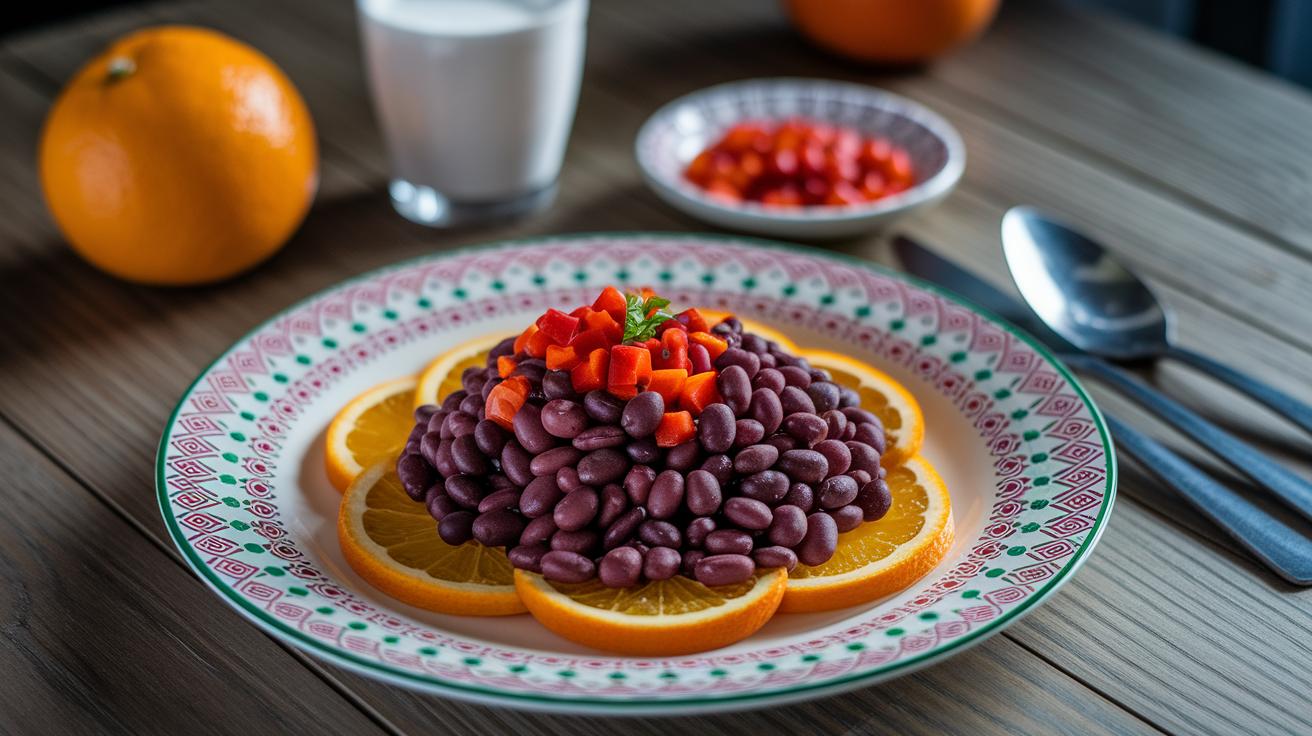
Boosting your iron supplement’s effects is as simple as adding some vitamin C to your day. Eating fruits like oranges and crisp bell peppers can help your body absorb two to three times more iron. Imagine starting your morning with a bright, juicy orange slice that works together with your supplement to support you.

It’s a smart move to plan meals so you skip tea, coffee, and dairy for one to two hours after taking your supplement. These drinks and foods have tannins and calcium that might slow down how well your body takes in iron. It’s like giving your supplement a clear window, free from any competition.

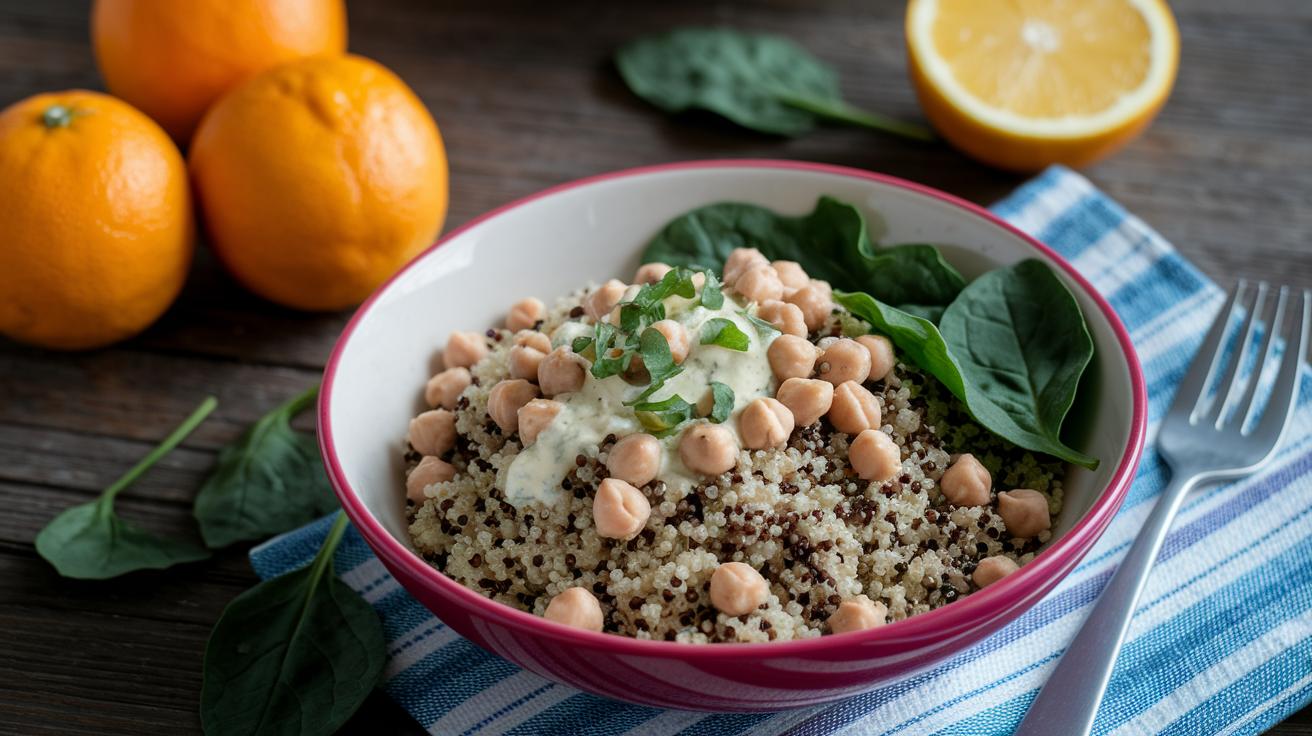
If you enjoy mixing up your meals, try including lean red meat, spinach, and lentils. These iron-packed foods, especially when you add a little vitamin C like a squeeze of lemon on your salad, work together to keep your iron levels healthy. Imagine a dinner plate full of colors, it can feel as refreshing as a small picnic, a real mini celebration of taste and wellness.

And don’t forget to stay well-hydrated and enjoy plenty of fiber-rich foods. They help keep your tummy comfortable while you’re taking your supplement. For more simple tips on diet and wellness, you can check out the maternal diet and wellness guidelines. These little lifestyle tweaks can truly help you get the most out of your prenatal iron supplement.

Professional Guidelines and Common Questions on Prenatal Iron Supplementation

How much iron do pregnant women need?
Most doctors suggest that during the early stages of pregnancy, you’ll need about 27 mg of iron each day. If your tests show you have low iron or anemia, your healthcare provider might recommend upping that to 30 mg or more. Often, your doctor will adjust the amount based on your blood tests and how you feel.

When should supplementation begin?
It’s a good idea to start your iron supplements early, ideally in the first few months or even before you try to conceive. This early boost helps your body prepare for the extra demands of pregnancy. Keeping an eye on your hemoglobin and ferritin levels with your provider can show you when to begin and if any changes are needed.

Should iron be taken with or without food?
Taking iron on an empty stomach might help your body absorb it better, but sometimes it can cause a bit of stomach upset. Many moms find that having a small snack with their supplement helps lessen any tummy discomfort. You can try different times of the day to see what works best for you.

What if I miss a dose?
If you accidentally skip a dose, just take it as soon as you remember, unless it’s nearly time for your next dose. In that case, just move on with your regular schedule. There’s no need to double up, as that can lead to side effects you’d rather avoid.

Are there risks of excess iron?
Taking too much iron, over 1,000 mg a day, can be risky. It might cause problems like constipation, nausea, or even dark stools. It’s important to stick with the amount your healthcare provider recommends to keep things safe.

Can prenatal iron prevent postpartum anemia?
Keeping a good level of iron throughout your pregnancy might help maintain your iron stores after you give birth. While there’s some debate on this, having enough iron during your pregnancy is generally useful and might lower your chances of developing postpartum anemia.

Final Words

This article shares hands-on advice on iron supplementation, providing clear dosage guidance, timing tips, and practical ways to improve absorption. It reveals how different prenatal iron supplement options can support both maternal and fetal health. The insights help explain how small adjustments in your routine can ease common concerns and boost well-being. Simple, evidence-based steps offer both reassurance and practical solutions, paving the way for healthier, happier days ahead. Keep embracing these supportive practices to make every day a little brighter.

FAQ

Q: What is the best iron supplement for pregnancy and which one is best overall?

A: The best iron supplement for pregnancy depends on your body’s needs. Ferrous bisglycinate and prenatal vitamins with iron are common choices because they are gentle on the stomach and offer reliable absorption when approved by your doctor.

Q: What prenatal iron supplement dose is recommended and is 65 mg too high for those who are anemic?

A: The recommended dose is usually 27 mg per day early on and 30–50 mg later. A 65 mg dose can be safe for anemic mothers if advised by a healthcare provider who tailors your treatment.

Q: How effective are prenatal iron supplement gummies and do needed iron supplements live up to their reviews?

A: Prenatal iron gummies offer a tasty, chewable option but often deliver lower iron levels than tablets. Reading product reviews and labels helps you find a supplement that meets your recommended daily intake.

Q: What should I know about purchasing prenatal iron supplements at Walmart?

A: Walmart carries many prenatal iron products, from ferrous sulfate tablets to all-in-one prenatal vitamins. Check labels and consumer reviews to choose a product that matches your dosage and dietary preferences.

Q: Should I include iron in my prenatal vitamins and what benefits does it offer?

A: Including iron in prenatal vitamins supports both your overall health and your baby’s growth by preventing anemia and maintaining energy levels, making it a beneficial part of prenatal care.

Q: Which prenatal iron options help reduce constipation and what side effects should I watch for?

A: Chelated and slow-release iron supplements can help minimize constipation. Mild side effects like stomach upset or dark stools are possible; taking them between meals often eases these issues.

Infant Growth Milestones: Little Steps To Success

0

Have you ever noticed how your baby's smile can light up a whole room? Each little coo or giggle is like a tiny cheer for all the progress they're making. In this post, we take a warm, month-by-month look at these early milestones, giving you a friendly roadmap of your little one’s growth. Let’s celebrate every small victory as your baby blossoms into their very best self.

Infant Growth Milestones by Month

Tracking your baby's growth every month gives you a gentle roadmap of their little achievements. It helps set clear, realistic expectations by showing how your little one develops in small, meaningful steps. Celebrating even the tiniest progress can brighten your day and keep you informed about the wonderful changes ahead.

Month Physical Cognitive Language Social
1 Month Snuggling, sleeping, feeding Basic sensory responses Soft cooing sounds Quiet bonding with a caregiver
2 Months More alert and smoother movements Notices things nearby First early vocal sounds Begins forging a family connection
3 Months Moves more actively Follows objects with their eyes Smiles socially and coos Grows closer to caregivers
4 Months Better hearing, touch, and vision with intentional arm and leg movements Responds to sights and sounds Makes clearer babbling sounds Expresses joy through smiles and laughter
5 Months Sits with support; shows signs of readiness for solid foods Curiosity about objects increases Starts exploring babbling Shows excitement during play time
6 Months Reaches for objects and shows better coordination Begins to understand that objects exist even when out of sight Improves babbling and sound play Responds warmly to familiar faces
7 Months Sits on their own Improves hand-eye coordination Varies babbling sounds Loves interactive play
8 Months Reaches and grabs with purpose Explores their surroundings more actively Makes a range of sounds Plays happily with familiar faces
9 Months May start crawling while personality emerges Begins to mimic actions Uses different vocal sounds May show anxiety around strangers
10 Months Crawls or scoots and practices fine motor skills Improves memory and problem-solving abilities Tries out simple words Builds deeper bonds with caregivers
11 Months Pulls up to stand and moves along furniture Shows early problem-solving skills Might say simple phrases Interacts more during play
12 Months Takes first steps and uses gestures like “bye-bye” Actively explores the world Says “mama/dada” and a few simple words Displays open affection

Remember, every baby is unique. These milestones are just a flexible guide and not a

Infant Growth Milestones Tracker: Tools and Tips for Parents

img-1.jpg

Watching your little one grow can be such a joy. Keeping track of every tiny win helps you feel sure about their progress. It also makes it easy to notice small changes over time, which can be really handy during doctor visits and at home.

You might like using milestone apps that send you friendly reminders so you never miss an update. Or try printing monthly PDFs from trusted pediatric groups for a quick glance. Some moms love keeping a weekly photo journal to capture each memorable moment. Others jot down everyday milestones in a developmental journal, making it a fun daily habit. And why not use pediatric check-ups as a chance to review your baby’s progress? There are even playful logs that let you record your observations in a hands-on way.

Mixing digital tools with simple printables gives you the flexibility to fit tracking into even the busiest days. When you blend casual, everyday notes with regular doctor check-ups, you get a complete picture of your baby’s journey. Each day then becomes a special opportunity to celebrate the little steps that add up to big, beautiful successes.

Infant Growth Milestones: Physical and Cognitive Stages

Every tiny movement a baby makes does more than build muscle. When they roll, sit, or crawl, they’re also lighting up brain pathways that help them learn about cause and effect. Picture a baby reaching for a toy, not just practicing motor skills but sparking early problem-solving and curiosity as they discover that a gentle shake produces a sound.

These early steps also pave the way for language and social growth. When a baby explores and handles objects, they’re quietly laying the groundwork for recognizing faces, sounds, and even learning to mimic simple gestures like a parent’s wave. Each little attempt builds a bridge from physical control to forming meaningful connections.

Each new motor skill gives them the confidence to interact with their world. As they master these movements, they sharpen their senses and start communicating in little smiles and baby gestures. It’s amazing how a simple smile at a familiar face can show the growing link between their physical progress and social bonding.

Infant Growth Milestones: Recognizing Atypical Development

img-2.jpg

Every baby grows at their own pace, and it’s completely normal to see small differences. Still, sometimes a few signs might mean your little one needs a bit of extra attention. It can feel a bit worrying when your child doesn’t hit every milestone exactly on schedule. Just remember that many of these differences are perfectly normal, but knowing what to watch for can help you decide when it’s time to give your doctor a call.

For example, if your baby hasn’t started giving social smiles by the time they’re 3 months old, it could be a hint that their social engagement is taking a little longer to develop. Similarly, if you haven’t heard any babbling by around 6 months, it might suggest that their early language skills are coming in late. And if your baby isn’t able to sit with a bit of support by about 9 months, this might mean that their physical milestones need a little extra help. Keeping an eye on these cues, along with knowing your baby’s usual rhythm, can make you feel more confident as you watch their growth.

Regular pediatric screenings at 9, 18, and 24 months are really helpful for checking on overall development. So if you notice any of these signs, it’s a good idea to talk with your doctor or even a specialist. Early intervention can provide the needed support, helping your baby thrive as they grow.

Infant Growth Milestones Resources: Printable Checklists and Guides

If you’re looking for a simple way to track your baby’s growth, free milestone checklists from trusted groups like the CDC and AAP are a great start. These printable charts help you spot changes in growth, motor skills, and language, and they work nicely with digital apps so you can check on things anytime. I remember being surprised the first time I saw the CDC checklist, it showed me how each little milestone can add up to a lifetime of memories.

Creating your own milestone journal or poster can make tracking even more special. It’s fun and personal, imagine writing down the day your child said their first word, adding a cute photo, and keeping that memory alive. It turns everyday moments into treasured keepsakes.

Local parenting groups, pediatric guides, and handy handouts can give you extra support as you watch your child grow. These resources pair well with printed checklists, mixing expert advice with everyday tips. For even more insight, you might want to explore readings on "stages of childhood development" and "language development milestones" for clear, expert-backed guidance.

Final Words

In the action, this article showed a clear, month-by-month look at infant growth milestones, highlighting cuddling, babbling, first steps, and more. We shared practical tools like apps, printables, and photo logs that help track baby progress as well as tips for spotting when development might need a closer look. The guide on physical, cognitive, language, and social changes gives a friendly, hands-on approach to parenting. Every baby grows at its own pace, and using this overview can inspire confidence as you watch those precious milestones unfold.

FAQ

Q: What does an infant growth milestones chart show?

A: The infant growth milestones chart shows typical physical, cognitive, language, and social development from birth to 12 months. It helps parents track progress and set clear expectations for their baby’s growth.

Q: What are normal milestones for infant development?

A: Normal milestones include social smiling, cooing, rolling, sitting, crawling, and early steps. Such markers guide parents in understanding that babies grow and learn at their own steady pace.

Q: What are the five developmental milestones in a baby’s first year?

A: The five developmental milestones usually cover physical (motor skills), cognitive (thinking), language (communication), social (interaction), and emotional (feelings) areas, which together shape a baby’s overall progress.

Q: What is considered the hardest month for a baby?

A: Many caregivers find that around 4 to 6 months can be challenging due to rapid changes in physical and cognitive abilities, often causing increased fussiness and adjustment in sleep patterns.

Q: What can a baby typically do from 0 to 12 months?

A: From 0 to 12 months, babies start with basic needs like feeding and sleeping, then develop to smile, coo, roll, sit, babble, crawl, and take first steps, with each month adding new skills.

Q: Where can I find a developmental milestones PDF or checklist?

A: Developmental milestones PDFs and checklists are available from trusted sources like CDC and AAP. These tools offer a handy, printable guide to help parents track their baby’s progress month by month.

Balancing Cravings With Healthy Maternal Nutrition: Pure Joy

0

Have you ever noticed how, when you're expecting, you might suddenly crave a specific food? It can feel a bit confusing at first, but these urges are really your body’s way of sharing what it needs. Cravings can be gentle hints to help balance your meals while still treating your taste buds.

In this chat, we're going to look at how adding healthy foods to your favorite flavors can brighten your day and support your growing baby. Let’s break down these little signals and create a simple, joyful plan that works just for you.

Balancing cravings with healthy maternal nutrition: Pure Joy

Pregnancy cravings can feel a bit mysterious, but they’re really messages from your body. Hormonal changes, like shifts in estrogen and progesterone, can make you crave certain flavors. It’s like your body is whispering a little secret about what it needs.

For example, if you suddenly long for red meat, your body might be asking for more protein, iron, or vitamin B12. You could try mixing a bit of protein with some healthy carbs, like grilled chicken paired with quinoa. It’s a simple, nourishing combo that feels both satisfying and good for you.

Another cute idea is to spread out your meals into little bites during the day instead of one big snack. Think of a handful of almonds with some apple slices, a snack that keeps your energy steady and matches your changing hormones perfectly.

Here are a few tips to help guide you:

  • Figure out what your craving means. Is your body seeking a quick burst of energy or a specific nutrient?
  • Try swapping out something not-so-healthy for a better choice. For instance, if you’re eyeing a sugary treat, Greek yogurt with berries might hit the spot.
  • Pair foods wisely by combining lean proteins with whole grains to help your body get the most nutrients.
  • Watch your portions. Enjoying small, mindful bites can keep those cravings from getting the best of you.

Taking a little time to plan meals can make a big difference. Fill your plate with fruits, veggies, lean proteins, and whole grains. Not only does this keep cravings in check, but it also supports your baby’s development. Fun fact: before Julia became known as a top chef, she experimented with mini-meals during her pregnancy and noticed her energy soared when she balanced flavors and nutrients. Little changes like these can bring pure joy to both your day and your baby’s growth.

Decoding Pregnancy Cravings for Tailored Maternal Nutrition

img-1.jpg

Your body often talks to you through cravings during pregnancy. For instance, if you're suddenly craving something sweet, it might be your body's way of asking for a quick burst of energy. On the other hand, a pull towards red meat could mean you need more iron or vitamin B12. Did you know that rising hormone levels, like estrogen and progesterone, can really make flavors pop and cravings feel extra strong?

Recent studies tell us that these cravings partly come from changes in your taste buds. Even a small bite of a favorite food can feel extra satisfying because your body is set to pick up on every flavor. This natural reaction helps you choose foods that give both you and your baby a healthy boost.

Instead of simply swapping foods, why not mix it up with these fresh meal ideas:

  • Try a quinoa bowl with lean beef, roasted sweet potatoes, and dark leafy greens.
  • Blend a smoothie with Greek yogurt, spinach, banana, and a sprinkle of flaxseed for an energizing lift.
  • Enjoy a whole grain wrap filled with lean turkey, avocado, and fresh spinach for a tasty balance of protein and healthy fats.
  • Savor a roasted chickpea salad with apple slices and a dash of cinnamon for a nutrient-rich twist.

These suggestions help satisfy your cravings while keeping you nourished with well-rounded, whole-food choices that support steady energy throughout your day.

Smart Snack Choices to Harmonize Cravings and Maternal Nutrition

Picture switching out that calorie-heavy treat for a snack that's both tasty and packed with nutrition. These ideas are designed to boost your health with extra fiber, good fats, and essential vitamins while still hitting those cravings you get for something sweet, salty, or crunchy.

  • Try a green smoothie made with spinach, banana, and almond milk, and don’t forget a spoonful of flaxseed. It’s like a burst of green goodness that gives you energy as quick as a mini meal!
  • Enjoy a yogurt parfait where creamy Greek yogurt meets mixed berries and a sprinkle of crunchy granola that replaces your usual sugary dessert.
  • How about avocado-toast bites on whole-grain bread drizzled lightly with olive oil? They offer a lovely mix of good fats and fiber.
  • Mix dates, almonds, and a little cocoa nib for nutty energy balls. They’re naturally sweet, feel indulgent, and keep the extra calories at bay.
  • Crunch on crisp veggie sticks like carrots and cucumbers, paired with a side of protein-rich hummus for that satisfying crunch.
  • An easy option is apple slices with a dab of almond butter, sweetness and protein in a very balanced way.
  • Lastly, a small bowl of trail mix with unsalted nuts, seeds, and dried apricots rounds out your snack time with extra fiber and minerals.

These fresh swaps make balancing your cravings with smart, wholesome nutrition simple and fun. Each bite is a little moment of joy that nourishes both your body and your busy day.

Crafting Customized Meal Plans for Healthy Maternal Nutrition

img-2.jpg

Planning your meals can make a big difference in keeping your energy up and your nutrition balanced during pregnancy. By having three main meals and two healthy snacks each day, you help keep your blood sugar steady and give yourself the strength to enjoy every moment. Think of it like setting out the ingredients for a favorite family recipe, a mix of whole grains, lean proteins, beans, and fresh seasonal produce.

Picture a day like this: start your morning with a warm bowl of oatmeal topped with fresh berries and a few crunchy nuts for fiber and protein. Then, around mid-morning, treat yourself to crisp apple slices with a dollop of almond butter. For lunch, try a whole-grain wrap filled with lean turkey, creamy avocado, leafy greens, and a side of mixed beans. In the afternoon, a serving of smooth Greek yogurt sprinkled with seeds gives you that extra boost. And for dinner, imagine enjoying a plate of grilled chicken with quinoa and roasted veggies or a hearty lentil stew with brown rice. Little, nutrient-rich snacks throughout the day really help keep cravings in check and fuel your body.

One way to make your meal planning even more personal is to sketch out a weekly menu that fits both your cravings and your nutritional needs. I once remembered how pairing vibrant bell peppers with lean proteins made every bite feel like a warm hug from home. It’s a simple exercise that turns everyday meal planning into a joyful routine for you and your little one.

Portion Control and Mindful Eating for Craving Management

Taking the time to slow down and really enjoy your food can make a big difference when it comes to handling cravings. Mindful eating is about pausing before each bite to notice the aroma and taste while checking in with your body, ask yourself, "Am I still hungry?" Imagine scooping a tiny bit of your favorite treat and letting its flavor fill your senses, much like enjoying a fresh blueberry on a bright, sunny morning.

Sometimes, a little change in your surroundings can help too. Using a smaller plate or bowl is a simple trick to naturally reduce your portions. Here are some easy ideas to keep those cravings in check:

    Pre-portion snacks into small containers to avoid eating too much without realizing it. Before you eat, take a few deep breaths and tune in to your hunger signals. Measure out servings when you can to get a good idea of what a proper portion looks like. After a few bites, have a quick mindful check-in to see if you’re still really hungry.

This slower approach to eating not only helps you avoid wandering into impulsive snacking but also supports balanced nutrition, especially if you're expecting. By mixing these mindful habits with simple portion control, you build a gentle routine that lets you enjoy treats without overdoing it, keeping both you and your baby well-nourished.

Nutrient-Rich Comfort Meals and Healthy Indulgences

img-3.jpg

Picture a warm bowl that wraps you in comfort while giving you the nutrients you need. One lovely idea is a quinoa bowl with roasted veggies like sweet potatoes, broccoli, and red bell peppers, finished off with a little dollop of Greek yogurt. It tastes like a homemade meal and offers the protein and fiber your body cherishes, especially during pregnancy.

Then there’s another inviting option, a savory bowl filled with lean turkey, brown rice, and steamed greens, all lightly mixed with a gentle vinaigrette. It feels like a cozy hug for your taste buds, blending indulgence with nourishment.

If you’re in the mood for something sweet yet healthy, try making frozen banana ice cream. Just blend a ripe banana with a splash of almond milk and maybe a bit of cocoa powder or a handful of berries. It has a creamy texture and gives you natural sugars and vitamins for a quick boost.

For a warm dessert treat, baked fruit crisps with oats and nuts are a delight. Imagine lightly baked apples topped with a crunchy oat mix, it’s like a small celebration of healthy indulgence, evoking memories of a favorite family recipe.

Professional Support to Optimize Cravings and Maternal Nutrition

Talking with a healthcare professional about nutrition can really make a difference when you're expecting. Dietitians give advice based on the latest research and tailor their suggestions to fit your unique needs. I heard one mom share how her dietitian explained that her craving for lean proteins was a way her body asked for more iron and vitamin B12. This kind of personal insight can help you choose foods that support both you and your baby.

Nutrition counseling during pregnancy can also help lower risks like gestational diabetes while keeping your energy steady. It’s not about following a strict meal plan but about learning what your body is telling you, like a trusted friend who understands both the science and art of good eating.

Sometimes, a quick chat with a nutrition expert can change the way you see cravings. Instead of feeling frustrated, you might start to see them as helpful signals. By embracing professional advice, you can balance your cravings with nutritious food choices that nurture your baby’s development.

Final Words

In the action, we explored step-by-step tips for managing pregnancy cravings while still fitting in key nutrients. We covered simple snack swaps, thoughtful meal planning, mindful eating habits, and even the value of expert advice. Each part of the article offered ways to satisfy tastes without sacrificing essential care. Remember, balancing cravings with healthy maternal nutrition is about enjoying every meal while taking care of your body and baby. Stay positive and carry these practical ideas with you as you nurture both your cravings and your well-being.

FAQ

What are food cravings when pregnant with a girl?

The food cravings when pregnant with a girl are driven by hormonal shifts and personal taste rather than the baby’s gender. Most moms experience cravings based on nutritional signals and comfort desires.

What does a pregnancy cravings list typically include?

The pregnancy cravings list often includes sweets, salty snacks, dairy items, and even tangy foods. Hormonal changes can spark these cravings, which may signal the body’s need for extra energy or specific nutrients.

What is considered a weird pregnancy craving?

A weird pregnancy craving might involve unusual food combinations that seem odd outside pregnancy. Hormonal fluctuations and your body’s nutritional cues can lead to these offbeat taste preferences.

What are food cravings like when pregnant with a boy?

Food cravings when pregnant with a boy are similar to those with a girl. The flavors you crave are largely influenced by your evolving nutritional needs and hormone levels, regardless of the baby’s sex.

What are pregnancy cravings combinations?

Pregnancy cravings combinations can mix sweet and savory flavors or include unexpected pairings like ice cream with pickles. Hormonal changes prompt these unique mixes as your body signals various nutritional needs.

How is pregnancy cravings reddit useful?

Pregnancy cravings reddit showcases real stories from moms sharing their unique cravings and creative snack ideas. These posts offer relatable insights and practical tips, making it a supportive space for expectant mothers.

Are pregnancy cravings what the baby wants?

The idea that pregnancy cravings are what the baby wants reflects the notion of nutritional needs. In truth, cravings mainly result from your hormonal and nutritional changes rather than direct requests from your baby.

What causes pregnancy cravings?

Pregnancy cravings are caused by hormonal shifts, heightened sensitivities to taste and smell, and changes in nutritional needs. These signals guide you to enjoy foods that provide energy and essential nutrients.

Postpartum Mental Health Counseling For Joyful Renewal

0

Ever notice how your mind can feel like it's running a race after your baby arrives? Sometimes, even when you long for happiness, you might feel a bit lost or overwhelmed. Postpartum mental health counseling is here to help. It offers a warm, safe space where you can share your feelings and learn gentle ways to regain your calm.

This kind of support isn’t just about easing your worries. It’s about rediscovering the joy of motherhood and finding a fresh, hopeful outlook every day.

How Postpartum Mental Health Counseling Empowers New Mothers

After having a baby, moms can feel a whole mix of emotions – from deep sadness and strong worries to the very common baby blues. Picture a mom who, amid all these sudden changes and responsibilities, once felt completely overwhelmed. Step by step, she finds simple tools that help calm her busy thoughts, allowing her to cherish even the smallest, joyful moments with her baby. Counseling offers practical tips and a warm space where every feeling is welcome.

This supportive care is all about therapy tailored for moms. With gentle techniques like Cognitive Behavioral Therapy (which helps change negative thought patterns), it guides new mothers in quieting those intrusive worries and gaining confidence in their parenting. Plus, through a caring network that includes a maternal wellness center (https://womensconference.org?p=10926), moms can connect with trusted experts. Whether through one-on-one sessions or small group meetings, they quickly learn that they’re never alone in this journey.

Easy access is a cornerstone of this care. Therapists offer both in-person and online appointments through secure, private platforms. With flexible scheduling, including weekend and evening sessions, busy moms can find help without the extra stress. Some clinics even welcome children during visits, making it all the more convenient. Many moms discover that getting early support helps improve their mood, relaxes their anxieties, and makes adjusting to their new role smoother, a true step toward a brighter, joyful path in motherhood.

Signs and Symptoms Indicating Need for Postpartum Mental Health Counseling

img-1.jpg

Many new moms go through mood changes after giving birth. A little sadness or tiredness is normal when adjusting, but sometimes these feelings signal that you might need extra support. If your emotions feel too heavy or don’t fade with time, it could mean that your mental health needs a little extra care. It’s important to know the signs so you can get help early and have a warm, understanding conversation with a trusted professional.

  • Deep sadness that just won’t go away
  • Intense anxiety or sudden panic
  • Feeling very alone or disconnected from others
  • Quick irritability or surprising mood swings
  • Constant worry or guilt about your feeding choices
  • Unwanted, disturbing thoughts
  • Trouble bonding with your baby
  • Changes in sleep patterns or appetite

When you notice these signs, reaching out sooner rather than later can really help. It’s all about finding your balance, easing your worries, and feeling confident about taking care of both yourself and your little one. Have you felt any of these signs yourself? Trust that talking to someone who cares can be a big step toward feeling better.

Counseling Approaches and Modalities in Postpartum Mental Health Counseling

Postpartum mental health counseling offers a range of caring methods to help moms feel refreshed and secure. These approaches mix trusted techniques with flexible support, all designed to meet the real needs of new mothers. Think of it like caring for a garden, each nurturing method helps a particular plant thrive, and together they brighten your whole day.

Cognitive Behavioral Therapy (CBT): Principles and Benefits

CBT changes negative thoughts into positive ones. It's like turning a stormy day into one filled with sunshine. In these sessions, you learn to recognize old patterns and gently shift them, making everyday challenges feel more manageable.

Trauma-Informed Techniques: Brainspotting/EFT Overview

Brainspotting and EFT help ease emotional stress so that past hurts don’t cloud your happy moments. Picture tuning out the static on an old radio to hear a clear melody. This approach creates a safe space to explore and let go of lingering feelings.

Group Support Sessions: Peer Groups and Resilience Building

Group workshops bring moms together to share both the highs and lows of life. In these caring circles, everyone's story blends like ingredients in a comforting family recipe. It’s a lovely reminder that you’re not alone and that the collective support builds strength and resilience.

Telehealth & Family Therapy: Virtual Access and Partner Involvement

Telehealth and family therapy allow you to receive help from your living room or a nearby clinic with childcare options. They’re designed to fit into busy schedules and invite partners to join the conversation, so the whole family feels cared for. Imagine it as a friendly check-in, wherever you may be.

Modality Description Typical Duration
CBT One-on-one sessions that help turn negative thoughts into positive ones. 6-12 weeks
Brainspotting/EFT Trauma-focused methods to ease emotional stress. 4-10 weeks
Group Support Group meetings that build a caring, supportive community. Ongoing
Telehealth & Family Therapy Online and in-person sessions that include family and offer childcare help. Flexible scheduling

Steps to Access Postpartum Mental Health Counseling Services

img-2.jpg

First, reach out to a trusted local women’s healthcare provider. Many of these caring professionals work with a team of mental health experts, so if your main counselor isn’t available, they can easily connect you with someone who is, kind of like asking a friendly neighbor for help when you’re in a pinch.

When you’re setting up your appointment, check out both online and in-person options that fit into your busy schedule. Think of it like planning a family dinner: choose a time that works best for you, with options on evenings or weekends, and sometimes even sessions where bringing your child is welcome.

It really helps to make that first call or go online to get started on your journey to feeling better. Every session is conducted using secure, privacy-protected methods (following important rules like HIPAA), so you can feel safe and supported as you adjust after delivery.

Credentials and Expertise of Postpartum Mental Health Counselors

Our team is led by caring, licensed professionals who offer support for postpartum depression and anxiety. These experts have the proper credentials and plenty of experience, so you know you’re in capable hands when you face post-birth challenges.

They are trained in proven talk-therapy methods, like CBT (a way to help change unhelpful thoughts) and EMDR (a technique to ease emotional stress). They also dive deep into mental health around pregnancy and after childbirth, ensuring every session meets both your emotional and everyday needs.

Our counselors work closely with trusted medical professionals to create care plans that fit each mom’s unique journey. They even partner with respected groups like waypoint counseling & maternal wellness pllc to blend therapy and health seamlessly. With regular clinical check-ins and ongoing learning, these experts make sure every plan is safe, effective, and truly supportive.

postpartum mental health counseling for joyful renewal

img-3.jpg

How soon will I notice changes?
Many moms start to feel better after about four to six sessions. One mom mentioned that after just five visits, her worries began to fade and she felt more settled each day. Families also appreciate knowing that many insurance plans cover these sessions and that there are flexible payment options available.

Are virtual sessions safe and private?
Online sessions use secure, HIPAA-compliant video services to keep your conversations private. It’s like settling into your favorite chair at home, feeling safe and knowing your words are kept as carefully as a secret shared between close friends.

What if I need childcare during in-person sessions?
We understand how hard it can be to juggle parenting with self-care. Many providers offer flexible times or even allow you to bring your child along so you don’t have to worry about extra childcare. One mom shared that she felt relieved knowing she could focus on her well-being without the stress of arranging separate care.

Final Words

In the action, we explored how postpartum mental health counseling offers real support for new mothers by addressing baby blues, mood shifts, and the stress of early motherhood. The blog shared a clear picture of symptoms, various therapy methods, and easy steps to access care with both in-person and online options.

Mothers deserve a path filled with caring guidance and a strong support network. Let this insight inspire you to take positive steps toward healing and well-being.

FAQ

What type of therapy is best for postpartum?

The best therapy for postpartum often blends individual sessions like cognitive-behavioral therapy with group support and telehealth options, addressing depression and anxiety while offering flexible care for new moms.

How to help postpartum mental health?

Helping postpartum mental health means engaging in counseling, support groups, and timely professional care that ease mood issues and build resilience, making everyday life smoother for families.

Who can I talk to about postpartum depression?

You can speak with licensed postpartum mental health counselors or specialized therapists who work closely with new moms, offering evidence-based care in a comforting and safe environment.

What are the four stages of postpartum depression?

The four stages typically start with baby blues, move into a phase with moderate symptoms, escalate to a more severe phase, and then enter a recovery stage aided by professional support.

Prenatal Vitamins Iodine: Boosting Pregnancy & Fetal Health

0

Have you ever thought that one little nutrient might hold the key to a healthier pregnancy and a brighter future for your baby? Iodine in your prenatal (care during pregnancy) vitamins works a bit like a smoothly running engine. It helps keep your body steady while supporting your baby’s growing brain and thyroid.

In this post, we'll chat about how a small daily dose of iodine can boost your energy, keep your heart rate steady, and even guide your baby's growth. Let's take a closer look at why this important nutrient deserves a special place in your prenatal care routine.

Iodine in Prenatal Vitamins: Core Benefits for Pregnancy and Fetal Development

Iodine is vital for creating thyroid hormones that help keep your body’s energy steady, control your heart rate, and manage your body temperature. Think of it like a well-tuned engine that makes sure everything runs smoothly as your body works extra hard during pregnancy.

It also plays a big role in your baby’s brain and thyroid development. And even after birth, when you’re breastfeeding, the iodine you pass on supports your baby’s continued growth and well-being.

  • It helps make thyroid hormones that balance your body’s energy.
  • It supports your baby’s brain development for strong thinking skills.
  • It keeps your metabolism steady when your body is under extra pressure.
  • It helps regulate heart rate and keeps your body temperature in check.
  • It plays a part in building your baby’s thyroid, which is important for lifelong health.

It’s a good idea to choose a prenatal vitamin that provides 150–220 micrograms of iodine each day. This small step helps both you and your baby get the care you need, just as recommended by trusted guidelines.

img-1.jpg

Getting the right amount of iodine is important for both you and your baby. Iodine helps your thyroid work well, which is good for your metabolism and your baby's growth. These simple guidelines show you what you need at different times, so you can choose the best prenatal vitamin for you.

Stage Recommended Intake (mcg/day) Safe Upper Limit (mcg/day)
Preconception 150 1,100
Pregnancy 220 1,100
Breastfeeding 290 1,100
Maximum Safe Intake N/A 1,100

Before you change your iodine intake, chat with your healthcare provider. They’ll help figure out what’s best based on your own needs, so you and your baby stay safe and healthy.

Dietary Versus Supplemental Iodine: Sourcing for Prenatal Support

When you're expecting, you might find that nature gives us iodine through our everyday foods. Think about seaweed (like soft kelp), dairy products such as milk and yogurt, eggs, seafood, and yes, iodized salt. These natural foods not only bring iodine to your table but also provide other essential nutrients to help keep you healthy during pregnancy. Imagine having a snack of eggs and yogurt and feeling reassured that you’re boosting your iodine levels naturally.

Sometimes, though, getting all the iodine you need from food alone can be a bit challenging. If your fruits and veggies or other meals come from areas with soil low in iodine or from salt that isn’t iodized, you might not be receiving enough for you and your growing baby. Even if you eat a variety of these iodine-rich foods, there’s still a chance you might fall a little short of what your body truly needs during this special time.

That’s where supplements come in handy. They offer an easy, steady way to make sure you’re getting enough iodine every day. Many moms-to-be find that prenatal care vitamins (like the ones available at https://womensconference.org?p=10823) work perfectly as a backup. They slot right into your meal plan, giving you the consistent iodine support that both you and your baby deserve.

Prenatal vitamins iodine: Boosting Pregnancy & Fetal Health

img-2.jpg

If you're a mom looking for trusted prenatal vitamins, check out these options for a little extra peace of mind. You can learn more about them here: prenatal care vitamins. They offer between 150 mcg and 200 mcg iodine per serving and include folic acid and DHA to help support both you and your baby.

Brand A Prenatal Multi+

Brand A Prenatal Multi+ is a dependable choice. It gives you 150 to 200 mcg of iodine in the form of potassium iodide. The folic acid in this formula helps with cell growth, while the other nutrients work together to aid your baby's developing brain. It's made to provide steady, reliable nutrition throughout your pregnancy.

Brand B Organic Prenatal with Kelp

For a more natural route, Brand B Organic Prenatal with Kelp might be just what you need. This option gets its iodine from kelp extract and even holds an organic certification. It also includes DHA, which helps your baby's eye and brain development. If you're looking to avoid synthetic additives, this blend has been designed with a natural ingredient mix to meet your needs.

Brand C Essential Prenatal Blend

Brand C Essential Prenatal Blend supports your thyroid health because it includes a special thyroid-support component and offers a competitive iodine dose. Its allergen-free formula makes it a smart pick for moms with sensitivities. Along with a mix of balanced nutrients, it focuses on keeping your pregnancy as healthy and comfortable as possible.

Each of these options brings its own unique benefits. Whether you lean toward organic ingredients, need some extra thyroid support, or just want a well-rounded nutrient package, these prenatal vitamins with iodine are designed to support you and your baby's health every step of the way.

Safety Guidelines: Managing Iodine Intake to Avoid Risks

Taking in more than 1,100 mcg of iodine each day can put too much strain on your thyroid, which might lead to issues like an underactive thyroid or even thyroid inflammation. It’s a bit like running your car’s engine too hard, it wears things out and can make you feel off.

Not getting enough iodine poses its own set of challenges. When iodine levels are low, your thyroid might not work as well as it should, which can leave you feeling drained and even impact your baby’s brain development later on.

If you’re considering a change in how much iodine you consume, it’s a good idea to have a chat with your healthcare provider. They can help check your overall diet and any other supplements you might be taking, so you know you’re hitting just the right mark. Working together with your doctor, you can make sure that you’re balancing your iodine levels perfectly for a healthy, happy pregnancy.

Iodine and Thyroid Health During Pregnancy

img-3.jpg

Your thyroid plays a big role during pregnancy by releasing hormones that help balance your energy and support your baby's brain development. New research shows that even small changes in hormone levels can affect your mood and energy. It’s a bit like tweaking your thermostat to keep your home just right.

During pregnancy, your thyroid works harder, and hormone needs can rise by almost 50%. Doctors have seen that some thyroid issues, like subclinical hypothyroidism, might need a little extra care even if test results look normal. These small imbalances can affect both your well-being and your baby’s growth.

Getting just the right amount of iodine is key to meeting these extra needs. Studies suggest that the right iodine intake helps keep your thyroid running smoothly (in what experts call a euthyroid state) and lowers the risk of an underactive thyroid. Think of it like fueling an engine with just the right amount of high-quality gas to keep everything purring along nicely.

Clinical Evidence and Expert Recommendations on Prenatal Iodine

A big study in the Lancet found that even a mild lack of iodine during pregnancy can affect a child's ability to learn and read by the time they are 9 years old. When mothers don't get enough iodine, their kids tend to have lower IQ scores and struggle more with reading. This shows that iodine isn’t just any nutrient, it plays a key role in a child’s brain development.

National health bodies like WHO and NIH have taken note of these findings. They now recommend that all prenatal vitamins must include iodine. This change is part of updating the daily iodine needs based on the latest science, making sure that prenatal care grows with new research.

Experts in healthcare and nutrition around the world now advise that pregnant women should routinely take extra iodine. They explain that iodine helps keep the thyroid working properly, which is vital for the mother's metabolism and the baby’s brain growth. All considered, using prenatal vitamins fortified with iodine can lower the risk of problems linked to iodine deficiency while helping both mom and baby to thrive in the long run.

Final Words

In the action, this article shed light on the vital role iodine plays in supporting thyroid function and healthy fetal development. We touched on the benefits of supplementing with iodine, clear dosage guidelines, food versus supplemental sources, and safety tips to avoid imbalances.

Each section helps you see why checking for prenatal vitamins iodine is key to a supportive mom and baby care routine. Stay confident and keep making choices that support gentle, nurturing care.

FAQ

Frequently Asked Questions

What is the best iodine supplement for pregnancy?

The best iodine supplement for pregnancy meets daily guidelines (150–220 mcg) and comes from a trusted brand, supporting healthy thyroid function and fetal development.

What are the symptoms of low iodine in pregnancy?

The symptoms of low iodine in pregnancy can include fatigue, weight gain, and dry skin, which may impact both maternal wellbeing and fetal brain development.

How much iodine is considered too much in pregnancy?

The threshold for too much iodine in pregnancy is generally above 1,100 mcg per day, which increases the risk of thyroid issues and can affect overall health.

What should I know about prenatal vitamins without iodine?

Prenatal vitamins without iodine lack a key nutrient for thyroid support and fetal brain growth, so it’s best to choose products that include 150–220 mcg of iodine daily.

What is the recommended iodine pregnancy dose?

The recommended iodine pregnancy dose is 150–220 mcg daily, which aids in maintaining thyroid health and proper development of the baby’s brain.

How does iodine support the baby’s brain?

Iodine supports the baby’s brain by contributing to thyroid hormone production, which is essential for neuron development and overall neurological growth during pregnancy.

What are some of the best prenatal vitamins with iodine?

The best prenatal vitamins with iodine provide 150–220 mcg per serving along with essential nutrients like folic acid and DHA, offering balanced support for both mother and baby.

Can too much iodine affect breastfeeding?

Too much iodine during breastfeeding may disrupt thyroid function in both the mother and baby, so keeping total intake below 1,100 mcg per day is important for safety.

Do prenatal vitamins contain iodine and do any vitamins include iodine?

Most prenatal vitamins contain iodine as part of their formulation, ensuring that mothers receive necessary thyroid support along with other key nutrients for fetal development.

Do prenatal vitamins affect the thyroid?

Prenatal vitamins that include iodine help maintain balanced thyroid hormone levels, which are essential for metabolism and energy regulation during pregnancy.

Is folic acid the same as iodine?

Folic acid and iodine are not the same; folic acid supports cell growth and prevents neural tube defects, while iodine is crucial for thyroid health and fetal neurological development.