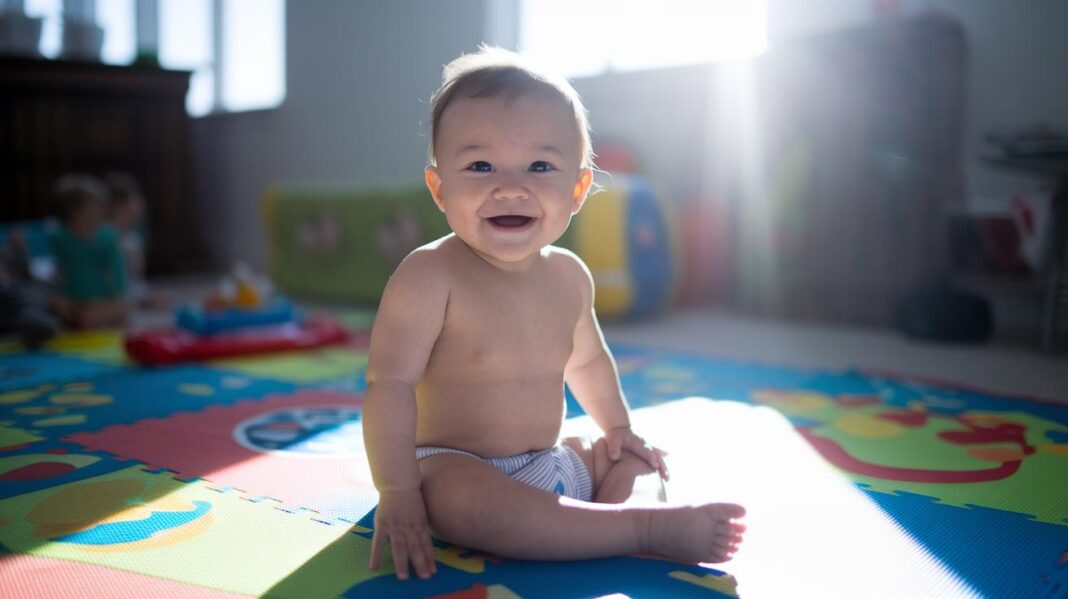
Have you ever wondered when your baby will start sitting up on their own? It’s like watching a little magic unfold right before your eyes. One moment, your little one is quietly watching the world; the next, they’re using their tiny arms to steady themselves and explore a bit more. This first step shows off all that growing strength and little bursts of bravery.
Today, let’s chat about those sweet early moments when your baby tries sitting up. It’s amazing how these little milestones light up your heart, isn’t it? Each time they manage to balance just a bit longer, you can see all that progress in action, a signal that your baby is learning and growing fast.
Next time your baby makes that brave little attempt, take a moment to smile and soak it all in. It’s these everyday triumphs that remind us how wonderful this journey of growth truly is.
Understanding When Can Infant Sit Up Independently
Babies usually begin to sit on their own between 4 and 7 months, with many taking that big step around 6 months. You might notice your little one starting to hold up their head at just 2 or 3 months, an early hint that they’re building the strength needed to sit up. It’s like watching a tiny miracle when your baby manages to briefly hold their head steady as they lie on their tummy.
Before they can sit without help, babies often try a little trick called the tripod posture. They might sit with their legs stretched out while one arm helps keep them balanced. This shows that their muscles are getting stronger, even if they still need a bit of support from your lap or a soft cushion. When you see your baby sitting with a bit of help at around 4 months, know that they're beginning to explore what their growing body can do. Some babies might take a bit longer and only start sitting on their own when they’re around 8 or 9 months old.
Sitting up is a big milestone that usually happens before crawling, which typically starts between 8 and 10 months. Think of it kind of like a toddler learning to climb a small hill, each little push to get upright mirrors the growing confidence and muscle control in your baby. It’s a joy to see these moments unfold, as every small step is a sign of your baby’s increasing independence and motor skills.
Sitting Development Timeline: Milestone Chart for Infant Sit Up Progress
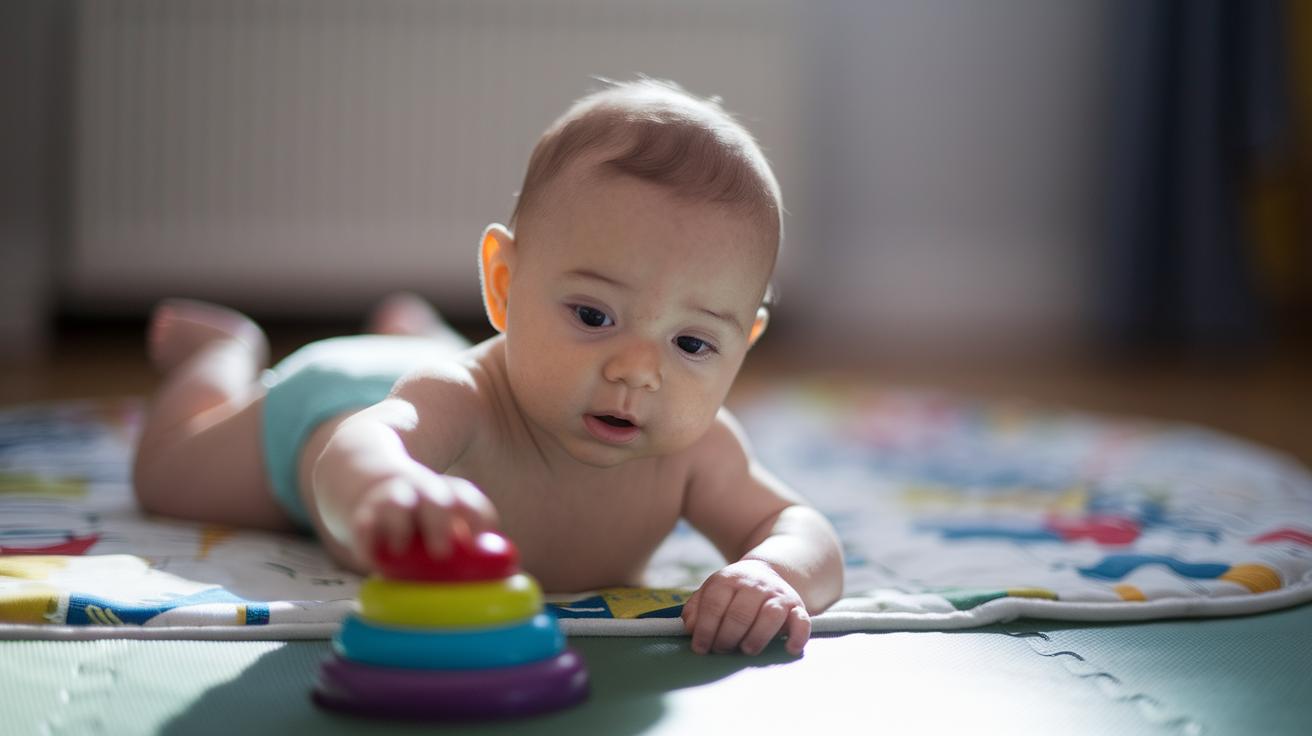
This chart shows you how your baby goes from lying down to sitting up on their own. It’s like a little adventure where every step, even holding up with one arm for support, is a sign of growing strength and confidence. Imagine your baby using their tiny hands for balance, much like a curious explorer taking their first brave steps.
We’ve broken down the journey into five clear stages. At first, around 3–5 months, your baby needs a bit of help to sit up. Then, as they move into prop and wobbly sitting stages, a little extra support and a watchful eye go a long way. By 6–8 months, many babies can sit without any help at all, and soon they start switching between sitting and other movements, setting the stage for crawling and more.
| Stage | Age Range | Description |
|---|---|---|
| Sitting with Support | 3–5 months | Needs a caregiver’s lap or gentle hands near the ribcage |
| Prop Sitting | 4–6 months | Uses hands to steady themselves; encouraged to reach for toys |
| Wobbly Sitting | 5–7 months | Balances more on their own but still wobbles; requires close supervision |
| Independent Sitting | 6–8 months | Sits upright completely on their own |
| Functional Sitting | 7–11 months | Starts moving between sitting and other positions independently |
Benefits of Tummy Time to Support Infant Sit Up Readiness
Every day, a little bit of tummy time can do wonders for your baby. It’s like a fun, mini workout that helps build the strength in their neck and tummy muscles. Even when your baby is just a newborn, a few minutes on their tummy gives them a chance to boost the muscles needed to hold up their head and body. It’s a simple way to help them get ready for sitting, rolling, and crawling.
When your baby practices tummy time, they slowly learn to lift their head and adjust their balance. This gentle practice lays the groundwork for all the exciting movements to come, giving your little one a chance to build strength naturally.
Tummy Time Guidelines
- Newborns: Try doing tummy time 2–3 times a day for about 3–5 minutes each time, or until your baby shows signs of getting tired.
- By 3 to 5 months: Gradually work up to a few short tummy time sessions spread throughout the day.
- As your baby grows older: Aim for 15–30 minutes total each day, broken up into several sessions. This helps them get comfortable with sitting, rolling over, and eventually crawling.
Pre-Sitting Exercise Routines
When your baby is around 3 months old, you can add in some simple exercises to help them practice sitting. Gently lift your baby’s upper body from a lying position a few times during each session, about 5–10 lifts, and keep an eye on them for safety. You might even use soft toys like a little ball or a mirror to catch their interest. These playful activities not only boost their motor skills but also help your baby feel comfy in an upright position while they work on their balance.
Safe Practices for Infants Learning to Sit Up
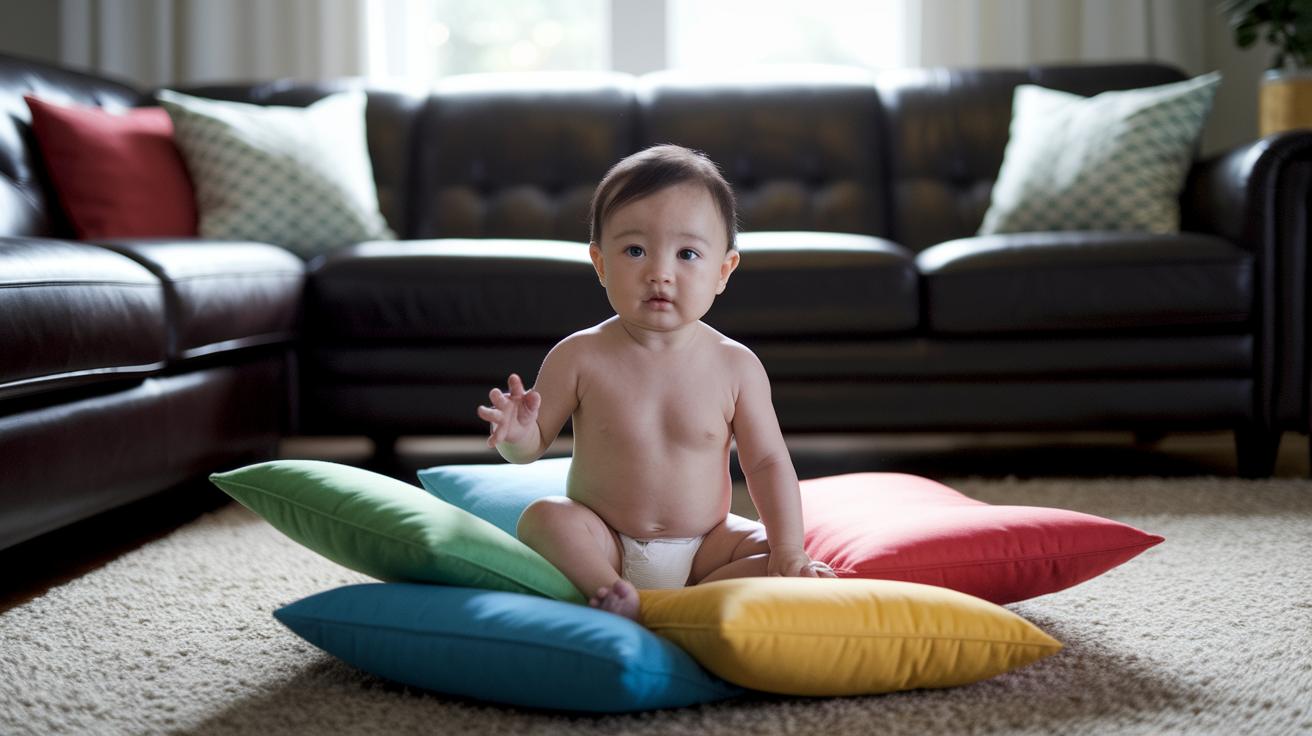
When your baby starts learning to sit up, it’s important to create a secure space so they can explore safely. Make sure you’re close by during sitting exercises – a little extra supervision goes a long way in preventing mishaps. Instead of using beds or sofas, try practicing on the floor or a soft padded mat. This way, if there’s a fall, injuries are less likely.
Begin by clearing the area: remove hard objects and any sharp edges. It’s all about giving your baby peace of mind as they explore. Setting up a seating area with supportive pillows or even a cozy nursing pillow arranged around your baby works great. Just be careful to avoid elevated spots that might cause a fall. For those moments when your baby sits in a crib, lower the mattress to its lowest setting and take out any bumpers. Imagine your little one confidently sitting without any hazards around – small changes really can make a big difference.
- Keep soft toys within reach to encourage balance and reaching.
- Take out any items that could be harmful.
- Regularly check the area to keep it safe and hazard-free.
By creating a dedicated, gentle space for sitting practice, you help your baby build balance and confidence. This caring approach makes every practice session a happy milestone where your little one feels nurtured, safe, and ready to keep exploring.
When to Worry About Infant Sit Up Delays: Red Flags
Watch your baby closely as they learn to sit up. By 9 months, if your little one still needs extra help to sit or isn’t doing it on their own, it might be time to keep a closer eye on things. Sometimes you might see your baby pause or struggle when trying to lift their head, and that small moment could be hinting at something deeper.
There are a few signals that show your baby might be having trouble building the muscles needed for sitting. For example, if your baby doesn’t hold their head steady by 4 months, it means they find it hard to keep it up even with support. Also, if you notice that their muscles feel too stiff or unusually limp, this could be another sign. Sometimes, you might see them leaning more on one side when they sit, or having difficulty turning their body to adjust their balance.
If you notice these signs again and again, it’s a good idea to talk with a doctor or a specialist in physical or occupational therapy. They can help check if there’s an issue with their muscle strength or tone. Remember, getting a professional opinion early can make a real difference, so don’t hesitate to reach out for help.
Final Words
In the action, this article explored when can infant sit up and the clear steps along the way, from early support to self-supported sitting. We broke down the stages, shared pre-sitting exercises, tummy time routines, and safe practices that help build confidence in little ones. The guide also offers insights on what to watch for if development slows down. Every tip is meant to feel practical and caring, so you can enjoy every new milestone with assurance and hope. Keep celebrating every small win!
FAQ
When do babies sit up, crawl, and roll over?
Babies usually begin to sit with support between 3 and 5 months, move to independent sitting by 6 to 8 months, crawl around 8 to 10 months, and start rolling over as early as 4 months.
Is it okay for a baby to sit up at 3 months—and can I put my 3-month-old in a sit-me-up?
A baby at 3 months can briefly sit with help, but full head control is still forming, so always provide supportive cushions and constant supervision during sitting attempts.
What are typical sitting positions for babies at 2, 3, and 4 months?
At 2 months, babies mostly rest on their backs; at 3 months, they might try supported sitting; and by 4 months, many use a tripod stance by leaning on their hands for balance.
Is holding a baby in a sitting position bad?
Holding a baby in a sitting position briefly is fine, but infants need tummy time and varied positions to build core strength and avoid strain on their growing muscles.
When should I worry if my baby isn’t sitting up?
Worry if your baby shows little head control by 4 months or hasn’t reached supported sitting by 9 months. Consult your pediatrician to check for any motor delays or muscle weakness.
When can I stop keeping my baby upright after feeding?
After feeding, soon move your baby to a reclined or lying position. Keeping them upright too long can cause discomfort, so transition them quickly for proper digestion and comfort.