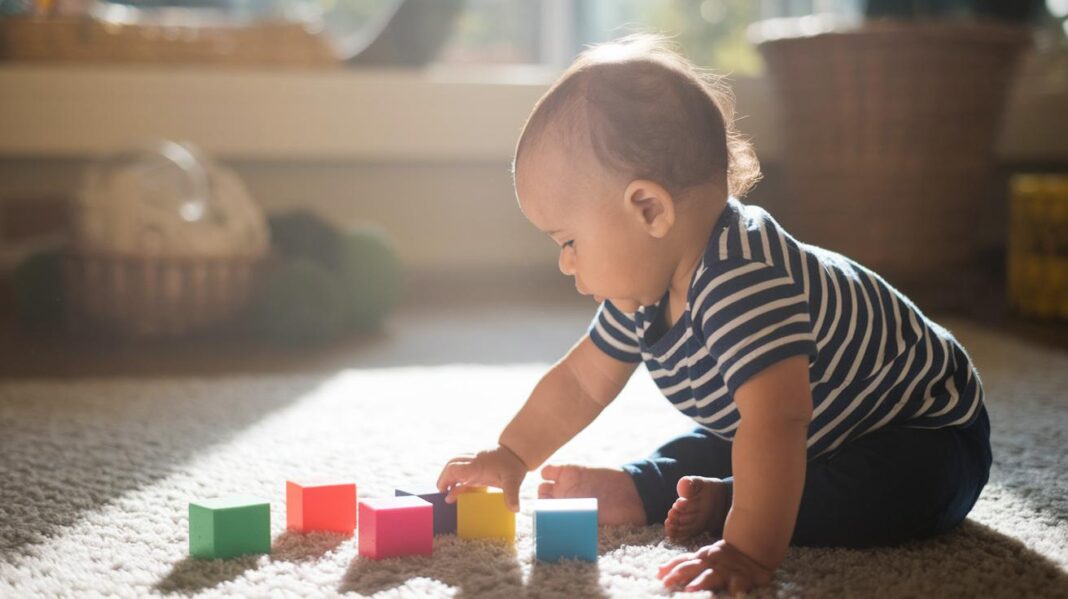
Have you ever noticed how even a tiny grasp can mean big progress for your little one? It may sound surprising, but those first instinctive moves show the start of learning fine skills.
In this post, we're chatting about how your baby goes from simple hand-to-mouth reflexes to more playful, purposeful grips. Each small step helps build the skills that lead to doing things on their own.
Take a moment to think about it, every gentle touch is the start of growing independence. Isn't it amazing how little moments can lead to big strides in development?
Key Infant Fine Motor Milestones by Age (0–12 Months)
0–3 months
Newborns explore the world mainly through natural reflexes like grabbing and bringing their hands to their mouth. It’s all part of how they start to learn about their tiny bodies. Imagine a baby instinctively reaching for a finger held close to their face, that’s one of those early signs that their fine motor skills are beginning to blossom.
3–6 months
During this stage, babies start to reach out on their own and move objects toward the middle of their body. It’s an exciting time when they begin to control their arms with purpose. Picture a baby trying to grab a toy hanging nearby and then switching it from one hand to the other; it’s a gentle nudge toward self-directed play.
6–9 months
Now, you can see their arm control getting much better. They start handling toys more deliberately, and this careful movement is a sign that hand-eye coordination is coming in strong. Watching them steadily explore toys shows how their little hands are learning to work together with their eyes.
10–12 months
Around this time, you might notice your little one rotating their wrist and using both hands together. This new skill lets them try stacking objects and even helps with simple self-feeding. Imagine a baby carefully piling soft blocks using both hands, it’s a fun and playful step as they learn to do things on their own.
For a broader look at development stages, check out the detailed guide at https://womensconference.org?p=11029.
Progression to Precision: Pincer Grasp Timeline in Babies
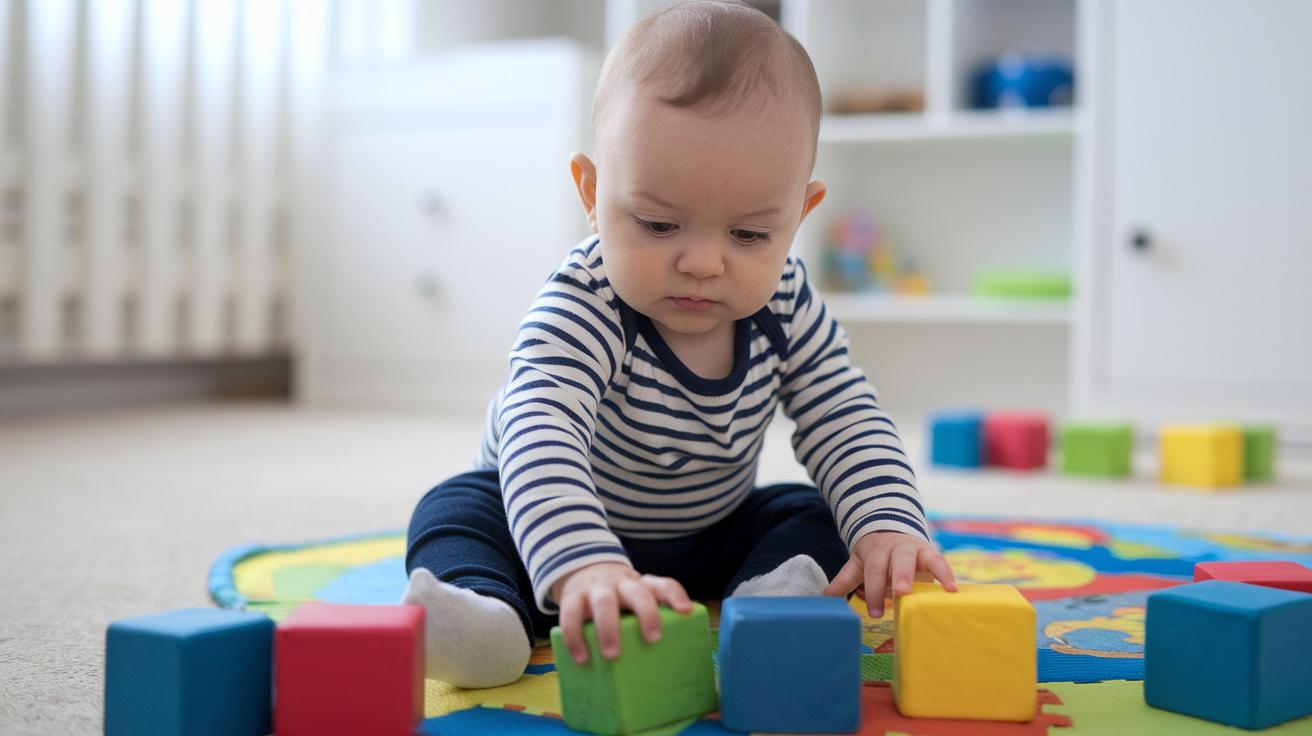
Around 8 to 10 months, you might notice a special change in how your little one uses their hands. At first, babies tend to use a whole-hand sweep when grabbing things. But pretty soon, you’ll see them switch to a more focused pinch using just the thumb and finger. It’s like moving from grabbing a whole bunch of cereal to carefully picking out a single piece with soft fingertips.
This refined pinch is a big deal because it shows that their finger control is getting stronger. You can watch for little cues, maybe your baby is reaching for small objects with more precision. During playtime, try placing a light, safe object within easy reach and see if your baby makes a neat little grasp. When your child picks up a tiny block or a bit of soft food with ease, it means they are developing their pincer grasp nicely.
These new skills are also a stepping stone for future activities like self-feeding or playing with building toys. Imagine your baby now picking up one small marble at a time instead of a handful, each delicate touch is a big step forward. It’s a wonderful moment of growth that you can celebrate every day; every tiny grasp is a triumph of early finger control.
Activity Guide: Stimulating Infant Fine Motor Development
Structured play is a gentle way to help your baby’s little hands learn control. Try setting up a sensory bin filled with safe items like dry pasta, large rice grains, or soft fabric pieces. Picture your little one carefully touching and scooping these treasures, it’s a fun, hands-on way to boost early hand movements.
Here are some simple, age-appropriate activities you can try:
- Side-to-side passing games: Sit facing your baby and slowly pass a soft toy back and forth. This simple game not only helps build basic hand control, but also creates a sweet moment of connection.
- Textured toy play: Choose toys with different textures so your baby can explore. Let them run their fingers over a silky ribbon, a bumpy ball, or a squishy toy. It can be lovely to watch as they press and pat a small crinkly fabric square, discovering new sensations along the way.
- Simple transfer games: Place a couple of small, safe objects in one bowl and encourage your baby to move them into another container. Even the act of transferring larger objects from hand to hand supports growing strength and control.
- Basic dexterity exercises: Gently guide your baby’s hand to hold a light object like a rattle. You might notice a bright spark of interest as they begin to play with it, a hopeful sign of their developing fine motor skills.
These playful activities not only spark curiosity, but also set the stage for future skills. Every little movement your baby makes is a bright beginning on their journey toward better coordination. Remember, each gentle play session is a step forward in their physical development (physical development in early childhood – https://womensconference.org?p=10942).
Monitoring Progress: Recognizing Delays in Infant Fine Motor Milestones
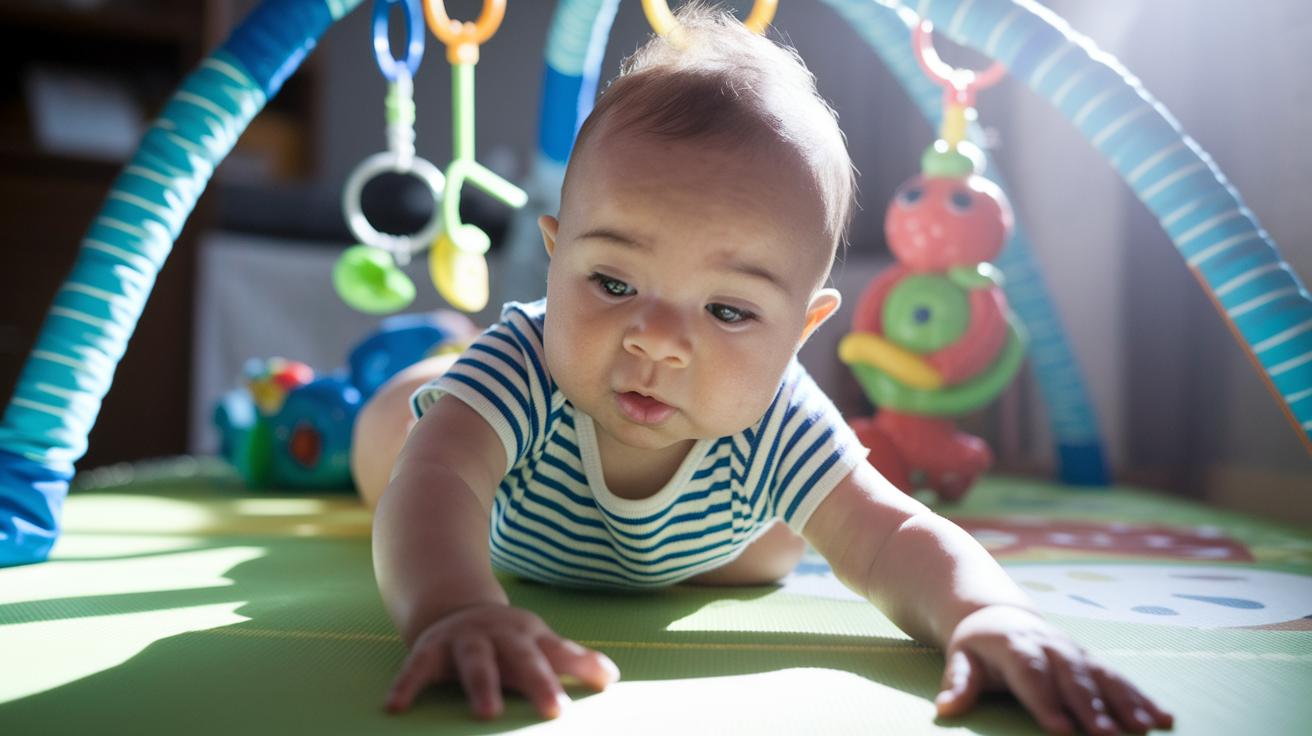
Pediatric occupational therapists and early intervention specialists keep an eye out for little hints that might mean your baby isn’t following the usual path with their fine motor skills. For instance, if your baby isn’t grabbing objects by six months or doesn’t show a clear effort to reach for toys by nine months, it might be a good idea to get a closer look. Think of these early signs as a simple checklist to help you follow your little one’s growth journey.
Sometimes even small differences, like how your baby reaches for a toy or holds a rattle, can suggest that a bit more help might be useful. Here are some easy observations you can keep in mind:
- See if your baby grabs an object when you place it in their hand.
- Notice if they make a clear effort to reach for a favorite toy or object.
- Watch whether they use both hands during play or simple activities.
When you spot delays or the usual movements are missing, it might be time to consider a professional evaluation. Imagine a moment when your little one pauses during play, and that normally lively grasping isn’t there, that quiet pause might be the signal they need a little extra support. Paying close attention to these details can really make a difference in supporting your child’s development.
Visual Chart: Infant Fine Motor Milestone Checklist
This updated chart is a warm, simple guide to help you notice your baby’s early hand movements. We’ve added little tips to encourage fun daily play and gentle interactions, so you can enjoy watching these milestones without having to search for extra advice.
| Age Range | Milestone | Notes | Behavioral Tip |
|---|---|---|---|
| 0–3 months | Reflexive grasping | Your baby instinctively grabs things and starts to discover hand-to-mouth awareness. | Offer soft rattles for safe, sensory fun. |
| 3–6 months | Purposeful reaching | Movements become more intentional and you might see midline transfers emerging. | Encourage reaching by placing a toy within easy grasp. |
| 6–9 months | Object transfers | Improved arm control shows as your baby moves objects between hands with care. | Introduce lightweight objects for gentle hand-to-hand play. |
| 10–12 months | Pincer grasp | The thumb and index finger start to work together, which helps with self-feeding. | Offer small, safe finger foods to practice the pinch. |
For example, when talking about the pincer grasp, check the chart, it suggests using small finger foods to build dexterity. Imagine mealtime as a playful practice session!
Final Words
In the action of nurturing your baby’s growth, the guide laid out every step from early reflexive grabs to improved pincer grasp skills. You saw how engaging play can boost fine motor development and how an easy-to-use checklist helps spot any signs of delay early. Each section fits together to support hands-on care and understanding during these precious first months. With these tips on infant fine motor milestones, you’re better prepared to encourage progress through simple, everyday actions that build confidence and joy.
FAQ
What are fine motor skills in child development?
Fine motor skills in child development include the small hand movements needed for grasping, reaching, and manipulating objects, which help infants develop coordination from reflex actions to controlled movements.
What are some fine motor skill milestones for infants 0–12 months?
Infant fine motor milestones progress from reflexive hand-to-mouth actions at birth to voluntary reaching (by 3–6 months), improved object transfers (6–9 months), and refined pincer grasp with hand coordination (10–12 months).
What are examples of fine motor activities for infants?
Fine motor activities for infants include reaching for toys, transferring objects between hands, and practicing a thumb-and-index finger pinch with small items to build hand control and dexterity during play.
At what age do fine motor skills start developing?
Fine motor skills start developing shortly after birth, beginning with reflexive movements and evolving into more intentional, controlled actions around 3–6 months of age.
What are some key fine motor skills that infants develop?
Key fine motor skills in infants include grasping with both hands, reaching and transferring objects, developing a pincer grasp, coordinating hand-eye movements, and advancing toward simple self-feeding techniques.
What are the stages of infant motor development?
Infant motor development moves from reflex-based movements (0–3 months) to voluntary reaching and midline transfers (3–6 months), followed by improved object manipulation (6–9 months) and refined hand coordination by 10–12 months.