| Iodine |
220 mcg

Folic acid and vitamin B12 team up like best friends to help your body build new cells and keep things running smoothly. They play a key role in one-carbon metabolism (a process that helps form DNA and manages homocysteine levels). When homocysteine builds up too much, it can put stress on your cells, so keeping it in check is really important, especially when you’re planning for pregnancy.
It’s more than just about taking vitamins. Your genes can affect how well your body uses them, kind of like how some recipes might need a little tweak here and there. Some women have a change in the MTHFR gene that makes processing regular folic acid a bit trickier. For them, methylfolate (the active form of folate) can be easier to absorb. Experts suggest that taking these vitamins with a meal and sticking to a regular routine can make a real difference.
Starting your vitamin routine one to three months before conception can really help your body get ready for all the quick changes that happen early on, like the important neural tube closure in your baby by the fourth week. It’s a bit like setting up a sturdy foundation before building a house.
Here’s a quick look at some of the benefits:
- Helps keep homocysteine at healthy levels
- Aids in the building of new cells (DNA synthesis)
- Works well even with individual genetic differences
- Prepares your body for early baby development like neural tube closure
Together, folic acid and vitamin B12 create a strong team that helps set the stage for a healthy pregnancy.
Minerals Focus: Optimizing Dietary Sources and Supplementation Strategy
When it comes to getting the most from your minerals, what you eat and when you take your supplements really count. Think of it like perfecting a family recipe. Certain foods, like some grains or spinach, contain things called phytic acid and oxalates that can lower your body’s ability to absorb iron and calcium. A little tip? Enjoy a vitamin C source, like an orange or a lemon, with these meals to help boost iron uptake. It’s a small tweak that can really make a difference.
Sometimes, calcium and iron can compete with each other when you take them at the same time. So, if you’re taking your iron supplement in the morning, try saving your calcium for later in the day. This simple timing trick helps your body use each mineral better.
Iodine is another one to watch. You can get it from foods like seafood or dairy, but many moms find that a supplement makes it easier to get a steady amount. And when you’re planning meals, keep in mind that zinc from animal products is usually absorbed better than zinc from plants. Still, a mix of both can support a balanced diet.
Remember, planning your meals and supplement times is key to making sure your body gets all the nutrients it needs. For more ideas and tips, check out the maternal diet and wellness guidelines on our site.
| Tip |
Suggestion |
| Boost Iron |
Pair iron-rich foods with vitamin C |
| Calcium & Iron |
Take them at different times of the day |
| Iodine |
Mix iodine-rich foods with supplements |
| Zinc Balance |
Include both animal and plant sources |
Try these ideas out, you might just find that a little extra planning makes a big difference in how you feel.
Essential Fatty Acids and Vitamin D: Sources, Safety, and Absorption
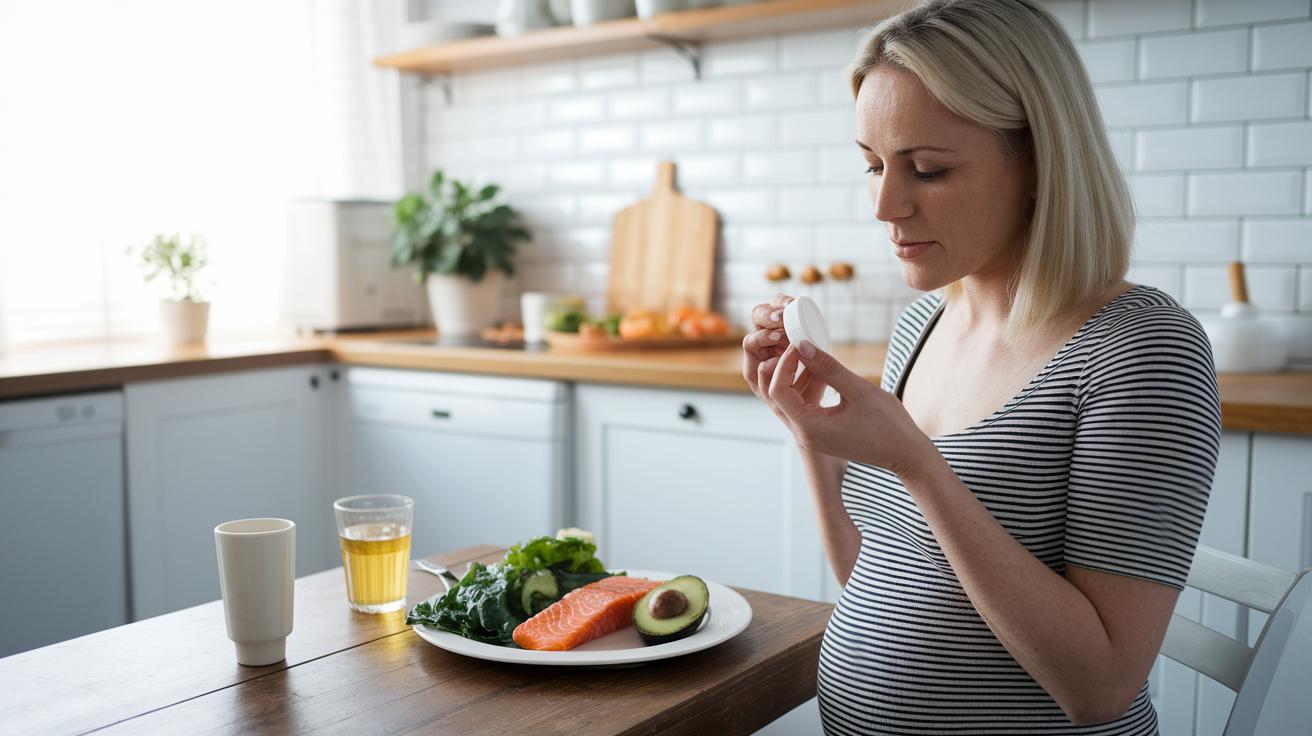
Omega-3s from fish like salmon or sardines are a great way to help your baby’s brain and eyes grow strong. Try having two to three servings each week. And if you're vegan or lean more towards plants, you can opt for algal DHA/EPA, which gives you much the same benefit.
Vitamin D is super important for building strong bones. How much your body makes depends on things like sun exposure and your skin tone. For the best results, take your vitamin D with a meal that includes a bit of healthy fat.
Antioxidant vitamins such as vitamin C and vitamin E help keep omega-3 fatty acids safe from breaking down. This way, your body can make the most of the omega-3s while also giving your overall immune system a boost.
When you're picking out supplements, always take a moment to check that they meet safe upper limits and follow trusted standards. This helps you feel sure you’re doing the best for your growing child.
Essential vitamins and minerals for maternal nutrition shine
It’s a good idea to start your prenatal vitamins about three months before you plan to conceive. This early move fills your body with the important nutrients you and your baby need from the very start. And when you pair these vitamins with meals that include whole grains, lean proteins, dairy, and fortified foods, you fill any gaps while enjoying real, whole-food benefits.
When you’re picking a prenatal supplement, think about what nutrients it offers and whether it comes as a tablet, capsule, or gummy. Also, check if it has trusted badges like USP or NSF. That way, you feel sure that you’re choosing a safe, quality product.
If you notice any mild side effects, like a bit of nausea, try taking your vitamins with a meal or consider a different type. This little change can really make a big difference.
Here’s a quick checklist that might help:
| Tip |
What to do |
| Start Early |
Begin at least three months before trying to conceive |
| Check Quality |
Look for clear nutrient details and trusted third-party testing |
| Pick the Right Type |
Choose a form that fits your lifestyle and minimizes side effects |
| Eat Well |
Pair with balanced meals that have whole grains, lean proteins, dairy, and fortified foods |
After your baby arrives, keep taking your prenatal vitamins or a similar supplement for at least six months while breastfeeding. And don’t forget to chat with your midwife or doctor before starting any new supplement routine.
Final Words
In the action of planning a balanced prenatal plan, we looked at the essentials, from early supplementation with folic acid and vitamin B12 to optimizing mineral intake with iron, calcium, and iodine. We also touched on sources of omega-3 and vitamin D, along with practical tips for selecting the right prenatal supplement.
This guide brings together clear, practical advice to help you embrace the path of optimal maternal wellness with Essential vitamins and minerals for maternal nutrition. May every step forward feel confident and supported.
FAQ
Pregnancy FAQ
I’m pregnant, when should I start taking prenatal vitamins and supplements?
The timing for prenatal vitamins is best when started at least three months before conception and continued through early pregnancy to support fetal development.
What vitamins and minerals do you need during pregnancy?
Essential nutrients include folic acid (helps prevent neural tube defects), iron (helps reduce anemia risk), calcium, vitamin D, DHA, iodine, vitamin B12, vitamin C, zinc, and choline for overall maternal and fetal health.
What vitamin is most important for a mom to take and why?
Folic acid is crucial because it helps prevent neural tube defects. Its benefits make it key before and during early pregnancy for healthy fetal development.
What pregnancy vitamins should be avoided, especially in the first trimester?
Supplements high in vitamin A or those with unverified herbal ingredients should be skipped during the first trimester to reduce potential risks. Always discuss choices with your healthcare provider.
Where can I find guidelines on nutritional requirements during pregnancy?
Nutritional guidelines are available in trusted prenatal care materials and official publications. Your healthcare provider can also offer resource documents detailing recommended dosages and safety practices.
What are prenatal vitamins and why are they important?
Prenatal vitamins are specially formulated supplements that fill dietary gaps, supporting maternal health and fetal development with carefully balanced nutrients like folic acid, iron, and calcium.

Have you ever felt a bit lonely even when you’re with your family? Sometimes, life after having a baby isn’t always a picture of happy smiles and heartwarming moments. Many new moms feel that sense of isolation while getting used to a whole new routine. Yet, even small adjustments can bring a spark of joy and help you see brighter days. Here are five simple ideas to lift your spirits and remind you that you're not alone. You deserve to feel connected and happy every step of the way.
Coping with Postpartum Loneliness: Immediate Strategies for Relief
Many new moms can feel a bit lonely as they settle into motherhood. It’s normal to feel isolated sometimes, even with lots of support around you. Even small changes can bring a welcome boost to your day.
- Each morning, pick out an outfit and get dressed. This simple act can cheer you up. You might explore some ideas in our maternal self care routines for busy moms.
- Step outside for a few minutes. The fresh air and a little nature can really lift your spirits.
- Consider joining a mom group or setting up a play date. Chatting with other parents is a great reminder that you’re not alone.
- Take short breaks away from baby duty to recharge and take care of yourself.
- Try a brisk ten-minute walk. A little physical activity can clear your mind and help you feel better.
- Write down one thing you’re grateful for each day. This habit can shift your thoughts toward a more positive place.
Many moms have found comfort in these simple steps during their postpartum journey. For more practical tips on easing these feelings, check out our postpartum recovery tips.
Navigating New Parent Isolation: Understanding Postpartum Loneliness

It can feel really lonely after having your baby, even when you’re around people. Sometimes, the world feels distant and disconnected. Many new moms go through this change, part of becoming a parent, and it might hit you unexpectedly. Think about making your favorite meal one day, only to have that simple joy remind you of all the new challenges you're facing.
Social media doesn't always help, either. You might scroll through pictures of other moms and think everyone else has it all under control. And when your relationships with your partner, family, or friends shift, you might feel like the support you once had is fading away, leaving you to handle your emotions on your own.
Recovering physically after birth can also stir up mixed feelings. You might worry about body changes or healing, and these concerns can add to your sense of loneliness. It’s important to remember that these feelings are just part of adjusting to your new role as a parent, not a sign that you’re failing in any way.
Taking a moment to sit with your feelings can be the first step toward finding joy in new motherhood.
5 Coping with Postpartum Loneliness: Embrace Joy
Sometimes little moments of happiness can really brighten your day. Research shows that when you enjoy a warm, relaxed chat, your body releases natural feel-good chemicals like oxytocin (a hormone that helps you feel calm and connected). Think about a quiet coffee catch-up that suddenly makes everything seem a bit more okay. One mom even shared, "A quick, low-key play date turned my day around when I felt completely alone."
Friendly chats like these not only ease loneliness at the moment, but they also help lower stress and build emotional resilience over time. Studies tell us that spending genuine, joyful time with others can really improve your overall sense of well-being. It’s amazing to think that just a simple 15-minute heart-to-heart can help lift your mood by sparking those feel-good hormones.
- Enjoy a friendly coffee conversation that makes you feel truly understood.
- Set up a quiet play date where caring about your baby turns into a heartfelt chat.
- Open up to a family member or friend during a calm moment, sharing a bit of yourself can strengthen your emotional bonds.
Making these joyful moments part of your routine creates a sweet cycle of care that nurtures both your heart and your mind.
Self-Care Practices for Overcoming Postpartum Loneliness

Sometimes, a simple guided meditation can bring a bit of calm to a busy day. Try sitting comfortably, closing your eyes, and taking slow, deep breaths, feel how a gentle peace fills your mind. It’s a refreshing twist that can brighten up your usual routine.
Every day, treat yourself to small style tweaks, like fixing your hair in a new way or picking an outfit that makes you smile. These little choices remind you of your inner strength and self-worth when you’re feeling low.
These special practices add a new depth to your self-care, helping you feel more connected and renewed with each day.
Seeking Professional Help for Postpartum Loneliness
Sometimes, the feelings you have may seem too heavy to handle on your own. It might help to talk with someone who really listens. Imagine sitting in a cozy room, chatting with a caring counselor who helps you sort through your thoughts. Individual counseling is one way to get that safe space to unload feelings that seem too large for just you to bear.
Another option is joining a group therapy session where you share your story with other moms. Trust me, hearing others talk about similar feelings can be a comforting reminder that you’re not alone. One mom once shared how hearing someone say the same things made her feel truly understood.
Family counseling can be just as helpful. It gives your loved ones a chance to learn about the changes you’re going through so they can support you better. And if these feelings stick around for several weeks, experts say it’s important to reach out early because they might be linked to signs of depression, anxiety, or burnout.
A postpartum specialist might even suggest trying a mix of these therapies to help you feel balanced again. And if you’re feeling nervous about where to start, check out professional help like waypoint counseling & maternal wellness pllc. They’re ready to help you build a strong support network and share tips that remind you of your inner strength as a mom.
Remember, asking for help shows just how courageous you are. It’s a way of taking care of you, and that care naturally spreads to your whole family.
Long-Term Strategies to Prevent Postpartum Loneliness

Imagine a quick coffee chat that feels like a little boost to your day. Plan regular outings, whether it’s grabbing a coffee with a friend, joining a book club, or enjoying a group walk. These moments of connection remind you that there are still rich, adult conversations and friendships to cherish.
Organizing regular get-togethers with family or friends builds a steady support system. Even a short weekly dinner can bring unexpected laughter and honest, heartfelt sharing. One mom once mentioned how a simple dinner with a close friend transformed her entire mood for the week.
Sometimes, creativity is the gentle escape we need. Try writing in a journal, sketching, or dancing to your favorite song to express feelings that might be hard to put into words. Taking time for a hobby or a class outside of parenting can help you reconnect with parts of yourself that feel hidden.
Finish your week with a simple gratitude exercise. Write down a few things that made you smile or feel thankful. This little habit can boost your outlook and help you honor each small victory.
Final Words
In the action, we've highlighted easy steps to handle tough moments, like self-help techniques, connecting with supportive communities, and simple self-care practices. Small actions, stepping outside, getting dressed, or a brisk walk, can really shift your mood. We touched on reaching out to loved ones and professionals when things feel heavy. Remember, every little step builds resilience, keeping you on track for coping with postpartum loneliness. Stay gentle with yourself and know that each day offers a new chance to feel more connected and whole.
FAQ
What is the 5 5 5 rule for postpartum?
The 5 5 5 rule for postpartum means taking five minutes each for a brief self-check, a mindful pause, and a simple activity to help reset your mood and energy during challenging moments.
What to do when you feel lonely postpartum?
Feeling lonely postpartum calls for small, practical steps like getting dressed, stepping outside for fresh air, or joining mom groups to share support and break the isolation.
How to deal with postpartum depression alone?
Dealing with postpartum depression alone means recognizing your feelings and reaching out for professional guidance or a trusted person; even small self-care steps can help while you seek extra support.
What does postpartum depression look like?
Postpartum depression often shows as ongoing sadness, mood swings, and a loss of interest in activities you once enjoyed; these signs signal that extra support might be necessary.

Have you ever wondered if your prenatal vitamins have enough iron? It may seem like a small detail, but getting the right amount can help ease fatigue and support both you and your baby. Experts tell us that about 27 mg of iron each day is ideal during these important months.
In this chat, I’ll share why iron really matters in prenatal (care during pregnancy) routines. It’s amazing how a simple nutrient like iron can boost your energy and help you feel more empowered during this special time. Let's dive in and see how the iron in your vitamins can make a big, positive difference.
prenatal vitamins how much iron: Empowering Maternal Health
Pregnant women need enough iron to help their bodies make extra blood and support their baby's growing needs. Experts like the Institute of Medicine and ACOG say about 27 mg of iron each day is ideal during pregnancy. That’s why many prenatal vitamins include around 30 mg of iron per serving, giving you almost 1,000 mg over a 40-week span. Have you ever noticed how learning small clues about your body can change your everyday energy? Getting the right amount of iron can help prevent gestational anemia, so you feel less tired and more ready for life’s little surprises.
After childbirth, moms who are breastfeeding usually need about 9 mg of iron daily to help restore their blood volume. It’s a bit like checking a recipe to make sure every ingredient is just right. Take a moment to read your supplement labels, you deserve to know you’re getting the perfect amount for you and your baby.
Role and Benefits of Iron in Prenatal Vitamins

Pregnancy is a special time when your body needs a bit of extra support, and iron is here for you. It helps make extra red blood cells so more oxygen can get to both you and your baby. As your baby grows, your blood volume increases, and iron acts like a little helper, keeping your energy up and your body strong.
When you have enough iron, you lower your risk of gestational anemia, a condition that can leave you feeling really tired and even increase the chances of an early delivery. It’s like giving your body the building blocks it needs to support your baby’s growth and help form the placenta.
Throughout your pregnancy, you and your baby need about 1 gram of iron. That’s why taking prenatal vitamins with iron every day is so important; it steadily fuels your body with the right nutrients, keeping both you and your little one on track.
Guidelines and Timing for Prenatal Iron Supplement Intake
If you're expecting, the right time for taking iron can make a big difference in how you feel. Many experts suggest about 27 mg a day during pregnancy, but quite a few moms wait until their morning sickness eases a bit. This extra wait helps your body adjust without adding more discomfort. And if you had a tough delivery with extra blood loss, you might need to continue with iron for a few weeks after giving birth. Breastfeeding moms usually only need around 9 mg a day.
Types of Iron in Prenatal Supplements
Prenatal vitamins come with different forms of iron. One common type is ferrous sulfate, which is known to be well absorbed by your body. Other options include ferrous fumarate and ferrous gluconate. Each type might offer a slightly different percentage of iron and could sometimes lead to a bit of stomach upset, so you might need to adjust your dose based on what feels best for you.
Scheduling Doses for Better Tolerance
Taking your iron in smaller amounts throughout the day can help your stomach handle it better. For example, you might take half in the morning and the other half a bit later when you’re feeling more settled. It can also help to have a small glass of orange juice or another vitamin C–rich drink with your iron tablet since vitamin C boosts absorption. And if you notice that taking iron late at night keeps you awake, it might be a good idea to avoid it before bed. Have you ever noticed how a small tweak in your routine can really make your day easier?
For more information or to find a routine that works for you, check out our prenatal care vitamins.
Enhancing Iron Absorption in Prenatal Vitamins

Taking your prenatal vitamins with a little vitamin C can really make a difference. When you sip a small glass of orange juice with your iron tablet, it can boost your body’s iron absorption by nearly 50%. Imagine that burst of citrus flavor turning your vitamin into a super helper for you and your baby!
On the flip side, calcium can actually get in the way by competing with iron for absorption. So it’s a good idea to steer clear of high-calcium foods or supplements about two hours before or after you take your iron dose. Think of it like giving iron the room it needs to work its magic.
Adding foods like beans, spinach, or fortified cereals is also a great way to boost your iron levels. They help out, but usually aren’t enough on their own. By timing your nutrients and pairing them wisely, you’re making sure every bit of iron counts for both you and your little one.
Managing Side Effects of Prenatal Iron in Vitamins
Taking your prenatal vitamins with iron can sometimes be a bit of a challenge. Some moms may feel a bit nauseous, experience constipation, or have more intense morning sickness. Even though the iron is essential for both you and your baby, it can upset your stomach during the early weeks. It’s completely normal to feel a little off at first, but little tweaks in your routine can really help.
One way to ease nausea is to take your iron vitamin with a small snack. When you have even a few bites in your stomach, it helps the iron settle in more gently. If you’re finding that constipation is a bother, try increasing your water intake during the day or chatting with your doctor about a gentle stool softener. And if the pills are too harsh for you, switching to a liquid or chewable iron supplement might just be the perfect alternative.
Sometimes, small changes can make a big difference in how you feel while still helping you meet your nutritional needs during pregnancy. It might feel like trial and error at first, but take a moment to notice if these simple adjustments help your body work more comfortably.
| Tip |
| Drink extra water before and after taking iron. |
| Take iron with a small snack to minimize nausea. |
| Use over-the-counter stool softeners if constipation develops. |
| Switch to liquid or chewable iron if pills trigger discomfort. |
| Space iron doses away from calcium-rich foods or supplements. |
Comparing Iron Levels in Top Prenatal Vitamin Brands

Choosing a prenatal vitamin can feel a lot like following a favorite recipe for your body during pregnancy. Each product comes with its own kind and amount of iron so you can find one that fits what you need. Iron is important because it helps keep your energy steady and supports your baby’s growth by making extra blood cells. Some vitamins use well-known forms like ferrous sulfate, which many moms trust, while others offer ferrous fumarate or ferrous gluconate that might work a bit differently for your tummy. For example, one brand might have a gentle 18 mg per serving, whereas another provides a stronger 45 mg for extra support.
It’s smart to check if a prenatal vitamin meets the recommended iron needs during pregnancy. A balanced vitamin can make a big difference. Whether you’re happy with a steady 30 mg dose or curious to try a different type, knowing the details can help you feel confident in your choice. Always take a moment to read the label so you’re sure you’re giving yourself and your baby the right support. Below is a table that shows the key differences among top prenatal vitamin brands:
| Brand |
Iron Content (mg) |
Type of Iron |
| Brand A |
30 |
Ferrous sulfate |
| Brand B |
18 |
Ferrous fumarate |
| Brand C |
27 |
Ferrous gluconate |
| Brand D |
45 |
Iron chelates |
Final Words
In the action, we broke down the recommended iron dosage in prenatal vitamins and why it matters. We talked about how iron supports both you and your baby, shared tips to manage side effects, and even compared popular brands. The post gave a clear view of the daily iron needs and how to get the best out of your supplement routine. Holding these tips close can help you feel more confident and calm every day as you care for your little one, understanding prenatal vitamins how much iron can pave a smoother path ahead.
FAQ
How long can you take prenatal vitamins if you’re not pregnant?
Taking prenatal vitamins when not pregnant can be safe for a short period. However, since they are tuned for pregnancy needs, a standard multivitamin may be a better long-term option if you’re not expecting.
What are the best prenatal vitamins?
The best prenatal vitamins provide a balanced mix of nutrients like folic acid, iron, and vitamin D. They support both preconception and pregnancy health, and choosing one with your doctor’s advice is a smart step.
Can I take prenatal vitamins if I’m trying to get pregnant?
Taking prenatal vitamins when you’re trying to conceive can help prepare your body by offering essential nutrients such as folic acid and iron. They may boost overall reproductive health with guidance from your healthcare provider.
What benefits do prenatal vitamins offer when not pregnant?
Prenatal vitamins can support overall nutrition and help maintain a healthy nutrient balance even when you’re not pregnant. They supply key vitamins and minerals, though a regular multivitamin might be more suitable for everyday use.
What are the side effects of taking prenatal vitamins when not pregnant?
Taking prenatal vitamins without being pregnant could lead to common side effects such as mild nausea or stomach upset from extra iron. If these occur, consider discussing a switch or dosage adjustment with your doctor.
What is the best iron supplement for pregnancy?
The best iron supplement for pregnancy typically provides about 27 to 30 mg of elemental iron in a well-absorbed form like ferrous sulfate, and it’s best taken with a source of vitamin C for improved uptake.
How much iron do I need in my prenatal vitamins?
Experts often recommend about 27 mg of elemental iron daily during pregnancy. This level helps support increased maternal blood volume and fetal growth while reducing the chances of developing anemia.
Do prenatals help with iron deficiency?
Prenatal vitamins can help with iron deficiency by delivering a concentrated dose of iron needed for red blood cell production, which may boost energy and help manage anemia during pregnancy.

Have you ever noticed how a baby's first steps feel like a little miracle unfolding? Some babies start moving around as early as nine months, while others might take until around 15 months. Watching your child learn to stand and move can be as magical as watching a tiny bird try out its wings for the first time.
Research tells us that these early steps help build strength and boost confidence. In this post, we’ll walk through the signs and stages of infant walking so you can enjoy every bright, new step together.
Infant Walking Milestones: Typical Age Range for First Steps
Babies usually start taking their own steps between 12 and 15 months, but every baby moves at their own pace. Research tells us that once a baby learns to stand on their own (often after pulling up themselves), they might begin walking in just 2 to 3 months. So, while many little ones start walking around their first birthday, some surprise us by starting as early as 9 months, and others might take up to 18 months.
Remember, learning to walk is a gradual process. At first, you might catch your child cruising along the furniture or standing for a little while with their knees a bit bent. I once heard a mom describe it as watching a tiny bird take its first brave leap across the room. These early moments are the building blocks for developing motor skills and setting the stage for those confident, independent steps.
Practice is key during this exciting stage. Every time your baby experiments with standing or stepping, they build both strength and confidence. While there’s a general timeline, it’s important to remember that each child’s journey is unique. Transitioning from supported steps to walking alone highlights both their physical growth and the emotional boost that comes with discovering new abilities.
Early Movement Indicators: Signs Your Infant Is Preparing for Walking

Your baby starts getting ready to move by pulling themselves up to stand when they are about 7 to 10 months old. Imagine your child reaching for their favorite toy while holding on with little hands, it’s a gentle hint that they are testing their balance and building muscle strength.
Around 9 to 13 months, you might see your baby starting to cruise along furniture. They move sideways while holding on to stable surfaces, much like a tiny explorer finding familiar paths. Sometimes, between 10 and 16 months, they may stand for a few seconds with their knees softly bent. This shows they are gaining balance and confidence, one little step at a time.
Research tells us that about half of babies begin taking supported steps by around 9.5 months. And once they can stand on their own, they usually start taking independent steps within 2 to 3 months. With everyday practice and encouragement, your child’s big skill of walking quietly comes together.
It really helps to create a safe space where your child can explore. Every little moment of progress, including those quick seconds of standing by themselves, is a big celebration as they journey towards walking on their own.
Factors Influencing the Onset of Infant Walking
Research shows that once a baby learns to stand on their own, they usually start taking independent steps within 2 to 3 months. Daily practice really makes a difference, those little moments of balancing add up over time. In fact, around 50% of babies take their first steps with a bit of help at about 9.5 months. It’s like watching a tiny acrobat trying new moves!
Culture also plays a big role in when a baby starts walking. In some farming and herding communities, parents hold their babies upright and gently guide them to encourage early stepping. This supportive, hands-on approach can boost a baby’s motor skills and build their confidence. And sometimes, a baby might skip crawling altogether, showing that every little one moves at their own pace. For instance, one baby might happily pull up and cruise along nearby furniture, while another practices balancing in playful ways as they explore new movements.
when do infants start walking: Bright New Steps

Parents can help kickstart their baby’s walking journey with simple, everyday ideas. Try letting your little one play barefoot indoors, it helps build strong muscles and better foot coordination by letting them feel every step on the floor. This gentle practice not only boosts balance but also gives them a fun, sensory way to learn how to move. For more ideas on how natural movement builds strength, you might check out our guide on Physical development in early childhood.
You can also use toys to encourage stepping. Hold a favorite toy just a bit out of reach, and watch as your baby eagerly moves toward it. It’s a small, joyful challenge that helps boost their confidence. Arranging furniture in a clear, safe path can also guide their steps, and a push-along walker gives extra support as they practice standing and walking.
Here are a few tips to support early mobility:
- Let your baby explore on different, safe surfaces.
- Offer gentle hands-on support while they practice balancing.
- Celebrate even the smallest steps to build confidence and joy.
Every bit of loving practice is a step toward those independent first strides. With simple adjustments and lots of everyday encouragement, your baby will soon be exploring the world on two feet.
Creating a Safe Environment for Your Infant’s First Walking Steps
When your little one starts taking those exciting first steps, it's important to create a safe space where they can explore without worry. Every small bit of support really counts when it comes to preventing falls and building up your baby's confidence. For example, steer clear of baby walkers that move on their own because they might mess with your baby's natural balance and can be a safety hazard. And think about your floors too, glossy tiles or laminate can be quite slippery. Placing non-slip mats on hard floors gives your baby extra grip as they find their feet.
Take a moment to look at the area where your baby is learning to walk. Clutter like toys or loose objects can turn into risks, and furniture that hasn’t been secured might shift or tip over. Many moms find that a bit of bare-foot time indoors helps their baby feel the floor and build muscle strength, while soft, flexible shoes work well outdoors to protect those tiny feet.
Below is a quick checklist to help you baby-proof your space:
- Use non-slip mats on hard floors
- Clear pathways of toys and clutter
- Secure furniture and cover any sharp corners
- Avoid self-propelled walkers; try push-along toys instead
- Encourage barefoot time indoors and use flexible shoes outdoors
When to Seek Help: Recognizing Delayed Infant Walking

If you notice your little one hasn't taken a step by 15 months or still seems unsteady at 18 months, it might be time to chat with your doctor. Babies can sometimes take a little longer to hit those milestones, but if you're really worried, it helps to get a professional opinion. For instance, it's quite normal for toddlers to try out toe walking as they learn to balance. A few moments like that are expected. Yet, if your child keeps walking on their toes, it may suggest that their balance or muscle strength needs some extra care.
Also, keep an eye out for signs like dragging one leg or if their feet turn inward while they walk. These little cues might indicate a deeper issue that could benefit from early support. Spotting these patterns soon can lead to timely help and guidance to boost their motor development.
Here are some signs to watch for:
- Not taking a step by 15 months
- Still feeling unsteady by 18 months
- Walking on their toes too often
- Dragging one leg during movement
- Feet turning inward when walking
Trust your instincts, every child develops in their own way. And if these signs make you uneasy, talking with your pediatrician could be the best next step to support your child's growth.
Final Words
In the action, we've explored infant walking milestones, from early cues like pulling up to cruising along furniture. We shared practical ideas for encouraging those first steps and outlined how to keep your home safe for growing movers. We also touched on factors that influence when infants start walking, and when to seek help if progress seems slow. Each stage matters. Remember, every little step is progress and a sign of discovery, and these early efforts pave the way for confident, joyful movement ahead.
FAQ
When do babies start talking?
The normal age for babies to start talking is around their first birthday. They begin forming simple words and sounds as they build language skills through babbling and early speech patterns.
When do babies start walking without support, and what is considered an early walker?
Babies typically begin walking independently between 12 and 15 months, though the range can span from 9 to 18 months. A baby who starts walking before 12 months is often seen as an early walker.
What are the signs that a baby will walk soon?
Noticing that your baby pulls up to stand, cruises along furniture, or manages brief moments of unassisted stance indicates that walking may happen soon, usually within a couple of months after standing.
What are common reasons for late walking in babies?
Late walking can come from natural differences in development and the child’s temperament. Fewer opportunities for practice or cautious behavior may also play a part, and persistent delays might need a doctor’s advice.
What does a baby walking age chart typically show?
A typical chart shows that most babies take their first steps between 9 and 18 months, with independent walking usually emerging around 12 to 15 months, reflecting the unique pace of each child’s growth.
What are the dangers of a baby walking too early?
When a baby walks too early, they may have a higher risk of falling and injury due to immature balance and coordination. Creating a safe, baby-proofed area helps protect them as they explore mobility.
When do girl babies start walking?
Girl babies usually begin walking around the same time as boys, often taking their first independent steps between 12 and 15 months, with each child following their own developmental timeline.

Have you ever thought that a small change might make you feel better while you're expecting? Adding a little more fiber to your meals could be just the boost you need. Fiber comes from foods like fruits, veggies, nuts, seeds, and whole grains, and experts say aiming for about 30 grams a day can help your digestion and keep your blood sugar steady.
I once chatted with a mom who mentioned that an extra slice of whole-grain bread brightened her entire day. In this post, we’ll talk about how fiber not only helps you feel your best but also supports your baby’s healthy growth. It’s a simple, powerful addition to your prenatal care that could truly make a difference.
Importance of dietary fiber in maternal nutrition empowers
Dietary fiber comes from fruits, veggies, nuts, seeds, and whole grains. It’s a type of plant carbohydrate that our body doesn’t digest, yet it plays a big part in keeping both mom and baby healthy during pregnancy. Experts suggest aiming for about 30 grams a day to help fight off issues like constipation. I remember one mom sharing how simply adding an extra slice of whole-grain bread made her day so much easier.
Fiber acts like a gentle push for your food, adding bulk to your stool and moving everything along smoothly. This can be a real relief when certain hormones slow down your digestion. Soluble fiber, which dissolves in water and forms a gel-like substance, can help keep your blood sugar and cholesterol levels steady. This not only helps keep your own body balanced but also supports steady nutrient delivery for your baby.
Many moms-to-be don’t get the right amount of fiber in their diet, so it’s really useful to pay attention to including fiber-rich foods. Increasing fiber can ease tummy troubles and boost your overall wellness during these busy months. It’s like adding a comforting ingredient to your everyday routine, a small change that makes a big difference. When moms make a habit of including enough fiber, they often notice easier digestion and more energy throughout the day.
Types of Dietary Fiber and Their Prenatal Benefits

When you're pregnant, your digestion might slow down a bit, and that's totally normal. Adding fiber to your meals can really help keep things moving. Soluble fiber mixes with water to create a soft, gentle gel that helps soften your stool, keeps you feeling full, and even helps balance your blood sugar. Insoluble fiber, while not talked about as much, adds bulk to your stool so it travels more easily through your digestive system. Using both types of fiber can ease some of the discomforts and keep your tummy happy during these changes.
- Soluble fiber: mixes with water to form a soft gel that helps ease stool and balance blood sugar.
- Insoluble fiber: adds bulk, helping your body move things along naturally.
- Combined fiber intake: eases the common slowdown in digestion during pregnancy.
- Balanced fiber: keeps you feeling full while helping your digestion work smoothly.
Recommended Fiber Intake Guidelines for Expectant Mothers
Experts say that when you're expecting, about 25 to 30 grams of fiber each day is a good goal. This simple target helps your tummy feel better and eases common discomfort like constipation. Try to enjoy some fiber at each meal along with a couple of fiber-filled snacks during the day.
Making small changes to your meals can go a long way. For example, you might start your morning with a warm bowl of oatmeal, add a handful of berries, and sprinkle a little chia seed on top. At lunch and dinner, mix in whole grains or have a small side salad with fresh veggies. And if you're a bit peckish between meals, how about an apple or a small handful of almonds? It’s little changes like these that can really make a difference.
Don’t forget to pair your fiber with plenty of water. Drinking 8 to 10 cups of water each day can help everything flow smoothly. Staying well hydrated not only lets fiber do its job, but also supports your overall health while you’re expecting.
Top High-Fiber Foods for a Prenatal Diet

When you're expecting, taking care of yourself means choosing meals that are full of both the important nutrients and fiber you need. High-fiber foods help your tummy feel good and support the well-being of both you and your little one. For example, have you ever thought about tossing some beans or lentils into your salad? They can easily boost your fiber without any extra fuss.
| Food |
Fiber per Serving (g) |
| Legumes (beans, lentils, chickpeas) |
6–8 per ½ cup cooked |
| Whole grains (oats, barley, quinoa, brown rice) |
3–5 per serving |
| Fruits (apples, pears, bananas) |
3–4 per medium fruit |
| Vegetables (broccoli, carrots, Brussels sprouts) |
2–4 per cup |
| Nuts and seeds (almonds, chia, flaxseed) |
3–5 per ounce |
Mixing these foods throughout your day is a simple way to meet your fiber goal. Imagine starting your morning with a hearty whole-grain bowl, enjoying a bean salad for lunch, or grabbing a few nuts as a quick snack. Adding these natural fiber sources to your meals can help you feel comfortable and nourished while you take care of both you and your baby.
Meal Planning Strategies to Boost Prenatal Fiber Intake
If you're pregnant and looking for easy ways to add fiber without changing your whole diet, try these simple ideas that feel like a gentle nudge toward better health. Instead of using refined grains, why not choose whole-grain breads and pastas? They bring extra fiber to your meal while keeping the comfort food you love.
When you mix in fiber-rich ingredients into everyday dishes, it can help your tummy work better and keep you feeling energized. Have you ever noticed how a small change can make your day feel a bit lighter? For instance, adding a serving of legumes to your salads, soups, or casseroles gives you a boost of fiber and protein that benefits both you and your baby.
Another cozy tip is to sprinkle a little chia or flaxseed into your yogurt, smoothies, or oatmeal. It’s an easy way to add a nourishing touch to your routine. And when life gets busy, snacking on fresh fruit paired with a bit of nut butter or a handful of trail mix can be a quick, delightful fiber boost.
Don't forget about your dinner, roasted vegetables or a tasty veggie-based dip can round out your fiber for the day, offering a burst of flavor with every bite.
| Strategies |
| Swap refined grains for whole-grain breads and pastas. |
| Add a serving of legumes to soups, salads, or casseroles. |
| Mix a little chia or flaxseed into yogurt, smoothies, or oatmeal. |
| Snack on fresh fruit with a touch of nut butter or a handful of trail mix. |
| Enjoy roasted vegetables in your meals. |
| Experiment with vegetable-based dips to add more fiber. |
Potential Health Risks of Insufficient Fiber in Pregnancy

Not getting enough fiber when you're expecting can lead to some real discomfort for both you and your baby. You might notice a heavy, sluggish feeling in your tummy, that's often a sign of constipation, which can even lead to hemorrhoids. It’s those everyday struggles that add stress during a time when your body is already working so hard.
Low fiber can also play havoc with your blood sugar after meals. Without enough fiber, your blood sugar may spike, raising the risk of gestational diabetes, a challenge that might stick around even after your baby arrives. Plus, a low-fiber diet might lead to extra weight gain and unbalanced cholesterol levels, putting more pressure on your overall health. Some research even hints that not enough fiber could trigger chronic inflammation or disrupt your gut’s natural balance.
The good news is that small changes can make a big difference. Adding more fruits, vegetables, and whole grains to your day is like giving your body a gentle boost. Next time you’re planning a meal, think of it as a little act of self-care for both you and your growing baby.
Safe Use of Fiber Supplements in Maternal Nutrition
Fiber supplements like psyllium and methylcellulose can gently help support your digestion when you’re not getting enough fiber from the foods you eat. Whole-food sources are still the best way to meet your fiber needs, and these supplements are a backup for those times when you need a little extra help.
When you start taking a supplement, it’s a good idea to keep the dose low at first, around 5 grams. Over time, you can slowly increase that amount up to 20 grams, depending on how your body feels. This gradual process helps your body adjust without any surprise discomfort.
Before you add any new supplement to your routine, it’s really important to chat with your obstetric provider. They know your unique needs and can guide you on what’s best for both you and your baby. Following these steps makes sure that your fiber intake supports your health and helps your baby grow in the best way possible.
- Psyllium and methylcellulose work gently to support digestion.
- Always try to get most of your fiber from whole foods first.
- Start with a low dose (about 5 grams) and increase slowly to 20 grams.
- Talk to your obstetric provider before starting any new supplement.
Final Words
In the action, we explored how the right amount of fiber eases discomfort and supports overall health during pregnancy. We broke down easy tips to hit that 30-gram goal, looked at different fiber types, and highlighted foods and meal strategies that make a difference. Clear, supportive guidelines and safe supplement tips remind us that small adjustments can mean big benefits. The importance of dietary fiber in maternal nutrition shines as a simple step toward a healthier, happier pregnancy.
FAQ
Why is fiber important during pregnancy?
Fiber is important during pregnancy because it supports smooth digestion, helps prevent constipation, and aids blood sugar regulation, keeping both mom and baby well-nourished.
How does fiber help with constipation during pregnancy?
Fiber helps with constipation by adding bulk to stools and speeding up transit time in the digestive system, making bowel movements easier and more regular.
What are some high-fiber foods for pregnancy?
High-fiber foods for pregnancy include legumes (beans, lentils), whole grains (oats, brown rice), fruits (apples, pears), vegetables (broccoli, carrots), and nuts, all of which support a healthy digestive system.
How many grams of fiber are recommended per day during pregnancy?
During pregnancy, it’s recommended to aim for around 25 to 30 grams of fiber daily, spread out over meals and snacks to promote steady digestion and nutrient intake.
Is it safe to use fiber supplements during pregnancy?
Using fiber supplements like psyllium can be safe during pregnancy when starting with a low dose and increasing gradually, but it’s best to consult your obstetric provider first.
Why is fiber important for fertility?
Fiber is important for fertility because it helps regulate hormones and supports a balanced metabolism, which can contribute to a regular menstrual cycle and better reproductive health.
What is the overall significance of dietary fiber in maternal nutrition?
Dietary fiber plays a key role in maternal nutrition by moderating blood sugar levels, aiding cholesterol balance, and promoting digestive health, all of which support both mother and fetal development.

Have you ever noticed that after having your baby, your feelings can be all over the place? You might feel happy, exhausted, and a little worried, all at once.
Taking care of how you feel is just as important as healing your body. Sometimes, setting aside a quiet moment for yourself or hearing a kind word from a friend can really ease your stress and help you feel more balanced.
In this article, you'll find warm, simple ideas to help you feel rooted and supported as you step into this new chapter.
postpartum emotional recovery strategies: bright healing ahead
Taking care of your emotional well-being after childbirth can truly change how you settle into motherhood. It’s perfectly normal to feel bursts of joy mixed with tiredness and worry. Sometimes, just recognizing these feelings is the first gentle step toward feeling more like yourself.
Simple, caring ideas can help ease stress and invite calm into your days. Have you ever noticed how a small moment of self-care can brighten your whole day? Even tiny steps can make a big difference. Here are some friendly suggestions to try:
- Enjoy a warm Epsom salt bath to ease sore muscles and help you unwind.
- Dab a little witch hazel on spots that feel irritated to soothe your skin.
- Chat with your care team about a balanced diet and light exercise plan that feels right for you.
- Use soothing lotions or creams that can comfort skin changes and offer a soft touch.
- Ask friends or family if they can lend a hand around the house so you can catch some rest.
- Consider joining a support group or talking with a counselor to share your feelings and gain support.
Mixing these self-care tips with a little help from those who care creates a safety net around you. With time, these small steps and supportive moments can brighten even the hardest days, reminding you that every move toward wellness matters.
Postpartum Emotional Recovery Phases and Timeline

Right after giving birth, many moms feel body aches and a flood of emotions. During the first week, the main focus is easing pain and getting used to a new world of responsibilities. By the second week, even though soreness and tiredness still linger, moms start finding a steady daily rhythm that gently brings stability to both body and spirit.
Around week 3, many moms notice a little boost in their mood and some physical relief as the body slowly settles into life after birth. By week 6, a routine checkup with a healthcare provider helps review any lingering issues and offers a comforting sense of reassurance. During these weeks, shifting hormones may still stir up mood swings, so many moms keep a close eye on their feelings and gently adjust their recovery steps.
Even at around six months after birth, moms might notice ongoing changes in their bodies along with evolving emotions. By the time a year has passed, most moms feel almost back to their pre-pregnancy selves, though a few changes might still be there. This gentle journey reminds us that patience and self-care are key parts of the healing process.
Understanding Emotional Wellness After Childbirth
After having your baby, it's normal to feel a mix of emotions. You might feel happy and excited one minute and a little sad or stressed the next. It's just part of settling into new routines and big changes in your life. When you feel up one moment and down the next, it's your body's way of getting used to everything.
Your body is working hard on two fronts, healing physically and adjusting through hormone changes. This can mean you sometimes get a burst of energy, and other times feel really tired. You might notice you’re not quite yourself, like when everyday tasks suddenly feel overwhelming.
If those sad or heavy feelings stick around longer than you expect, it might be a sign to reach out for extra help. When moods swing a lot or you find it hard to connect with your baby, talking to a professional could really help. Recognizing these signs is an important step toward feeling better every day.
Lifestyle and Self-Care for Postpartum Emotional Health

Pain Management and Rest
After your little one arrives, treating yourself to a warm Epsom salt bath can help ease those sore muscles. And if you're feeling a bit of irritation, maybe even minor hemorrhoid discomfort, a touch of witch hazel can offer some relief. Taking time for undisturbed rest is like giving both your body and mind a gentle, much-needed break.
Nutrition and Exercise Postpartum
Eating well and enjoying light activities, such as slow walks or simple stretches, can give you a nice boost of energy. It’s a great idea to chat with your care team about what feels best for you, and you might even check out the postpartum recovery guide for some inspiring self-care tips. Adding pelvic physical therapy and Kegel exercises to your routine can further support both your body and spirit.
Skin Care and Sleep Support
It’s normal to notice some skin changes after having a baby, like hair loss or a bit of dryness, and these usually settle by your baby’s first birthday. A gentle cream or lotion can feel just like a comforting touch at the end of a long day. Plus, setting up a calming bedtime routine with little relaxing rituals can help you drift off to a peaceful sleep.
Professional Therapy and Treatment Support for Postpartum Emotional Recovery
Many new moms sometimes feel overwhelmed after giving birth. Getting help from a caring professional can feel like a warm embrace. Therapies like Cognitive Behavioral Therapy (CBT, which helps change unhelpful thoughts), Dialectical Behavior Therapy (DBT, which balances feelings), Exposure and Response Prevention, and Transcranial Magnetic Stimulation (TMS, a gentle brain treatment) have proven ways to ease mood swings and stress. It really feels like each session is a small break to help you reconnect with yourself, even when hormones and big life changes make things feel shaky.
There are many ways to get this kind of support. You might try inpatient or residential programs, or maybe outpatient care, like partial hospitalization or intensive sessions. Other supports, like medication management, integrated healing programs, or even spiritual care, can be really important when emotions run high. For example, a provider like waypoint counseling & maternal wellness pllc can work with you to create a plan that fits your unique situation. Combining these approaches can make a big difference in helping you feel cared for every step on your journey back to balance.
Building and Monitoring Your Postpartum Emotional Support System

Creating Your Support Network
Lean on the kind people in your life. Your friends, family, and local groups can really help by taking care of little jobs like looking after your baby for a while or running an errand. When someone steps in and offers a helping hand, it feels like a gentle break for both your heart and your energy. Think about it like this: after a long, restless night, a cheerful text from a close friend reminds you that you’re not alone. Joining a weekly group with other new moms can offer that extra spark of joy and make you feel truly understood.
Recognizing Warning Signs
While you build your support circle, take a moment each day to check in on yourself. Notice if you feel really down for a long time, if you’re extremely tired, or if it seems hard to connect with your baby. Sometimes, feelings of worry or sudden panic can sneak up on you too. These signals are your body’s way of saying, “Hey, maybe it’s time to get some extra help.” By being aware of how you feel, you can mix the caring support of those around you with advice from professionals when it’s needed most.
Final Words
In the action, this post walked through practical self-care routines, professional treatment options, and ways to build a reliable support network. It showcased key tips that help balance both body and mind during early motherhood.
Every idea ties back to clear postpartum emotional recovery strategies. Small, caring steps like rest, gentle exercise, and checking in with trusted health experts can truly brighten your recovery. Keep trying new approaches, you deserve care and comfort every day.
FAQ
What therapy techniques are used for postpartum depression?
The therapy techniques for postpartum depression include approaches like Cognitive Behavioral Therapy and supportive counseling that help manage mood swings while building effective coping skills.
What do treatment guidelines for postpartum depression advise?
The treatment guidelines for postpartum depression advise a balanced mix of self-care, evidence-based therapy, and medication when needed, all supported by practical help from trusted family and health professionals.
What is considered the best medicine for postpartum depression and anxiety?
The best medicine for postpartum depression and anxiety typically involves a combination of prescribed antidepressants and therapeutic support, tailored to each mother’s symptoms and overall wellness.
How can someone help a person with postpartum depression?
Helping someone with postpartum depression means offering steady emotional support, assisting with day-to-day tasks, and gently encouraging professional help, all while listening with understanding and empathy.
What scholarly treatments are available for postpartum depression?
The scholarly treatments for postpartum depression include evidence-based therapies and clinical studies on both medication and counseling approaches that highlight effective, research-backed care options.
What causes postpartum depression?
The causes of postpartum depression include hormonal shifts, sleep loss, personal stress, and lifestyle changes following childbirth, which together can trigger deeper emotional struggles.
What is the 5 5 5 rule in postpartum?
The 5 5 5 rule in postpartum encourages taking five minutes for self-care, five deep breaths to center oneself, and noting five things to appreciate, helping new mothers find balance during early recovery.
What is the 40-day rule after birth?
The 40-day rule after birth is a cultural practice where mothers rest and receive help for 40 days postpartum, providing a structured period for healing and gentle adjustment to motherhood.
How can a new mother get out of a postpartum funk?
Getting out of a postpartum funk involves embracing small acts of self-care, reaching out to supportive friends or professionals, and gradually building a routine that nurtures emotional and physical well-being.
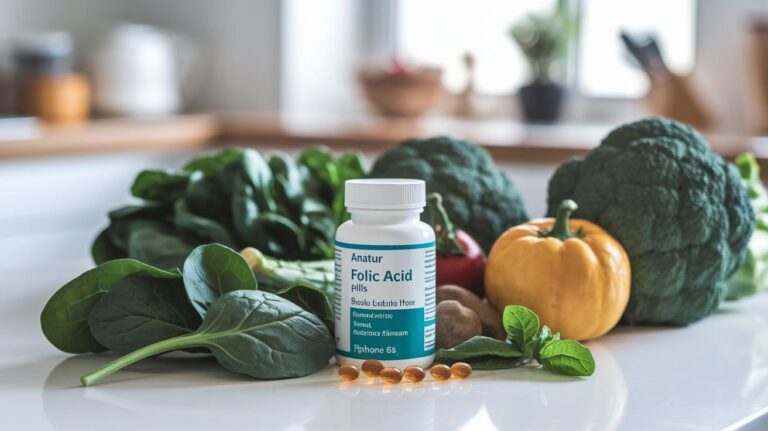
Ever wondered if a tiny pill could really brighten your health? Folic acid works like a little helper, giving your body just the right boost of vitamin B9 to help new cells grow and repair themselves. Sure, you get vitamin B9 from healthy foods like leafy greens and fruits, but taking folic acid means you get an exact dose every day. In this post, we’ll explore how this simple supplement can keep your blood healthy, your energy steady, and your body feeling balanced.
Understanding Folic Acid Medication
Imagine folic acid as a little helper that keeps your body’s cell growth and energy in check. It’s a man-made form of vitamin B9 (a key nutrient for making new cells) that works hard to support your body every day. While you can get natural folate from green veggies, beans, and citrus fruits, folic acid gives you a consistent, exact dose.
Taking a folic acid supplement is like adding that secret ingredient to your favorite family recipe. It quietly supports your overall wellness, ensuring that your cells can grow, repair, and function well. Even if you’re not expecting, its benefits, like boosting healthy blood and helping cell repair, can make a real difference in your day-to-day life.
Folic acid also plays a big role in helping your body absorb other nutrients properly. Its steady support helps keep everything balanced inside you, as if every cell had the perfect building blocks for a strong, healthy day.
Most experts suggest a dose between 400 and 800 micrograms each day. This simple step gives your body just what it needs, no more, no less, for a healthy, vibrant life.
Key Benefits of Folic Acid Medication

Folic acid is like a little helper for your body. It can lower the risk of problems with your baby’s development, especially issues with the neural tube (that's the early part of the baby's brain and spine). It also works to prevent certain types of anemia, a condition where you don't have enough healthy red blood cells, which is important for moms and anyone else who might need a boost.
This nutrient helps your cells grow and divide properly, kind of like making sure each flower in your garden gets enough water and sunshine. It even helps keep your hair, skin, and nails looking their best. Imagine your body’s cells as a team working together to build a strong structure!
Folic acid might also help lower the chance of heart disease, stroke, and some kinds of cancer by supporting the health of your heart and blood vessels. This shows that taking a simple daily supplement can protect your body and support your overall well-being.
| Benefit |
Description |
| Proper Fetal Development |
Helps lower the risk of neural tube defects in your baby |
| Anemia Prevention |
Aids in preventing certain types of anemia |
| Healthy Cell Division |
Supports the growth of cells that keep your hair, skin, and nails strong |
| Cardiovascular Health |
May help reduce the risk of heart disease, stroke, and some cancers |
Dosage and Adult Intake Recommendations for Folic Acid Medication
The recommended daily dose for folic acid is usually between 400 and 800 micrograms. This steady supply supports healthy cell growth, and many moms, especially during pregnancy or with specific health needs, might benefit from a slightly higher dose. I remember one mom saying, "I used to think a little supplement wouldn’t make a big difference until I started taking 800 mcg a day and really felt more balanced and energized."
When you manage your daily supplements, every microgram matters. It’s a bit like adding just the right sprinkle of seasoning to a family meal – enough to enhance the flavor, but not so much that it overpowers everything. Sometimes, you might hear discussions comparing a 5 mg dose with the standard 400 mcg dose. These talks remind us to tailor our choices to our own unique needs.
If you’re facing a folic acid deficiency, your healthcare provider might suggest a short period of a higher dose. This means taking more than the usual amount for only a little while under careful supervision. It’s important to keep an eye on your levels because too much folic acid can hide a vitamin B12 deficiency.
| Dosage |
Usage Recommendation |
| 400-800 mcg/day |
Standard adult maintenance dose |
| High-dose (brief regimen) |
For treating deficiency under supervision |
| 5 mg vs 400 mcg |
Discuss with your healthcare provider for specific needs |
Always chat with your healthcare provider before making any changes to your folic acid regimen.
Administration and Usage Guidelines for Folic Acid Medication

Folic acid is really simple to work into your everyday routine. You can take it with food or without, just like you’d grab your favorite vitamin with your morning coffee or a sip of water after dinner. One mom even shared that she takes hers right after breakfast, a little boost that brightens her day.
It doesn’t really matter if you choose the morning or evening to take your folic acid. Research shows your body absorbs it just as well either way. So, pick a time that fits naturally into your day, kind of like choosing your favorite time to watch a TV show, and stick with it.
Before you start taking folic acid, have a quick chat with your healthcare provider. It’s an important step, ensuring that the supplement matches your needs and overall health perfectly.
Remember these easy tips:
- Take it with or without food.
- Choose a time, morning or evening, that feels right for you.
- Talk with your healthcare provider before beginning any new supplement.
By keeping these steps in mind, you can create a smooth, stress-free routine with folic acid.
Potential Side Effects and Drug Interactions of Folic Acid Medication
Folic acid is usually easy on the tummy, but sometimes a few of us might notice a bit of discomfort. There are rare times when a mom might feel a slight stomach upset or even have a small allergic reaction. One mom once shared that she felt a little odd in her stomach after taking her supplement, just a tiny nudge that maybe her body was trying to tell her something.
Taking too much folic acid might hide a vitamin B12 shortage. Think of it as a cozy cover that, while comforting, might block a warning light about another need in your body. If your doctor has recommended high doses for a short time, it’s a good idea to keep an eye out for any unusual signs.
There are also some important things to know about how folic acid mixes with other medicines. For instance, folic acid might change how well the medicine methotrexate works. Some seizure medications can also affect the way your body handles folic acid along with other vitamins. Even medicines that help control blood pressure might act a bit differently when they’re taken with folic acid. It’s always best to have a chat with your healthcare provider about your current medicines before adding something new.
Key reminders:
- Be mindful if you notice stomach discomfort or an unusual allergic reaction.
- High doses might cover up a vitamin B12 shortage.
- If you’re on medications like methotrexate, seizure medicine, or blood pressure pills, let your doctor know when you start folic acid.
By staying alert and keeping track of how you feel, you can make sure your folic acid routine stays both safe and helpful.
Folic Acid Medication in Preconception and Pregnancy Care

Folic acid is a top tip for any mom-to-be. It helps lower the chance of birth problems, like spina bifida (a condition where the baby's spine doesn't develop properly), by making sure the baby's early development goes smoothly. Many women start taking folic acid a few months before trying to get pregnant and keep taking it through the first three months. It’s like a little boost each day that helps set up a healthy start while also supporting cell growth and repair in your body.
Doctors usually suggest taking between 400 to 800 micrograms every day. There’s plenty of research showing that this steady routine helps the baby develop well. One mom shared, "Before I even planned for my baby, starting folic acid made me feel prepared and reassured." Using prenatal vitamins, like these options here prenatal care vitamins, is a simple way to get the nutrients you need during this important time.
But folic acid isn’t just about cutting risks, it’s a piece of your overall plan for staying healthy. Here are some friendly tips to help you include folic acid in your daily routine:
| Tip |
Description |
| Plan Ahead |
Start taking folic acid a few months before you want to get pregnant. |
| Stay on Track |
Keep an eye on your daily dose to make sure you meet the recommended amount. |
| Ask Your Provider |
Talk with your doctor about any personalized needs or treatment options. |
Taking these simple steps can help set the stage for a smooth and healthy pregnancy. A bit of planning now can bring a lifetime of health and happiness for you and your baby.
Folic Acid Medication: A Beneficial Health Boost
Choosing the right folic acid option is a bit like picking your favorite ice cream flavor. You want something that fits well with your daily routine and your budget. Folic acid can be found over-the-counter or by prescription, and comes in both tablets and capsules. Some moms find capsules easier to swallow, while others like tablets that they can mix with their other supplements.
Here are a few simple points to keep in mind:
- Over-the-counter options are handy and usually affordable.
- Sometimes, a prescription is best if you have special health needs.
- Whether you choose a capsule or a tablet depends on what feels more comfortable for you.
- The brand you choose might affect the cost and your insurance coverage.
Think of it like putting together a small puzzle. A little extra attention now can lead to a smoother day later when that one supplement fits perfectly into your morning routine. By weighing your options, you're setting yourself up for a gentle and healthy boost in your daily life.
Evidence-Based Research and Guidelines for Folic Acid Medication

Recent studies have taught us new things about folic acid that go further than what we knew before. In one study, scientists set up a test where neither the researchers nor the participants knew who got the folic acid or a fake pill. Over 12 weeks, they took regular blood samples to see if red blood cell counts improved. Interestingly, almost 85% of the women had noticeable health improvements by the first month!
New imaging tools have even been used to look at early brain and spinal cord development (that’s known as neural tube development) during pregnancy. Clear scans of embryos showed good signs of growth in women who took folic acid on a regular schedule. These detailed images give us solid proof that taking folic acid can really help with early development.
Another study focused on finding the best dose by carefully checking the timing and amount of folic acid. Researchers set up a regular schedule for taking the supplement and checked its effects at several points during the study. For example, one group on a controlled routine showed steady improvements that were clearly seen in their blood tests.
Final Words
In the action, we reviewed folic acid medication, from what it is to its many benefits for cell growth and neural tube defect prevention. We covered dosage recommendations, safe usage, and how it supports both prenatal care and overall health.
This overview brings clarity and a caring approach towards everyday decisions in maternal care. The blend of expert insights and real-life guidelines offers a positive nudge toward well-being and informed choices.
FAQ
What are folic acid tablets used for in pregnancy?
Folic acid tablets are used in pregnancy to support early fetal development and help lower the risk of neural tube defects. They are recommended to start before conception and continue through the first trimester.
What benefits do folic acid tablets provide for women?
Folic acid tablets support healthy cell growth and division, benefitting overall skin, hair, and nail health. They also help prevent certain types of anemia and support prenatal health when taken as advised.
What are the side effects of taking folic acid tablets?
Folic acid tablets might cause mild tummy upset or allergic reactions in rare cases. Very high doses can mask vitamin B12 deficiency, so any unexpected symptoms should be discussed with a healthcare provider.
What is folic acid used for in adults?
Folic acid in adults helps support cell growth and repair, contributes to heart health, and prevents certain types of anemia. It plays an important role in overall metabolic processes.
What is the recommended folic acid dosage for adults?
Most adults benefit from a folic acid dosage between 400 and 800 micrograms daily, while higher doses may be advised under medical supervision for conditions like pregnancy or specific deficiencies.
Are there any foods to avoid when taking folic acid?
There are no strict food avoidances when taking folic acid. However, a balanced diet is best because certain foods and supplements may affect folic acid absorption, making a discussion with your provider helpful.
Why would a doctor prescribe folic acid?
A doctor may prescribe folic acid to help prevent neural tube defects in pregnancy, manage folate deficiency, or support overall cell health. It can also be part of a treatment plan for certain types of anemia.
Who should take folic acid?
Folic acid is recommended for women of childbearing age, individuals with folate deficiency, and those at risk for anemia. It serves as a supportive nutrient for overall health in many adults.
Is vitamin B-12 the same as folic acid?
Vitamin B-12 and folic acid are not the same. Folic acid is a synthetic form of vitamin B9, while B-12 is a separate vitamin. They work together in the body but serve different roles in cellular and nerve health.

Have you ever wondered when your baby will start sitting up on their own? It’s like watching a little magic unfold right before your eyes. One moment, your little one is quietly watching the world; the next, they’re using their tiny arms to steady themselves and explore a bit more. This first step shows off all that growing strength and little bursts of bravery.
Today, let’s chat about those sweet early moments when your baby tries sitting up. It’s amazing how these little milestones light up your heart, isn’t it? Each time they manage to balance just a bit longer, you can see all that progress in action, a signal that your baby is learning and growing fast.
Next time your baby makes that brave little attempt, take a moment to smile and soak it all in. It’s these everyday triumphs that remind us how wonderful this journey of growth truly is.
Understanding When Can Infant Sit Up Independently
Babies usually begin to sit on their own between 4 and 7 months, with many taking that big step around 6 months. You might notice your little one starting to hold up their head at just 2 or 3 months, an early hint that they’re building the strength needed to sit up. It’s like watching a tiny miracle when your baby manages to briefly hold their head steady as they lie on their tummy.
Before they can sit without help, babies often try a little trick called the tripod posture. They might sit with their legs stretched out while one arm helps keep them balanced. This shows that their muscles are getting stronger, even if they still need a bit of support from your lap or a soft cushion. When you see your baby sitting with a bit of help at around 4 months, know that they're beginning to explore what their growing body can do. Some babies might take a bit longer and only start sitting on their own when they’re around 8 or 9 months old.
Sitting up is a big milestone that usually happens before crawling, which typically starts between 8 and 10 months. Think of it kind of like a toddler learning to climb a small hill, each little push to get upright mirrors the growing confidence and muscle control in your baby. It’s a joy to see these moments unfold, as every small step is a sign of your baby’s increasing independence and motor skills.
Sitting Development Timeline: Milestone Chart for Infant Sit Up Progress

This chart shows you how your baby goes from lying down to sitting up on their own. It’s like a little adventure where every step, even holding up with one arm for support, is a sign of growing strength and confidence. Imagine your baby using their tiny hands for balance, much like a curious explorer taking their first brave steps.
We’ve broken down the journey into five clear stages. At first, around 3–5 months, your baby needs a bit of help to sit up. Then, as they move into prop and wobbly sitting stages, a little extra support and a watchful eye go a long way. By 6–8 months, many babies can sit without any help at all, and soon they start switching between sitting and other movements, setting the stage for crawling and more.
| Stage |
Age Range |
Description |
| Sitting with Support |
3–5 months |
Needs a caregiver’s lap or gentle hands near the ribcage |
| Prop Sitting |
4–6 months |
Uses hands to steady themselves; encouraged to reach for toys |
| Wobbly Sitting |
5–7 months |
Balances more on their own but still wobbles; requires close supervision |
| Independent Sitting |
6–8 months |
Sits upright completely on their own |
| Functional Sitting |
7–11 months |
Starts moving between sitting and other positions independently |
Benefits of Tummy Time to Support Infant Sit Up Readiness
Every day, a little bit of tummy time can do wonders for your baby. It’s like a fun, mini workout that helps build the strength in their neck and tummy muscles. Even when your baby is just a newborn, a few minutes on their tummy gives them a chance to boost the muscles needed to hold up their head and body. It’s a simple way to help them get ready for sitting, rolling, and crawling.
When your baby practices tummy time, they slowly learn to lift their head and adjust their balance. This gentle practice lays the groundwork for all the exciting movements to come, giving your little one a chance to build strength naturally.
Tummy Time Guidelines
- Newborns: Try doing tummy time 2–3 times a day for about 3–5 minutes each time, or until your baby shows signs of getting tired.
- By 3 to 5 months: Gradually work up to a few short tummy time sessions spread throughout the day.
- As your baby grows older: Aim for 15–30 minutes total each day, broken up into several sessions. This helps them get comfortable with sitting, rolling over, and eventually crawling.
Pre-Sitting Exercise Routines
When your baby is around 3 months old, you can add in some simple exercises to help them practice sitting. Gently lift your baby’s upper body from a lying position a few times during each session, about 5–10 lifts, and keep an eye on them for safety. You might even use soft toys like a little ball or a mirror to catch their interest. These playful activities not only boost their motor skills but also help your baby feel comfy in an upright position while they work on their balance.
Safe Practices for Infants Learning to Sit Up

When your baby starts learning to sit up, it’s important to create a secure space so they can explore safely. Make sure you’re close by during sitting exercises – a little extra supervision goes a long way in preventing mishaps. Instead of using beds or sofas, try practicing on the floor or a soft padded mat. This way, if there’s a fall, injuries are less likely.
Begin by clearing the area: remove hard objects and any sharp edges. It’s all about giving your baby peace of mind as they explore. Setting up a seating area with supportive pillows or even a cozy nursing pillow arranged around your baby works great. Just be careful to avoid elevated spots that might cause a fall. For those moments when your baby sits in a crib, lower the mattress to its lowest setting and take out any bumpers. Imagine your little one confidently sitting without any hazards around – small changes really can make a big difference.
- Keep soft toys within reach to encourage balance and reaching.
- Take out any items that could be harmful.
- Regularly check the area to keep it safe and hazard-free.
By creating a dedicated, gentle space for sitting practice, you help your baby build balance and confidence. This caring approach makes every practice session a happy milestone where your little one feels nurtured, safe, and ready to keep exploring.
When to Worry About Infant Sit Up Delays: Red Flags
Watch your baby closely as they learn to sit up. By 9 months, if your little one still needs extra help to sit or isn’t doing it on their own, it might be time to keep a closer eye on things. Sometimes you might see your baby pause or struggle when trying to lift their head, and that small moment could be hinting at something deeper.
There are a few signals that show your baby might be having trouble building the muscles needed for sitting. For example, if your baby doesn’t hold their head steady by 4 months, it means they find it hard to keep it up even with support. Also, if you notice that their muscles feel too stiff or unusually limp, this could be another sign. Sometimes, you might see them leaning more on one side when they sit, or having difficulty turning their body to adjust their balance.
If you notice these signs again and again, it’s a good idea to talk with a doctor or a specialist in physical or occupational therapy. They can help check if there’s an issue with their muscle strength or tone. Remember, getting a professional opinion early can make a real difference, so don’t hesitate to reach out for help.
Final Words
In the action, this article explored when can infant sit up and the clear steps along the way, from early support to self-supported sitting. We broke down the stages, shared pre-sitting exercises, tummy time routines, and safe practices that help build confidence in little ones. The guide also offers insights on what to watch for if development slows down. Every tip is meant to feel practical and caring, so you can enjoy every new milestone with assurance and hope. Keep celebrating every small win!
FAQ
When do babies sit up, crawl, and roll over?
Babies usually begin to sit with support between 3 and 5 months, move to independent sitting by 6 to 8 months, crawl around 8 to 10 months, and start rolling over as early as 4 months.
Is it okay for a baby to sit up at 3 months—and can I put my 3-month-old in a sit-me-up?
A baby at 3 months can briefly sit with help, but full head control is still forming, so always provide supportive cushions and constant supervision during sitting attempts.
What are typical sitting positions for babies at 2, 3, and 4 months?
At 2 months, babies mostly rest on their backs; at 3 months, they might try supported sitting; and by 4 months, many use a tripod stance by leaning on their hands for balance.
Is holding a baby in a sitting position bad?
Holding a baby in a sitting position briefly is fine, but infants need tummy time and varied positions to build core strength and avoid strain on their growing muscles.
When should I worry if my baby isn’t sitting up?
Worry if your baby shows little head control by 4 months or hasn’t reached supported sitting by 9 months. Consult your pediatrician to check for any motor delays or muscle weakness.
When can I stop keeping my baby upright after feeding?
After feeding, soon move your baby to a reclined or lying position. Keeping them upright too long can cause discomfort, so transition them quickly for proper digestion and comfort.
1...949596...313Page 95 of 313
|