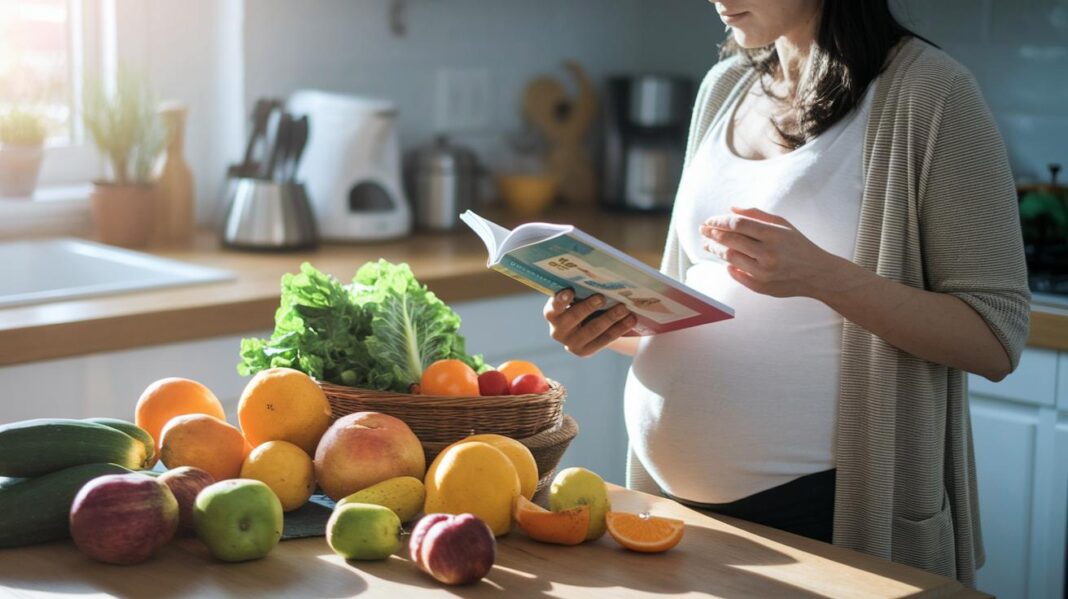
Ever wondered if the advice you hear about eating during pregnancy is really true? Some moms hear they need to double their meals or avoid certain foods altogether.
These common ideas can actually confuse you about what nutrients you and your baby need. Following these myths might even make it trickier to get the right balance.
In this post, we’ll clear up some of these misconceptions. We’ll share what proper eating during pregnancy really looks like, so you can feel more confident about every bite you take for both your health and your baby's best start.
Consequences of Nutritional Myths in Maternal Nutrition
A lot of moms hear different ideas about what they should eat during pregnancy. Some think that doubling meals or cutting out all caffeine or seafood is the way to go. But really, sticking to these myths can mean you’re getting too much or too little of the nutrients you and your baby need. Eating too many calories might raise chances of conditions like gestational diabetes or high blood pressure (preeclampsia), while not getting enough vital nutrients can affect your baby’s growth.
Many pregnant women feel like every bite is under a microscope, which can lead to mixed advice and unnecessary worry. The real advice? In the first trimester, you don’t need any extra calories at all. In the second and third trimesters, just about 300 extra calories a day is enough. And when it comes to caffeine, a moderate amount, up to 200 mg per day, roughly a 12-ounce coffee, is perfectly fine. Plus, eating low-mercury fish like salmon or shrimp in 2 to 3 servings each week can help support your baby’s brain development.
It’s also good to remember that taking prenatal vitamins works best when paired with a balanced diet. They’re meant to add to good nutrition, not replace eating healthy, nutrient-rich foods. Following these simple, trusted guidelines can help you feel confident and calm about what you’re eating for both your health and your baby’s best start.
Debunking the “Eating for Two” Gestational Diet Fallacy
Many moms have heard they need to eat double portions when they’re expecting, but that’s not really the case. Your body only needs a bit more energy, and overdoing it can lead to extra weight and even problems like high blood pressure or gestational diabetes. On the other hand, not getting enough calories might affect your baby’s growth.
Pregnancy works in three stages, and each stage has its own needs. In the very first stage, you don’t need any extra calories at all. Then, in the second trimester, try adding about 340 extra calories each day. In the final stage, aim for around 450 extra calories. This gentle increase helps keep your energy steady without putting too much strain on your body.
It’s interesting to think about, many moms once believed that doubling their portions was a must. In truth, a few extra calories really make all the difference in keeping you and your baby healthy during pregnancy.
Quick Reference:
- 1st trimester: 0 extra calories/day
- 2nd trimester: +340 calories/day
- 3rd trimester: +450 calories/day
Remember, a little balance goes a long way. Have you ever noticed how a small change can brighten your day?
Seafood Safety and Fabled Prenatal Food Practices
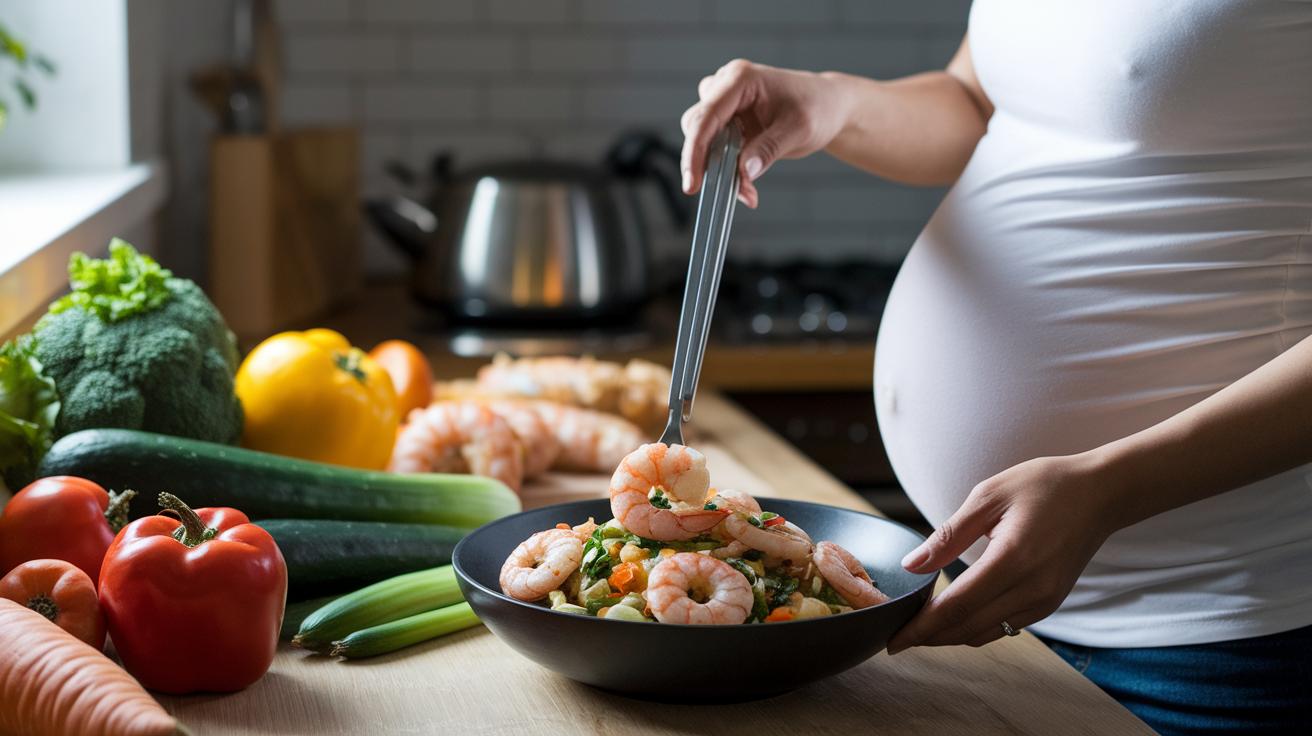
Many moms worry they need to stop eating all seafood during pregnancy because of mercury. But the FDA and EPA actually suggest enjoying 2–3 servings a week of low-mercury fish like salmon, trout, or shrimp. These choices are great for giving you protein and DHA (a type of healthy fat that helps your baby’s brain grow). When you pick these safe options, you treat your baby to good fats without the extra worry.
Some fish, like swordfish and king mackerel, have more mercury and are best skipped or eaten only rarely. It’s easy to mix up which seafood to avoid, but remember: not all fish are a no-go. Imagine making a light shrimp stir-fry; not only does it taste great, but it also helps boost your baby’s brain development.
Think of choosing seafood like swapping a risky food for one that’s proven safe. Next time you plan a meal, keep in mind that little changes make a big difference. If your recipe calls for fish, try replacing it with a low-mercury option to help keep you and your baby healthy.
It might feel reassuring to know that there are clear guidelines to follow. Have you ever noticed how one smart change can brighten your day?
| Fish Type | Mercury Level | Servings per Week |
|---|---|---|
| Salmon | Low | 2-3 |
| Shrimp | Low | 2-3 |
| Swordfish | High | 0 |
| Tuna | Moderate | 1 |
Risk Myths in Expecting Nutrition: The Caffeine Conundrum
Have you ever felt puzzled by all the different advice about caffeine when you're expecting? With so many mixed messages from the media and word-of-mouth, it's easy to get confused. Research shows that having up to 200 mg of caffeine a day is safe if you’re enjoying a balanced diet.
I remember when clear guidelines weren’t around yet, and many moms were warned to avoid caffeine completely because of early studies that got misinterpreted.
Maybe you've also heard that giving up caffeine will boost your energy. In truth, a little bit of caffeine can help you stay awake and in a good mood during pregnancy, especially when it goes along with wholesome meals and plenty of water.
Then there are other myths that push moms toward very strict diets. Some people say that certain healthy foods might block your body from absorbing nutrients properly. But the real advice is that a little variety and moderation in your food choices is what works best for both you and your baby.
Anecdotal Nutrient Myths: Cravings and Sweets in Pregnancy
Many moms have heard that strong cravings mean you’re short on important nutrients. But honestly, cravings usually come from all the hormonal and emotional changes during pregnancy. So when you suddenly want something salty or sweet, it’s not always because your body is missing something, it’s just how your body is reacting right now.
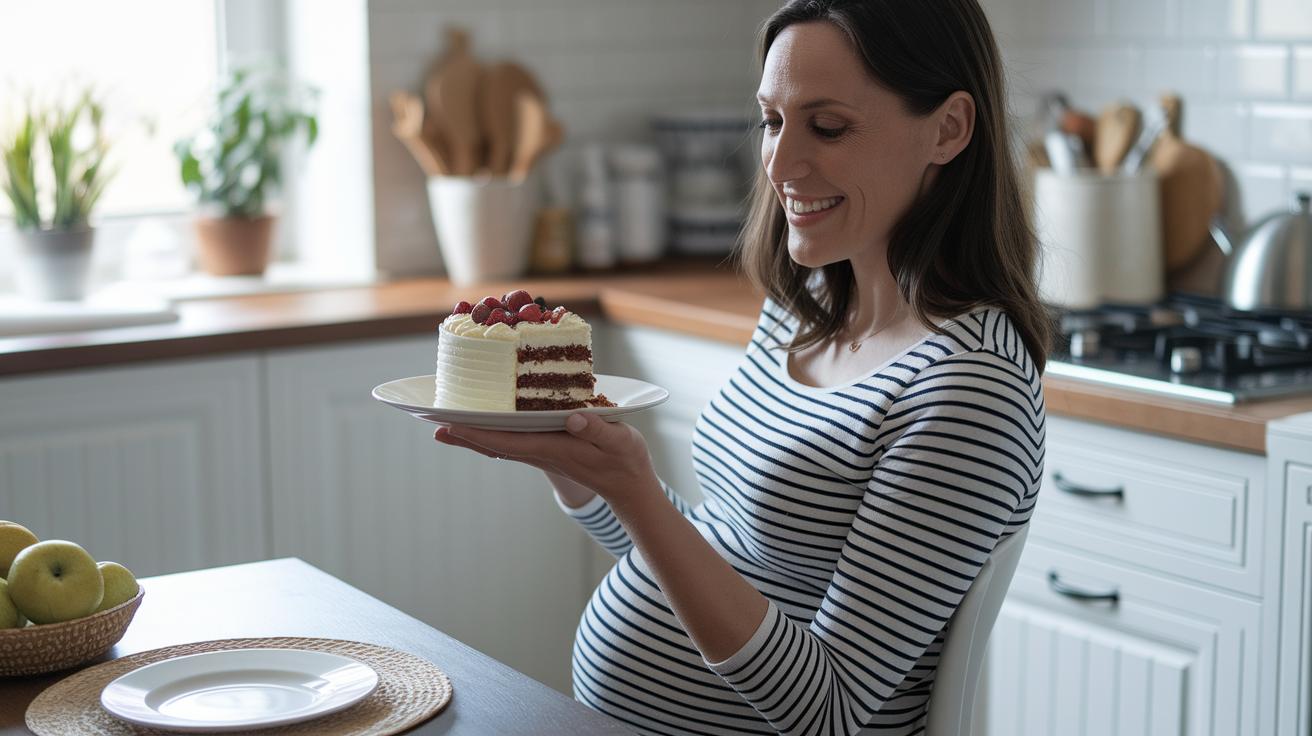
Some people think you should completely skip sweets during pregnancy. In truth, enjoying a little treat now and then can fit nicely into your healthy meal plan. Imagine finishing a good, balanced meal and then savoring a small piece of your favorite dessert. It feels like a warm little reward without throwing off your overall diet. I even wondered once if my urge for cake meant I wasn’t getting enough nutrition. Turns out, it was just a normal part of pregnancy cravings, not a sign to worry about nutrient gaps.
Remember, it’s all about balance. A good meal plan can include both foods that pack a nutritional punch and the occasional dessert. Cravings aren’t a warning sign of a deficiency, they’re just little moments inviting you to enjoy life in moderation.
Busting Maternal Nutrition Myths: Essential Vitamins and Herbal Teas
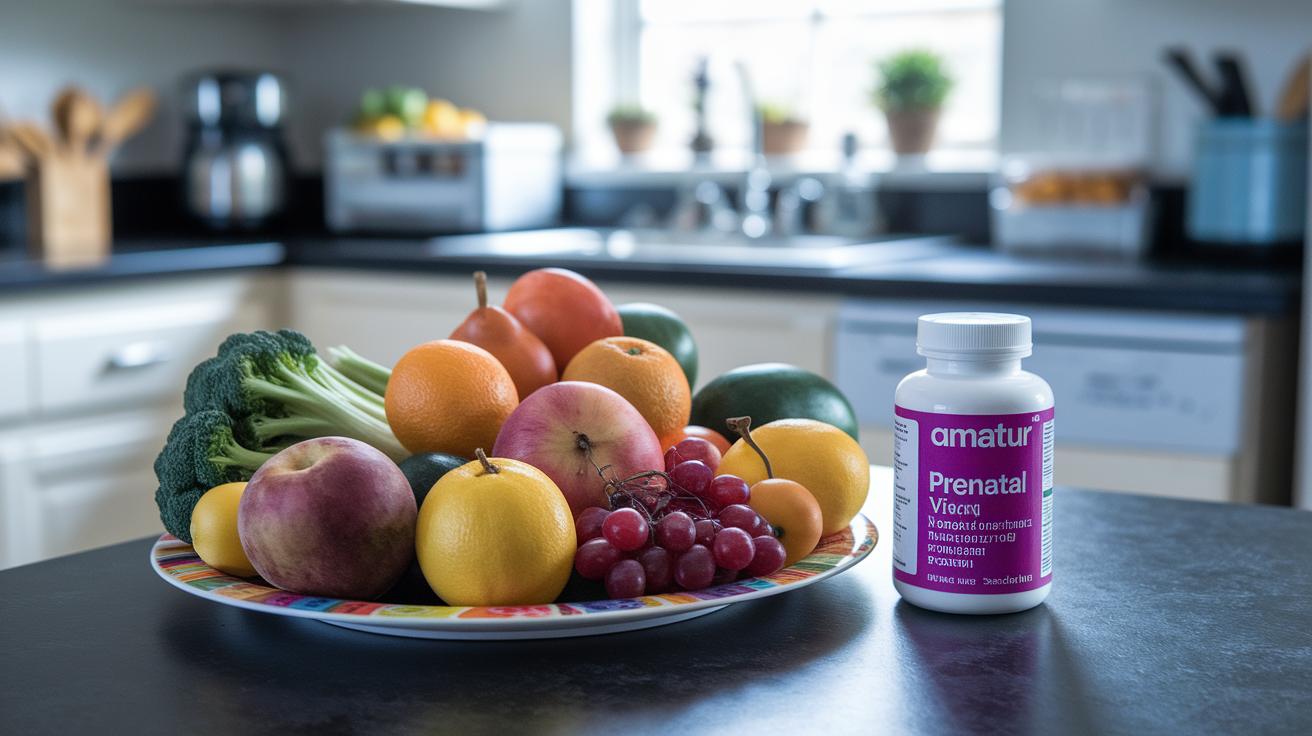
Many moms have heard that taking prenatal vitamins means you can skip eating healthy whole foods. But the truth is, supplements are just meant to fill any gaps in your diet, they don't replace the benefits of eating a range of foods. Prenatal vitamins give you key nutrients like folic acid and iron, yet they just don’t offer fiber, phytonutrients, and all the other vitamins you get from a balanced meal. Think of it like this: having a colorful plate of fruits and veggies with your pill is much like enjoying a bright, varied mosaic rather than sticking with one plain snack.
There’s also a popular belief that all herbal teas are safe during pregnancy. In fact, some teas made with herbs like fennel, sage, pennyroyal, or licorice can cause things like uterine contractions or other unwanted effects. Sometimes you might brew your favorite blend thinking it’s completely harmless, but it might not be the best idea during these special months.
It helps to see prenatal vitamins and herbal teas as parts of a bigger picture. Supplements give you an important boost when your diet might be missing something, while whole foods and the right drinks provide a complete range of nutrients for both you and your baby. And remember, it’s always wise to chat with your healthcare provider to get advice that’s just right for you.
Managing Weight Gain: Misinterpreted Nutrient Needs in Pregnancy
Many moms hear that extra weight means a healthier baby, but that’s not really the case. Gaining too much can increase your chances of conditions like gestational diabetes and high blood pressure (preeclampsia), while not gaining enough might slow your baby’s growth. It’s a bit like following a recipe, you need just the right amount of ingredients for everything to work well.
If you were underweight before pregnancy, experts suggest aiming for about 28 to 40 pounds. Moms who start at a normal weight might look at gaining 25 to 35 pounds. For those who are overweight, 15 to 25 pounds is usually enough, and for obese moms, 11 to 20 pounds is often recommended. This advice helps keep risks low and makes sure both you and your baby stay as healthy as possible.
Following these clear targets from trusted Maternal diet and wellness guidelines can make meal planning feel simpler. When you adjust your nutrition based on where you started, you’re giving your body the right fuel without overdoing it. It can really help take the guesswork out of it and make your pregnancy journey a little easier.
Final Words
In the action of debunking common myths, we examined how extra calories, seafood choices, and even caffeine can affect your well-being. The discussion cleared up misconceptions in maternal nutrition by offering proven guidelines. We shared practical tips to prevent extra weight gain and to enjoy balanced meals, while showing that cravings don’t always signal nutrient deficiencies. The focus on Nutritional myths in maternal nutrition reminds us that evidence-based care leads to healthier outcomes.
• 1st trimester: +0 kcal/day
• 2nd trimester: +340 kcal/day
• 3rd trimester: +450 kcal/day
FAQ
Q: What are pregnancy nutrition myths?
Pregnancy nutrition myths refer to common misunderstandings like needing to double calories, avoiding all seafood, or eliminating caffeine completely. These misconceptions can lead to improper food choices that affect both mom and baby.
Q: What are the best ways to correct false diet information about nutrition during pregnancy?
Correcting false diet information involves reviewing evidence-based guidelines, consulting with healthcare providers, and comparing myths with facts about calorie needs, seafood safety, and caffeine limits.
Q: What are three top nutritional concerns in pregnancy and what are the maternal nutrition problems?
Three top concerns include proper calorie intake, safe seafood choices, and managing caffeine consumption. These issues are key to avoiding risks like gestational diabetes, fetal growth problems, and potential complications from unsafe food choices.
Q: What is the impact of nutrition on maternal health?
The impact of nutrition on maternal health is significant. Good choices support healthy weight management, reduce risks such as preeclampsia, and promote proper fetal development, ensuring both mom and baby stay well.
Q: Does it really matter what I eat while pregnant?
It really matters. A balanced, evidence-based diet supports the baby’s growth and protects the mother’s health by following guidelines on calories, seafood, and caffeine, ultimately ensuring a healthier pregnancy.
- 1st trimester: +0 kcal/day
- 2nd trimester: +340 kcal/day
- 3rd trimester: +450 kcal/day
| Fish Type | Mercury Level | Servings per Week |
|---|---|---|
| Salmon | Low | 2-3 |
| Shrimp | Low | 2-3 |
| Swordfish | High | Skip |
| Tuna | Moderate | Limit |