
Ever notice how your mind can feel like it's running a race after your baby arrives? Sometimes, even when you long for happiness, you might feel a bit lost or overwhelmed. Postpartum mental health counseling is here to help. It offers a warm, safe space where you can share your feelings and learn gentle ways to regain your calm.
This kind of support isn’t just about easing your worries. It’s about rediscovering the joy of motherhood and finding a fresh, hopeful outlook every day.
How Postpartum Mental Health Counseling Empowers New Mothers
After having a baby, moms can feel a whole mix of emotions – from deep sadness and strong worries to the very common baby blues. Picture a mom who, amid all these sudden changes and responsibilities, once felt completely overwhelmed. Step by step, she finds simple tools that help calm her busy thoughts, allowing her to cherish even the smallest, joyful moments with her baby. Counseling offers practical tips and a warm space where every feeling is welcome.
This supportive care is all about therapy tailored for moms. With gentle techniques like Cognitive Behavioral Therapy (which helps change negative thought patterns), it guides new mothers in quieting those intrusive worries and gaining confidence in their parenting. Plus, through a caring network that includes a maternal wellness center (https://womensconference.org?p=10926), moms can connect with trusted experts. Whether through one-on-one sessions or small group meetings, they quickly learn that they’re never alone in this journey.
Easy access is a cornerstone of this care. Therapists offer both in-person and online appointments through secure, private platforms. With flexible scheduling, including weekend and evening sessions, busy moms can find help without the extra stress. Some clinics even welcome children during visits, making it all the more convenient. Many moms discover that getting early support helps improve their mood, relaxes their anxieties, and makes adjusting to their new role smoother, a true step toward a brighter, joyful path in motherhood.
Signs and Symptoms Indicating Need for Postpartum Mental Health Counseling
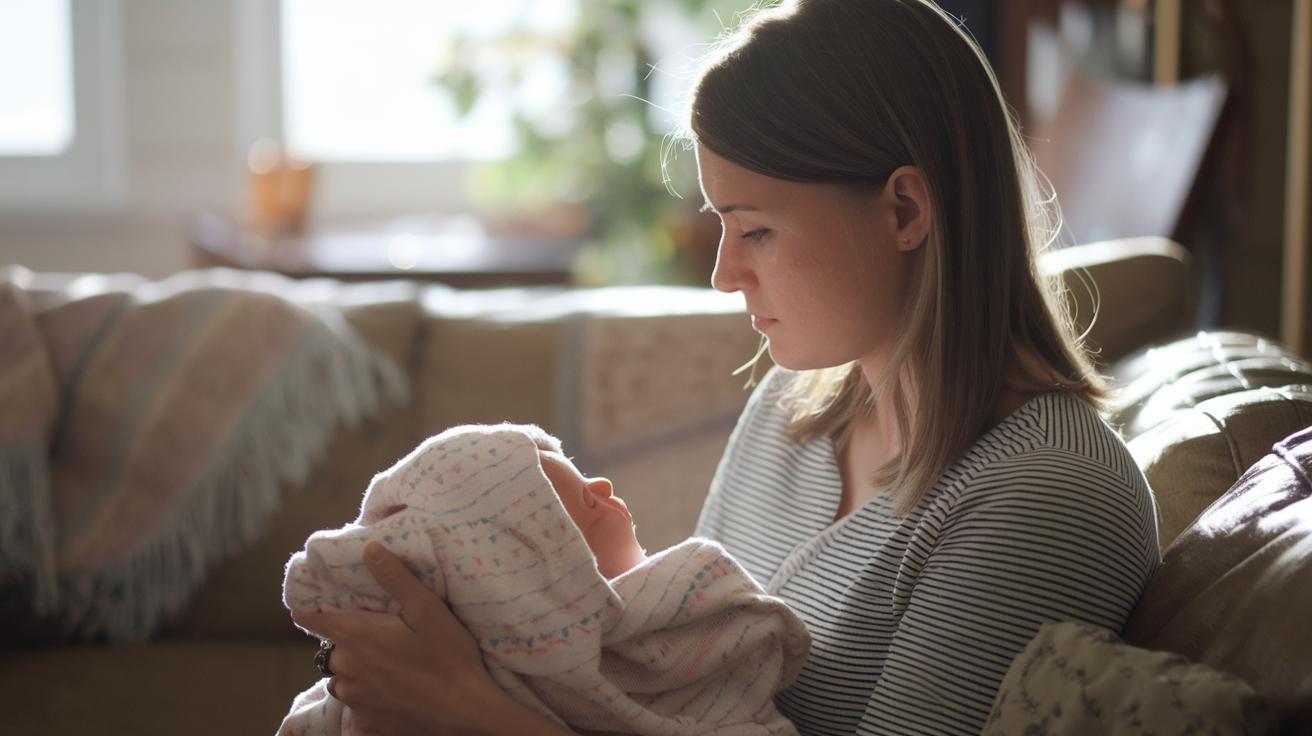
Many new moms go through mood changes after giving birth. A little sadness or tiredness is normal when adjusting, but sometimes these feelings signal that you might need extra support. If your emotions feel too heavy or don’t fade with time, it could mean that your mental health needs a little extra care. It’s important to know the signs so you can get help early and have a warm, understanding conversation with a trusted professional.
- Deep sadness that just won’t go away
- Intense anxiety or sudden panic
- Feeling very alone or disconnected from others
- Quick irritability or surprising mood swings
- Constant worry or guilt about your feeding choices
- Unwanted, disturbing thoughts
- Trouble bonding with your baby
- Changes in sleep patterns or appetite
When you notice these signs, reaching out sooner rather than later can really help. It’s all about finding your balance, easing your worries, and feeling confident about taking care of both yourself and your little one. Have you felt any of these signs yourself? Trust that talking to someone who cares can be a big step toward feeling better.
Counseling Approaches and Modalities in Postpartum Mental Health Counseling
Postpartum mental health counseling offers a range of caring methods to help moms feel refreshed and secure. These approaches mix trusted techniques with flexible support, all designed to meet the real needs of new mothers. Think of it like caring for a garden, each nurturing method helps a particular plant thrive, and together they brighten your whole day.
Cognitive Behavioral Therapy (CBT): Principles and Benefits
CBT changes negative thoughts into positive ones. It's like turning a stormy day into one filled with sunshine. In these sessions, you learn to recognize old patterns and gently shift them, making everyday challenges feel more manageable.
Trauma-Informed Techniques: Brainspotting/EFT Overview
Brainspotting and EFT help ease emotional stress so that past hurts don’t cloud your happy moments. Picture tuning out the static on an old radio to hear a clear melody. This approach creates a safe space to explore and let go of lingering feelings.
Group Support Sessions: Peer Groups and Resilience Building
Group workshops bring moms together to share both the highs and lows of life. In these caring circles, everyone's story blends like ingredients in a comforting family recipe. It’s a lovely reminder that you’re not alone and that the collective support builds strength and resilience.
Telehealth & Family Therapy: Virtual Access and Partner Involvement
Telehealth and family therapy allow you to receive help from your living room or a nearby clinic with childcare options. They’re designed to fit into busy schedules and invite partners to join the conversation, so the whole family feels cared for. Imagine it as a friendly check-in, wherever you may be.
| Modality | Description | Typical Duration |
|---|---|---|
| CBT | One-on-one sessions that help turn negative thoughts into positive ones. | 6-12 weeks |
| Brainspotting/EFT | Trauma-focused methods to ease emotional stress. | 4-10 weeks |
| Group Support | Group meetings that build a caring, supportive community. | Ongoing |
| Telehealth & Family Therapy | Online and in-person sessions that include family and offer childcare help. | Flexible scheduling |
Steps to Access Postpartum Mental Health Counseling Services

First, reach out to a trusted local women’s healthcare provider. Many of these caring professionals work with a team of mental health experts, so if your main counselor isn’t available, they can easily connect you with someone who is, kind of like asking a friendly neighbor for help when you’re in a pinch.
When you’re setting up your appointment, check out both online and in-person options that fit into your busy schedule. Think of it like planning a family dinner: choose a time that works best for you, with options on evenings or weekends, and sometimes even sessions where bringing your child is welcome.
It really helps to make that first call or go online to get started on your journey to feeling better. Every session is conducted using secure, privacy-protected methods (following important rules like HIPAA), so you can feel safe and supported as you adjust after delivery.
Credentials and Expertise of Postpartum Mental Health Counselors
Our team is led by caring, licensed professionals who offer support for postpartum depression and anxiety. These experts have the proper credentials and plenty of experience, so you know you’re in capable hands when you face post-birth challenges.
They are trained in proven talk-therapy methods, like CBT (a way to help change unhelpful thoughts) and EMDR (a technique to ease emotional stress). They also dive deep into mental health around pregnancy and after childbirth, ensuring every session meets both your emotional and everyday needs.
Our counselors work closely with trusted medical professionals to create care plans that fit each mom’s unique journey. They even partner with respected groups like waypoint counseling & maternal wellness pllc to blend therapy and health seamlessly. With regular clinical check-ins and ongoing learning, these experts make sure every plan is safe, effective, and truly supportive.
postpartum mental health counseling for joyful renewal

How soon will I notice changes?
Many moms start to feel better after about four to six sessions. One mom mentioned that after just five visits, her worries began to fade and she felt more settled each day. Families also appreciate knowing that many insurance plans cover these sessions and that there are flexible payment options available.
Are virtual sessions safe and private?
Online sessions use secure, HIPAA-compliant video services to keep your conversations private. It’s like settling into your favorite chair at home, feeling safe and knowing your words are kept as carefully as a secret shared between close friends.
What if I need childcare during in-person sessions?
We understand how hard it can be to juggle parenting with self-care. Many providers offer flexible times or even allow you to bring your child along so you don’t have to worry about extra childcare. One mom shared that she felt relieved knowing she could focus on her well-being without the stress of arranging separate care.
Final Words
In the action, we explored how postpartum mental health counseling offers real support for new mothers by addressing baby blues, mood shifts, and the stress of early motherhood. The blog shared a clear picture of symptoms, various therapy methods, and easy steps to access care with both in-person and online options.
Mothers deserve a path filled with caring guidance and a strong support network. Let this insight inspire you to take positive steps toward healing and well-being.
FAQ
What type of therapy is best for postpartum?
The best therapy for postpartum often blends individual sessions like cognitive-behavioral therapy with group support and telehealth options, addressing depression and anxiety while offering flexible care for new moms.
How to help postpartum mental health?
Helping postpartum mental health means engaging in counseling, support groups, and timely professional care that ease mood issues and build resilience, making everyday life smoother for families.
Who can I talk to about postpartum depression?
You can speak with licensed postpartum mental health counselors or specialized therapists who work closely with new moms, offering evidence-based care in a comforting and safe environment.
What are the four stages of postpartum depression?
The four stages typically start with baby blues, move into a phase with moderate symptoms, escalate to a more severe phase, and then enter a recovery stage aided by professional support.