Sunday, June 28, 2026
Home Blog Page 98

Iron-rich Foods For Maternal Nutrition: Shine With Strength

0

Ever wonder if switching up your meals could boost your strength during pregnancy? As your body makes nearly 50% more blood, keeping your iron levels up isn’t just a nice-to-have, it’s really important. Foods such as lean meats, leafy greens, and beans add a tasty twist while giving your body the extra iron it needs. Picking the right iron-rich foods can help keep you feeling energized and ready for the wonderful journey of motherhood.

Top Iron-Rich Foods to Support Maternal Nutrition

When you’re expecting, your body creates almost 50% more blood. That means your little one and you need extra iron to help make hemoglobin, the protein that carries oxygen in your blood. Getting about 27 mg of iron each day is key for both you and your baby.

Iron comes in two forms. There’s a type from meat and fish called heme iron, which your body soaks up easily. Then there’s non-heme iron from plants like leafy greens and beans that also offers other good nutrients. It’s a bit like cooking a favorite recipe, each ingredient has its own part in making a meal that’s both tasty and nourishing.

  • Beef tenderloin (3 mg per 100 g)
  • Raw spinach (2.7 mg per 100 g)
  • Cooked quinoa (2.8 mg per 100 g)
  • Cooked beans (2.1 mg per 100 g)
  • Pumpkin seeds (3.3 mg per 100 g)
  • Tofu (2.7 mg per 100 g)

Mixing these iron-rich foods into your daily meals not only helps you meet your iron needs but also adds variety and flavor. Try switching up recipes and experimenting with new combinations. Have you ever noticed how a small change in your meals can add a spark to your day? Enjoy discovering these options and feel vibrant during this special time.

Heme Iron Food Sources for Maternal Nutrition

img-1.jpg

When you’re expecting, iron plays a big role in keeping you and your baby healthy. Heme iron, which comes from animal foods, is taken in by your body up to three times better than iron from plants. Adding lean red meat, chicken, or seafood in small servings, around 100 grams, can be a smart and tasty way to meet your daily iron needs.

Red Meats

Beef tenderloin is a wonderful choice. A 100-gram serving gives you about 3 mg of iron. A portion of 100 to 150 grams fits easily into your meal, bringing not only a delicious flavor but also high-quality protein and key nutrients that support both you and your little one.

Poultry

Chicken thigh is another good option. Each 100-gram serving provides about 1 mg of iron. Imagine enjoying a roasted or grilled chicken thigh in a fresh salad, it’s a simple way to boost your iron intake while keeping your meal light and flavorful.

Seafood

Canned sardines offer nearly 2.9 mg of iron per 100 grams. They’re a handy choice too; you can mix them into your salad or even spread them on whole-grain bread. Besides iron, sardines bring in omega fatty acids and protein to help round out your diet.

Together, these animal-based iron sources bring important nutrients to help keep you energetic and healthy during pregnancy, all in a way that makes mealtime both practical and delicious.

Non-Heme Plant-Based Iron for Maternal Health

Plant-based iron options are a gentle, caring way to meet your iron needs during this special time. They add variety to your meals, and when you enjoy them with foods rich in vitamin C, you help your body absorb more iron. Think of it like adding a squeeze of lemon to a fresh salad, a small touch that really brightens your day.

Legumes & Pulses

Legumes, like kidney beans, offer around 2.1 mg of iron per 100 grams. They fill you up and add a warm, earthy flavor to your dishes, imagine a cozy bean stew on a cool evening!

Leafy Greens

Raw spinach brings about 2.7 mg of iron per 100 grams, and kale gives roughly 1.6 mg. These greens add a crisp, fresh texture to your salads or smoothies, making every bite feel light and refreshing.

Nuts & Seeds

Sunflower seeds are a tasty, crunchy snack with about 2.8 mg of iron per 100 grams. Sprinkle them on your salad for a nutty boost that might remind you of a sunny day picnic with your family.

Whole Grains

Cooked quinoa is a wonderful base for any meal, offering nearly 2.8 mg of iron per 100 grams. It’s mild and versatile, much like that favorite comfort food that warms you from the inside out.

Soy Products & Dried Fruit

Fortified tofu provides about 2.7 mg of iron per 100 grams, and when you pair it with raisins, which offer roughly 1.9 mg per half cup, you get a naturally sweet and satisfying meal, perfect for a quick stir-fry.

Pairing these iron-rich foods with sources of vitamin C helps your body absorb the iron even better, making your meals both nutritious and delicious.

Pairing and Timing Strategies to Enhance Iron Absorption

img-2.jpg

Mixing foods rich in vitamin C with iron-packed meals really helps your body absorb non-heme iron better. Imagine enjoying a glass of fresh orange juice or some crunchy bell peppers along with a dish of beans or leafy greens; it’s a simple trick that makes a big difference. Even the timing of your meals matters, small changes in when you eat and what you eat can help your body get more out of every bite.

Try these friendly ideas:

  • Enjoy a bright side salad with juicy tomatoes and a squeeze of lemon alongside your iron-rich main dish.
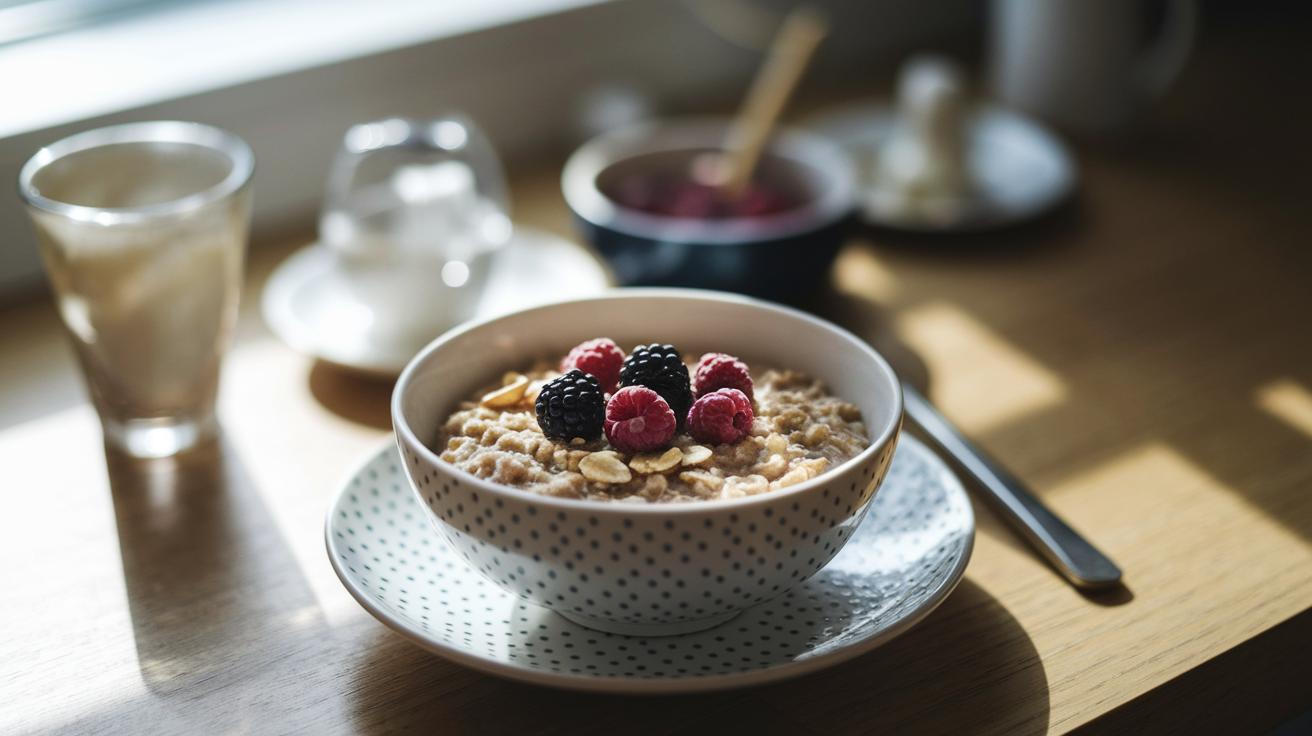
  • Kick off your day with a glass of fresh orange juice to help your body absorb iron from your favorite fortified cereal.
  • For lunch, savor a bowl of iron-packed lentil soup served with a side of steamed cauliflower.
  • Try to avoid dairy products within one hour of your iron-rich meal to keep calcium from getting in the way.
  • In the afternoon, sip on a soothing herbal tea, and hold off on coffee or regular tea right after your iron-packed snack.

These simple tips can really boost your iron absorption. With a little thoughtful pairing and timing, you help your body use the iron in your meals more effectively. Have you ever noticed how small changes in your daily routine can support both you and your little one? Enjoying a refreshing bell pepper and tomato salad with your favorite bean dish is just one way to make meals feel even more nourishing and rewarding.

Iron-rich foods for maternal nutrition: Shine with Strength

Have you ever noticed how using cast-iron cookware can add a little extra iron to your meal? When you simmer a hearty stew or whip up a quick sauté in a cast-iron pan, a bit of iron naturally blends into your dish. This simple trick, teamed with a food-first way to boost iron, works perfectly with your prenatal care vitamins (care during pregnancy) (https://womensconference.org?p=10823) to help keep your iron levels happy. It’s an easy, everyday idea that makes cooking both fun and nourishing for busy moms-to-be.

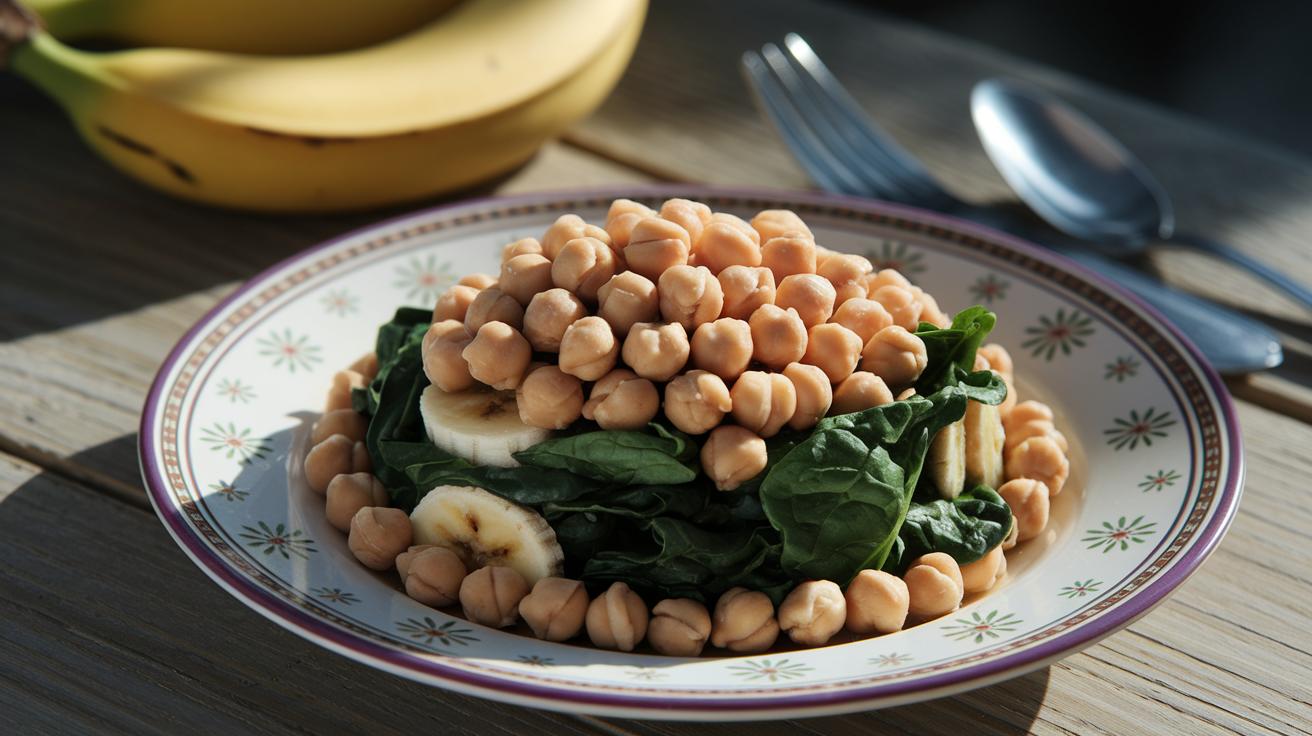
Imagine a day full of well-planned meals: Start with a bowl of fortified whole-grain cereal and a cool glass of orange juice to help your body soak up the iron. At lunch, treat yourself to a fresh spinach-chickpea salad with lean chicken strips for some extra protein and vitamins. Then, for dinner, enjoy a warm beef and vegetable stir-fry over quinoa that not only gives you a solid iron boost but also brings in folate, calcium, and protein, all so important for keeping you strong and healthy.

These meal ideas are like a friendly roadmap to creating balanced, iron-rich menus. When you mix these handy cooking tips with a little meal planning, you set up a daily routine that keeps both you and your little one feeling nourished and energized.

Monitoring and Preventing Iron Deficiency Anemia in Pregnancy

img-3.jpg

Tracking your iron intake is important when you're expecting. Instead of stressing over daily iron numbers, try focusing on ways to help your body soak up more iron. Have you ever felt a bit dizzy, noticed your skin looking paler, or felt unusually tired compared to regular pregnancy fatigue?

Keep an eye out for signs like feeling extra exhausted or dealing with headaches, or even if your skin seems to be changing color. Regular hemoglobin checks each trimester can catch small changes early on, letting you feel more at ease.

Simple, everyday tips can make a big difference. For example, cooking with a cast-iron pan might naturally up the iron in your meals. Picture a tasty plate of sautéed spinach (with a little boost from the pan) paired with some zesty, citrus-infused quinoa, a small adjustment that brings a cozy, nourishing touch to your day.

Final Words

In the action, the article shows how simple food choices can boost your iron intake during pregnancy. We explored both animal and plant iron sources and the best ways to pair vitamin C foods for better absorption. Practical meal planning ideas were shared along with tips to monitor and prevent signs of deficiency. By focusing on healthy meals and mindful pairing, you can confidently support your daily iron needs. Embracing these tips in your routine will make a positive difference through iron-rich foods for maternal nutrition.

FAQ

What is an iron-rich snack for a pregnant lady?

An iron-rich snack for pregnancy may include options like pumpkin seeds or a spinach smoothie, providing extra iron to help build the extra blood volume needed during this time.

What iron-rich foods are best for a vegetarian pregnancy diet?

Iron-rich vegetarian choices include raw spinach, cooked quinoa, beans, fortified tofu, and pumpkin seeds, which all supply essential iron while fitting well into a plant-based diet.

Is there a list or PDF available for iron-rich foods during pregnancy?

Information on iron-rich foods during pregnancy often appears in resources that list items such as beef tenderloin, spinach, quinoa, beans, pumpkin seeds, and tofu to support vital maternal nutrition.

How can food increase hemoglobin levels in pregnancy?

Increasing hemoglobin during pregnancy can be achieved by including iron-dense foods like lean meats, leafy greens, and beans, and pairing them with vitamin C sources for improved iron absorption.

What foods combine iron and folic acid for pregnancy?

Foods rich in both iron and folic acid include leafy greens, legumes, fortified cereals, and beans, all of which support both blood health and fetal development.

How can one naturally boost blood levels during pregnancy through diet?

Boosting blood levels in pregnancy can be managed by eating iron-dense meals that incorporate lean red meats, leafy greens, legumes, and vitamin C pairs to optimize iron uptake.

According to NHS guidelines, what are good iron-rich foods during pregnancy?

NHS recommendations for iron during pregnancy suggest including items like lean meats, fish, pulses, and fortified cereals, as these choices help maintain healthy iron levels and prevent nutrient gaps.

Which foods are considered high in iron for pregnancy?

High-iron foods for pregnancy include options such as beef tenderloin, spinaches, cooked quinoa, beans, pumpkin seeds, and tofu, all providing beneficial amounts of dietary iron.

How can a pregnant person raise her iron levels using food?

Raising iron levels during pregnancy is managed by regularly eating iron-rich foods like lean meats, green vegetables, and beans, and by pairing these with vitamin C-rich foods to boost absorption.

What iron-rich meals are recommended for postpartum recovery?

Postpartum meals can include lean meat stir-fries, nutrient-packed salads with beans and leafy greens, and smoothies loaded with iron and vitamin C, all designed to help replenish iron stores.

Herbal Bath Postpartum: Blissful Self-care Ritual

0

Have you ever thought about trying a warm herbal bath after your baby is born? Imagine sinking into a bath filled with familiar dried herbs and pretty flowers that help ease sore muscles and quiet your busy mind.

This post explains how a simple herbal soak can ease discomfort and support healing after delivery. By mixing long-trusted practices with today’s care, an herbal bath gives you a peaceful, nurturing moment, a small break during the hectic days of new motherhood.

Postpartum Herbal Bath Benefits for New Mothers

After childbirth, a warm herbal bath can be a lovely way to help your body heal. This special soak uses dried herbs and flowers to bring a sense of calm and ease you into the new journey of motherhood. With a simple DIY mix that makes 6 cups, you can enjoy a full-tub bath or a sitz bath, whatever feels best that day.

This healing bath blends trusted botanicals to comfort your body and support tissue repair while reducing swelling. Many moms say the soft warmth relaxes tired muscles and soothes irritated skin. Imagine soaking in a bath where every drop works to ease tightness and help your body feel more comfortable after delivery. It’s a quiet moment just for you, a time to nurture yourself even when life gets busy.

It also offers soothing relief for perineal discomfort and can help with hemorrhoid pain. Even a few minutes in a gentle sitz or tub bath can ease discomfort and melt away some of the stress. It’s a little reminder to take a break and care for yourself during this special time.

Traditional Postnatal Remedy and Modern Perspectives on Herbal Bath Postpartum

img-1.jpg

For many years, moms have turned to herbal baths to help bring balance back to their bodies after having a baby. Generations of mothers have used simple, natural herbs to ease discomfort and bring a calm, healing touch during the sensitive days after childbirth.

  • Ingredients: Old herbal traditions mixed with new, carefully chosen plants make a gentle, balanced blend.
  • Preparation: Time-honored methods like simmering herbs have been updated with today’s careful techniques.
  • Safety: While our ancestors trusted natural remedies, today we take extra care with each herb we use, especially ones like comfrey.
  • Outcomes: Traditional baths helped soothe and heal, and modern practices also focus on repairing tissues and reducing inflammation.

Blending the wisdom of old traditions with modern insights creates a warm, supportive way for new moms to care for themselves. Signature recipes like “Postpartum Delight” and “Deep Healing Bath” show how ancient comfort and today’s safety standards come together. Imagine soaking in a warm bath that feels both familiar and carefully prepared with modern care, it’s a little moment just for you that honors the past while keeping safety in mind.

It’s really inspiring how combining trusted old practices with new discoveries can offer a soothing, modern ritual that makes you feel cared for and empowered.

DIY Herbal Bath Postpartum Recipes and Preparation Steps

Postpartum Delight Recipe

Imagine wrapping yourself in a warm, soothing bath after childbirth. This recipe blends dried herbs that bring a gentle, calming scent and real healing benefits. They’re chosen to help ease tension and support your body’s natural repair, making each bath feel like a little moment just for you.

We’ve mixed in herbs known for their familiar floral and earthy notes. Whether you prefer a full-tub soak or a concentrated sitz bath, this blend adapts to your mood and needs.

  • 1 cup dried chamomile flowers
  • 1/2 cup dried lavender buds
  • 1/2 cup dried calendula petals
  • 1/4 cup dried rosemary leaves
  • 1/4 cup dried thyme

Deep Healing Bath Recipe

If you’re looking for extra comfort, give the Deep Healing Bath a try. This blend uses herbs celebrated for their anti-inflammatory powers, which may help soothe irritation while supporting your body’s healing. It’s designed for those moments when post-birth discomfort needs a bit of extra care.

This gentle herbal infusion works well in both a traditional tub and a focused sitz bath. It offers a quiet, restorative pause, easing inflammation and inviting a sense of renewed well-being. Some moms even use it for herbal compresses or gentle perineal rinses when they need that added relief.

  • 1 cup dried calendula petals
  • 1/2 cup dried comfrey (use with care and check with your healthcare provider)
  • 1/2 cup dried yarrow
  • 1/4 cup dried ginger root
  • 1/4 cup dried peppermint leaves
  1. In a clean, large bowl, gently combine all the herbs.
  2. Give them a soft stir so they mix evenly.
  3. Transfer your blend to an airtight glass jar for storage.
  4. For a full tub bath, add 1 cup to warm water or use 1/2 cup for a sitz bath.
  5. Try alternating between the tub and sitz baths over seven days.

Keep your herbal mix in a cool, dry spot to help it stay fresh. Enjoy your self-care ritual and know that each soak is a little step toward supporting your healing journey.

Safety and Sitz Bath Protocol for Herbal Bath Postpartum

img-2.jpg

After giving birth, it’s important to take gentle care of yourself, and a soothing herbal bath can really help. When you set up your sitz bath, make sure you use herbs from trusted sources and keep everything clean, it’s a simple way to ease discomfort and support healing.

Keep the water warm but not too hot, so it's comfy on your skin. Remember to limit your bath to a few minutes at a time; short sessions help prevent skin irritation. And always use sterile containers to cut down the risk of any infections. It’s a good idea to do a quick allergy check on your herbal mix before you jump in.

If you’re thinking about using herbs like comfrey, have a chat with your healthcare provider first, they can help you stay safe and sound.

  • Choose herbs from reputable sources.
  • Keep water at a soothing, warm temperature.
  • Stick to short sessions to avoid irritation.
  • Use clean, sterile containers.
  • Test your herbal mix for allergies.
  • Consult your healthcare provider about herbs like comfrey.

For a step-by-step guide on sitz bath setup and safety, check out the sitz bath for postpartum recovery page.

Try to fit in these short baths a few times a week. Even a few minutes can bring a little peace, ease stress, and gently support your healing process. Have you ever noticed how a small moment of calm can set the tone for the rest of your day?

Ancestral Maternal Wisdom: Cultural Post-Birth Botanical Rituals

In many small villages, new moms have always turned to the herbs growing in their local gardens for care after giving birth. They would use gentle rinses and compresses made from wild herbs like lavender, chamomile, and marjoram to ease discomfort and help them feel strong again. Picture a mom carefully making a soothing tea from her garden, every sip is like a warm hug.

Around the world, different cultures have their own ways of using herbs for healing. In Europe, rosemary and thyme are used to clean and refresh, while in Asia, ginger and green tea mixes bring warmth and healing. Indigenous communities even use native wildflowers for their delightful scents. Many of these old recipes still inspire modern practices like the Deep Healing Bath. Today, classes mix these timeless rituals with new healing ideas so that every new mom can enjoy the gentle care of nature.

These ancient practices continue to shape today’s self-care routines. They remind us that healing is about honoring our past as we explore new ways to feel well. These botanical rituals offer a soft bridge that connects the wisdom of our ancestors with the comforts of modern care, inspiring a heartfelt, nurturing touch.

Final Words

In the action, the article walks through the many benefits of using a herbal bath postpartum, blending traditional wisdom with practical, hands-on recipes. It shows how dried herbs and flowers can be combined to help soothe, reduce inflammation, and promote healing. Safety tips, step-by-step DIY guides, and insights into age-old practices tie everything together nicely. The approach keeps self-care straightforward and relatable while offering the support new moms need to feel confident. Stay encouraged and enjoy a gentle, healing time with your herbal bath postpartum.

FAQ

How do I make a postpartum herbal bath?

The recipe for a postpartum herbal bath involves mixing dried herbs and flowers into a DIY blend that yields six cups. This mix supports healing, relaxation, and soothing after birth.

What are the benefits of a postpartum herbal bath?

A postpartum herbal bath aids in physical recovery by reducing inflammation and provides a calming effect, helping to ease discomfort while offering emotional relaxation during a challenging time.

How do I safely use a postpartum herbal bath?

Safely using a postpartum herbal bath means following clear preparation steps, checking the water temperature, and keeping sessions brief to support gentle healing and stress relief.

Can postpartum herbal baths be used for both mom and baby?

Postpartum herbal baths, when properly prepared, can benefit both mom and baby by offering gentle, natural ingredients that soothe mom’s discomfort and can be safely shared through diluted exposure.

What herbal ingredients work best for postpartum healing?

Herbs like chamomile, calendula, and lavender work best in a postpartum bath due to their calming properties and ability to reduce inflammation, promoting gentle healing for the perineal area.

How do I prepare a herbal sitz bath and how does it help with hemorrhoids?

For a herbal sitz bath, mix herbs such as witch hazel and chamomile in warm water. This specific blend softens tissues and helps ease hemorrhoid discomfort while providing perineal relief.

Pink Prenatal Vitamins: Glowing Wellness For Moms

0

Have you ever thought a touch of pink might turn your vitamin routine into a little treat? Pink prenatal vitamins mix care with style by including important nutrients like folic acid (a key vitamin), iron, and DHA. They’re not just about looking pretty; they bring a calm, joyful feel to your day. Let’s chat about how these vitamins can help you feel well while adding a bit of sparkle to your routine.

Choosing the Best Pink Prenatal Vitamins: A Complete Guide

Pink prenatal vitamins add a sweet touch to your daily routine while giving you and your baby important nutrients. They are made to support both your well-being and your little one’s growth. These vitamins include folic acid (which helps prevent certain birth defects), iron for healthy blood, and DHA to help your baby’s brain develop. Plus, they often include extra vitamin D and calcium to keep your bones strong. Want to learn more about these nutrients? Check out the details at prenatal care vitamins.

These vitamins are more than just a pretty splash of pink. They are designed with moms like you in mind, blending style with solid health benefits. The gentle rose tone isn’t just beautiful, it’s a reminder that quality care can be both effective and lovely. Here are a few things to keep in mind when you’re choosing your prenatal vitamins:

  • Ingredient profile and dosages
  • Daily pill size and form factor
  • Signature rose shade and packaging design
  • Brand reputation and certifications
  • Price point and availability

When you’re deciding, it comes down to finding the right mix of looks and performance. Make sure the ingredients and the amounts match your needs, and think about pill size if you’ve had trouble with big capsules before. A splash of color might just make taking your vitamins a bit more fun, and choosing a trusted brand means you can feel confident about the product. Balancing cost and availability helps you stick to a routine that feels good for you and your growing family.

Pink Prenatal Vitamins Ingredient Breakdown: Folic Acid, Iron & DHA

img-1.jpg

These special nutrients are key in helping both moms and their little ones grow strong. Folic acid, iron, and DHA are handpicked for pink prenatal vitamins. Folic acid supports proper cell formation, iron carries much-needed oxygen to your body and prevents anemia, and DHA helps with your baby’s brain and eye growth. Even vitamin D and calcium join in to keep bones strong and make sure you feel your best. It’s all about knowing what goes into your vitamins so you can pick what feels right for you.

Ingredient Daily Dose Function Benefit
Folic Acid 400–800 μg Helps cells form & neural tube develop Prevents birth defects
Iron 27 mg Carries oxygen in the blood Prevents anemia
DHA 200–300 mg Supports brain & eye health Boosts baby’s development
Vitamin D 600 IU Supports strong bones Helps with skeletal health
Calcium 1,000 mg Aids in bone mineralization Prevents bone depletion

Remember, what works for one person might not work for another. If you feel like you might be missing out on some nutrients, have a chat with your healthcare provider about adjusting your dose. This way, your prenatal vitamins truly help support both you and your baby every step of the way.

Choosing the Best Pink Prenatal Vitamins: A Complete Guide

Pink prenatal vitamins aren’t just about a pretty package anymore. They’re becoming known for helping our bodies use nutrients even better. Many moms tell us that a splash of color can brighten up a dull morning routine. One mom shared, “Switching to a pink vitamin gave me the extra boost I was looking for, I felt empowered every morning.”

These vitamins still pack in all the key goodies you need, folic acid (400–800 μg/day helps support neural tube health), iron to lower the risk of anemia, DHA for your baby’s brain growth, alongside vitamin D and calcium for strong bones. But now, when you compare brands, you might find differences in ingredient quality and how well your body can use them. In one study, one brand showed up as a champion in bioavailability, giving you a helpful hint on what might work best for you.

  • Ingredient profile & dosages
  • Daily pill size & form factor
  • Signature rose shade & packaging design
  • Brand reputation & certifications (like third-party testing)
  • Price point & availability

When you’re choosing your pink prenatal vitamins, weigh these factors against what matters most to you. Look at recent research on nutrient absorption, listen to real stories from other moms, and check for clear certifications that back up the label promises. For more info on essential nutrients, visit womensconference.org?p=10823.

Pink Prenatal Vitamins Ingredient Breakdown: Folic Acid, Iron & DHA

img-1.jpg

These important nutrients help give both you and your baby a strong start. Folic acid supports cell growth and helps form your baby’s neural tube (keeping defects at bay). Iron carries oxygen throughout your body to help prevent anemia, while DHA plays a big part in nurturing your baby’s brain and eye development. Vitamin D and calcium work together to build strong bones for you and your little one.

Ingredient Daily Dose Role Benefit
Folic Acid 400–800 μg Cell and neural tube growth Helps prevent defects
Iron 27 mg Oxygen transport Helps ward off anemia
DHA 200–300 mg Brain and eye support Boosts development
Vitamin D 600 IU Bone strength Supports mom’s skeleton
Calcium 1,000 mg Bone building Keeps bones strong

Remember, everyone's needs are a bit different. Think of adjusting your nutrient intake like perfecting your favorite family recipe, just a small tweak can make a big difference!

Pink Prenatal Vitamins Formulations: Capsules vs Gummies vs Liquid Options

Capsules are a common choice because they’re easy to carry around. But, sometimes the pill can be too big and hard to swallow. Some moms have mentioned feeling a bit uneasy or even nauseous with larger capsules. A nicer, smoother coating can really help make swallowing easier, much like how a gentle bedtime routine can calm your day.

Gummies and chewable vitamins are a fun twist if you prefer something you can chew. They usually taste good, and the texture can range from soft and juicy to a little firmer, depending on the mix. Plus, their color-coded look adds a playful touch. Just remember to check for sugar content, especially if you’re keeping an eye on your sugar intake. Pairing these with a thoughtful, balanced diet might be the way to keep your sugar levels in check.

Liquid prenatal vitamins work fast and let you adjust doses easily. They’re a great option if you need something that gets absorbed quickly or if swallowing a pill is a struggle for you. Just be sure to follow storage instructions, as liquids might need to be kept in the fridge or handled with a bit of extra care to stay effective.

Pink Prenatal Vitamins Safety, Side Effects & Certification

img-1.jpg

Many moms might feel a bit off sometimes when they take their prenatal vitamins. You know, things like feeling nauseous or getting constipated, especially when the iron is on the higher side. And sometimes, a vitamin with too much folic acid (more than about 400–800 μg) can upset your stomach. One mom mentioned, "I started taking my vitamins with breakfast and felt much steadier throughout the day." Trying a meal with your vitamin or switching up the time you take it can often make things feel a bit better.

It's important to choose vitamins that follow FDA rules and sound clinical advice so they’re safe for both you and your baby. Look for bottles that say they’ve been tested for quality, and try to steer clear of ones with extra dye or sugar that you really don’t need. Many trusted makers proudly share that their vitamins are free from harsh, extra ingredients and stick to strict quality checks. This way, you can feel good about what you’re taking, knowing it supports your health without any surprises.

Doctors usually suggest sticking to a regular schedule that fits your needs, like taking your vitamins at the same time each day. And if you ever notice side effects or worry about getting too much of a nutrient (like vitamin A, which can be harmful in high doses), it’s a smart idea to chat with your healthcare provider. They can help set up a plan that fills in your nutritional gaps while keeping your overall wellness in mind.

Top Rated Pink Prenatal Vitamins: Reviews & Price Comparison Table

When you're looking for pink prenatal vitamins, you want something that delivers trusted nutrition along with a fun, cheerful design that brightens up your daily routine. Moms often choose vitamins that pack a powerful ingredient punch with folic acid, iron, DHA (an omega-3 fatty acid), and more. They also love options that are easy to take and come in that lovely rose hue which makes you feel cared for. Reviews and expert tips help shine a light on what other moms think, from user happiness to perks like monthly subscriptions and overall value.

Our table below lays out a few favorites. You’ll find choices ranging from complete nutrient bundles, like one with 26 nutrients plus grass-fed collagen and pre/probiotics, to more wallet-friendly picks that keep things simple without extras you don’t need.

Product Form Price/Month Rating Key Feature
Glow Prenatal Multi Capsule $45 4.8★ 26 nutrients + collagen
Culturelle Prenatal Gummy $30 4.5★ Probiotics + DHA
Thrive Premium Capsule $40 4.7★ Plant-based iron
Pink Stork Original Capsule $38 4.6★ Sugar-free, dye-free

Balancing cost with what you need really matters. Glow Prenatal Multi shines with its strong blend and a boost of premium collagen, perfect for moms who want something nutrient-packed. And if you like a sweeter treat, Culturelle Prenatal offers a gummy that’s both yummy and nourishing. Plus, if you’re watching your budget without wanting to compromise on quality, Thrive Premium and Pink Stork Original are great choices to support your daily wellness journey.

Integrating Pink Prenatal Vitamins into Your Pregnancy & Preconception Routine

img-2.jpg

Ever thought about starting your vitamin routine before you try to get pregnant? It really can make a big difference! Experts recommend kicking off your prenatal vitamins about a month before you begin trying, so your body gets that extra, gentle support right from the start.

Planning ahead means you're giving your body a bit of a head start on handling the extra demands of pregnancy. It’s like preparing your favorite meal, you get everything ready so it turns out just right. By making sure you get key vitamins like iron, calcium, and vitamin D (for strong bones and good overall health), you're setting up a balanced plan for early pregnancy.

Once you’re on your vitamin routine, keeping track of your daily dose is really important. Taking your vitamins with meals can help reduce any nausea and makes the routine feel natural, like adding a little extra care to your daily table setting. A simple tracking method lets you check how well you’re doing and make small tweaks as needed to fit your personal needs.

Whether you’re gearing up to conceive or already expecting, this thoughtful routine supports both your well-being and your baby's growth, making each day a little bit smoother and more cared for.

Pink Prenatal Vitamins FAQ: User Experiences & Expert Answers

Many questions you might have are answered in other parts of this guide. For example, if you're trying to decide between capsules, gummies, or liquids, check out the section titled Pink Prenatal Vitamins Formulations: Capsules vs Gummies vs Liquid Options. Also, if you're looking for tips on easing nausea when taking vitamins, dealing with large capsules, or mixing them with other medications, you'll find helpful advice in the safety and routine parts of this guide. Plus, we’ve added guidance on choosing subscription plans and how to adjust your dosage as your pregnancy changes.

  • If you’re wondering which formulation fits best, explore our detailed discussion on taste, texture, and how each option matches your routine.
  • For tips on easing pregnancy nausea and managing capsule size, our safety and routine sections share simple advice like taking vitamins with meals.
  • Want to understand your purchase options? Look at our comparison of subscription plans versus one-time purchases in the ordering information.
  • If adjusting dosage during different trimesters is on your mind, the dosage guidelines suggest talking with your healthcare provider.
  • And for any concerns about mixing vitamins with other medications, the medication safety points earlier in the guide might offer the answers you need.

Final Words

In the action, this article broke down key points on choosing pink prenatal vitamins. We talked about valuable ingredients, different forms, safety measures, and shared real experiences. Each part showed how to compare features like nutrient dosages, pill form, and packaging style.

Step by step, practical advice gives you the confidence to pick what works best for you. Embrace the simplicity and clear guidance, it’s all about making your motherhood path even brighter with pink prenatal vitamins.

FAQ

What are pink prenatal vitamins and why might expectant mothers choose them?

The pink prenatal vitamins offer a blend of vital nutrients like folic acid, iron, and DHA, along with a unique pink look that many mothers enjoy for both its health benefits and appealing design.

What ingredients are in pink prenatal vitamins?

The pink prenatal vitamins include essential nutrients such as folic acid (400–800 μg), iron, DHA, vitamin D, and calcium, all working together to support fetal development and maternal health.

How do pink prenatal vitamins compare to other prenatal formulations?

Pink prenatal vitamins provide the same trusted nutrients as standard prenatals while offering a stylish twist in color and design; they come in options like capsules, gummies, and liquid forms to suit various preferences.

Are pink prenatal vitamins safe and effective for pregnancy?

Pink prenatal vitamins are safe when taken as directed, meeting clinical guidelines and FDA standards; many mothers report benefits like improved energy and reduced nausea when using them properly.

Is Pink Stork a good and safe prenatal vitamin?

Pink Stork is seen as a reliable prenatal option by many expectant mothers; it meets clinical standards, offers balanced nutrients, and is known for its safe and effective formulation during pregnancy.

Holistic Weight Loss Programs Fuel Radiant Living

0

Have you ever wondered if a vibrant lifestyle is the key to feeling truly healthy?
Instead of just shedding pounds, holistic programs care for your whole self, inside and out.

This Fall in Minnesota, friendly clinics will bring together experts who guide you to sleep better, ease stress, and enjoy gentle movement every day.

By choosing whole foods and simple, mindful habits, you'll see that even small changes can brighten your life.
It turns weight loss into a journey that empowers you to enjoy overall wellness.

What Holistic Weight Loss Programs Offer for Whole-Body Wellness

Holistic weight loss programs aren’t just about dropping pounds, they’re about caring for your whole self. This program will start in Fall 2025 at several clinics in Minnesota, where a team of caring experts like doctors, dietitians, therapists, and exercise specialists work together with you to create a plan that fits your life.

These programs blend healthy eating, gentle exercise, good sleep, stress relief, and moments of mindfulness. Imagine starting your day with a short walk that wakes you up and sets a positive tone. It’s amazing how small habits can really change your day.

The focus here is on long-term health instead of quick fixes. You’ll learn to enjoy meals full of fresh, whole foods and add simple exercises that help build your strength. They also guide you to get better sleep and manage stress so that your body stays in balance. Every part of your lifestyle matters.

Each clinic in Minnesota gives you personal advice that fits you perfectly. They help you find joy in mindful eating and fun ways to move, supporting both your body and mind. This caring approach offers you a gentle path to lasting, healthy change.

Nutritional Foundations in Holistic Weight Loss Programs

img-1.jpg

Holistic weight loss programs help you feel vibrant by putting nutrition at the heart of everyday wellness. They focus on whole, natural foods packed with vitamins, minerals, antioxidants, and fiber. This blend works gently to boost your metabolism and naturally ease cravings. Try aiming for about 25–30 grams of fiber a day and at least 8 cups of water to keep things running smoothly. Each meal is planned with care to include lean proteins, healthy fats, and complex carbs so your body stays fueled and energized.

Good nutrition should feel simple and sustainable. Picture yourself enjoying a meal where every bite is a step toward a healthier, happier day. Even small changes, like mixing up your food choices, can lead to big benefits over time. It’s a bit like turning everyday moments into little celebrations of health.

For some inspiration, here’s a table of food groups that can help guide your choices:

Food Group Why It Helps
Leafy Greens Rich in vitamins and minerals
Legumes Great source of protein and fiber
Fatty Fish Loaded with healthy omega-3s
Whole Grains Provide steady energy and fiber
Nuts and Seeds Packed with healthy fats and protein

Remember, every little healthy choice is a step toward feeling your best. Isn’t it nice to know that with each meal, you’re giving your body the gentle care it deserves?

Exercise and Movement in Holistic Weight Loss Programs

Exercise is like a caring friend that helps your body feel strong and full of life. These plans give you routines that mix heart-racing cardio with moves that build muscle, stretches that relax you, and practices that bring your mind and body together. It’s not about pushing yourself too hard; it’s about finding a balanced way to move that fits into your daily life. Plus, building lean muscle not only shapes your body but also boosts your metabolism when you’re at rest, supporting long-term fat loss and overall wellness.

The key is to pick activities that feel fun and safe. Start with small steps and listen to your body. Think of exercise as that gentle buddy who nudges you to move in ways that suit your energy and ability right now. Whether it’s a lively walk in the park or a slow, mindful session that connects your body and mind, every little movement makes a difference.

Here are some workouts that work well for all fitness levels:

Workout Description
Walking or light jogging A friendly way to get your heart moving without overdoing it.
Yoga Gentle stretches and balance exercises that calm your mind and body.
Tai Chi Slow, mindful movements that support both physical and mental balance.
Resistance-band workouts Simple strength-building routines that are easy to adjust as you grow stronger.
Swimming A low-impact, full-body exercise that feels refreshing and fun.

Over time, these activities can come together to create a sustainable routine that grows with you and keeps your spirit high.

Stress and Sleep Management in Holistic Weight Loss Programs

img-2.jpg

When you're on a journey to lose weight holistically, keeping stress in check and getting enough sleep is really important. Good sleep helps balance the hormones ghrelin and leptin (the ones that signal hunger), which means you’re less likely to reach for extra snacks or overeat. With a steady sleep routine, your body’s metabolism stays balanced, naturally supporting weight loss.

On the flip side, constant stress can boost cortisol levels, leading to extra fat around your belly. But don’t worry – there are gentle ways to manage this. Practices like mindfulness, a bit of counseling, or simple cognitive behavioral therapy can help ease those emotional triggers that make you want to eat stressily.

One effective strategy is combining these stress-relief methods with ideas from Natural Methods for Reducing Maternal Stress to help your metabolism. These non-drug techniques not only improve the quality of your sleep but also nurture a calm mindset for everyday challenges.

By focusing on better sleep and lowering stress, you steadily improve your overall health and create a balanced lifestyle that lasts. It’s all about finding that gentle rhythm where your body feels supported, and every day seems a little brighter.

Holistic Weight Loss Programs Fuel Radiant Living

Taking care of your mind and emotions is the first step toward feeling balanced and joyful. Many moms find that noticing how feelings influence eating can make a big difference. A simple food journal can help you spot patterns that you might otherwise miss. And when stress creeps in, a mindful moment before you eat can help prevent overeating.

Sometimes emotional eating sneaks up on us, but writing things down can gently catch it early. A few sessions of talk therapy can also help you see and change those thoughts that push you to overeat. Have you ever tried noting how you feel before mealtime? It’s a small step that can light the way to lasting change.

Here are some ideas that many have found helpful:

Strategy Benefit
Food journaling Helps you notice patterns in your eating habits
Therapy check-ins Provides a safe space to talk through challenges
Guided imagery Offers a way to relax and reset
Mindful pauses before meals Reconnects you with your natural hunger signals

Each little, caring choice can add up over time, helping you feel more radiant and supported every day.

Integrative Medical and Complementary Therapies in Holistic Weight Loss Programs

img-3.jpg

Holistic weight loss programs blend expert advice with gentle natural treatments to help you lose weight in a balanced way. They use medications and supplements only when needed and mix them with big lifestyle changes. Instead of using drugs to shed pounds fast, these programs focus on slow and steady progress that supports your overall health. Imagine it like this: while some medicines might help you lose 15–20% of your weight in six months, they might not offer the lasting benefits that come from mindful eating, stress relief, and regular exercise.

These programs also embrace approaches from Traditional Chinese Medicine. Techniques such as acupuncture, herbal remedies, dietary changes, and Tai Chi work together to calm your appetite and improve your metabolism naturally. They offer a gentle, noninvasive way to work with your body’s natural rhythms, alongside modern nutritional advice.

Another key part is using complementary nutrition therapies. This means focusing on whole foods and balanced meals to manage weight in a natural way. The idea here is not to rush to quick fixes but to help each person move at a pace that feels right, with advice from different health experts.

Approach Type Example Weight Loss % Sustainability
Holistic Mindful eating + Tai Chi 5–10% over 6 months High
Pharmacological GLP-1 agonist 15–20% in 6 months Variable

Every part of the program, from natural therapies to modern medicine, works together to build a strong base for lasting healthy habits.

Designing Personalized Holistic Weight Loss Programs

Assessing Individual Needs

Creating a plan just for you starts with understanding how your body works in its own unique way. You might start by doing simple tests like checking your metabolism, looking over your medical history, and setting clear goals for yourself. Have you ever noticed how little details, like a special way your body handles stress, can point to where a small change makes such a big difference? This thoughtful check helps you find out what tweaks could really boost your overall well-being.

Building a Collaborative Care Team

Having a caring group of experts by your side can turn weight loss into a much more positive experience. Your team might include a doctor to keep an eye on your health, a dietitian to create balanced meal plans, a therapist to help sort out emotional bumps, and an exercise expert who knows how to design gentle routines. Think of it like putting together a family project where everyone adds their own strength. Together, they’ll help guide you toward a steady change of about 1–2 pounds each week while keeping your wellness journey safe and nurturing.

Final Words

In the action, we saw how balanced nutrition, gentle movement, proper rest, and caring support work side by side to bring whole-body wellness. The article showed how each step, from delicious, healthy meals to simple exercise routines and mindful stress relief, builds a well-rounded strategy. Holistic weight loss programs offer a plan that feels personal, steady, and kind. Keep taking each day as it comes, embracing small wins, and moving ahead with hope and care.

FAQ

Q: What holistic weight loss programs are available near me, online, or for free?

A: Holistic weight loss programs available locally and online, including some free options, combine whole-body wellness methods that focus on nutrition, exercise, stress management, and emotional support to help you build lasting healthy habits.

Q: How can I find the best holistic weight loss programs?

A: The best holistic weight loss programs offer comprehensive care by integrating balanced eating, mindful movement, proper sleep, and stress reduction techniques. These programs are designed to foster sustainable, whole-person wellness.

Q: Do holistic weight loss supplements really work?

A: Holistic weight loss supplements work by including natural ingredients that support your metabolism, though they are most effective when combined with a balanced diet, regular physical activity, and mindful lifestyle changes.

Q: What does a 7-day diet plan for weight loss involve?

A: A 7-day diet plan for weight loss involves a carefully designed menu that emphasizes whole foods, lean proteins, healthy fats, and complex carbohydrates, along with plenty of water, to boost your metabolism and reduce cravings.

Q: Is there a holistic approach to weight loss?

A: A holistic approach to weight loss treats the whole person by blending nutrition, exercise, sleep, and stress management strategies, making it a sustainable method for long-term weight control and overall wellness.

Q: How did Adele lose weight with Ozempic?

A: Adele’s weight loss with Ozempic likely involved a medication that helped regulate appetite while also supporting lifestyle changes, such as healthy eating and regular exercise, to achieve smoother weight reduction.

Q: What role do holistic doctors play in weight loss?

A: Holistic doctors support weight loss by creating personalized plans that address nutrition, physical activity, emotional triggers, and sleep habits, ensuring each aspect of your health is nurtured for long-term success.

Q: How did Kelly Clarkson manage to lose weight?

A: Kelly Clarkson achieved her weight loss by combining balanced nutrition, regular exercise, and mindful strategies, illustrating that sustainable weight control often results from a well-rounded, healthy lifestyle rather than quick fixes.

2. Infant Milestones 10 Months: Joyful Growth Ahead

0

Have you noticed your little one taking big steps in everyday moments? At 10 months, many babies pull themselves up to stand while they crawl with purpose. They even start playing simple games, like making a toy vanish just to see what happens.

Every babble and little step shows their growing confidence and strength. In this post, we’ll chat about how these sweet moves create a happy, sturdy foundation for all the fun and new adventures waiting ahead.

infant milestones 10 months: Joyful Growth Ahead

At 10 months, your little one is discovering new ways to move, think, and share their feelings. It’s such an exciting time as they start crawling more confidently and even pull themselves up to stand. These physical steps tell the story of a growing body ready for more adventures.

Their thinking skills are also coming into play. For instance, your baby might show they understand that even when a toy disappears from sight, it’s still there, just like a fun little game of hide-and-seek. And there are sweet social clues too. That genuine smile or the gentle wave can mean they’re learning how to connect with those around them.

Every new skill is a reason to smile. Each moment, from a wobbly step to that joyful babble, shows how much they’re growing. Take a closer look below to learn how these simple acts help build a strong and happy foundation.

Related Resource: stages of childhood development

Motor Skill Advancement: Gross and Fine Milestones at 10 Months

img-1.jpg

At 10 months, your baby’s movement and hand skills are getting a lot stronger. They’re working on crawling, pulling themselves up to stand, and even taking their first steps. These big body moves go hand in hand with little hand skills, like picking up objects carefully or passing them from one hand to the other. It’s a fun time of discovery where safe exploration feels exciting and secure.

Milestone Type Typical Age Range Key Behaviors
Crawling 6-10 months Improved crawling with a purpose
Pull-to-stand 6-10 months Pulling up to stand on their own
Cruising 9-10 months Moving along furniture for support
Pincer Grasp 8-10 months Pinching small objects with precision
Object Transfer 8-10 months Handing items from one hand to the other
Self-feeding Gestures 9-10 months Showing interest in food and grasping it

You can support your little one by creating a safe, open space for movement and play. Offering different textured toys or small objects gives them a chance to practice these new skills. Keeping a close eye on your baby while they explore, and joining in with simple games, makes the learning process both fun and reassuring. Have you ever noticed how a little encouragement can spark a big smile? Enjoy these moments of progress together!

Cognitive Growth Signs at 10 Months: Language, Exploration, and Problem-Solving

At 10 months old, your baby is exploring a world full of sounds and ideas. It’s like their mind is buzzing with excitement as they test out new noises, expressions, and little gestures while they learn to understand language, explore their surroundings, and solve small puzzles.

Early Language and Communication

Around this time, you'll notice your baby babbling with a mix of fun sounds and even trying to copy a few simple words. They use gestures like pointing or waving to let you know what they need or to share something they find interesting. It’s such a joyful moment when you hear a cheerful coo in response to your favorite word, showing that they are beginning to connect with you through early language.

Exploration and Problem-Solving

Your little one starts to grasp that things still exist, even when they’re hidden. You might see them searching carefully under a cloth or behind furniture for a toy they love. They also enjoy a bit of trial and error, like stacking rings or reaching for a toy that’s just out of reach. Whether they are mouthing, banging, or shaking their favorite toy, each action is a delightful step in understanding how things work together.

Interactive play is not only a fun time for your baby but also a gentle way of learning how actions lead to results. Watching them explore with determined gestures and soft babbles really highlights how their world is slowly unfolding before your eyes.

Social and Emotional Milestones at 10 Months: Bonding and Interaction Cues

img-2.jpg

At 10 months old, your little one is showing more social skills every day. They light up and smile during their favorite games, and sometimes they might seem a bit unsure when meeting someone new. It’s clear from their happy expressions and gentle gestures that they are starting to understand the world around them.

At this age, you may notice your baby reaching out for a cuddle or a comforting touch. They might give you a little wave or tap your hand when they’re excited. Those soft smiles and bright eyes say it all, they trust you deeply and feel safe in your care.

Interactive play is a fun way for your baby to share their likes and feelings. They explore different textures and sounds, and may even clap or wave to join in a game. Whether it’s a playful tickle session or a moment with a favorite toy, these interactions invite you to join in with warmth and patience.

Every day, your gentle hugs, kind words, and attentive care help build a secure bond with your baby. Each smile and tender moment strengthens that loving connection, making your home a safe and warm space where your little one can happily grow.

Monitoring Progress at 10 Months: Red Flags and When to Seek Professional Guidance

It can feel a little worrying when you’re watching your baby grow, but noticing changes early on can really help. Keeping track of your little one’s play and movement might show if things are a bit off or need extra attention.

Key things to watch for include not crawling or trying to pull themselves up, not using a pincer grasp (that’s when they pick up small objects with their thumb and finger), not babbling much or making gestures, and not smiling or making eye contact. These signs might mean that your baby could use some extra help with moving, talking, or socializing.

If you notice these signs, it’s a good idea to mention them during your baby’s check-ups. Your doctor might use some screening tools and could even suggest an early look for autism signs or refer you to a specialist like an occupational therapist. This early review helps you take the right steps quickly.

Keeping a little journal of what you see and doing regular checkups creates a clear picture of your baby’s progress. It’s a comforting way to work together with your healthcare provider to decide if any extra evaluation is needed.

Final Words

In the action, this article has walked through infant milestones 10 months by exploring physical, cognitive, and social-emotional progress. We highlighted key signs like crawling, early babbling, and sweet social smiles. You read about motor achievements and gentle cues for language and bonding, along with advice on spotting signs that call for professional input. Every piece of insight is shared to help you feel supported and informed as you watch your baby grow. Keep celebrating these precious moments and enjoy every step of this amazing phase.

FAQ

What should babies be doing at 10 months?

At 10 months, babies typically crawl, pull to stand, and may start cruising along furniture. They often babble, show object permanence, and use simple gestures like waving or reaching for familiar people.

What are common infant milestones for 0-12 months?

Milestone charts for infants cover progress each month—from crawling and pulling to stand in early months, to babbling, simple word use, and social smiling as they approach one year—providing a helpful guide for parents.

What are developmental red flags at 10 months?

Developmental red flags at 10 months include not crawling or pulling to stand, limited babbling or use of gestures, and little social smiling or eye contact. These signs may suggest the need for a pediatric checkup.

How many words should a 10-month-old say?

At 10 months, babies usually babble with varied sounds and might use one or two simple words. They also rely on gestures to communicate, showing growing language skills through expressive sounds more than clear words.

What are the CDC guidelines for infant milestones at 10 months?

CDC guidelines note that most 10-month-olds crawl well, pull to stand, and cruise. They also emphasize cognitive skills like object permanence and varied babbling, along with social cues like mutual smiling and basic gestures.

What should I do if I notice red flags at 10 months?

If you notice delays such as a lack of crawling, absent babbling, or minimal social smiling, it is best to consult your pediatrician. Professional guidance can help assess your baby’s developmental progress.

What are typical milestones for 11 and 12 months?

By 11 and 12 months, babies may stand confidently, take a few steps, and start using simple words along with gestures. These milestones build on the skills seen at 10 months and mark exciting progress in development.

Benefits Of Omega-3 In Maternal Nutrition: Healthy Pregnancy

0

Have you ever noticed how one little nutrient can change everything? Omega-3 fats are amazing during pregnancy (care for moms-to-be), helping both your body and your baby’s growing brain and eyes. Research shows that moms who add omega-3 foods to their meals give their little ones a head start for a healthy life. Today, let’s chat about how omega-3 works, the best foods to include, and why it might just be the friend you need on this journey.

Omega-3 Benefits in Maternal Health and Fetal Development

When you're expecting, it's super important to include omega-3 fatty acids in your diet since our bodies can’t make them on their own. There are three main types, EPA, DHA, and ALA, and each one helps in its own way. DHA, for example, is really key for building your baby's brain and helping their eyes form. Fun fact: researchers once noticed that fetuses gather almost half of their brain fat as DHA, even before modern nutrition studies began.

Doctors often suggest aiming for about 250–300 mg of DHA each day during pregnancy. This small addition can make a big difference by reducing the risk of early labor and supporting a healthy pregnancy. Enjoying foods rich in omega-3, like salmon, sardines, and mackerel, not only brings in these fats but also balances out other important vitamins and minerals.

Plus, meals full of omega-3s do more than just help your baby grow. They can keep your blood pressure steady and ease inflammation, offering your body a gentle boost during pregnancy. And it’s amazing how little changes in your diet can truly add up, giving both you and your baby the support you need every day.

Omega-3’s Impact on Fetal Brain and Visual Development

img-1.jpg

DHA, a kind of omega-3, is like a building block for your baby’s brain during pregnancy. It helps shape the neural tube (think of it as the blueprint for brain developing) and creates connections between brain cells that are needed for learning and remembering. Imagine it like piecing together a puzzle, each bit of DHA adds a crucial piece that helps your baby's brain chat smoothly from the start.

Studies have shown that moms who get enough DHA usually see their little ones grow with sharper thinking and better vision. This extra boost not only helps the baby’s body grow strong but can also pave the way for smart skills later in life.

By choosing foods rich in omega-3, you’re setting up a warm, nurturing space for your baby to develop. This simple addition to your diet gives your child a head start in learning and exploring the sights and sounds of the world around them.

Benefits of Omega-3 for Maternal Cardiovascular Health and Mood Stabilization

Omega-3 fats, like EPA and DHA, help keep your heart healthy and can even steady your blood pressure while you're pregnant. They act like a gentle helper, easing your body’s stress response and cutting down on swelling. One mom once said that after adding more omega-3 rich foods into her meals, her heart felt more secure and everyday stress became easier to manage.

These good fats don’t just support your heart; they also smooth out those emotional ups and downs. When you get enough omega-3s, it can naturally bring your mood into balance, making day-to-day challenges feel a bit less heavy. It’s like giving yourself a little boost to focus on the lovely moments of expecting your baby.

Including foods like salmon or mackerel in your diet is a simple way to nourish yourself from the inside out. These choices help keep your blood pressure in check and encourage the production of soothing fats that gently support your mood. Taking small, mindful steps at mealtime can turn everyday eating into a loving act of self-care for both your heart and your feelings.

Dietary Sources of Omega-3 and Fish Oil Supplementation Effects

img-2.jpg

Omega-3s are such a simple boost for you and your baby. Fatty fish like salmon, sardines, and mackerel are rich in these helpful fats that support a healthy pregnancy. Imagine that a modest 3-ounce serving of salmon can give you and your little one a heart and brain boost. The FDA suggests enjoying 8–12 ounces of low-mercury fish each week so you get the nutrients you need without worrying about too much mercury.

But if fish isn’t your thing, don’t stress. You can easily add plant-based sources like flaxseed and chia seeds into your routine. Picture sprinkling a bit of chia on your morning yogurt or blending it into your smoothie – it’s that simple! And if you’re looking for an extra concentrated option, high-quality fish oil supplements are a great alternative. Just be sure to pick ones that are tested for purity and free from contaminants, keeping safety in mind during your pregnancy.

Here are a few friendly reminders:

Food Source Benefits
Salmon, Sardines, Mackerel Natural and rich in omega-3s
Flaxseed, Chia Seeds Excellent plant-based options
Fish Oil Supplements Concentrated boost when you avoid fish

This balanced approach, mixing whole-food sources with a little supplementation, is like following a simple recipe for good nutrition. It helps support your well-being and your baby’s growth, making your daily choices feel both reassuring and nurturing.

Earlier sections talked about the benefits of omega-3 and listed foods rich in it. They also mentioned that you should aim for about 250-300 mg of DHA every day. Always make sure the supplement you choose has been well tested for purity and strength. I usually pick a vitamin that clearly states it’s been quality checked, it's just one less worry for me.

If you decide to try supplements, have a chat with your healthcare provider first about options like prenatal care vitamins (vitamins for pregnancy care).

Strategies for Nutrient-Dense Diet Planning: Omega-3 Integration in Prenatal Nutrition

img-3.jpg

One key tip for feeling your best during pregnancy is planning meals that naturally include omega-3-rich foods. Think of your meal plan like crafting a favorite family recipe, it’s all about mixing in ingredients that not only give you omega-3s but also bring along other good nutrients. For instance, imagine enjoying a grilled salmon salad with a mix of crunchy greens and hearty whole grains. It’s amazing to think that switching to an omega-3-packed meal like this can help keep your heart healthy and your mood calm while you’re growing your little one.

When you make your shopping list, add in foods that are bursting with nutrients. You might even try out easy batch-cooked recipes like chia seed puddings or overnight oats. These recipes use chia seeds (which are loaded with omega-3s) and work perfectly with berries and a handful of nuts. This idea helps you easily meet your weekly nutrition goals, even on busy days. It’s just like putting together a family meal that tastes wonderful while taking care of you and your baby.

Here are a few simple meal ideas:

  • Grilled salmon salad with a mix of greens and quinoa.
  • Chia seed pudding topped with fresh fruit and a little drizzle of honey.
  • A whole grain wrap filled with creamy avocado, fresh spinach, and a sprinkle of flaxseeds.

Using a list and table can really help you keep track of your weekly omega-3 sources. Check out this straightforward schedule:

Meal Omega-3 Source Other Nutrients
Lunch Salmon Leafy greens, Whole grains
Snack Chia pudding Fruits, Nuts
Dinner Sardine pasta Vegetables, Legumes

Planning your meals with a caring blend of omega-3-rich foods and other nutrient-dense ingredients helps build a strong base for a healthy pregnancy. It makes meal prep feel like a warm, rewarding part of your day, ensuring you and your baby get the best care possible.

Final Words

In the action, the article shows how omega-3s support both mom and baby with clear steps to include them in everyday meals. It explains their crucial role in brain and eye development while keeping moms heart and mood balanced. It also covers safe dietary sources and quality supplementation dosages. The piece brings practical ideas for integrating omega-3 foods into meal plans, making prenatal nutrition simpler. A focus on the Benefits of omega-3 in maternal nutrition leaves a positive note for nurturing a healthy, confident future.

FAQ

Frequently Asked Questions

When should I start taking omega-3 in pregnancy?

The omega-3 supplements are best started as soon as you learn you’re pregnant or even before, helping support early brain development and overall maternal health.

When should I stop taking omega-3 in pregnancy?

The omega-3 supplementation usually continues throughout pregnancy and may carry into the postpartum phase; it’s best to follow your healthcare provider’s advice.

What are the benefits and importance of omega-3 in pregnancy?

The omega-3 fatty acids support fetal brain, retinal, and heart development while also promoting the mother’s cardiovascular health and mood stability during pregnancy.

What are the benefits of omega-3 supplements for baby and mother?

The omega-3 supplements help boost the baby’s neural and visual development and ease inflammation and mood swings in the mother, supporting health for both.

What are the side effects of omega-3 in pregnancy?

The omega-3 supplements are generally safe during pregnancy, though some might experience a mild fishy aftertaste or slight stomach discomfort.

How do omega-3 fatty acids support the first trimester of pregnancy?

The omega-3 fats in the first trimester help kick-start fetal development, aiding in neural tube formation and the early stages of brain and eye development.

What is the best type of omega-3 for pregnancy?

The omega-3 sources ideal for pregnancy include high-DHA fish oil supplements from low-mercury sources and omega-3-rich foods that provide safe, quality nutrients.

What is the recommended omega-3 dose during pregnancy?

The omega-3 dose during pregnancy often targets about 250–300 mg of DHA daily, achievable through a few servings of omega-3-rich foods or a trusted supplement.

How do omega-3 fatty acids benefit women beyond pregnancy?

The omega-3 fats benefit women by easing inflammation, supporting heart health, and helping maintain emotional balance well beyond pregnancy.

Are omega-3 supplements good for feeding mothers?

The omega-3 supplements support feeding mothers by enhancing breast milk quality and promoting overall wellness through nutrient-rich benefits.

Why is omega-3 important for fertility?

The omega-3 fatty acids assist fertility by moderating inflammation, balancing hormones, and creating a healthy environment that supports conceiving.

Postpartum Visit: Empowering Care After Childbirth

0

Have you ever felt that your postpartum visit could be more than just a checkup? Many moms discover that this time is not a plain routine exam at all. It’s a special moment to share how you’re healing, ask the important questions, and talk about both how you feel physically and emotionally.

This guide will help you know what to expect during your visit. It shows how this time can be full of care and support, giving you that extra boost as you recover after childbirth.

What to Expect at a Postpartum Visit

When you come in for your postpartum visit, you'll meet your OB/GYN or midwife to check on how you're doing after your baby arrives. Many moms say that asking questions early on really helps clear up the fog of recovery. Doctors usually suggest you have a first checkup within three weeks after childbirth and a more detailed visit by 12 weeks.

During your visit, your healthcare provider will do an exam much like your yearly gynecological checkup. They might check your pelvis with a Pap test, look at your breasts, and make sure your uterus is gradually returning to its pre-baby size (about the size of a pear by two months). It’s a friendly, routine exam meant to help you feel cared for.

You’ll also have time to talk about how your recovery is going, whether you had a vaginal birth or a C-section. Moms often share concerns like challenges that can come up after conditions such as preeclampsia or surgery. Plus, you can discuss plans for a future pregnancy, most experts suggest waiting around 18 months before trying again. This thoughtful follow-up is a bit like your prenatal care, focusing on your long-term well-being and gently guiding you forward.

Timing of Your Postpartum Visit

img-1.jpg

New moms should really try to have a checkup within three weeks after birth. This early visit helps make sure your body is healing well and that you're feeling supported emotionally. It used to be that many doctors only scheduled one visit around four to six weeks after delivery, but now they recommend an early checkup to catch any concerns sooner.

If you had a C-section, keep in mind that it's best to avoid heavy lifting, driving, or hard exercise for about four to six weeks. This extra time gives your incision a chance to heal properly and helps you feel more comfortable as you start your physical recovery.

To set up your checkup, just give your OB or midwife’s office a call. And if you happen to miss your appointment, be sure to reschedule instead of skipping it. Think of this visit as your personal six-week review, a gentle reminder that you're taking care of both your body and your feelings as you heal.

Key Components of the Postpartum Visit

When you go to your postpartum checkup, your doctor takes a close look at how your body is healing and how you’re feeling. It’s a friendly, head-to-toe exam that covers both your physical recovery and your emotions. They start by checking simple things like your blood pressure, weight, and heart rate. Think of it like tuning up a car after a long trip to make sure everything runs smoothly.

Your exam also includes a pelvic exam with a Pap smear and a gentle breast exam. Your doctor will check that your uterus is getting back to its normal size, about the size of a pear by two months. If you had a C-section, they will carefully look at your scar to be sure it’s healing well. Sometimes, they may ask for a urine sample or even a bit of blood to check your thyroid and hormone levels.

The visit isn’t only about the physical parts; it’s also a chance to talk about your feelings. Your doctor will ask about signs of postpartum depression or anxiety, like feeling very sad, crying a lot, or having trouble sleeping. They might even chat with you about when it’s safe to start exercising again or resume sexual activity. It’s a great time to ask questions about birth control and get extra breastfeeding support if you need it.

Here are eight key things they check during your visit:

  • Pelvic exam with a Pap smear and breast exam
  • Vital signs check (blood pressure, weight, and heart rate)
  • Checking that your uterus is back to a pear size by about two months
  • Inspection of any C-section or episiotomy incision
  • Lab tests to review thyroid and hormone levels
  • Screening for physical issues like preeclampsia, incontinence, hemorrhoids, or constipation
  • Mental health screening for signs of postpartum depression and anxiety
  • Talks about starting exercise, sexual activity, using contraception, and breastfeeding support

Preparing for and Following Up Your Postpartum Visit

img-2.jpg

Getting ready for your postpartum visit can really help your recovery go smoothly. It’s a good idea to set up your appointment early, ideally within three weeks after your baby is born, so you can catch even the smallest issues right away. You might even jot down a question like, "When can I start a gentle walk, like a calm morning stroll with my baby?" and keep it handy for your visit.

Here are some friendly tips to help you prepare:

  • Book your appointment within three weeks of delivery.
  • Write down any questions or note any symptoms you’ve been noticing.
  • Gather your important records, such as your birth summary and any details about a C-section.
  • Bring a friend or family member if having someone there makes you feel more at ease.
  • Wear loose, comfy clothes to help you relax during your exam.
  • Check ahead to see if the clinic allows infants, especially if you're planning to bring your baby along.

After your visit, keep these in mind:

  • Reschedule any missed appointments as soon as possible.
  • Keep an eye on your recovery by noting changes in bleeding, pain, or mood.
  • Follow your provider’s advice on taking care of any incisions or on pelvic floor exercises.
  • Attend any recommended self-care sessions, like a breastfeeding check or lactation support group.
  • Talk about your plans to go back to work and consider joining a mommy-and-me session for extra support.

For a little extra help with self-care during this healing time, you might want to check out resources like a guide on postpartum recovery tips or even look into a postpartum recovery kit to add some comfort to your routine.

Insurance, Coding, and Administrative Aspects of Postpartum Visits

When you have a postpartum checkup, your care is noted using the right ICD-10 and CPT codes. This is done for your early checkup (within three weeks) and your full checkup (by 12 weeks). Keeping clear and simple records helps make sure your insurance covers these important visits. Imagine jotting down in a journal, "Visit on March 5, Pap smear, incision check, vital signs noted." It’s all about making every detail clear!

Your doctor often writes down the visit date, the things that were done, any test results, and notes about referrals. This careful note-taking helps you and your care team stay on track. Sometimes, if you do your checkup on time, your health plan might even give you a little extra perk, like a portable play yard with a bassinet. It’s a friendly nudge to keep up with your appointments!

If you ever end up missing an appointment, let both your insurance and your doctor know right away. Rescheduling quickly helps keep your coverage active and your records up to date. This extra bit of attention to paperwork really supports your long-term health and recovery.

Postpartum Visit FAQs and Common Concerns

img-3.jpg

  • Which symptoms require urgent care?
    If you notice heavy or long-lasting bleeding, a high fever, severe pain, a fast heartbeat, or sudden mood shifts, these are signs to get help quickly. Picture it like feeling a sudden surge in your heartbeat, it’s your body's way of saying, “Please check in with your doctor right away.”

  • What risk factors should be monitored after delivery?
    If you had high blood pressure, gestational diabetes (high blood sugar during pregnancy), or any issues after a C-section, then it’s extra important to keep an eye out. Look for any odd swelling or problems with the wound, as these might be signals that something needs attention.

  • How can you tell if complications are developing?
    Sometimes, things like increased redness or warmth near a cut, or pain that just gets worse, might mean an infection or another issue is forming. These signs are hints from your body telling you to get checked sooner rather than later.

  • What steps should you take if overwhelming emotional changes occur?
    If you’re feeling persistently sad, notice quick mood shifts, or lose interest in regular activities, these feelings could be signs of postpartum depression. It might be a good idea to reach out to your healthcare provider to talk about what you’re experiencing.

Final Words

In the action, we explored what a postpartum visit entails and how it supports your recovery and well-being. We covered timing, key physical and mental health checks, and tips to prepare for follow-ups. Each step is designed to help you feel cared for and informed. Remember, a postpartum visit keeps you and your new baby on the path of wellness. It’s a small step that makes a big difference in your overall recovery and happiness. Keep shining and take care of yourself!

FAQ

What is a postpartum visit?

The postpartum visit is a post-birth appointment where an OB or midwife checks a new mother’s physical, mental, and emotional recovery through exams, screenings, and useful guidance on self-care and future planning.

When should a postpartum visit be scheduled and how many visits are needed?

The visit is typically scheduled first within 3 weeks after birth and followed by a comprehensive check by 12 weeks. Most women have one to two appointments based on their recovery and provider recommendations.

What does a postpartum visit checklist include?

A postpartum visit checklist usually covers vital signs, a pelvic exam (sometimes with a Pap smear), breast checks, a review of uterine size, mental health screening, and evaluation of any recovery issues like incision care for a C-section.

What happens at a 6-week postpartum visit and are there special considerations for C-section recovery?

The 6-week checkup reviews recovery progress, screens for complications, and discusses resuming exercise, intimacy, and contraception. For C-sections, it also involves a close look at incision healing and tailored activity recommendations.

What is the 5 5 5 rule in postpartum care?

The 5 5 5 rule is an online guideline meant to remind new mothers of important self-care steps, including regular checkups, brief daily recovery evaluations, and simple measures to support overall well-being.

Too Much Folic Acid Symptoms: Stay Healthy

0

Have you ever felt like your body is whispering little hints when you take extra vitamins? Maybe you get a sudden headache, your heart beats faster than usual, or you just can’t settle down to sleep. These could be signals that you're taking more folic acid (a type of vitamin B) than your body needs.

When you take too much, these subtle signs can sneak up on you. In this conversation, I'll walk you through what to watch for. With this simple guide, you can adjust your folic acid levels, feel calmer, and take better care of your health.

Let's chat about how sometimes adding a bit extra might actually throw off your day instead of making it brighter.

Recognizing Too Much Folic Acid Symptoms

Sometimes, taking more than 800 micrograms of folic acid a day can raise your blood folate levels without any clear signs at first. You might notice headaches that feel different than usual, sudden bouts of anxiety, or even feel a bit more irritable. Sometimes your body feels too "wired" to relax at bedtime, imagine settling down for a quiet evening only to have a racing mind. You could also experience shortness of breath or your heart might start beating faster. These signs remind us that while folate is important, too much can lead to unexpected effects.

When you take extra supplements, like our prenatal care vitamins available at this link, it can easily push your folate levels above 20 nanograms per milliliter, especially if you also eat fortified foods. When that happens, some people feel very tired, heavy, or even a little low and nauseous. Imagine having a day when you suddenly feel weighed down, as if your energy has just been quietly drained, even after a good night’s sleep. These clues tell us that it’s important to keep your folic acid intake balanced.

too much folic acid symptoms: Stay Healthy

img-1.jpg

Have you ever wondered how easy it is to get too much folic acid? When you take plenty of supplements like prenatal or B-complex vitamins and also eat a lot of fortified foods, think bread, cereal, and pasta, your folic acid levels can quickly climb above what your body actually needs. This extra folic acid can build up because the supplements are absorbed almost twice as well as the natural folate found in food.

There’s more to it, too. Some of us have genetic traits, like MTHFR mutations, which mean our bodies take longer to process folate. If you’re one of those people, or if you’re pregnant and consuming over 800 micrograms a day in areas where foods are fortified, it might be a good idea to check in with a healthcare provider. Knowing these risk factors can really help steer your choices about food and supplements, making it easier to keep a healthy balance.

Too Much Folic Acid Symptoms: Impact on Body Systems

Too much folic acid can change how your body feels. You might get a headache, feel anxious, or notice that your mind isn’t as clear as usual. Sometimes your heart might start beating fast or you could feel short of breath, which means your heart is reacting. Your tummy might act up, too, with feelings of nausea or a bit of discomfort after meals. And if you're suddenly more tired or a bit down, it may be your mood responding, while slight changes in your hormones show that your body's balance is shifting.

Body System Symptoms
Neurological Headaches, anxiety, irritability, cloudy thinking
Cardiovascular Heart pounding, shortness of breath
Gastrointestinal Nausea, tummy discomfort
Mood Feeling very tired, down in mood
Endocrine Shifts in hormone balance

Diagnosing Too Much Folic Acid: Tests and Indicators

img-2.jpg

If you’re wondering whether you’re getting too much folic acid, your blood tests can be a clear guide. Basic lab tests, like checking serum folate, vitamin B12, and homocysteine levels, are very helpful. For example, if your serum folate reads above 20 ng/mL, it’s a hint that you might be taking in more folate than needed. Doctors usually review these tests together to understand if your body is absorbing extra folate. You might even hear someone mention, “My blood work showed a serum folate level of 22 ng/mL, so I had to tweak my supplement routine.” This method really helps pinpoint when your folate levels are beyond recommended limits.

Too much folate can also hide a vitamin B12 deficiency, which means its signs might be missed for a while. Because high folate can mask low vitamin B12, it’s important to test for both at the same time. We often use something called Dietary Folate Equivalents (DFEs) to figure out the real impact. Simply put, 1 µg of folic acid is treated like 1.7 µg of food folate in your body. This calculation shows the true folate load and helps guide any needed changes to your diet or supplements.

Preventing Too Much Folic Acid Symptoms: Safe Dosage Guidelines

Keeping your folic acid levels balanced helps you feel your best. It’s a good idea to notice both what you eat and any supplements you might take. For instance, adults should aim for about 400 micrograms each day and expectant moms around 600 micrograms. When you mix in supplements with fortified foods, you might easily get over 800 micrograms daily, which can lead to headaches, tiredness, or even feeling too energized.

Here are five simple tips to help you keep your folic acid in check:

  1. Keep track of your overall folic acid by comparing what you consume with the basic recommended amount. For supplements, try to stay below 1,000 micrograms.
  2. If your daily total might go over 800 micrograms, especially if you eat many foods that are fortified, cut back on extra supplements.
  3. Choose natural foods like leafy greens, beans, and liver to get your folic acid in a gentle, balanced way.
  4. If you know you have a common gene change (MTHFR) that affects how you process folate, you might want to consider a methylated form like 5-MTHF.
  5. Keep an eye on meals with added folic acid and adjust your supplements as needed by checking trusted guidelines on maternal diet and wellness.

Managing Adverse Outcomes of Too Much Folic Acid

img-3.jpg

If you notice your body reacting to too much folic acid, try taking a break from your supplements and focusing more on your natural diet. It might help to cut back or pause those pills and reach for foods like leafy greens, beans, and other folate-rich options. You could see headaches or a quickened heartbeat ease off in just a few days. It might feel a little strange at first, but this change can bring real relief as you shift back to a balanced, whole-food eating plan.

Once you've given these changes a try for about 4 to 6 weeks, it’s a good idea to check your lab results again. This follow-up can really show if your mood dips and sleep troubles are starting to settle. And if you're still feeling off, or if you think your body might be handling folate differently than usual, it might be worth discussing the option of methylfolate with your healthcare provider. Always remember to chat with a professional before getting back to any supplement routine, just to make sure it fits what you truly need.

Final Words

In the action of understanding too much folic acid symptoms, we reviewed how high-dose supplements can affect body systems from headaches and mood changes to testing results. Risk factors, such as supplement use and genetic differences, were also discussed. We shared safe dosage guidelines and steps to take when signs appear, offering clear advice for moms navigating these challenges. This conversation offers a calm, practical perspective and a reminder to pay attention to too much folic acid symptoms while making informed choices every day.

FAQ

What are the common side effects of folic acid, including a 5mg dosage and signs of an overdose?

Folic acid side effects can include nausea, headaches, irritability, and digestive discomfort. When taken in excess, symptoms may worsen and include mood changes and sleep issues, so consult a provider when concerned.

What foods should be avoided when taking folic acid?

Folic acid users may want to limit heavily fortified foods that add extra synthetic folic acid. Instead, enjoying natural folate sources like leafy greens helps maintain a balanced intake.

What benefits does folic acid offer for women?

Folic acid supports healthy cell growth, lowers the risk of neural tube defects during pregnancy, and promotes overall heart and immune well-being, making it a key nutrient for women’s health.

What is the recommended folic acid dosage for adults?

Adults generally need 400 µg daily to support normal body functions. Adjustments may be considered based on individual health needs or dietary intake.

How do folic acid tablets support pregnancy?

Folic acid tablets during pregnancy provide around 600 µg daily, reducing the risk of neural tube defects and supporting the healthy development of the baby throughout pregnancy.

Can folic acid be harmful if taken in excess?

Folic acid is safe in recommended amounts but may lead to adverse effects like nausea and sleep disturbances when consumed in high doses. Consulting a healthcare provider is wise for personalized advice.

Is 1,200 mcg of folic acid too high during pregnancy?

A dosage of 1,200 mcg during pregnancy can exceed safe limits and may increase potential risks; it’s best to seek guidance from a healthcare provider to tailor your folic acid intake.

Holistic Approach To Depression Sparks Bright Recovery

0

Have you ever noticed how taking care of all parts of yourself can brighten even your gloomiest days? Sometimes, quiet moments of reflection, a simple daily walk, a nourishing meal, and a warm hug from a loved one can lift the weight of sadness. Recent studies show that when we care for our mind, body, and heart all together, we set the stage for true healing. It’s like finding a gentle balance that guides us toward a life filled with joy and renewal.

Comprehensive Framework for Holistic Depression Management

When we care for our mind, body, and feelings as one connected whole, life can feel a little more balanced. Research shows that blending different ways to lift our moods works better than just fixing one small part. For example, Harvard Medical School suggests taking a 35-minute walk every day to ease mild to moderate depression. And studies have found that cognitive behavioral therapy (a way to change thought patterns) can work as well as some medications. This kind of full support is really changing how we look at mental health.

Mixing care for our physical, emotional, and mental selves helps lower stress, build balance, and strengthen our resilience. Each step supports the next, creating a circle of care that makes it less likely for low moods to come back.

Here are the five key parts of this approach:

  • Mindfulness practices that help quiet the mind
  • Regular physical activity to boost your mood
  • Healthy eating habits that feed your brain
  • Good sleep and stress care for rest and recovery
  • Support from family and friends to keep you connected

When mindfulness helps clear your thoughts and exercise releases happy chemicals, the benefits reach every part of you. Nutritious food gives your brain the fuel it needs, sleep and stress care let your body rest and rebuild, and supportive loved ones remind you that you’re not alone. All of these simple steps work together to get to the heart of depression and guide you toward a brighter, more balanced future.

Mind–Body Mood Therapy Techniques

img-1.jpg

When you try mind and body practices, you might notice a gentle lift in your mood. Mindfulness meditation, focusing on the moment, helps calm your feelings, reduce stress, and even encourage healthy changes in your brain. And spending a little time (around 20 minutes) in a quiet, green space, sometimes known as forest bathing (enjoying nature’s peace), can lower stress hormones and brighten your mood. It’s a natural path to feeling more at ease.

Unilateral Nostril Breathing Technique

This simple breathing exercise brings a soothing balance to your mind and body. Sit in a comfy, straight-but-relaxed position. Gently block your right nostril with your thumb, then take a slow, steady breath in through the left. Next, switch by covering your left nostril with your finger, and exhale through the right. This back-and-forth method can help steady your heartbeat and clear your mind. It’s like giving yourself a small moment of calm in a busy day.

Research shows that these easy practices, from mindful breathing to spending time outdoors, are great ways to lower stress and boost your mood. By including them in your daily routine, you’re caring for both your emotional and physical well-being.

Nutritional Mood Support Strategies

Our food really affects how we feel. When you choose meals rich in omega-3 fatty acids and polyphenols, you can give your brain a little boost and help calm down inflammation. It’s a simple way to support your mood naturally.

Food/Nutrient Source Impact
Salmon Fatty fish Loads of omega-3 fatty acids that can help lower feelings of depression
Tuna Seafood Packed with omega-3s to support a healthy brain
Flaxseed Seeds Aids in boosting BDNF for better brain function and slower aging
Dark Chocolate Cocoa-based treat Contains polyphenols that help reduce inflammation

Sometimes, small changes in your meals can make a big difference in your mood. Try including a serving of fatty fish like salmon or tuna a few times a week to enjoy their natural benefits. You might also toss a sprinkle of flaxseed into your cereal or smoothie, it's an easy hack for a brain boost. And hey, keeping a small piece of dark chocolate nearby might be the perfect little treat to lift your spirits. By adding these wholesome foods into your routine, you're not just caring for your body but also nurturing your overall well-being.

Restorative Movement and Lifestyle Change for Depression

img-2.jpg

Taking a brisk 35-minute walk every day can really brighten your mood. It helps spark your feel-good chemicals like endorphins and serotonin while calming stress hormones such as cortisol. Think of this walk as a special moment for both exercise and a bit of self-care, your time to enjoy some steady movement in the fresh air.

Why not add a bit of yoga into your weekly routine? Even two 60-minute sessions can help lower your blood pressure and lift your spirits. As you move through each pose, you might notice tension fading away and a growing strength in both your body and mind. It's like giving yourself a peaceful break from everyday stress.

Acupuncture is another gentle way to feel better. With sessions that use tiny needles at specific spots, many find it helps balance energy and ease mild to moderate depression. When you add regular acupuncture into your routine, you may feel a calm, centered balance, a soothing pause that renews and comforts you each day.

Alternative Mood Treatments and Emotional Balance Techniques

Herbal remedies have been trusted for ages to help brighten low moods and bring a sense of calm. For centuries, herbs like St. John's Wort and saffron have been used to gently lift spirits and add a touch of serenity. Many people enjoy making these natural additions part of their daily routine, like inviting a little bit of nature's comfort into their day.

Essential oils, such as lavender, eucalyptus, and peppermint, are another way to help ease anxiety and clear your mind. You can diffuse these oils or mix a few drops (when properly diluted) to fill your home with soothing scents. In fact, studies show that simply inhaling these natural aromas can lower feelings of tension by up to 20%. It’s a simple way to create a peaceful, inviting space.

Some caring practitioners also focus on specific acupuncture points to support emotional balance. By gently working on these spots, sometimes paired with calming scents or light touch, you might find it easier to gain mental clarity and relaxation. This blend of natural remedies and traditional techniques offers a warm, holistic approach to help you feel more balanced and uplifted.

Personalized Recovery Strategies in Holistic Depression Care

img-3.jpg

Keeping an eye on key health markers like hormones, vitamins, thyroid, and heart indicators can really help you understand what your body needs. By checking over 50 different signs, you can spot the areas that need a little extra love and build a plan that fits you perfectly. It’s all about moving away from a one-size-fits-all approach and making it truly personal.

When you use your own health data to adjust your eating habits, exercise, mindfulness, and even therapy, the results can be very encouraging. For example, one 56-year-old found that blending these strategies with regular self-care, like sticking to a steady sleep schedule, jotting down moments of gratitude, and keeping up with friends, made a big difference. This mix of insights and everyday tweaks sets up a clear path toward lasting well-being.

Designing Your Personalized Plan

Begin by checking your important markers and setting simple goals based on what you find. Team this info with daily tweaks like planning your meals, staying active, and carving out time for mindful moments throughout your day. As you learn more about how your body reacts, you can fine-tune your routine and make choices that bring balance back into your life.

Over time, these small, steady changes build a nurturing cycle that helps you feel uplifted and more balanced every day.

Final Words

In the action, this article shared clear insights on caring for mind and body through evidence-based practices. It explained how integrating physical exercise, mindful techniques, nutritious food, gentle movement, and alternative mood treatments helps build complete mental wellness. We explored practical steps for personalized recovery and lasting self-care, all supported by trusted research findings. Embracing a holistic approach to depression can offer practical guidance and real hope on the path toward improved well-being.

FAQ

Q: What is the holistic approach to managing depression, anxiety, and mental health therapy?

A: The holistic approach means caring for your mind, body, and emotions together. It blends physical activity, mindfulness, nutrition, sleep, and support from loved ones to help lift overall mood.

Q: How can you pull yourself out of a depressive episode?

A: Pulling yourself out of a depressive episode can start with small steps—like enjoying a walk, practicing mindfulness, having a healthy meal, and reaching out to someone for support—to gently boost your mood.

Infant Milestones 9 Months: Joyful Progress Ahead

0

Have you seen your nine-month-old explore like a little adventurer? At this stage, your baby might be crawling, pulling up to stand, or even cruising around with that charming, wobbly gait that melts your heart. Their sweet babbling turns into joyful sounds as they learn that even hidden objects still exist.

Today, let’s chat about these fun milestones and what they mean for your baby’s growth. Each small step and sound is a sign of progress that turns everyday moments into warm celebrations.

9-Month Infant Milestones Overview at a Glance

At nine months, your little one starts showing off some fun new moves and sounds. They might crawl, scoot, or pull up on the furniture, and sometimes they even cruise around while holding on for dear life. Have you ever seen them glide along the couch like a tiny explorer, enjoying each wobbly step?

During playtime, you may notice that they now understand objects still exist even when hidden. For instance, they might look for a toy that’s been put out of sight, as if it had never left. Their babbling gets livelier too, sounding out words like "mama" or "dada" when they call out for you or another loved one. And yes, those social smiles come with a side of mild stranger anxiety when a new face appears.

Growth stays steady, too. On average, your baby gains about 0.5 to 1 pound each month, grows around 0.5 inches in length, and their head gets a little bigger by about 0.25 inches monthly. Sleep is super important at this stage, most babies clock in about 14 hours in a day, with 11 to 12 hours at night and a couple of naps during the day.

Feeding usually involves 2 to 3 meals of solid foods, like grains, fruits, and vegetables, along with 3 to 5 feeds of breast milk or formula. Regular pediatric checkups help keep an eye on all these wonderful changes as your baby grows.

Gross Motor Skill Achievements by Nine Months

img-1.jpg

By nine months, your little one starts to show off their moving skills. You might notice them crawling or scooting across the floor, a sign that all those tummy times are really building up their neck and back muscles.

Most babies begin to pull themselves up by holding onto furniture between 8 and 11 months. Once they can stand, they often cruise along the edges of a sofa or table. It’s a milestone that brings many happy cheers from parents. You might also see your baby shifting positions while sitting on their own, showing that their balance and coordination are getting stronger with each wiggle.

Every crawl, pull, or cruise is a small step toward growing strength. Even little movements, like scooting toward a bright toy, help boost muscle control and balance. Try placing some soft objects within easy reach or set up a cozy, safe space where your baby can explore while you watch with a smile.

Fine Motor Progress in 9-Month-Old Infants

By nine months, your little one starts to explore the world using their hands. You might notice them picking up small bits of food or tiny toys with a thumb-and-index finger pinch. When they move objects from one hand to the other, it means they’re getting better at matching what they see with their movements.

Each time your baby bangs a toy or stacks a couple of soft blocks, they're learning and growing those fine motor skills. Try giving them safe finger foods to practice self-feeding and explore different textures. For instance, if they grab a piece of soft fruit, it shows they're learning how to hold things with care, sort of like how little hands turn the pages of a board book.

Simple fun activities like reaching for scattered items or gently nudging toys can help improve their coordination even more. Encouraging these small interactions with safe, age-appropriate objects supports their progress at this precious stage. Every playful moment builds stronger, more confident little hands as they discover their world.

Cognitive Milestones and Object Permanence at Nine Months

img-2.jpg

At nine months, your little one becomes a curious detective, exploring every nook and cranny of their world. When you hide a favorite toy under a blanket or behind a cushion, they might eagerly lift the cloth to reveal it, showing their growing grasp of object permanence.

Each playful moment is a gentle lesson in cause and effect. For instance, your baby might drop a small toy repeatedly and learn that letting go makes it fall. Try spreading a few soft toys on a mat and watch them joyfully knock them over, discovering what happens next.

Your baby is also learning by copying you. If you start clapping during playtime, they often try to mimic your claps. This simple imitation is a charming sign of early problem-solving skills, as if they're figuring out that actions lead to reactions.

Encouraging these little experiments can build their confidence and curiosity. Whether it's shaking a rattle or gently tapping two soft blocks together, each sound and movement invites them to explore further. Isn’t it wonderful to see such big discoveries happening one small step at a time?

Infant milestones 9 months: Joyful Progress Ahead

At nine months, your little one starts making an enchanting mix of sounds like “ba-ba” and “da-da” as their babbling turns into early language play. It’s amazing to see them begin to match these sounds with real meaning, almost like a secret language you both share. They respond to their name and recognize simple words like “no,” setting up the building blocks for future chatting.

Besides the sounds, your baby is learning to communicate with gestures too. A cheerful wave or a little point toward a favorite toy tells you exactly what they need, even if the words aren’t clear yet. Imagine that sweet moment when your baby points excitedly at something and adds a soft “ba-ba”, it’s their unique way of connecting.

Chat with your baby throughout your day, whether at playtime or during snack time. These everyday talks help them turn sounds into meaningful conversation and keep that delightful progress going.

Social and Emotional Engagement Benchmarks at 9 Months

img-3.jpg

When your baby reaches nine months, you start noticing little social smiles and giggles during playful moments like playing peek-a-boo. Imagine those joyful laughs lighting up your day as you share a simple game together. Their little facial expressions, a soft frown or a big smile, can tell you so much about how they feel.

At this stage, your baby might also begin using gestures like pointing when they want something. These sweet, silent signals help kickstart their language skills and let you know when they need a hug or a bit of comfort.

  • Smiling warmly at familiar faces
  • Laughing brightly during interactive play
  • Pointing to express what they need
  • Showing gentle reactions when meeting new people

Watching these small moments gives you a nice peek into their growing social and emotional world, and it reminds you how wonderfully they're discovering the joy of connecting with others.

Nutrition Schedule and Growth Markers for Nine-Month Babies

At nine months, your little one usually enjoys 2 to 3 solid meals a day along with 3 to 5 milk feeds of either breast milk or formula. These meals generally include servings of about a quarter to a half cup of grains, fruits, vegetables, dairy, and protein. It can be fun to mix up the textures so your baby can start practicing self-feeding. Imagine your baby excitedly grabbing a soft piece of fruit, feeling its texture, and exploring its taste while learning to dab food on their face.

Balanced, nutrient-rich foods help support steady growth, typically around a half to one pound weight gain and a half-inch increase in length every month. Regular visits to the pediatrician are a warm reminder that these milestones are being met while keeping an eye on both nutrition and new motor skills.

Meal Type Serving Size
Solids 2 to 3 meals, ¼ to ½ cup each
Milk Feeds 3 to 5 feeds of breast milk or formula

Sleep Pattern Transitions in 9-Month-Old Infants

img-4.jpg

At nine months, your little one usually gets about 14 hours of sleep in a day. They enjoy roughly 11 to 12 hours of nighttime sleep and often take two naps that add up to around 2 to 3 hours. When they’re awake, they tend to be active for nearly 3 hours before needing another little break.

Creating a calming bedtime routine can really help. For example, you might lower the lights and play soft lullabies, almost like whispering, "Imagine a gentle song wrapping you in a warm hug." Whether it’s reading a short picture book or enjoying a quiet cuddle, these small actions can gently signal that it’s time to wind down.

A steady nighttime routine not only helps your baby sleep better but also builds a comforting sense of security during these important sleep transitions.

Infant milestones 9 months: Joyful Progress Ahead

Every day can feel extra special with little twists added to your routine. For example, during tummy time, try humming a gentle lullaby. It can help your baby lift her head while feeling calm and safe. You might also mix up sensory play by letting your baby feel something smooth beside something a little rough, this keeps playtime fresh and exciting.

You can also make peek-a-boo even more fun by changing your voice. Maybe start with a quiet whisper and then surprise her with a cheerful greeting. During board book time, read a line out loud, pause, and let your baby respond with babbles and smiles. And when you play pull-to-stand games, pair the movement with kind, upbeat words that encourage her little efforts.

  • Tummy time with soft lullabies to create a calm space
  • Sensory play that mixes smooth and slightly rough textures
  • Peek-a-boo with varied voice tones for extra fun
  • Board book time with pauses to invite babbles and smiles
  • Pull-to-stand games paired with cheerful, encouraging words

Identifying Delays and When to Seek Help for 9-Month Milestones

img-5.jpg

At nine months, your little one is busy exploring their world, and it can feel reassuring to know what to expect. But sometimes, you might notice a few hints that it’s time to check in with a doctor. For example, if your baby isn’t rolling or crawling by around 10 to 11 months, or if they haven’t developed a pincer grasp (using their thumb and finger to pick things up) by 12 months, it might be a good idea to get a second opinion.

It's also important to keep an eye out for signs like not babbling much, having very few social smiles, or limited eye contact. Have you ever noticed how your baby lights up when you smile, or how they might start saying simple sounds like “ba-ba” or “da-da”? If these moments are missing, it could be time to reach out to your pediatrician.

Here are some things to watch for:

  • Not rolling or crawling by 10–11 months
  • Not showing a pincer grasp by 12 months
  • Limited or no babbling
  • Few social smiles or reduced eye contact

CDC developmental checklists can be a handy guide. If you notice two or more of these points, it might be worth having a chat with your pediatrician to see if early intervention could help.

Final Words

In the action of watching your little one grow and explore, the blog has quickly covered key insights around infant milestones 9 months. You’ve got a clear look at physical steps like crawling and pulling to stand, careful pincer grasp developments, early babbling, and social smiles that warm your heart. The guide also shared practical tips for nutrition, sleep routines, and nurturing activities at home. Keep embracing each moment with hope and joy, every small achievement is a sign of a bright, growing future.

FAQ

What should babies be doing at 9 months in terms of milestones?

At 9 months, babies typically crawl or scoot, pull themselves to stand, use a pincer grasp for small items, and show social smiles and some stranger anxiety.

What are some cognitive milestones for a 9-month-old baby?

A 9-month-old shows object permanence by searching for hidden toys, imitates simple actions like clapping, and uses exploratory play to practice problem-solving.

How many words should a 9-month-old say?

A 9-month-old usually focuses on varied babbling and may start linking “mama” and “dada” with parents rather than having a set vocabulary of words.

What developmental red flags should parents watch for at 9 months?

Red flags include no crawling or rolling by 10 to 11 months, absence of a pincer grasp, little babbling, and limited social smiling or eye contact, all of which may warrant a pediatric check.

What activities can boost brain development in a 9-month-old?

Engaging in tummy time, interactive games like peek-a-boo, sensory play with different textures, and reading board books with rhymes all support brain and motor development.

What milestones might be expected as a baby moves from 9 to 10 months?

By 10 months, many babies build on earlier skills by beginning to stand with help, using simple words more, and showing increased interaction during play.

What is the typical weight for a 9-month-old baby?

A 9-month-old generally gains about 0.5 to 1 pound each month, though growth varies and regular pediatric checkups help monitor progress.

What behavior issues might be seen in some 9-month-old babies?

Some 9-month-olds may show increased clinginess or fussiness, often related to stranger anxiety, but persistent challenges should be discussed with a pediatrician.