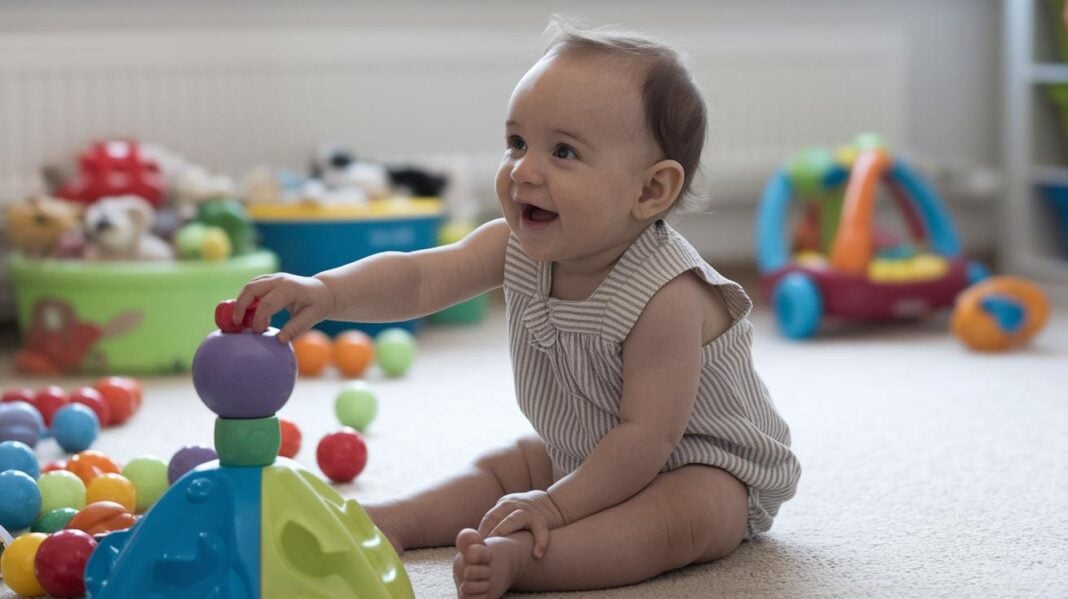
Have you ever noticed how quickly your little one grows? Every smile, roll, and soft babble during the first year is a little win that shows amazing progress.
This guide walks you through your baby's important moments, from birth to 12 months. From that very first look to the wobbly, joyful steps near the end, each moment unfolds into something special.
It’s pretty amazing how all these tiny actions add up to a big journey of growing and learning.
Infant Milestones Timeline Overview: Birth to 12 Months at a Glance
This simple guide shows how your baby grows over the first year in clear, easy steps. It highlights important physical actions, early thinking moments, and little social cues that your infant may show. You might notice a first smile, a reach for a favorite toy, or even some bubbly babbling. And yes, it also reminds you about the regular doctor visits at 2, 4, 6, 9, and 12 months to celebrate those tiny victories.
Imagine your newborn responding to a gentle touch or listening intently when you softly speak. By 1 to 3 months, that little head lift naturally turns into heartwarming smiles and growing curiosity as they watch the world around them. Then, from 4 to 6 months, rolling over and cooing begin a new chapter of discovery. When your baby moves into the 7 to 9 month stage, you might see them pulling up to stand and exploring by crawling, all while figuring out cause and effect by dropping objects. And by 10 to 12 months, those first wobbly steps, careful finger grips, and even a few words mark a joyful mix of balance, language, and social play.
| Age Range | Physical | Cognitive | Social |
|---|---|---|---|
| Birth | Startle and rooting reflex | Focuses on faces | Bonding gazes |
| 1–3 Months | Head lift and grasping reflex | Tracks moving objects | Social smile |
| 4–6 Months | Rolling over and sitting with a little help | Begins to babble | Recognizes familiar voices |
| 7–9 Months | Sits independently, crawls, and pulls to stand | Drops objects to learn about cause and effect | Shows stranger anxiety |
| 10–12 Months | Stands alone and may take first steps | Understands simple words | Imitates gestures |
Newborn to Three Months Infant Milestones Timeline

From day one, your baby shows tiny reflexes like the startle reflex (Moro) and the gentle grasp of your finger. These natural actions tell us that their brainstem is working well and getting ready for more purposeful movements later on. For instance, when your little one curls their hand around your finger, it's a sign that their nerve pathways are connecting smoothly. Around 6 to 8 weeks, you might see them lift their head ever so briefly, a lovely hint of emerging body control that also helps steady their eyes as they start noticing the world.
At this early stage, babies begin to reach out socially, too. Those early coos and that very first genuine smile are important signs of their growing ability to communicate and bond. Spending a few moments face-to-face, using kind tones and gentle touches, can really encourage these first social exchanges. Try saying something like, "Your smile makes the room brighter," as you share eye contact during playtime. Also, regular well-child visits, especially at 1 and 2 months, are helpful for tracking these early milestones and getting a clear picture of your baby’s growing abilities.
Four to Six Months Infant Milestones Timeline
Between four and six months, your baby shows some amazing new physical skills. You might see them rolling over both ways as their muscles get stronger. They start sitting with a little help around four months, and by six months, many can sit on their own. It’s a real treat to watch your little one balance so well, you might even find yourself saying, “Wow, you're really steady!”
Around this time, those early language skills start to shine. Your baby may begin babbling sounds like "ba-ba" or "da-da" by five or six months. If you're curious about more details on these milestones, check out language development milestones. Plus, as they babble, they reach for toys and pass them between their hands, showing those fine motor skills are coming along nicely.
Social and thinking skills are growing too. Your baby starts to recognize familiar voices and may even respond when you call their name. Their eyes light up when they spot bright colors or fun patterns. Regular pediatric visits at four and six months help track all these little steps, proving that every smile, sound, and roll is a gentle move toward a wonderful future.
Seven to Nine Months Infant Milestones Timeline
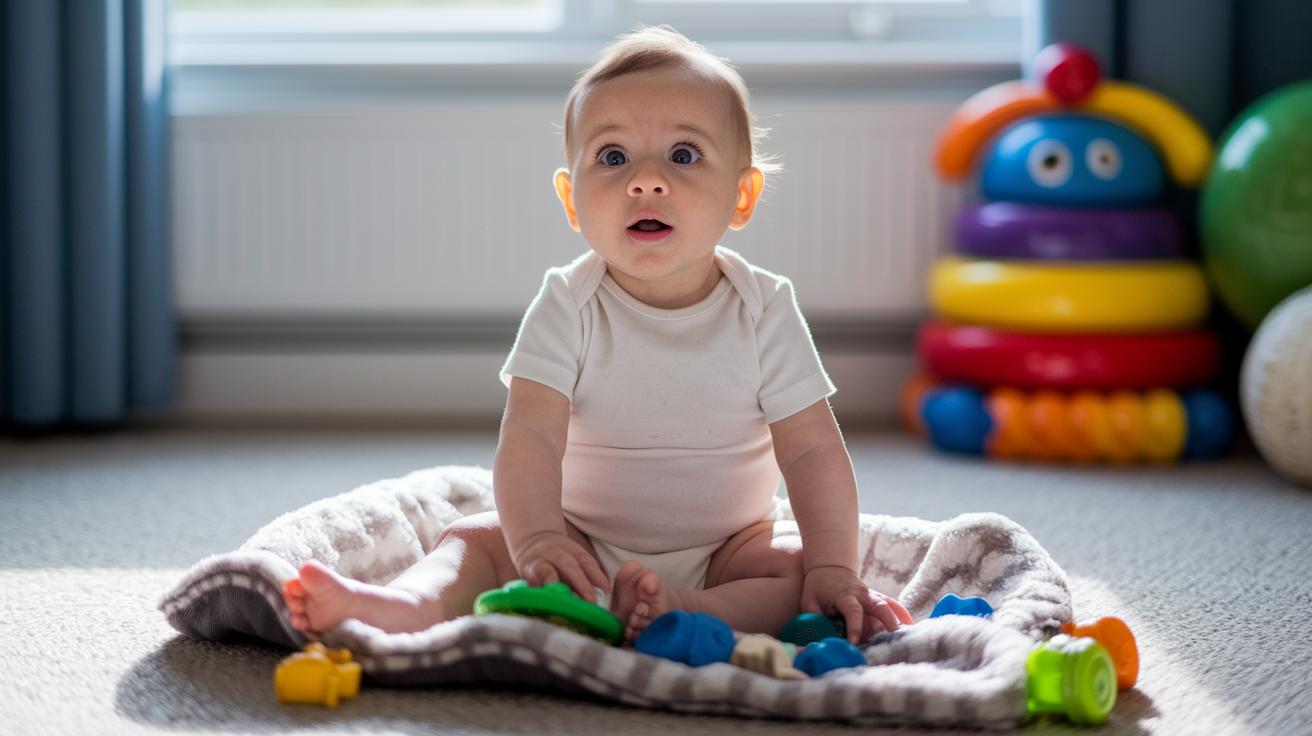
Between seven and nine months, your little one begins to sit on their own without any support. Imagine your baby nestled on a soft blanket, eyes wide with wonder as they learn to balance and stay steady.
Around this time, many babies start crawling or scooting as their core muscles get stronger. Picture your baby moving with purpose across the room, it’s a delightful sign of growing independence.
By eight to nine months, you might see your infant pulling themselves up to stand and even taking a few steps along the furniture. Think of that moment when your baby reaches out and holds onto a chair, excited to explore more of their world.
Their fine motor skills also get a boost as they develop a pincer grasp. You may notice those tiny fingers gently picking up a small toy, intrigued by its texture and shape.
Socially, your baby forms a deeper connection with familiar faces. It’s a phase where stranger anxiety might peak, and little actions like purposely dropping objects show early experiments with cause and effect.
Ten to Twelve Months Infant Milestones Timeline
Between 10 and 12 months, your baby starts showing some exciting new abilities. Many babies can stand on their own and even take a few wobbly steps. Their little fingers become strong enough to pick up small objects, imagine a tiny hand gently grabbing a cheerio.
At this age, babies might begin to say simple words like "mama" or "dada" and follow one-step instructions like "come here." They also enjoy mimicking actions such as clapping, even though they might feel a bit uneasy when separated from you.
Your baby’s 12-month check-up is a special time to look at all these great milestones. Take a quick glance at the chart below:
| Category | Milestones |
|---|---|
| Physical | Stands on their own; takes early steps; uses a refined pincer grasp |
| Cognitive | Says first words like “mama” or “dada”; follows one-step commands |
| Social | Copies gestures; may show separation anxiety |
| Medical | Undergoes a 12-month developmental screening |
Infant Milestones Timeline Tracking and Support

You can easily keep track of your baby’s growth by using a simple log with milestone dates and jotting down any concerns for your doctor’s visits. Regular check-ups at 2, 4, 6, 9, and 12 months are great times to look over a developmental chart that guides you. By watching your child's progress, you'll quickly see if they might need a little extra help.
The American Academy of Pediatrics suggests these visits so any delays can be noticed early on. At each appointment, your doctor compares your baby's skills to typical age milestones. For example, keep an eye out if your baby:
- Doesn't make eye contact by 3 months
- Hasn't rolled over by 6 months
- Isn't babbling by 9 months
- Doesn't try to stand by 12 months
Catching these signs early means that any needed services can start sooner, helping boost areas like speech, movement, or social skills. A regular update in your record gives you a clear look at progress and offers space to note changes in behavior or any challenges with movement.
Using a timeline, similar to the CDC developmental chart, helps you notice gentle shifts in your child’s growth. By staying in touch with your pediatrician and keeping an eye on these key milestones, you're setting your family up with the support needed for strong developmental progress. And a thoughtful record makes it much easier to chat with your healthcare provider when questions about your baby’s achievements come up.
Final Words
In the action, we’ve explored key points from birth to 12 months, highlighting the big steps and small wins along the way. Each phase brings unique physical, cognitive, and social markers that help shape a growing baby’s world. Keeping track of this infant milestones timeline gives a clear snapshot of your child’s progress and prepares you for exciting moments ahead. Embrace these updates with joy, knowing every step forward is a building block toward a bright future.
FAQ
How do infant milestones progress week by week?
The infant milestones timeline shows growth starting with newborn reflexes that quickly lead to improved head control, object tracking, and slowly emerging motor skills as each week passes.
Is there an infant milestones timeline PDF available?
The infant milestones timeline PDF offers a convenient, print-ready guide summarizing key physical, cognitive, and social achievements to help track your baby’s development.
What milestones occur as a baby develops from 0 to 12 months in order?
This timeline details milestones from infancy, beginning with reflexes and head lifting, then progressing to rolling, sitting unaided, crawling, and emerging language and social skills throughout the first year.
What milestones are typical for a baby between 12 and 18 months?
Between 12 and 18 months, babies often refine walking, develop simple words, enhance fine motor skills, and start imitating gestures while showing clear attachment to familiar caregivers.
What are developmental red flags in infant milestones?
Developmental red flags include missing major milestones such as no eye contact by three months, not rolling by six months, absence of babbling by nine months, or not trying to stand by 12 months, which should be discussed with your doctor.
What is considered the hardest infant stage?
The hardest infant stage is often the early months, when babies adjust to life outside the womb; frequent feedings, sleep challenges, and rapid changes can feel especially demanding on parents.