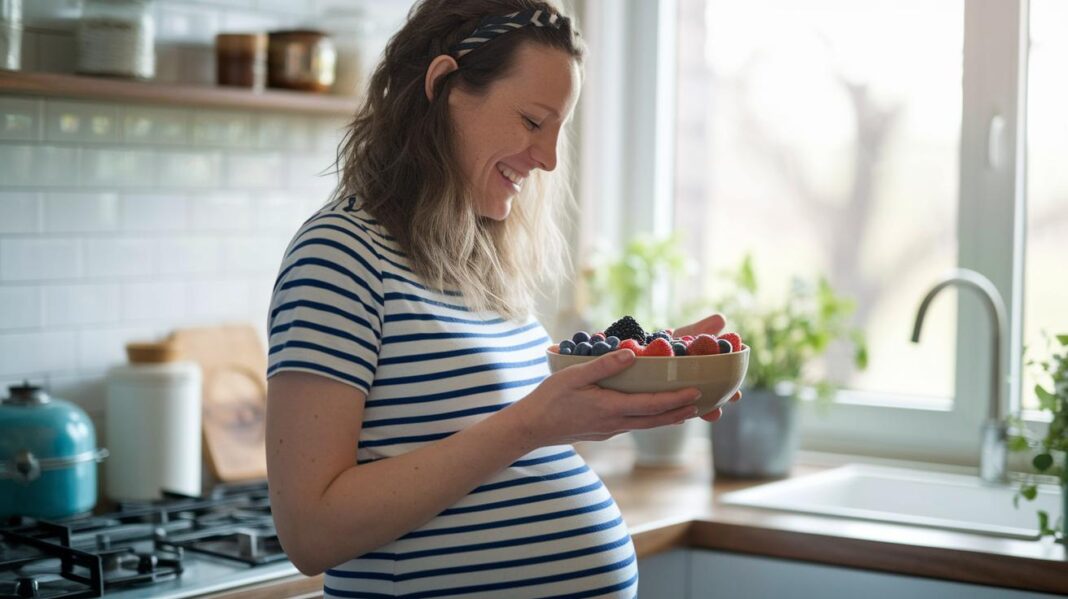
Have you ever noticed how a little snack might help calm little sparks inside your body? When you're pregnant, extra stress can make your body work overtime, but antioxidants jump in to help. They act like tiny protectors that calm these sparks, keeping your cells safe. Imagine a colorful mix of fruits and veggies teaming up to care for you during pregnancy. In this post, we look at how adding more antioxidants to your meals can help make your pregnancy a bit safer and healthier for you and your baby.
Role of antioxidants in maternal nutrition: Boosting Health
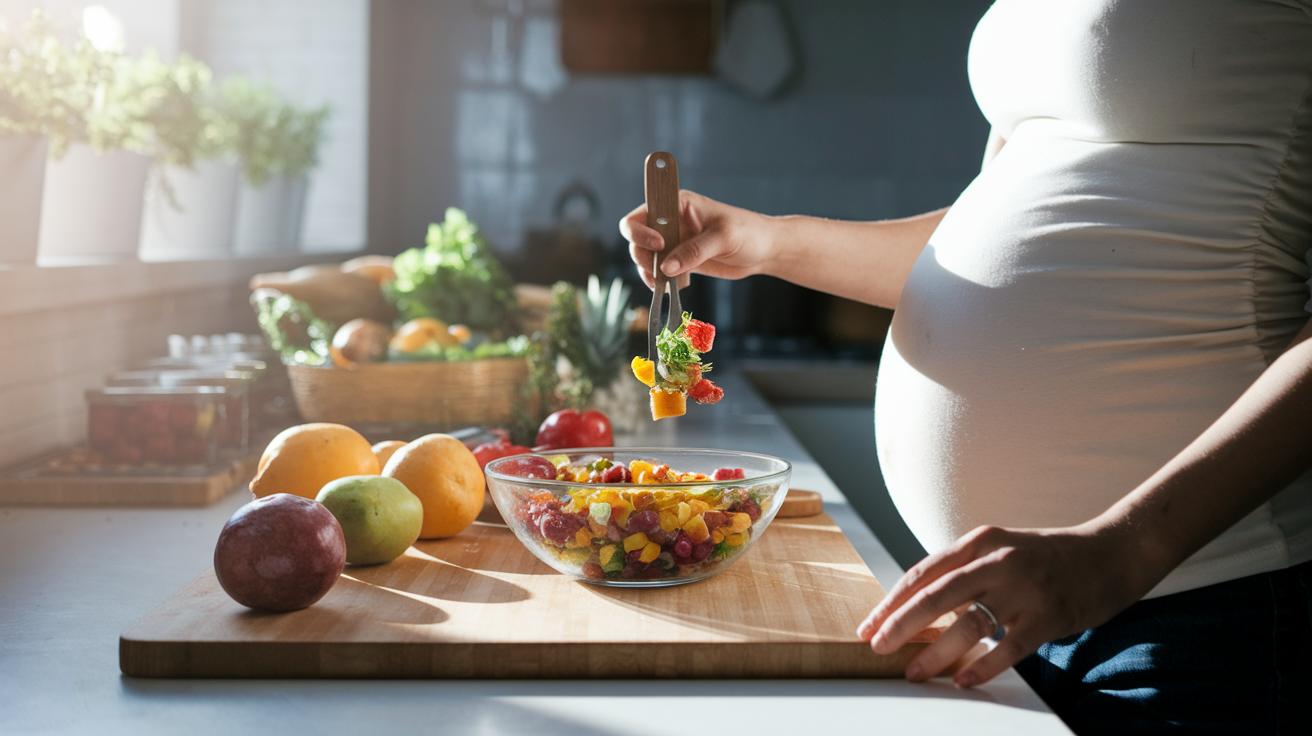
When you're pregnant, your body works extra hard, which can lead to more of these unstable molecules called reactive oxygen species (ROS) (think of tiny sparks). They can harm important parts of your cells like fats, proteins, and even your DNA. Antioxidants help by neutralizing these sparks. Imagine mixing a fresh fruit salad with citrus, berries, and leafy greens – every bite sends little helpers to protect your cells during this busy time.
Eating lots of natural antioxidants is like giving extra care to both you and your baby. When your body and the placenta get enough of these nutrients, it might even lower the chances of issues like high blood pressure during pregnancy or the baby not growing enough. Foods like nuts, seeds, fruits, and vegetables are great sources. So, when you blend these ingredients into your meals, you're not only adding flavor but also supporting your body’s cells, boosting energy, and keeping your tissues healthier throughout your pregnancy.
Essential Antioxidant Nutrients for Expecting Mothers
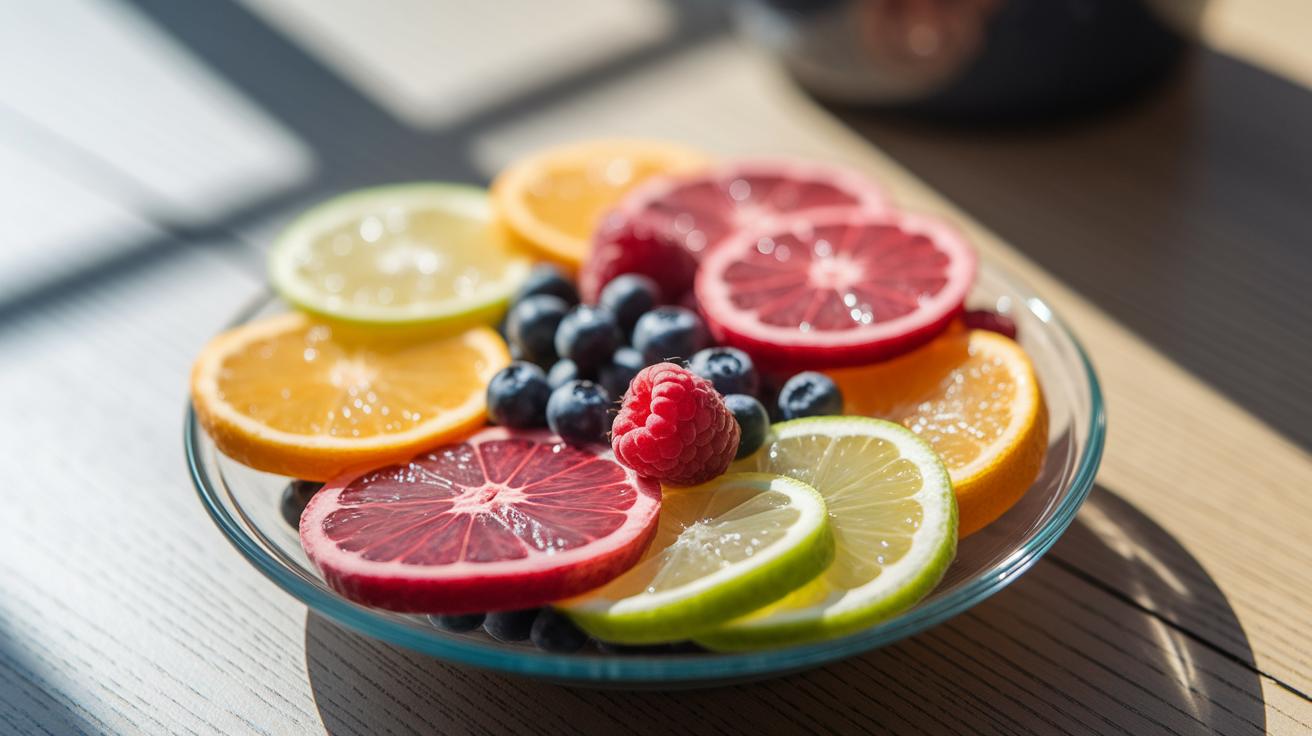
Vitamin C and vitamin E are key antioxidants when you're expecting. They work hard to keep oxidative damage low and help the placenta work well by neutralizing harmful oxygen molecules. Have you ever enjoyed a citrus smoothie or a handful of almonds? That simple snack gives your body a little extra shield. For more details on prenatal (care during pregnancy) vitamins, check out this link here.
Selenium and zinc also play a big part by teaming up with enzymes like glutathione peroxidase and superoxide dismutase. Think of these enzymes like tiny helpers who quietly protect your cells from stress. They support healthy tissues for both you and your baby, making sure everything stays balanced during the many changes of pregnancy.
Plant-based flavonoids and polyphenols add yet another layer of care. These natural compounds, found in colorful fruits, vegetables, and some teas, help sweep away harmful molecules and calm down inflammation. When you fill your plate with vibrant veggies, sweet berries, and whole grains, you provide a full spectrum of nature’s helpers. This simple approach nurtures your overall well-being and creates a balanced, loving environment for your baby.
Dietary Strategies and Food Sources Rich in Antioxidants for Pregnancy
Eating lots of colorful, antioxidant-rich foods is a great way to take care of yourself and help your baby grow strong. A meal plan filled with healthy, nutrient-packed choices can protect you from the stress that comes with pregnancy. Try adding citrus fruits for vitamin C, along with nuts and seeds for vitamin E and selenium. When you enjoy berries bursting with special polyphenols, leafy greens filled with beta-carotene and flavonoids, and whole grains that deliver zinc and selenium, you're giving your body an easy flow of natural helpers.
Meal planning for an extra antioxidant boost doesn’t have to be hard. Imagine starting your day with a fresh fruit salad full of vitamin C, or grabbing a snack mix of nuts and seeds to sprinkle over oatmeal. You might even switch your usual snack with a crisp green salad. Little changes in your daily meals really add up and can offer benefits during this special time.
| Food Source | Main Antioxidant | Serving Tip |
|---|---|---|
| Citrus fruits | Vitamin C | Fresh juice or fruit salad |
| Nuts & seeds | Vitamin E, Selenium | Snack mix or sprinkled on oatmeal |
| Berries | Polyphenols | Frozen in smoothies |
| Leafy greens | Beta-carotene | Lightly steamed or raw in salads |
| Whole grains | Zinc, Selenium | Whole-grain bread or cooked cereals |
Mechanisms of Antioxidant Protection During Pregnancy
During pregnancy, antioxidants act like little protectors for both you and your baby’s placenta. They catch harmful molecules, stopping them from damaging your cells or your DNA. Imagine them as tiny shields that help keep your body's important parts safe. When these protective molecules do their job, they help the placenta grow normally and keep inflammation and blood vessel issues at bay.
Some antioxidants, like flavonoids, have an extra knack for soothing the immune system and keeping blood pressure in check by gently relaxing your vessels. This means they work doubly hard, not only fighting off harmful oxidative stress but also reducing inflammation, so everything works together nicely. It's really like a caring team making sure you and your baby enjoy a safe, balanced environment.
Research and Guidelines on Antioxidant Use in Maternal Nutrition
Many studies have looked at natural protectors, and their results can be all over the place. Some research on vitamins C and E shows that they might help lower conditions like preeclampsia, while other studies don’t see much change. Think of it like adding a pinch of spice to your beloved meal, sometimes it brightens the flavor, and sometimes you hardly notice it.
It seems best to get antioxidants from eating lots of fruits, veggies, nuts, and whole grains instead of taking high-dose supplements. Extra vitamins for prenatal care should be used carefully because too much can interfere with other important nutrients. Experts always say to trust a balanced, nutrient-rich diet first.
Healthcare professionals suggest making a personalized plan for any extra supplements. They encourage moms-to-be to focus on whole foods and only add supplements after chatting with their healthcare provider. In this way, every mom can get just the right amount, tuned to her own needs.
Researchers are still exploring the best ways to use natural protectors during pregnancy. More careful studies are needed to pin down the right dosages, timing, and long-term benefits of antioxidants. This ongoing research is really important for finding safe and effective ways to manage oxidative stress while expecting.
Meal Planning and Cooking Techniques to Maximize Antioxidants in Pregnancy
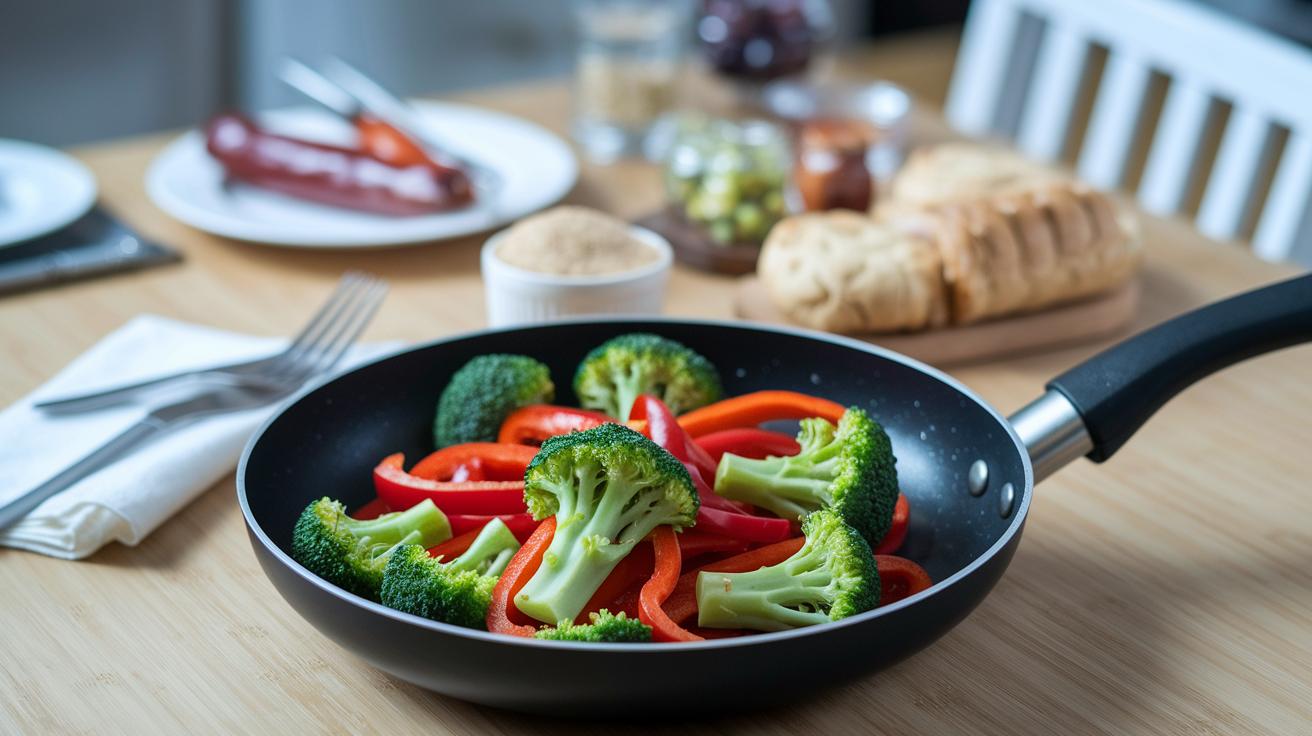
When you're cooking, even small changes in how you prepare your meals can keep antioxidants at their best. Steaming, microwaving, and a quick stir-fry are gentle ways to hold on to water-soluble vitamins like vitamin C (an important nutrient for immune health) and polyphenols. Have you ever tried a fast stir-fry with broccoli and red bell peppers? It’s a tasty trick that helps these nutrients work hard for you and your little one.
A little heat can also help your body use carotenoids (nutrients found in tomatoes and carrots) better. Imagine lightly sautéing these veggies just until they soften; this simple step makes them easier for your body to enjoy. Just be sure not to boil them too long, so they don’t lose their natural goodness.
For an extra nutrient boost, pick fresh, organic produce and avoid peeling too much. That skin holds lots of antioxidants! And if you prepare meals ahead of time and store them in airtight containers, you can lock in all that nourishing power.
| Cooking Technique | Benefit |
|---|---|
| Steaming, Microwaving, Quick Stir-Frying | Keeps water-soluble vitamins and polyphenols intact |
| Light Cooking | Helps your body absorb carotenoids from tomatoes and carrots |
| Using Fresh Produce with Minimal Peeling | Preserves antioxidants in the skin |
| Batch Meal Prep with Airtight Storage | Keeps nutrients fresh and potent |
Using these simple cooking tricks makes every dish a warm, nourishing boost for you and your baby during pregnancy.
Final Words
In the action of exploring antioxidant-rich foods and mindful cooking techniques, we looked at how these nutrients protect both mom and baby. We talked about vital vitamins, minerals, and plant compounds that fight harmful molecules and support a healthy pregnancy. Along the way, we shared practical meal tips, safe supplement insights, and the role of antioxidants in maternal nutrition for optimal well-being. It’s uplifting to see simple changes transforming prenatal care for a brighter, healthier future.
FAQ
What are some of the best antioxidant-rich foods during pregnancy?
The best antioxidant-rich foods during pregnancy include citrus fruits, berries, nuts, leafy greens, and whole grains. These foods provide vital vitamins and minerals to support healthy cells in both you and your baby.
How do antioxidants help manage oxidative stress during pregnancy?
Antioxidants help manage oxidative stress during pregnancy by neutralizing reactive oxygen species. This defense protects cells and supports a healthy placenta, promoting overall well-being throughout pregnancy.
What role do antioxidants play in fertility and overall nutrition?
Antioxidants play a key role in fertility and nutrition by defending cells from free radicals. They preserve the integrity of DNA, proteins, and fats, which is essential for reproductive health and normal body functions.