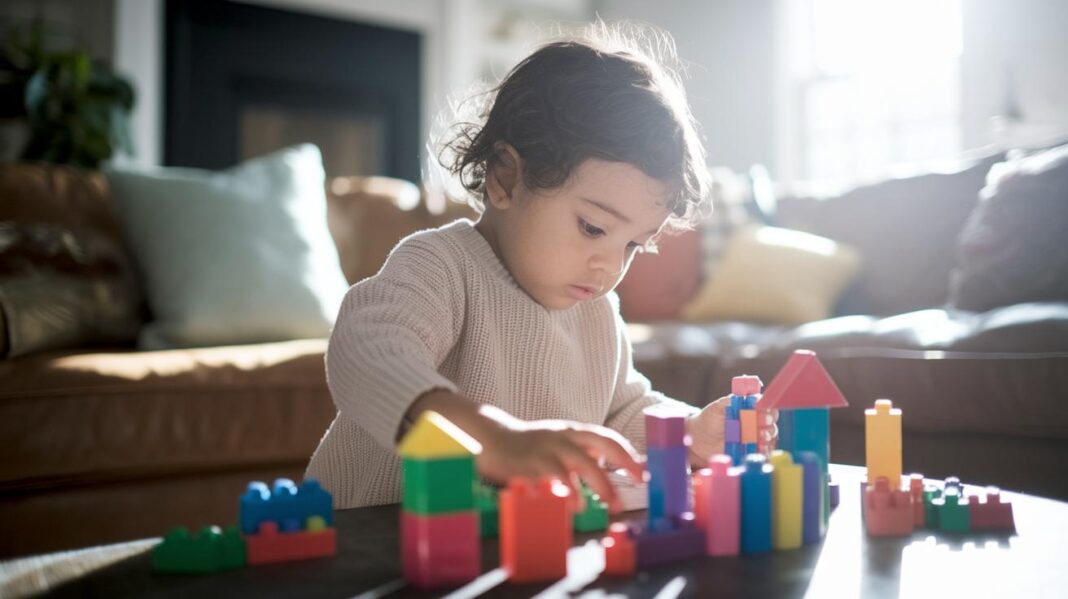
Have you ever wondered if play might be the secret to your child's growing mind? Imagine your little one exploring and laughing, absorbing new things with every moment of fun.
Experts like Piaget remind us that every game, giggle, and playful discovery helps shape how a child sees the world. Think about it, playing with simple toys, engaging in pretend adventures, or even solving a simple puzzle all sparks new skills.
Let’s explore how everyday play not only brings joy but also supports important growth for your child.
Piaget's Stages of Play: Bright Cognitive Spark

Piaget’s model shows us four different stages that mirror how kids' play changes as they grow. At first, during the sensorimotor stage (birth to 2 years), little ones explore the world with repeated actions, like shaking a toy or clapping their hands. They use touch, sight, and sound to learn about everything around them, and slowly, they start to understand that even when something is out of sight, it still exists. This clear path helps us choose games and activities that fit a child’s growing mind. For more details, check out the link on stages of childhood development.
When kids enter the preoperational stage (2 to 7 years), their play blossoms into imaginative adventures and pretend games, letting them create wonderful stories. Then, during the concrete operational stage (7 to 11 years), play turns more rule-focused. Kids start enjoying board games, puzzles, and other activities that tickle their logical skills. Finally, in the formal operational stage (11 years and up), thinking becomes more about plans and ideas, letting them dive into strategic and what-if game worlds. Each step shows how a child’s thinking grows, giving clear clues on what types of play work best at each stage.
| Stage | Age Range | Key Play Characteristics |
|---|---|---|
| Sensorimotor | Birth–2 years | Repetitive actions, sensory exploration, object permanence |
| Preoperational | 2–7 years | Symbolic play, imaginative scenarios, role-playing |
| Concrete Operational | 7–11 years | Rule-based games, logical thinking, structured activities |
| Formal Operational | 11 years and up | Abstract reasoning, strategic play, hypothetical problem-solving |
Sensorimotor Stage of Play: Foundations through Action
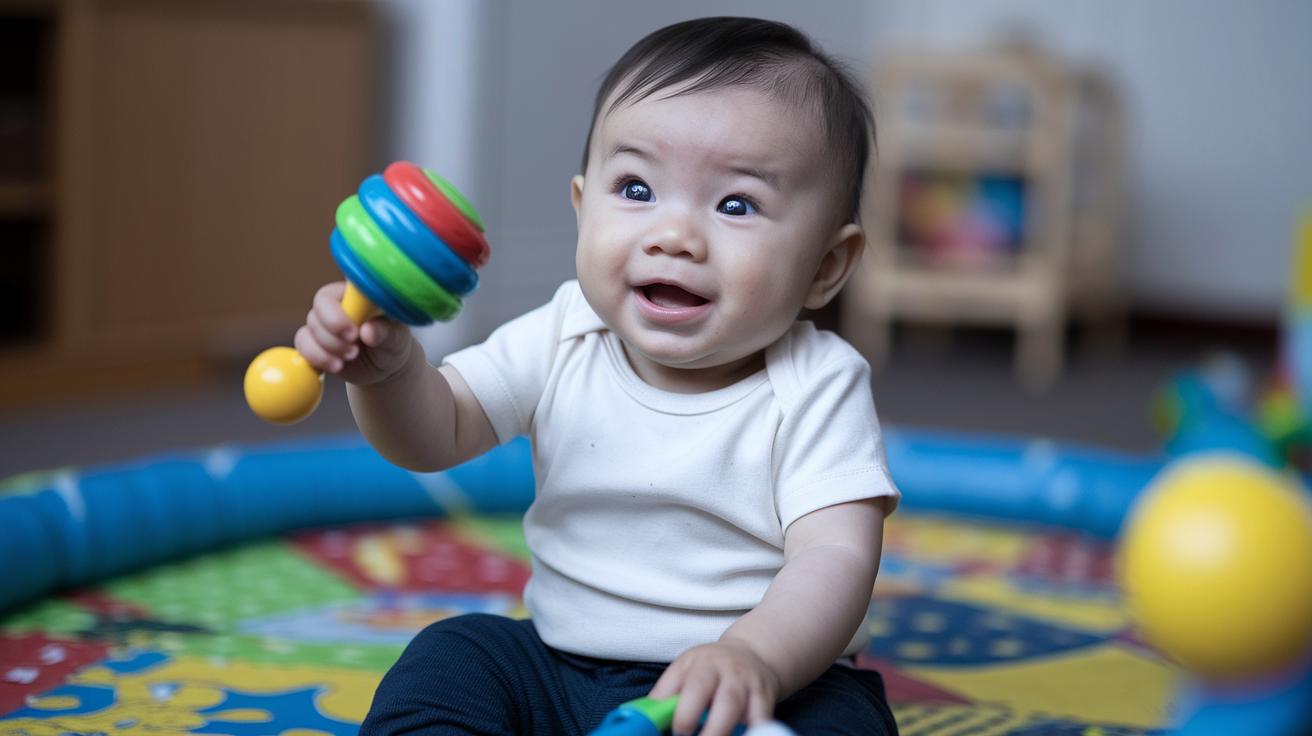
During the sensorimotor stage, which spans from birth until about two years old, babies discover the world by using all their senses. They touch, see, hear, taste, and smell as they learn. A big moment in this phase is when babies grasp that things still exist even if they can’t see them, a concept called object permanence. For instance, imagine a baby shaking a rattle repeatedly and lighting up when they hear its sound, even if the rattle isn’t in sight. It’s like watching a little detective learn through play.
Babies also love to repeat actions like shaking, banging, and mouthing objects. These actions aren’t just fun, they help them feel different textures and sounds while building pathways in their brain. Think of a baby who keeps shaking a rattle; each shake helps them know the toy is still there even when hidden. This playful exploration sets the stage for more complex thinking skills as they grow.
Preoperational Stage of Play: Emergence of Symbolism

Between the ages of 2 and 7, kids begin to see things a bit differently. They start to use symbols in their play, letting everyday items stand in for something else. Maybe they act like caring parents with a doll, or pretend to be a brave firefighter on an exciting mission. These fun, imaginative games help spark early ideas and gently set the stage for more complicated thinking later on.
Language and imagination come together beautifully at this stage. Picture a child happily saying, “I'm a superhero saving the day!” Imagine how, by the age of three, a simple game of pretend might turn a kitchen table into a lively restaurant, buzzing with warm chatter and gentle gestures. These little moments of creative play not only inspire inventive thinking but also help build early social skills and a sense of connection.
Concrete Operational Stage of Play: Logic in Interaction
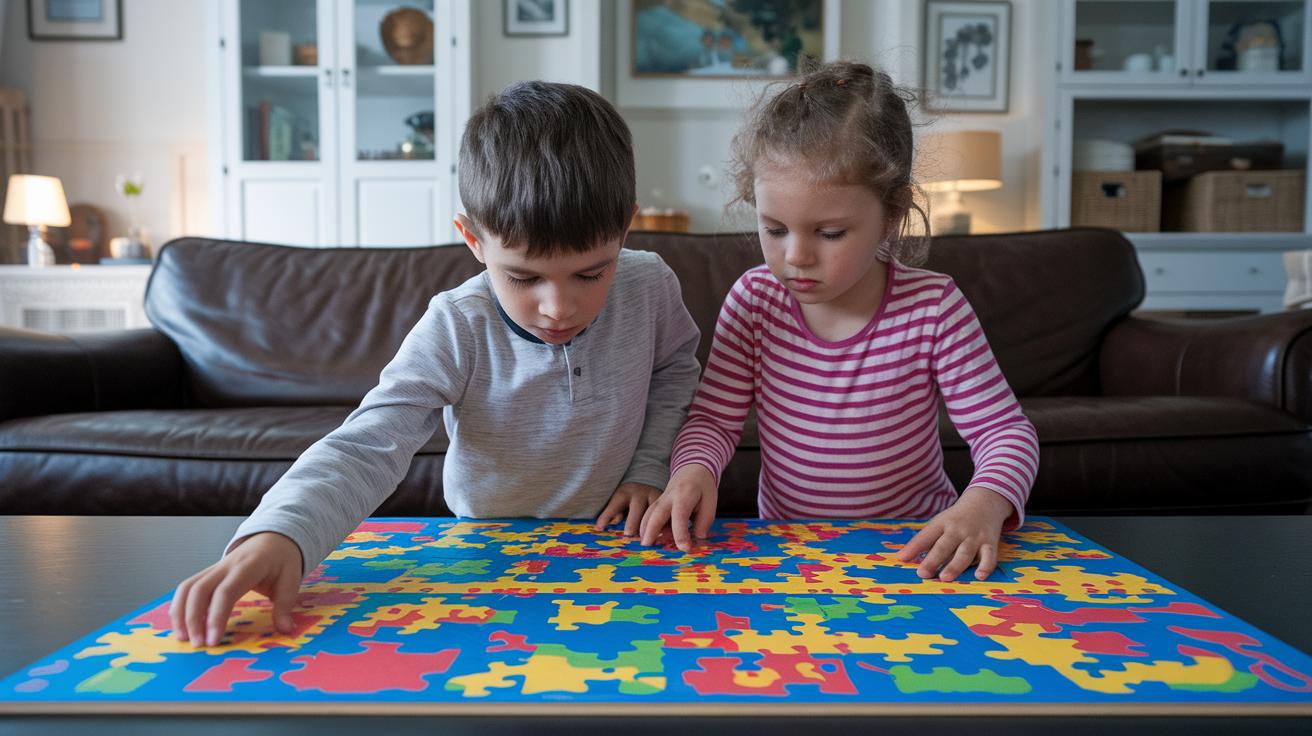
When kids hit the concrete operational stage, usually between 7 and 11 years old, they start seeing the world in a more logical way. They move past simple pretend play and begin enjoying games with clear rules and fair turns. It’s amazing how they start linking their actions to what happens next. You might see them forming teams for board games where each turn counts, or setting up races with clear start and finish lines. These activities help them understand fairness and teamwork.
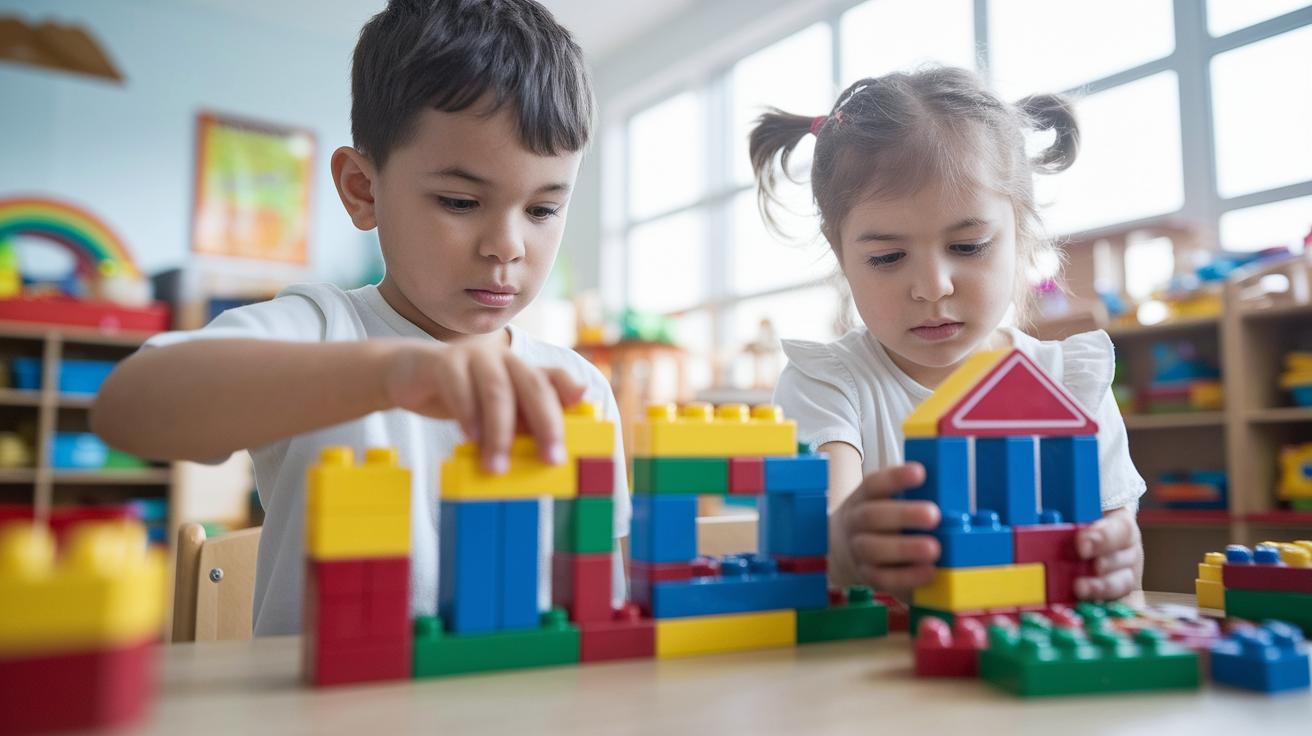
Building tasks also become a big hit during this time. Kids love working with blocks and puzzles to solve little problems. They try different ideas through trial and error, learning bit by bit along the way. For example, when they build a tower using interlocking pieces, they learn that careful planning step by step can create something both fun and stable.
Formal Operational Stage of Play: Abstract and Rule-Based Play

When kids enter their early teens, around 11 or 12, their play becomes more imaginative and thoughtful. They start using abstract ideas and logical thinking to plan strategies and solve problems. Sometimes they even change the rules of a game as they play, trying out new ideas like solving a puzzle with clear steps.
At this stage, children enjoy exploring different what-if scenarios that go beyond simple rules. They might play strategy games that challenge them to balance different sides or dive into role-playing adventures filled with twists. These activities not only make playtime fun but also help them sharpen their decision-making and critical thinking skills.
Types of Play within Piaget’s Framework

Let’s explore different kinds of play and see how they match up with a child’s growing mind, all with examples you might notice in everyday settings.
• Functional play (sensorimotor stage)
Imagine a baby shaking a bright rattle over and over. Every shake teaches them that one action causes a sound. In a busy nursery, caregivers might offer sound-making toys so little ones can learn through simple, fun actions.
• Constructive play (sensorimotor to early preoperational stages)
Think about a toddler stacking blocks into a little tower. In preschool, kids might join forces to build a small model town. These moments help them learn about teamwork and figuring out how things fit together.
• Symbolic/fantasy play (preoperational stage)
Picture children getting into costumes and using simple props to act out stories. In a playful learning center, a group might pretend to run their own store, practicing social skills and building language in a fun, imaginative way.
• Games with rules (concrete operational stage)
Consider kids playing a board game with easy rules, where they learn about fairness and making smart decisions. In a classroom, teachers might set up rule-based group activities that encourage logical thinking and working together.
Each type of play shows a child’s development in its own way, giving parents and educators everyday ways to help young ones learn and explore.
Practical Applications of Piaget’s Play Stages in Education and Parenting
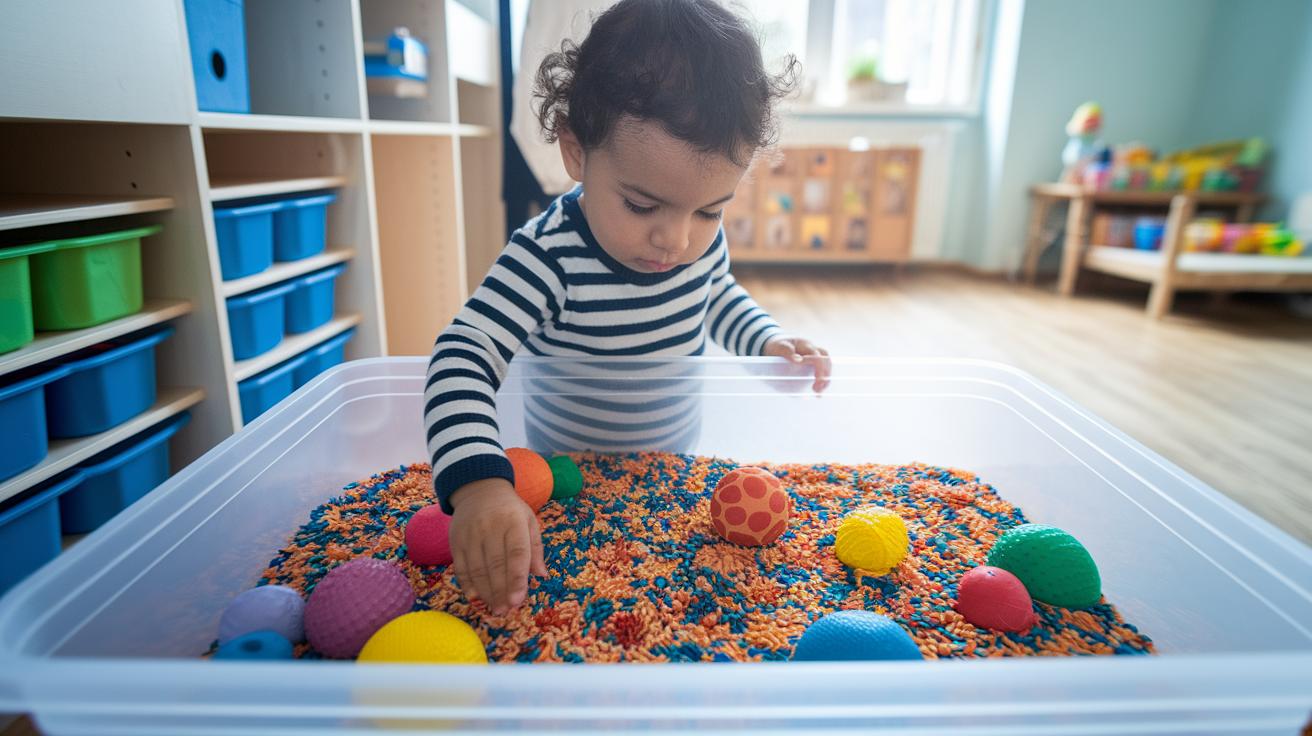
Parents and teachers can use fun play ideas as gentle support for a child’s growing mind. When we choose games that match each stage of development, learning turns into a joyful part of everyday life. Here are three friendly activities to try:
-
Sensory Bin and Object-Hiding Games
For young kids who learn through their senses, try a sensory bin filled with different textures or hide a small toy under a light cloth so they can search for it. This playful hide-and-seek helps them understand that things still exist even when they’re out of sight. -
Puppet Play and Storytelling Sessions
For little ones starting to explore ideas with symbols, puppet play and simple storytelling can spark big imaginations. Let your child create a fun make-believe dialogue with puppets, a playful way to boost language skills and early creative thinking. -
Board Games and Science Experiment Projects
For kids learning to think logically, try board games with clear, simple rules or set up basic science experiments. These activities encourage careful thinking and fair play. You might also plan small group tasks that get everyone chatting about cause and effect.
Everyday play like this turns learning into a practical, hands-on adventure that gently supports your child’s growth.
Historical Context and Critique of Piaget’s Play Stage Model
Back in 1936, a Swiss psychologist shared his theory after carefully watching how children played. He noticed that as kids grow, the ways they play change, and he believed this shift shows how their thinking develops. Many people appreciate his work because it shows that even simple play can offer clues about a child’s growing mind, helping both parents and teachers understand the deep link between play and learning.
Today, however, lots of experts are asking new questions about his ideas. Some feel that his model might miss early talents and doesn’t always consider cultural differences. They wonder if sticking to one set order of stages might limit our view of how children truly play. These lively discussions continue to spark fresh research and invite us to think more broadly about the many ways play can support cognitive growth.
Final Words
In the action of exploring Piaget's stages of play, the article breaks down each stage from sensorimotor to formal operational, showing how play evolves with growing cognitive skills. It explains functional play, imaginative role-play, and games with rules alongside useful activity ideas for both parents and educators.
The discussion also touches on the theory’s rich historical background and some common critiques. Embracing the insights on piaget's stages of play can spark fresh inspiration and confidence in practical care.
FAQ
What does the Piaget theory of play encompass, and is there a PDF available?
The Piaget theory of play outlines how kids progress in thinking and play through stages like sensorimotor to formal operational. Many online sources offer a PDF resource for a detailed overview.
What are the four stages of Piaget’s cognitive development?
Piaget’s four stages include sensorimotor (birth–2 years), preoperational (2–7 years), concrete operational (7–11 years), and formal operational (11 years+), with each stage linked to unique play behaviors.
How are the preoperational, concrete operational, and formal operational stages reflected in play?
The preoperational stage features imaginative and symbolic play, the concrete stage shows rule-based games and logical thinking, and the formal stage adds abstract role-play and strategic problem-solving.
How does Piaget describe symbolic play, and how many stages involve it?
Piaget notes that symbolic play primarily appears during the preoperational stage, where children use objects as symbols, rather than dividing it across multiple stages.
How is Piaget’s theory applied to learning through play?
Piaget’s theory guides age-appropriate play strategies, like sensory games for infants and structured board games for older kids, supporting natural cognitive development through engaging, hands-on activities.