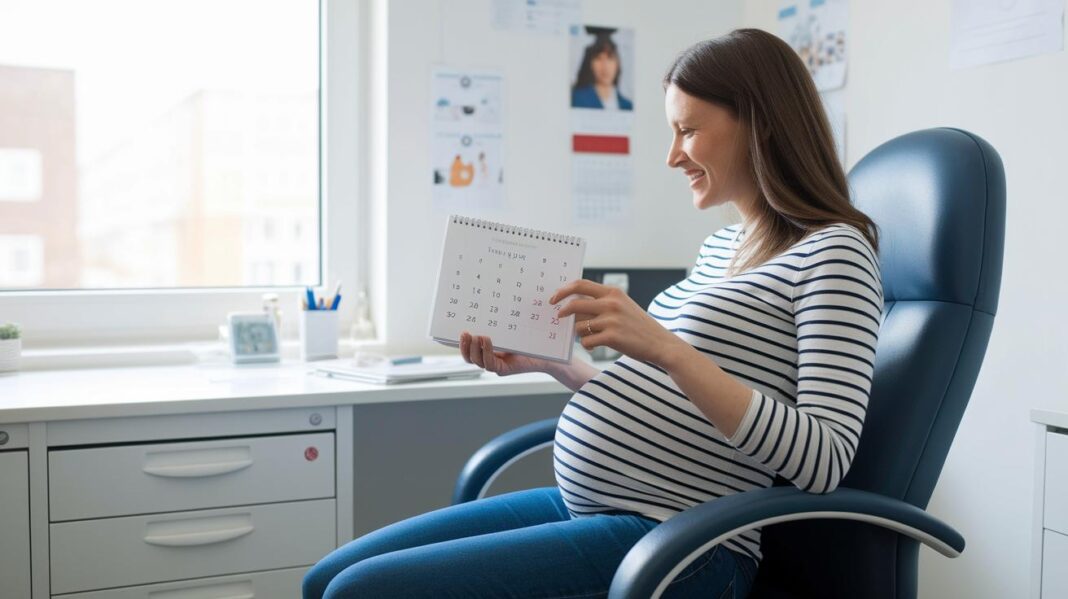
Ever thought that healing after childbirth is more than just physical recovery? After your baby arrives, both your body and your heart work quietly, side by side, to help you get back your strength. Imagine feeling like you're wrapped in a soft, warm hug as you find your balance and energy again. In this post, we chat about caring for both your body and your emotions so you can rediscover that joyful, strong feeling during this special time of change and growth.
Post Pregnancy Healing: Renewed Strength & Joy
After you give birth, both your body and mind start a gentle healing journey. It’s not just about repairing cuts, stitches, or recovering from a C-section; it’s also about adjusting to the new feelings and emotions that come with being a mom. Healing after birth cares for both your physical changes and the emotional ups and downs that might catch you by surprise. Think of it as being wrapped in a warm, soft blanket that offers comfort every step of the way.
In the first one or two weeks, you might notice your body gradually mending itself. Whether you had a vaginal delivery or a C-section, your body works hard to fix any incisions or tears while handling the natural postpartum flow, known as lochia (this is the normal vaginal bleeding after birth). By the third week, you may sense a change in your energy levels and mood as feelings of tiredness and a bit of soreness start to appear. Then, around 6 to 8 weeks, many of the tough signs like swelling and sensitivity begin to ease up, and you often have a checkup to mark your progress. Even though much of the physical healing seems complete by then, know that deeper tissue repair and strengthening can continue for 12 weeks or longer.
It’s also normal to feel a bit blue in the days right after birth because of all the hormone changes. Sometimes, these feelings might become stronger, and if they do, it’s important to listen to your inner voice, this might be a sign to get extra support. A simple self-care routine and staying aware of how you feel can really help you embrace this new chapter with a bit more confidence.
- Getting plenty of rest: Try the 5-5-5 rule as a way to help your body recover.
- Eating well: Enjoy balanced meals rich in nutrients to boost your healing.
- Starting with gentle movement: A few light stretches or a slow walk can work wonders.
- Seeking support: Reach out to trusted friends, join a supportive group, or talk to a professional when you need a caring ear.
- Checking in on yourself: Notice and track your physical and emotional changes as you heal.
Post Pregnancy Healing Timeline: Key Milestones from 1 to 12 Weeks

In the first week or two after your baby arrives, your body starts the repair process, healing from any tears or surgical incisions. It’s a time when resting and taking gentle care of yourself really matter. If you feel up for it, try some light pelvic floor exercises and sip on water with a few nourishing snacks to help your body mend.
By the third week, you might notice changes in your energy and mood due to shifting hormones, like a drop in estrogen. If you feel a bit tired or notice a minor mood dip, it can help to take a short pause. Maybe grab a warm cup of tea and enjoy a quiet five minutes, or chat with someone close to you.
Between weeks 6 and 8, you’ll likely have a checkup. By then, any soreness or swelling should start to ease, and it’s a good time to ask your provider about gentle exercises or safe ways to ease back into your daily routine. You might even discuss breastfeeding tips or birth control options. It’s perfectly fine to say something like, “I’d like to start taking short walks, what do you think?”
After about two months, as your hormones continue to balance and you ease into recovery, building a simple routine can really help. Think about enjoying nutritious meals, doing some light movement, or even joining a moms group for support. These little steps can make both your physical and emotional healing feel more natural. For more details, check out the postpartum recovery timeline.
Nutrition and Supplements for Post Pregnancy Healing
After having a baby, eating a balanced diet can be a true friend. Try to include lean meats, beans, and other nutrient-filled foods that give your body the protein it needs to heal. You can also add iron-rich foods like leafy greens and calcium sources such as dairy or fortified plant milks to keep your bones strong. Vitamins A (which helps healing), C, and D work together to repair tissues and boost your immune system. Think of each meal as a small power-up, like a quick snack of hummus and veggie sticks that can lift your energy.
Staying hydrated really makes a difference too. Aim for 8 to 10 cups of water throughout your day. It might help to set aside time for small meals or nutrient-packed snacks. For instance, having a cup of mixed fruit with yogurt between meals can serve as a refreshing recharge that helps your body keep healing.
Many moms find it useful to continue taking prenatal vitamins even after giving birth to support overall recovery. And if you’re feeling extra tired or if your doctor points out low iron levels, you might consider adding iron or omega-3 supplements (which can help improve your mood). Balancing your diet with both food and these extra nutrients is a simple step toward feeling energetic and vibrant again.
Gentle Exercises for Post Pregnancy Healing and Pelvic Restoration

After your baby’s arrival, starting with gentle movement can help boost your blood flow and rebuild the strength in your core and pelvic floor. Begin slowly, only when your body tells you it’s ready, and choose smooth, flat spots like a quiet hallway or your living room to ease back into activity. Every mom heals in her own time, so be kind to yourself and don’t push too hard, too soon.
Here are a few simple exercises that might help:
- Take easy walks on flat, even surfaces to keep the blood flowing.
- Try the cat-camel stretch to ease back tension and help you become more flexible.
- Do seated torso rotations to gently work your core without any extra strain.
- Stretch your neck slowly to relieve the tightness from carrying your little one or breastfeeding.
- If you’re comfortable, start Kegel exercises (to strengthen the pelvic floor) about 24–72 hours after birth.
As you build strength gradually, pay attention to how you feel. Small, steady movements can really add up, and if you’re dealing with abdominal separation, consider pelvic tilts or draw-in exercises, perhaps with a physiotherapist’s guidance. Listen to your body each day, adjust your routine as needed, and don’t hesitate to reach out for professional advice if anything feels off.
Managing Discomfort in Post Pregnancy Healing: Pain and Scar Care
After giving birth, it's normal to feel sore and have some discomfort. One simple way to ease pain is to use the RICER method: Rest, Ice, Compression, Elevation, and Referral (getting help from your provider). For instance, gently placing a cold pack on your lower area can feel like a soft, cool hug that calms the swelling and soothes tenderness. Wearing supportive underwear can also help hold everything in place while you rest. Following your provider's advice on pain relievers can make a big difference, helping you feel better when every little movement matters.
Taking care of your stitches or cesarean cut is just as important for long-term healing. Keeping these areas clean and dry, and using the ointments recommended by your healthcare provider, can help the scar fade as the skin heals. A gentle wash and giving your cut some room to breathe help create the right environment for recovery. Think of it like taking care of a cozy, cherished space. And if something seems off or you notice unusual pain or signs of infection, please reach out to your provider right away to adjust your care plan.
Emotional Wellness in Post Pregnancy Healing: Mental Health Strategies

After giving birth, many moms notice mood changes as soon as day 3 or 5. You might feel a drop in energy or a touch of sadness. About 10–15% of moms face tougher challenges that hint at postpartum depression. A simple trick some try is the 5-5-5 rule: five days in bed, five days on the bed, and five days beside the bed. One mom shared, "Taking these quiet moments helped me feel more balanced when I was overwhelmed." It’s all about giving yourself a break, especially when your little one is napping.
Also, gentle mindfulness practices can really help ease those emotional ups and downs. You could try a few minutes of soft yoga, jot down your thoughts, or do a guided breathing exercise, think of inhaling for four counts, holding for seven, then exhaling for eight. And if those low moods stick around for more than a couple of weeks, consider joining a support group or talking with a trusted counselor. These simple steps create pockets of calm and remind you that you’re never alone during this time of change.
Postpartum Massage Techniques and Relaxation Therapies for Post Pregnancy Healing
A gentle massage can help get your blood flowing, soothe tight muscles, and even lessen swelling, all while giving you a much-needed moment to relax. When you start an at-home massage for healing, take it slow and listen to your body’s signals. Picture softly rubbing your belly, much like you’d comfort a sleepy baby with a gentle touch, to help support your recovery.
- Try using light, circular motions for a perineal massage to ease any pain.
- Use smooth, gentle strokes on your abdomen to encourage tissue repair.
- Gently knead your shoulders and neck to ease stress and melt away stiffness.
- Use soft, full-body strokes to boost overall relaxation and improve circulation.
- Consider a partner-assisted massage or even treat yourself to self-massage to create a warm, comforting connection.
Using oils like sweet almond or chamomile (you can check out our postpartum recovery kit at https://womensconference.org?p=11186) can make these techniques even smoother by reducing friction and filling the air with a calming scent. Making these massages a regular part of your routine, even just a few minutes a day, can support your physical healing and bring a sense of calm to your mind. As your body heals, gradually adjust the pressure and duration, and remember, even a short session can remind you of your inner strength and spark a little joy during your post pregnancy recovery.
Final Words
In the action, we’ve explored both the physical and emotional sides of caring for yourself after birth. The guide touched on everything from rest and gentle exercise to a balanced diet and massage techniques that bring comfort during recovery. Practical advice on handling pain, managing mood changes, and creating self-care routines were highlighted so you can find calm and confidence during this time. Every step you take is a step toward feeling good and embracing post pregnancy healing.
FAQ
Q: What are things not to do after giving birth?
A: Post birth, avoid heavy lifting, strenuous exercise, and skipping rest. Steering clear of these activities protects your healing body, making recovery smoother and reducing discomfort.
Q: How long does it take for your body to go back to normal after birth?
A: The body often shows major recovery by 6–8 weeks, though full healing—including hormonal and emotional balance—can extend up to a year, varying from one mother to another.
Q: Does it really take 2 years to recover from pregnancy?
A: Some aspects of recovery, like returning to pre-pregnancy fitness or emotional balance, might stretch over two years. Most physical healing occurs earlier, with ongoing adjustments afterward.
Q: What does after-delivery care for the mother involve?
A: After-delivery care focuses on rest, balanced nutrition, gentle movement, and emotional support. Regular checkups help monitor healing and address both physical and mental recovery needs.
Q: How should you take care of your vagina after giving birth?
A: Caring for your vagina involves gentle cleaning with water, using doctor-approved products, and wearing breathable underwear. This reduces irritation while supporting the natural healing process.
Q: How long does it take to heal after giving birth with stitches?
A: Healing from stitches usually takes around 4–6 weeks. Following your doctor’s care instructions—like keeping the area clean and dry—helps speed recovery and prevent complications.
Q: How long does it take for the pelvis to return to normal after pregnancy?
A: The pelvic area typically improves within 6–8 weeks post birth. Gentle exercises and proper care further strengthen pelvic muscles as you gradually regain full comfort.
Q: Are there any permanent body changes after pregnancy?
A: Some changes, like stretches and shifts in body shape, may feel permanent. These adjustments are natural and reflect the incredible transformation your body experienced during motherhood.
Q: How can you speed up postpartum healing?
A: Speeding up healing means getting plenty of rest, eating balanced meals, engaging in gentle exercises, and seeking supportive care. These steps boost recovery and help you feel better sooner.
Q: What is the 5 5 5 rule for postpartum recovery?
A: The 5 5 5 rule advises spending 5 days in bed, 5 days on limited bed rest, and 5 days gradually increasing activity. This guideline aids in balancing rest with gentle recovery.
Q: What is considered the hardest day of postpartum?
A: Many mothers feel that day 3 or 4 can be the hardest, as fatigue and mood shifts become more noticeable and the reality of change starts to settle in.