
Have you ever thought that the way we talk about a new mom's struggle might help her heal? Today, experts see postpartum depression as part of a larger mood shift that can start during pregnancy or soon after birth. This change reminds us that the natural shifts in the body need gentle care and understanding. In this post, we’ll chat about how this fresh look can lead to better support and a brighter future for moms everywhere.
DSM-5 Classification of Postpartum Depression: The Peripartum Onset Specifier

The DSM-5 now sees what many used to call postpartum depression as a type of Major Depressive Disorder (MDD) with a peripartum onset specifier. This change shows us that the condition isn’t really a separate illness but a form of depression tied to the special timing and hormone changes around childbirth. In simpler terms, the symptoms have to start either while you’re pregnant or within four weeks after your baby is born. So if a new mom starts feeling deep sadness and loses interest in things just three weeks after delivery, she might be diagnosed with MDD, either as a one-time episode or as a recurring one.
This update reminds us that the mix of hormonal shifts and the stress of childbirth plays a big part in how depression shows up during this time. Imagine feeling overwhelmed by all the changes your body goes through just when you should be enjoying your new baby. It really highlights why extra care and understanding are so important during this period.
By recognizing these unique changes, health professionals can offer better support. They see that when depressive symptoms pop up during pregnancy or right after delivery, they’re a part of MDD. This perspective helps guide treatments and follow-up care by keeping in mind both the physical changes and the everyday challenges new moms face.
Prevalence and Epidemiology of Postpartum Depression in DSM-5

In the United States, about 10 to 15% of new moms experience postpartum depression as defined by the DSM-5. Around the world, the World Health Organization finds that nearly 18% of mothers show signs of depression in the first six weeks after giving birth. The DSM-5 uses a strict rule that symptoms must start within four weeks after delivery. This clear cut-off helps researchers and doctors focus on the right time to support families.
Rates of postpartum depression change based on where you are, how check-ups are done, and different social factors. For instance, in some areas, regular mental health checkups during well-baby visits keep track of moms’ feelings early on. Imagine a mom feeling warmly supported during these visits! In other places, the numbers might be higher simply because the method of asking about feelings is different. All of this shows why it’s so important to adjust care so every family feels understood and truly cared for.
DSM-5 Diagnostic Criteria for Postpartum Depression

The DSM-5 tells us that to diagnose depression, a mom must show at least five out of nine specific signs within a two-week period. One of these signs must be a deep sadness or a loss of joy in everyday moments. Think of these signs like items on a list: changes in eating habits or weight, trouble sleeping (either too much or too little), changes in how fast or slow one moves, constant tiredness, persistent feelings of worthlessness or guilt, trouble focusing, and even thoughts about self-harm. For more details, you can look at the list of postpartum depression symptoms. Imagine feeling like every day is a heavy struggle, energy is low and even simple pleasures seem to vanish. This gives us a clear picture that something needs extra care.
Next, Criterion B explains that these signs must create significant distress or make it hard for a mom to handle her daily activities. In other words, these feelings aren’t just passing moods; they really affect how she manages the day. Then, Criteria C through E help doctors make sure that the sign of depression isn’t due to other medical issues or substances, and they help distinguish these feelings from the normal changes that can happen after having a baby.
A key point to note is the peripartum onset. This means that if these signs show up during pregnancy or within four weeks after giving birth, they fit this part of the criteria. Picture a new mom who feels out of sorts right after delivery, her sleep is off, her eating habits change, and she loses interest in her usual activities. This situation helps doctors be sure that the symptoms match what the DSM-5 describes for depression, making it easier to understand and offer the right support for postpartum depression.
postpartum depression in DSM 5: A Positive Outlook
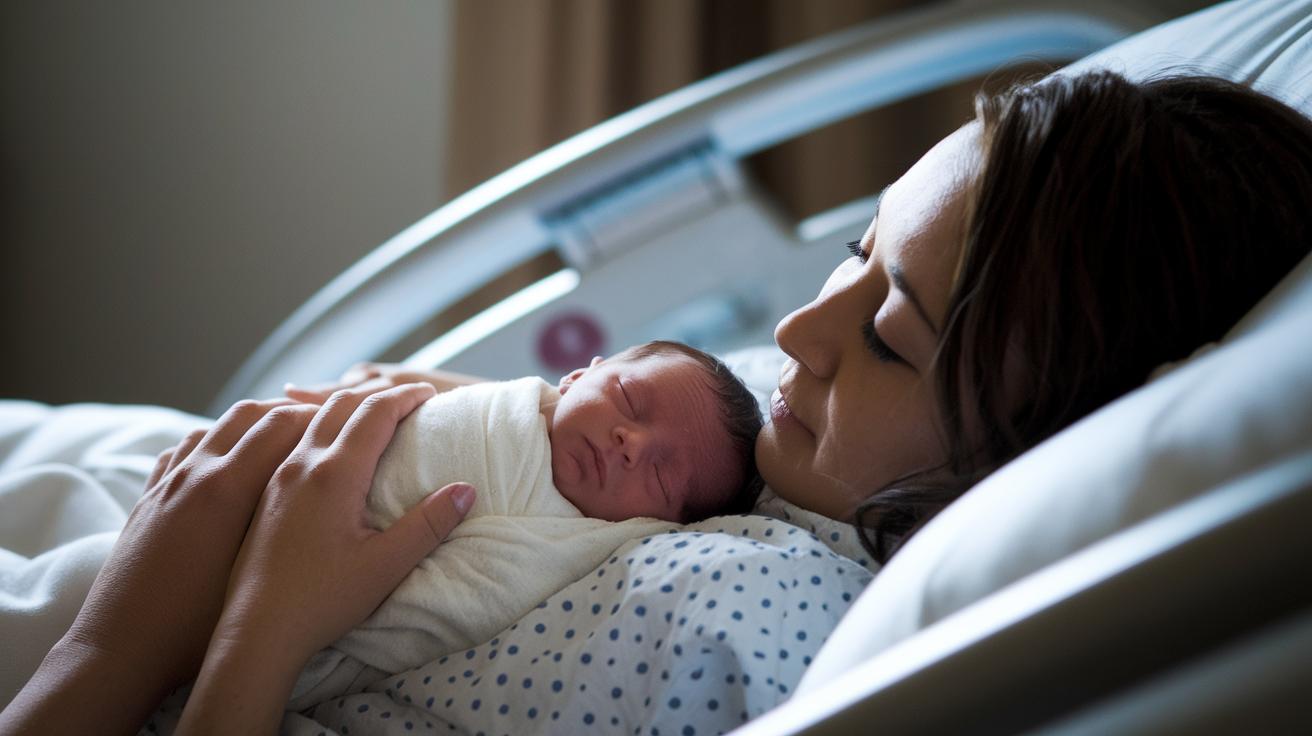
It helps to understand what might trigger feelings of depression around the time of childbirth. For example, if a mom has felt low or anxious for many years, her chances of experiencing these moods after giving birth can be over four times higher. It reminds us to listen closely and care for each mom’s unique situation.
Key factors to keep in mind include:
- A past history of feeling depressed or anxious, which can make these emotions more common.
- Family members who have faced mood challenges, hinting that genetics may play a role.
- Tough experiences during birth, like emergencies in the delivery process that put extra pressure on the mom.
- Quick changes in hormones after the baby arrives that can shake up mood balance.
- Not having enough support from family or friends, unexpected news about the pregnancy, or money worries, which can make things even harder.
- Being a very young mom (under 20 years old) where there might be fewer resources to lean on.
Imagine a mom who juggles several of these challenges at once. When we see the early signs, caring experts can step in to offer the extra help and understanding needed. This early attention opens up a path toward a brighter, more hopeful future for her and her family.
Screening and Assessment Tools Under DSM-5 for Postpartum Depression

ACOG suggests that every new mom have a check-up between 2 and 12 weeks after giving birth. In that caring visit, a gentle question like "How are you feeling these days?" helps spot early signs of depression.
One trusted method is the Edinburgh Postnatal Depression Scale (EPDS). Think of it as a friendly quiz that helps bring hidden feelings to light. When a mom scores 10 or more, the tool shows signs of depression with about 86% accuracy in finding it and 78% in ruling it out.
Another helpful quiz is the Patient Health Questionnaire-9 (PHQ-9). A score of 10 or above suggests moderate depression. Both of these quizzes are useful for noticing signs of postpartum depression according to DSM-5.
But here’s an important note: doctors only use the peripartum onset specifier after a full diagnostic interview confirms that a mom meets the criteria for Major Depressive Disorder. This extra check makes sure that short-lived mood dips, like baby blues that fade in about two weeks, aren’t mistaken for a more serious issue.
If you see red flags, like deep sadness that just doesn’t go away or losing interest in the things you once enjoyed, it’s a sign to get a closer look by a professional. This caring process is here to help moms get timely and gentle care while navigating the delicate balance of early motherhood.
Treatment Guidelines for DSM-5 Defined Postpartum Depression

If you meet the DSM-5 criteria for depression, treatment usually starts with a trusted medication plan. Moms often begin with SSRIs like sertraline and paroxetine, with paroxetine being a common choice for those who are breastfeeding. I once heard someone say, "When I began sertraline, I slowly felt that heavy cloud lift away, letting me cherish even the smallest moments with my baby."
Another key part of managing postpartum depression is talking with a professional. Evidence-based therapies such as Cognitive Behavioral Therapy (CBT) and Interpersonal Therapy (IPT) help ease negative thoughts and relieve stress in relationships. And if symptoms are very strong or don't get better with these options, sometimes doctors may suggest Electroconvulsive Therapy (ECT) as a last resort.
It’s important to remember that the DSM-5 peripartum onset note is there to help us understand what to expect with symptoms, it doesn’t lock in one specific way to treat them. A caring, team-based approach, which also keeps an eye on any deep feelings or thoughts of harm, plays a big role in guiding moms back to feeling like themselves again.
Final Words
In the action, we explored how DSM-5 now classifies postpartum depression as Major Depressive Disorder with a peripartum onset specifier, covering key diagnostic criteria and timing. We touched on screening tools, risk factors like hormonal shifts and personal history, and treatment approaches including medication and therapy. This post offered a clear look at DSM-5 criteria along with guidance for supportive care. With information on postpartum depression in DSM 5, every parent can feel a bit more informed and hopeful.
FAQ
How does DSM-5 classify postpartum depression?
The DSM-5 classifies postpartum depression as a form of major depressive disorder with peripartum onset. This means symptoms must begin during pregnancy or within four weeks after childbirth, highlighting hormonal and psychosocial changes.
What are the main DSM-5 criteria for postpartum depression?
The criteria require five or more symptoms—including depressed mood or loss of interest—present during a two-week period. These symptoms must cause significant distress or impair daily functioning.
When does the peripartum onset specifier apply according to DSM-5 guidelines?
The peripartum onset specifier is applied when depressive symptoms start during pregnancy or within four weeks after delivery, which marks the defined period for this diagnosis.
How common is postpartum depression based on DSM-5 criteria?
In the U.S., postpartum depression affects about 10–15% of new mothers, while global rates average around 17.7% within six weeks postpartum, influenced by various screening methods and demographics.
What screening tools are used for diagnosing postpartum depression in DSM-5?
Screening tools like the Edinburgh Postnatal Depression Scale and PHQ-9 are used to detect moderate to severe depressive symptoms and help differentiate postpartum depression from transient mood changes.
What are the key treatment recommendations for DSM-5 defined postpartum depression?
Recommended treatments include SSRIs that are safe for breastfeeding, cognitive behavioral therapy, interpersonal therapy, and for severe cases, electroconvulsive therapy, all provided within a multidisciplinary care framework.
What risk factors increase the likelihood of postpartum depression?
Risk factors include a personal or family history of depression, obstetric complications, rapid hormonal changes, low social support, unintended pregnancy, and lower socioeconomic status.