
Postpartum depression (PPD) affects many new mothers, yet it’s still widely misunderstood. Partners need to be better educated—this is real and treatable. Alarmingly, suicide is a leading cause of maternal death beyond the first six weeks after delivery, underscoring the urgency of recognition and care. If you’re struggling, you are not alone: symptoms can range from mild "baby blues" to severe depression and even psychosis. This guide breaks down facts, risk factors, common symptoms, and what effective help looks like, so partners, families and health workers can spot danger signs and respond quickly.
Postpartum Depression: Why This Conversation Matters
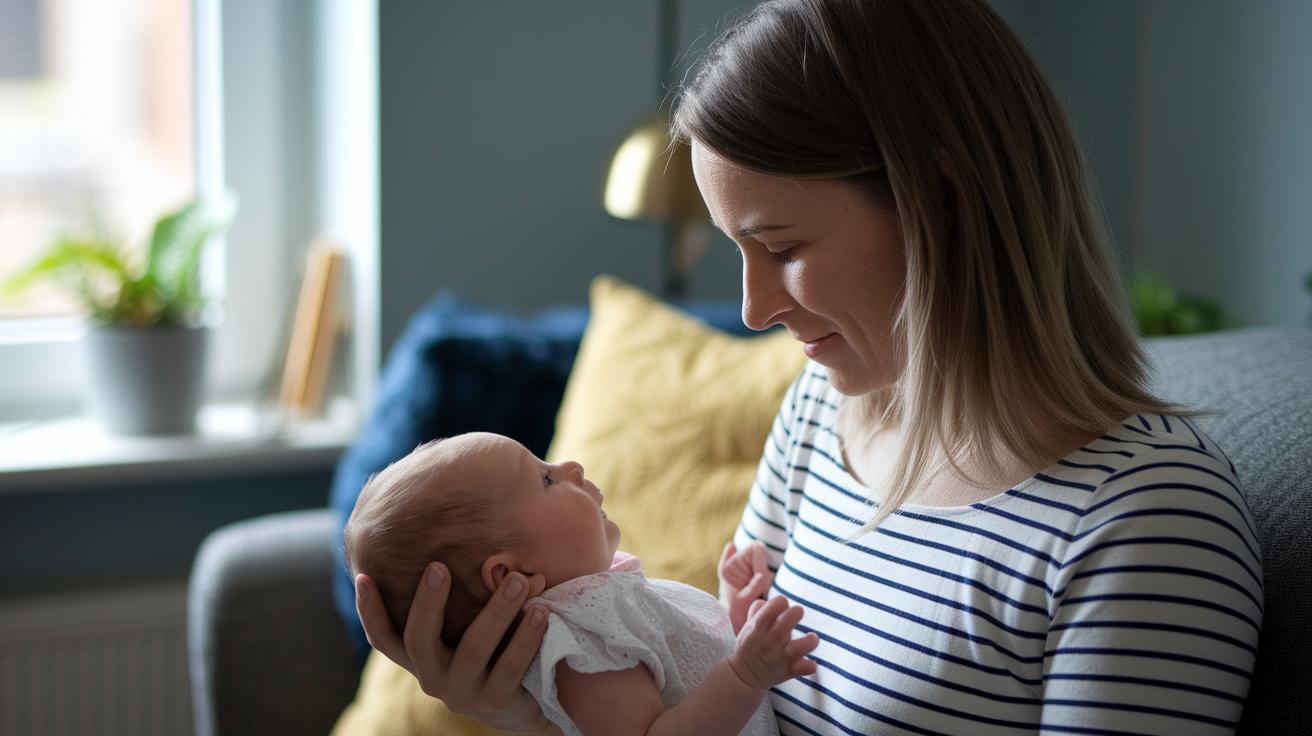
Postpartum depression (PPD) affects many new mothers, yet it remains widely misunderstood. Partners and families must be better informed, this condition is real, common, and treatable. Disturbingly, suicide is one of the leading causes of maternal death after the first six weeks postpartum, which highlights how urgent recognition and intervention can be. Whether someone feels overwhelmed, tearful, detached, or simply not themselves, those feelings warrant attention. This introduction outlines key facts, risk factors, typical symptoms, and practical steps for getting help so loved ones and health workers can act earlier and save lives.
Warning Signs Can Be Subtle , Don’t Ignore Them
Warning signs of postpartum depression aren’t always dramatic. Some women show no obvious red flags; others manage daily tasks while struggling inside. Partners and family members sometimes dismiss concerns as "baby blues" or temporary stress, leaving sufferers isolated. Domestic violence may continue or escalate after delivery, worsening mental health and making it harder to ask for help. Even health professionals can miss PPD during routine postnatal checks, especially when symptoms are understated. That’s why listening, routine mental-health screening, and a culture of belief and support are essential, when a mother asks for help, take her seriously.
How Common It Is and Typical Symptoms

Postpartum depression affects roughly 10 in 100 pregnant or postpartum women, though reported rates vary by setting. Symptoms often cluster around two peaks: immediately after delivery and again around 6–12 weeks (commonly near week 10). Typical signs include poor sleep, loss of interest in the baby, withdrawal from hobbies, poor appetite, persistent low mood and difficulty concentrating. In a minority of cases PPD can escalate into postpartum psychosis, a psychiatric emergency that requires rapid treatment. A history of severe mood disorder or previous postpartum psychosis increases the risk of recurrence; early detection improves outcomes.
Who Is at Higher Risk?
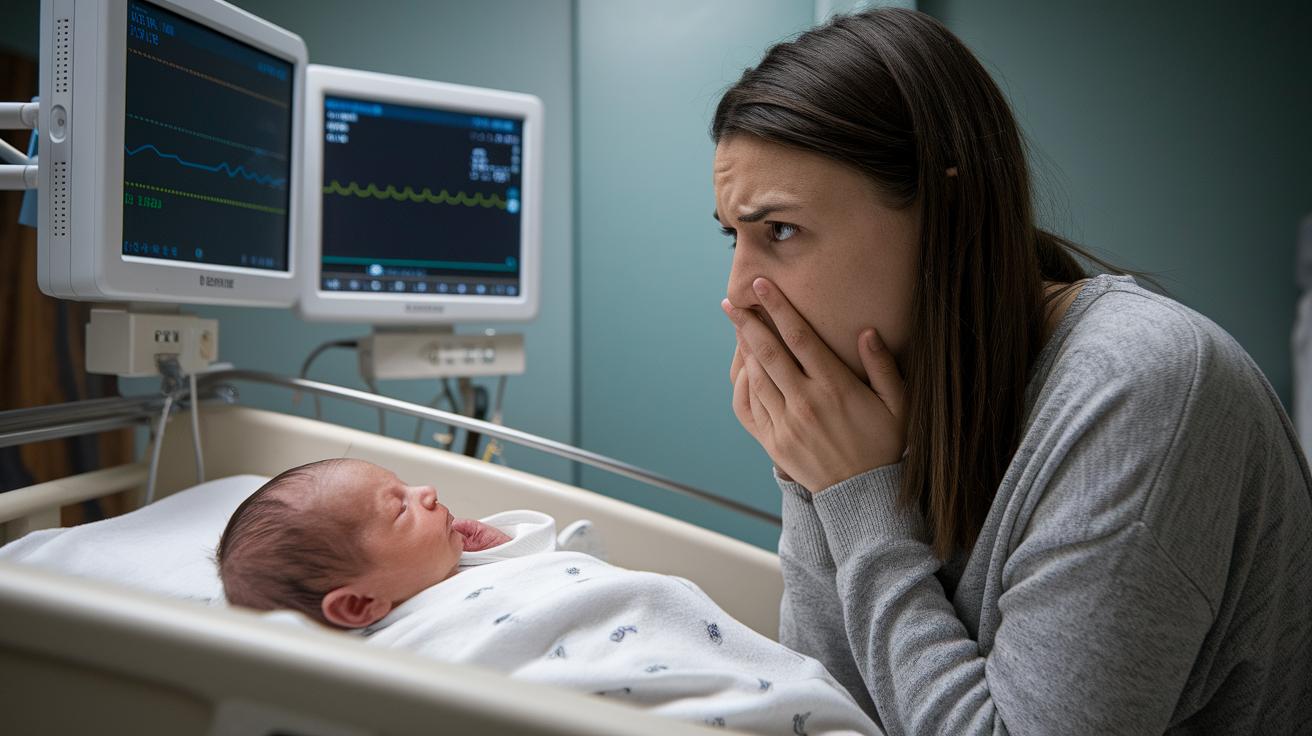
Certain factors make postpartum depression more likely. Teen mothers, women who had depression during pregnancy, or those with a family history of mood disorders face higher risk. Challenges like infertility, a difficult labor, preterm delivery (before 37 weeks), or carrying multiples (twins/triplets) create extra stress. A baby’s admission to neonatal care and poor family or social support also increase vulnerability. Identifying these risk factors during prenatal care and early after birth helps clinicians and families watch more closely and arrange support or early interventions when needed.
There Is Help , What Care Looks Like
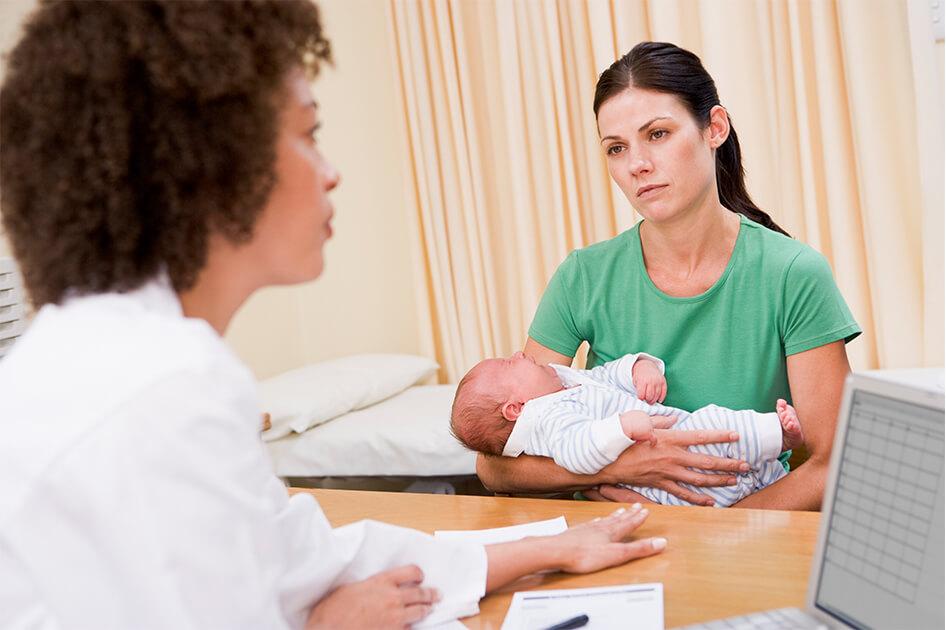
Postpartum depression requires proper, often urgent, treatment. Severe symptoms, suicidal thoughts, self‑harm or psychosis, need immediate medical attention. Effective options include counseling (CBT or interpersonal therapy), structured mother–baby bonding support, practical home help, and, when clinically appropriate, antidepressant medication under supervision; many treatments are compatible with breastfeeding. In acute cases, brief inpatient care may be necessary to keep mother and child safe. Health systems must prioritize screening, clear referral pathways and crisis support so new mothers receive compassionate, timely care that reduces risk and speeds recovery.
What You Can Do: Support, Share, and Save Lives

Women are stronger than you think, but resilience doesn’t mean symptoms should be overlooked. If you notice persistent sadness, detachment from the baby, or big changes in sleep or appetite, act: listen without judgement, validate feelings, and offer concrete help, meals, childcare or time to rest. Encourage a professional review and help with appointments if needed. Sharing information and breaking stigma saves lives: when partners, families and communities recognize PPD as real, more mothers get help sooner. If you’re concerned about someone, reach out, early support can make all the difference in recovery.