Have you ever wondered if your body is ready to get stronger after childbirth? Imagine easing into simple exercises that gently warm up your core while helping you slowly regain your energy, all in a safe way.
This week-by-week plan was created by a certified expert who understands your journey. It suggests easy moves, like pelvic tilts (a gentle exercise to shape your lower back and stomach), that help boost your confidence and power.
Get ready to start a routine that respects your healing and brings out your inner strength. Isn’t it amazing how small, thoughtful steps can make such a big difference?
Postnatal Fitness Blueprint: Safely Starting Your Postpartum Fitness Plan
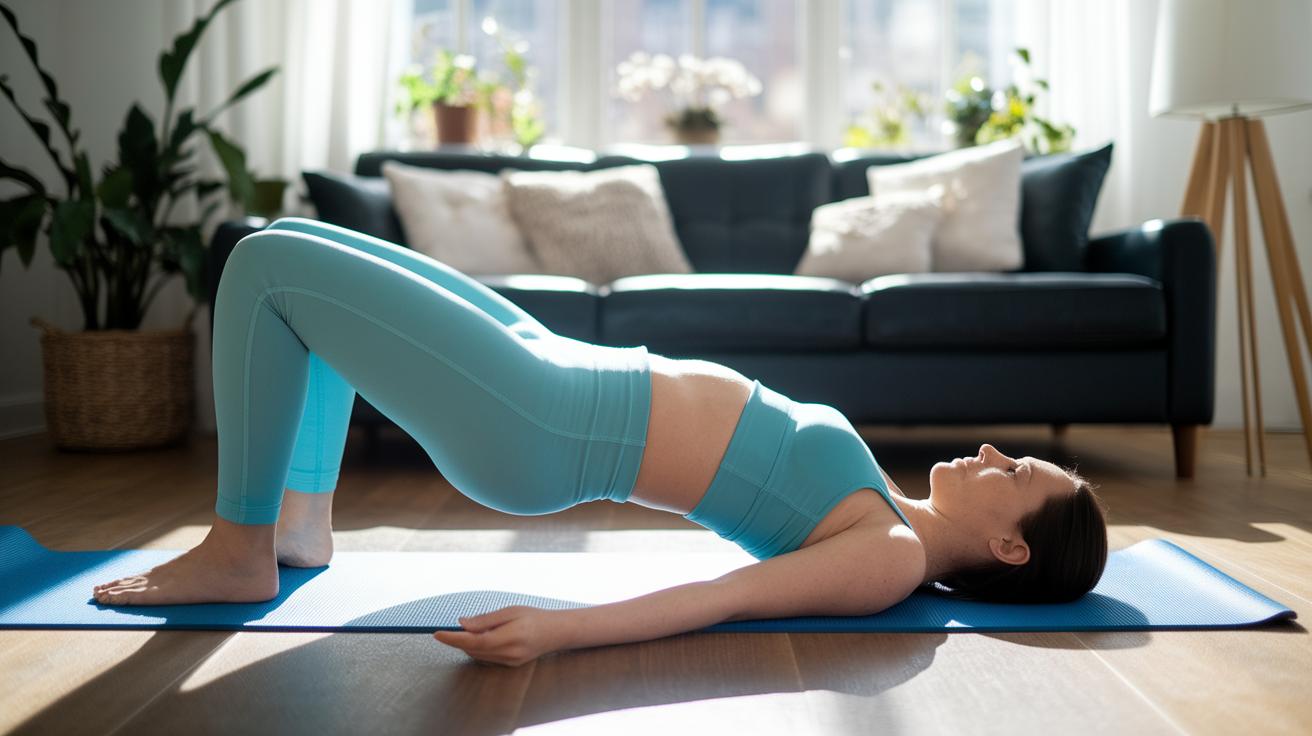
Before you begin any exercise after having your baby, it’s important to get the green light from your doctor or midwife. Most experts say it’s best to wait about 6 to 10 weeks after childbirth before starting any routine. This waiting time matters a lot, especially if you had a C-section or are still healing. Your healthcare provider will help you move safely from recovery to rebuilding strength.
Once you have medical clearance, start with some gentle moves that help strengthen your pelvic floor (the muscles near your bladder and lower back) and support your core. Imagine doing gentle pelvic tilts or slight bridges, letting your body ease into exercise. Picture yourself lying on your back and slowly lifting your hips, a simple, calm motion that works your core without straining you. It’s a safe way to help you heal now, while preparing you for more challenging exercises later.
This plan was created by a qualified fitness professional, someone with a Certificate IV in Fitness and a Master Trainer qualification. Every move in the routine is carefully planned to be safe after childbirth, with regular safety checks and little tweaks as you go. Remember, listening to your body and setting small, realistic goals can build your strength and boost your confidence as you recover.
Week-by-Week Postpartum Fitness Plan: Progressive Recovery Routine
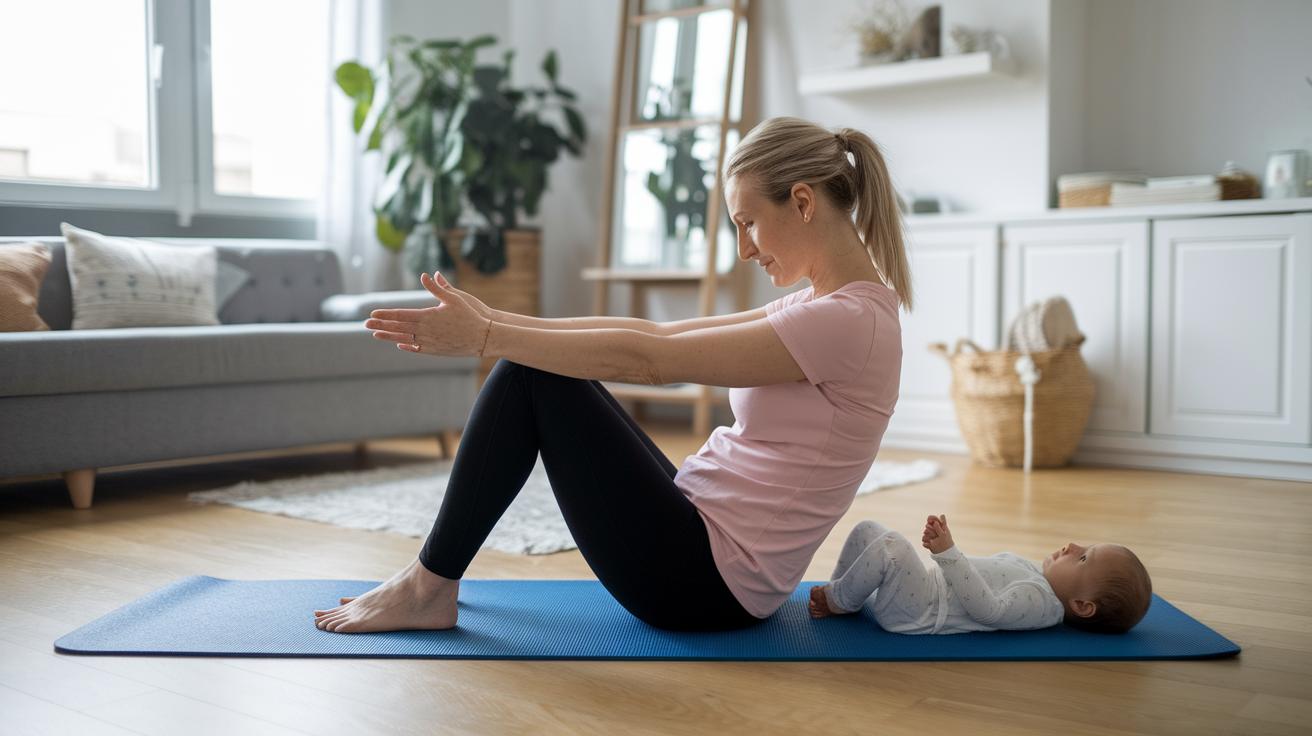
This four-week plan is made just for new moms who want to gently work back into exercise. It starts with short, easy sessions and slowly grows a little longer and a bit more challenging. Imagine easing back into workouts with confidence, knowing each week builds on the last while you listen closely to your body.
| Week | Workouts per Week | Duration | Focus |
|---|---|---|---|
| Week 1 | 3–4 | 15–20 minutes | Gentle activation and basic moves |
| Week 2 | 4 | 20–25 minutes | Building endurance with a bit more volume |
| Week 3 | 4–5 | 25–30 minutes | Strength focus with a touch more intensity |
| Week 4 | 4–5 | 30–35 minutes | Advanced core moves and TRX variations |
Take your time as you work through these weeks. There's no need to rush when your body tells you to slow down. If a session ever feels like too much, it's perfectly okay to stick with one week a little longer until you feel ready to move on.
On your rest days, you might also enjoy a gentle 20–30 minute walk. This can help keep you active and support your recovery. Every step counts, and finding that balance between regular exercises (roughly 75% of your routine) and some TRX moves (about 25%) can really help your strength grow.
Listen to your body after every workout. If you feel overly tired or a bit sore, consider making small changes to your routine. Step by step, you'll build up both strength and confidence. Enjoy the journey!
Postpartum Strength Building and Core Activation
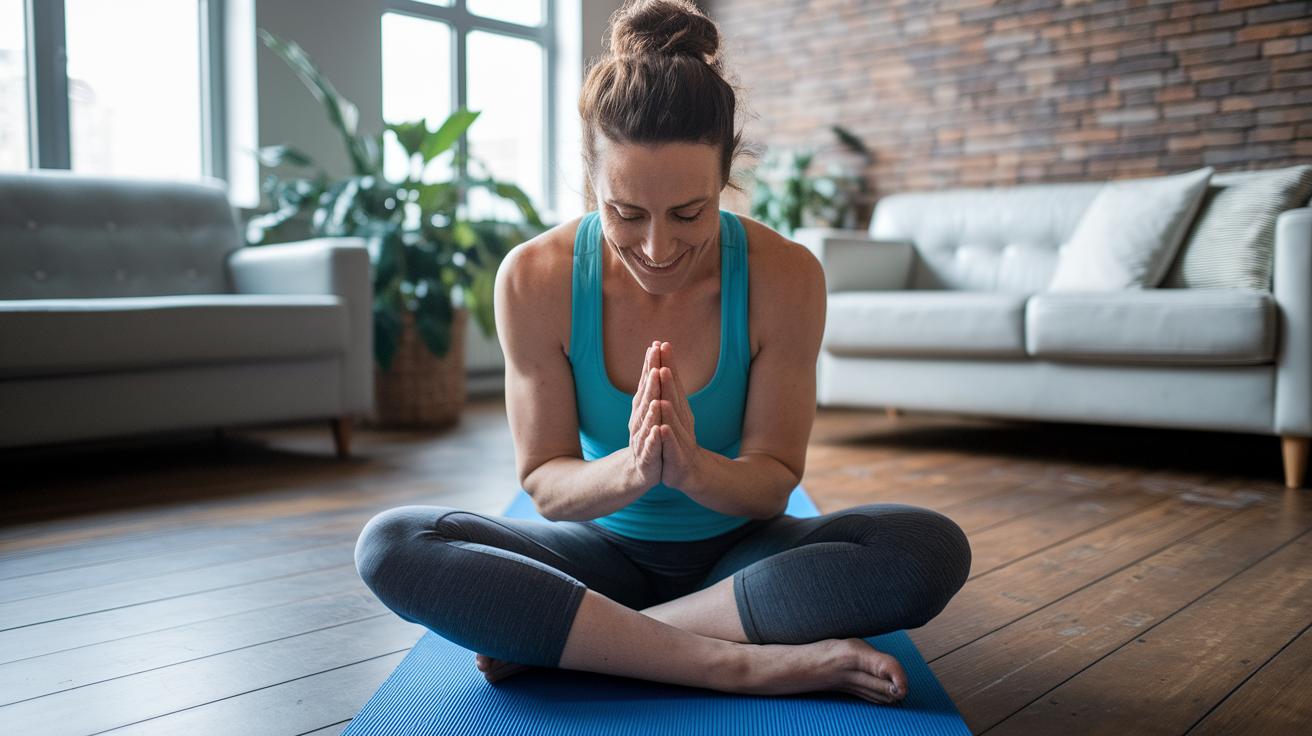
Building up your core after childbirth is really important. It helps support your back, eases discomfort, and encourages healing. Think of gentle core work as a way to give your body a warm, reassuring hug from the inside out.
Begin with simple moves that nudge your muscles back to life. For instance, try pelvic tilts, while lying on your back, slowly rock your hips back and forth. It’s like a soft reminder for your body to wake up. Another helpful move is the bridge, where you carefully lift your hips off the floor, engaging your glutes and lower back without overworking your tummy. And if you’re ready for a little extra, a modified plank (keeping your knees on the ground) can be a very friendly way of reactivating those muscles.
When you feel comfortable with the basics, you might add a tiny bit of extra resistance. This could mean using light weights or a stability ball to give you that extra gentle push. This step-by-step increase can boost your core strength and endurance over time. If you’re handling diastasis recti (a slight separation of your tummy muscles), following specific guidelines can be really helpful in your recovery.
After your workout, take a moment to check in with yourself. How do your muscles feel today? A little self-assessment goes a long way in ensuring you’re doing things safely and effectively. Adjust a move here or there if needed, this careful attention helps your body mend beautifully, one gentle step at a time.
Postpartum Low-Impact Cardio and Aerobic Exercises
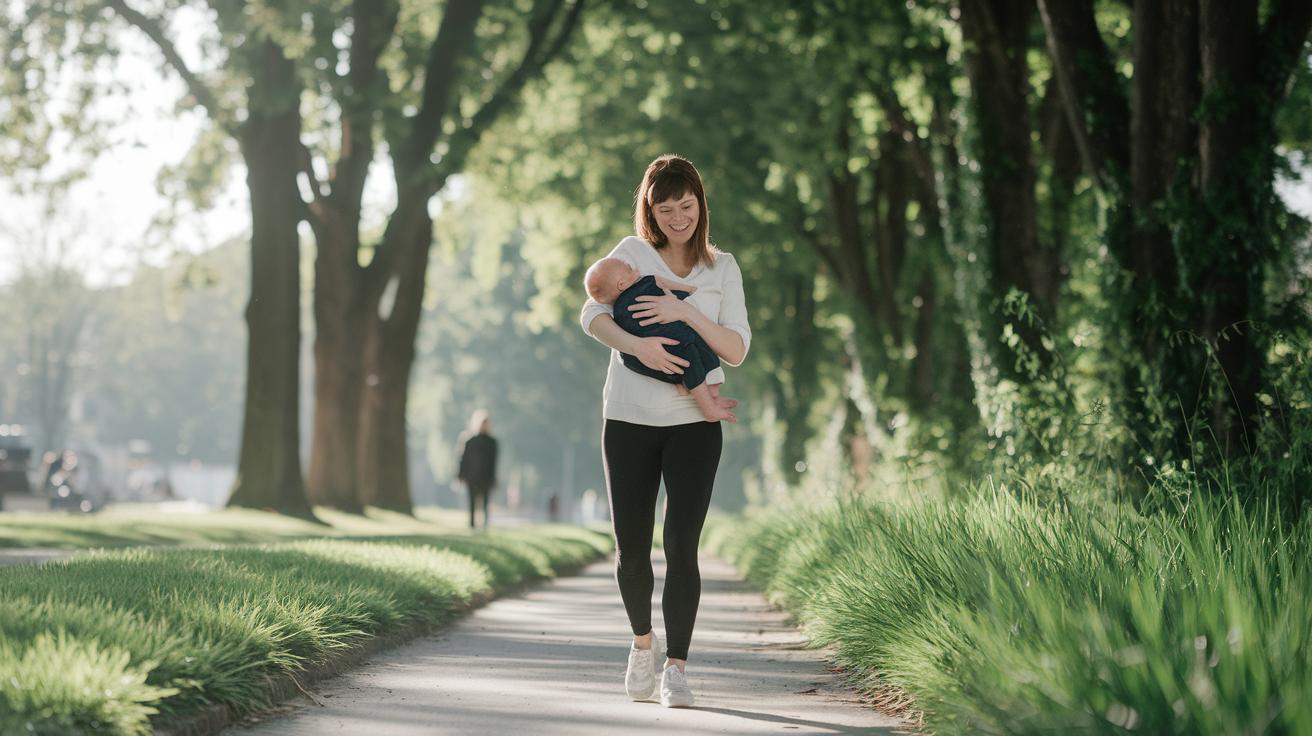
Cardio workouts are a gentle way to boost your recovery. They help increase blood flow and energy while being kind to your healing body. It’s like giving yourself a little nudge to feel better every day.
When you choose low-impact activities, try to keep your heart rate between 50 and 70% of your maximum. For example, a brisk 15- to 30-minute walk is a simple way to build endurance without putting too much pressure on your joints.
Another good option is riding a stationary bike. You can adjust the resistance and ride for about 15 to 30 minutes, and it feels just right for a gentle workout. Swimming is also a refreshing choice. It gives you a full-body workout and is very easy on your recovering muscles. And if you’re looking for something lighter on some days, a nice 20- to 30-minute stroll can do wonders to keep you moving comfortably.
Always listen to your body during these sessions. If you feel unusual tiredness or discomfort, feel free to adjust the pace or shorten your workout. Keeping an eye on your intensity helps you progress safely and lovingly on your recovery journey.
Nutrition and Recovery Tips for Your Postpartum Fitness Plan
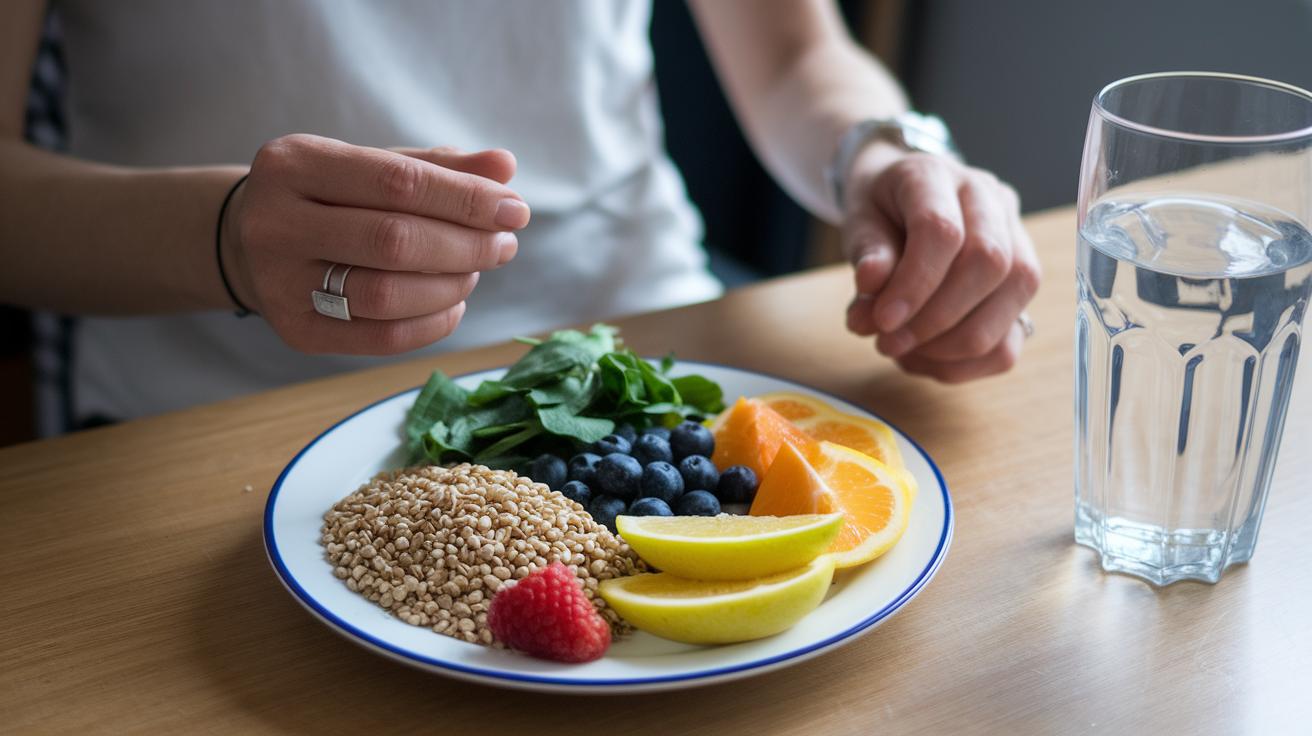
Eating balanced meals really makes a difference while your body heals and gets strong again for your workouts. When you're working on rebuilding muscle and energy, what you eat becomes your special fuel. Nutritious meals with the right mix of protein, carbohydrates, and healthy fats help repair tissue (like fixing small breaks in your muscles) and even support extra calories if you're breastfeeding. Good food can make your recovery days feel smoother and keep your energy steady so you can enjoy your daily activities while taking care of your body.
Here are some simple ideas:
- Lean proteins: Enjoy a serving about the size of your palm. This could be chicken, fish, tofu, or even beans.
- Complex carbohydrates: Think about having a portion of whole grains, like brown rice, quinoa, or whole-wheat pasta, roughly the size of a tennis ball.
- Healthy fats: A small handful of nuts, seeds, or a little drizzle of olive oil on your salad can do wonders.
- Fruits: Add a cup of mixed fruits for vitamins and a hint of natural sweetness.
- Vegetables: A couple of cups of fresh salad or steamed veggies can give you the fiber and antioxidants your body loves.
Staying well hydrated is just as important. Try to sip water often, and warm herbal teas can be a soothing treat too. Plan for balanced snacks between meals, maybe a small apple with peanut butter or a yogurt with berries, to keep your energy and hydration levels up throughout the day.
Postpartum Rest Days, Modifications, and When to Seek Professional Guidance

Taking a rest day is like giving yourself a gentle hug. It lets your body recover and rebuild while you avoid pushing too hard as your muscles and joints heal. Rest days are just as key as workout days because they help you listen to your body and adjust your routine as needed.
Try tweaking your exercises to match how you're healing, especially if you're bouncing back from a C-section. Maybe opt for a calming 20–30 minute walk or some light stretching, anything that feels soft and supportive. Have you ever noticed how a small change in your routine can make a big difference?
It might also help to change up your movements if your pelvic floor feels sensitive. A simple checklist can be a handy way to see if you're ready to try more challenging exercises. And, of course, keep an eye out for red flags like ongoing pain, signs of prolapse, or unusual bleeding. If any of these pop up, it’s wise to get a professional's advice.
Don’t forget to reach out to your healthcare provider if anything feels off or if you’re unsure about moving forward. Their guidance can help make sure your recovery stays safe and steady as you rebuild strength at your own pace.
Final Words
In the action, this guide has given a clear look at a safe, expert-supported postpartum fitness plan. We explored the importance of obtaining a medical clearance and starting with gentle pelvic floor and core exercises. The week-by-week recovery routine, combined with careful nutrition and rest days, offers practical ways to boost strength. Every step is backed by expert advice and real-life tips. Stay confident and enjoy building your new routine, one exercise at a time.
FAQ
Q: What is a week-by-week postpartum fitness plan?
A: A week-by-week postpartum fitness plan is a progressive routine that increases workout frequency and duration over four weeks, helping you build strength and endurance safely after medical clearance.
Q: How can I get a free PDF of a postpartum workout plan?
A: A free PDF of a postpartum workout plan provides easy-to-follow, expert-backed routines designed for safe recovery, available for download so you can plan your workouts at home.
Q: What should be included in a postpartum workout plan at home or on an app?
A: A postpartum workout plan at home or via an app typically includes gentle moves that focus on pelvic floor and core rehabilitation, alongside low-impact exercises to rebuild strength safely.
Q: What’s a good postpartum workout schedule?
A: A good postpartum workout schedule gradually increases activity following medical clearance, starting with gentle core and pelvic floor exercises and progressing with balanced strength and cardio work throughout the week.
Q: How soon can I exercise postpartum?
A: How soon you can exercise postpartum depends on your recovery; most experts suggest beginning gentle exercises around six to ten weeks after birth, always following your healthcare provider’s advice.
Q: What workouts should I avoid postpartum?
A: Workouts to avoid postpartum include high-impact routines and strenuous abdominal exercises until you have healed, so focus instead on safe moves like modified planks, pelvic tilts, and light cardio.
Q: How can I reshape my body after pregnancy?
A: Reshaping your body after pregnancy involves following a structured, safe exercise plan that emphasizes pelvic floor strengthening, core rehabilitation, low-impact cardio, and balanced nutrition while respecting your body’s pace.